← Morocco
MOROCCO · CITY

Tétouan

A dazzling white Andalusian-influenced medina in the Rif Mountains — Morocco's most Spanish-flavoured town.

  • City
  • April to June and September to October — warm, dry and comfortable
  • ~approx 1–2 days
  • Andalusian White Medina
  • Spanish Ensanche
  • Rif Foothills
  • Mediterranean Nearby

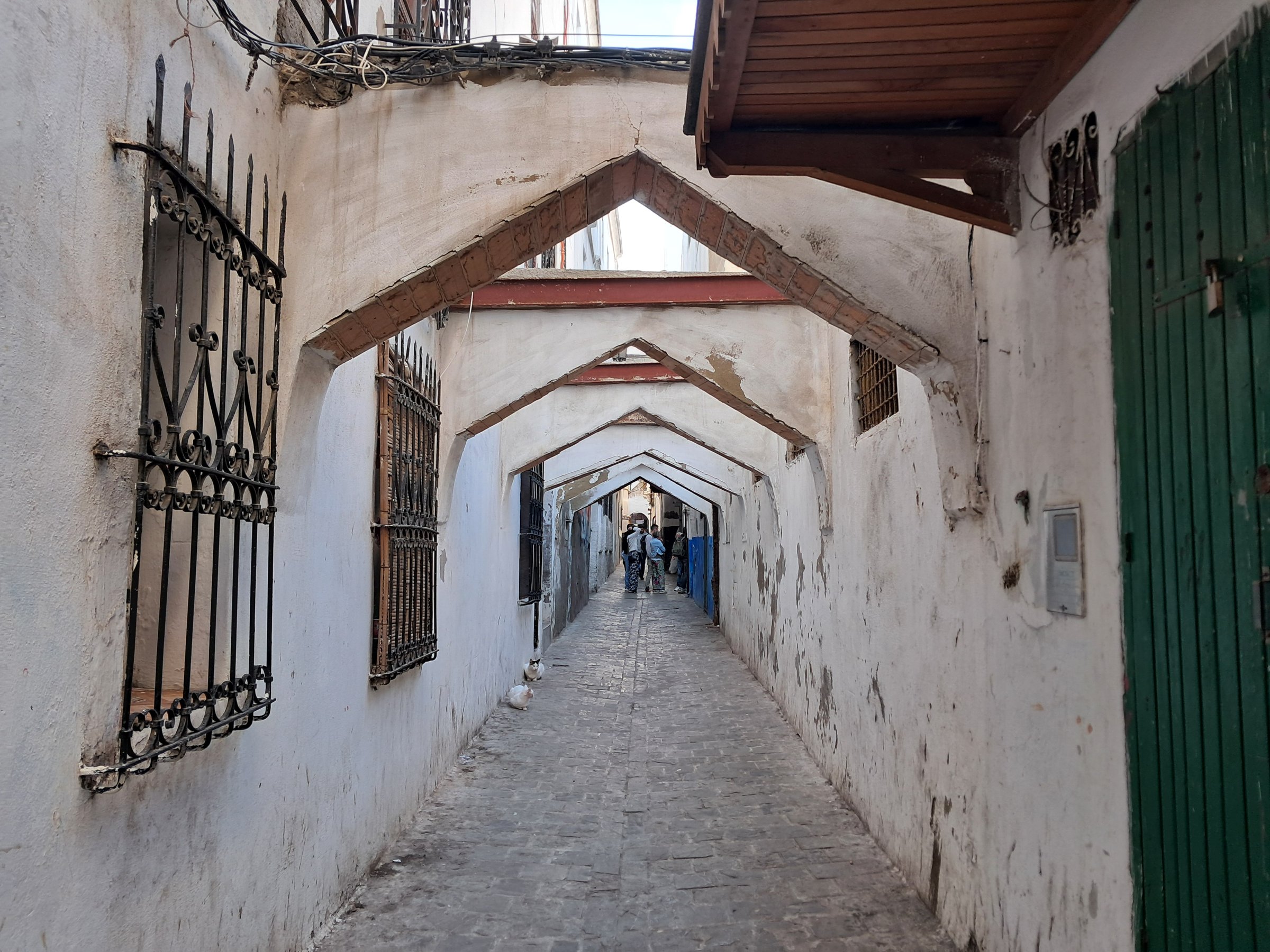
A tight lane of lime-white houses opening onto a tiled fountain, the call to prayer echoing off the Rif, and, a few streets away, a grand plaza of Spanish art-deco façades where families take their evening paseo.

Tétouan is Morocco's most Andalusian city — a whitewashed medina rebuilt by Muslim and Jewish refugees from Spain, tucked in the Rif foothills near the Mediterranean, and wrapped in a rare Spanish-built new town from its years as a colonial capital.

Type
city
Ideal length
~approx 1–2 days
Getting around
on foot in the medina and Ensanche; petits taxis beyond
Neighbourhoods
3 areas
Best season / months
April to June and September to October — warm, dry and comfortable
Language
Arabic and Amazigh; Spanish and French widely spoken (some English)
Currency
Moroccan dirham (MAD)
Budget level
low — very affordable
Good for
  • History
  • Craft
  • Culture
  • Quieter Morocco
  • Coast-and-Rif trips
▸ Discover

About Tétouan

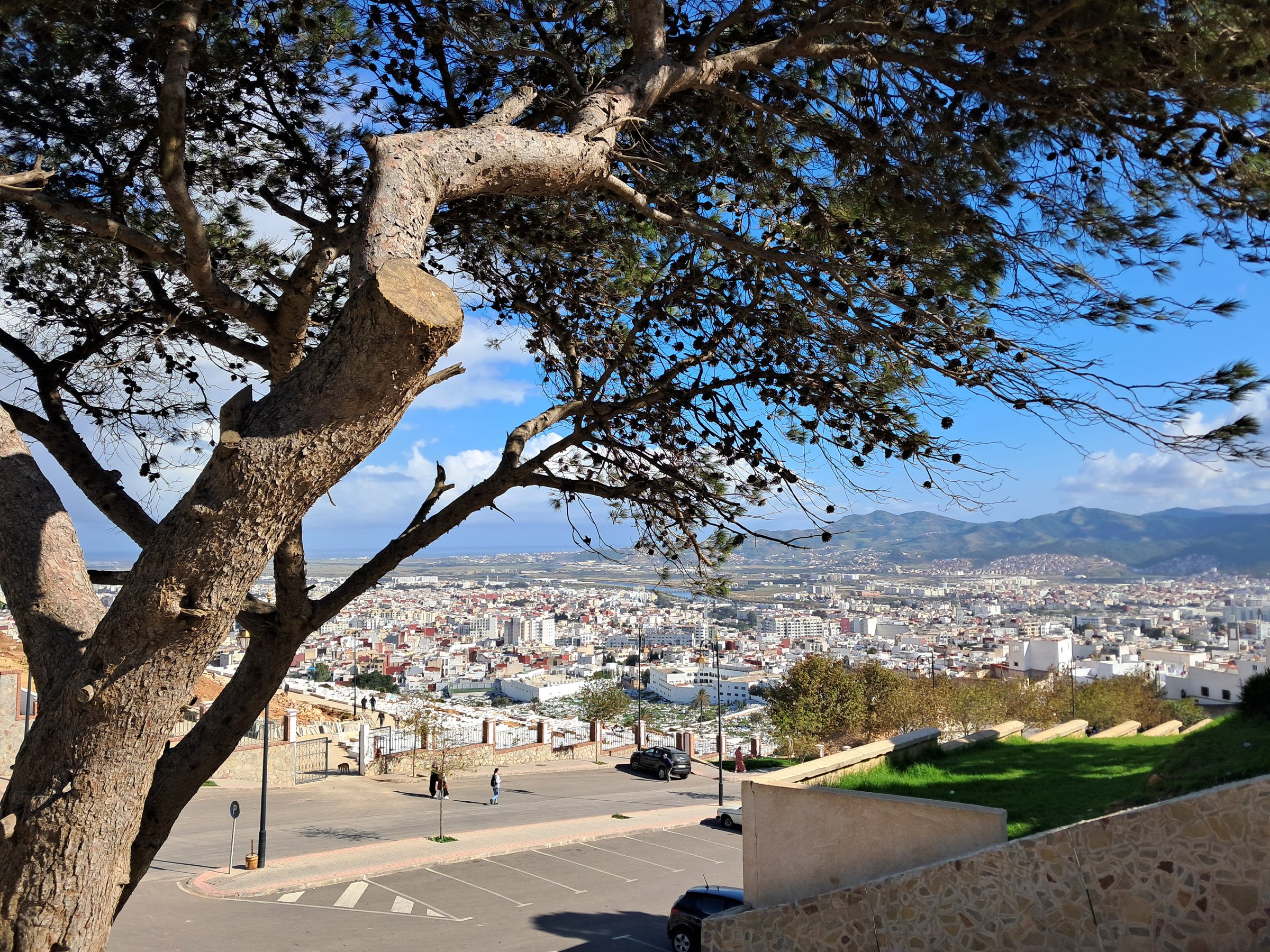
Tétouan sits below the Rif mountains in northern Morocco, a short drive from the Mediterranean coast and the Strait of Gibraltar. Its heart is a compact, brilliant-white medina — a UNESCO site shaped by Andalusian refugees, its architecture, crafts and cooking carrying a distinct Spanish-Moorish stamp. Beside it lies the Ensanche, the ordered new town the Spanish built when Tétouan was capital of their protectorate, all boulevards and art-deco façades. Beyond, the foothills climb and the beaches of Martil and M'diq are minutes away. It's an unusual, under-visited city with one foot in Morocco and one in Andalusia.

Why go

Tétouan is unlike anywhere else in Morocco — a living echo of Muslim Spain, its white Andalusian medina among the most intact and least touristy in the country, its crafts (leather, brass, embroidery) still worked in the old way. The Spanish colonial Ensanche gives it a second, European face rare in Morocco, and the Mediterranean beaches and the blue town of Chefchaouen are close by. For medina atmosphere without the hustle, and a genuinely different cultural mix, it rewards the curious.

Don't miss

  • The white medina — the Andalusian old city (UNESCO)
  • Place Hassan II — the grand ceremonial square and palace
  • The Ensanche — the Spanish art-deco new town
  • The old-city souks and craft workshops
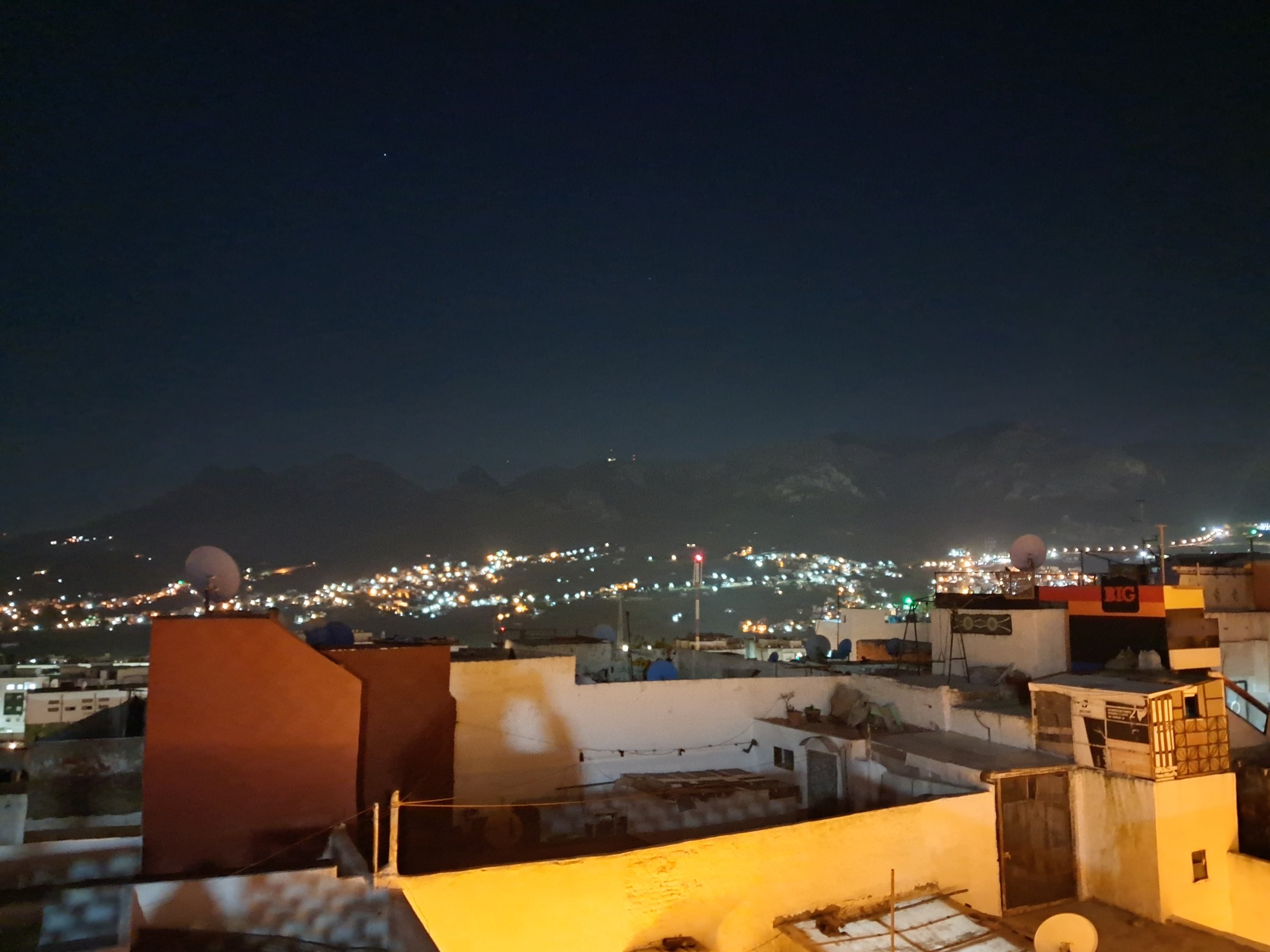
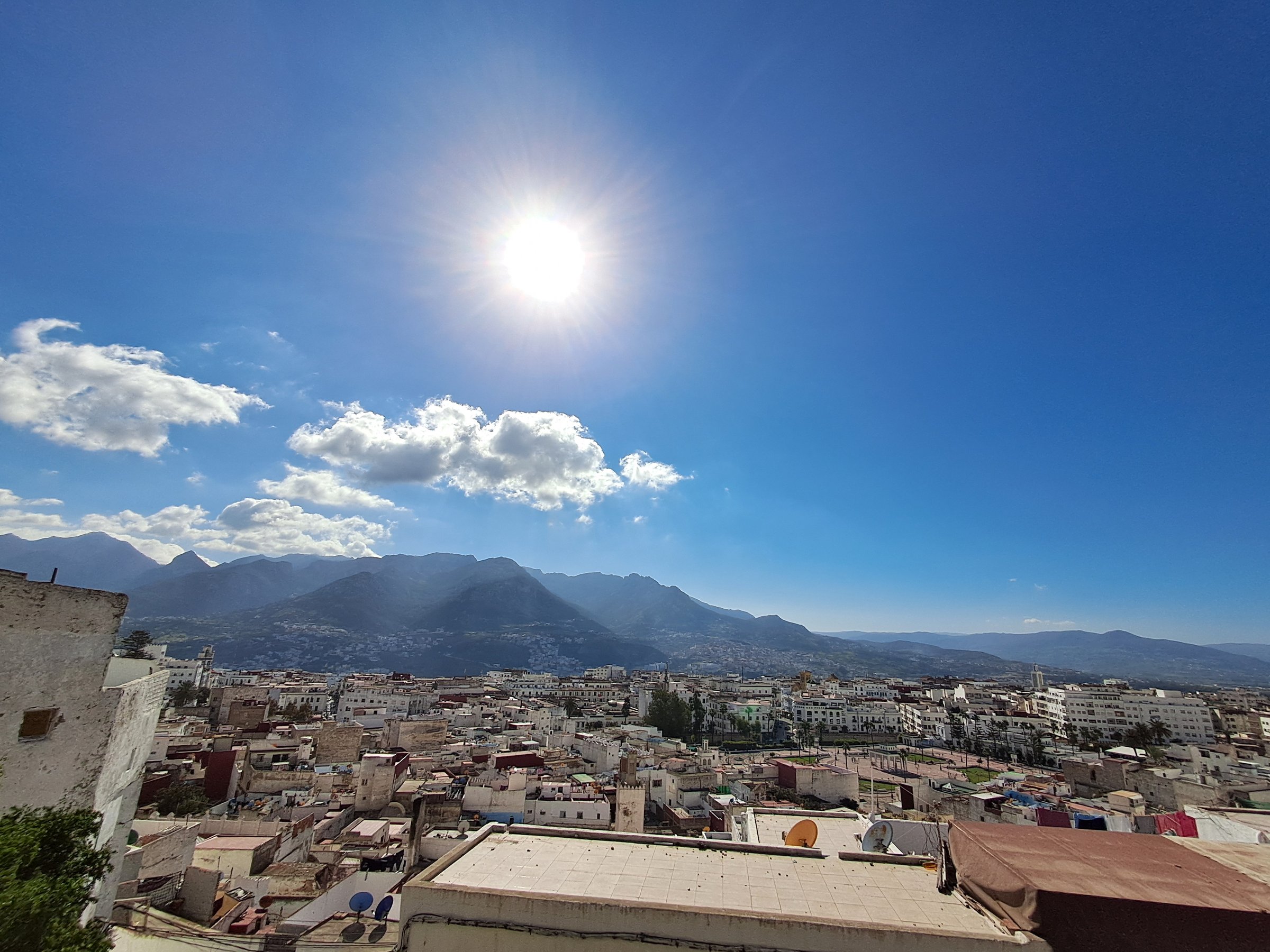
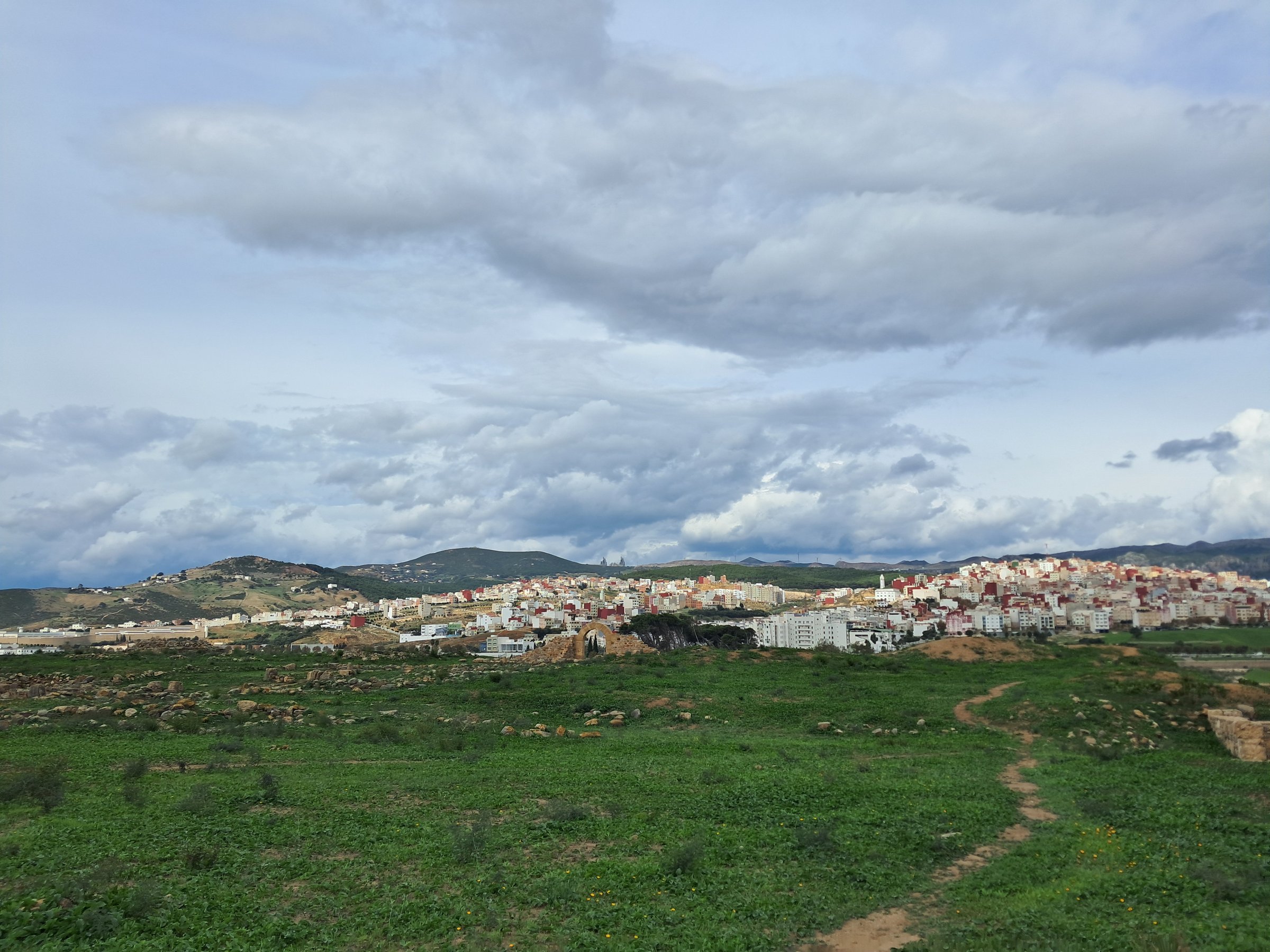
  • The Rif and Mediterranean setting

Signature experiences

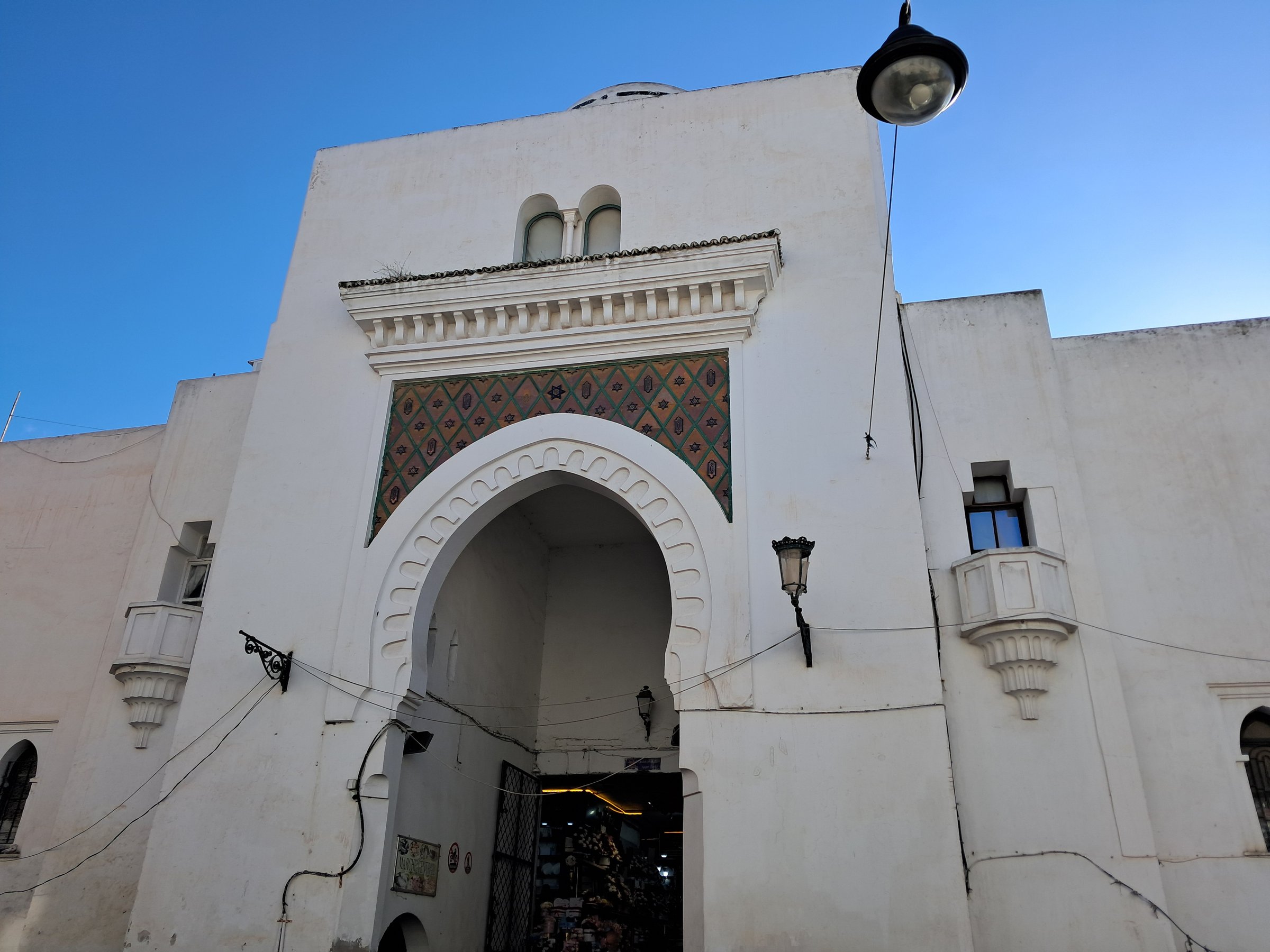
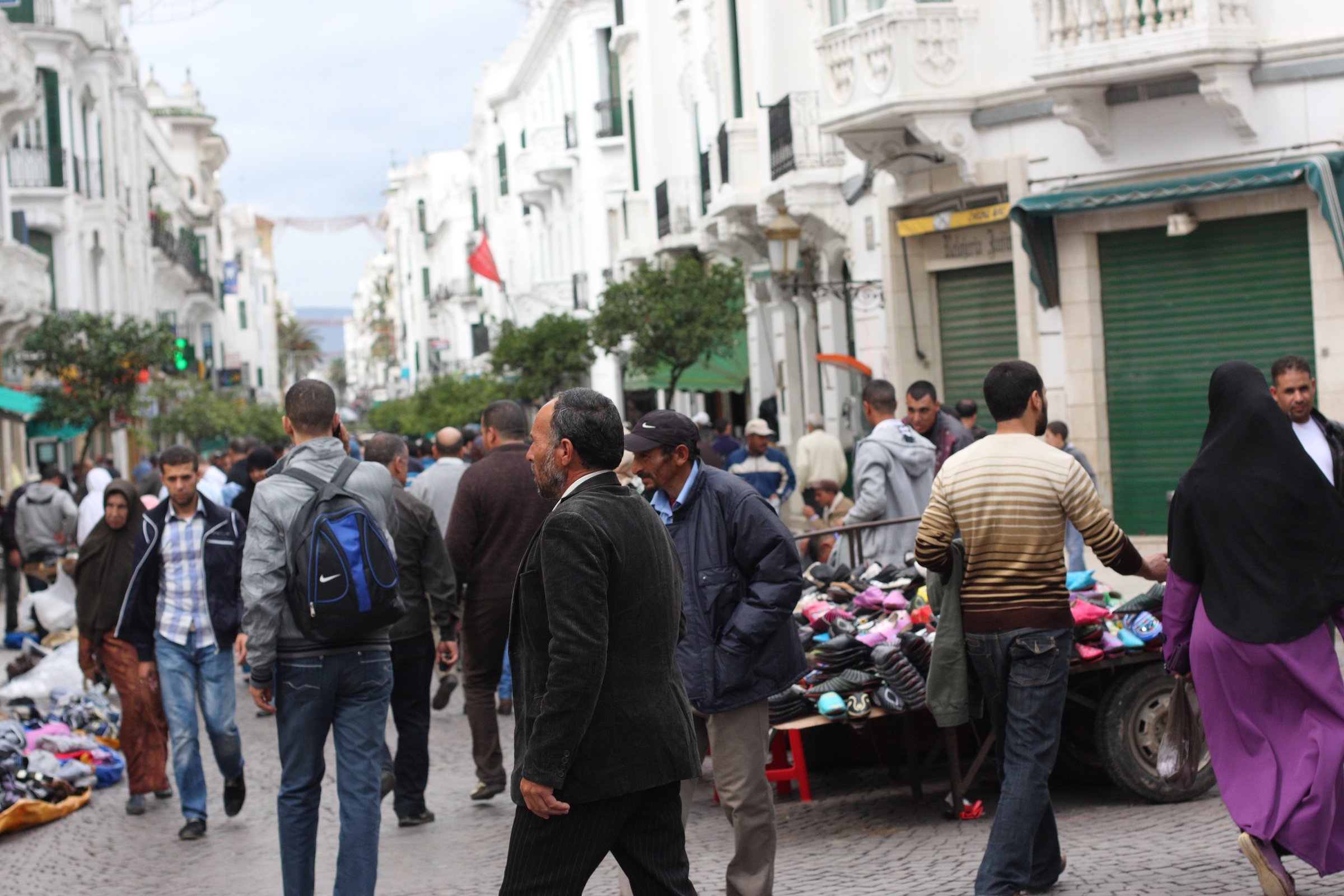
The white Andalusian medina — Tétouan's old city is its wonder — a compact, lime-white labyrinth rebuilt from the 15th century by refugees fleeing Christian Spain, and it still feels distinct from any other Moroccan medina: tidier, whiter, with Andalusian doorways, tiled fountains and a softer pace. Wander the craft souks, where leatherworkers, coppersmiths and embroiderers still work by hand, and let yourself get lost. The hassle is minimal, and the atmosphere is the real thing. **Two cities in one** — Few Moroccan cities show two faces this clearly. Cross Place Hassan II from the medina gate and you step from Andalusian Morocco into the Ensanche — the Spanish colonial new town of boulevards and art-deco façades, café terraces and plazas. Spend a morning in the white lanes and an evening on the European avenues, and the city's unusual layered history — Andalusian, Moroccan, Spanish — comes alive in the walking. **Craft heritage** — Tétouan has one of Morocco's strongest craft traditions, taught and preserved in a historic artisan school and worked throughout the medina. Inlaid woodwork, hand-tooled leather, brass, silver filigree and the fine embroidery the city is known for are all made and sold here, often straight from the workshop. Watching a craftsman at work and buying from the source is one of the pleasures — and the prices are gentler than in the tourist cities. **The Rif and the sea** — Tétouan's setting is half the appeal. The Rif mountains rise behind it, and the Mediterranean is minutes away — the beaches of Martil and M'diq for a swim, the fishing harbours and, further along, the coast toward the Strait. Inland, the blue-washed town of Chefchaouen is an easy trip. The city makes a natural base for combining old-town culture with mountain and coast.

Neighbourhoods

Tétouan neighbourhood by neighbourhood — the character of each and who it suits.

  • The Medina

    The brilliant-white Andalusian old city — a dense, intact maze of lime-washed lanes, tiled fountains, workshops and souks behind the ramparts, its architecture and crafts carrying a Spanish-Moorish stamp. The UNESCO heart.

    Why go
    The white lanes, the craft souks and the Andalusian atmosphere, with little hassle.
    Best for
    Souk shoppingcraftswanderingeveryday life
    Known for
    The whitewashed lanes and tiled fountains, the leather, brass and embroidery workshops, the covered souks, the old mellah (Jewish quarter), and the ramparts and gates.
  • Place Hassan II and the Royal Palace

    The grand ceremonial square (the old Feddan) between the medina and the new town, fronted by the Royal Palace — a tiled, floodlit plaza that's the city's living room and the hinge between its two halves.

    Why go
    The great square, the palace façade and the evening paseo.
    Best for
    People-watchingevening strollsphotography
    Known for
    Place Hassan II and its tiled paving, the Royal Palace façade, the gateway into the medina, and the cafés where the whole city gathers at dusk.
  • The Ensanche

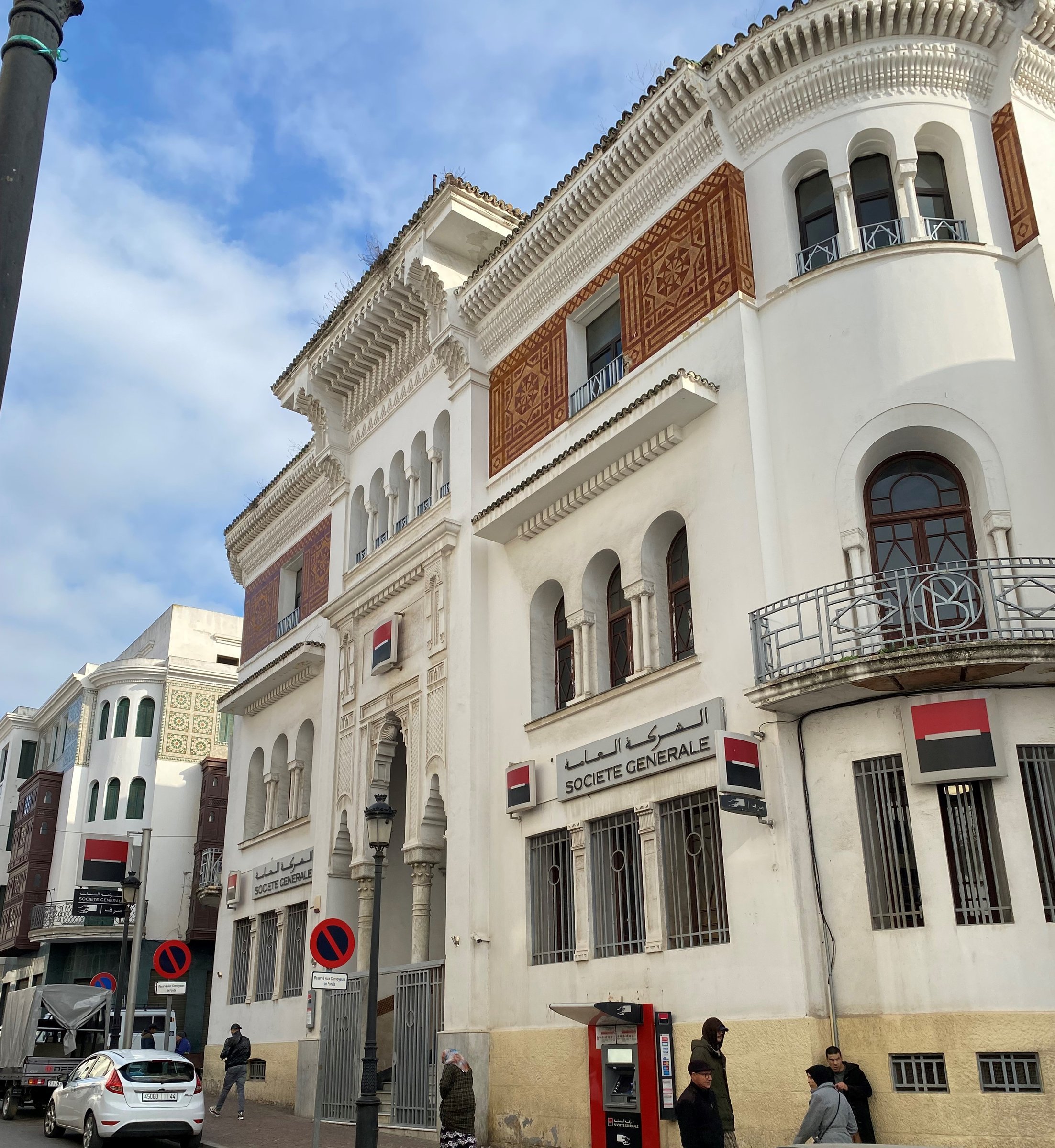
    The Spanish-built new town — a grid of boulevards, plazas and art-deco and neo-Moorish façades laid out when Tétouan was capital of the Spanish protectorate. A European face rare in Morocco.

    Why go
    The colonial architecture, the café culture and the hotels.
    Best for
    Architecturecafésdininghotels
    Known for
    The art-deco and modernist façades, the Plaza Moulay el Mehdi, the tree-lined boulevards and café terraces, and the theatres, hotels and restaurants of the new town.

Views & hidden gems

Best views

  • The white medina from the ramparts — lime-washed roofs against the Rif
  • Place Hassan II at dusk — the tiled square and floodlit palace
  • The Ensanche's art-deco façades — colonial Spain in Morocco
  • The Rif foothills above the city — the whole town below

Hidden gems

  • The artisan school (Dar Sanaa) and its traditional-craft workshops
  • The old mellah (Jewish quarter) lanes within the medina
  • The Ethnographic Museum in a bastion by the ramparts
  • The tiled fountains hidden in the medina's quieter squares
  • The nearby beaches of Martil and M'diq for a Mediterranean afternoon

Food & drink

Tétouan's cooking carries its Andalusian and Mediterranean stamp. Alongside the Moroccan staples — tagines, couscous, harira, brochettes and pastilla — come touches from Spain and the coast: fresh Mediterranean fish and seafood from Martil and M'diq, and Andalusian-influenced pastries and sweets. The medina stalls and Ensanche restaurants both serve well, and the café culture (a Spanish inheritance) is strong. The souk brims with olives, dates, mint and the city's famous embroidered breads and sweets.

  • Tagine — slow-cooked lamb or chicken with vegetables and spices
  • Fresh Mediterranean fish — from the nearby coast, grilled or in tagine
  • Pastilla — a sweet-savoury pie in flaky pastry
  • Harira — a hearty tomato, lentil and chickpea soup
  • Andalusian-style pastries and sweets — the city's Spanish-Moorish baking
  • Mint tea — sweet green tea, the constant welcome
Dietary notes

Vegetarians manage with vegetable tagines, couscous, salads, harira (check the stock) and bread, though meat stock is common, so ask. Vegan needs care around butter and eggs. As a Muslim country, halal is the default and universal; kosher has a historic presence given the old mellah but is effectively unavailable today. Gluten-free is hard around couscous, bread and pastilla — grilled fish, meats and salads are safer, but confirm.

Tétouan in photos

▸ Where you'll stay

Where you'll stay in Tétouan

For atmosphere, stay in a guesthouse or small riad in the white medina, steps from the souks and Place Hassan II. For modern comfort, cafés and easier arrivals, the Ensanche holds the standard hotels among its boulevards. Tétouan is small and cheap, and the two halves are a short walk apart. The medina is the more characterful base; the Ensanche the more convenient.

  • Budget
    The medina / near Place Hassan II guesthouses and budget rooms among the white lanes.
  • Mid-range
    The Ensanche comfortable new-town hotels near the cafés and plazas.
  • Luxury
    The best medina riads / top Ensanche hotels restored houses or the upper end of a modest range.
Stay

Hotels & rentals around Tétouan

Pan, zoom and compare live prices — every stay in one map.

▸ Getting around

Getting around Tétouan

The medina and Ensanche are compact and walkable, a short stroll apart across Place Hassan II. Petits taxis (cheap) cover the longer hops and the outskirts; grand taxis run to the beaches and Chefchaouen. A car isn't needed in town.

The medina, Place Hassan II and the Ensanche adjoin each other on foot (~approx); the coast and Chefchaouen are grand-taxi or car trips out — plan them as half- or full-day excursions.

▸ Plan your days

Suggested itineraries

Ready-made day plans for Tétouan — from a single day to a long weekend.

One day

Spend the morning in the white medina — the souks, the craft workshops, the tiled fountains and the old mellah — then step out to Place Hassan II for the palace and the square. Have a fish or tagine lunch, cross into the Ensanche to see the Spanish art-deco streets and the Ethnographic Museum, and end with a coffee on a boulevard terrace as the city takes its evening paseo.

Two days

Give day two to the coast or the mountains. Head to the Mediterranean beaches of Martil and M'diq for a swim and a seafood lunch, or make the easy trip inland to the blue town of Chefchaouen. Return to Tétouan for a last evening on Place Hassan II.

▸ What you'll do

Insider tips

  • Give Tétouan a night rather than rushing through to Chefchaouen — the white medina is worth it.
  • Buy crafts straight from the medina workshops for better prices and the genuine article.
  • Combine the city with a Mediterranean beach afternoon at Martil or M'diq, minutes away.
  • Carry cash — the medina, taxis and stalls are cash-only, with ATMs in the Ensanche.
What's on

While you're there

28
MAY
Fes Festival of World Sacred Music 2027
99 Zkak Rouah, 30 Fez, Morocco · music festival
Build a trip around it →
Explore

Explore the area

© OpenFreeMap · OSM · terrain Mapterhorn
Do

Local attractions & tours

Skip-the-line tickets and small-group tours in Tétouan — compare across our partners.

We're still curating hand-picked tickets and tours for Tétouan. In the meantime, the map above and the nearby cities are a great place to start.

▸ Budget

What it costs in Tétouan

Backpacker
roughly €18–35 a day as a rough guide.
Mid-range
roughly €40–80 a day as a rough guide.
Luxury
from around €130 a day.
Cash vs card
Morocco runs largely on cash — carry dirhams for the medina, taxis, stalls and small guesthouses; cards work in bigger hotels only.
Tipping
Tipping is customary — small dirham tips for cafés, guides and help; round up taxis.
▸ When you'll go

When to visit Tétouan

April to June and September to October — warm, dry and comfortable

Spring

What to expect — Warm, green and comfortable, the Rif fresh and the coast waking up, with occasional showers. One of the best times.

What's best — Ideal weather for the white medina and the beaches, green mountains, and mild days — a lovely, uncrowded season.

Summer

What to expect — Warm to hot, tempered by the sea breeze near the coast, and busy with Moroccan holidaymakers heading to the beaches. Pleasant by the water, warm inland.

What's best — Beach weather at Martil and M'diq minutes away, long warm evenings on the Ensanche terraces, and a lively holiday buzz — sightsee the medina in the cooler hours.

Autumn

What to expect — Warm, settled and comfortable as the summer heat and crowds fade — one of the best windows, with warm seas lingering.

What's best — Fine weather for the medina, the crafts and the coast, thinner crowds, and warm swimming into the early autumn — a rewarding, relaxed time.

Winter

What to expect — Cool and often wet, with grey Rif spells and the odd bright, crisp day; the coast quiet and the mountains sometimes snow-dusted. The low season.

What's best — Few tourists, lower prices, and the white medina atmospheric under moody skies — pack warm layers and a waterproof, and pick the clear days for the coast and Chefchaouen.

▸ Know before you go

Know before you go

Honest swaps

Skip the tourist-heavy medinas of Fes or Marrakech for a day → Tétouan's white medina gives the atmosphere with far less hassle.

Skip mass-produced souvenirs → buy leather, brass and embroidery straight from the medina workshops.

Skip staying only in the medina → cross to the Ensanche for the café culture and the city's other face.

Skip a beeline to Chefchaouen → give Tétouan itself a night; it's under-rated and close to the coast.

Crowds & timing

Tétouan is rarely crowded, but summer packs the nearby beaches with Moroccan holidaymakers — plan coast trips around that.

Fridays are quieter in the medina around midday prayers.

Local rules & etiquette

Dress modestly, especially near mosques; cover shoulders and knees in the medina.

Non-Muslims cannot enter the working mosques; be respectful around prayer times.

Ask before photographing people and craftsmen, and agree any guide's fee and route first.

Money

Carry dirhams in small notes for the medina, taxis, stalls and tips; cards cover bigger hotels only.

Use bank ATMs in the Ensanche and agree grand-taxi fares for the coast or Chefchaouen up front.

After dark

The Ensanche's café terraces and restaurants, and Place Hassan II, hold the liveliest evenings and the paseo.

The medina winds down after dark; stick to the busier lit lanes and the square in the evening.

Tétouan is a gentle, early city; nights are cafés, dinner and a stroll rather than a bar scene.

▸ Ready to book your trip?

Getting there

The nearest airports are Tangier (TNG), around an hour away, and the smaller Tétouan Sania Ramel (TTU). Grand taxis and buses connect Tétouan with Tangier, Chefchaouen and the coast; the city has no train, so road transport rules.

Book

Ready to book your trip?

Flights, airport transfers and car hire — search and compare without leaving the page.

▸ Trip extras
Book

More trip extras

Parking, holiday extras, and more — coming soon.

Coming soon

We're lining up parking, holiday extras and activities you'll be able to add to any trip from here.