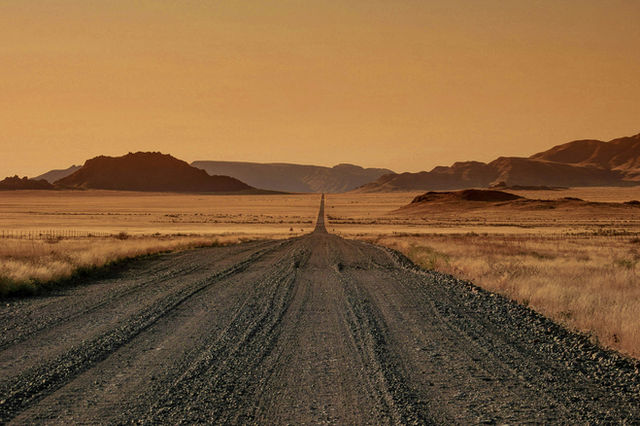
Namibia — hero
← All destinations Country

Namibia

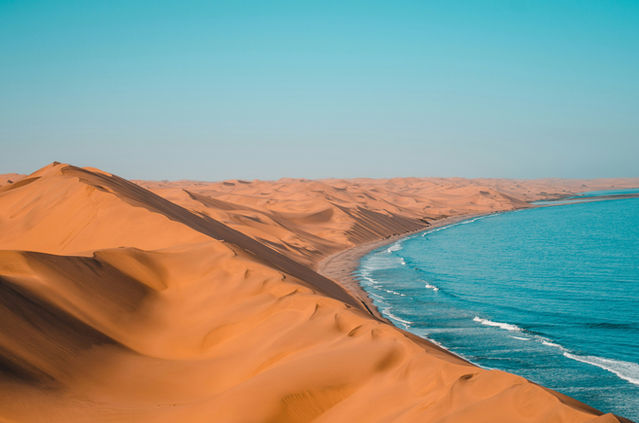
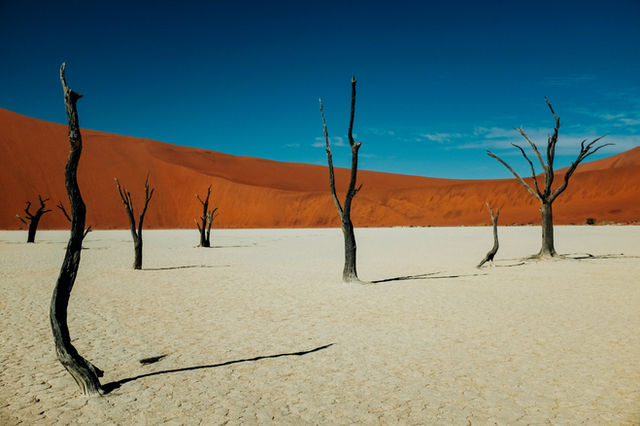
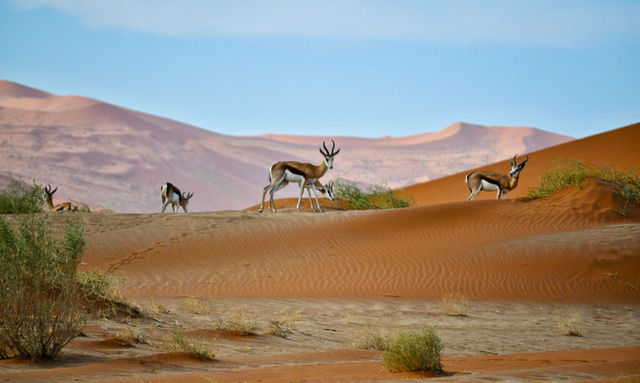
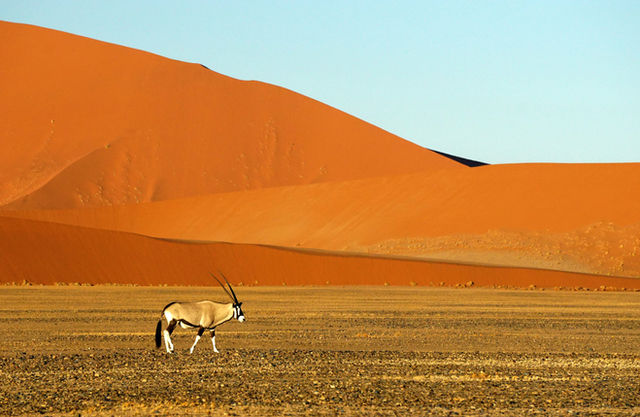
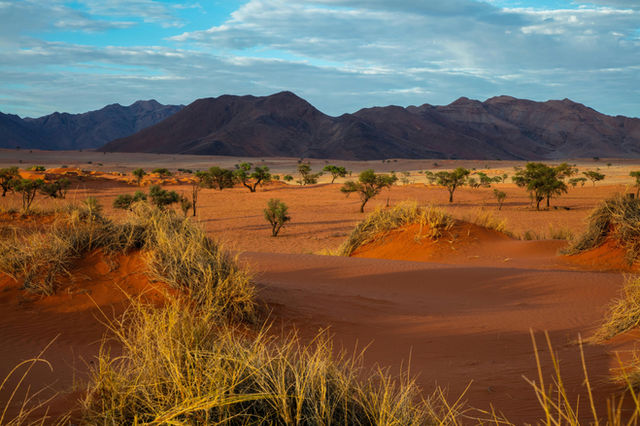
Vast, empty and cinematic. Namibia is Africa's ultimate soft-adventure road trip, from the towering red dunes of Sossusvlei to desert-adapted wildlife.

  • Currency $ Namibian Dollar (NAD)
  • Language Afrikaans, German, English, Herero, Khoekhoe, Kwangali, Lozi, Ndonga, Tswana
  • Best time May – October
  • Visa Visa required since Apr 2025 — visa on arrival or e-visa (~US$85)
Why visit

Why Namibia

Vast, empty and cinematic. Namibia is Africa's ultimate soft-adventure road trip, from the towering red dunes of Sossusvlei to desert-adapted wildlife.

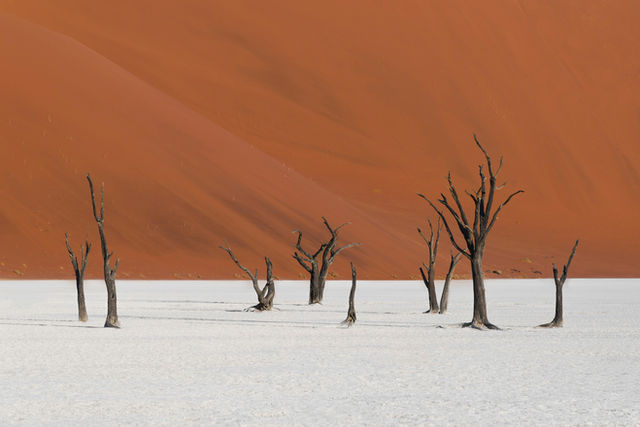
  • Sossusvlei red dunes and Deadvlei
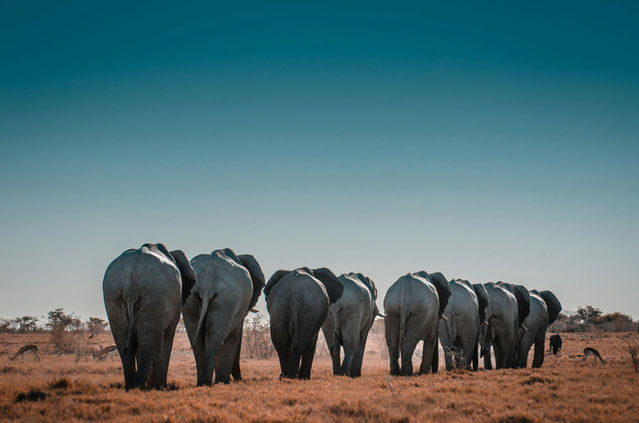
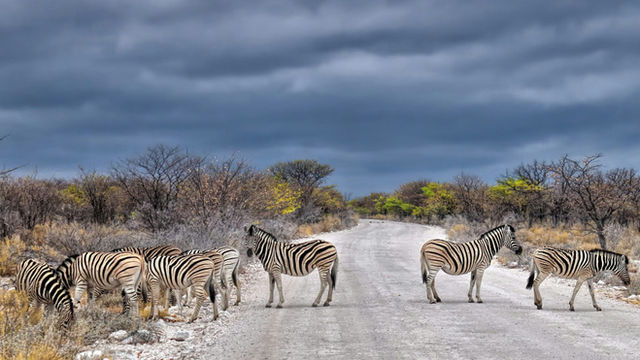
  • Etosha National Park wildlife
  • Skeleton Coast and Swakopmund
  • Fish River Canyon
Read more

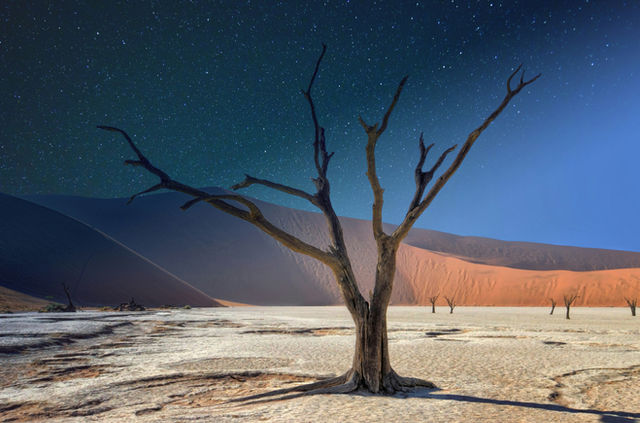
Namibia is one of the last truly wide-open places on earth: a land of colossal dunes, ghostly deserts and star-drenched skies where the horizon seems to stretch forever. It is Africa's most cinematic self-drive adventure, endlessly scenic, remarkably safe and refreshingly uncrowded.

The headline act is the Namib Desert, the world's oldest, where the burnt-orange dunes of Sossusvlei rise above the eerie white pan of Deadvlei. To the north, Etosha's vast salt flats deliver classic safari, with elephants and lions gathering at waterholes against a shimmering horizon.

A pioneer of community-led conservation, Namibia weaves wildlife protection into daily life through its communal conservancies. For families and mindful travellers craving space, silence and genuine wilderness, few destinations feel this pure.

A pillar, not a footnote

Eat your way through Namibia

The single reason many travellers come back — the food culture worth reshaping a trip around, and the dishes to seek out region by region.

Namibia

Braai smoke over the desert: game steaks, millet porridge and cold Atlantic oysters at the edge of the dunes.

Namibia eats around the fire. The braai — a wood-fired barbecue — is the country's great social ritual, and what goes on the grill is whatever the semi-arid land runs: oryx, kudu and springbok, lean and dark and quietly excellent, eaten with a stiff scoop of pap or millet mahangu porridge and a spoonful of relish.

Street corners smell of kapana, strips of beef seared over open coals and dusted with chilli-peanut spice, handed to you in newspaper to eat on the spot. There's German colonial memory in the brötchen, the Windhoek Lager brewed to purity law, and the racks of biltong and droëwors drying in every shop. Then, surprisingly, the Atlantic: at Swakopmund and Walvis Bay, plump farmed oysters and grilled kingklip, cheap and fresh where the cold Benguela current meets the dunes. Desert country, but you'll eat very well.

Dishes to seek out
  • Pap / mahangu (millet or maize porridge)
  • Kapana (grilled beef street strips)
  • Game meat (oryx
  • kudu
  • springbok)
  • Biltong (dried spiced meat)
  • Potjiekos (cast-iron pot stew)
  • Swakopmund oysters
  • Windhoek Lager
Things to do

Nature, culture & hidden gems

Editorial content coming soon

We're hand-picking the standout places, hidden gems and can't-miss activities in Namibia. Meanwhile, the cities above are a great starting point.

Plan your trip

Curated Namibia itineraries

Browse all Namibia trips →
When to go

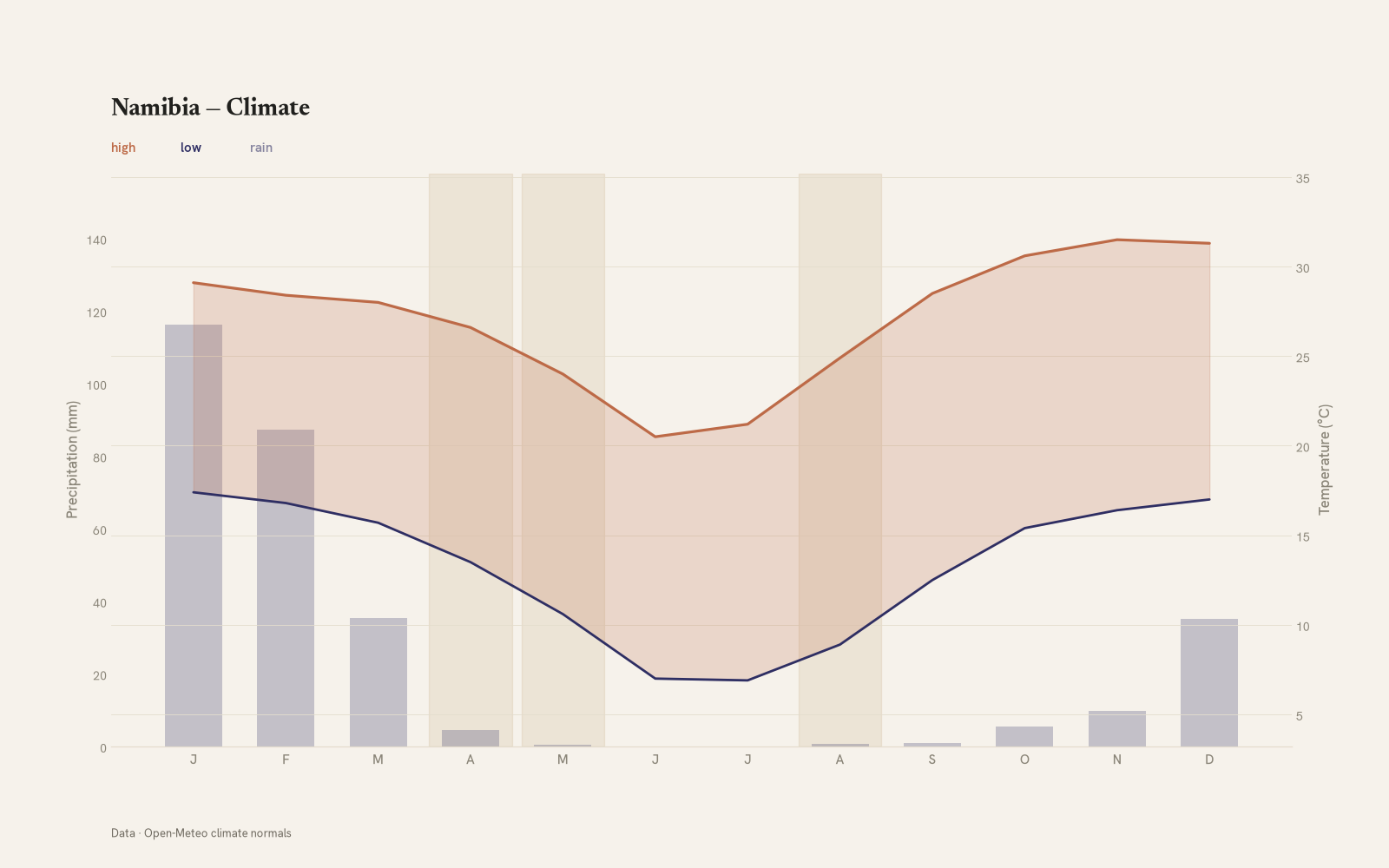
Weather & timing in Namibia RIGHT NOW 22° clear

Best Apr–May, Aug · Shoulder Mar, Sep–Oct

  1. Jan / -4°
  2. Feb / -2°
  3. Mar 12° /
  4. Apr 18° /
  5. May 24° / 14°
  6. Jun 28° / 18°
  7. Jul 30° / 20°
  8. Aug 28° / 18°
  9. Sep 24° / 14°
  10. Oct 18° /
  11. Nov 12° /
  12. Dec / -2°

Best time to visit

May – October

Best for
  • Desert Landscapes
  • Wildlife
  • Skeleton Coast
  • Dark Skies
At a glance
Sunshine 7 hr/day (est.)
Rain days 8 days/mo (est.)
Wettest December · 60mm
Driest June · 10mm
Part of Southern Africa →
By season
Spring (Mar–May)

What to expect — Daytime highs average about 18°C with overnight lows near 8°C, and it stays largely dry.

What's best — Apr and May are among the best time to visit — good weather with manageable crowds. Mar also works well.

Summer (Jun–Aug)

What to expect — Daytime highs average about 29°C with overnight lows near 19°C, and it stays largely dry.

What's best — Aug is among the best time to visit — good weather with manageable crowds.

Autumn (Sep–Nov)

What to expect — Daytime highs average about 18°C with overnight lows near 8°C.

What's best — Sep and Oct are comfortable, with thinner crowds.

Winter (Dec–Feb)

What to expect — Daytime highs average about 7°C with overnight lows near -3°C.

What's best — Cold and quiet; some mountain roads and sights run reduced hours.

A little context

A little history

To read what you're looking at — the empires and eras that shaped Namibia's food, art and streets.

German colony from 1884 to 1915, including the 1904–08 Herero and Nama genocide, which left the colonial architecture of Swakopmund and Lüderitz and an ongoing reparations debate
governed by apartheid South Africa until independence on 21 March 1990, the last African country to gain it, shaping a late nation-building era and the use of Afrikaans and English
home to the Namib, often called the world's oldest desert, and the second-least densely populated country on earth, driving dune-and-wildlife safari tourism
a post-independence community conservancy model returned wildlife to local hands, reviving desert elephant, rhino and lion.
Before you book

Know before you go

The practical back-matter — safety, drones and the essentials, in one place.

Safety

Low risk FCDO advice →

Official UK Foreign, Commonwealth & Development Office guidance is the definitive source — check it close to your travel dates.

Drone rules (sub-250g)

  • Namibia
    Flyable with paperwork, but not at the sights you came for. There's no weight exemption, so a tourist needs an NCAA Letter of Approval applied for around 60 days ahead — and the iconic parks need extra Ministry of Environment approval that's rarely granted. ⚠ National parks and reserves — Namib-Naukluft/Sossusvlei, Etosha and the rest — need separate Ministry of Environment and Tourism approval on top of the NCAA approval, and are effectively off-limits to ordinary tourists. Declare the drone at customs on arrival. Rules checked: Jul 2026

National parks, protected sites and religious/heritage venues often have their own rules and permits — always check the specific site before you fly.

The essentials

Plug & voltage Type D/M · 220V
Daily budget Expensive (safari, lodges & park fees)
Region Southern Africa