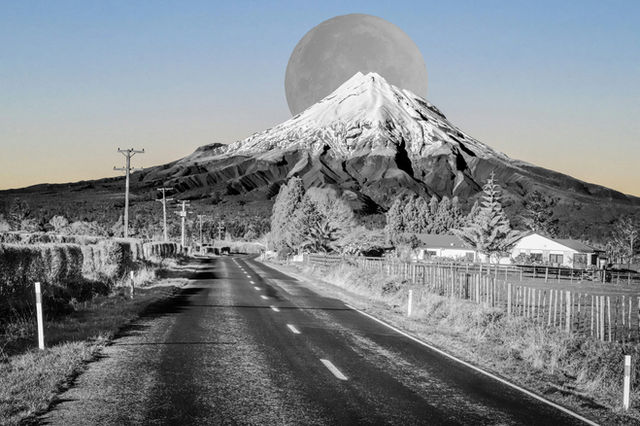
New Zealand — hero
← All destinations Country

New Zealand

The ultimate soft-adventure playground: glaciers, fjords and volcanoes on two islands, wrapped in warm Maori culture and easy self-drive travel.

  • Currency $ New Zealand Dollar (NZD)
  • Language English, Māori, New Zealand Sign Language
  • Best time November – April
  • Visa NZeTA required
Why visit

Why New Zealand

The ultimate soft-adventure playground: glaciers, fjords and volcanoes on two islands, wrapped in warm Maori culture and easy self-drive travel.

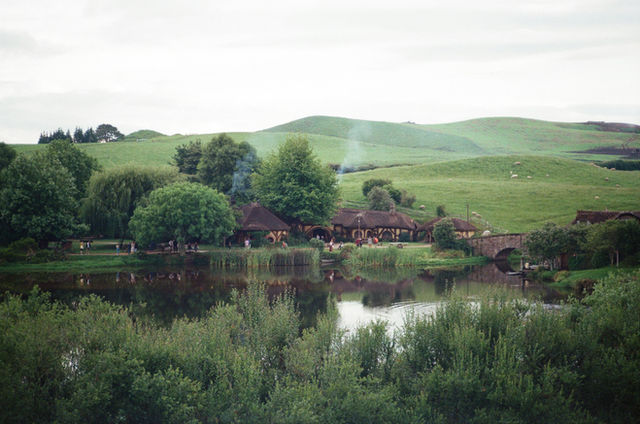
  • Hobbiton movie set
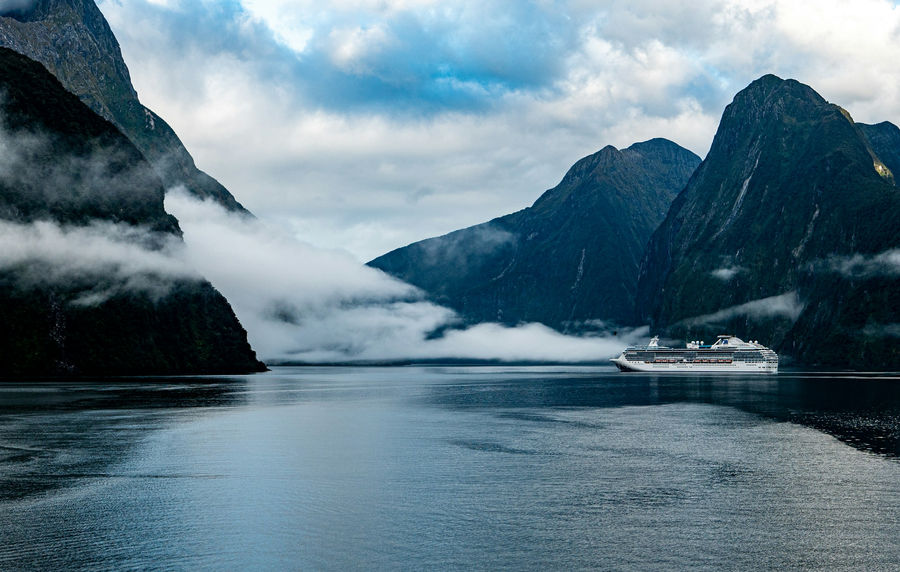
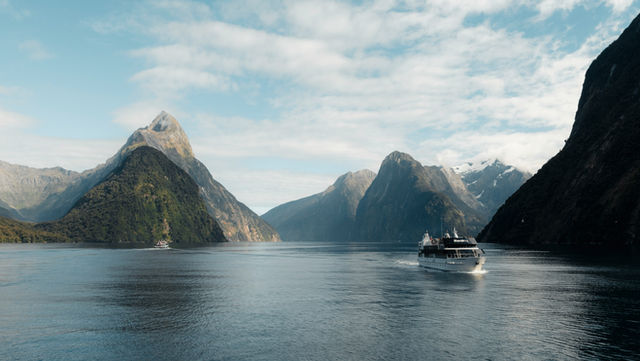
  • Milford Sound cruise
  • Rotorua geysers
  • Queenstown adventures
Read more

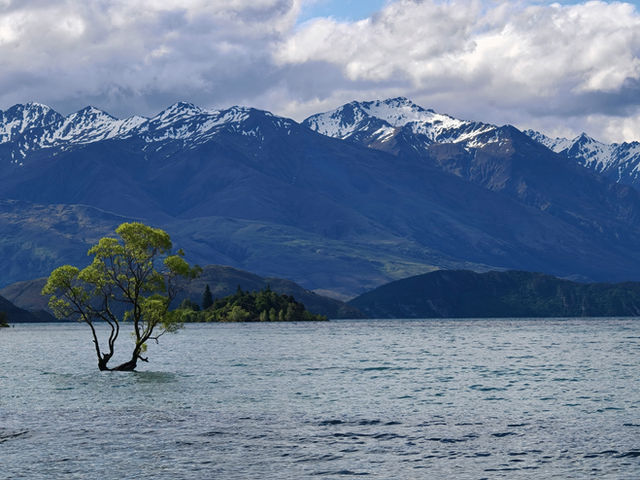
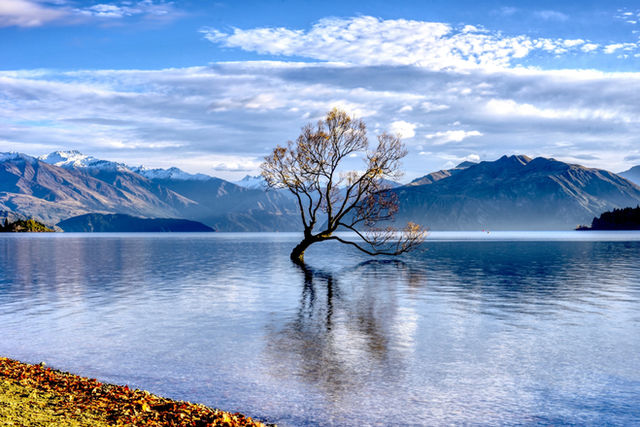
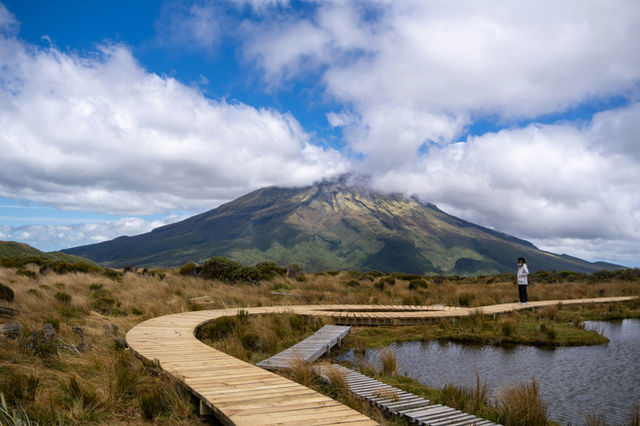
New Zealand packs an entire continent's worth of scenery into two compact islands. Snow-capped Southern Alps, mirror-still fjords, steaming geysers and endless coastline sit within a few hours' drive of one another, making it the ultimate self-drive adventure.

It is a natural home for soft adventure and family travel: hike the Great Walks, kayak Milford Sound, spot dolphins and whales, or thrill-seek in Queenstown, all with world-class safety and infrastructure.

Underpinning it all is Maori culture and a deep conservation ethic. From marae welcomes to predator-free islands and regenerating forests, this is a country that wears its guardianship of the land, kaitiakitanga, with real pride.

A pillar, not a footnote

Eat your way through New Zealand

The single reason many travellers come back — the food culture worth reshaping a trip around, and the dishes to seek out region by region.

New Zealand

Lamb, just-caught seafood and a flat white — clean, green island cooking, with the Māori hāngī at its heart.

Wait beside a hāngī as it's opened after hours in the ground and you'll understand New Zealand's table at once: baskets of lamb, chicken, kūmara and pumpkin lifted steaming from a stone-lined earth pit, smoky and falling-apart tender — in Rotorua the geothermal ground does the cooking itself. This is young, clean, ingredient-led food on a pair of islands where nowhere is far from the sea and the green pastures raise some of the finest lamb on earth.

The coast keeps giving: plump green-lipped mussels, Bluff oysters in their short season, crayfish pulled from the water at Kaikōura, and fish and chips unwrapped from paper on a windy beach. A Sunday roast of lamb remains the centrepiece, and the café culture is world-class — locals will tell you the flat white was invented here. Marlborough's zippy Sauvignon Blanc put the country on the wine map, and pudding is, of course, the pavlova — a cloud of crisp meringue and cream crowned with kiwifruit — best enjoyed without mentioning that Australia claims it too.

Dishes to seek out
  • roast lamb
  • hāngī (Māori earth-oven feast)
  • green-lipped mussels
  • Bluff oysters
  • fish and chips
  • kūmara (sweet potato)
  • pavlova (meringue dessert)
Things to do

Nature, culture & hidden gems

Editorial content coming soon

We're hand-picking the standout places, hidden gems and can't-miss activities in New Zealand. Meanwhile, the cities above are a great starting point.

Plan your trip

Curated New Zealand itineraries

Browse all New Zealand trips →
When to go

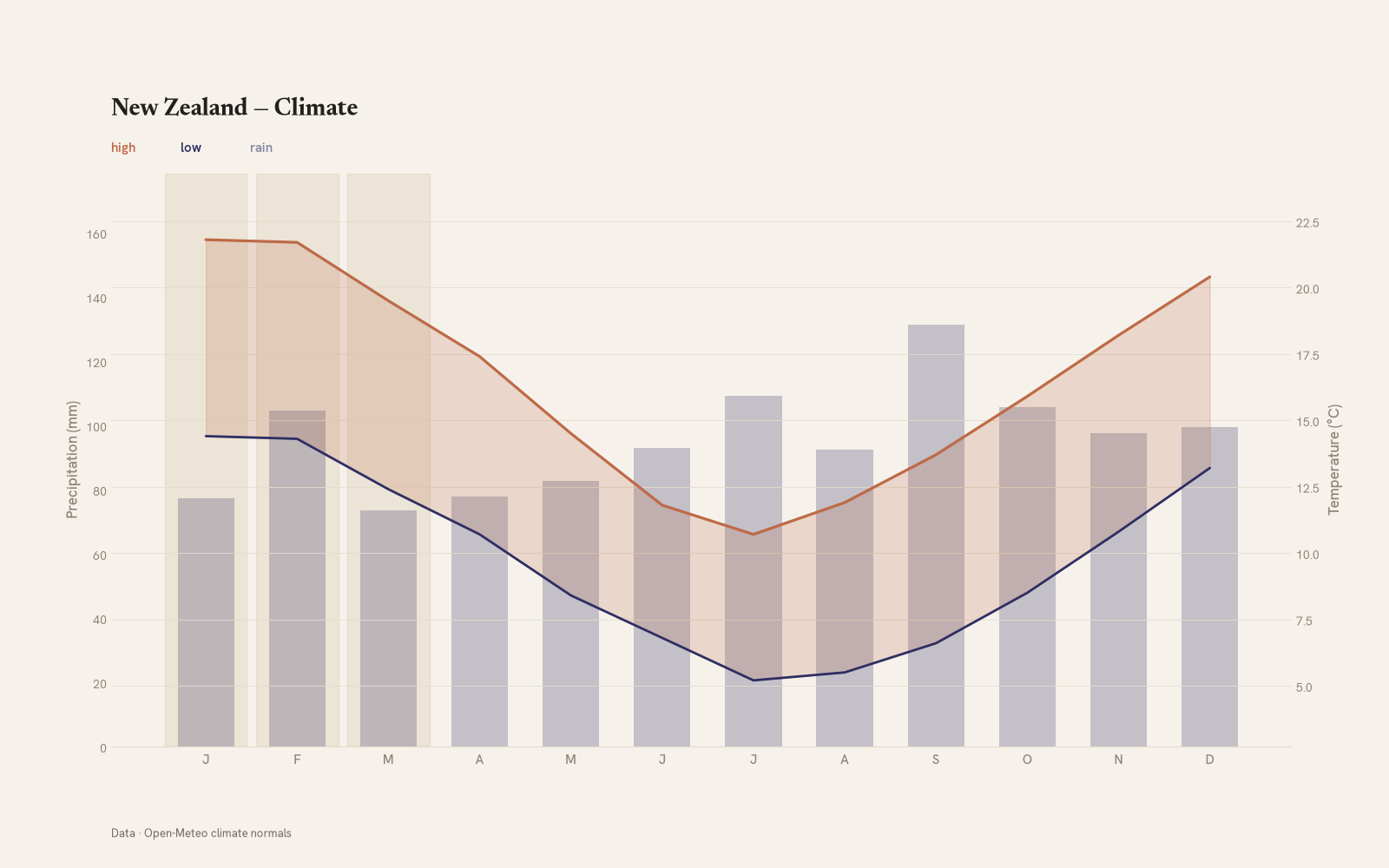
Weather & timing in New Zealand RIGHT NOW 10° cloudy

Best Jan–Mar · Shoulder Apr, Nov–Dec

  1. Jan / -4°
  2. Feb / -2°
  3. Mar 12° /
  4. Apr 18° /
  5. May 24° / 14°
  6. Jun 28° / 18°
  7. Jul 30° / 20°
  8. Aug 28° / 18°
  9. Sep 24° / 14°
  10. Oct 18° /
  11. Nov 12° /
  12. Dec / -2°

Best time to visit

November – April

Best for
  • Lord of the Rings Landscapes
  • Fjords
  • Adventure Sports
  • Wine
At a glance
Sunshine 7 hr/day (est.)
Rain days 8 days/mo (est.)
Wettest December · 60mm
Driest June · 10mm
Part of Australia & NZ →
By season
Spring (Mar–May)

What to expect — Daytime highs average about 18°C with overnight lows near 8°C, and it stays largely dry.

What's best — Mar is among the best time to visit — good weather with manageable crowds. Apr also works well.

Summer (Jun–Aug)

What to expect — Daytime highs average about 29°C with overnight lows near 19°C, and it stays largely dry.

What's best — Peak heat and the biggest crowds — many travellers prefer spring or autumn.

Autumn (Sep–Nov)

What to expect — Daytime highs average about 18°C with overnight lows near 8°C.

What's best — Nov is comfortable, with thinner crowds.

Winter (Dec–Feb)

What to expect — Daytime highs average about 7°C with overnight lows near -3°C.

What's best — Jan and Feb are among the best time to visit — good weather with manageable crowds. Dec also works well.

A little context

A little history

To read what you're looking at — the empires and eras that shaped New Zealand's food, art and streets.

The last major land on earth to be settled — Māori arrived by canoe from Polynesia around 1300, naming it Aotearoa
the 1840 Treaty of Waitangi between Māori and the British Crown remains the country's founding and most contested document
British settlement brought the sheep and dairy that still underpin the economy
a young Pacific nation, bicultural by design, that gave women the vote first, in 1893
Before you book

Know before you go

The practical back-matter — safety, drones and the essentials, in one place.

Safety

Low risk FCDO advice →

Official UK Foreign, Commonwealth & Development Office guidance is the definitive source — check it close to your travel dates.

Drone rules (sub-250g)

  • New Zealand
    No registration is needed for recreational flying under the CAA's Part 101 rules — stay below 120m, in sight, in daylight, 4km from aerodromes and with landowner and bystander consent — but flying over the national parks and conservation land that cover about a third of the country needs a Department of Conservation permit first. ⚠ A DOC concession is required to take off, land or hover over any public conservation land or national park, even recreationally, via a green/orange/red zone system (green auto-approved for a fee, red rarely granted); always get the landowner's consent and check airspace near aerodromes. Rules checked: Jul 2026

National parks, protected sites and religious/heritage venues often have their own rules and permits — always check the specific site before you fly.

The essentials

Plug & voltage Type I · 230V
Daily budget Expensive
Region Australia and New Zealand