Oman — hero
← All destinations Country

Oman

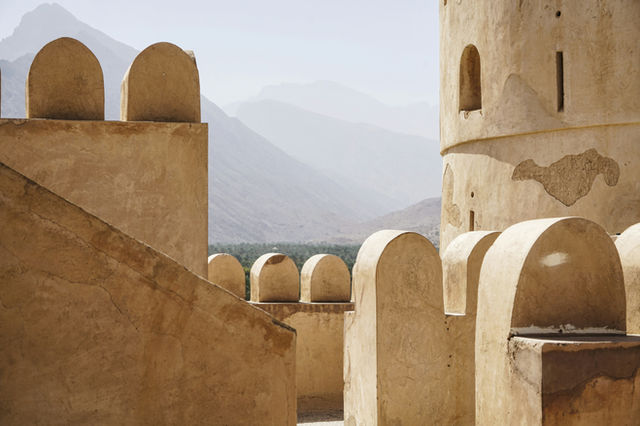
Arabia at its most authentic: dramatic Hajar Mountains, golden desert dunes, wadis and forts, welcoming and refreshingly uncrowded.

  • Currency ر.ع. Omani Rial (OMR)
  • Language Arabic
  • Best time November – April
  • Visa Visa-free 14 days (needs hotel, insurance & return ticket); eVisa for longer
Why visit

Why Oman

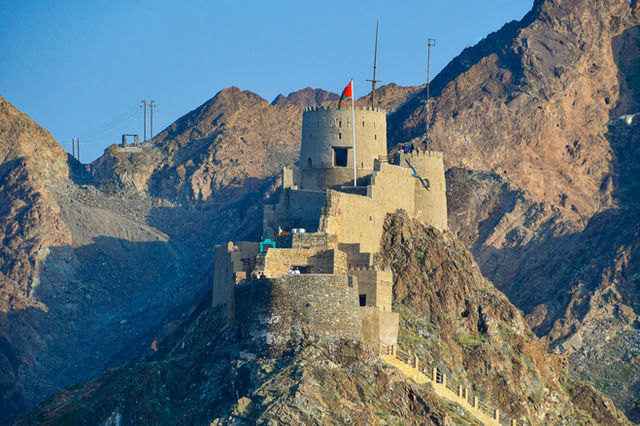
Arabia at its most authentic: dramatic Hajar Mountains, golden desert dunes, wadis and forts, welcoming and refreshingly uncrowded.

  • Wahiba Sands dunes & desert camps
  • Jebel Akhdar & Jebel Shams
  • Musandam fjords
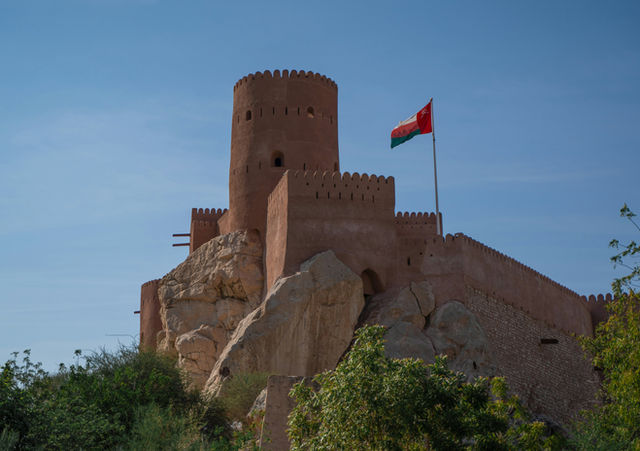
  • Nizwa fort & souq, Salalah frankincense coast
Read more

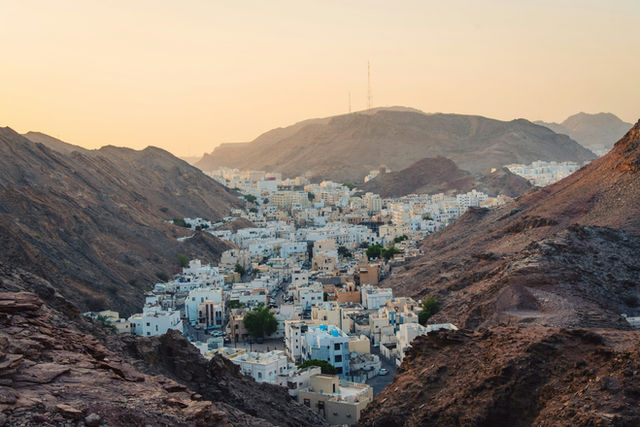
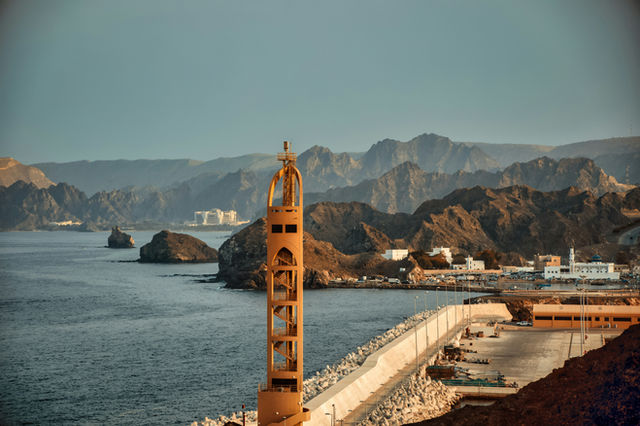
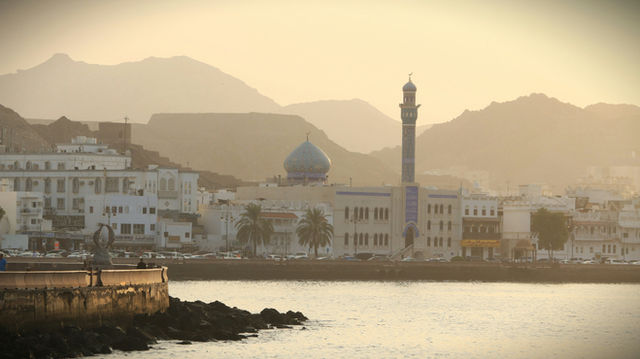
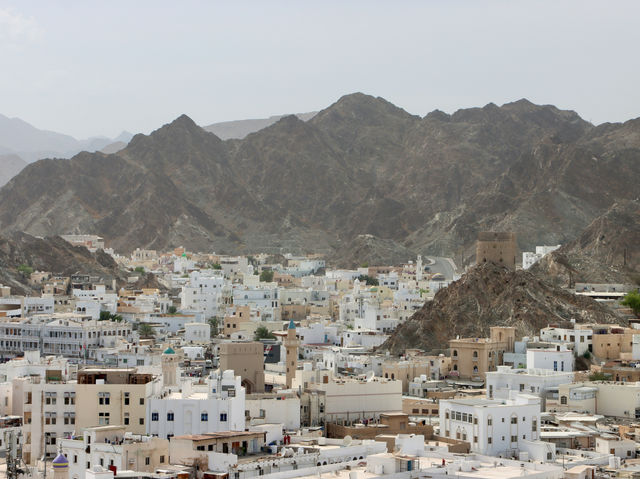
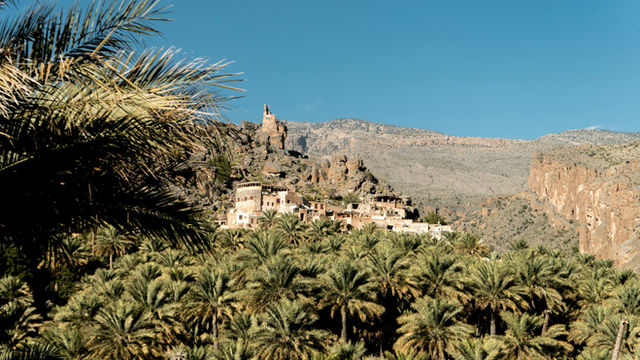
Oman is Arabia as it once was: dignified, welcoming and beautifully unspoilt. Instead of glitzy skylines, it offers rugged mountains, palm-filled wadis, sweeping dunes and a coastline of hidden coves, all wrapped in warm Omani hospitality.

It is a natural home for soft adventure and family travel: hike the Hajar Mountains, swim in turquoise wadis, camp under the stars in the Wahiba Sands, or watch turtles nest at Ras al Jinz.

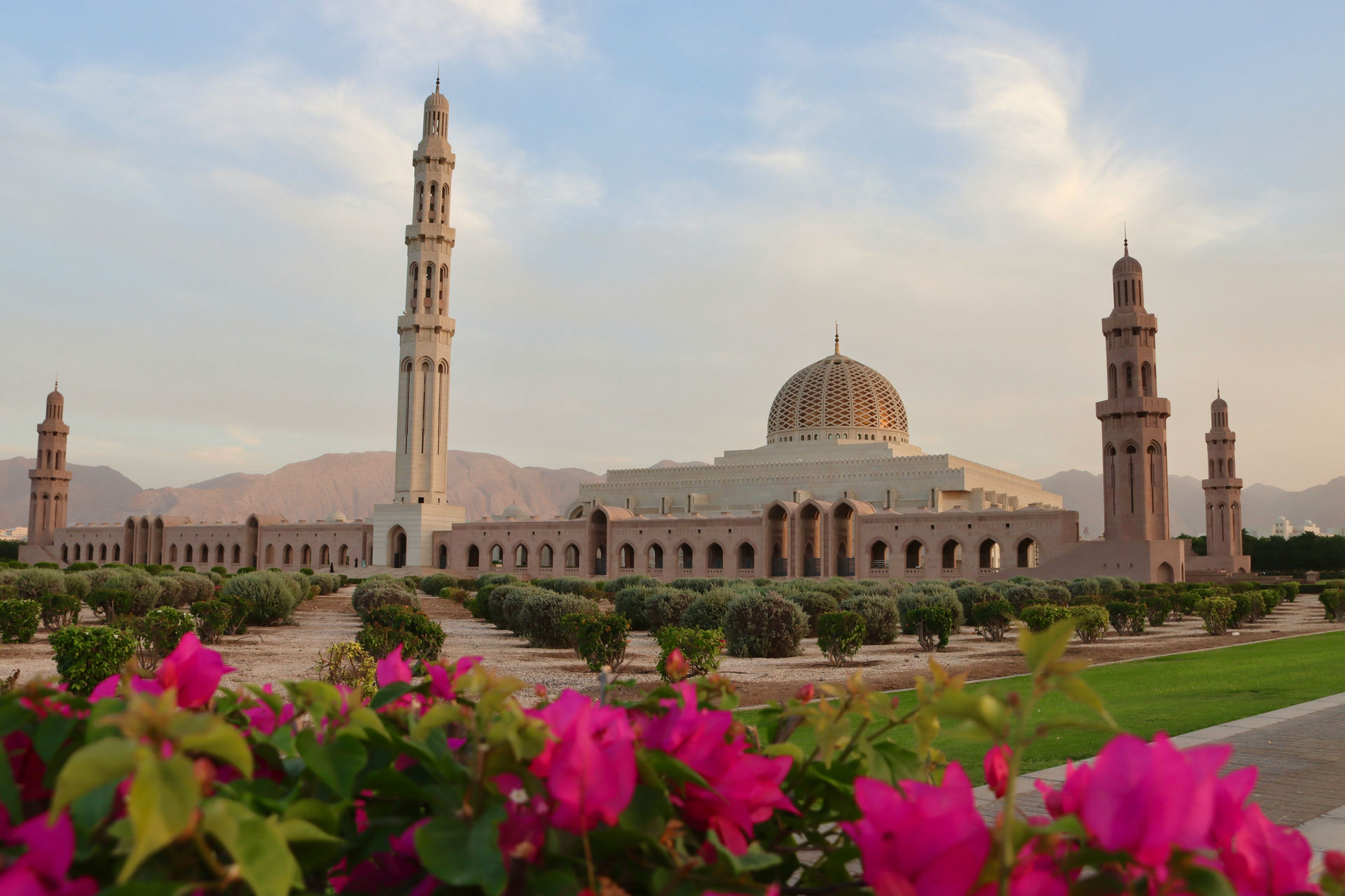
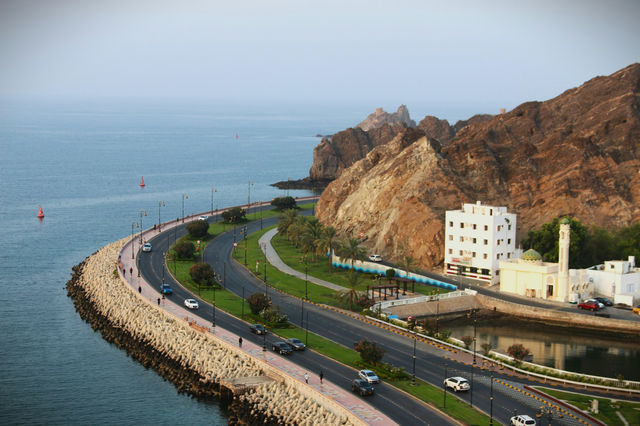
Muscat blends authentic culture with modern comfort, from the Grand Mosque to the buzzing Mutrah Souq, making Oman a sophisticated yet genuine escape that prizes preservation over over-tourism.

A pillar, not a footnote

Eat your way through Oman

The single reason many travellers come back — the food culture worth reshaping a trip around, and the dishes to seek out region by region.

Oman

Frankincense country: pit-roasted lamb, cardamom coffee and a coast that once traded all the way to Zanzibar.

The Omani feast worth waiting for is shuwa, and it takes a village. A whole lamb is marinated in spice paste, wrapped in banana or palm leaves and lowered into an underground pit to smoke for a day or more, then dug out for Eid and shared. What comes out is meltingly soft, faintly sweet with the earth it cooked in.

The everyday table is rice and fish: qabuli, the national plate of spiced rice with lamb and caramelised onion, and along the Batinah coast mashuai, whole spit-roasted kingfish over lemon rice. The old sea empire lingers in the pantry — cloves, cinnamon and Swahili threads from the Zanzibar days. Finish as Omanis do, with gelatinous rosewater halwa stirred over a flame and bitter kahwa scented with cardamom, a plate of dates never far away.

Dishes to seek out
  • Shuwa (pit-roasted spiced lamb)
  • Qabuli (national spiced rice)
  • Mashuai (spit-roasted kingfish)
  • Mishkak (grilled meat skewers)
  • Harees (wheat & meat porridge)
  • Omani halwa (rosewater-saffron sweet)
  • Kahwa (cardamom coffee)
Things to do

Nature, culture & hidden gems

Editorial content coming soon

We're hand-picking the standout places, hidden gems and can't-miss activities in Oman. Meanwhile, the cities above are a great starting point.

Plan your trip

Curated Oman itineraries

Browse all Oman trips →
When to go

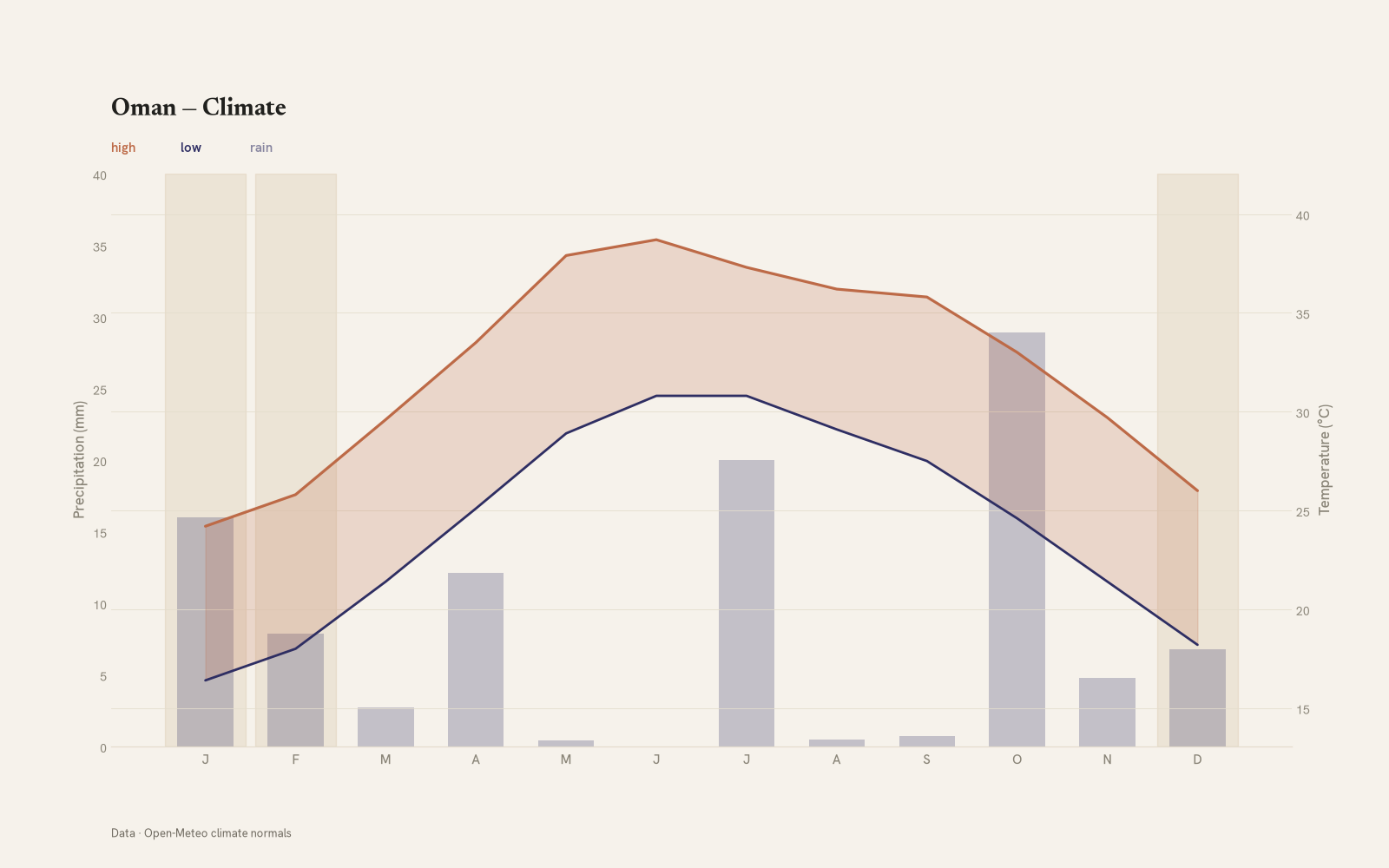
Weather & timing in Oman RIGHT NOW 38° clear

Best Dec–Feb · Shoulder Mar–Apr, Nov

  1. Jan / -4°
  2. Feb / -2°
  3. Mar 12° /
  4. Apr 18° /
  5. May 24° / 14°
  6. Jun 28° / 18°
  7. Jul 30° / 20°
  8. Aug 28° / 18°
  9. Sep 24° / 14°
  10. Oct 18° /
  11. Nov 12° /
  12. Dec / -2°

Best time to visit

November – April

Best for
  • Deserts
  • Souks
  • Wadis
  • Mountains
At a glance
Sunshine 7 hr/day (est.)
Rain days 8 days/mo (est.)
Wettest December · 60mm
Driest June · 10mm
Part of Gulf →
By season
Spring (Mar–May)

What to expect — Daytime highs average about 18°C with overnight lows near 8°C, and it stays largely dry.

What's best — Mar and Apr are comfortable, with thinner crowds.

Summer (Jun–Aug)

What to expect — Daytime highs average about 29°C with overnight lows near 19°C, and it stays largely dry.

What's best — Peak heat and the biggest crowds — many travellers prefer spring or autumn.

Autumn (Sep–Nov)

What to expect — Daytime highs average about 18°C with overnight lows near 8°C.

What's best — Nov is comfortable, with thinner crowds.

Winter (Dec–Feb)

What to expect — Daytime highs average about 7°C with overnight lows near -3°C.

What's best — Dec, Jan and Feb are among the best time to visit — good weather with manageable crowds.

A little context

A little history

To read what you're looking at — the empires and eras that shaped Oman's food, art and streets.

Omani sultans ran a maritime empire that reached Zanzibar and the East African coast, which is why Omani culture carries Swahili threads and trades still on its clove and frankincense heritage
Dhofar frankincense made ancient southern Oman rich, and the Salalah trees and ports are now UNESCO-listed
Sultan Qaboos seized power in 1970 and pulled an isolated country into the modern era, shaping its roads, schools and careful neutral diplomacy
most Omanis follow Ibadi Islam, distinct from Sunni and Shia, behind the country's reputation for tolerance and quiet mediation.
Before you book

Know before you go

The practical back-matter — safety, drones and the essentials, in one place.

Safety

Low risk FCDO advice →

Official UK Foreign, Commonwealth & Development Office guidance is the definitive source — check it close to your travel dates.

Drone rules (sub-250g)

  • Oman
    Effectively grounded right now. Oman's CAA suspended all drone and aerial-activity permits indefinitely from March 2026 amid Gulf security incidents, closing the previously tourist-friendly paid-licence route — as of this review no drone flying is permitted for anyone, visitors included. ⚠ The suspension is blanket and nationwide, halting flights everywhere including Wahiba Sands, Jebel Akhdar and Musandam; even under normal rules airports, military and government sites are off-limits. Worth re-checking if the suspension lifts, when a paid tourist licence would likely return. Rules checked: Jul 2026

National parks, protected sites and religious/heritage venues often have their own rules and permits — always check the specific site before you fly.

The essentials

Plug & voltage Type G · 240V
Daily budget Mid-range
Region Western Asia