Pakistan
Grill-country and Mughal kitchens: slow-cooked nihari, charred chapli kebabs and biryani, all washed down with endless chai.
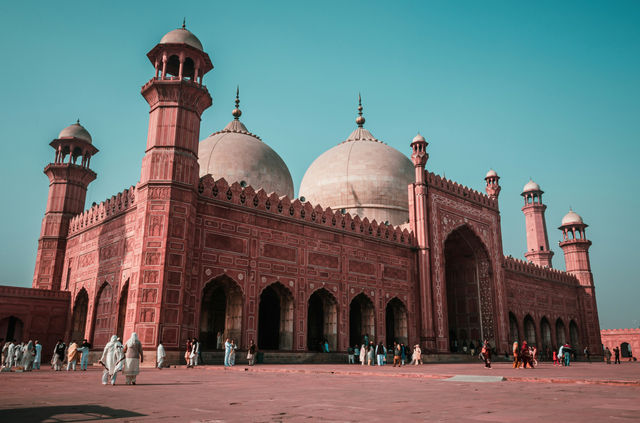
Start the day in Pakistan the way Lahore does: with nihari, a beef or mutton shank stew simmered all night until the meat gives way, scooped up with fresh naan and sharpened with ginger, green chilli and a squeeze of lemon. This is Mughlai cooking at full richness, and Lahore is its capital — the Walled City's food streets near the Badshahi Mosque stay busy long past midnight, the karahi pans hissing and clay tandoors turning out bread to order.
Head northwest and the food changes character. Peshawar and the Pashtun country are grill territory, where the chapli kebab — a flat, crisp-edged patty of minced beef studded with pomegranate seeds and green chilli — is fried hard in ghee and eaten with naan and raw onion. Everywhere, all day, there is chai: milky, sweet and spiced, poured at roadside dhabas; up in the northern valleys it turns salty and pink. Round things off with something drowned in syrup — gulab jamun, jalebi, a bowl of warm kheer.
- Nihari (slow-cooked shank stew)
- Chapli kebab (Peshawari beef patty)
- Biryani (Sindhi/Karachi style)
- Karahi (wok-cooked curry)
- Haleem (wheat & meat porridge)
- Seekh kebab
- Sajji (Balochi spit-roast)