Palau — hero
← All destinations Country

Palau

The world's boldest experiment in regenerative marine travel. Dive pristine coral gardens, drift through jellyfish lakes, and help protect an ocean paradise you'll never forget.

  • Currency $ US Dollar ($)
  • Language English
  • Best time January – May
  • Visa Visa-free (30 days on arrival; US$100 eco-fee)
Why visit

Why Palau

The world's boldest experiment in regenerative marine travel. Dive pristine coral gardens, drift through jellyfish lakes, and help protect an ocean paradise you'll never forget.

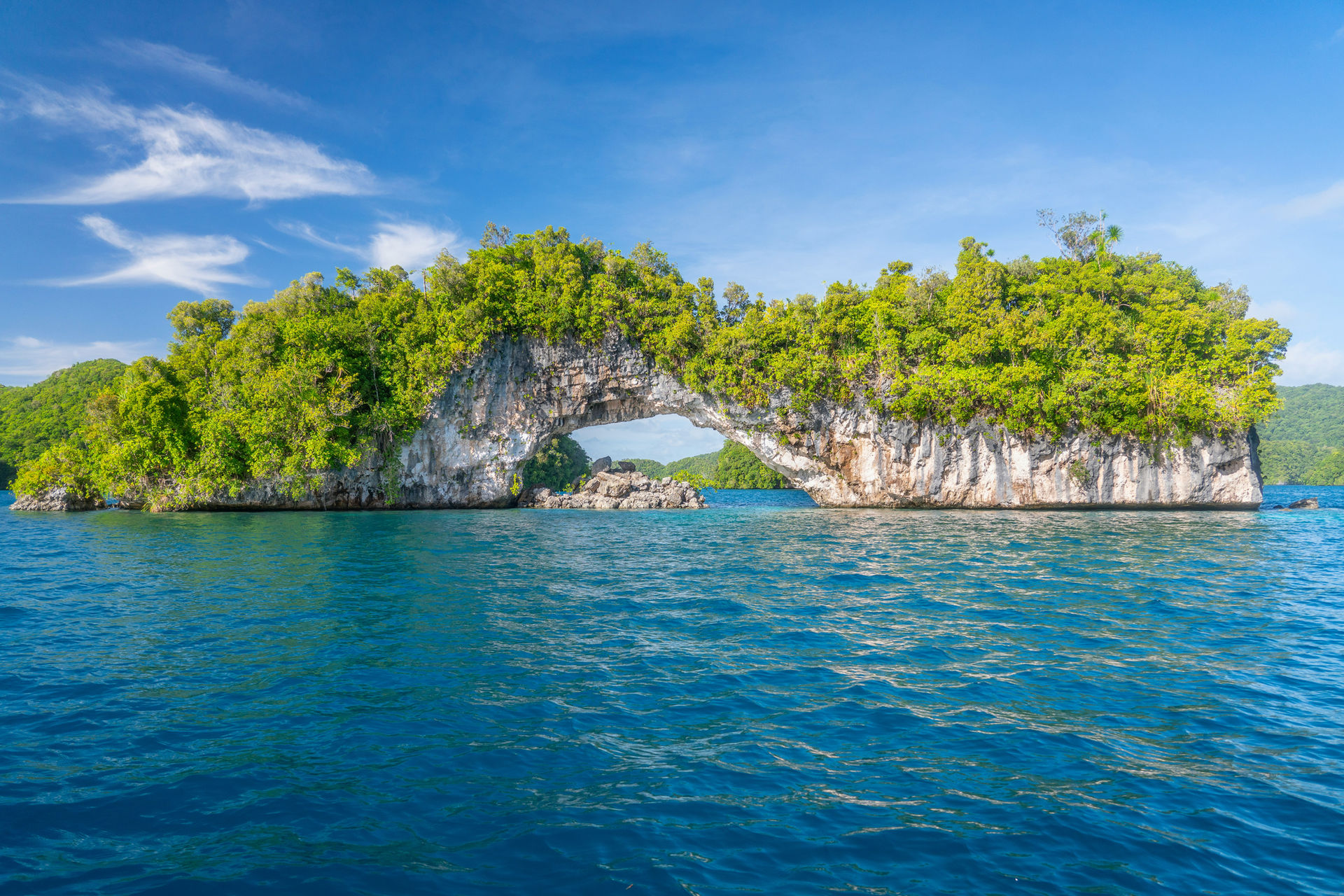
  • Rock Islands Southern Lagoon (UNESCO)
  • Snorkelling Jellyfish Lake
  • Blue Corner and Blue Holes diving
  • Peleliu WWII battlefield
Read more

Scattered across the western Pacific, Palau is a tiny archipelago with an outsized reputation: it is one of the planet's most forward-thinking regenerative travel destinations, where every visitor is asked to sign a pledge to tread lightly and give back.

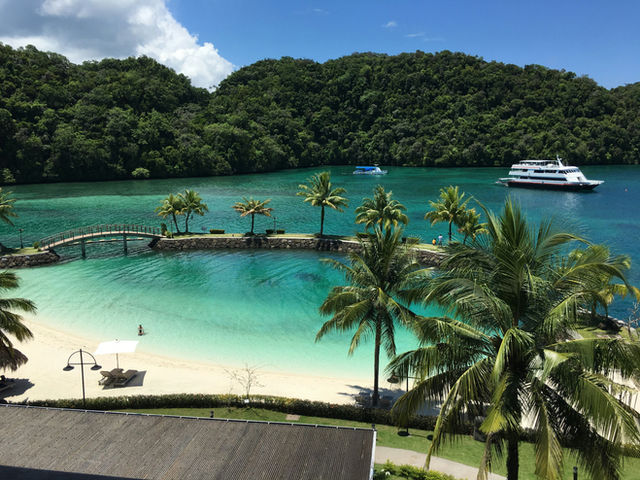
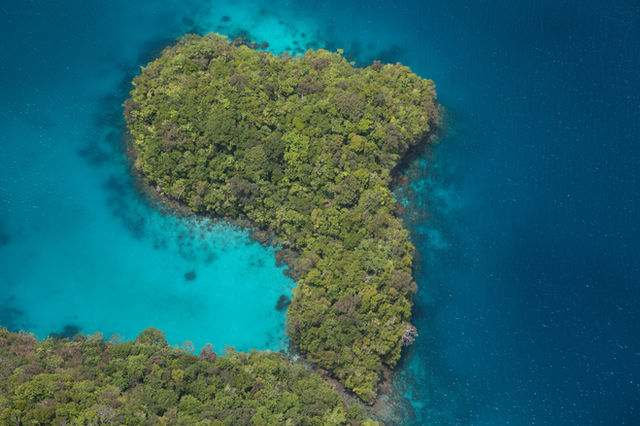
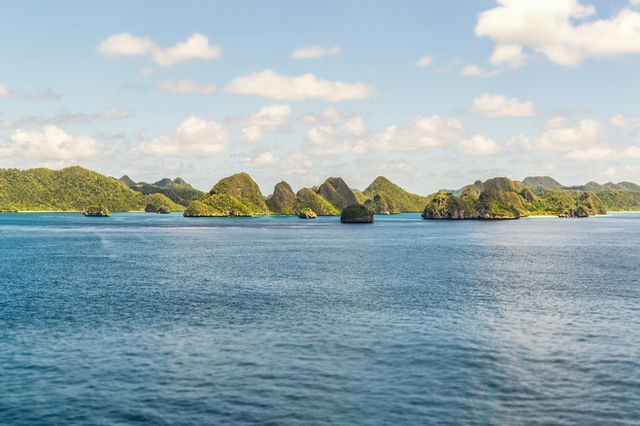
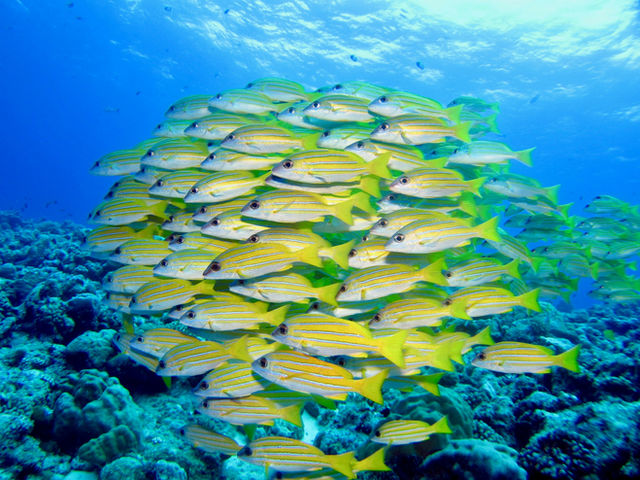
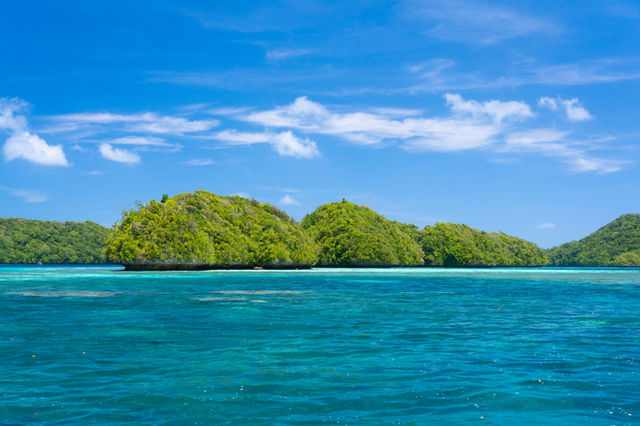
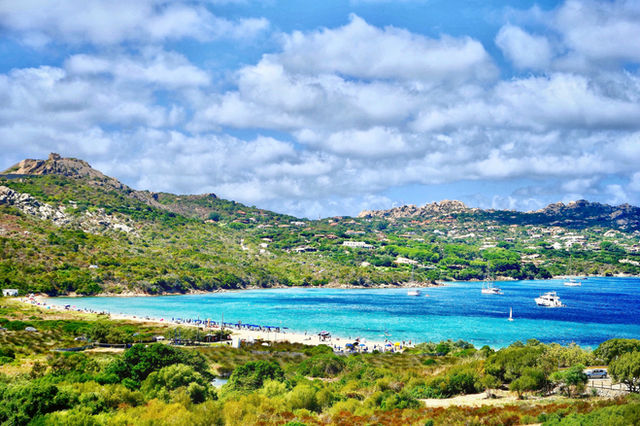
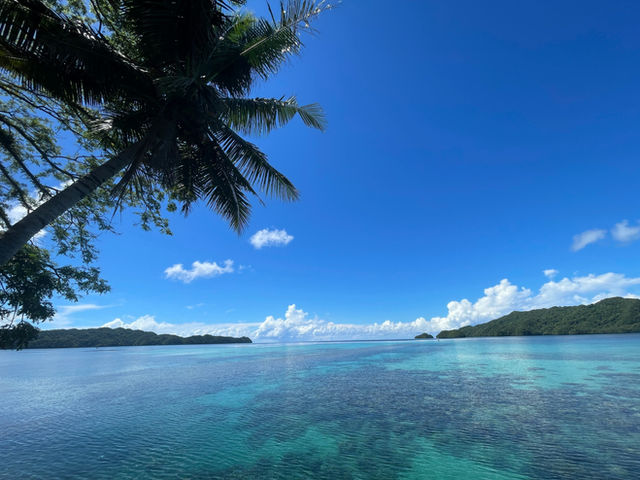
Beneath the surface lies the real magic. World-class diving and snorkelling reveal walls of coral, WWII wrecks, and the surreal, sting-free waters of Jellyfish Lake. Above it, the emerald Rock Islands rise from impossibly turquoise lagoons.

This is a destination for families and ocean-lovers chasing soft adventure and genuine connection. Small, remote and gloriously uncrowded, Palau rewards the curious traveller who values wild beauty and community-led stewardship over crowds.

A pillar, not a footnote

Eat your way through Palau

The single reason many travellers come back — the food culture worth reshaping a trip around, and the dishes to seek out region by region.

Palau

Taro leaves in coconut milk, reef-fish sashimi, and a deep Japanese imprint on a diving paradise.

Palauan cooking rests on a Micronesian base of taro, cassava and reef fish, but its accent is unmistakably Japanese — the legacy of decades of pre-war administration you still taste in everyday sashimi, bento boxes and rice. The national dish is demok, taro leaves slow-simmered in coconut milk, often enriched with mangrove or land crab; taro itself carries ceremonial weight, especially in women's customs. Around it come crunchy squash-and-shrimp ulkoy fritters and whole reef fish grilled in banana leaf.

The sea is the pantry — mangrove crab, seasonal coconut crab, ultra-fresh lagoon fish — and, for special occasions, the traditional fruit bat soup that guidebooks always mention, served whole and eaten rarely. Koror holds the restaurants, from Japanese counters to Filipino and Korean kitchens; prices run high because so much is imported. Between dives on the Rock Islands, eat demok and sashimi, and you're eating Palau.

Dishes to seek out
  • Demok (taro leaves in coconut milk)
  • Reef-fish sashimi
  • Ulkoy (squash-and-shrimp fritters)
  • Mangrove crab
  • Coconut (land) crab
  • Bento (Japanese boxed lunch)
  • Fruit bat soup (ceremonial delicacy)
Things to do

Nature, culture & hidden gems

Editorial content coming soon

We're hand-picking the standout places, hidden gems and can't-miss activities in Palau. Meanwhile, the cities above are a great starting point.

Plan your trip

Curated Palau itineraries

Browse all Palau trips →
When to go

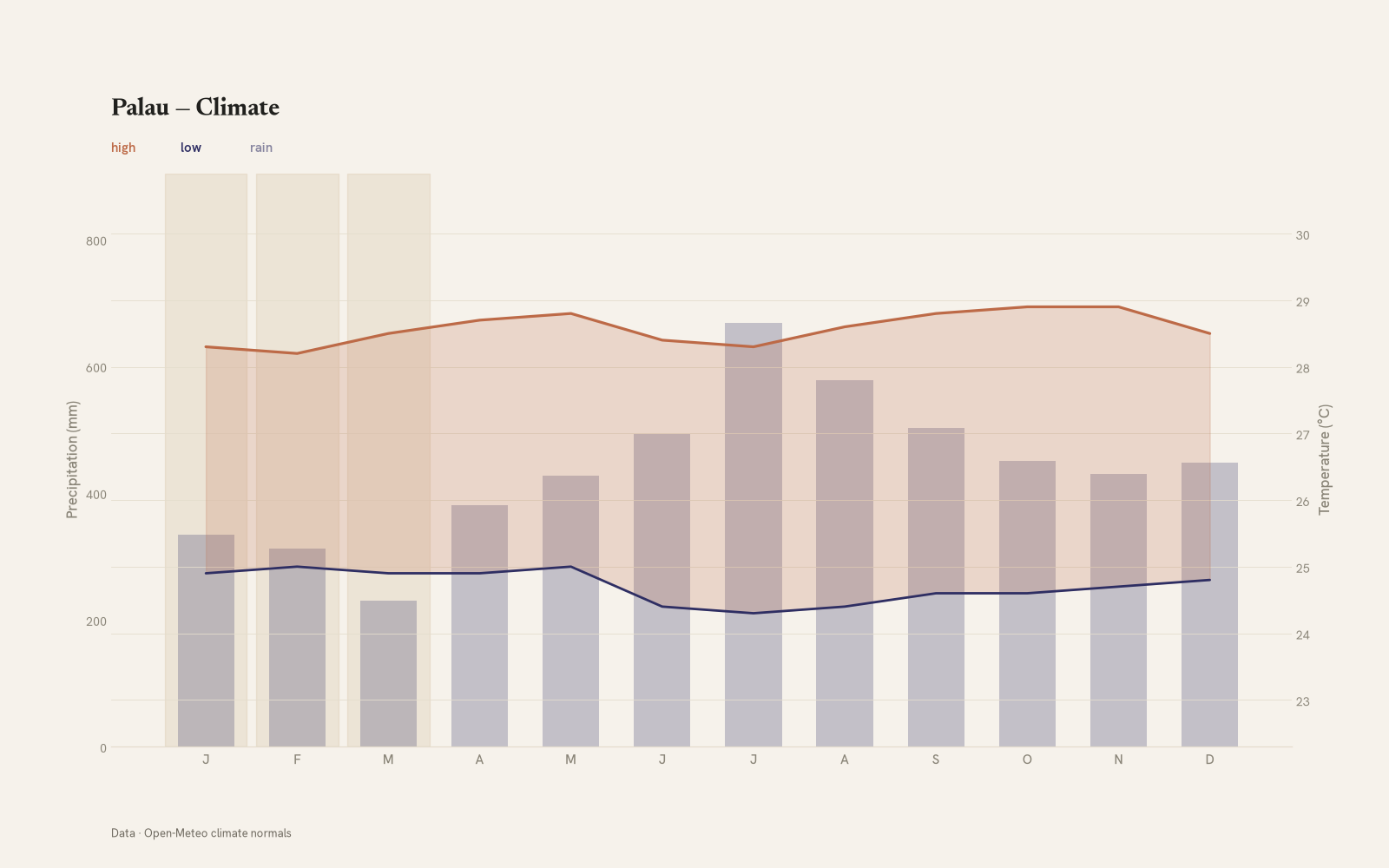
Weather & timing in Palau RIGHT NOW 27° cloudy

Best Jan–Mar · Shoulder Apr–May, Nov

  1. Jan / -4°
  2. Feb / -2°
  3. Mar 12° /
  4. Apr 18° /
  5. May 24° / 14°
  6. Jun 28° / 18°
  7. Jul 30° / 20°
  8. Aug 28° / 18°
  9. Sep 24° / 14°
  10. Oct 18° /
  11. Nov 12° /
  12. Dec / -2°

Best time to visit

January – May

Best for
  • Culture
  • Cuisine
  • Landscape
  • History
At a glance
Sunshine 7 hr/day (est.)
Rain days 8 days/mo (est.)
Wettest December · 60mm
Driest June · 10mm
Part of Pacific Islands →
By season
Spring (Mar–May)

What to expect — Daytime highs average about 18°C with overnight lows near 8°C, and it stays largely dry.

What's best — Mar is among the best time to visit — good weather with manageable crowds. Apr and May also work well.

Summer (Jun–Aug)

What to expect — Daytime highs average about 29°C with overnight lows near 19°C, and it stays largely dry.

What's best — Peak heat and the biggest crowds — many travellers prefer spring or autumn.

Autumn (Sep–Nov)

What to expect — Daytime highs average about 18°C with overnight lows near 8°C.

What's best — Nov is comfortable, with thinner crowds.

Winter (Dec–Feb)

What to expect — Daytime highs average about 7°C with overnight lows near -3°C.

What's best — Jan and Feb are among the best time to visit — good weather with manageable crowds.

A little context

A little history

To read what you're looking at — the empires and eras that shaped Palau's food, art and streets.

Micronesians settled Palau at least 3,000 years ago, developing a matrilineal clan society whose taro and reef fishing still shape food and custom
Spanish, then German, then Japanese colonial layers reordered the islands, with Japan's decades of rule leaving the strongest culinary imprint
the 1944 Battle of Peleliu was among the Pacific War's bloodiest, leaving the wrecks and relics of today's war-heritage tourism
independent in 1994 under a Compact with the US, Palau is now a global marine-conservation leader
Before you book

Know before you go

The practical back-matter — safety, drones and the essentials, in one place.

Safety

Low risk FCDO advice →

Official UK Foreign, Commonwealth & Development Office guidance is the definitive source — check it close to your travel dates.

Drone rules (sub-250g)

  • Palau
    PNAA-regulated: every operator needs written authorisation, and visitors face the strictest tier — registration and a pilot licence — flown below 400ft in sight and daytime, clear of airports and government sites. ⚠ The headline sites aren't free-fly zones: the UNESCO Rock Islands Southern Lagoon (including Jellyfish Lake) is Koror State-managed with paid permits and aerial restrictions, and each of Palau's 16 states plus local clans may require separate clearance. Rules checked: Jul 2026

National parks, protected sites and religious/heritage venues often have their own rules and permits — always check the specific site before you fly.

The essentials

Plug & voltage Type A/B · 120V
Daily budget Expensive
Region Micronesia