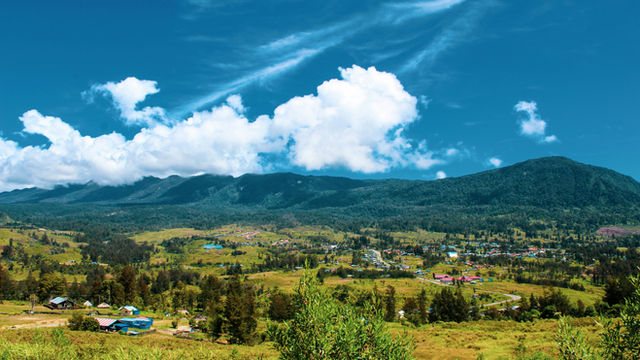
Papua New Guinea — hero
← All destinations Country

Papua New Guinea

One of Earth's last great frontiers. Encounter hundreds of living cultures, trek misty highlands, and dive some of the planet's richest reefs. Pure, raw adventure.

  • Currency K Papua New Guinean Kina (K)
  • Language English, Hiri Motu, Tok Pisin
  • Best time June – November
  • Visa Visa required (eVisa or visa on arrival) + Digital Arrival Card
Why visit

Why Papua New Guinea

One of Earth's last great frontiers. Encounter hundreds of living cultures, trek misty highlands, and dive some of the planet's richest reefs. Pure, raw adventure.

  • Trekking the Kokoda Track
  • Sepik River spirit-house culture
  • Diving at Tufi, Milne Bay and Kimbe Bay
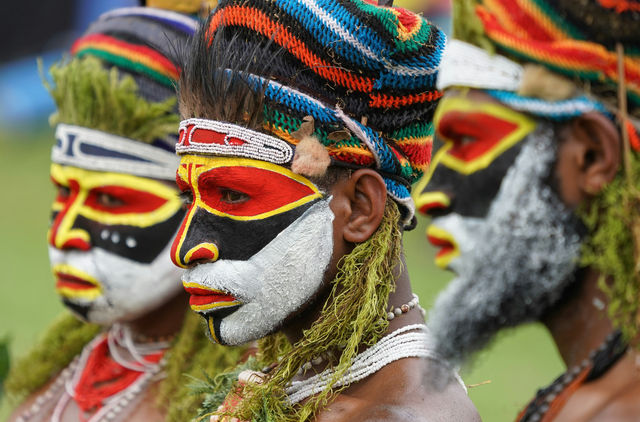
  • Mount Hagen and Goroka sing-sing festivals
Read more

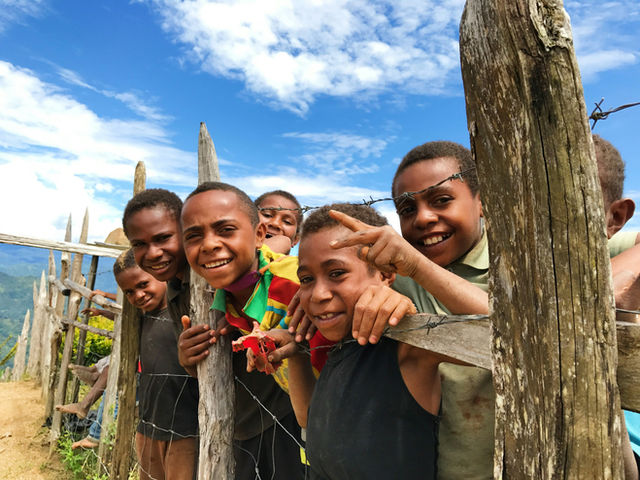
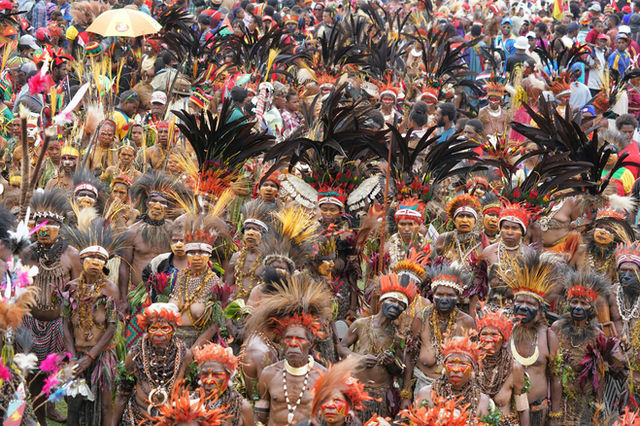
Papua New Guinea is a destination for true explorers. Home to hundreds of distinct indigenous cultures and more than 800 languages, it is one of the most culturally diverse nations on Earth, where age-old traditions remain vividly alive.

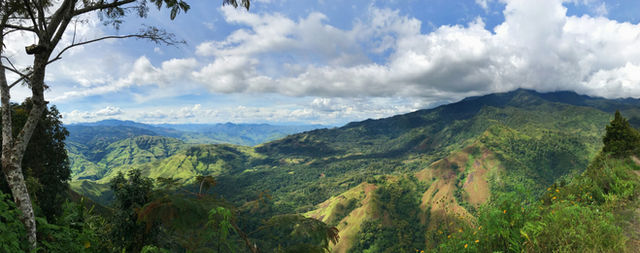
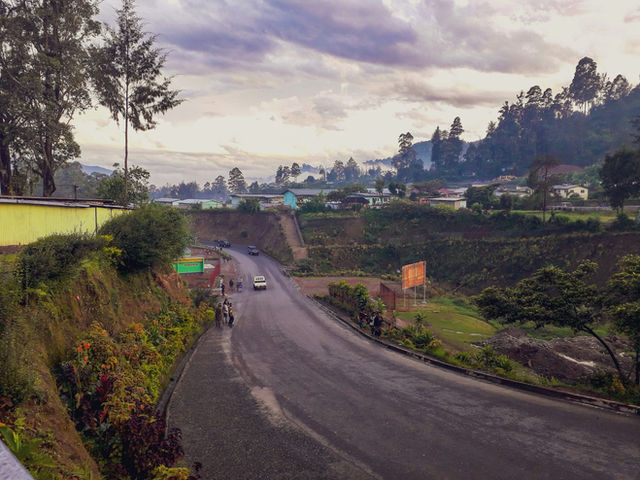
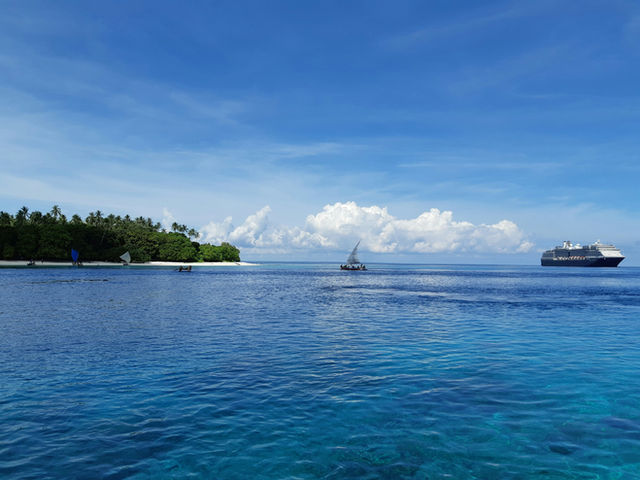
Its landscapes are just as extraordinary: rugged highlands wreathed in cloud, steaming rainforests, and coral reefs regularly ranked among the world's finest for diving. This is regenerative adventure at its most authentic.

Remote and rewarding, PNG is best explored with experienced local guides who open doors to villages, festivals and wild places few outsiders ever see. Check current travel advice and come ready for the trip of a lifetime.

A pillar, not a footnote

Eat your way through Papua New Guinea

The single reason many travellers come back — the food culture worth reshaping a trip around, and the dishes to seek out region by region.

Papua New Guinea

The mumu earth oven, sweet-potato Highlands, and coconut coasts — village-garden food across 800 languages.

Papua New Guinea eats from its gardens and the earth oven. The national dish is the mumu: pork, sweet potato, taro and greens layered with coconut cream over fire-heated stones under banana leaves, a communal feast unpacked steaming hours later. For most people the daily plate is starch and greens — kaukau (sweet potato) in the Highlands, sago and taro in the lowlands — with pork, fish and wild game saved for celebration.

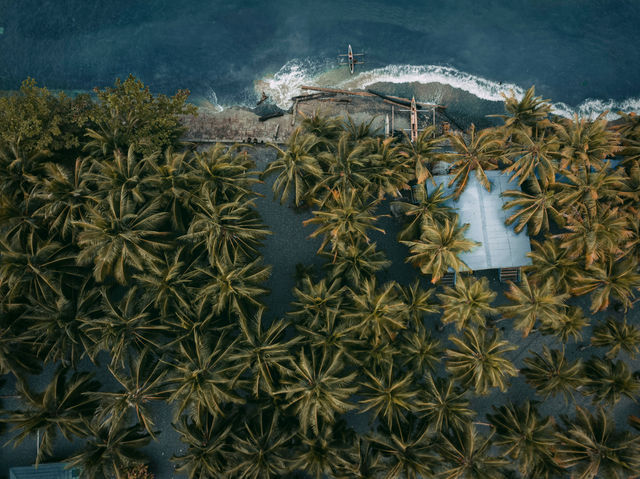
This is one of the most fragmented food cultures on earth, split across 800-plus languages and a sharp Highlands-versus-coast divide: inland cooks lean on sweet potato and prize their world-class arabica coffee, while island and Sepik kitchens work coconut cream and reef fish into dishes like citrus-cured kokoda. Markets pile high with kaukau, taro and betel nut; feasts turn into sing-sing spectacle. Come for the earth oven, and eat where the garden meets the fire.

Dishes to seek out
  • Mumu (earth-oven feast)
  • Kaukau (sweet potato)
  • Kokoda (coconut-cured raw fish)
  • Saksak (sago-and-banana dumpling)
  • Aigir (coastal coconut earth-oven dish)
  • Mud crab in coconut
  • Highland arabica coffee
Things to do

Nature, culture & hidden gems

Editorial content coming soon

We're hand-picking the standout places, hidden gems and can't-miss activities in Papua New Guinea. Meanwhile, the cities above are a great starting point.

Plan your trip

Curated Papua New Guinea itineraries

Browse all Papua New Guinea trips →
When to go

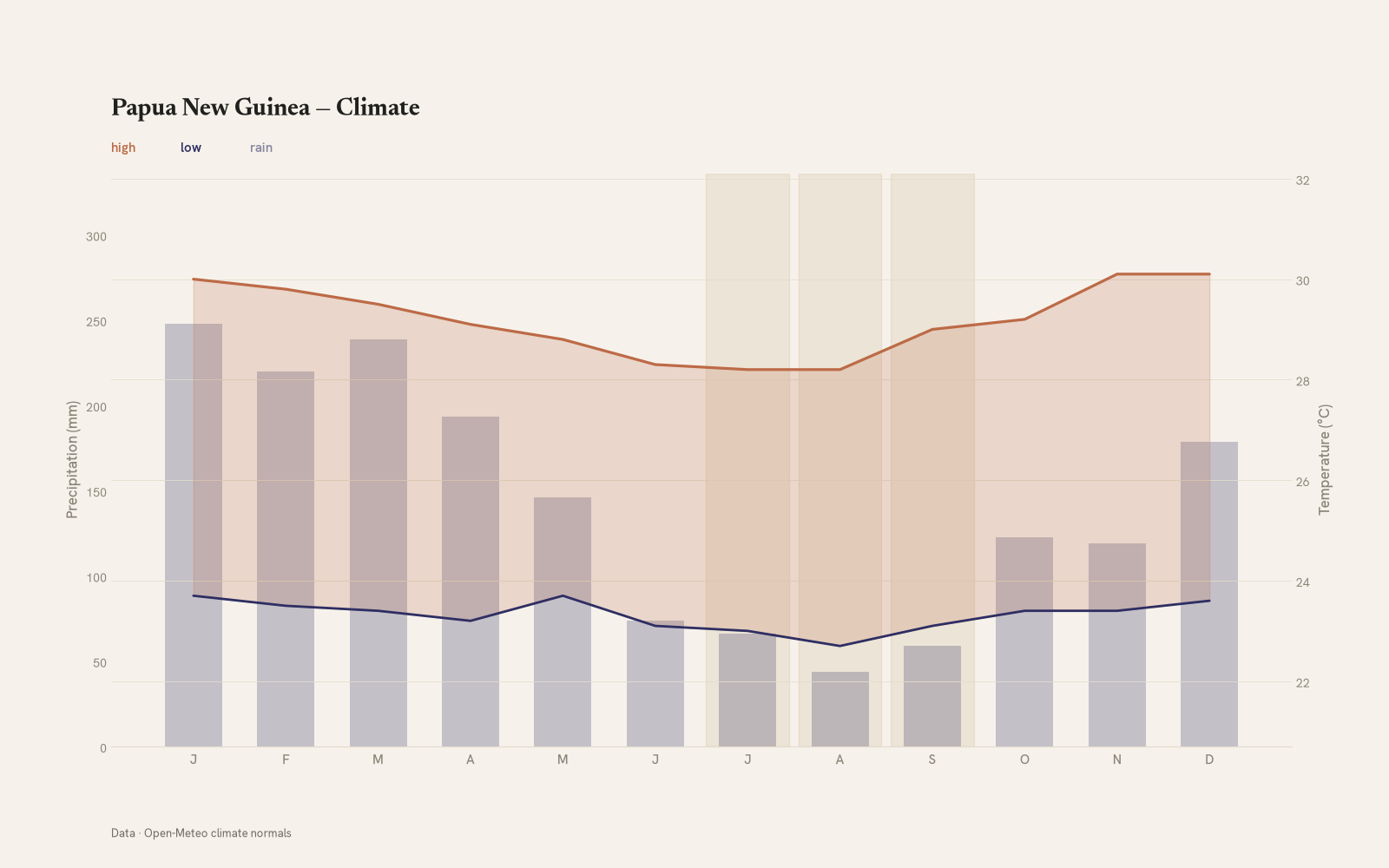
Weather & timing in Papua New Guinea RIGHT NOW 25° mostly clear

Best Jul–Sep · Shoulder Jun, Oct–Nov

  1. Jan / -4°
  2. Feb / -2°
  3. Mar 12° /
  4. Apr 18° /
  5. May 24° / 14°
  6. Jun 28° / 18°
  7. Jul 30° / 20°
  8. Aug 28° / 18°
  9. Sep 24° / 14°
  10. Oct 18° /
  11. Nov 12° /
  12. Dec / -2°

Best time to visit

June – November

Best for
  • Culture
  • Cuisine
  • Landscape
  • History
At a glance
Sunshine 7 hr/day (est.)
Rain days 8 days/mo (est.)
Wettest December · 60mm
Driest June · 10mm
Part of Pacific Islands →
By season
Spring (Mar–May)

What to expect — Daytime highs average about 18°C with overnight lows near 8°C, and it stays largely dry.

What's best — A quieter, less in-demand window than the shoulder months.

Summer (Jun–Aug)

What to expect — Daytime highs average about 29°C with overnight lows near 19°C, and it stays largely dry.

What's best — Jul and Aug are among the best time to visit — good weather with manageable crowds. Jun also works well.

Autumn (Sep–Nov)

What to expect — Daytime highs average about 18°C with overnight lows near 8°C.

What's best — Sep is among the best time to visit — good weather with manageable crowds. Oct and Nov also work well.

Winter (Dec–Feb)

What to expect — Daytime highs average about 7°C with overnight lows near -3°C.

What's best — Cold and quiet; some mountain roads and sights run reduced hours.

A little context

A little history

To read what you're looking at — the empires and eras that shaped Papua New Guinea's food, art and streets.

Humans reached New Guinea at least 50,000 years ago, and Highland agriculture — taro, yam, banana — began around 9,000 years ago, one of the world's original farming hearths
extreme geographic fragmentation produced over 800 languages, the most of any nation
colonial powers split the island between British/Australian Papua and German New Guinea
in WWII, Australian troops halted the Japanese on the Kokoda Track
independent from Australia in 1975, a very recent leap from isolation
Before you book

Know before you go

The practical back-matter — safety, drones and the essentials, in one place.

Safety

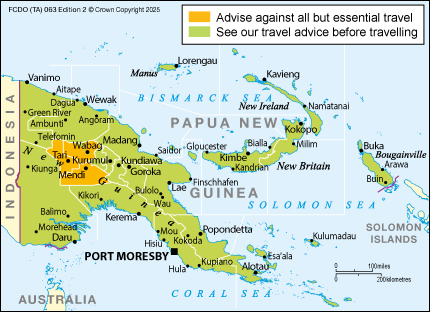
Moderate — check FCDO advice FCDO advice →

Official UK Foreign, Commonwealth & Development Office guidance is the definitive source — check it close to your travel dates.

Drone rules (sub-250g)

  • Papua New Guinea
    CASA PNG-regulated under Part 101: fly day-only, in sight, below 122m, not over people or crowds, and well clear of aerodromes (about 4km); foreign visitors should seek CASA authorisation first. ⚠ Land is overwhelmingly customary/clan-owned, so consent from local landowners is culturally essential before flying, on top of the aviation rules; some regions carry safety advisories, so operate discreetly and with local permission. Rules checked: Jul 2026

National parks, protected sites and religious/heritage venues often have their own rules and permits — always check the specific site before you fly.

The essentials

Plug & voltage Type I · 240V
Daily budget Expensive
Region Melanesia