Siargao
The Philippines' surfing capital — a teardrop of coconut palm and mangrove where Cloud 9's reef break, tidal rock pools and island-hopping sandbars define the laid-back Pacific-coast surf scene.
- Island
- September – November (surf); March – May (calm island-hopping)
- IAO
- 4–6 days
Vyacheslav Argenberg / Wikimedia Commons (CC BY 4.0)
About Siargao
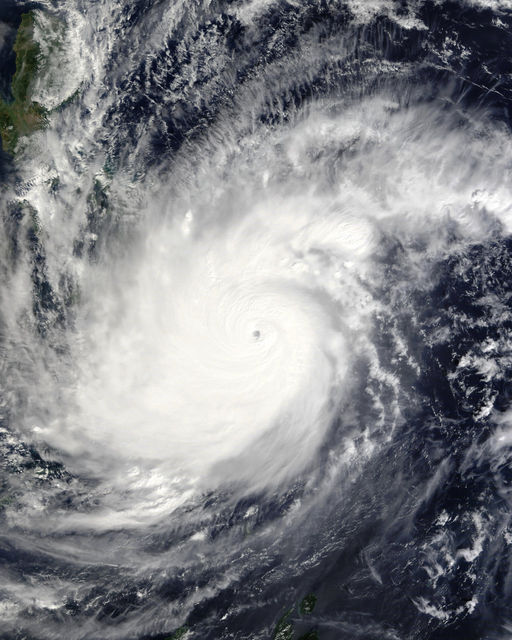
Siargao is a teardrop-shaped island of roughly 440 sq km in Surigao del Norte, facing the open Pacific at the north-eastern edge of Mindanao. Its interior is a dense mat of coconut palm — the island exports copra — laced with mangrove forest, tidal lagoons and single-lane roads that thread between the villages. For decades it was a remote fishing island known only to travelling surfers, who came for the Pacific swells that break over its offshore reefs. That reputation crystallised at Cloud 9, a hollow right-hand reef break near General Luna with its own timber viewing tower and boardwalk, which has hosted international competitions since the 1990s and made Siargao the recognised surfing capital of the Philippines. General Luna — universally shortened to 'GL' — is the island's tourist heart: a strip of surf hostels, speciality-coffee cafés, cocktail bars and rental shops that grew explosively after Siargao 'blew up' around 2018. The island suits surfers first, but it has broadened into a general boho beach destination with island-hopping trips, tidal rock pools, mangrove lagoons and coconut-road viewpoints for non-surfers. It is not a polished resort island: roads are narrow, most transport is by scooter or habal-habal, and the post-2018 boom has strained water, waste and traffic. In December 2021 Super Typhoon Odette (Rai) flattened much of the island; by 2026 it has largely rebuilt and reopened, with most of its palm canopy regrown.
Why go
Siargao is the place people mean when they talk about surfing in the Philippines. Cloud 9 is the headline — a powerful, hollow reef break best watched (or paddled out to) at the boardwalk tower — but the island holds a dozen other breaks, from beginner-friendly beach and reef waves at Jacking Horse and Quiksilver to heavier reef at Stimpy's and Tuason, so there is something for every level. Beyond the surf, the island rewards slow exploration by scooter: the Coconut (Palm-tree) Road viewpoint over an ocean of palms, the Maasin River with its leaning coconut tree and rope swing, and the tidal Magpupungko rock pools on the east coast, which fill into clear natural swimming pools only at low tide. Boat trips run daily to the classic trio of Naked Island (a bare sandbar), Daku Island (the lunch stop, with fishing villages) and tiny palm-topped Guyam. To the north-west, Del Carmen's mangroves open onto the Sugba Lagoon, a jade-green inlet for kayaking, paddleboarding and jumping off its diving board. The prevailing mood is barefoot and unhurried — surf in the morning, café-hop through the afternoon, watch the sun drop over the palms. Siargao pairs naturally with Bohol or Cebu (both a short hop by air), or with a longer Mindanao-and-Visayas island loop.
Highlights
- Cloud 9 reef break and boardwalk viewing tower
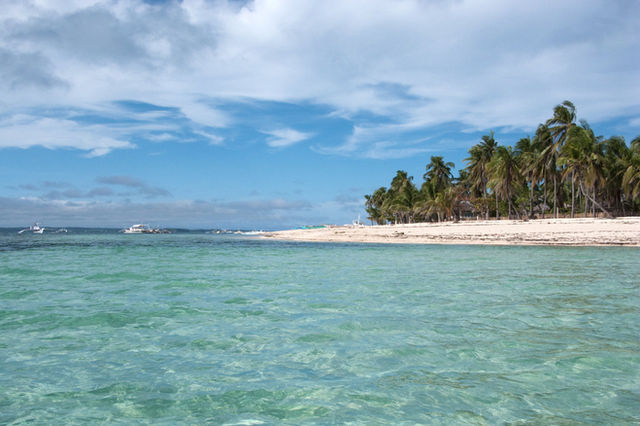
- Island-hopping to Naked, Daku and Guyam islands
- Sugba Lagoon kayaking in the Del Carmen mangroves
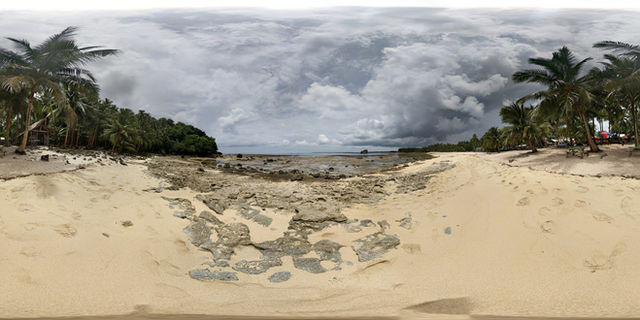
- Magpupungko tidal rock pools at low tide
- Maasin River coconut-tree rope swing
- Coconut (Palm-tree) Road viewpoint over the palms
Food & drink
Siargao's food scene has grown far beyond simple surf-shack fare. General Luna is dense with cafés serving speciality coffee, smoothie bowls and international breakfasts aimed at the traveller and remote-worker crowd, alongside pizzerias, taco spots and beachfront bars for sunset drinks. For local Filipino cooking, look for kinilaw (the Philippine ceviche of raw fish 'cooked' in vinegar and calamansi, often with coconut milk — a Surigao speciality and superb here given the fresh catch), grilled seafood and pork (inihaw), sinigang (sour tamarind soup), chicken adobo and generous rice meals at the carinderias and turo-turo eateries away from the main strip, which are far cheaper than the tourist cafés. Fresh coconut, calamansi juice and local craft beer are the drinks to seek out; kalamansi and buko (young coconut) are everywhere. Dapa and the public markets are the place for the cheapest, most authentic food and the day's fish. Nightlife centres on GL's bar strip and periodic beach parties, low-key by international standards and easy to dip in and out of.
Siargao in photos
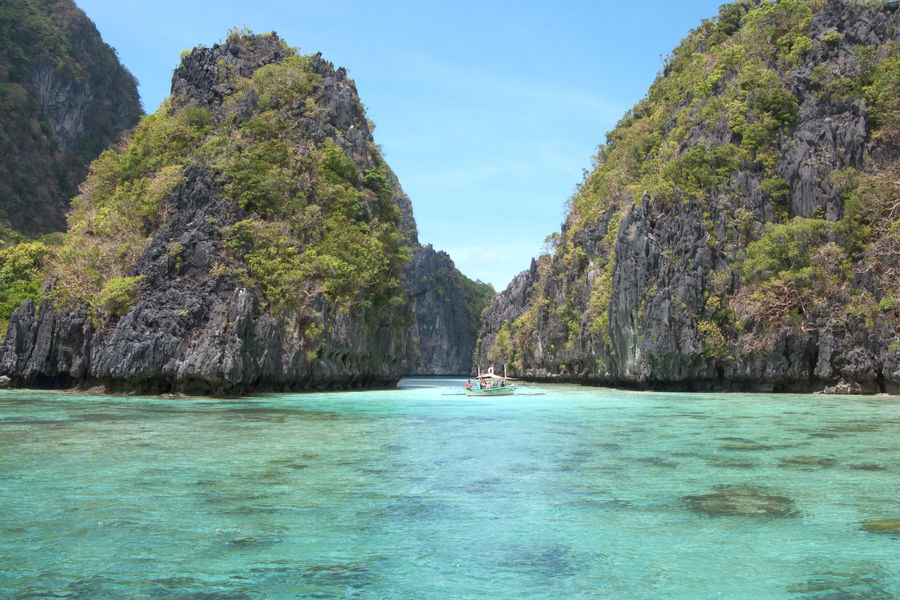
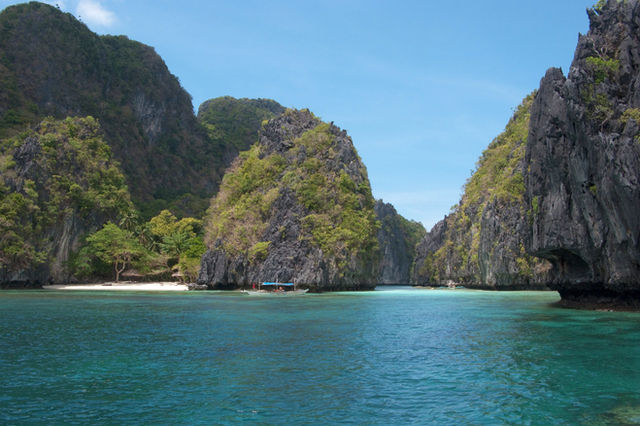
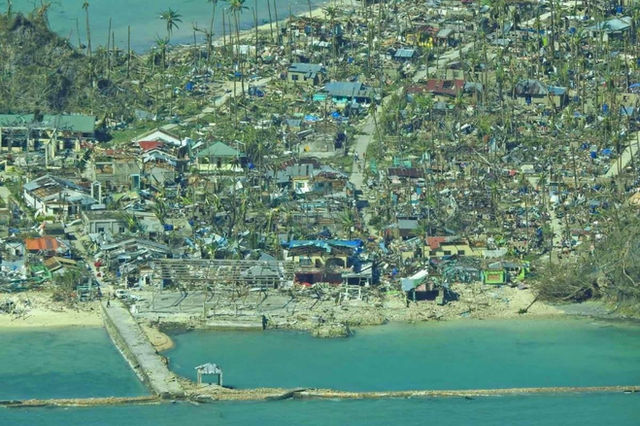
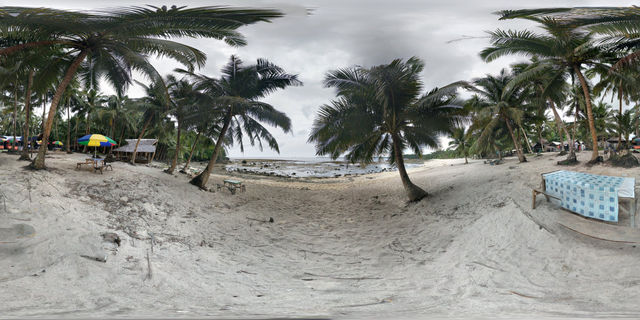
Where you'll stay in Siargao
Live map of hotels and villas around Siargao — powered by Stay22. Pan, zoom and compare live prices to pick your base.
Hotels & rentals around Siargao
Pan, zoom and compare live prices — every stay in one map.
Getting around Siargao
The island runs on two wheels. Hiring a scooter (motorbike) is the standard way to get around — rates are cheap by the day and give you the freedom to reach the Coconut Road viewpoint, Maasin River, Magpupungko and the northern breaks at your own pace. Roads are mostly single-lane, sometimes rough or flooded after rain, and the post-2018 boom has put a lot of inexperienced riders on them, so ride cautiously and wear a helmet. If you would rather not drive, habal-habal (motorcycle taxis) and tricycles handle short hops around General Luna, and vans or private cars cover longer transfers such as the airport run. Island-hopping and lagoon trips are by outrigger boat (bangka), arranged through your accommodation or the tour operators clustered in GL; the classic Naked–Daku–Guyam circuit is a half-day, and Sugba Lagoon is a longer full-day trip that starts with a boat from Del Carmen. Distances feel longer than the map suggests because of the road conditions — General Luna to the far north can take well over an hour.
Siargao has no formal bus or metro network — public transport is informal and cheap. Around General Luna and between the nearer villages, tricycles and habal-habal (motorcycle taxis) are the everyday options; short hops cost a small fixed fare and longer runs are negotiated before you set off, so agree the price first. For crossing the island — the airport at Del Carmen, Dapa's ferry port, the northern surf villages — shared vans and multicabs (small jeep-style vehicles) run set routes, and private van transfers can be booked through accommodation. There are no metered taxis and no ride-hailing apps operating reliably on the island. In practice most visitors hire their own scooter rather than rely on the patchwork of tricycles and vans, which thin out considerably after dark and away from GL. Carry cash in small notes: ATMs exist in GL and Dapa but can run empty, and few informal drivers take cards.
Insider tips
Time your trip to your priority: come September–November if you are here to surf, or March–May if calm seas and island-hopping matter more — trying to do both in the storm-prone months often means cancelled boats. Learn to read the tide: Magpupungko's rock pools only reveal their clear swimming basins at low tide, and Sugba Lagoon and the sandbars are far better at the right water level, so plan around the tide chart rather than the clock. Do the popular island-hopping trio (Naked, Daku, Guyam) as an early departure to beat both the midday sun and the day-tripper flotilla, and pack your own food and water since only Daku has facilities. For quieter waves and a slower scene, base or day-trip up to Pacifico rather than staying only around Cloud 9. Rent a scooter but treat the roads with respect, and carry plenty of small-denomination cash — card acceptance is patchy and ATMs run dry. Finally, go with the island's laid-back rhythm: schedules slip, power flickers, and the best of Siargao is found by slowing down.
Frequently asked
Explore the area
Siargao · Around the island · 1 island
Local attractions & tours
Skip-the-line tickets and small-group tours in Siargao — compare across our partners.
We're still curating hand-picked tickets and tours for Siargao. In the meantime, the map above and the nearby cities are a great place to start.
When to visit Siargao
September – November (surf); March – May (calm island-hopping)
Siargao is hot and humid year-round, with sea temperatures warm enough to swim any month (air 26–32°C). Its weather does not split into a clean dry-and-wet season the way western Philippine islands do — sitting on the Pacific coast, it can see rain in any month, and it is exposed to the typhoon belt, with the highest risk of storms and typhoons running roughly from July into December (Super Typhoon Odette struck in mid-December 2021). The key split for visitors is surf versus calm. The prime surf season runs from around September into November, when the habagat and Pacific swells deliver the cleanest, most consistent waves — this is the Cloud 9 competition window and the busiest, liveliest stretch, though swells can keep firing into December and the wider surf season stretches to about March. For calmer, sunnier conditions better suited to island-hopping, snorkelling and lazy beach days, the drier, flatter-sea months of roughly March to May are the sweet spot, when boat trips are least likely to be cancelled. Expect short heavy downpours rather than all-day rain outside the stormy months.
Know before you go
Safety
Siargao is a relaxed, low-crime destination and violent incidents against tourists are rare, but the practical hazards are real and worth taking seriously. Scooter accidents are the single biggest danger: roads are narrow and single-lane, often wet or potholed, many riders are inexperienced, and medical facilities on the island are limited — wear a helmet, don't ride at night on unfamiliar roads, and check your travel insurance covers motorbike use. In the water, Cloud 9 and the other reef breaks are powerful waves over shallow, sharp coral; they are not for beginners, and reef cuts and board injuries are common — take lessons at the sheltered beginner breaks first and never surf a reef break beyond your level. Watch for currents and tides when island-hopping and at the tidal rock pools, and note that Magpupungko is only safely enjoyed around low tide — check tide times before setting out. The tropical sun is intense; use reef-safe sun protection. The island lies in the typhoon belt, so monitor forecasts if travelling in the July–December window. As anywhere, keep an eye on valuables at busy beaches and bars.
Culture & etiquette
Siargao is predominantly Roman Catholic, like most of the Philippines, and Sunday Mass and local fiestas are part of village life; a little respect for churches and religious occasions goes a long way. Filipinos are famously warm and hospitable, and English is widely spoken alongside the local Surigaonon and Cebuano, so communication is easy. Dress is casual and beachy in General Luna, but cover up modestly away from the beach — in villages, markets, shops and churches — rather than wandering in swimwear. The island's rapid boom has put visible strain on water, waste and the local community, so travel lightly: minimise single-use plastic, use reef-safe sunscreen, refill water where you can, and be patient with the power and water cuts that come with a small island absorbing a lot of visitors. Tipping is not obligatory but is appreciated for good service. A friendly, unhurried manner and a smile match the local temperament far better than impatience.
Daily budget
£40/day mid-range (budget £20, boutique/luxury £150+; surf lessons and boat tours extra)
Emergency numbers
911 (national emergency hotline)
Getting there
Siargao is reached by air through Sayak Airport (IATA: IAO), a small single-runway airport in the municipality of Del Carmen on the island's north-west, about 45–60 minutes' drive from General Luna. Cebu Pacific, Philippine Airlines and Sunlight Air operate the routes, with the most reliable connection being the short hop from Mactan-Cebu (CEB), roughly one hour, flown several times daily. From Manila (MNL) the journey is around 1h40; note that direct Manila–Siargao service has been intermittent, so many itineraries connect through Cebu. There are no direct international flights, so from London you fly to Manila or Cebu (typically via a Gulf or Asian hub) and connect onward. The alternative to flying is the sea route: fast-craft and RORO ferries run daily between Surigao City on the Mindanao mainland and Dapa port on Siargao's south-west coast — fast craft take around 1h30, RORO ferries 3–4 hours or more depending on the weather. Surigao City itself is reached by air (Sayak's mainland counterpart) or by long-distance bus. Airport transfers to GL are by shared van or pre-booked private car.
- Sayak / Siargao Airport (IAO — on-island, at Del Carmen; the gateway)
- Mactan-Cebu International Airport (CEB — main connecting hub, ~1h flight)
- Ninoy Aquino International Airport, Manila (MNL — via Cebu, ~1h40 flight)
Ready to book your trip?
Flights, airport transfers and car hire to IAO — search and compare without leaving the page.
More trip extras
Parking, holiday extras, and more — coming soon.
We're lining up parking, holiday extras and activities you'll be able to add to any trip from here.