← Philippines
PHILIPPINES · CITY

Vigan

The Philippines' best-preserved Spanish colonial town — cobbled streets, ancestral houses and horse-drawn kalesas.

  • City
  • November to April — the cooler, drier season
  • ~approx 1–2 days
  • Spanish Colonial Streets
  • Cobbled Calle Crisologo
  • Kalesa Rides
  • Ilocano Food

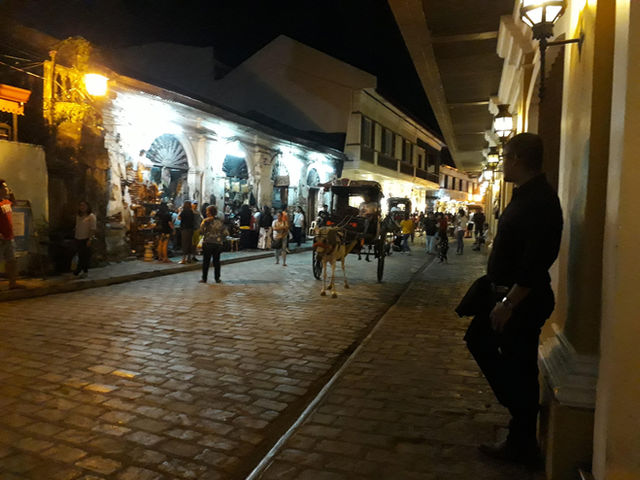
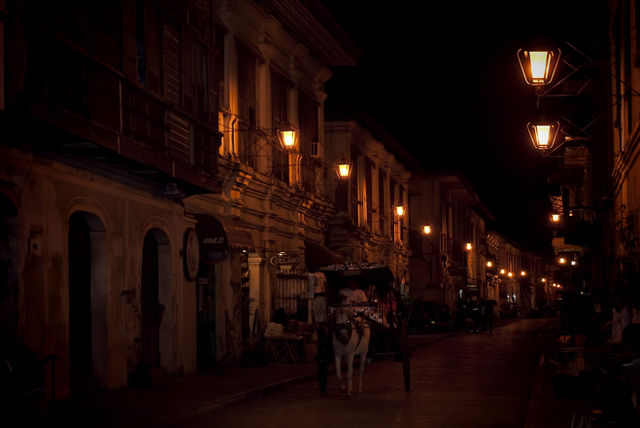
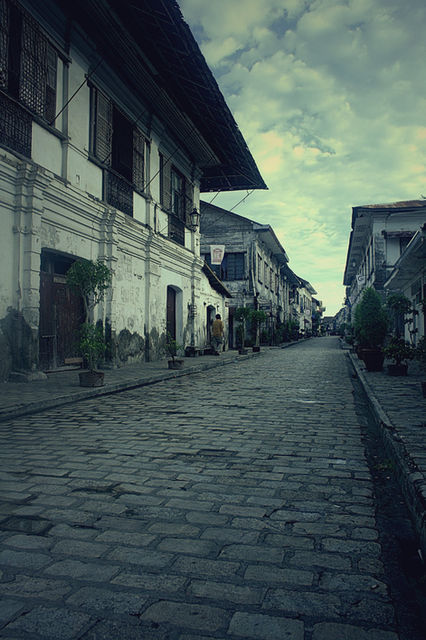
The cobblestones of Calle Crisologo glowing under lamplight, a kalesa's horse clopping past rows of wooden-and-stone heritage houses, and the sizzle of an orange, garlicky Vigan empanada cracking open at a plaza stall.

Vigan is Asia's finest Spanish colonial town — a UNESCO old quarter of cobbled streets and mestizo mansions in the Philippines' Ilocos region, where horse-drawn kalesas clip past centuries-old houses and the empanadas and longganisa are a destination in themselves.

Type
town
Ideal length
~approx 1–2 days
Getting around
on foot; kalesa, tricycle for the outskirts
Neighbourhoods
3 areas
Best season / months
November to April — the cooler, drier season
Language
Ilocano and Filipino; English widely spoken
Currency
Philippine peso (₱)
Budget level
low — very affordable
Good for
  • History
  • Heritage architecture
  • Food
  • Culture
  • Slow travel
▸ Discover

About Vigan

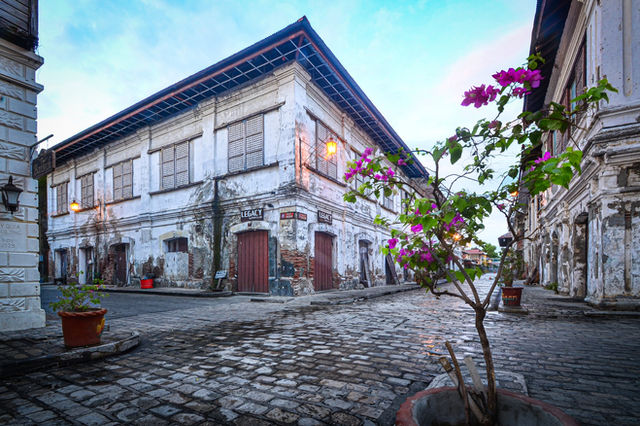
Vigan sits near the coast in Ilocos Sur, in the far northwest of Luzon in the Philippines. Founded as a Spanish colonial trading town, it grew rich on the galleon trade and left a remarkably intact old quarter — a grid of cobbled streets lined with "bahay na bato" mestizo houses that fuse Spanish, Chinese and Filipino styles, centred on the famous Calle Crisologo. Around it are grand plazas, a fortress-like cathedral, a bell tower on a nearby hill, and a living Ilocano food-and-craft culture of pottery, weaving and distinctive local dishes. Spared war and modernity, it's one of Southeast Asia's best-preserved colonial towns, compact and walkable.

Why go

Vigan is unique — a UNESCO town that preserves the largest and best surviving Spanish colonial townscape in Asia, its cobbled Calle Crisologo and mestizo mansions a genuine window into the galleon-trade era, best explored on foot or by horse-drawn kalesa. Add its dancing fountain and fortress cathedral, a proud Ilocano kitchen (empanada, longganisa, bagnet), a living pottery and weaving tradition, and easy links to the churches and coast of the wider Ilocos region, and it's a distinctive, atmospheric and delicious stop far from the usual trail.

Don't miss

  • Calle Crisologo — the cobbled heritage street
  • A kalesa ride — the horse-drawn carriage through town
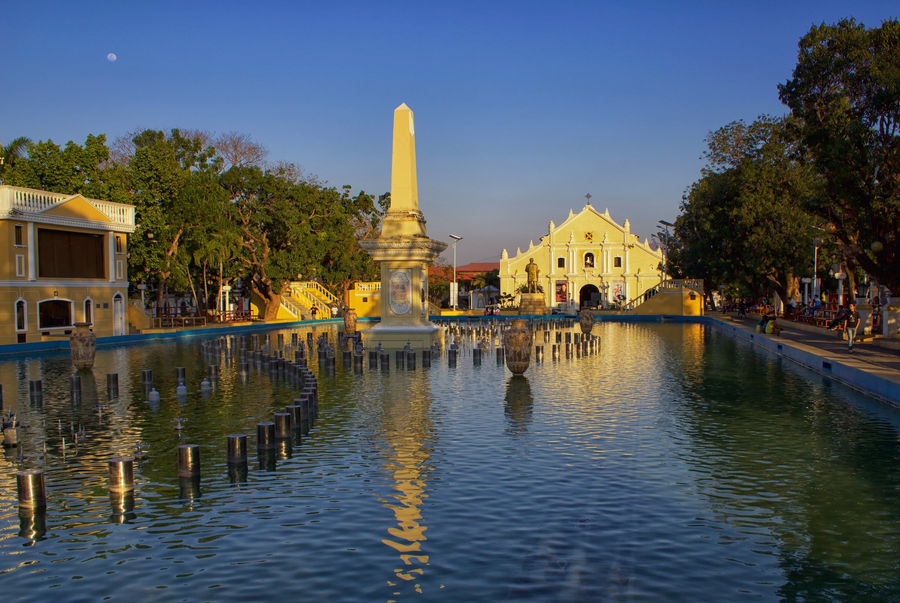
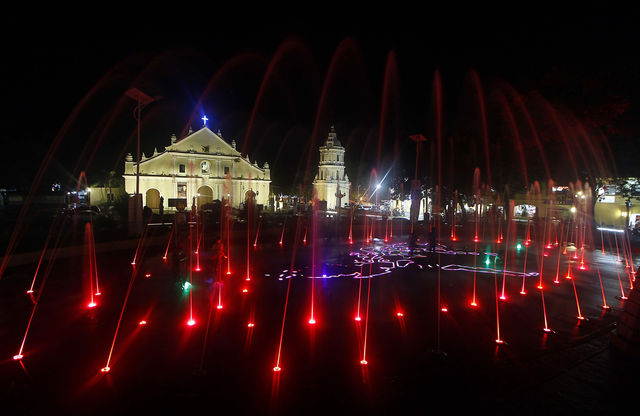
  • Vigan Cathedral and Plaza Salcedo — the fortress church and dancing fountain
  • Vigan empanada and longganisa — the Ilocano food
  • The burnay pottery — the traditional jar-makers

Signature experiences

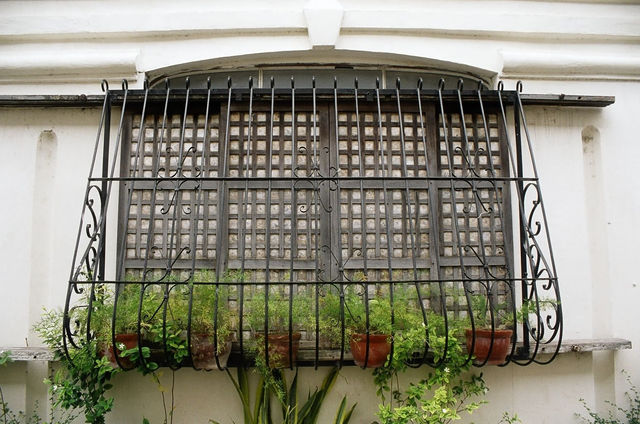
Calle Crisologo and the mestizo town — Vigan's star is Calle Crisologo, a cobbled street lined with two-storey "bahay na bato" houses — stone-and-brick ground floors, wooden upper storeys with capiz-shell windows, a blend of Spanish, Chinese and Filipino design — now filled with boutiques, cafés and antique shops. Walk it by day and again after dark, when the cobbles glow under lamplight and it's at its most magical (and less crowded than the daytime bustle). It's the best-preserved colonial street in the Philippines, and the heart of the visit. **A kalesa ride** — The classic way to see Vigan is by kalesa, the horse-drawn carriage that still clip-clops through the streets — a gentle loop past the heritage houses, the plazas, the cathedral, the pottery and the outskirts, with a driver-guide pointing out the sights. It's touristy but genuinely charming, and covers the spread-out edges (the bell tower, the potteries) you'd otherwise miss on foot. Agree the route and fare first, and enjoy the old-fashioned ride. **Plazas, cathedral and the fountain** — Vigan's grand plazas anchor the town — Plaza Salcedo, with its evening dancing-fountain light-and-water show, and Plaza Burgos, lined with food stalls, flank the fortress-like St Paul's Cathedral with its thick walls and separate bell tower (built to survive earthquakes and raids). Come to the plazas in the evening for the fountain show, the empanada stalls and the local crowd. Nearby, the Bantay bell tower on its hill gives a fine view over the town and the Ilocos coast. **Ilocano food and crafts** — Vigan is a food town, and its Ilocano specialities are a real draw — the Vigan empanada, a crisp orange rice-flour turnover stuffed with longganisa, egg and green papaya, fried and cracked open at the plaza stalls; the garlicky Vigan longganisa sausage; and bagnet, deep-fried crispy pork belly, all with the region's sukang Iloko vinegar. The town also keeps living crafts — the burnay potters throwing giant earthenware jars, and the abel weavers at their looms. Eat at the plaza stalls and buy from the makers.

Neighbourhoods

Vigan neighbourhood by neighbourhood — the character of each and who it suits.

  • Calle Crisologo and the Mestizo District

    The heritage heart — cobbled streets lined with mestizo "bahay na bato" mansions, now boutiques, cafés and museums, most famously along Calle Crisologo. The atmospheric core.

    Why go
    The cobbled colonial streets, the heritage houses and the kalesas.
    Best for
    Sightseeingphotographycaféssouvenir shopping
    Known for
    Calle Crisologo and its wooden-and-stone houses, the kalesa horse carriages, the antique and craft shops, the Syquia Mansion museum, and the boutiques and cafés in the old houses.
  • The Plazas and Cathedral

    The civic-religious core around the grand plazas and the fortress-like cathedral — the dancing fountain, the old government buildings, and the town's ceremonial heart. The monumental centre.

    Why go
    The cathedral, the plazas and the evening dancing fountain.
    Best for
    The cathedralplaza lifethe fountain showevening strolls
    Known for
    St Paul's Cathedral, Plaza Salcedo and its evening dancing-fountain show, Plaza Burgos and its food stalls, and the old provincial capitol and colonial buildings.
  • The Outskirts (Bantay and the Crafts)

    The edges of town — the Bantay bell tower on its hill, the burnay pottery workshops, and the craft, weaving and food producers. The living-craft and viewpoint fringe.

    Why go
    The bell-tower view, the pottery and the craft workshops.
    Best for
    The potterythe bell-tower viewcraft shopping
    Known for
    The Bantay bell tower (Sinking Bell Tower) and its view, the burnay jar potteries, the abel weaving, and the local food producers.

Views & hidden gems

Best views

  • Calle Crisologo under lamplight at night — the cobbles and houses
  • The Bantay bell tower — the view over the town and coast
  • St Paul's Cathedral and Plaza Salcedo's fountain at dusk
  • A kalesa framed on the cobbled street

Hidden gems

  • The burnay pottery workshops — giant jars thrown by hand
  • The Syquia Mansion and the Crisologo museum — heritage-house interiors
  • Plaza Burgos empanada stalls at dusk
  • The Hidden Garden and the abel weaving workshops
  • Calle Crisologo early morning or late night, near-empty

Food & drink

Vigan's Ilocano food is a genuine reason to come. The star is the Vigan empanada — a crisp, orange rice-flour turnover stuffed with garlicky longganisa, egg and grated green papaya, deep-fried to order at the plaza stalls; alongside are the Vigan longganisa sausage, bagnet (deep-fried crispy pork belly), and Ilocano vegetable dishes like pinakbet, all sharpened with the local sukang Iloko cane vinegar. The plaza stalls, the old-house cafés and the local restaurants are where to eat. Simple, savoury and distinctive.

  • Vigan empanada — a crisp orange turnover with longganisa, egg and papaya
  • Vigan longganisa — a garlicky, tangy local sausage
  • Bagnet — deep-fried crispy pork belly
  • Pinakbet — an Ilocano mixed-vegetable dish with fermented fish
  • Sukang Iloko — the local cane vinegar, the essential condiment
  • Ilocano coffee and native delicacies — the market and stall treats
Dietary notes

This is a pork-and-fish region, so committed vegetarians work a little harder, though pinakbet (ask, as it uses bagoong fermented fish), vegetable dishes, rice and the old-house cafés help. Vegan is limited outside a modern café. Halal is limited; kosher unavailable. Gluten-free is manageable with rice dishes, but the empanada wrapper is rice-flour (often gluten-free — confirm) while soy sauce and some dishes contain gluten — check.

Vigan in photos

▸ Where you'll stay

Where you'll stay in Vigan

Stay in or near the heritage district, around Calle Crisologo and the plazas, to walk the cobbled streets in the quiet early morning and evening — Vigan has atmospheric hotels in restored heritage houses as well as modern and budget options. It's a compact, walkable town, cheap by any measure. A kalesa or tricycle reaches the outskirts. Book ahead for the town fiesta and holidays.

  • Budget
    Near the plazas / heritage fringe budget hotels and guesthouses a short walk from Calle Crisologo.
  • Mid-range
    The heritage district comfortable hotels, some in restored heritage houses, near the cobbled streets.
  • Luxury
    The best heritage-house hotels high-end restored mansions in the old quarter, the top of a modest range.
Stay

Hotels & rentals around Vigan

Pan, zoom and compare live prices — every stay in one map.

▸ Getting around

Getting around Vigan

The heritage core is compact and walkable — Calle Crisologo, the plazas and the cathedral are all on foot. Kalesas and tricycles cover the outskirts (the bell tower, potteries); a car helps for wider Ilocos trips but isn't needed in town.

The heritage district, the plazas and the outskirts are all a short walk, kalesa or tricycle ride apart (~approx) — the old quarter crosses on foot in minutes.

▸ Plan your days

Suggested itineraries

Ready-made day plans for Vigan — from a single day to a long weekend.

One day

Start with a morning walk down a quiet Calle Crisologo and the heritage houses, then a kalesa loop to the Bantay bell tower and the burnay potteries. See St Paul's Cathedral and the plazas, and eat a fresh Vigan empanada and longganisa for lunch. Browse the boutiques and a heritage-house museum in the afternoon, and return to the plazas at dusk for the dancing fountain, empanada stalls and the lamplit street.

Two days

With an overnight, add the region and a slower pace. Explore more heritage houses and the weaving and pottery workshops, and take a trip into the wider Ilocos — the baroque churches of Santa Maria and Paoay, the coast, or the sand dunes near Laoag — before a final evening on the cobbled streets.

▸ What you'll do

Insider tips

  • Walk Calle Crisologo after dark for the lamplit cobbles, and early morning to have it near-empty.
  • Take a kalesa loop to cover the bell tower, potteries and outskirts you'd miss on foot (agree the fare first).
  • Eat Vigan empanada fresh and hot from a plaza stall — the town's edible signature.
  • Buy burnay jars and abel weaving from the workshops to support the living crafts.
Explore

Explore the area

© OpenFreeMap · OSM · terrain Mapterhorn
Do

Local attractions & tours

Skip-the-line tickets and small-group tours in Vigan — compare across our partners.

We're still curating hand-picked tickets and tours for Vigan. In the meantime, the map above and the nearby cities are a great place to start.

▸ Budget

What it costs in Vigan

Backpacker
roughly €18–35 a day.
Mid-range
roughly €40–80 a day.
Luxury
€140 a day and up.
Cash vs card
Carry pesos for stalls, kalesas, tricycles and small shops; cards work in bigger hotels and some restaurants.
Tipping
Tipping is appreciated but modest — round up or leave small change; a little for kalesa drivers and guides.
▸ When you'll go

When to visit Vigan

November to April — the cooler, drier season

Spring

What to expect — Hot and increasingly humid, heating toward the peak of the dry season and then the rains; March–May are the hottest months. Hot by day.

What's best — Still largely dry, with Holy Week traditions and the town's festivals — but the heat builds; sightsee in the cooler morning and evening, and the cool season is kinder.

Summer

What to expect — The wet season (roughly June to October), warm and humid with heavy rains and the risk of typhoons in the northern Philippines. The low season.

What's best — Green surroundings, lower crowds and prices, and dramatic skies — but expect heavy rain and possible typhoons, so watch the forecast and keep plans flexible.

Autumn

What to expect — The tail of the wet season, still with rain and typhoon risk into around November before the dry season returns. Improving late in the season.

What's best — The rains easing toward the drier months by late autumn, greener surroundings and thinner crowds — a transitional window; watch the weather.

Winter

What to expect — The cool, dry season (November to April) — the best time, with warm days, lower humidity and cooler, pleasant evenings. Peak travel months.

What's best — The most comfortable weather for the cobbled streets and the plazas, the lit fountain and empanada evenings, and the region's festivals — the ideal time to come.

▸ Know before you go

Know before you go

Honest swaps

Skip only the daytime crowds on Calle Crisologo → walk it early morning or after dark, when it's atmospheric and quiet.

Skip a tour-bus lunch → eat empanada and longganisa at the plaza stalls and old-house cafés.

Skip walking the spread-out outskirts → take a kalesa loop to the bell tower and the potteries.

Skip mass souvenirs → buy burnay pottery and abel weaving straight from the workshops.

Crowds & timing

Calle Crisologo is busiest in the daytime and at weekends; early morning and evening are quieter and lovelier.

Time an evening for the Plaza Salcedo dancing-fountain show (check the schedule).

Local rules & etiquette

Dress respectfully inside the cathedral and churches, working religious sites.

Treat the kalesa horses kindly — choose drivers who look after them, and don't overload.

Be respectful of residents in the living heritage houses and quiet lanes at night.

Money

Carry pesos for stalls, kalesas and tricycles; cards cover bigger hotels; use bank ATMs.

Agree kalesa routes and fares up front.

After dark

Plaza Salcedo's fountain show, Plaza Burgos's food stalls and the lamplit Calle Crisologo hold the evening life.

Vigan is a gentle, early town rather than a nightlife hub — the evening is the fountain, empanadas and a cobbled stroll.

A few bars and old-house cafés stay open for a relaxed drink.

▸ Ready to book your trip?

Getting there

Vigan is reached by a long drive or overnight bus from Manila, or by flying to Laoag (LAO) to the north and continuing by road; the town has no airport of its own.

Book

Ready to book your trip?

Flights, airport transfers and car hire — search and compare without leaving the page.

▸ Trip extras
Book

More trip extras

Parking, holiday extras, and more — coming soon.

Coming soon

We're lining up parking, holiday extras and activities you'll be able to add to any trip from here.