← Portugal
PORTUGAL · CITY

Elvas

A mighty star-shaped Portuguese fortress town near the Spanish border, fed by a soaring aqueduct.

  • City
  • April to June and September to October — the fierce summer aside
  • ~approx 1 day
  • Star-Fortress Border Town
  • Vast Aqueduct
  • Satellite Forts
  • Alentejo Plains

Grass-covered ramparts zig-zagging in perfect star-points around a whitewashed old town, a giant aqueduct of tiered arches striding across the plain toward it, and satellite forts crowning the hills, all built to hold the frontier against Spain.

Elvas is a fortress in the shape of a star — a Portuguese garrison town on the Spanish border, wrapped in the largest bulwarked defences of their kind in the world, fed by a colossal aqueduct, guarded by hilltop forts, and famous for its candied plums.

Type
town
Ideal length
~approx 1 day
Getting around
on foot in the old town; a car for the forts and aqueduct
Neighbourhoods
3 areas
Best season / months
April to June and September to October — the fierce summer aside
Language
Portuguese (some Spanish and English)
Currency
euro (€)
Budget level
low — very affordable
Good for
  • History
  • Military architecture
  • Alentejo food and wine
  • Off-the-trail travellers
▸ Discover

About Elvas

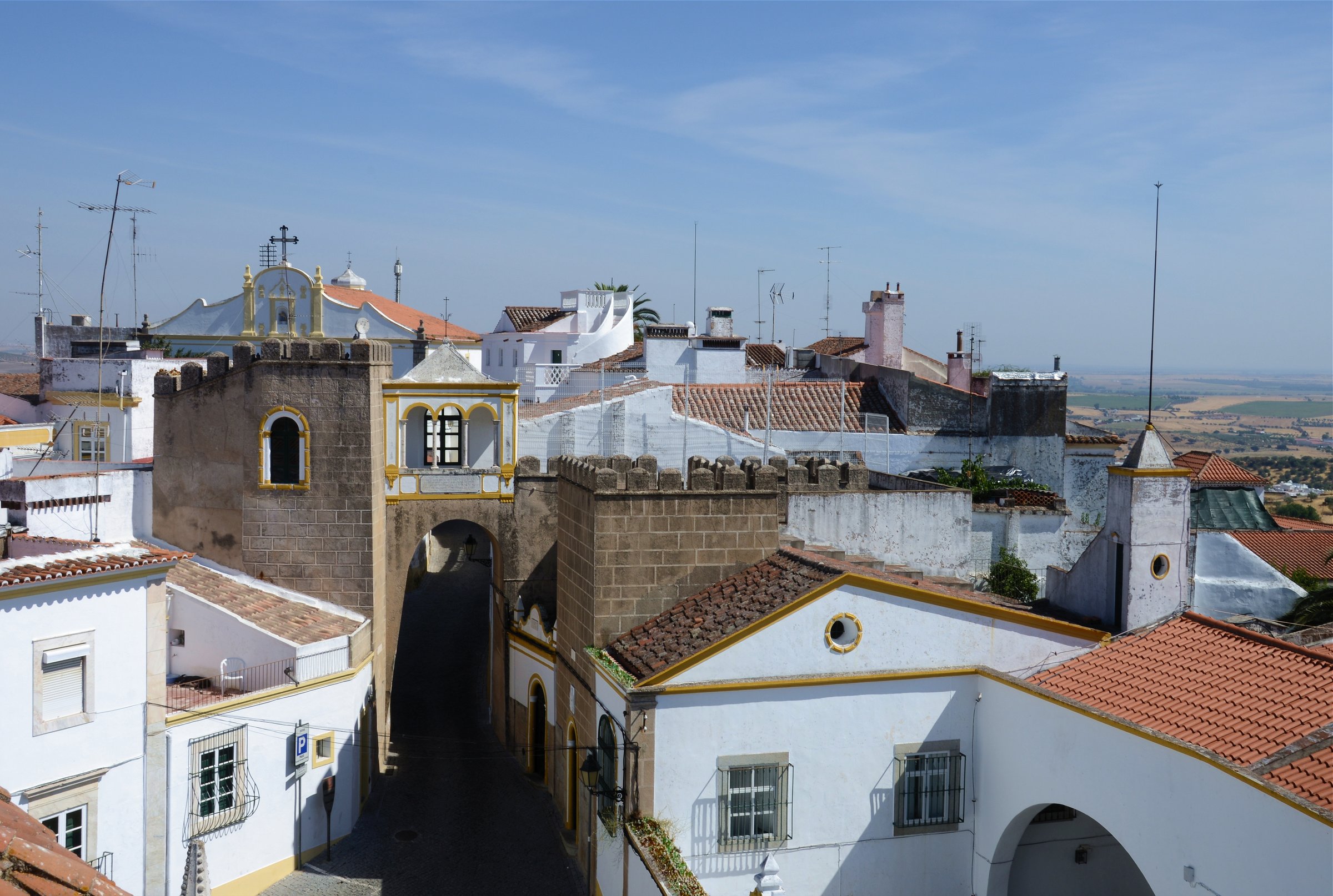
Elvas sits on a hilltop in the eastern Alentejo, right on Portugal's border with Spain, opposite the Spanish city of Badajoz. For centuries the key fortress guarding the frontier, it was engineered into an extraordinary star-shaped stronghold — the largest system of bulwarked, dry-ditch fortifications in the world — with a walled old town inside, two great satellite forts on the surrounding hills, and one of the largest aqueducts in Iberia bringing it water. A UNESCO site (the "Garrison Border Town of Elvas and its Fortifications"), it's a masterpiece of military engineering wrapped around a sleepy whitewashed Alentejo town, with the region's food, wine and its famous candied plums. Off the tourist trail, it's a fascinating, under-visited stop.

Why go

Elvas is a wonder of military architecture — a UNESCO garrison town whose star-shaped ramparts, satellite forts and colossal aqueduct form the most complete and largest bulwarked fortification system anywhere, a vivid record of centuries of frontier warfare. Inside sits a quiet, whitewashed Alentejo old town with a cathedral and squares, and around it the plains, wine and food of the Alentejo, plus the famous Elvas plums. On the Spanish border and easy from Évora or Badajoz, it rewards anyone drawn to fortifications, history and the slow, sunny Alentejo.

Don't miss

  • The star-shaped fortifications — the great bulwarked walls
  • The Amoreira Aqueduct — the vast tiered aqueduct
  • The satellite forts — Santa Luzia and Graça on the hills
  • The walled old town — the whitewashed centre
  • The Elvas plums — the candied specialty

Signature experiences

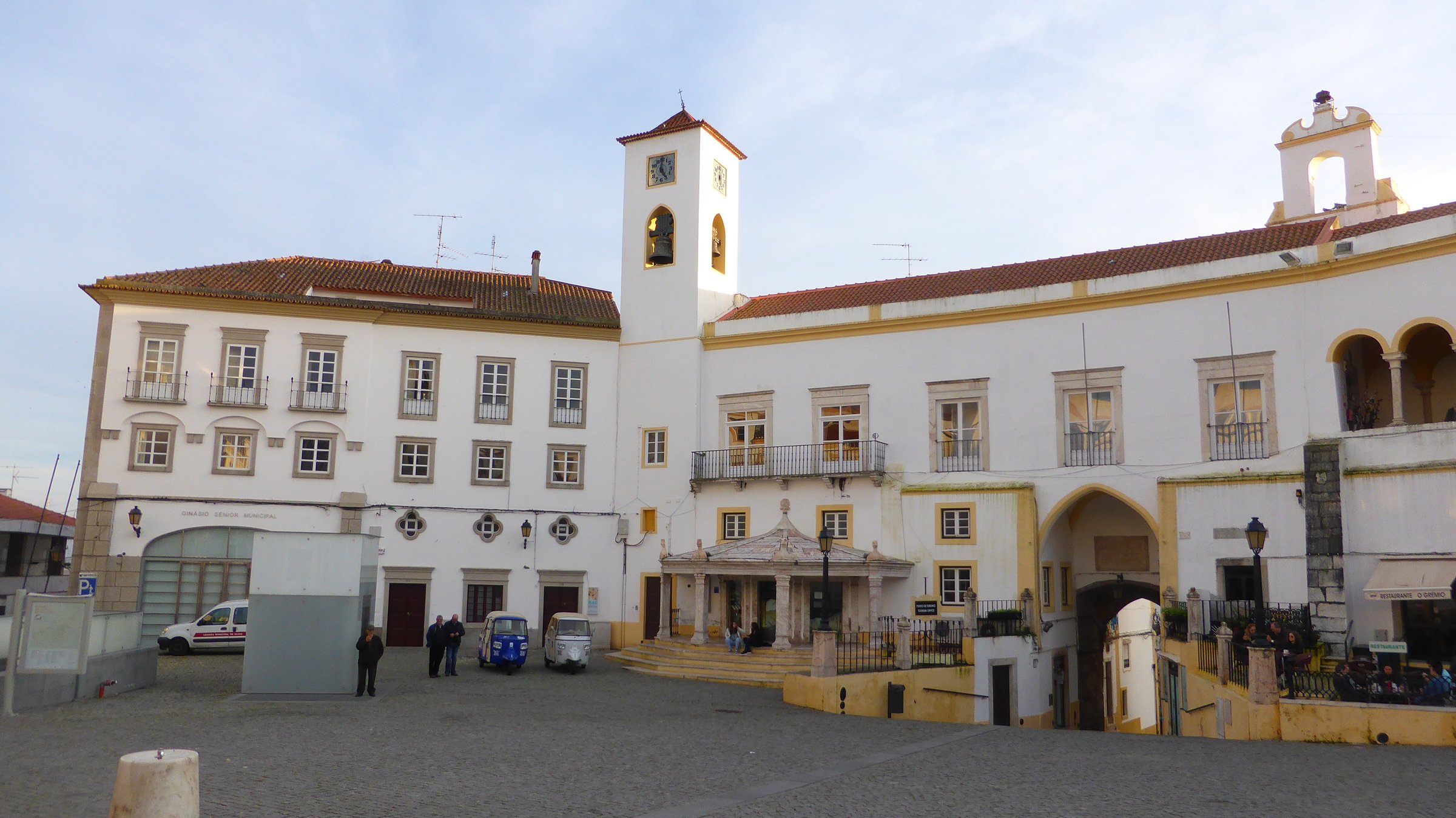
The star fortress — Elvas's marvel is its fortifications — a vast, geometric system of bulwarked ramparts, bastions and dry ditches enclosing the town in a perfect star, engineered over centuries to hold the Spanish frontier, and the largest such system in the world. Walk the grassy ramparts and the bastions for the shape of the star and the views over the plains, pass through the fortified gates, and grasp the scale of frontier warfare. Add the two great satellite forts on the surrounding hills — Santa Luzia and the huge Graça — and Elvas becomes a lesson in military architecture you can walk for hours. **The aqueduct** — Striding across the plain toward the town is the Amoreira Aqueduct, an enormous 16th–17th-century waterwork of tiered arches — one of the largest aqueducts in the Iberian Peninsula — built to bring water into the besieged fortress. Its scale, especially where the arches rise in several tiers, is genuinely impressive, and it's a fine sight against the Alentejo sky. Walk beneath and along it near the town for the classic view, and marvel at the effort of keeping a border fortress supplied. **The whitewashed old town** — Inside the walls, Elvas is a quiet, whitewashed Alentejo town — cobbled lanes, the arcaded Praça da República paved in a wave pattern, the former cathedral, the striking octagonal Church of the Consolation with its blue-and-yellow tiled interior, a castle with plains views, and the everyday Alentejo life. It's a peaceful, sun-warmed contrast to the mighty fortifications around it. Wander the lanes, take a coffee on the square, and enjoy the slow border-town rhythm. **Alentejo food, wine and Elvas plums** — Elvas sits in the Alentejo's food-and-wine country, and the local table is rich and rustic — açorda and migas, black Iberian pork and lamb, Alentejo cheeses and bold Alentejo reds. The town's own sweet fame is the ameixa de Elvas, the greengage plum candied in sugar into a translucent sweet, a centuries-old specialty. Eat in the old-town tascas, buy a box of the plums, and, being on the border, note the easy hop to Spanish Badajoz for a taste of the other side.

Neighbourhoods

Elvas neighbourhood by neighbourhood — the character of each and who it suits.

  • The Old Town

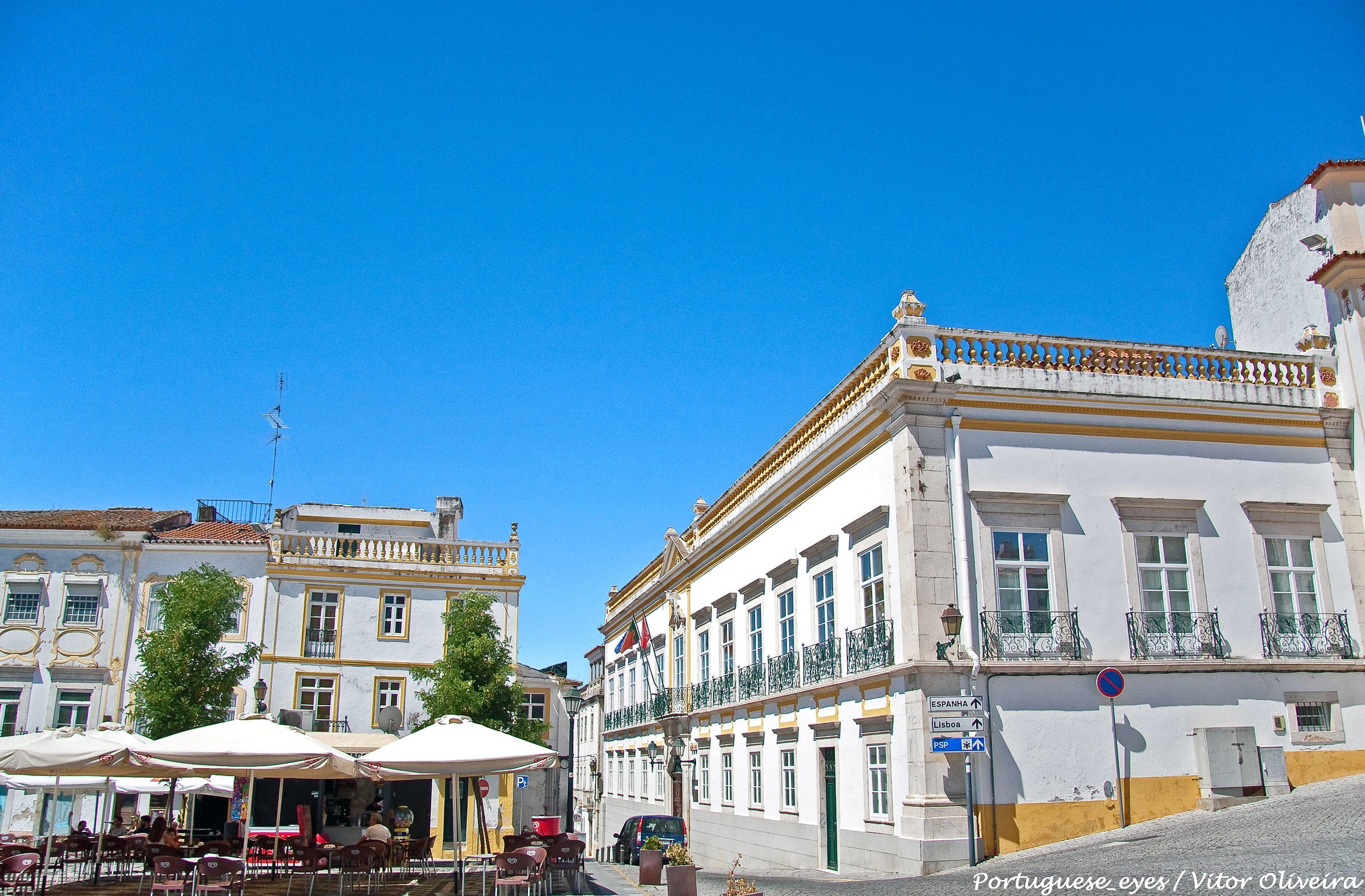
    The whitewashed walled centre inside the star fortress — a maze of Alentejo lanes and squares around the main square, with the cathedral and the castle. The lived-in heart.

    Why go
    The main square, the cathedral, the castle and the whitewashed lanes.
    Best for
    Sightseeingcafé-sittingwandering
    Known for
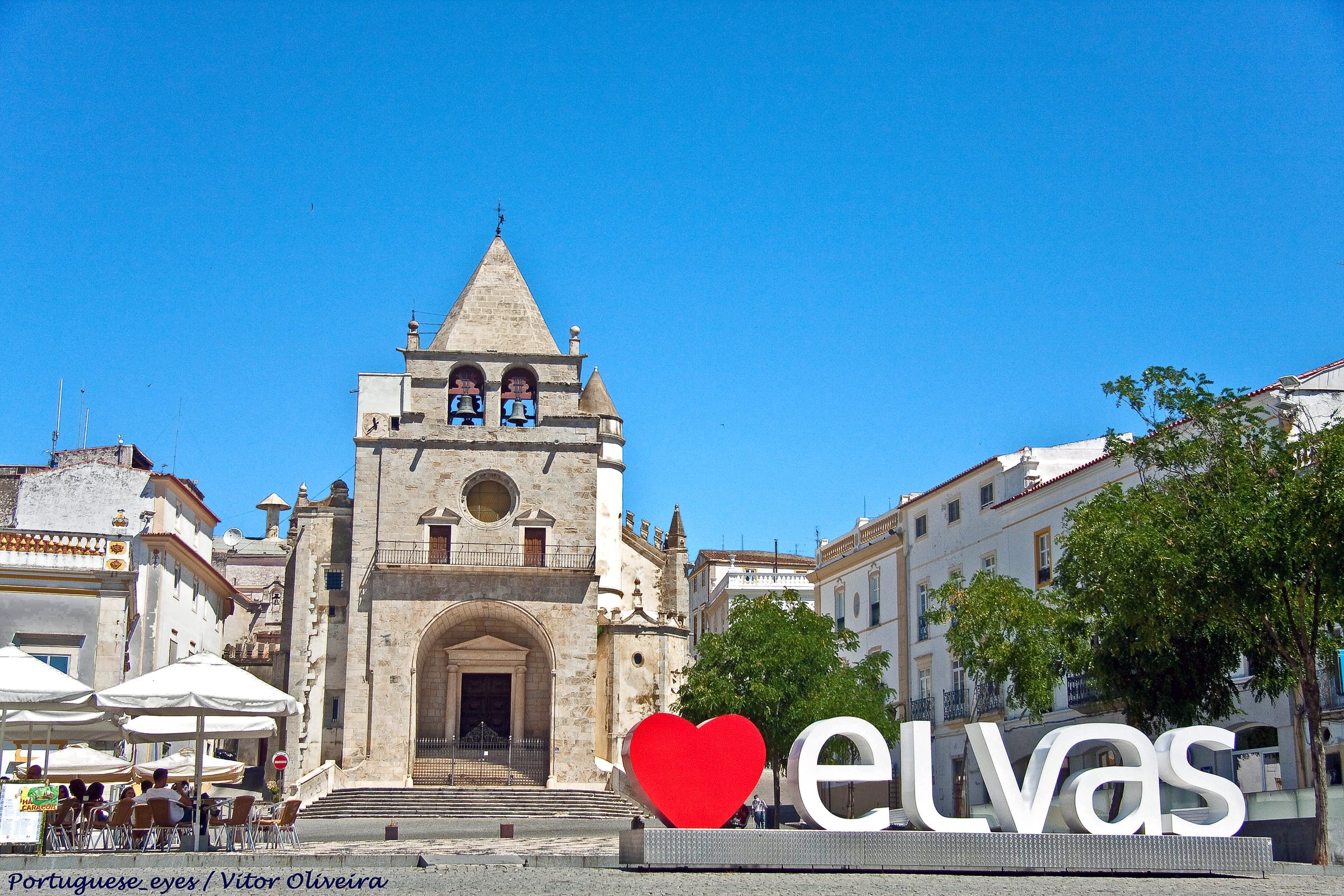
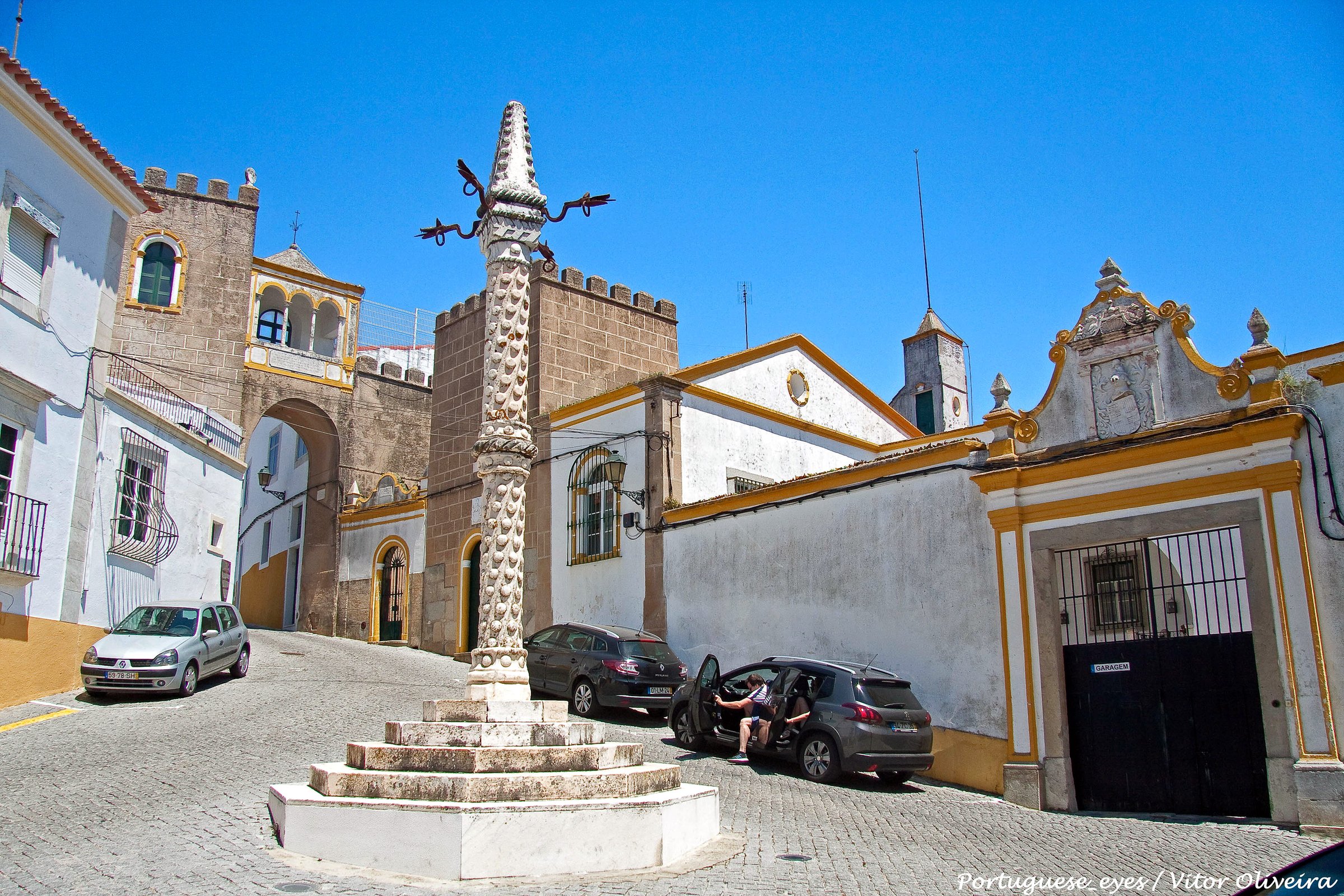
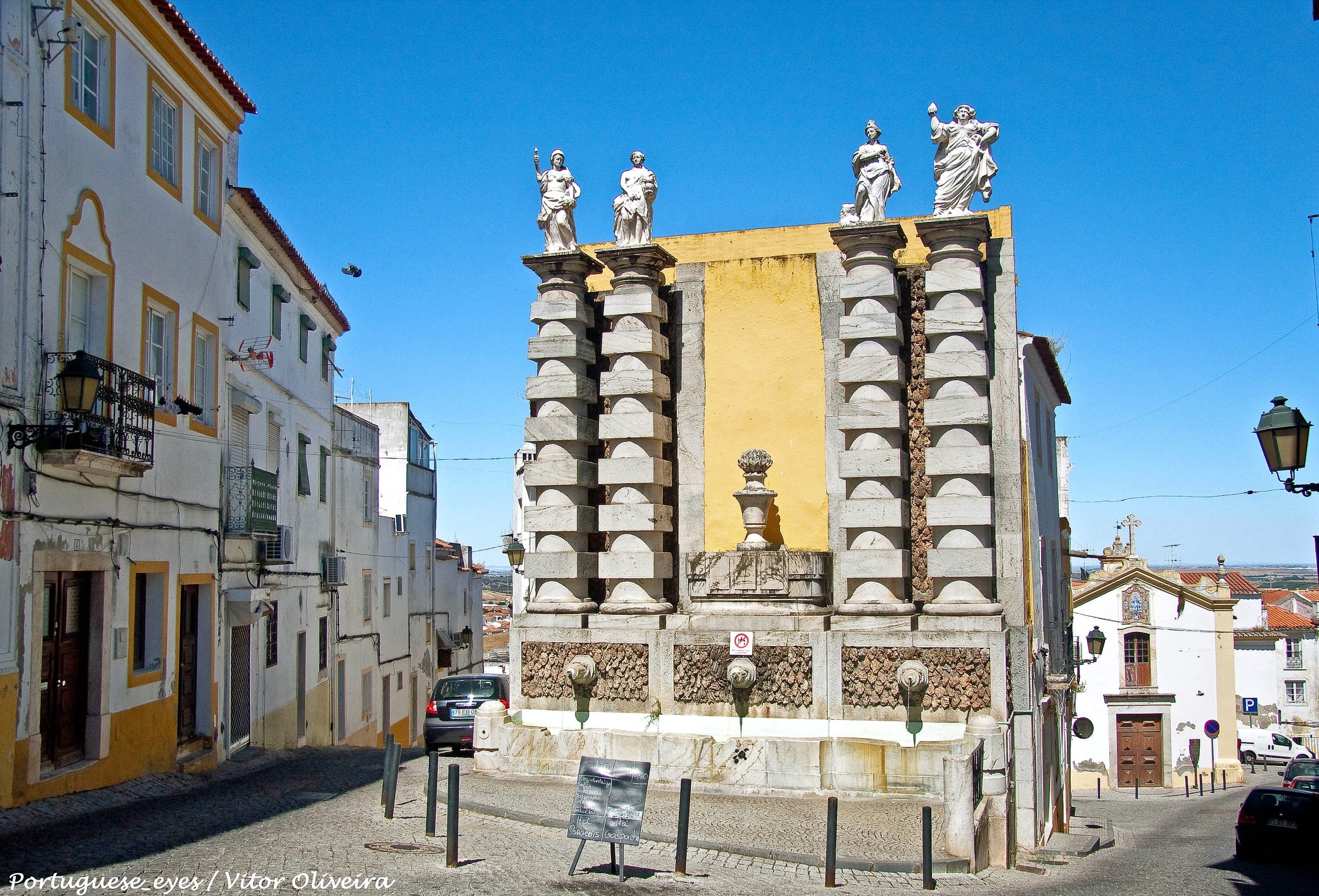
    The Praça da República main square, the former cathedral (Igreja de Nossa Senhora da Assunção), the octagonal Church of the Consolation and its tiled interior, the castle, and the whitewashed lanes and pillory.
  • The Fortifications and Satellite Forts

    The great star-shaped ramparts around the town and the two satellite forts crowning the surrounding hills — the largest bulwarked defences of their kind, all grassy ramparts, bastions and dry ditches. The martial, monumental heart.

    Why go
    The star walls, the bastions, and the forts of Santa Luzia and Graça.
    Best for
    The fortificationsthe fortsviewswalking
    Known for
    The star-shaped bulwarked town walls and dry ditches, the Forte de Santa Luzia and the Forte da Graça (Conde de Lippe) on the hills, the gates and bastions, and the panoramas from the ramparts.
  • The Aqueduct and Outskirts

    The edge of town and the plains beyond, dominated by the enormous Amoreira Aqueduct striding across the landscape, with the Alentejo countryside, wine and the Spanish border close by. The engineering-and-plains edge.

    Why go
    The great aqueduct, and the Alentejo and border beyond.
    Best for
    The aqueductwine and food countrySpain nearby
    Known for
    The Amoreira Aqueduct (one of the largest in Iberia), the Alentejo plains and vineyards, the road to the Spanish border and Badajoz, and the Elvas-plum orchards.

Views & hidden gems

Best views

  • The star ramparts and bastions from above or along the walls
  • The tiered Amoreira Aqueduct across the plain
  • The Forte da Graça crowning its hill
  • The wave-paved Praça da República

Hidden gems

  • The Forte da Graça (Conde de Lippe) — a massive, dramatic hilltop fort
  • The tiled octagonal Church of the Consolation
  • The satellite Forte de Santa Luzia and its museum
  • The candied Elvas plums (ameixas de Elvas) from a local maker
  • The ramparts at sunset over the plains and the Spanish frontier

Food & drink

Elvas eats rich Alentejo food, like Évora. The staples are açorda (bread-and-garlic soup), migas (fried breadcrumbs with pork), black Iberian pork (porco preto), lamb, hearty bread, sheep's cheeses and bold Alentejo reds. The town's edible fame is the ameixa de Elvas — a greengage plum candied whole into a translucent sweet, a centuries-old specialty — alongside the region's convent sweets. Being on the border, Spanish touches creep in too. Eat in the old-town tascas, and take home a box of the plums.

  • Ameixas de Elvas — candied greengage plums, the town's famous sweet
  • Açorda alentejana — a bread, garlic and coriander soup, often with egg
  • Migas — fried breadcrumbs with pork
  • Porco preto — black Iberian pork, grilled or stewed
  • Alentejo lamb and cheeses — the regional staples
  • Alentejo wine — the region's bold reds
Dietary notes

Vegetarians manage with açorda (check the stock), bread, cheese, egg and vegetable dishes, though pork and lamb dominate — ask. Vegan is limited outside a modern spot. Halal and kosher are effectively unavailable. Gluten-free is hard around the bread-based açorda and migas and the breads — grilled meats, cheese and salads help, but confirm; the candied plums are naturally gluten-free.

Elvas in photos

▸ Getting around

Getting around Elvas

The walled old town is compact and walkable — the square, cathedral and ramparts are all on foot. A car is needed for the satellite forts on the hills, the aqueduct and the Alentejo countryside, and helps for arrivals, but is a liability in the narrow old town.

The old town and the town ramparts are one walkable area (~approx); the satellite forts, the aqueduct and the plains are a short drive out — plan those with a car.

▸ Plan your days

Suggested itineraries

Ready-made day plans for Elvas — from a single day to a long weekend.

One day

Start by walking a stretch of the star ramparts and the bastions for the shape and the views, then explore the whitewashed old town — the Praça da República, the former cathedral, the tiled octagonal Church of the Consolation and the castle. See the great Amoreira Aqueduct on the edge of town, have an Alentejo lunch with a local red, and drive up to the Forte da Graça and the Forte de Santa Luzia in the afternoon for the forts and the plains views. Buy some candied plums before you leave.

Two days

With an overnight, take the fortifications and the region slowly. Give proper time to both satellite forts and the full circuit of the walls, enjoy the old town at dawn and dusk, and explore the eastern Alentejo — the wine country, a nearby village, or a hop across the border to Spanish Badajoz. Round off with a tasca dinner and a box of Elvas plums.

▸ What you'll do

Insider tips

  • Walk the star ramparts and visit the satellite forts (Graça and Santa Luzia) — the town's great marvels.
  • See the vast Amoreira Aqueduct striding across the plain toward the town.
  • Buy a box of candied Elvas plums, the town's famous sweet.
  • In summer, walk the exposed walls early and late and carry water — the Alentejo heat is real.
What's on

While you're there

28
AUG
MEO Kalorama 2026 — Lisbon, August 2026
Avenida Da Liberdade 41, 1250-144 Lisboa, Lisbon, Portugal · festival
Build a trip around it →
01
JUN
Festas de Lisboa 2027
Rua Das Flores De Santa Cruz 3, 1100-244 Lisboa, Lisbon, Portugal · festival
Build a trip around it →
Explore

Explore the area

Interactive area map
Map coordinates coming soon

This place is missing lat/lng — waiting on the next Wix sync.

Do

Local attractions & tours

Skip-the-line tickets and small-group tours in Elvas — compare across our partners.

We're still curating hand-picked tickets and tours for Elvas. In the meantime, the map above and the nearby cities are a great place to start.

▸ Budget

What it costs in Elvas

Backpacker
roughly €30–55 a day.
Mid-range
roughly €55–100 a day.
Luxury
€170 a day and up.
Cash vs card
Cards and contactless are widely accepted, but carry a little cash for small tascas and cafés.
Tipping
Tipping is modest in Portugal — round up or leave small change for good service; no obligation.
▸ When you'll go

When to visit Elvas

April to June and September to October — the fierce summer aside

Spring

What to expect — Warm and green, the Alentejo plains fresh and flowering before the summer heat, with the odd shower. One of the best times.

What's best — The plains green and blooming, comfortable weather for the ramparts and forts, and clear light — a beautiful, easy season.

Summer

What to expect — Very hot and dry — the eastern Alentejo bakes, with fierce midday sun on the exposed ramparts. Demanding by day, warm at night.

What's best — Long light on the walls and aqueduct, warm evenings on the square, and the wine season — but the heat is fierce, so walk the ramparts early and late and rest at midday; spring and autumn are far kinder.

Autumn

What to expect — The heat easing into warm, comfortable weeks, with the grape harvest and the plains turning gold. One of the best times.

What's best — The Alentejo wine harvest, comfortable weather for the fortifications and countryside, golden light, and thin crowds — a rewarding, mellow window.

Winter

What to expect — Mild by day but cool and sometimes wet, with crisp clear days and cold nights; the town very quiet. The low season.

What's best — The town and ramparts quiet and crowd-free, mild days for the forts, the hearty winter food and wine, and low prices — pack a layer for the cool nights and showers.

▸ Know before you go

Know before you go

Honest swaps

Skip the town only → the star ramparts, the satellite forts and the aqueduct are the real marvels; give them time.

Skip the fierce midday summer heat → walk the exposed walls early and late, and rest in the afternoon.

Skip a tourist-menu meal → eat açorda or porco preto in an old-town tasca with an Alentejo red.

Skip leaving without them → buy a box of the candied Elvas plums.

Crowds & timing

Elvas is under-visited and rarely crowded — an easy town any time; spring and autumn are the most comfortable seasons.

The satellite forts and museums have set (sometimes limited) hours — check before heading up.

Local rules & etiquette

The ramparts and forts are exposed and can be hot — wear sensible shoes, and carry water and sun protection in summer.

Dress respectfully inside the churches, working religious sites.

Being on the Spanish border, note the time difference with Spain (Spain is an hour ahead).

Money

Cards work widely; carry a little cash for small tascas and cafés.

Use bank ATMs (Multibanco) and avoid the standalone tourist machines with poor rates.

After dark

The Praça da República and the old-town tascas hold the gentle evening life.

Elvas is a quiet, small border town rather than a nightlife hub — the evening is an Alentejo dinner, a red on the square and a lamplit stroll.

Spanish Badajoz across the border has a livelier scene if you want it.

▸ Ready to book your trip?

Getting there

Lisbon Airport (LIS) is the main gateway, around two hours west; Spanish Badajoz is just across the border with its own airport. Trains and buses reach Elvas, with the stations a short ride from the old town.

Book

Ready to book your trip?

Flights, airport transfers and car hire — search and compare without leaving the page.

▸ Trip extras
Book

More trip extras

Parking, holiday extras, and more — coming soon.

Coming soon

We're lining up parking, holiday extras and activities you'll be able to add to any trip from here.