
← Portugal
PORTUGAL · CITY

Guimarães

The 'cradle of Portugal' — a beautifully preserved medieval town where the nation was born.

  • City
  • May, June and September — mild; warm summers, cool wet winters
  • ~approx 1 day
  • Birthplace of Portugal
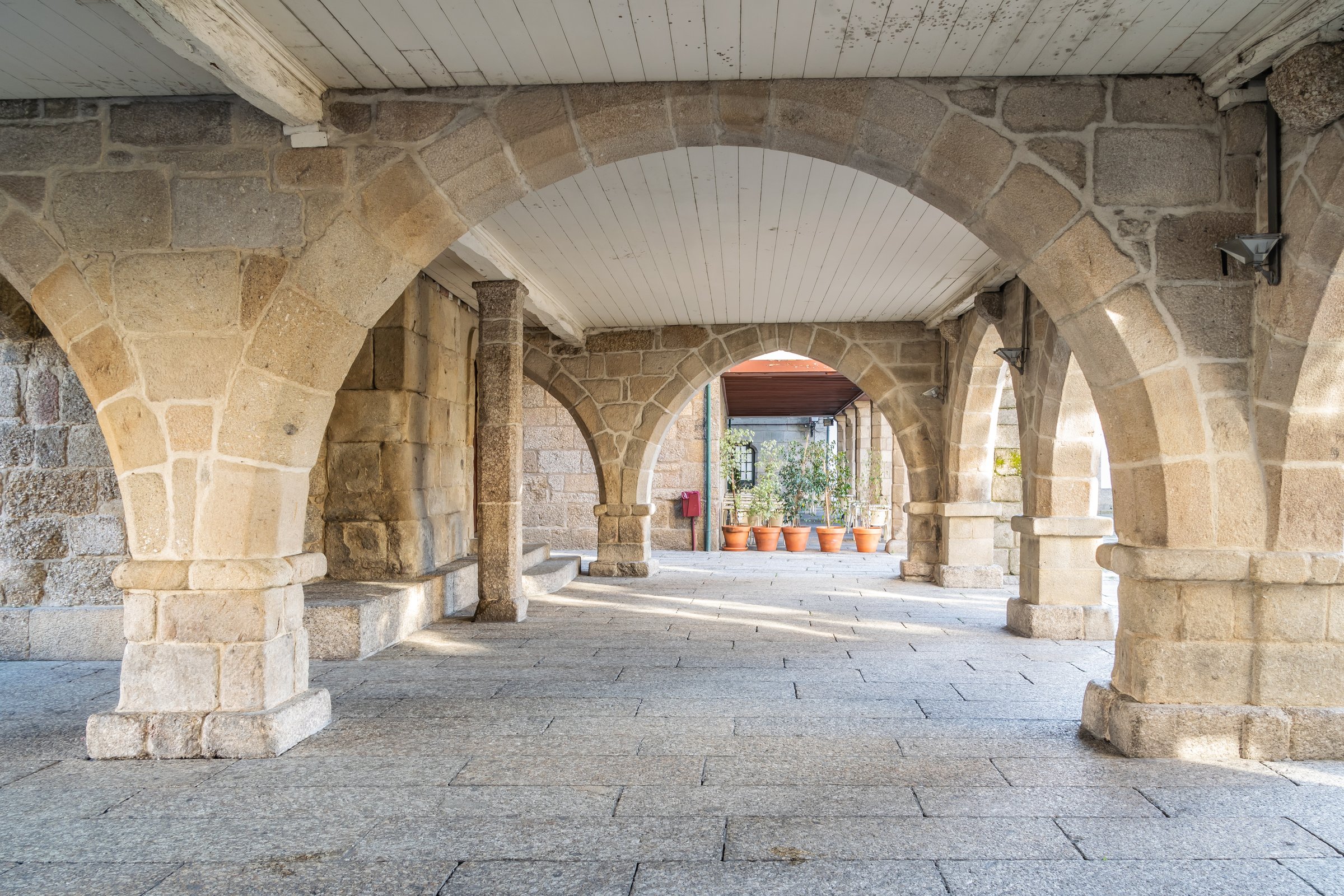
  • Medieval Squares
  • Castle & Ducal Palace
  • Minho Green

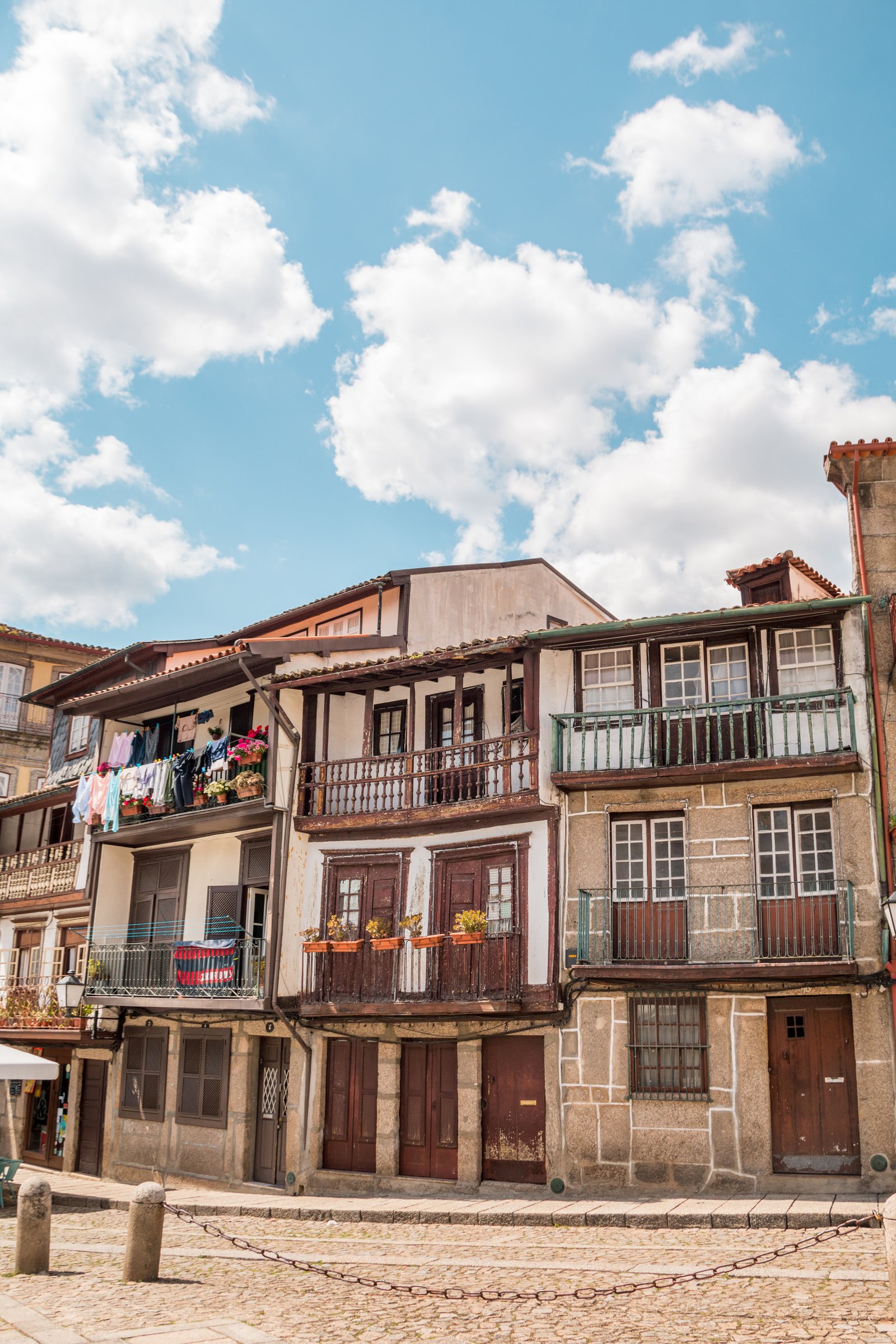
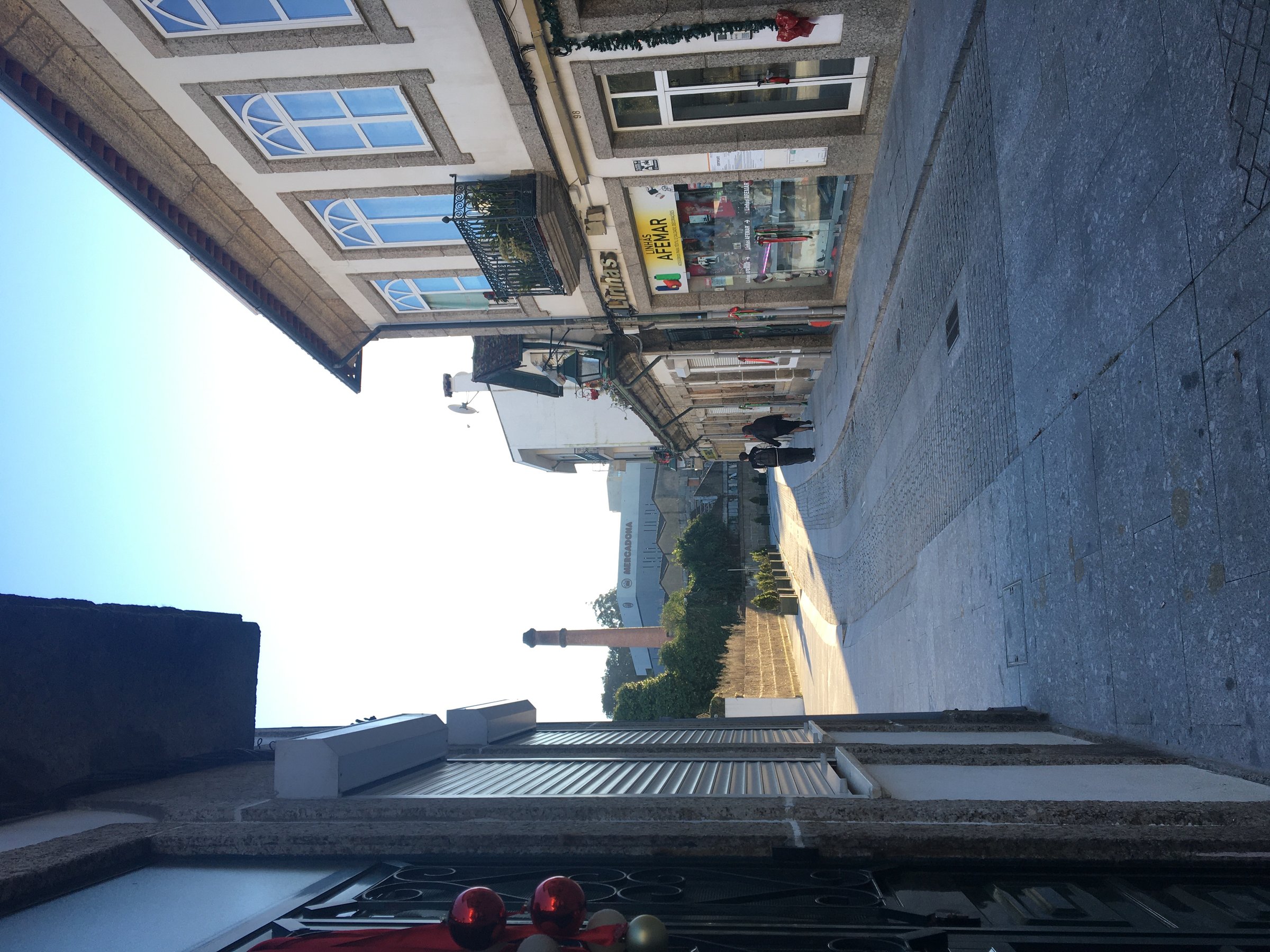
A defiant hilltop castle where the nation's first king was born, an old wall proudly declaring "Portugal was born here," and a warren of medieval granite squares strung with iron balconies and washing lines, alive with students and café tables.

Guimarães is where Portugal was born — a beautifully preserved medieval town in the green Minho north, its castle the cradle of the first Portuguese king, its granite squares and streets among the loveliest in the country, watched over by a mountain sanctuary.

Type
city
Ideal length
~approx 1 day
Getting around
on foot in the centre; a cable car up Penha
Neighbourhoods
3 areas
Best season / months
May, June and September — mild; warm summers, cool wet winters
Language
Portuguese (some English)
Currency
euro (€)
Budget level
low to moderate — affordable by Western-European standards
Good for
  • History
  • Medieval towns
  • Students and culture
  • Porto side-trips
▸ Discover

About Guimarães

Guimarães sits in the green, hilly Minho region of northern Portugal, near Braga and Porto. It's the country's symbolic birthplace — Afonso Henriques, the first king of Portugal, was born here in the 12th century, and the town was the young kingdom's first capital, a heritage it wears proudly (an old wall famously reads "Aqui nasceu Portugal" — "Portugal was born here"). Its UNESCO old town is one of the best-preserved medieval centres in Portugal, a maze of granite squares, arcades and iron-balconied houses, crowned by the castle and the ducal palace, with the Penha mountain and its sanctuary rising above. A lively university town, it balances deep history with youthful energy.

Why go

Guimarães is a jewel of northern Portugal — a UNESCO medieval town of exceptional charm, its granite squares (Largo da Oliveira, Praça de São Tiago) among the prettiest in the country, and its castle and ducal palace telling the story of the nation's founding. It's a lively, student-filled place, an easy trip from Porto and Braga, with the Penha mountain sanctuary above for views, and the food-and-wine culture of the Minho (and vinho verde) all around. Historic, atmospheric and welcoming, it's an essential stop in Portugal's north.

Don't miss

  • Guimarães Castle — the cradle of the nation
  • The Palace of the Dukes of Braganza — the medieval-revival palace
  • Largo da Oliveira and Praça de São Tiago — the medieval squares
  • The "Aqui nasceu Portugal" wall — the town's proud claim
  • Penha mountain — the cable car and sanctuary above

Signature experiences

The cradle of the nation — Guimarães is where Portugal began, and its founding monuments are the highlight — the hilltop castle, whose keep towers over the town, where by tradition Afonso Henriques, the first king, was born; the little Romanesque church of São Miguel where he was reputedly baptised; and, beside them, the grand Palace of the Dukes of Braganza, a 15th-century palace (heavily restored) with grand halls and tapestries. An old wall nearby proudly reads "Aqui nasceu Portugal." Touring the castle and palace, you walk through the birth of a country. **The medieval squares** — Below the castle, Guimarães's old town is a delight — a compact maze of granite streets and squares that are among the most beautiful in Portugal. The Largo da Oliveira, with its Gothic canopy-shrine and the Church of Our Lady of the Olive Tree, and the arcaded Praça de São Tiago, ringed by iron-balconied houses and café tables, are the loveliest; the Rua de Santa Maria links them. Wander the lanes, take a coffee or a vinho verde on a square, and soak up the atmosphere of a genuine, lived-in medieval town. **Up the mountain to Penha** — Rising above the town is Penha, a wooded granite mountain reached by a cable car (teleférico) from the edge of the centre — at the top, a monumental hilltop sanctuary, gardens among giant boulders and caves, and sweeping views over Guimarães and the green Minho countryside. It's a lovely, easy escape from the old town, especially on a clear day. Ride up for the panorama and the sanctuary, and walk among the boulders. It's the natural counterpoint to the historic centre. **Student life and Minho flavours** — Guimarães is a university town, and that gives its old-town squares a youthful, lively energy — cafés, bars and a good nightlife woven among the medieval stone. The food is hearty Minho-northern — bacalhau (salt cod) in many forms, rojões (fried pork), caldo verde (kale-and-potato soup), and the local sweet tortas de Guimarães, all with the region's crisp, faintly fizzy vinho verde. Eat in the old-town tascas and restaurants, and settle into a square for the evening.

Neighbourhoods

Guimarães neighbourhood by neighbourhood — the character of each and who it suits.

  • The Historic Centre

    The medieval heart — a maze of granite squares, arcaded streets and iron-balconied houses, alive with cafés, shops and students. The lovely, lived-in core.

    Why go
    The medieval squares, the streets and the café life.
    Best for
    Sightseeingcafé-sittingwanderingnightlife
    Known for
    Largo da Oliveira and the Church of Our Lady of the Olive Tree, the Praça de São Tiago, the arcaded Rua de Santa Maria, the iron balconies and granite houses, and the student cafés and bars.
  • The Castle and Ducal Palace

    The monumental hilltop above the old town — the founding castle and the great Palace of the Dukes of Braganza, with the little Romanesque church where the first king was reputedly baptised. The historic, national heart.

    Why go
    The castle, the ducal palace and the founding story.
    Best for
    Historythe castle and palaceviews
    Known for
    Guimarães Castle and its keep, the Palace of the Dukes of Braganza and its interiors, the Romanesque Church of São Miguel, and the "Aqui nasceu Portugal" wall.
  • Penha Mountain

    The wooded mountain rising above the town, reached by a cable car, with a hilltop sanctuary, boulders, caves and sweeping views over Guimarães and the Minho. The green, panoramic escape.

    Why go
    The cable-car ride, the views and the sanctuary.
    Best for
    Viewsthe cable carwalksthe sanctuary
    Known for
    The Penha cable car (teleférico), the Sanctuary of Penha, the granite boulders and gardens, and the panorama over the town and the green Minho.

Views & hidden gems

Best views

  • Penha mountain — the panorama over the town and the Minho
  • The castle keep and its ramparts
  • Praça de São Tiago and Largo da Oliveira — the medieval squares
  • The "Aqui nasceu Portugal" wall

Hidden gems

  • The Romanesque Church of São Miguel by the castle
  • The Palace of the Dukes' tapestried halls
  • The arcaded Rua de Santa Maria and the iron balconies
  • The tortas de Guimarães (local egg-and-almond sweet)
  • The Penha sanctuary's boulder gardens and caves

Food & drink

Guimarães eats hearty Minho-northern Portuguese. Salt cod (bacalhau) appears in countless guises; rojões (chunks of fried marinated pork) and other pork dishes are regional favourites, with caldo verde (kale-and-potato soup), broa (corn bread) and grilled meats and fish. The local sweet is the torta de Guimarães, an egg-and-almond pastry, alongside the north's rich convent sweets. The wine is the Minho's own vinho verde — crisp, young and lightly fizzy — with port and other Portuguese wines too. Eat in the old-town tascas, and pair with a vinho verde.

  • Bacalhau — salt cod, cooked in countless ways
  • Rojões — chunks of marinated, fried pork, a Minho classic
  • Caldo verde — a kale-and-potato soup with a slice of sausage
  • Broa — dense corn-and-rye bread
  • Tortas de Guimarães — the local egg-and-almond pastry
  • Vinho verde — the Minho's crisp, lightly fizzy young wine
Dietary notes

Vegetarians manage with soups (check the stock), broa and cheese, egg dishes, and vegetable and bean dishes, though bacalhau and pork dominate — ask. Vegan is limited outside a modern café. Halal and kosher are effectively unavailable. Gluten-free is manageable with grilled fish and meat, and rice, but broa, tortas and many dishes are wheat/corn — confirm.

Guimarães in photos

▸ Where you'll stay

Where you'll stay in Guimarães

Stay in or near the historic centre to walk to the squares, the castle and the cafés — Guimarães has boutique guesthouses and hotels in the old town, plus a historic pousada, atmospheric and affordable. It's a compact, lively, cheap city, an easy trip from Porto or Braga. The old town is the natural base, close to everything and the nightlife. Book ahead for festivals and the student calendar.

  • Budget
    Near the centre / station hostels and budget guesthouses a short walk from the old town.
  • Mid-range
    The historic centre boutique guesthouses and hotels near the squares.
  • Luxury
    The pousada / top old-town hotels high-end historic stays, the top of a modest range.
Stay

Hotels & rentals around Guimarães

Pan, zoom and compare live prices — every stay in one map.

▸ Getting around

Getting around Guimarães

The historic centre is compact and walkable — the squares, castle and palace are all on foot (the castle a short climb). A cable car climbs Penha from the edge of town; a car helps for the Minho region but is a liability in the pedestrian old town.

The historic centre and the castle/palace are a short walk apart (~approx); Penha is a cable-car ride (or drive) up the mountain — plan it as a half-day.

▸ Plan your days

Suggested itineraries

Ready-made day plans for Guimarães — from a single day to a long weekend.

One day

Start at the hilltop castle and the little São Miguel church where the first king was reputedly baptised, then tour the Palace of the Dukes of Braganza and see the "Aqui nasceu Portugal" wall. Walk down into the medieval old town — Largo da Oliveira, Praça de São Tiago, the Rua de Santa Maria — for a bacalhau or rojões lunch. In the afternoon, ride the cable car up Penha for the views and sanctuary, and return for a vinho verde and dinner on a square.
Two days

With an overnight, take Guimarães slowly and add the region. Enjoy the old town at dawn and in the lively evening, give Penha a proper morning's walk among the boulders, and explore the Minho — Braga's baroque churches, the vinho-verde vineyards, or a nearby town — before a last tasca dinner.

▸ What you'll do

Insider tips

  • Take in the founding trio — the castle, the São Miguel church and the ducal palace — for the birth-of-Portugal story.
  • Ride the cable car up Penha for the panorama and the boulder-garden sanctuary.
  • Linger on Praça de São Tiago or Largo da Oliveira with a vinho verde — the loveliest squares.
  • Pair Guimarães with Porto or Braga; it's an easy trip and a rewarding contrast.
What's on

While you're there

28
AUG
MEO Kalorama 2026 — Lisbon, August 2026
Avenida Da Liberdade 41, 1250-144 Lisboa, Lisbon, Portugal · festival
Build a trip around it →
01
JUN
Festas de Lisboa 2027
Rua Das Flores De Santa Cruz 3, 1100-244 Lisboa, Lisbon, Portugal · festival
Build a trip around it →
Explore

Explore the area

© OpenFreeMap · OSM · terrain Mapterhorn
Do

Local attractions & tours

Skip-the-line tickets and small-group tours in Guimarães — compare across our partners.

We're still curating hand-picked tickets and tours for Guimarães. In the meantime, the map above and the nearby cities are a great place to start.

Plan

Trips in Guimarães

Day-by-day itineraries that take in Guimarães — routes, timings and what to book.

▸ Budget

What it costs in Guimarães

Backpacker
roughly €35–60 a day as a rough guide.
Mid-range
roughly €70–130 a day as a rough guide.
Luxury
from around €190 a day.
Cash vs card
Cards and contactless are widely accepted, but carry a little cash for small tascas and cafés.
Tipping
Tipping is modest in Portugal — round up or leave small change for good service; no obligation.
▸ When you'll go

When to visit Guimarães

May, June and September — mild; warm summers, cool wet winters

Spring

What to expect — Mild and green, warming through the season, the Minho lush with the odd shower. One of the best times.

What's best — Comfortable weather for the old town and Penha, green countryside and blossom, and fewer crowds — a lovely, quiet season.

Summer

What to expect — Warm to hot but greener and less extreme than southern Portugal, with pleasant evenings and the town lively with festivals; the students thin but visitors fill in. Comfortable.

What's best — Long light on the granite squares, the summer festivals (including the big Gualterianas festival), warm café-and-square evenings, and clear Penha views — a fine, lively time.

Autumn

What to expect — Warm easing to mild, the Minho turning and the grape harvest under way, with rain returning late in the season. One of the best times.

What's best — The vinho-verde harvest, golden light on the old town, the student term's buzz, and thinner crowds — a rewarding, mellow window.

Winter

What to expect — Cool and wet — the green Minho earns its lushness — with grey, rainy spells and the odd bright day, and short days. The low season.

What's best — The old town atmospheric and crowd-free, cosy tascas with hearty food and vinho verde, festive lights in December, and low prices — pack a waterproof for the rainy north.

▸ Know before you go

Know before you go

Honest swaps

Skip a Porto-only trip → Guimarães's medieval squares and founding monuments are an easy, rewarding day out.

Skip a tourist-menu meal → eat rojões or bacalhau in an old-town tasca with a vinho verde.

Skip the town only → ride the cable car up Penha for the views and the sanctuary.

Skip rushing the squares → linger over a coffee on Praça de São Tiago, the loveliest spot.

Crowds & timing

Guimarães is popular but rarely overwhelming; summer festivals and the student calendar are the busy peaks.

The castle, palace and cable car have set hours — check before visiting.

Local rules & etiquette

The old town is granite-paved and hilly — wear sensible shoes.

Dress respectfully inside the churches and the Penha sanctuary.

Portuguese mealtimes run a little later; lunch from around 1pm, dinner from 8pm.

Money

Cards work widely; carry a little cash for small tascas and cafés.

Use bank ATMs (Multibanco) and avoid the standalone tourist machines with poor rates.

After dark

The old-town squares — Largo da Oliveira, Praça de São Tiago — hold the café, bar and student nightlife.

Guimarães has a lively, affordable student night scene woven through the medieval centre.

The evening is a vinho verde on a square, dinner in a tasca, and a lamplit wander.

▸ Ready to book your trip?

Getting there

Porto Airport (OPO) is the nearest gateway, around an hour away; Guimarães is well linked by train and bus to Porto and Braga, with the station a short walk from the old town.

Book

Ready to book your trip?

Flights, airport transfers and car hire — search and compare without leaving the page.

▸ Trip extras
Book

More trip extras

Parking, holiday extras, and more — coming soon.

Coming soon

We're lining up parking, holiday extras and activities you'll be able to add to any trip from here.