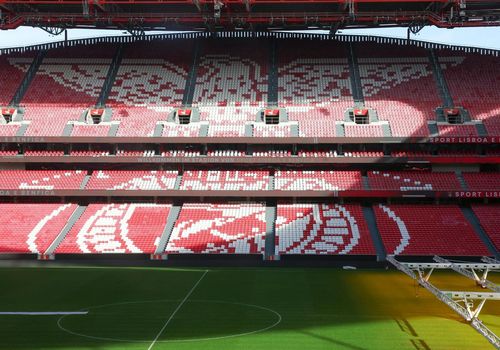
Estádio da Luz & Benfica Museum: Entry Ticket + Scarf Offer
Lisbon
from £15.34
Start audio tour →Europe's sunniest capital — a city of yellow trams, faded azulejo tiles, mournful fado music and the best pastéis de nata on earth.
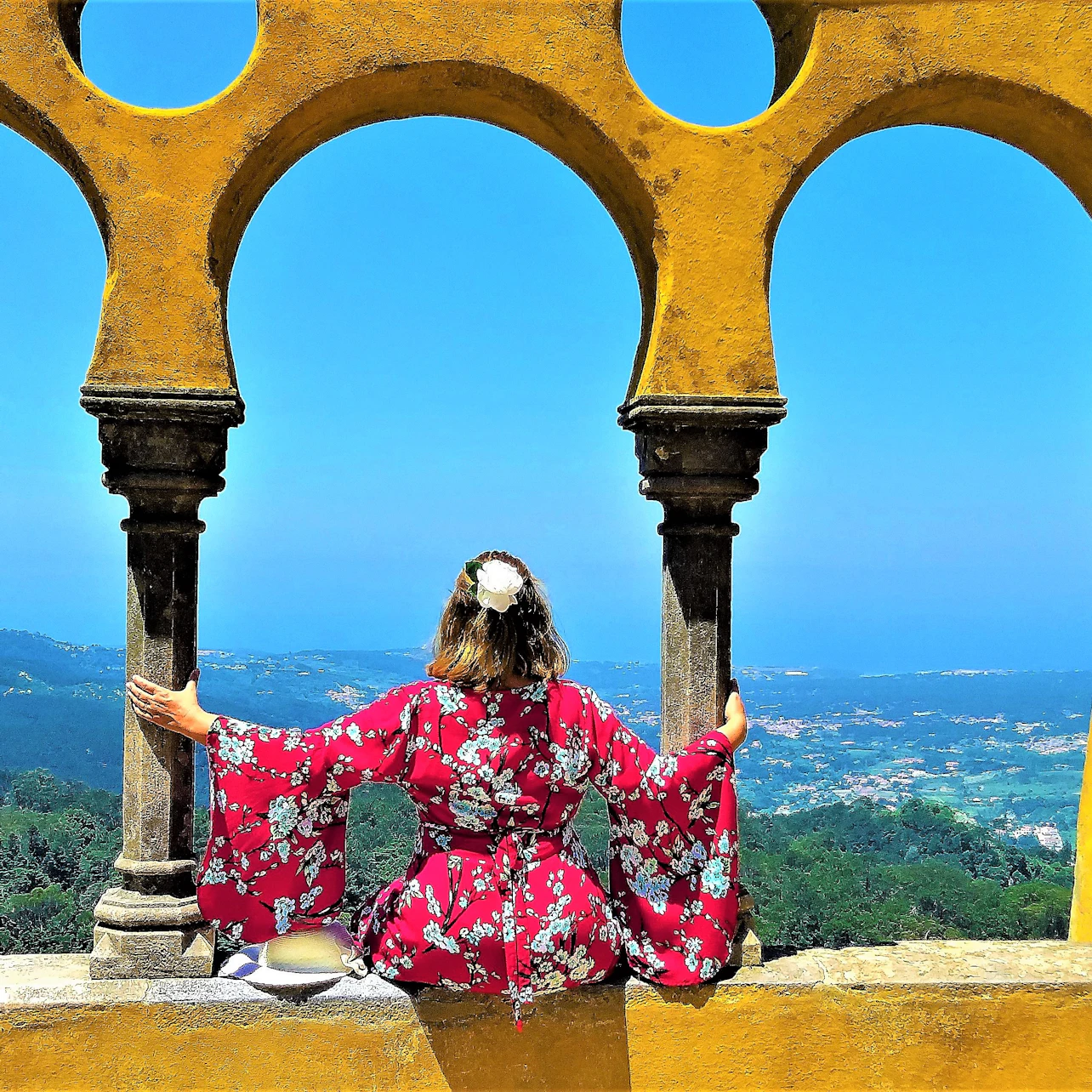
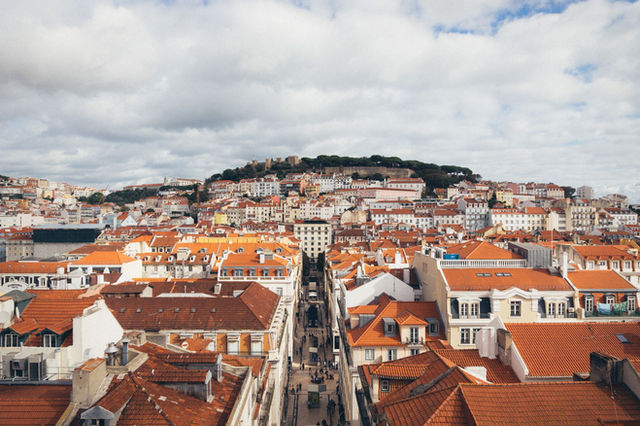
Lisbon's combination of visual beauty, cultural depth, great food, remarkable value and excellent weather makes it one of Europe's most compelling short-break destinations. The hills and viewpoints (miradouros) — particularly Portas do Sol, Santa Luzia and Graça — offer some of the most photogenic urban panoramas on the continent. The food scene runs from classic bacalhau (salt cod in a thousand preparations), pastéis de nata custard tarts from Pastéis de Belém and petiscos (Portuguese tapas) in a tasca to outstanding contemporary restaurants. Day trips to Sintra (30 minutes by train, with fairy-tale palaces in the forest hills) and the Setúbal Peninsula beaches add nature and history to what is already a very full itinerary. The city is also exceptionally well-connected by train to Porto (3h) and by bus/rail to Spain, making it a natural first stop on a wider Iberian trip.
Neighbourhood-by-neighbourhood guides to Lisbon are on the way.
Live map of hotels and villas around Lisbon — powered by Stay22. Pan, zoom and compare live prices to pick your base.
Pan, zoom and compare live prices — every stay in one map.
Lisbon's public transport network is extensive and good value. The Metro (four colour-coded lines) covers the main zones from the airport to Belém (change at Cais do Sodré for the tram/train to Cascais/Belém); buy a Viva Viagem card (reusable, €0.50) and load it with credit or a day pass. The famous yellow Tram 28 passes through Alfama, Graça, Baixa and Chiado — scenic but very crowded; better for the experience than efficiency. Funiculars (Glória, Bica, Lavra) connect the lower city to the upper neighbourhoods cheaply. Walking between the main hills is steeper than most cities but entirely possible with the right footwear. Taxis and Uber/Bolt operate readily; rideshare is generally cheaper than taxis and avoids the metering uncertainty. For Cascais and Estoril (the Atlantic coast): suburban trains from Cais do Sodré. For Sintra: trains from Rossio station.
Carris (city surface transport: trams, buses, funiculars) and Metropolitano de Lisboa (metro) together cover the city on a single Viva Viagem card system. Buy the card (€0.50 reusable, or €0.50 for a single-use cardboard version) at any metro station machine; load with credit or a 24-hour pass. The four metro lines (Blue, Yellow, Green, Red) are the quickest way to cross the city; the Red Line serves the airport. Trams: the historic 28E runs Martim Moniz–Campo de Ourique; 15E (electric, modern) runs from Praça da Figueira to Belém along the waterfront. Funiculars (Glória, Bica, Lavra) run on the Viva Viagem card and are the only sensible way up the steepest hills. For Cascais/Estoril: Comboios de Portugal (CP) suburban trains from Cais do Sodré. For Sintra: CP trains from Rossio. Ferries: Transtejo and Soflusa cross the Tagus from Cais do Sodré and Terreiro do Paço to the south bank.
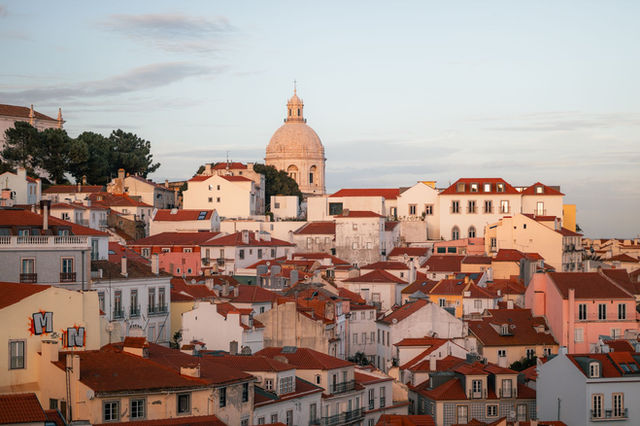
The miradouro at Portas do Sol at dusk, looking over the Alfama rooftops to the Tagus and the Cristo Rei statue, is the most beautiful viewpoint in the city — go in the hour before sunset for the light and the growing evening crowd. For the least-queued, freshest pastéis de nata outside Belém, try Manteigaria in Chiado or Time Out Market (a genuine food hall, not a tourist trap, with excellent vendors). Tram 28 is photogenic but should be avoided as a tourist experience in peak season (June–September) when it is dangerously overcrowded and pickpocket-targeted — take the No. 12 tram instead, which passes through much of the same terrain with far fewer tourists. The Museu do Azulejo (National Tile Museum), in a converted convent in the Xabregas district, is one of the most underrated museums in Europe; consistently overlooked and usually spacious. Buy a 24-hour Viva Viagem card from the airport metro machines; it works on metro, trams, funiculars, elevators and most buses — by far the cheapest and most flexible way to navigate.
Skip-the-line tickets and small-group tours in Lisbon — compare across our partners.
March – October
Lisbon is the sunniest capital in Europe, with around 290 sunny days per year. Summers (June–September) are hot and dry — July and August average 27–30°C with virtually no rain, though the Atlantic influence means evenings cool pleasantly. Spring (March–May) and autumn (October–November) are the prime shoulder seasons: 18–24°C, occasional showers, the city at its most vivid and relatively uncrowded. Winter (December–February) is mild by northern European standards (10–16°C) with more rainfall and short daylight hours, but the hills and fado houses are atmospheric and accommodation is significantly cheaper. The city's notorious north wind (the Nortada) can make July and August feel cooler than the thermometer suggests, particularly on the coast — bring a light layer for evenings even in high summer.
Humberto Delgado Airport (LIS) is 7km north of the city centre, served by TAP Air Portugal, British Airways, easyJet, Ryanair and dozens of other carriers with direct flights from UK, European, North American and African cities. The Metro Red Line (Linha Vermelha) connects the airport directly to the city centre in about 20 minutes (change at Alameda for the Green Line to Baixa/Chiado); buy a Viva Viagem card and top it up at machine. Taxis cost approximately €15–20 to the city centre. From the airport, the Aerobus tourist bus is convenient but unnecessary given the metro's speed and cost. Lisbon's Oriente train station (at Parque das Nações, also on the Metro) handles national rail services and some international ones; the main city-centre station, Rossio, handles trains to Sintra and some coastal services.
Flights, airport transfers and car hire to LIS — search and compare without leaving the page.
Parking, holiday extras, and more — coming soon.
We're lining up parking, holiday extras and activities you'll be able to add to any trip from here.