Porto
Portugal's northern soul — a granite city of crumbling riverside warehouses, extraordinary port wine cellars, baroque azulejo churches and arguably the world's finest bookshop.
- City
- May – October
- OPO
- 2–3 days
About Porto
Why go
Porto offers a density of UNESCO-listed architecture, extraordinary azulejo tile art (the São Bento train station's painted tile panels are one of Europe's most extraordinary public artworks), great food, outstanding wine at reasonable prices and a riverside setting that photographers never tire of. The Ribeira waterfront, the Ponte Dom Luís I bridge (designed by a protégé of Eiffel), the baroque São Francisco church with its gilded interior, and the Clerigos Tower viewpoint are all within walking distance of each other. The city is also increasingly recognized for its contemporary culture: the Serralves Museum of Contemporary Art, the Casa da Música concert hall and a burgeoning neighbourhood restaurant scene in Bonfim and Cedofeita make Porto feel alive in the present as well as the past. It pairs naturally with Lisbon (3h by Alfa Pendular train) or with a Douro Valley wine tour as part of a wider Portuguese itinerary.
Highlights
- Port wine lodges in Vila Nova de Gaia
- Ribeira riverfront (UNESCO World Heritage)
- Livraria Lello bookshop
- São Bento station azulejo panels
- Douro river cruise
- Francesinha sandwich at a local café
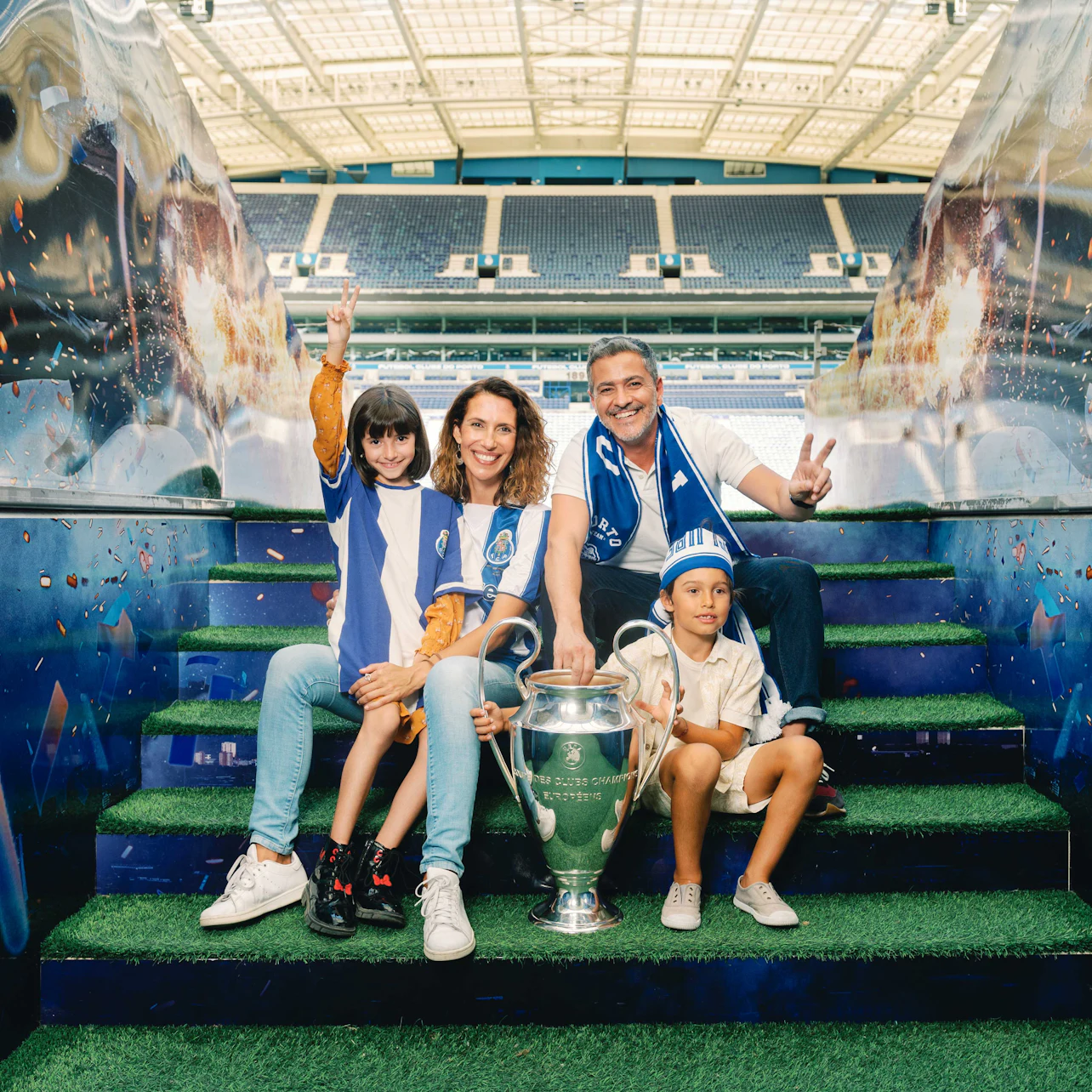
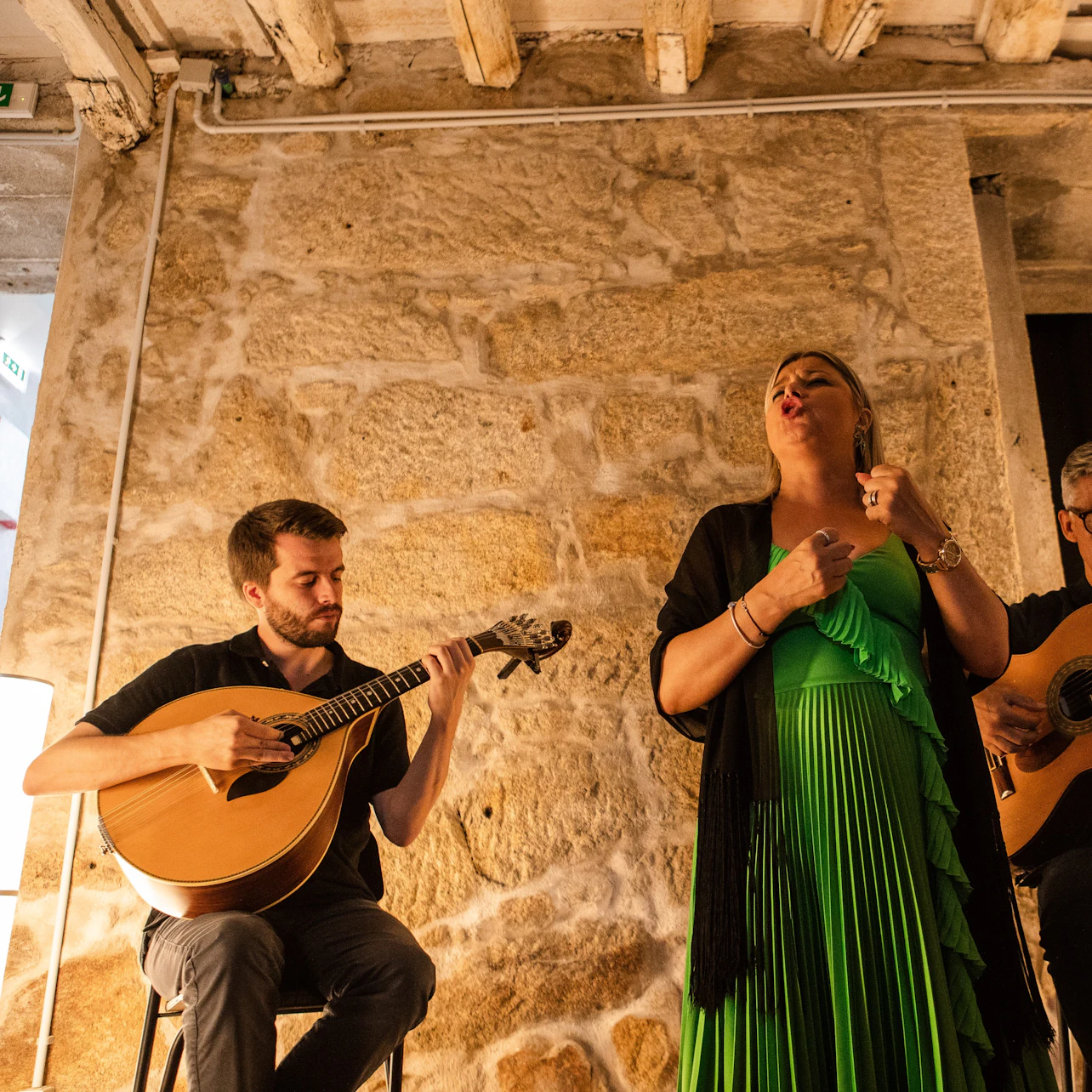
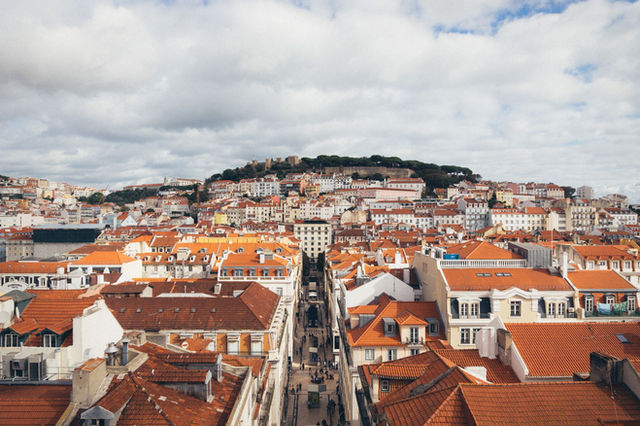
Porto in photos
Neighbourhoods
Neighbourhood-by-neighbourhood guides to Porto are on the way.
Where you'll stay in Porto
Live map of hotels and villas around Porto — powered by Stay22. Pan, zoom and compare live prices to pick your base.
Hotels & rentals around Porto
Pan, zoom and compare live prices — every stay in one map.
Getting around Porto
Porto's public transport is run by Andante — a single-card system covering metro, trams, funicular (Funicular dos Guindais) and most buses. Buy an Andante card at metro stations and load zones (Z2 covers the city centre and airport; Z3 covers the beach at Foz do Douro). The Metro has six lines (A through F) connecting key areas; Line D crosses the river to Vila Nova de Gaia (the port wine lodges). The city centre is hilly and full of steep stone-paved lanes — comfortable shoes with grip are essential, and some of the gradients between the Ribeira and the upper town are genuinely strenuous. Trams (historic lines 1, 18 and 22) are tourist attractions as much as transport; the 1 line runs from Infante square to Foz along the river. Taxis and Uber/Bolt are available and generally inexpensive. The Porto Card (1–4 days) includes unlimited public transport and discounts at museums — good value for intensive museum visitors.
Porto's integrated public transport system uses the Andante card — a reusable card (€0.60) loaded with credit or passes, valid across metro, buses, urban trains and some ferries. Buy at any metro station machine. Fares use a zone system (Z2 covers most of the historic centre; Z3 reaches the airport and beach). The Metro has six lines radiating from the city centre; Line E (Violet) serves the airport; Line D crosses the river to Vila Nova de Gaia. City trams (historic, tourist-oriented lines 1, 18, 22) are included on Andante. The Funicular dos Guindais links the Ribeira waterfront to the upper Batalha district. Buses cover the wider suburban network. The Rede Expressos coach network connects Porto to other Portuguese cities from the main bus station at Campo 24 de Agosto.
Insider tips
The Arrábida Bridge viewpoint (Jardim da Pasteleira) gives the best upriver view of both bridges and the Gaia waterfront — almost no tourists find it, yet it is the shot most photographers want. Lello Bookshop's queue is longest mid-morning; arrive at opening time (09:30) for a manageable wait and the light through the stained glass at its best. For port wine away from the lodge-tourist trail, try Ramos Pinto or Kopke, which have excellent tasting rooms and smaller crowds than the famous-name houses. The Serralves Museum has excellent permanent and temporary contemporary art collections and extraordinary grounds — allow three hours, not one. The tram 1 line along the river to Foz takes you away from the tourist centre to a working waterfront and the Atlantic beach; the Matosinhos suburb (one tram stop or metro further) has Porto's best seafood restaurants at local prices.
Frequently asked
While you're there
Explore the area
Local attractions & tours
Skip-the-line tickets and small-group tours in Porto — compare across our partners.
Not seeing offers? Try or — some destinations have thinner inventory on Tiqets.
Day cruises, catamarans and multi-hour excursions — we're wiring up Viator next.
Not seeing offers? Try or — some destinations have thinner inventory on Viator.
Small-group and local-host experiences — GetYourGuide is on the way.
Not seeing offers? Try or — some destinations have thinner inventory on GetYourGuide.
Best time to visit Porto
May – October
Porto has an Atlantic climate — warmer and sunnier than much of northern Europe but significantly rainier and cooler than Lisbon. Summers (June–September) are warm and sunny — typically 24–28°C in July and August, with the Atlantic breeze keeping humidity manageable. Spring (March–May) is green and mild (15–20°C) with fresh showers; autumn (October–November) similar. Winter is Porto's less attractive face: frequent rain, grey skies and temperatures of 8–14°C from November to February. The famous 'invicta' (unvanquished) city takes a moody, granite beauty in the rain that photographers appreciate, but those seeking reliable sunshine should aim for June–September. The beach suburb of Foz do Douro is cooler than the city centre even in summer thanks to the Atlantic winds.
Getting there
Francisco Sá Carneiro Airport (OPO) is 11km northwest of the city centre and receives direct flights from London (Ryanair, easyJet, TAP, British Airways), other UK airports and across Europe. The Metro Line E (Violet) connects the airport directly to central Porto (Trindade station) in about 35 minutes; a Andante card (Porto's transit card) covers the journey. Taxis from the airport cost around €25–30. Porto is connected to Lisbon by the Alfa Pendular high-speed train (2h55, from São Bento or Campanhã stations — the journey itself, through the Douro valley, is scenic) and by Intercidades trains. The international coach station (Campo 24 de Agosto) handles routes from Spain, France and other European cities. The historic train station (São Bento) in the city centre is arrival point for services from Lisbon and is itself one of the must-see sights (azulejo tile murals).
- Vigo–Peinador Airport (VGO — Spain)
- Lisbon Humberto Delgado (LIS)
Ready to book your trip?
Flights, airport transfers and car hire to OPO — search and compare without leaving the page.
More trip extras
Parking, holiday extras, and more — coming soon.
We're lining up parking, holiday extras and activities you'll be able to add to any trip from here.