← Portugal
PORTUGAL · CITY

Évora

A golden Alentejo town wrapped in Roman, medieval and Renaissance layers — and a chapel built of bones.

  • City
  • April to June and September to October — the fierce Alentejo summer aside
  • ~approx 1 day
  • Roman Temple & Walled Old Town
  • Chapel of Bones
  • Alentejo Plains
  • Wine & Megaliths

The Corinthian columns of a Roman temple standing pale against the sky above the rooftops, a chapel whose walls are built entirely of human bones, and a whitewashed square where locals linger over Alentejo wine in the warm plains light.

Évora is the museum-city of the Alentejo — a walled town of whitewashed lanes and golden stone on Portugal's southern plains, holding a Roman temple, a fortress cathedral, an eerie chapel lined with bones, and an ancient university, ringed by cork oaks, wine and prehistoric stone circles.

Type
town
Ideal length
~approx 1 day
Getting around
on foot in the walls; a car for the megaliths and wine
Neighbourhoods
3 areas
Best season / months
April to June and September to October — the fierce Alentejo summer aside
Language
Portuguese (some English)
Currency
euro (€)
Budget level
low to moderate — affordable
Good for
  • History
  • Roman and megalithic heritage
  • Food and wine
  • Slow travel
▸ Discover

About Évora

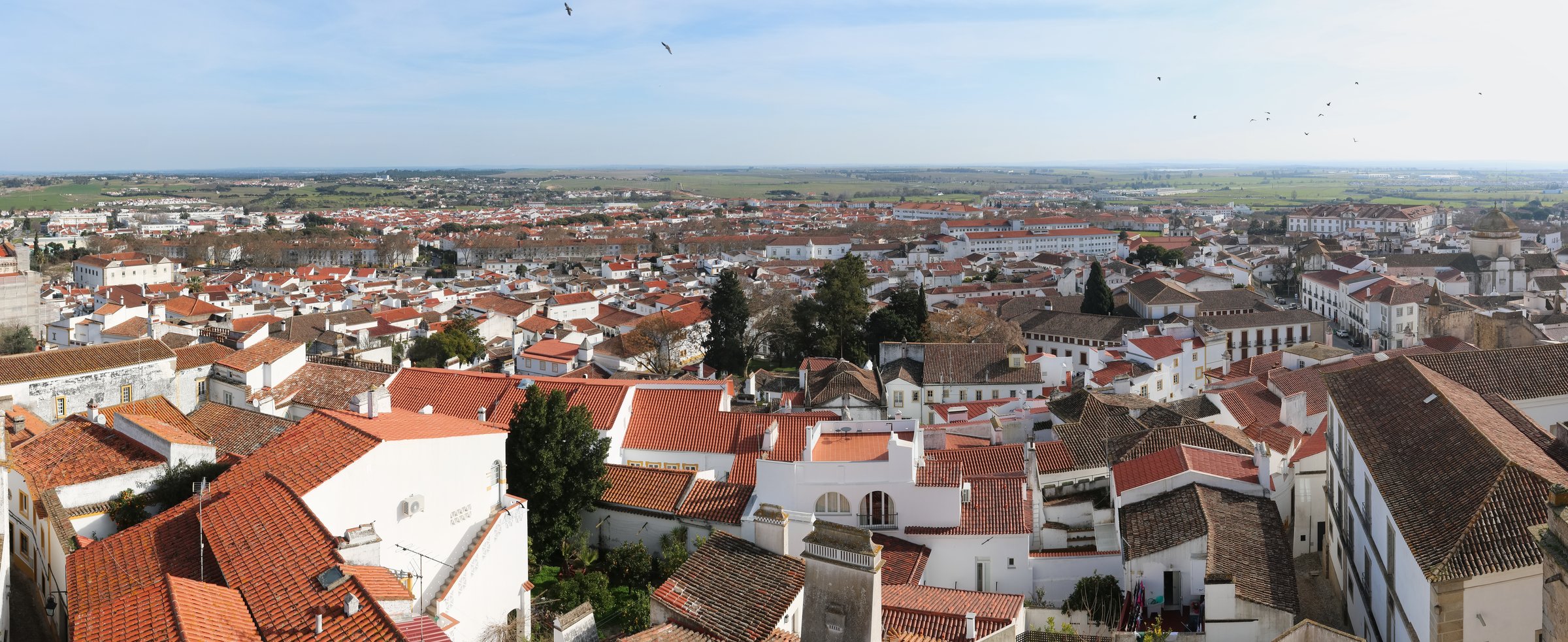
Évora sits at the heart of the Alentejo, the vast, sun-baked plains of southern Portugal, a couple of hours from Lisbon. A Roman town, then a Moorish and medieval one, and long a seat of learning and royal favour, it packs an extraordinary sweep of history inside its walls — a remarkably complete Roman temple, a fortress-like Gothic cathedral, the macabre Chapel of Bones, Renaissance palaces, one of Europe's oldest universities, and an aqueduct striding into town. Around it stretch cork-oak plains, vineyards, and some of Iberia's most important prehistoric megaliths. A UNESCO site, compact and golden, it's the Alentejo's cultural capital and a rewarding, unhurried stop.

Why go

Évora is one of Portugal's richest historic towns — a UNESCO walled city where two thousand years are layered in a compact, walkable centre: a Roman temple, a great cathedral, the unforgettable Chapel of Bones, a historic university, and whitewashed Alentejo lanes. It's the gateway to the Alentejo's cork-oak plains, its celebrated food and full-bodied wines, and to some of Europe's most important megaliths, the Almendres stone circle among them. Sunny, atmospheric and steeped in the Alentejo's slow rhythm, it rewards history lovers and food-and-wine travellers alike.

Don't miss

  • The Roman Temple — the Corinthian columns above the town
  • The Chapel of Bones (Capela dos Ossos) — the bone-lined walls
  • Évora Cathedral — the fortress-like Sé and its rooftop
  • Praça do Giraldo — the whitewashed main square
  • The megaliths and wine — the Alentejo countryside

Signature experiences

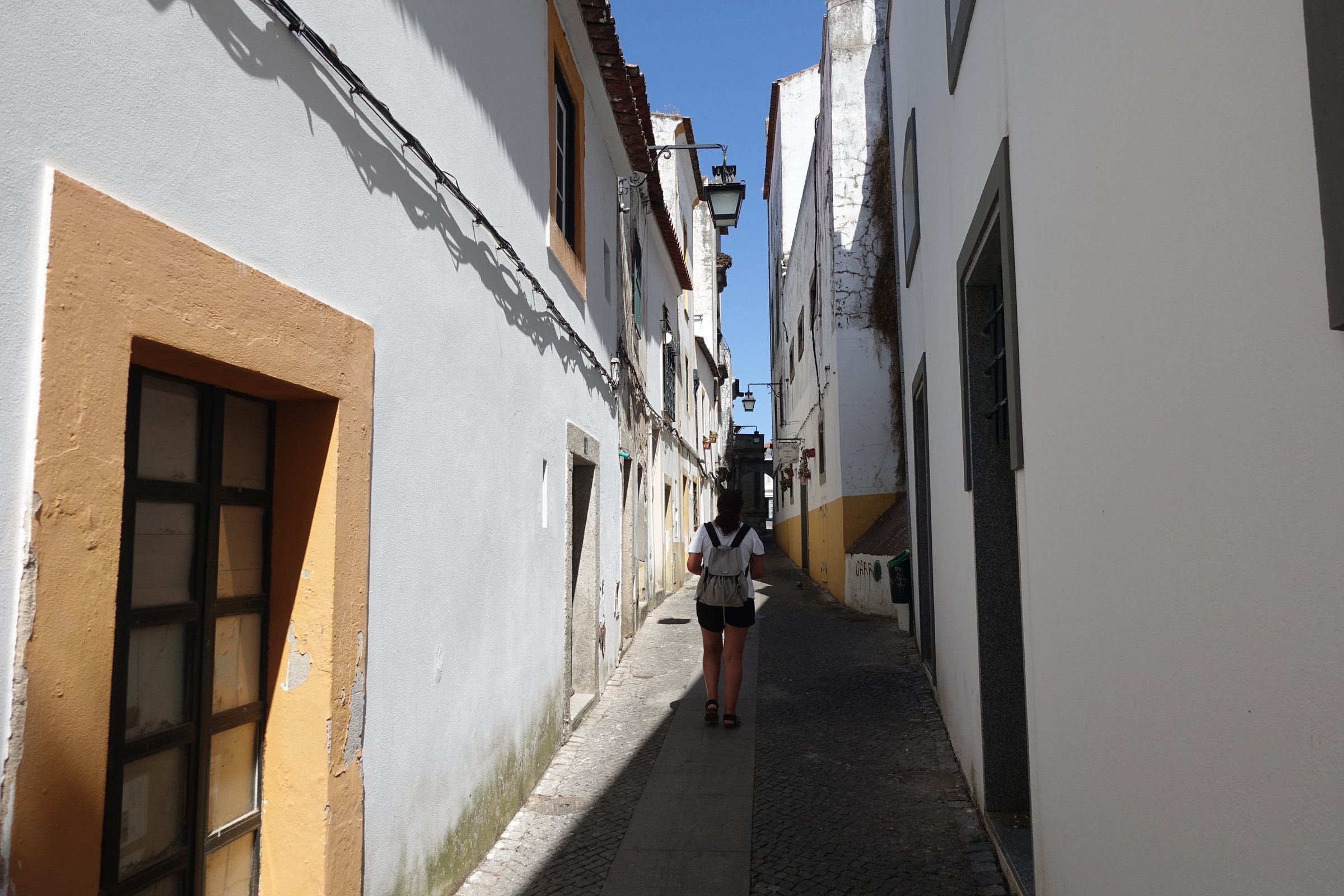
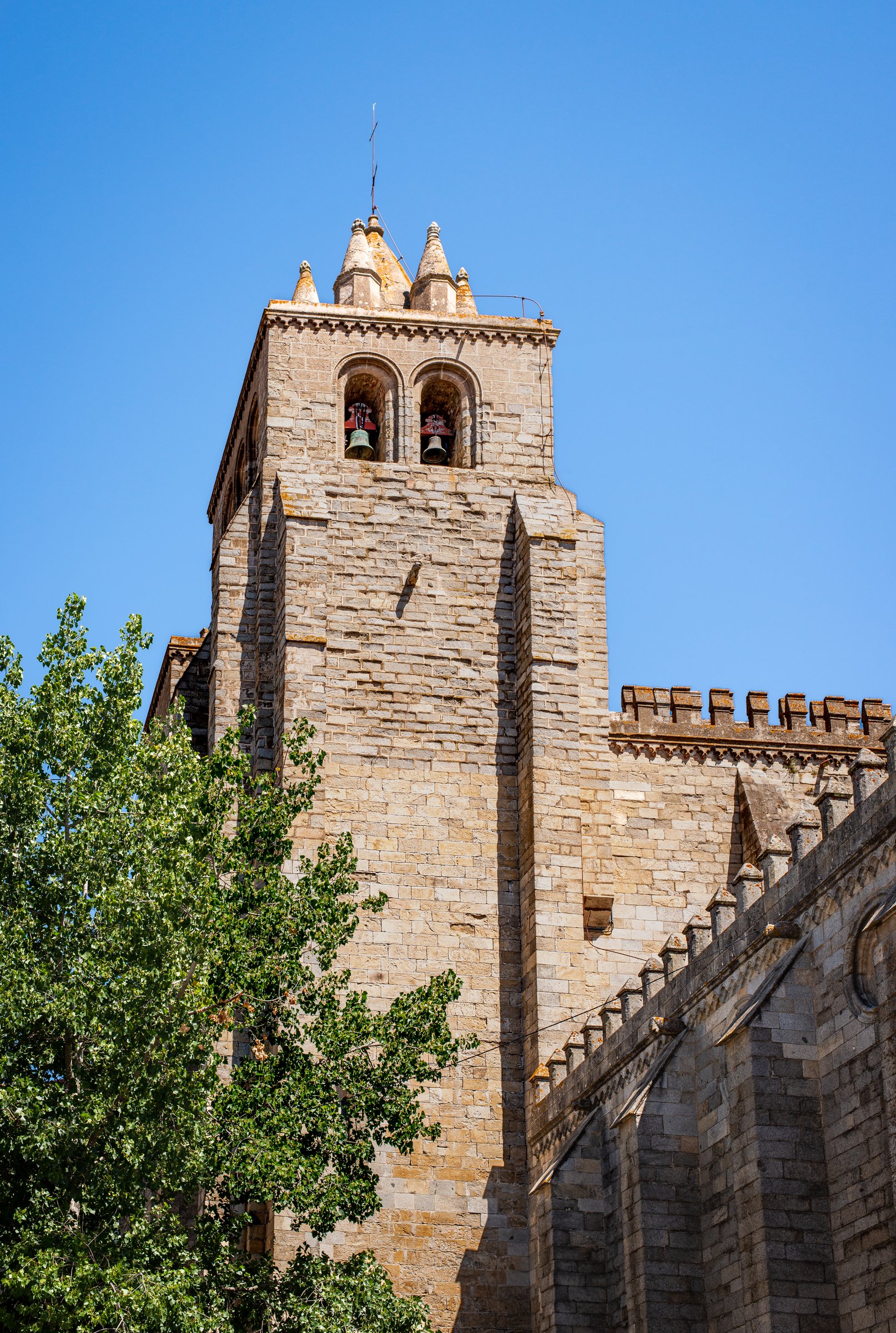
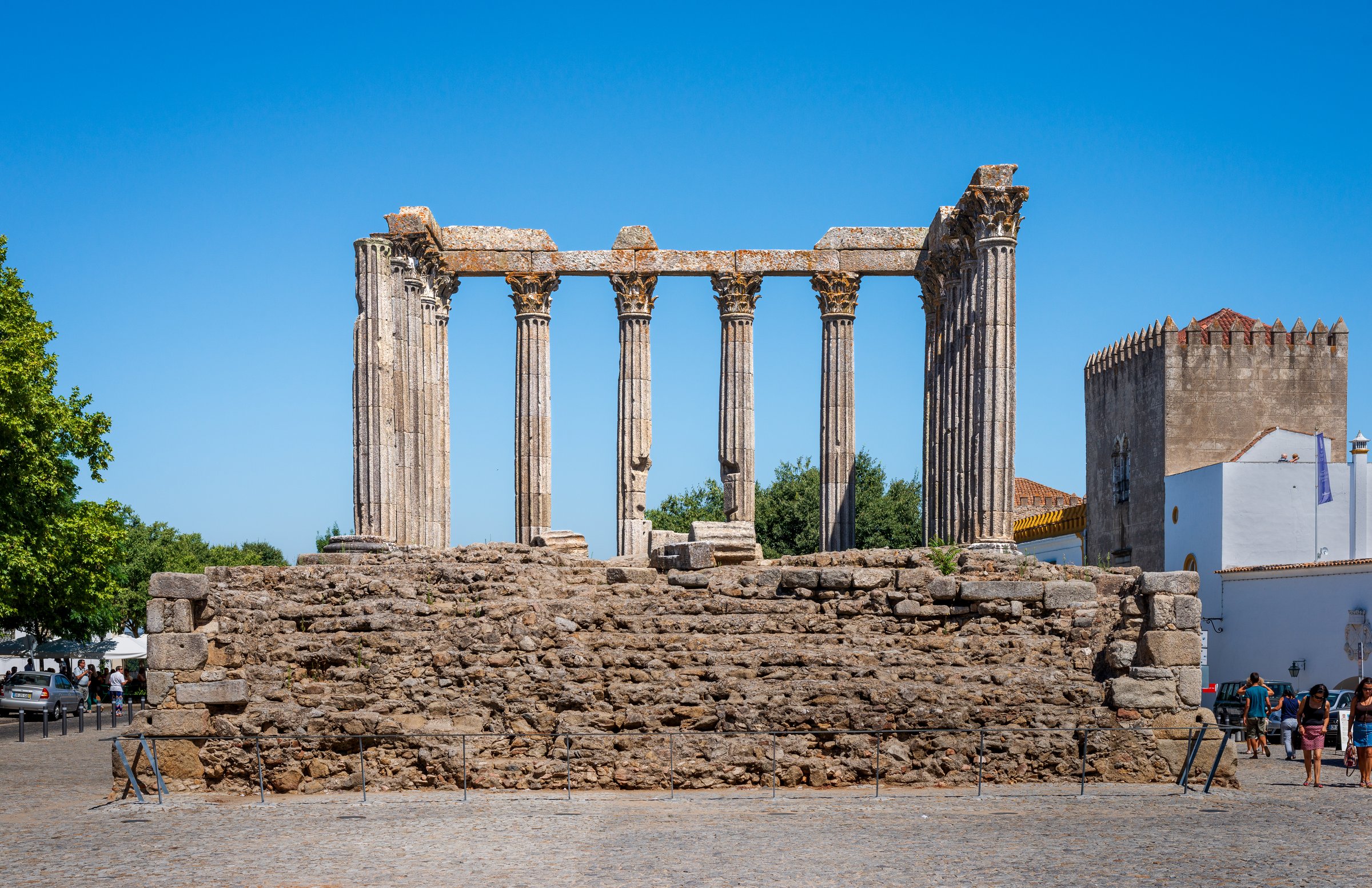
The Roman temple and the monuments — Évora's icon is its Roman temple — a strikingly complete set of Corinthian columns on a podium, standing on the town's high point, one of the best-preserved Roman monuments in Portugal (long nicknamed the "Temple of Diana"). Beside it rises the massive, fortress-like Gothic cathedral, whose rooftop you can climb for a view over the golden roofs and the plains. Around them cluster the Évora Museum, palaces and the historic university. Touring this monumental core is a walk through Roman, medieval and Renaissance Évora in a few hundred metres. **The Chapel of Bones** — Évora's most unforgettable sight is the Capela dos Ossos, a small chapel attached to the Church of St Francis whose walls and columns are lined entirely with the bones and skulls of thousands of the dead — built by monks as a memento mori, with an inscription reminding visitors that "we bones await yours." Macabre, strange and oddly beautiful, it's one of the most memorable interiors in Portugal, and a meditation on mortality that stays with you. It's the town's other essential sight. **Whitewashed lanes and the plains city** — Beyond the monuments, Évora is a lovely, lived-in Alentejo town — whitewashed houses trimmed in ochre and blue, cobbled lanes, small churches and squares, and the arcaded Praça do Giraldo where the town gathers. It's compact and easy to wander, warm-stoned and unhurried in the Alentejo way. Take a coffee or a glass of the region's wine on the square, browse the cork and craft shops, and enjoy the slow, sunny rhythm of the plains capital. The aqueduct striding in over the rooftops is a fine sight too. **Alentejo wine, food and megaliths** — Évora is the heart of the Alentejo's celebrated food-and-wine country — the plains grow the vines behind Portugal's full-bodied Alentejo reds and the cork oaks that make it the world's cork capital, and the kitchen is rich and rustic: açorda (a bread-and-garlic soup/stew), migas (fried breadcrumbs with pork), black Iberian pork, lamb, Alentejo cheeses, and the sericaia custard with Elvas plums. And the surrounding plains hold some of Iberia's most important megaliths — the great Almendres Cromlech stone circle and scattered dolmens. Combine a wine tasting, an Alentejo meal, and a megalith visit for the full region.

Neighbourhoods

Évora neighbourhood by neighbourhood — the character of each and who it suits.

  • Praça do Giraldo and the Old Town

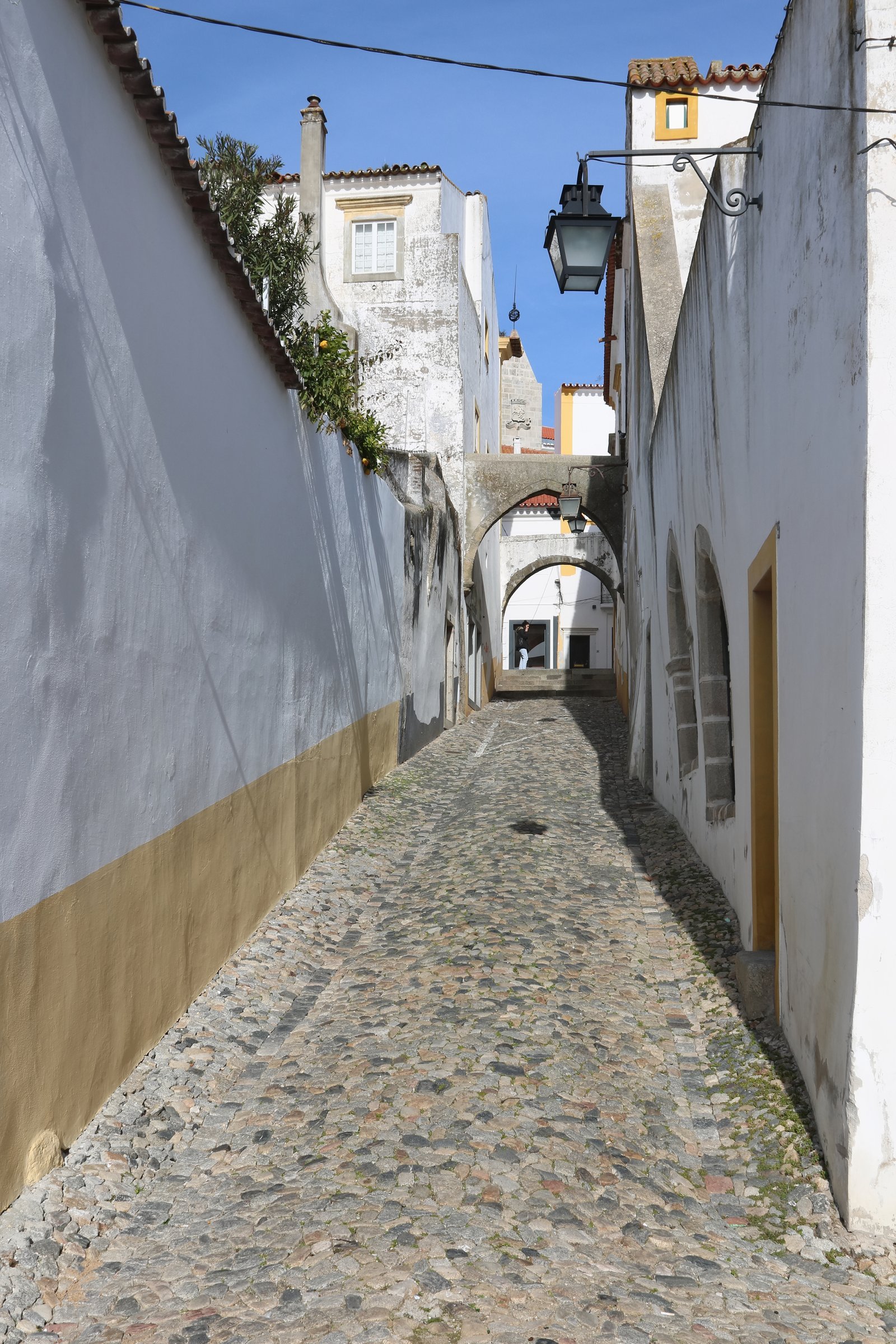
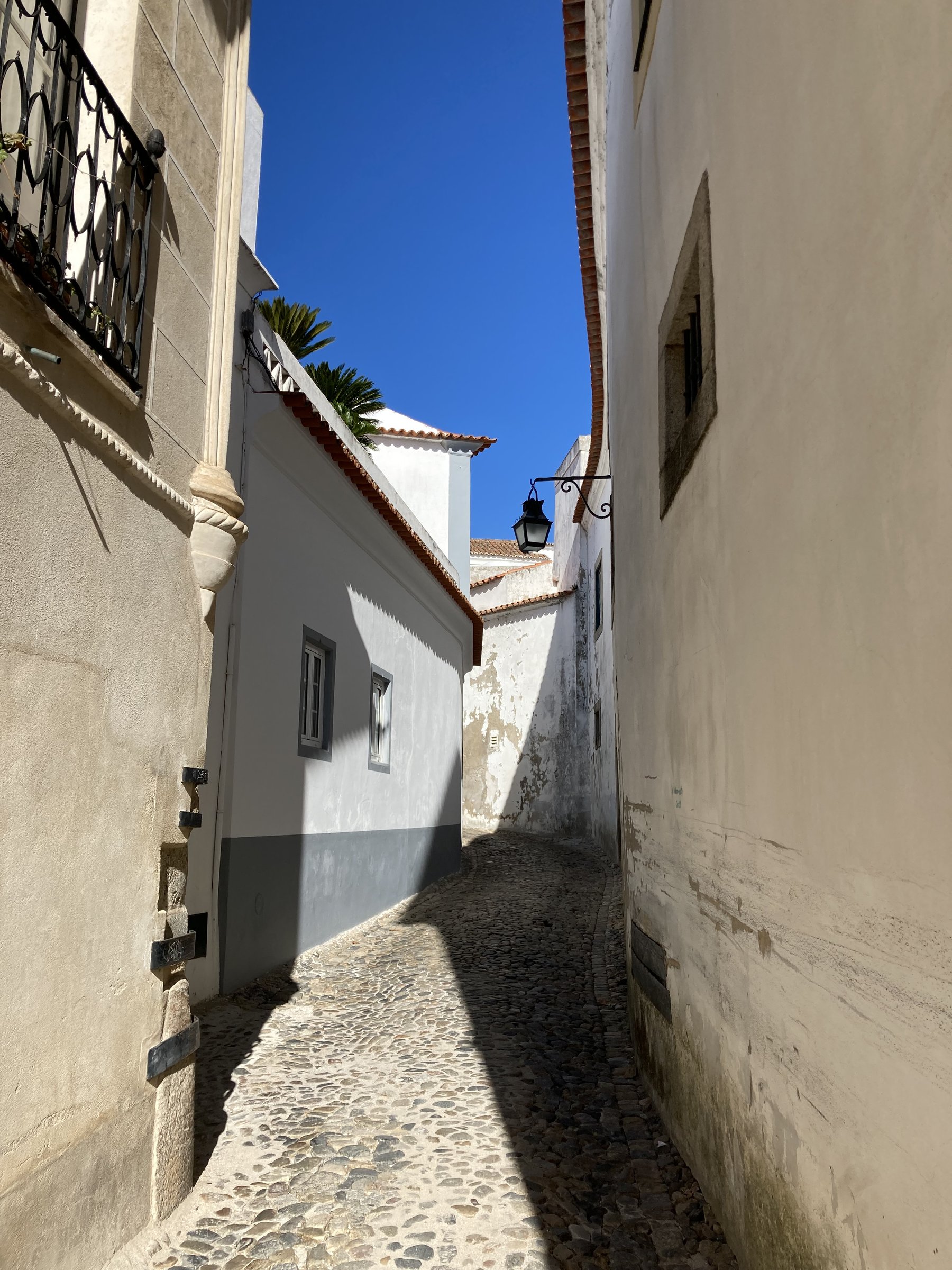
    The whitewashed walled centre around the main square — a maze of lanes, churches, palaces and the arcaded Praça do Giraldo, alive with cafés and shops. The lived-in heart.

    Why go
    The main square, the whitewashed lanes and the Chapel of Bones.
    Best for
    Sightseeingcafé-sittingthe Chapel of Boneswandering
    Known for
    The arcaded Praça do Giraldo and its fountain, the Church of St Francis and its Chapel of Bones, the whitewashed lanes and squares, and the shops and cafés.
  • The Cathedral and Roman Temple

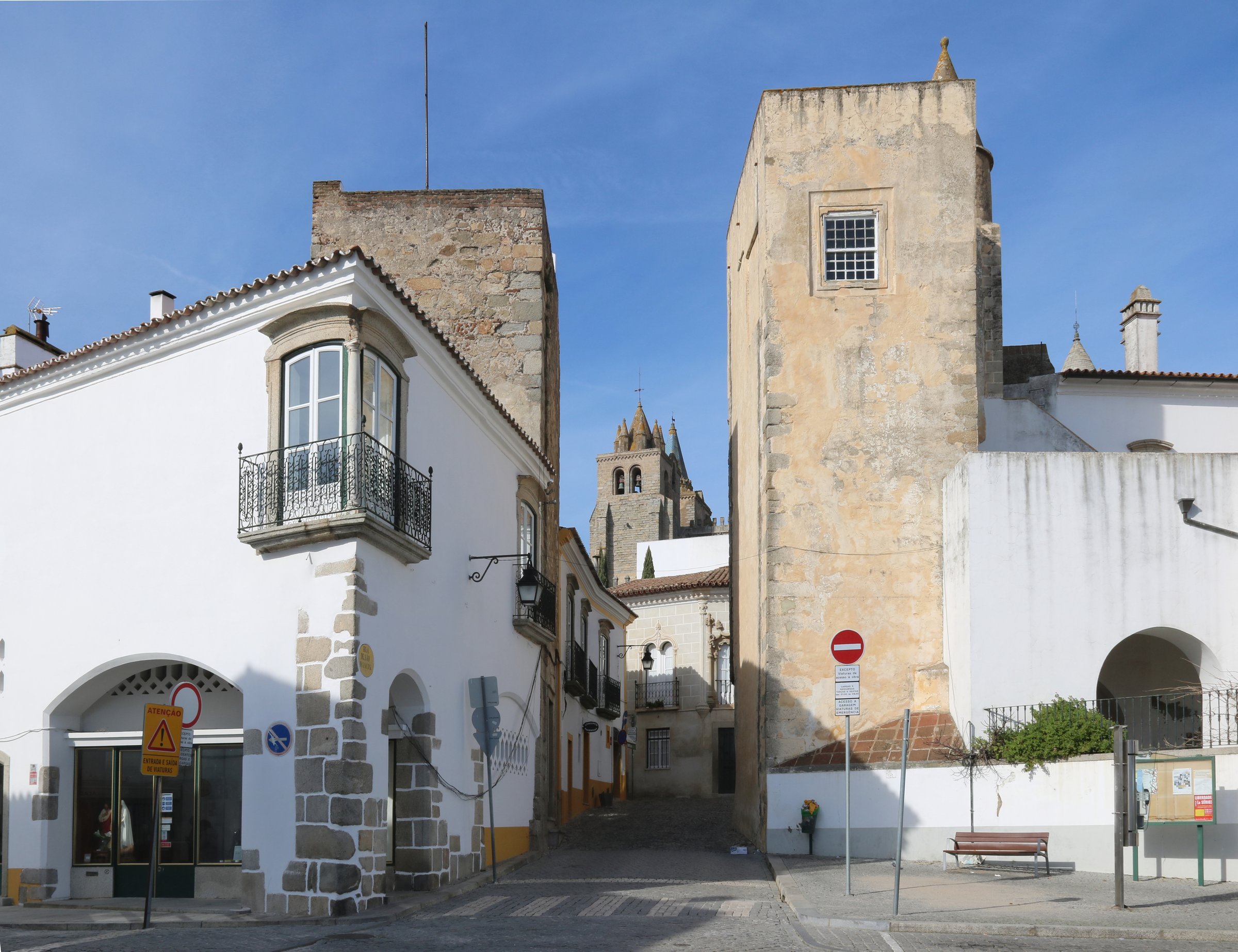
    The monumental high point of the town — the great fortress-like cathedral and, beside it, the remarkably intact Roman temple, with the museum and the old palaces around them. The historic, elevated heart.

    Why go
    The Roman temple, the cathedral and its rooftop, and the museum.
    Best for
    The Roman and medieval monumentsviews
    Known for
    The Roman Temple (the "Temple of Diana"), the Gothic Sé cathedral and its climbable rooftop, the Évora Museum, and the palaces and the university nearby.
  • The Walls, Aqueduct and Outskirts

    The old walls, the Água de Prata aqueduct striding into town, and the countryside beyond — cork-oak plains, vineyards and the great prehistoric megaliths. The edge and the Alentejo hinterland.

    Why go
    The aqueduct and walls, and the megaliths and wine country beyond.
    Best for
    The aqueductwine estatesthe megalithsday trips
    Known for
    The Água de Prata aqueduct and the town walls and gates, the Alentejo wine estates, and the prehistoric megaliths (the Almendres Cromlech stone circle and the dolmens) in the surrounding plains.

Views & hidden gems

Best views

  • The Roman temple columns against the sky
  • The cathedral rooftop over the golden roofs and plains
  • The Água de Prata aqueduct striding into town
  • Praça do Giraldo and the whitewashed lanes

Hidden gems

  • The Chapel of Bones and its memento-mori inscription
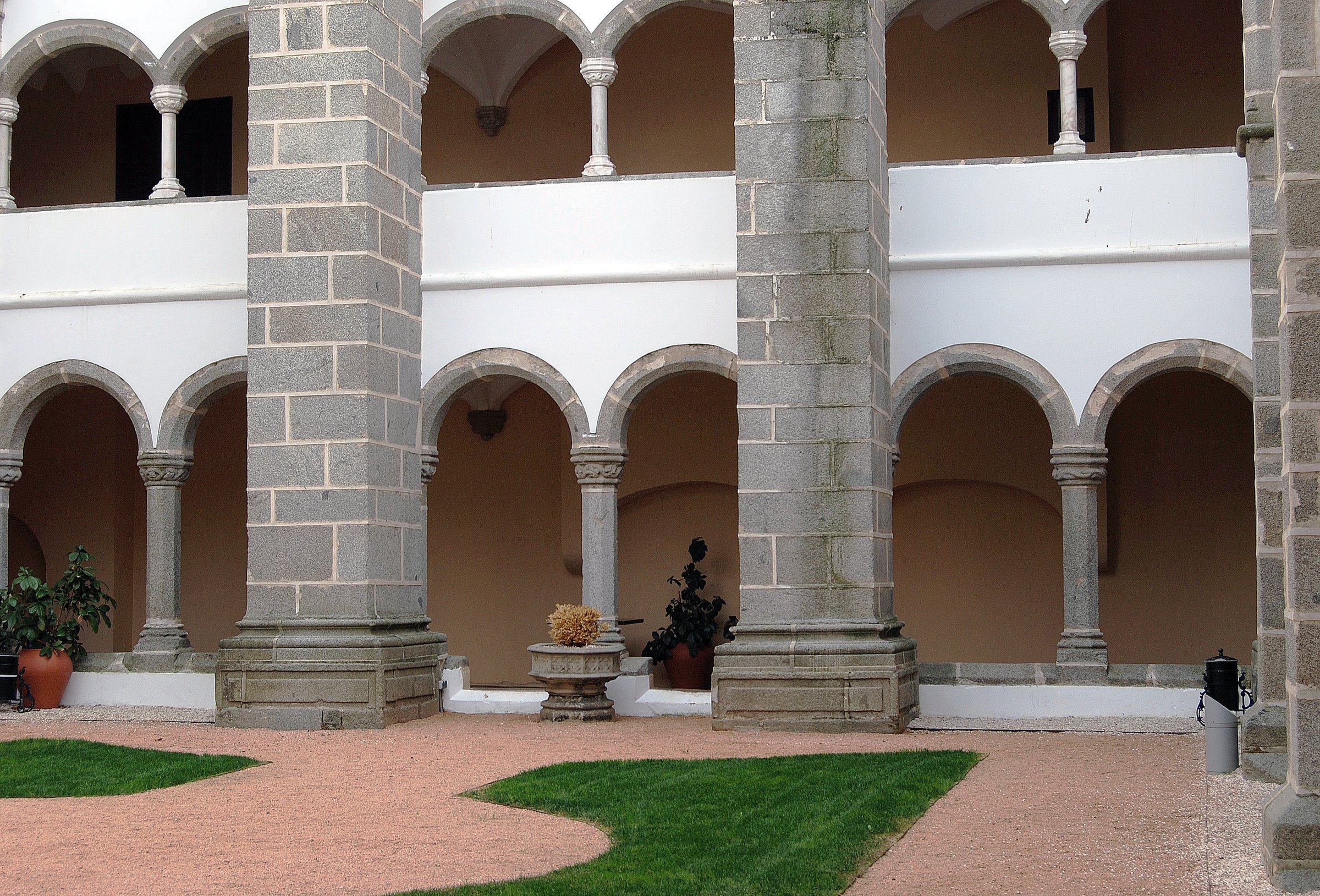
  • The cathedral rooftop and cloister
  • The Almendres Cromlech stone circle in the plains
  • An Alentejo wine estate tasting near town
  • The aqueduct arches with houses built into them

Food & drink

Évora eats rich, rustic Alentejo food — one of Portugal's great regional cuisines. The staples are açorda (a bread-and-garlic-and-coriander soup or mush, often with egg), migas (fried breadcrumbs with pork), black Iberian pork (porco preto) and lamb, hearty bread, sheep's cheeses, and dishes built on cork-oak-country ingredients. The sweet is sericaia, a spiced custard served with Elvas plums, alongside the convent sweets. The wine is the star — bold, warm Alentejo reds — with the region among Portugal's finest. Eat in the old-town tascas and restaurants, and pair with an Alentejo red.

  • Açorda alentejana — a bread, garlic and coriander soup, often with egg
  • Migas — fried breadcrumbs with pork, an Alentejo classic
  • Porco preto — black Iberian pork, grilled or stewed
  • Ensopado de borrego — Alentejo lamb stew
  • Sericaia with Elvas plums — a spiced custard dessert
  • Alentejo wine — the region's bold reds
Dietary notes

Vegetarians manage with açorda (often vegetarian, but check the stock), bread, cheese, egg dishes and vegetable and bean dishes, though pork and lamb are central — ask. Vegan is limited outside a modern spot. Halal and kosher are effectively unavailable. Gluten-free is hard around the bread-heavy açorda and migas and the breads — grilled meats, cheese and salads help, but confirm.

Évora in photos

▸ Where you'll stay

Where you'll stay in Évora

Stay in the walled old town to walk to the temple, the cathedral, the Chapel of Bones and the square — Évora has boutique guesthouses and hotels in the whitewashed centre, plus a historic pousada in a former convent, atmospheric and affordable. Wine estates in the surrounding plains offer rural stays for the food-and-wine traveller. It's a compact, sunny, affordable town best on foot; the old town is the natural base. Book ahead for peak spring/autumn and festivals.

  • Budget
    Near the centre / walls guesthouses and budget hotels a short walk from the square.
  • Mid-range
    The old town boutique guesthouses and hotels within the walls.
  • Luxury
    The pousada / wine estates a historic convent hotel or a plains wine estate, the top of a modest range.
Stay

Hotels & rentals around Évora

Pan, zoom and compare live prices — every stay in one map.

▸ Getting around

Getting around Évora

The walled old town is compact and walkable — the temple, cathedral, Chapel of Bones and square are all on foot. A car is needed for the megaliths, wine estates and Alentejo villages, and helps for arrivals, but is a liability in the narrow old town.

The main square, the cathedral-and-temple high point and the walls are all a short walk apart (~approx); the megaliths and wine estates are a drive out into the plains — plan those with a car or tour.

▸ Plan your days

Suggested itineraries

Ready-made day plans for Évora — from a single day to a long weekend.

One day

Start at the Roman temple and climb the cathedral rooftop for the view, then see the Évora Museum and the university nearby. Walk down to the Church of St Francis for the extraordinary Chapel of Bones, and take a break on the arcaded Praça do Giraldo. Have an Alentejo lunch of açorda or porco preto with a local red, wander the whitewashed lanes and the aqueduct in the afternoon, and end with a glass of wine on the square.

Two days

With an overnight, add the Alentejo. Drive out to the Almendres Cromlech and the dolmens in the plains, and to an Alentejo wine estate for a tasting, and enjoy the town at dawn and dusk. With more time, the whitewashed villages and cork-oak country of the wider Alentejo, and towns like Monsaraz, are within reach.

▸ What you'll do

Insider tips

  • See the Roman temple and climb the cathedral rooftop for the golden-roofs-and-plains view.
  • Don't skip the Chapel of Bones — macabre, beautiful and unforgettable.
  • Drive out to the Almendres Cromlech megaliths and an Alentejo wine estate for the region.
  • In summer, sightsee early and late and carry water — the Alentejo heat is real.
What's on

While you're there

28
AUG
MEO Kalorama 2026 — Lisbon, August 2026
Avenida Da Liberdade 41, 1250-144 Lisboa, Lisbon, Portugal · festival
Build a trip around it →
01
JUN
Festas de Lisboa 2027
Rua Das Flores De Santa Cruz 3, 1100-244 Lisboa, Lisbon, Portugal · festival
Build a trip around it →
Explore

Explore the area

© OpenFreeMap · OSM · terrain Mapterhorn
Do

Local attractions & tours

Skip-the-line tickets and small-group tours in Évora — compare across our partners.

We're still curating hand-picked tickets and tours for Évora. In the meantime, the map above and the nearby cities are a great place to start.

▸ Budget

What it costs in Évora

Backpacker
roughly €35–60 a day.
Mid-range
roughly €70–130 a day.
Luxury
€200 a day and up.
Cash vs card
Cards and contactless are widely accepted, but carry a little cash for small tascas and cafés.
Tipping
Tipping is modest in Portugal — round up or leave small change for good service; no obligation.
▸ When you'll go

When to visit Évora

April to June and September to October — the fierce Alentejo summer aside

Spring

What to expect — Warm and green, the Alentejo plains at their freshest and greenest with wildflowers, before the summer heat. One of the best times.

What's best — The plains green and flowering, comfortable weather for the town and the megaliths, and the wine country in leaf — a beautiful, easy season.

Summer

What to expect — Very hot and dry — the Alentejo is one of Portugal's hottest regions, with baking midday sun on the exposed golden stone. Demanding by day, warm at night.

What's best — Long light on the temple and lanes, warm evenings on the square, and the wine season — but the heat is fierce, so sightsee early and late and rest at midday; spring and autumn are far kinder.

Autumn

What to expect — The heat easing into warm, comfortable weeks, with the grape and cork harvest and the plains turning gold. One of the best times.

What's best — The Alentejo wine harvest, comfortable weather for the town and countryside, golden plains light, and thin crowds — a rewarding, flavourful window.

Winter

What to expect — Mild by day but cool and sometimes wet, with clear crisp days and cold nights on the plains; the town quiet. The low season.

What's best — The town quiet and crowd-free, mild days for the monuments and the megaliths, the hearty winter food and wine, and low prices — pack a layer for the cool nights and showers.

▸ Know before you go

Know before you go

Honest swaps

Skip the fierce midday summer heat → see the temple and the town early and late, and rest in the afternoon.

Skip a tourist-menu meal → eat açorda, migas or porco preto in an old-town tasca with an Alentejo red.

Skip a town-only visit → drive out to the Almendres megaliths and a wine estate.

Skip missing the Chapel of Bones → it's macabre but unmissable, one of Portugal's most memorable interiors.

Crowds & timing

Évora is popular but rarely overwhelming; spring and autumn are the best (and busier) seasons.

The cathedral rooftop, the Chapel of Bones and the museum have set hours — check before visiting.

Local rules & etiquette

The old town is cobbled and can be hot and exposed — wear sensible shoes, and carry water and sun protection in summer.

Dress respectfully inside the cathedral, the churches and the Chapel of Bones.

Portuguese mealtimes run a little later; lunch from around 1pm, dinner from 8pm.

Money

Cards work widely; carry a little cash for small tascas and cafés.

Use bank ATMs (Multibanco) and avoid the standalone tourist machines with poor rates.

After dark

Praça do Giraldo and the old-town cafés and tascas hold the gentle evening life.

Évora has a modest student and local night scene but is easygoing rather than a party town.

The evening is an Alentejo dinner, a glass of red on the square and a lamplit stroll.

▸ Ready to book your trip?

Getting there

Lisbon Airport (LIS) is the gateway, around 1.5 hours away; Évora is linked to Lisbon by train and bus, with the station a walk or short ride from the walled centre.

Book

Ready to book your trip?

Flights, airport transfers and car hire — search and compare without leaving the page.

▸ Trip extras
Book

More trip extras

Parking, holiday extras, and more — coming soon.

Coming soon

We're lining up parking, holiday extras and activities you'll be able to add to any trip from here.