Saint Lucia — hero
← All destinations Country

Saint Lucia

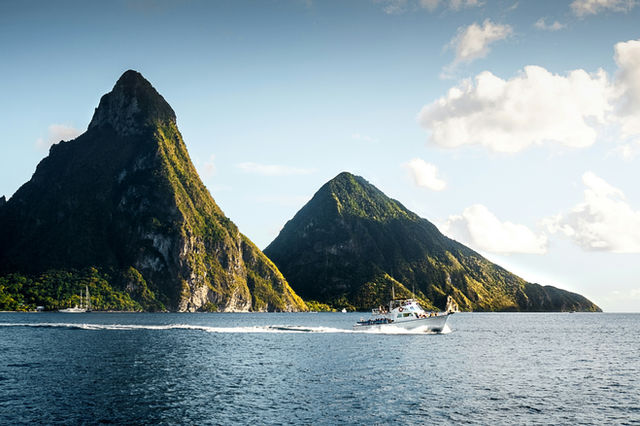
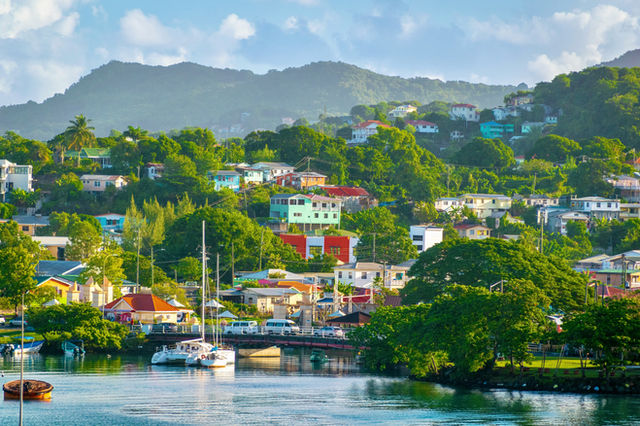
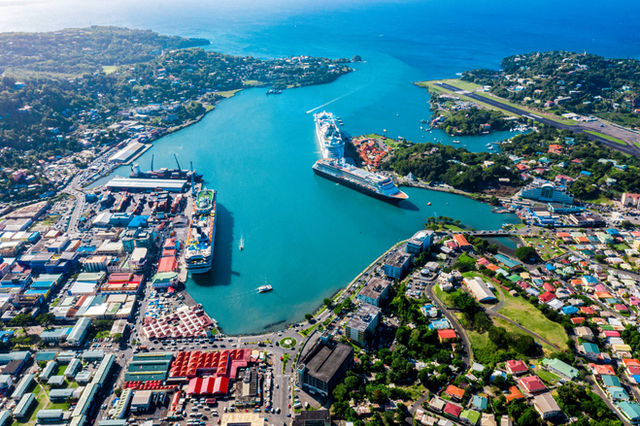
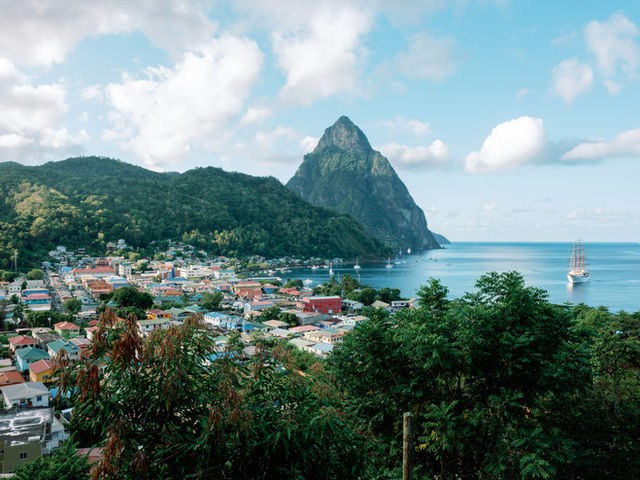
Beneath the twin Pitons, Saint Lucia blends world-class wellness, volcanic soft adventure, and coastal luxury into one iconic island escape.

  • Currency $ Eastern Caribbean Dollar ($)
  • Language English
  • Best time December – May
  • Visa Visa-free (up to 6 weeks on arrival)
Why visit

Why Saint Lucia

Beneath the twin Pitons, Saint Lucia blends world-class wellness, volcanic soft adventure, and coastal luxury into one iconic island escape.

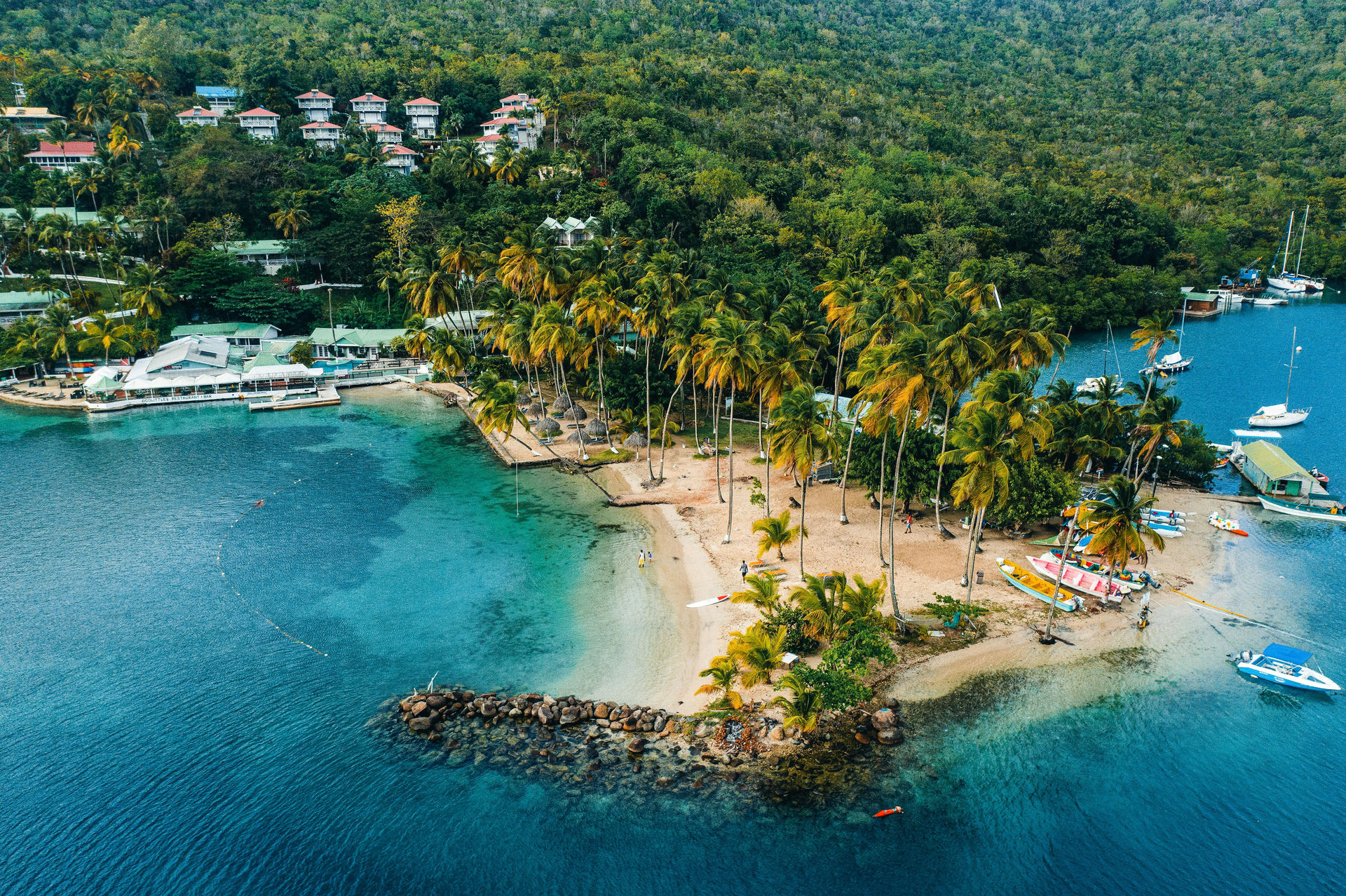
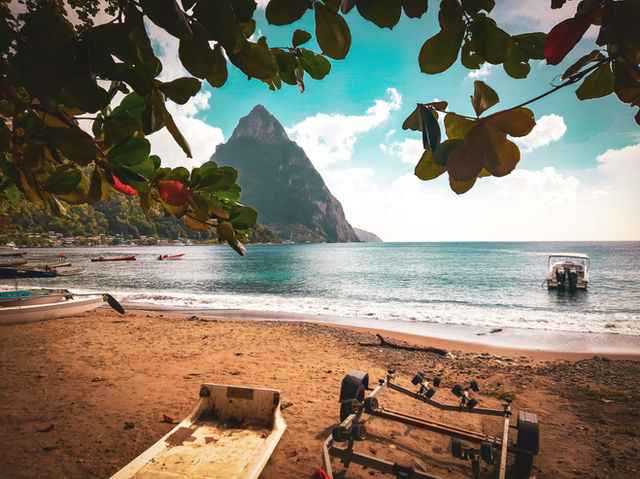
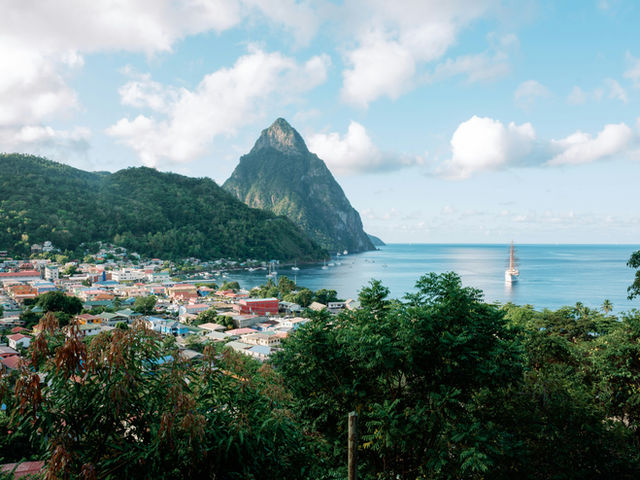
  • The twin Pitons above Soufrière
  • Sulphur Springs drive-in volcano
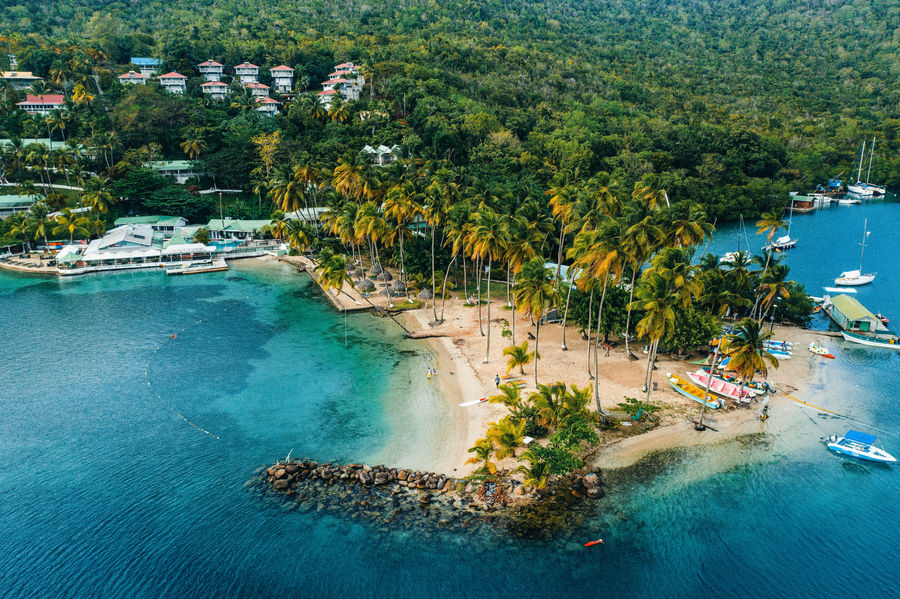
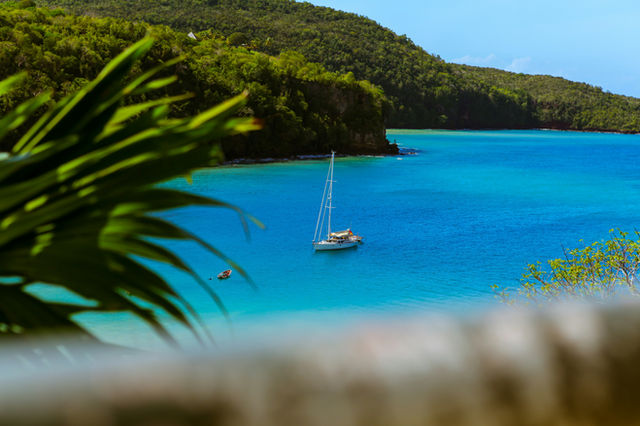
  • Marigot Bay
  • Rainforest, cocoa estates and reef snorkelling
Read more

Saint Lucia is the Caribbean's showpiece: the twin volcanic spires of the Pitons rising sheer from a turquoise sea, with rainforest, hot springs, and boutique hideaways folded into the hills between.

The island has built a reputation for wellness and soft adventure — volcanic mud baths, rainforest spa retreats, and gentle jungle trails — alongside careful stewardship of the protected Pitons Management Area and its marine life.

With strong connectivity and a growing crop of work-and-stay retreats, it rewards travellers who want to blend downtime with a little productivity, then chase waterfalls, reef dives, and sunset sails under one of the world's most photographed skylines.

A pillar, not a footnote

Eat your way through Saint Lucia

The single reason many travellers come back — the food culture worth reshaping a trip around, and the dishes to seek out region by region.

Saint Lucia

Green figs and saltfish, Friday-night jump-ups, and an island that grows its own chocolate.

On Saint Lucia, 'fig' means green banana — and the national dish, green fig and saltfish, sautés it with flaked salt cod, onion and herbs into a weekend and Creole Day ritual. The cooking is a Creole layering of West African, French and British over Amerindian staples like cassava and callaloo greens, spoken in Kwéyòl as much as English. Salt cod itself is imported, a plantation-era legacy that became a comfort food; ground provisions — yam, dasheen, breadfruit — come straight from the garden.

The most alive way to eat is the Friday-night 'jump-up' at Anse La Raye or Gros Islet, when fishing villages turn into open-air street parties of grilled fresh fish, stewed lambi conch, bakes and rum to a soca soundtrack. And this is a genuine cocoa island — the Rabot estate grows local cacao, and spiced 'cocoa tea' is still the traditional breakfast brew.

Dishes to seek out
  • Green fig & saltfish (green banana with salt cod)
  • Bouyon (Creole one-pot stew)
  • Callaloo (dasheen-leaf soup)
  • Accra (saltfish fritters)
  • Lambi (stewed conch)
  • Bakes (fried dough breads)
  • Cocoa tea (spiced hot chocolate)
Things to do

Nature, culture & hidden gems

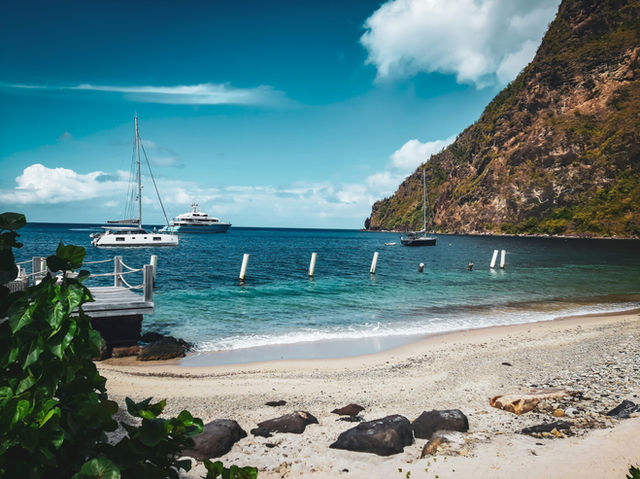
  • Sugar Beach (Anse des Pitons)

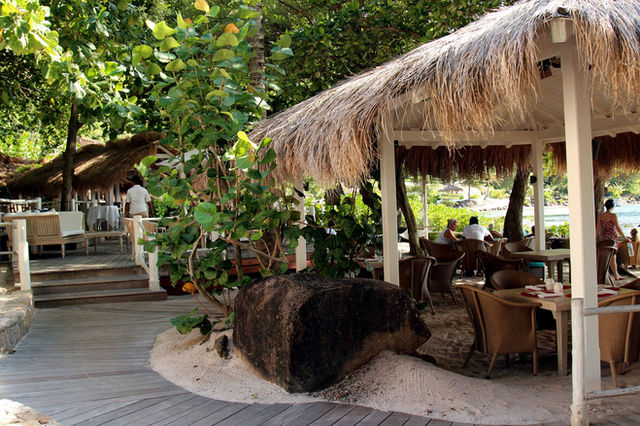
    White sand tucked in the cove between the two Piton peaks, with a reef to snorkel straight off the shore.

  • Reduit Beach

    The island's longest golden strand, with calm shallow water and beach bars strung along Rodney Bay.

  • Anse Chastanet

    Dark volcanic sand backed by rainforest, fringed by a shallow coral reef thick with fish.

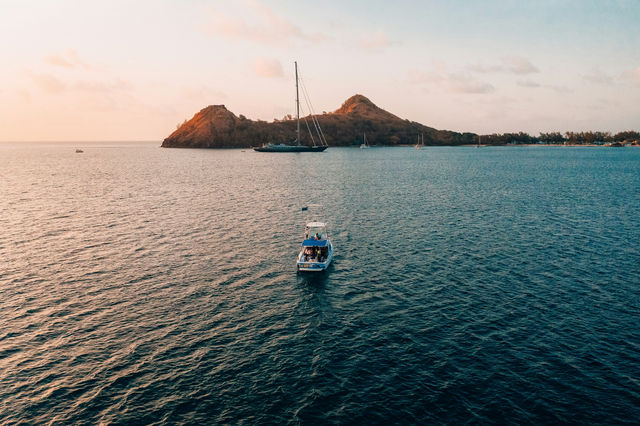
  • Marigot Bay

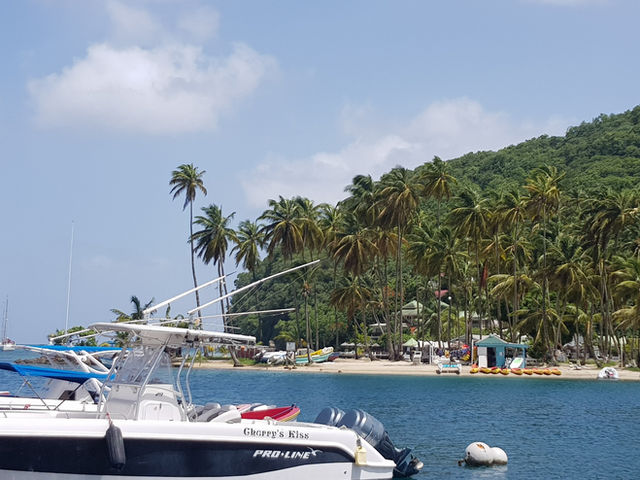
    A small palm-spit beach guarding a yacht-filled inlet that turns golden at day's end.

  • Anse Cochon

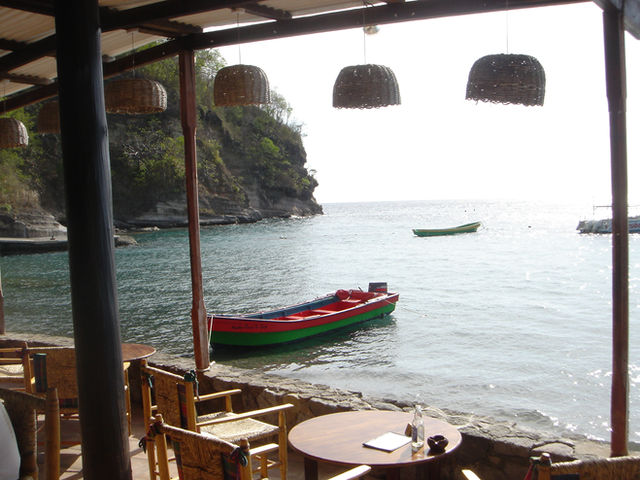
    A quiet grey-sand cove over a reef, reached by boat or a steep, rough track down the hillside.

  • Anse Mamin

    A black-sand cove past old plantation ruins, reached on foot from Anse Chastanet and empty most days.

Plan your trip

Curated Saint Lucia itineraries

Browse all Saint Lucia trips →
When to go

Weather & timing in Saint Lucia RIGHT NOW 26° mostly clear

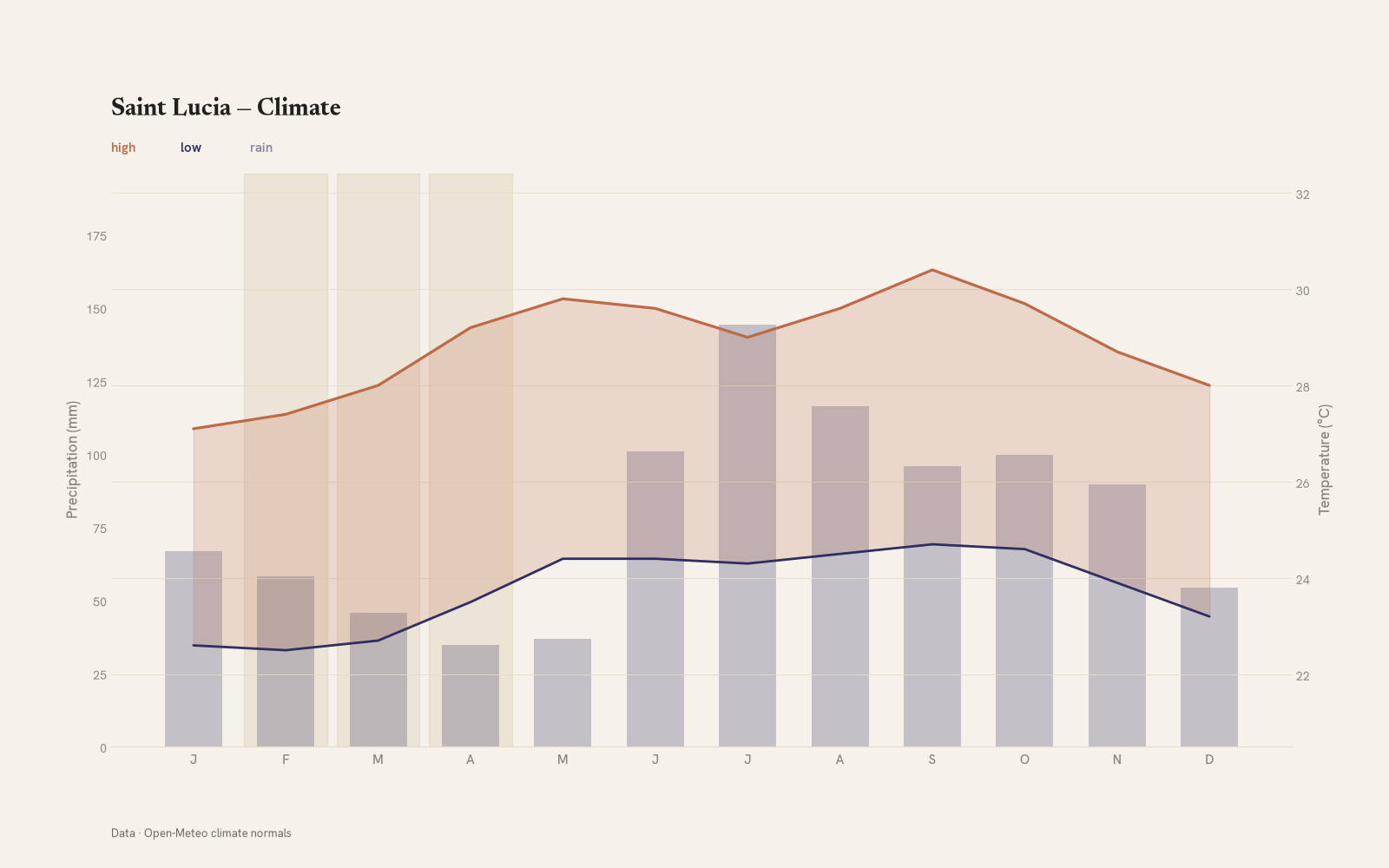
Best Feb–Apr · Shoulder Dec–Jan, May

  1. Jan / -4°
  2. Feb / -2°
  3. Mar 12° /
  4. Apr 18° /
  5. May 24° / 14°
  6. Jun 28° / 18°
  7. Jul 30° / 20°
  8. Aug 28° / 18°
  9. Sep 24° / 14°
  10. Oct 18° /
  11. Nov 12° /
  12. Dec / -2°

Best time to visit

December – May

Best for
  • Culture
  • Cuisine
  • Landscape
  • History
At a glance
Sunshine 7 hr/day (est.)
Rain days 8 days/mo (est.)
Wettest December · 60mm
Driest June · 10mm
Part of Caribbean →
By season
Spring (Mar–May)

What to expect — Daytime highs average about 18°C with overnight lows near 8°C, and it stays largely dry.

What's best — Mar and Apr are among the best time to visit — good weather with manageable crowds. May also works well.

Summer (Jun–Aug)

What to expect — Daytime highs average about 29°C with overnight lows near 19°C, and it stays largely dry.

What's best — Peak heat and the biggest crowds — many travellers prefer spring or autumn.

Autumn (Sep–Nov)

What to expect — Daytime highs average about 18°C with overnight lows near 8°C.

What's best — A quieter, less in-demand window than the shoulder months.

Winter (Dec–Feb)

What to expect — Daytime highs average about 7°C with overnight lows near -3°C.

What's best — Feb is among the best time to visit — good weather with manageable crowds. Dec and Jan also work well.

A little context

A little history

To read what you're looking at — the empires and eras that shaped Saint Lucia's food, art and streets.

Fought over so bitterly by France and Britain that it changed hands 14 times, earning the name 'Helen of the West Indies'
French planters built sugar estates worked by enslaved Africans, the root of the Kwéyòl language and food
Britain took final control in 1814, but French place names endured
independent in 1979, with the twin volcanic Pitons now a UNESCO site and the national symbol
Before you book

Know before you go

The practical back-matter — safety, drones and the essentials, in one place.

Safety

Low risk FCDO advice →

Official UK Foreign, Commonwealth & Development Office guidance is the definitive source — check it close to your travel dates.

Drone rules (sub-250g)

  • Saint Lucia
    Advance written permission from the Civil Aviation Department is mandatory for everyone, tourists included — apply by email with a passport copy before you travel — flown in sight and clear of both airports. ⚠ There is no walk-up or online registration; permission comes by email, so apply well ahead. Visitors must also declare the drone to Customs on arrival and keep three miles from George F. L. Charles and Hewanorra airports. Rules checked: Jul 2026

National parks, protected sites and religious/heritage venues often have their own rules and permits — always check the specific site before you fly.

The essentials

Plug & voltage Type G · 240V
Daily budget Mid-range to high
Region Caribbean