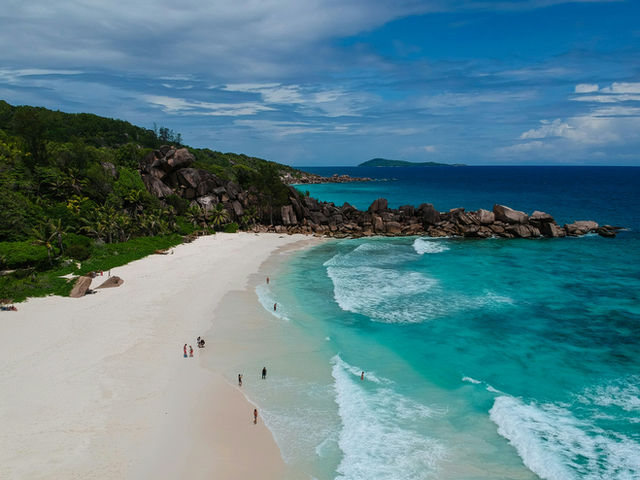
Seychelles — hero
← All destinations Country

Seychelles

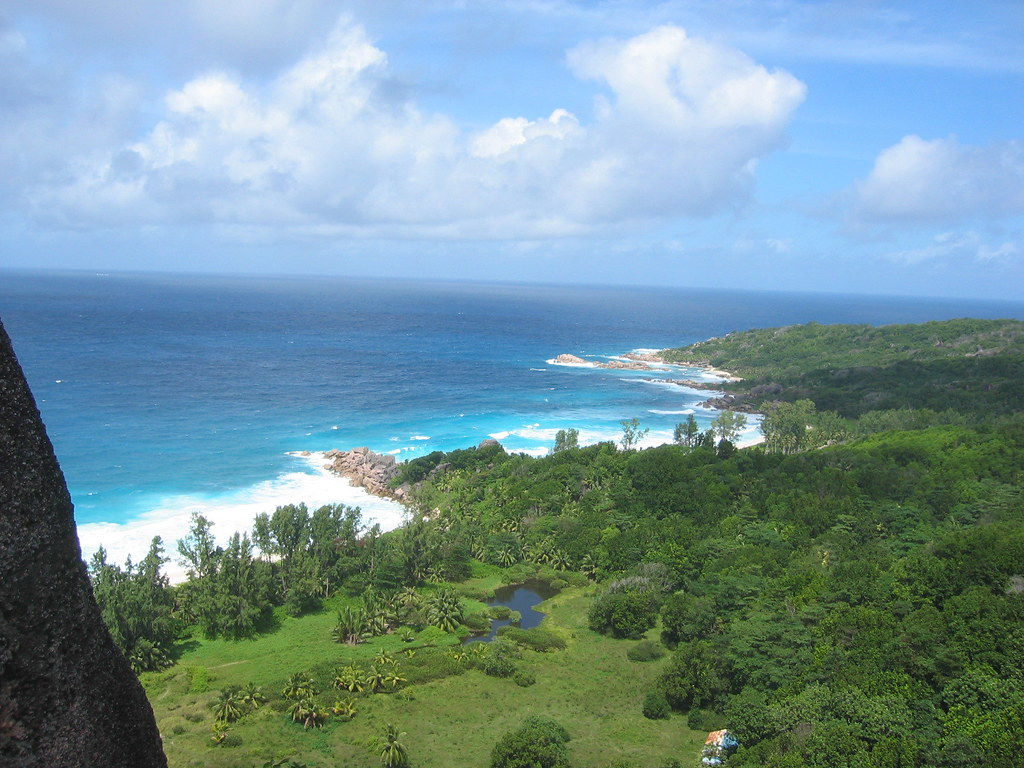
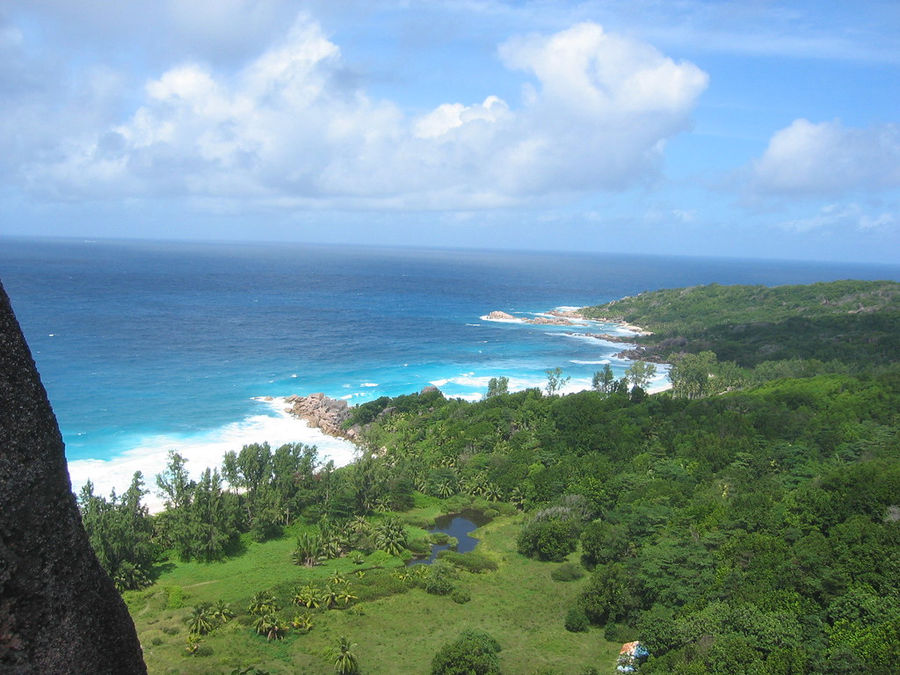
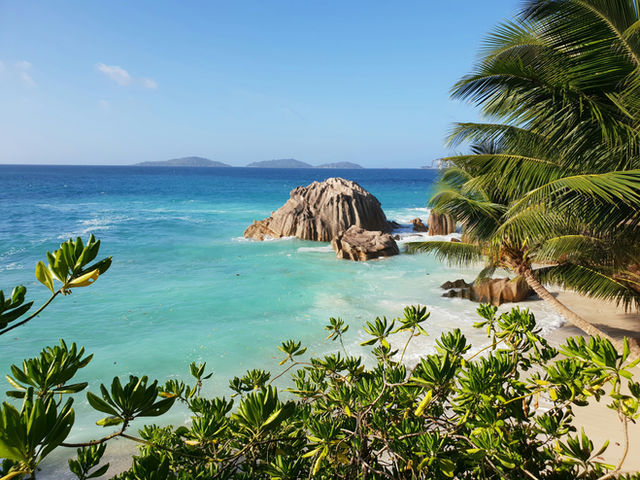
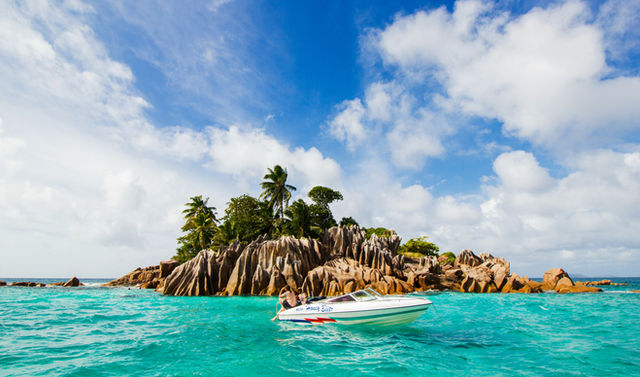
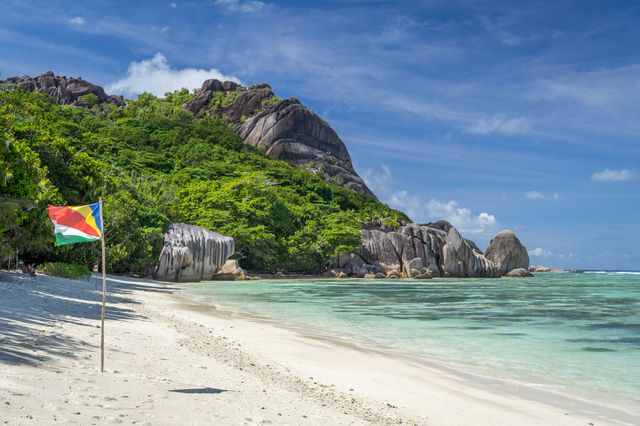
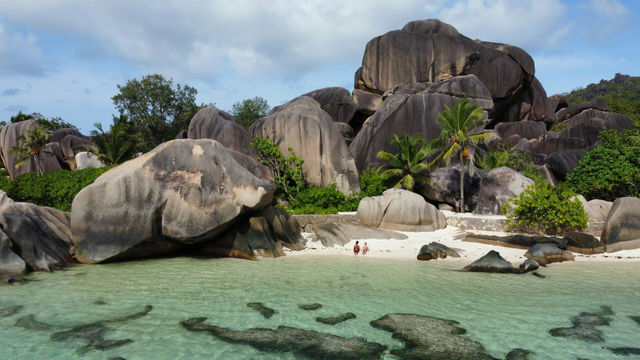
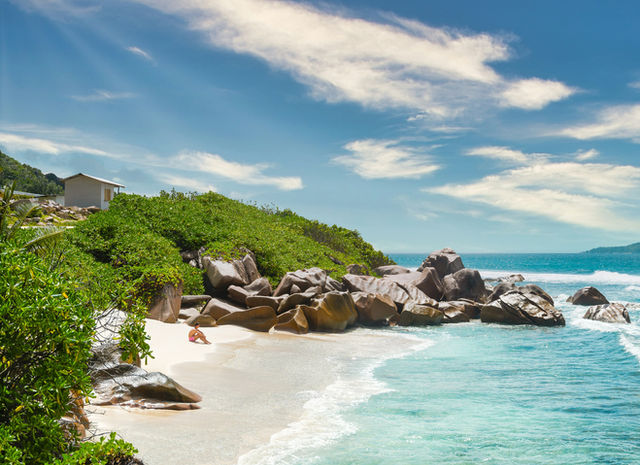
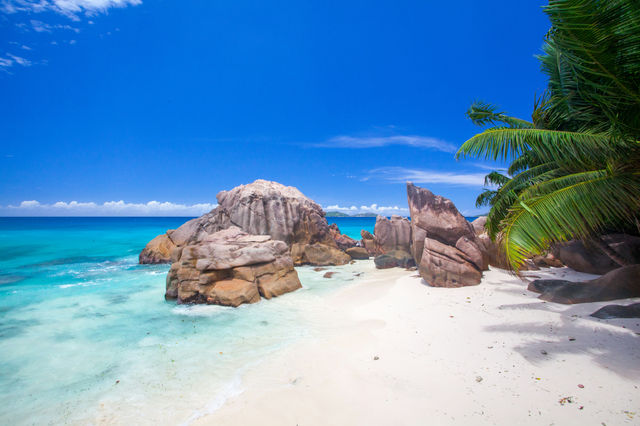
The world's most beautiful beaches, framed by ancient granite boulders and rare wildlife. Seychelles is barefoot paradise with a fierce conservation soul.

  • Currency ₨ Seychellois Rupee (SCR)
  • Language Seychellois Creole, English, French
  • Best time April – May, October – November
  • Visa ETA required (~€10) + free 90-day visitor's permit
Why visit

Why Seychelles

The world's most beautiful beaches, framed by ancient granite boulders and rare wildlife. Seychelles is barefoot paradise with a fierce conservation soul.

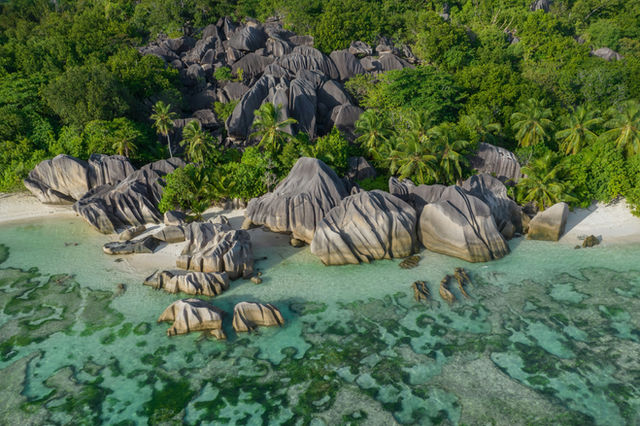
  • Anse Source d'Argent beach
  • Vallée de Mai and the coco de mer
  • Praslin & La Digue island-hopping
  • Reef snorkelling and diving
Read more

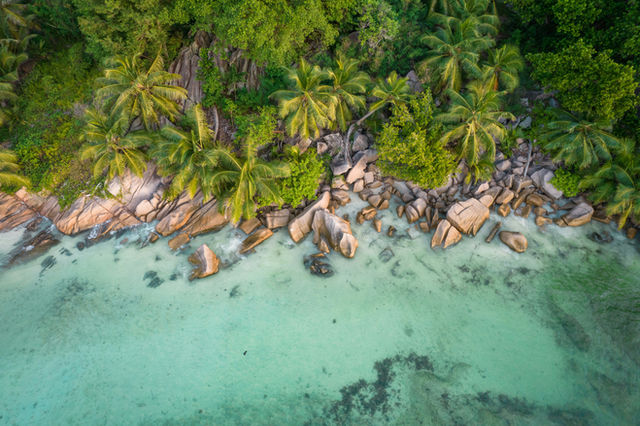
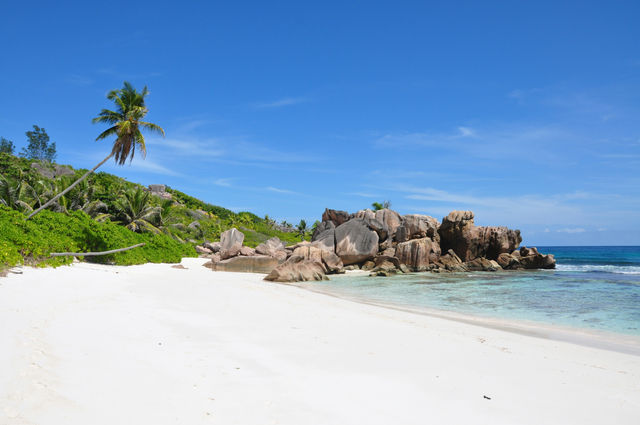
Scattered across the Indian Ocean, the 115 islands of Seychelles are the stuff of desert-island dreams: sculpted granite boulders rising from powder-soft sand, jungle-clad peaks, and warm, impossibly clear water in every shade of turquoise. These are, by common consensus, some of the finest beaches on earth.

But Seychelles is far more than scenery. It is a global leader in marine conservation, protecting vast swathes of ocean and hosting giant tortoises, nesting turtles and the rare coco de mer palm found nowhere else on the planet.

Blending laid-back Creole culture, easy connectivity and a growing embrace of mindful, low-impact travel, Seychelles suits honeymooners, families and remote workers alike. Pure escapism, with genuine purpose beneath the postcard.

A pillar, not a footnote

Eat your way through Seychelles

The single reason many travellers come back — the food culture worth reshaping a trip around, and the dishes to seek out region by region.

Seychelles

Creole island cooking where the day's fish meets coconut, chilli and lime — and a beach to eat it on.

Seychellois food is Creole to its bones: whatever the boats bring in, cooked with coconut, chilli and lime. The default and the delight is grilled fish — a whole bourgeois (red snapper) scored, rubbed with a chilli-garlic-ginger paste and charred over coals, eaten with rice and a spoon of fiery chutney under a takamaka tree.

The island's signature is kari koko, fish or octopus simmered slow in coconut milk with turmeric and curry leaf — French, Indian, African and Chinese kitchens all folded into one pot. Look for the sharp thrill of satini reken, shark flaked with lime and bilimbi, and cooling ladob, ripe plantain and sweet potato stewed in sweet coconut milk. Breadfruit turns up boiled, fried, everywhere. And the drink is unambiguous: cold dark Takamaka rum or a light SeyBrew, best taken with sand underfoot as the sun goes down.

Dishes to seek out
  • Grilled fish (chargrilled with chilli & lime)
  • Octopus curry (kari ourite)
  • Creole fish curry (coconut & spice)
  • Ladob (plantain in coconut milk)
  • Shark chutney (satini reken)
  • Breadfruit (friyapen)
  • Takamaka rum
Things to do

Nature, culture & hidden gems

Editorial content coming soon

We're hand-picking the standout places, hidden gems and can't-miss activities in Seychelles. Meanwhile, the cities above are a great starting point.

Plan your trip

Curated Seychelles itineraries

Browse all Seychelles trips →
When to go

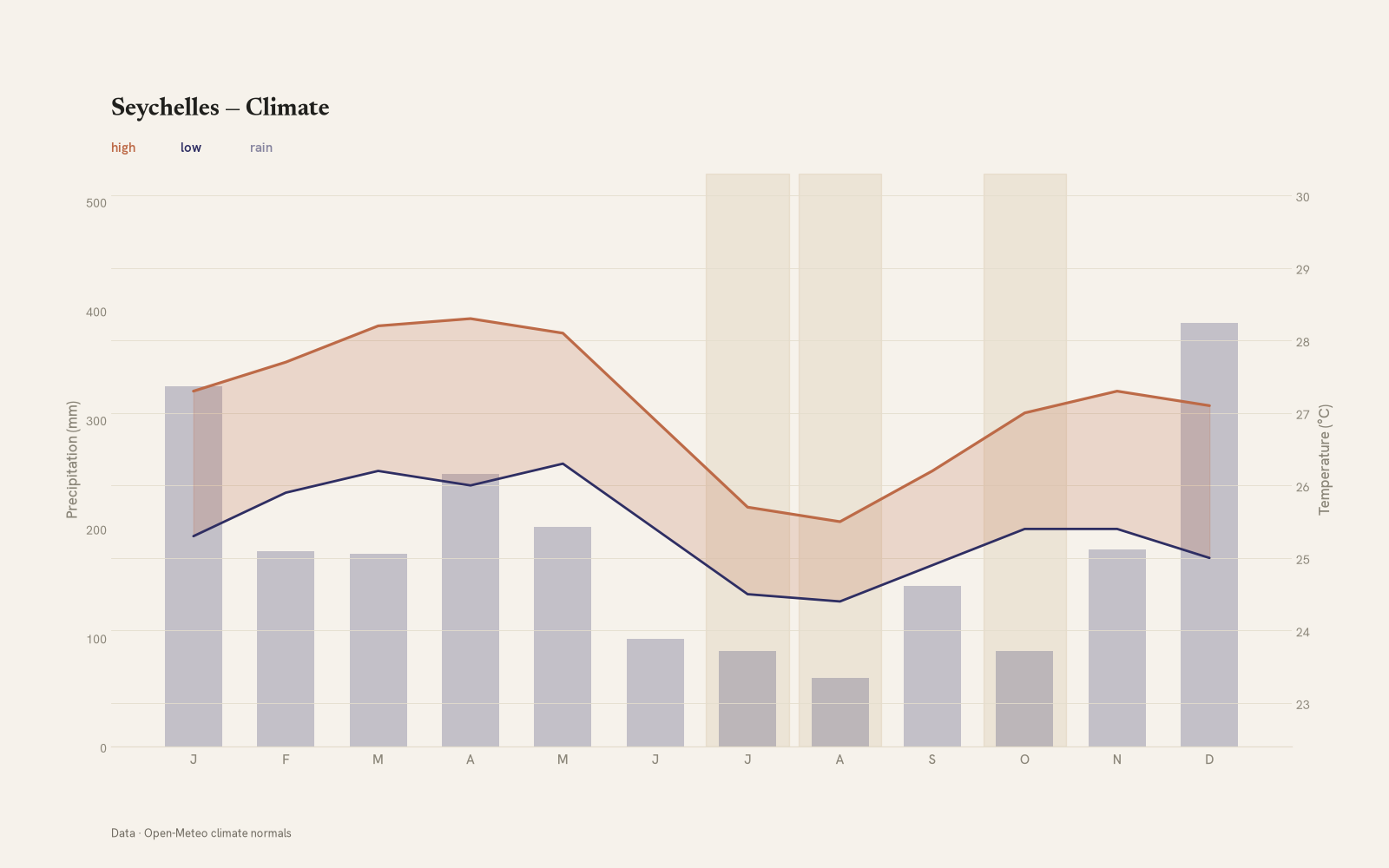
Weather & timing in Seychelles RIGHT NOW 27° cloudy

Best Jul–Aug, Oct · Shoulder Jun, Sep, Nov

  1. Jan / -4°
  2. Feb / -2°
  3. Mar 12° /
  4. Apr 18° /
  5. May 24° / 14°
  6. Jun 28° / 18°
  7. Jul 30° / 20°
  8. Aug 28° / 18°
  9. Sep 24° / 14°
  10. Oct 18° /
  11. Nov 12° /
  12. Dec / -2°

Best time to visit

April – May, October – November

Best for
  • Beaches
  • Snorkelling
  • Granite Coves
  • Island Hopping
At a glance
Sunshine 7 hr/day (est.)
Rain days 8 days/mo (est.)
Wettest December · 60mm
Driest June · 10mm
Part of East Africa →
By season
Spring (Mar–May)

What to expect — Daytime highs average about 18°C with overnight lows near 8°C, and it stays largely dry.

What's best — A quieter, less in-demand window than the shoulder months.

Summer (Jun–Aug)

What to expect — Daytime highs average about 29°C with overnight lows near 19°C, and it stays largely dry.

What's best — Jul and Aug are among the best time to visit — good weather with manageable crowds. Jun also works well.

Autumn (Sep–Nov)

What to expect — Daytime highs average about 18°C with overnight lows near 8°C.

What's best — Oct is among the best time to visit — good weather with manageable crowds. Sep and Nov also work well.

Winter (Dec–Feb)

What to expect — Daytime highs average about 7°C with overnight lows near -3°C.

What's best — Cold and quiet; some mountain roads and sights run reduced hours.

A little context

A little history

To read what you're looking at — the empires and eras that shaped Seychelles's food, art and streets.

The islands were uninhabited until French settlement from the 1770s, giving Seychelles its French-rooted Creole language, cuisine and Catholic culture
Britain took control under the 1814 Treaty of Paris, layering English administration and law over the French base to produce today's trilingual Creole/English/French society
independence in 1976 created the Republic of Seychelles, which pivoted to high-value tourism
the economy came to rest on tourism, tuna and pioneering marine conservation, with UNESCO's Aldabra Atoll and the Vallée de Mai underpinning its upmarket, eco-focused identity.
Before you book

Know before you go

The practical back-matter — safety, drones and the essentials, in one place.

Safety

Low risk FCDO advice →

Official UK Foreign, Commonwealth & Development Office guidance is the definitive source — check it close to your travel dates.

Drone rules (sub-250g)

  • Seychelles
    One of the easy ones. Register a drone over 200g free with the SCAA via an online form a couple of weeks ahead — no pilot licence, no permit hurdle for scenic flying and no customs seizure; genuinely sub-200g drones are exempt entirely. ⚠ No flying within 15km of an airport without SCAA/ATC permission; night flying is prohibited, keep line of sight and stay 50m from uninvolved people. National parks and nature reserves may set their own restrictions. Rules checked: Jul 2026

National parks, protected sites and religious/heritage venues often have their own rules and permits — always check the specific site before you fly.

The essentials

Plug & voltage Type G · 240V
Daily budget Expensive
Region Eastern Africa