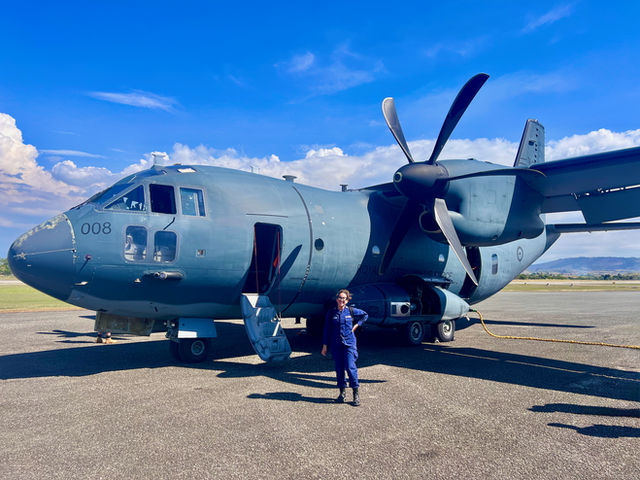
Solomon Islands — hero
← All destinations Country

Solomon Islands

A pristine South Pacific frontier of coral reefs, WWII wrecks and warm island villages, made for divers and true off-grid adventurers.

  • Currency $ Solomon Islands Dollar ($)
  • Language English
  • Best time May – October
  • Visa Visa-free (visitor permit on arrival, up to 30 days)
Why visit

Why Solomon Islands

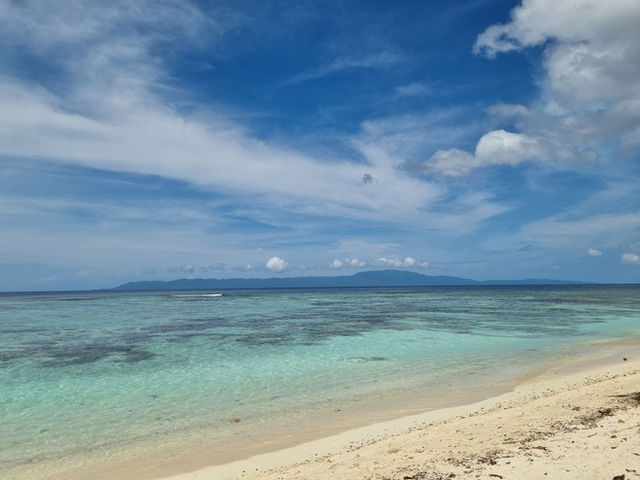
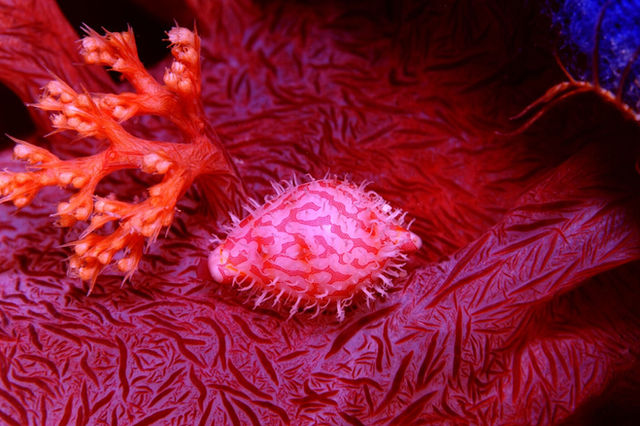
A pristine South Pacific frontier of coral reefs, WWII wrecks and warm island villages, made for divers and true off-grid adventurers.

  • WWII wreck diving in Iron Bottom Sound and Munda
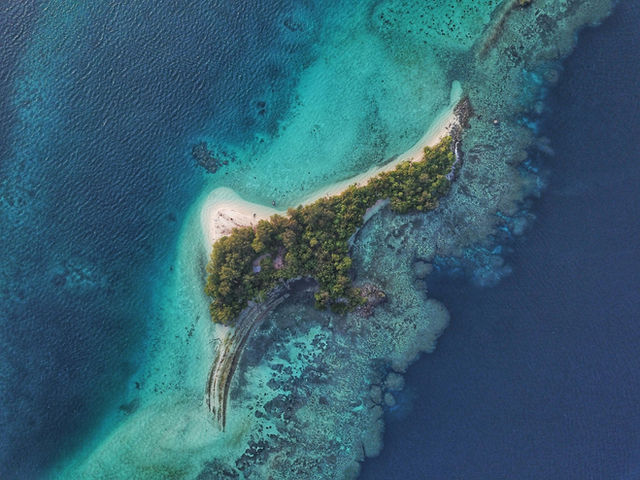
  • Marovo Lagoon, the world's largest saltwater lagoon
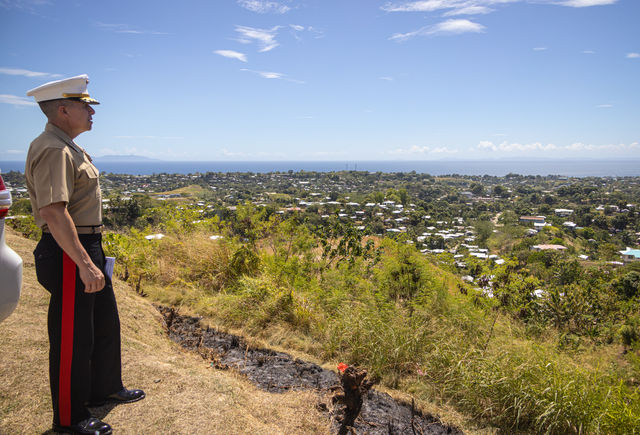
  • Guadalcanal WWII sites around Honiara
  • Melanesian village culture and wood-carving
Read more

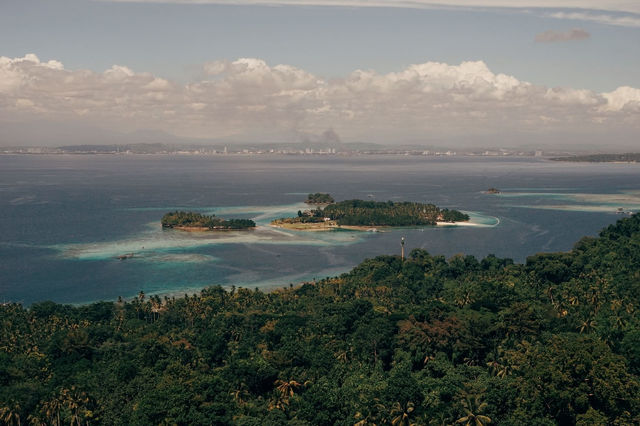
The Solomon Islands are the South Pacific at its most raw and real: a scatter of nearly a thousand islands where world-class diving meets living tradition and barely a crowd in sight. This is a genuine frontier for travellers who want wilderness over resorts.

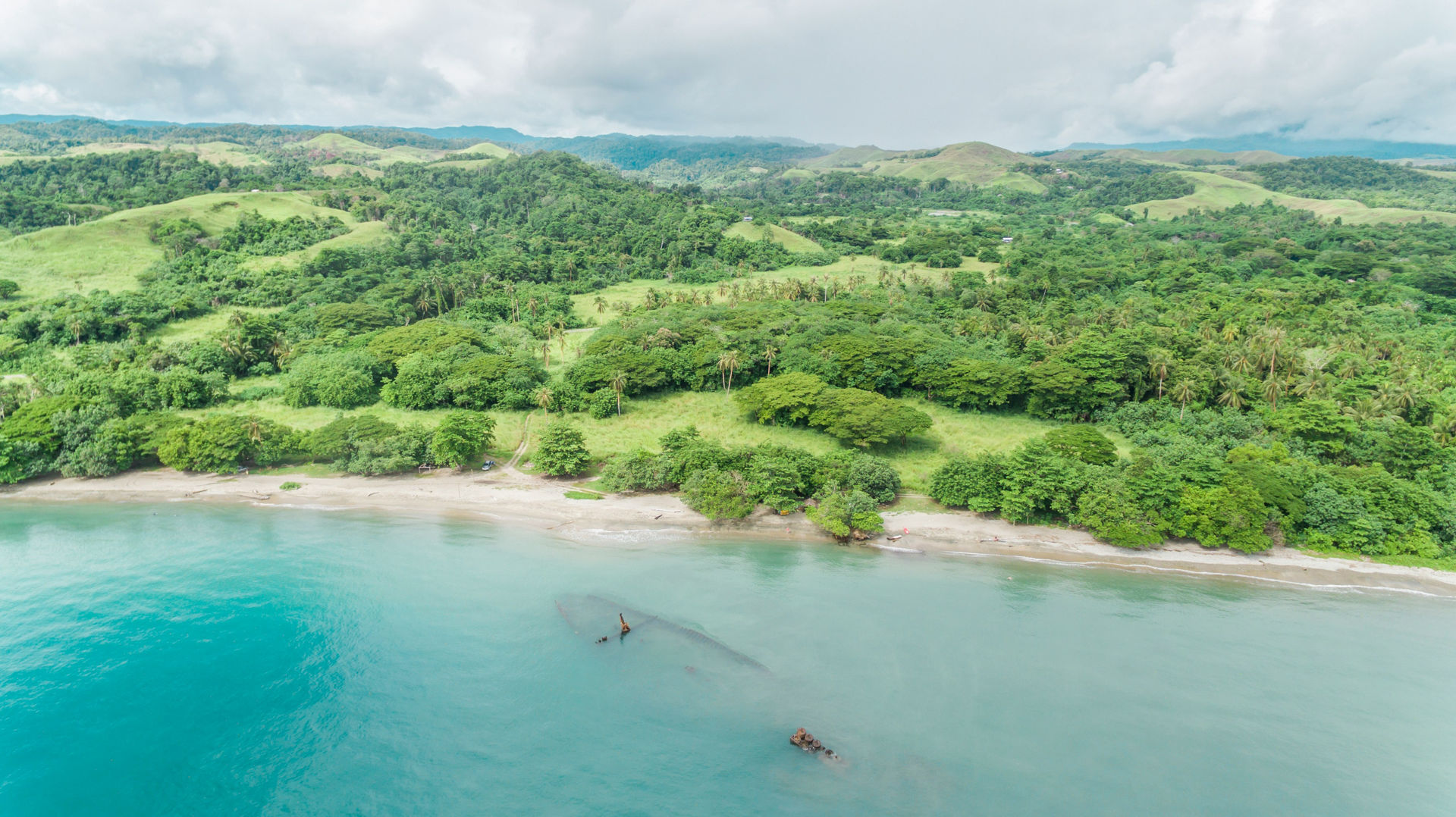
Beneath the surface lies the magic, from technicolour coral reefs to one of the planet's greatest concentrations of WWII wrecks in the legendary Iron Bottom Sound. Above it, rainforest-clad volcanoes, lagoons and palm-fringed beaches wait.

Travel here is community-led by nature: you stay in village guesthouses, hire local boatmen and dive with local operators, so your visit supports the people who call these islands home.

A pillar, not a footnote

Eat your way through Solomon Islands

The single reason many travellers come back — the food culture worth reshaping a trip around, and the dishes to seek out region by region.

Solomon Islands

Motu earth-oven feasts, taro pounded into poi, and reef fish over rice — Melanesian island cooking.

Solomon Islands food comes straight from the garden, the reef and the earth oven. The traditional communal method is the motu, hot stones under banana leaves steam-roasting root crops, fish and meat for a village feast; the dish many call national is poi, cooked taro pounded smooth and often enriched with coconut cream. Coconut runs through everything — milk and cream thickening stews and puddings, oil for cooking, grated flesh for flavour.

The everyday plate is humbler and cheap: grilled reef fish or tuna over rice, sold from roadside stalls and kai bars, with slippery cabbage greens softened in coconut cream. In the Western Province, prized almond-like ngali nuts are roasted and folded into puddings, and coconut crab is saved for special occasions. Buy the day's catch and betel nut at Honiara's Central Market, where a long Chinese trading history has left its own imprint on the pot.

Dishes to seek out
  • Motu (earth-oven feast)
  • Poi (pounded taro)
  • Fish and rice
  • Slippery cabbage (aibika in coconut cream)
  • Fish in coconut
  • Ngali nut (roasted canarium nut)
  • Coconut crab
Things to do

Nature, culture & hidden gems

Editorial content coming soon

We're hand-picking the standout places, hidden gems and can't-miss activities in Solomon Islands. Meanwhile, the cities above are a great starting point.

Plan your trip

Curated Solomon Islands itineraries

Browse all Solomon Islands trips →
When to go

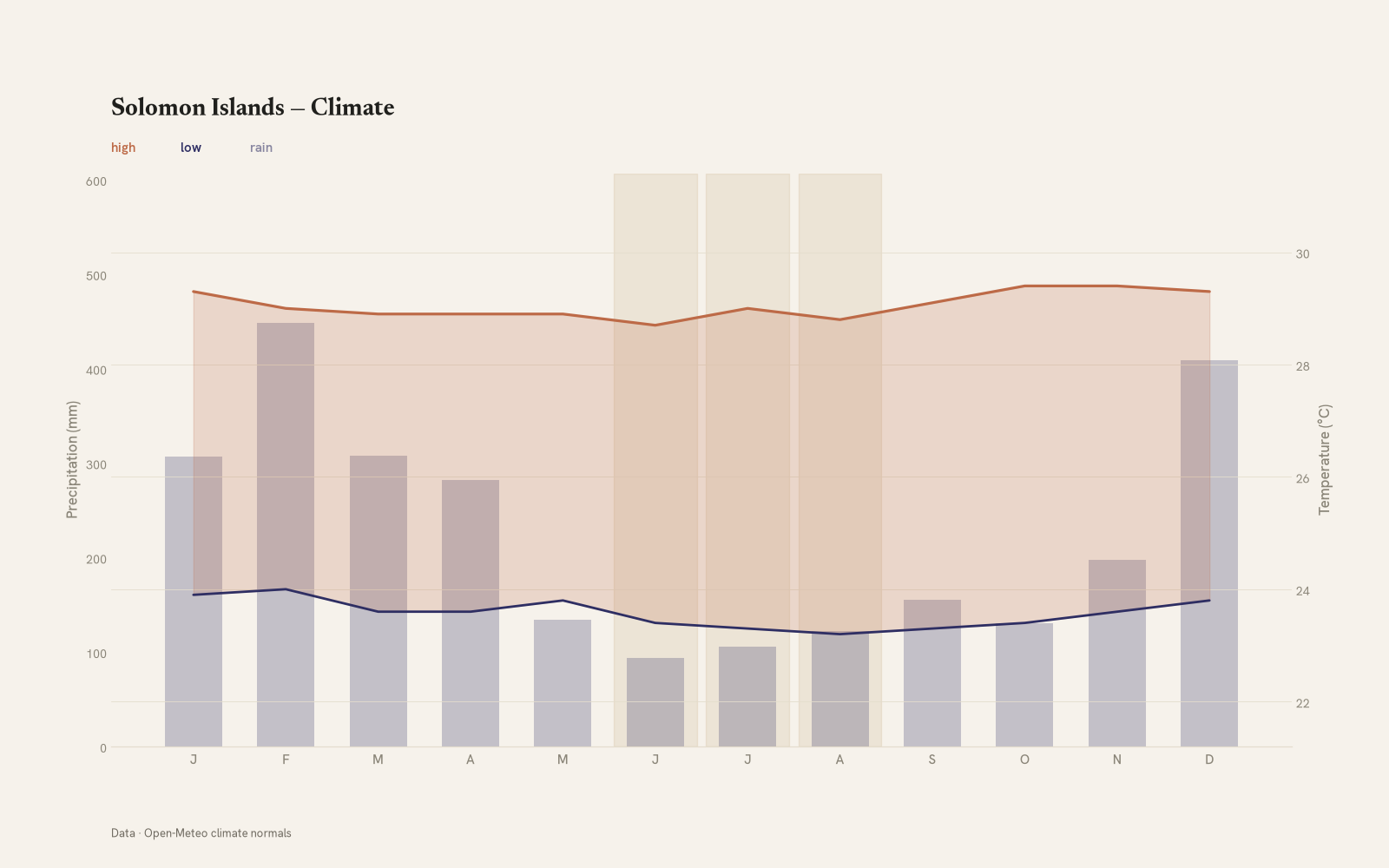
Weather & timing in Solomon Islands RIGHT NOW 24° rain

Best Jun–Aug · Shoulder May, Sep–Oct

  1. Jan / -4°
  2. Feb / -2°
  3. Mar 12° /
  4. Apr 18° /
  5. May 24° / 14°
  6. Jun 28° / 18°
  7. Jul 30° / 20°
  8. Aug 28° / 18°
  9. Sep 24° / 14°
  10. Oct 18° /
  11. Nov 12° /
  12. Dec / -2°

Best time to visit

May – October

Best for
  • Culture
  • Cuisine
  • Landscape
  • History
At a glance
Sunshine 7 hr/day (est.)
Rain days 8 days/mo (est.)
Wettest December · 60mm
Driest June · 10mm
Part of Pacific Islands →
By season
Spring (Mar–May)

What to expect — Daytime highs average about 18°C with overnight lows near 8°C, and it stays largely dry.

What's best — May is comfortable, with thinner crowds.

Summer (Jun–Aug)

What to expect — Daytime highs average about 29°C with overnight lows near 19°C, and it stays largely dry.

What's best — Jun, Jul and Aug are among the best time to visit — good weather with manageable crowds.

Autumn (Sep–Nov)

What to expect — Daytime highs average about 18°C with overnight lows near 8°C.

What's best — Sep and Oct are comfortable, with thinner crowds.

Winter (Dec–Feb)

What to expect — Daytime highs average about 7°C with overnight lows near -3°C.

What's best — Cold and quiet; some mountain roads and sights run reduced hours.

A little context

A little history

To read what you're looking at — the empires and eras that shaped Solomon Islands's food, art and streets.

Lapita seafarers and later Melanesian settlers peopled the archipelago, seeding some 70-plus languages and clan groups
Britain declared a protectorate in 1893, pulling the islands into plantation-labour colonial rule
the 1942–43 Guadalcanal Campaign was a pivotal WWII battle, leaving the wrecks of Iron Bottom Sound
independent from Britain in 1978
'The Tensions' of 1998–2003, an ethnic conflict over land, ended only with an Australian-led intervention
Before you book

Know before you go

The practical back-matter — safety, drones and the essentials, in one place.

Safety

Low risk FCDO advice →

Official UK Foreign, Commonwealth & Development Office guidance is the definitive source — check it close to your travel dates.

Drone rules (sub-250g)

  • Solomon Islands
    CAASI-regulated under Part 101: drones must be registered and pilots authorised — tourists included — flown below 122m in sight, daytime, and 4km from any airport, with landowner permission over private land. ⚠ Foreign operators are expected to register and hold CAASI pilot authorisation via application to the Director, so arrange clearance ahead of travel; avoid Honiara's Henderson Airport and government/port areas. Rules checked: Jul 2026

National parks, protected sites and religious/heritage venues often have their own rules and permits — always check the specific site before you fly.

The essentials

Plug & voltage Type G/I · 220V
Daily budget Moderate to expensive
Region Melanesia