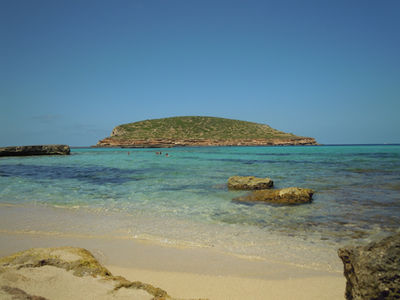
 Swimming © stavros1 · CC BY 3.0
 Cala Comte (Cala Conta)
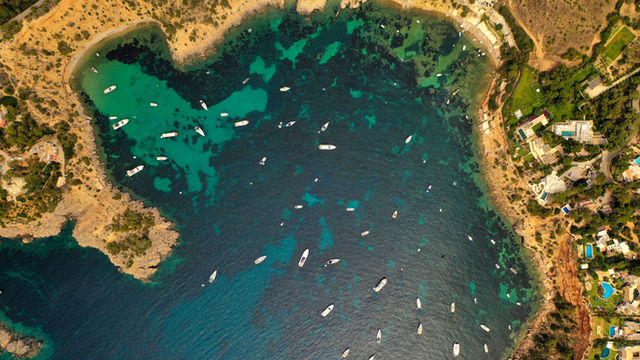
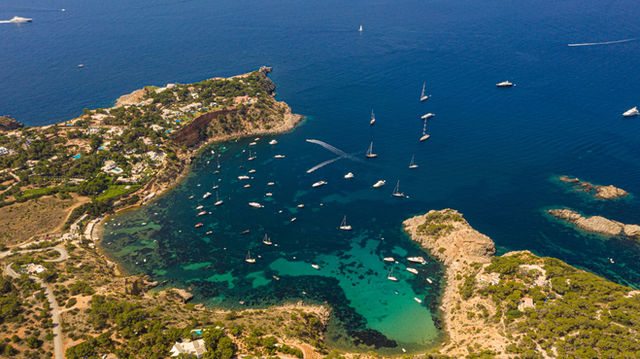
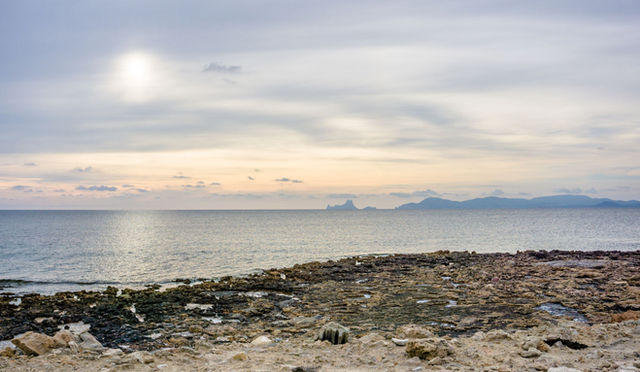
Twin low-slung coves of shallow turquoise water over pale sand, with rocky islets to swim toward.
Best for turquoise swimming coves
A Balearic island of UNESCO-listed seagrass meadows, a medieval citadel, and waters so clear they look like glass.
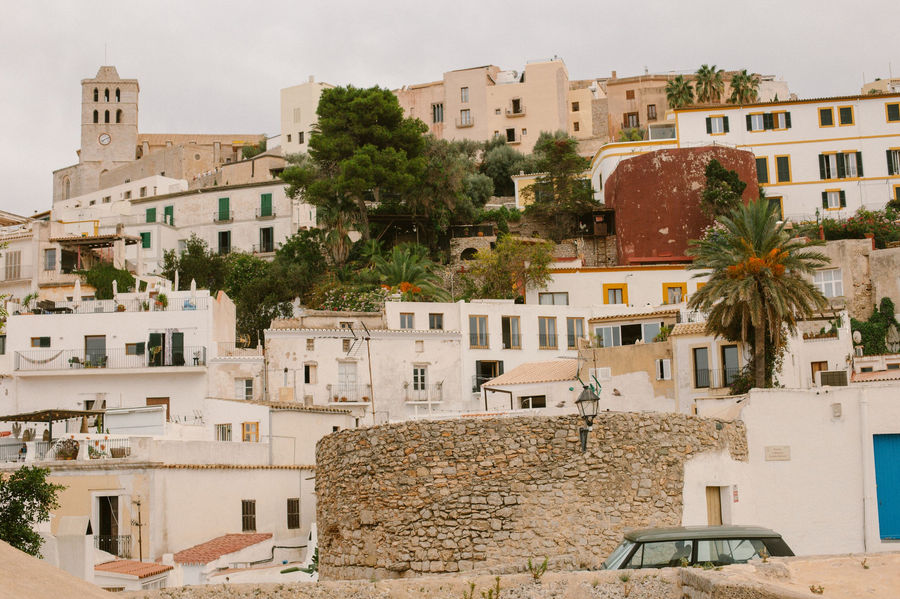
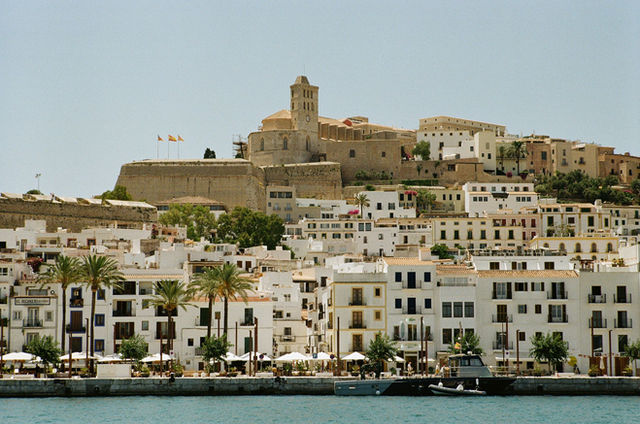
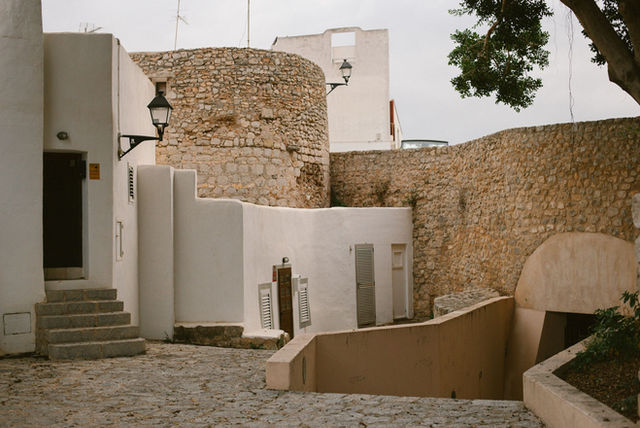
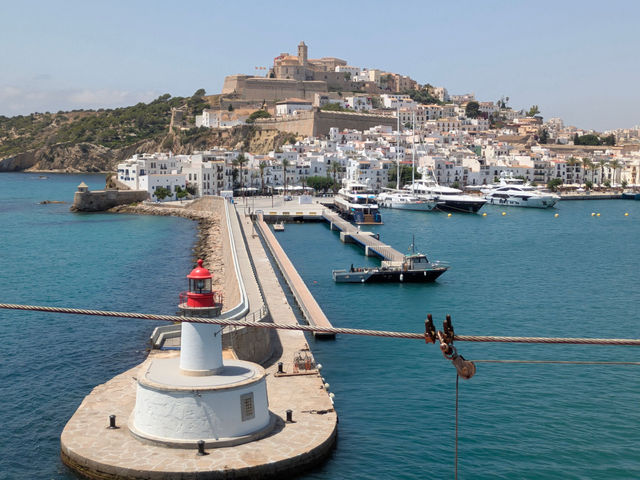
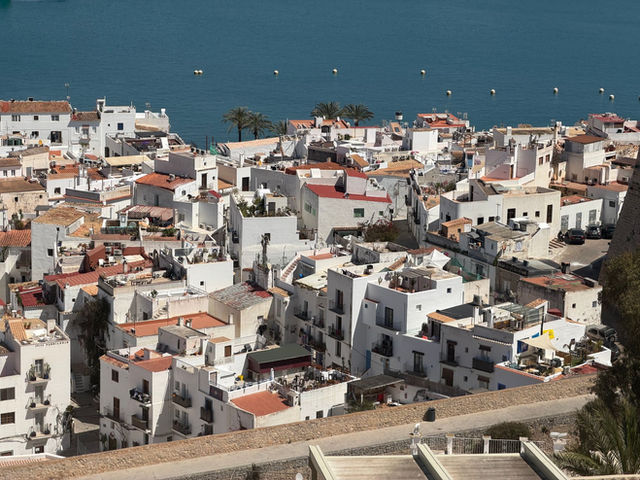
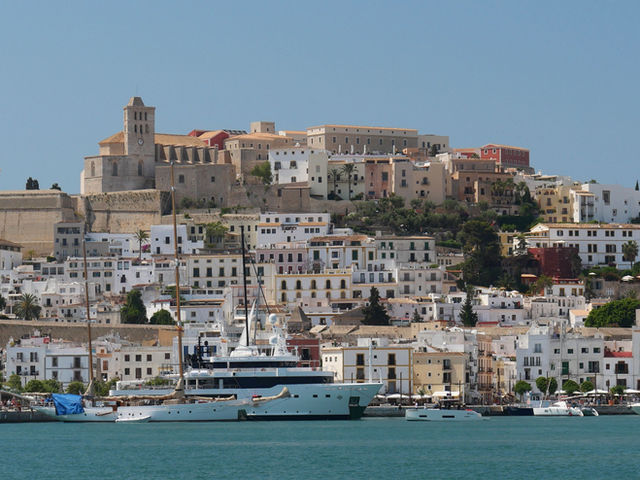
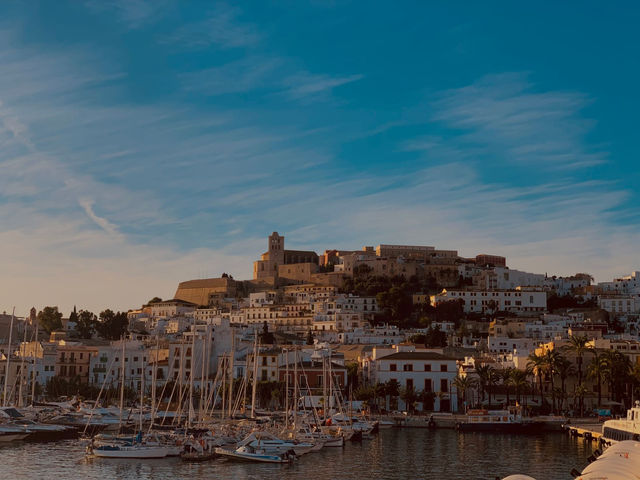
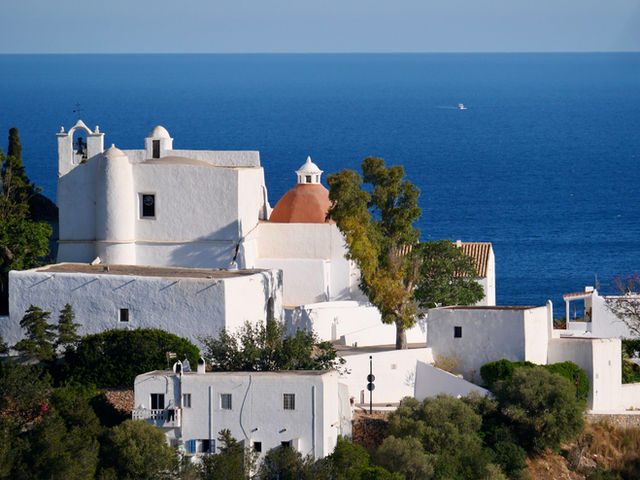
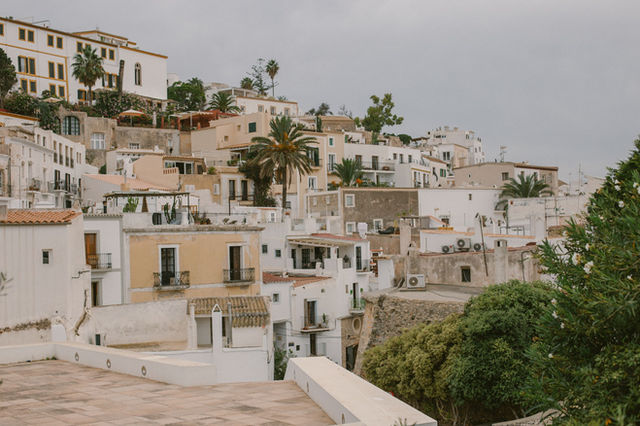
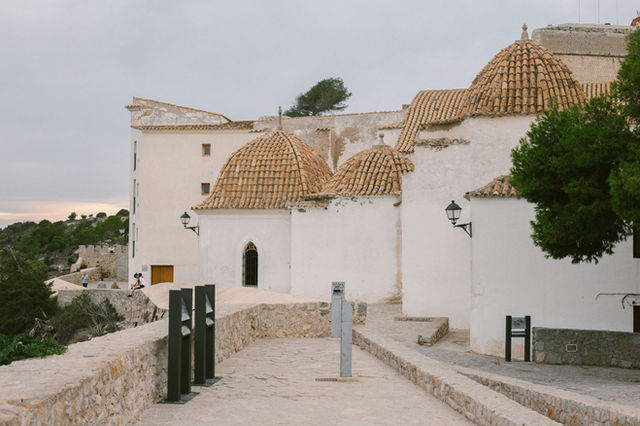
Ibiza is one of those places that arrives pre-loaded with a reputation — clubs, sunsets, celebrities — and then quietly astonishes you with everything else. On my first visit I drove past the port and up through the gates of Dalt Vila, the UNESCO-listed walled citadel that crowns the old town, and found myself in a Renaissance-era maze of cobbled lanes, cathedral spires and rampart views stretching to Formentera. The reputation had prepared me for none of it.
The UNESCO inscription tells the real story: Ibiza, Biodiversity and Culture (inscribed 1999, Mixed) is one of only a handful of World Heritage Sites recognised for both natural and cultural value simultaneously. The Posidonia oceanica seagrass meadows that carpet the seabed around the island are among the oldest and most biodiverse marine ecosystems in the Mediterranean — some individual meadows are estimated to be 100,000 years old. They are why Ibizan waters have that extraordinary clarity and why the beaches have fine, white, almost powder-soft sand. Above the waterline, Dalt Vila's fortifications date from the sixteenth century but layer over Phoenician, Roman, Moorish and Aragonese foundations. The island is, in every sense, deeper than it looks.
For families, this layered quality is the real draw. Teenagers who arrive expecting a party island find a place where they can snorkel above ancient seagrass, climb medieval ramparts, watch the sun set over Es Vedrà from a clifftop, and eat excellent food in a town square that has hosted markets for three thousand years. I always recommend arriving with an open mind — Ibiza rewards exactly that.
Ibizan food is rooted in Balearic peasant cooking — robust, unfussy and very good. Bullit de peix is the island's signature dish: a slow-cooked fish stew with potatoes and aioli, traditionally cooked in a pot over open flame. Sofrit pagès is a hearty meat stew (chicken, lamb, sausage) with potatoes and spices that was historically the celebratory dish at festivals. Greixonera is a sweet bread pudding made from the island's distinctive bread — leftovers transformed into something unexpectedly delicious. Cured meats, especially sobrassada (a soft, spiced sausage spread), appear on every tapas board and are a reliable favourite with teenagers.
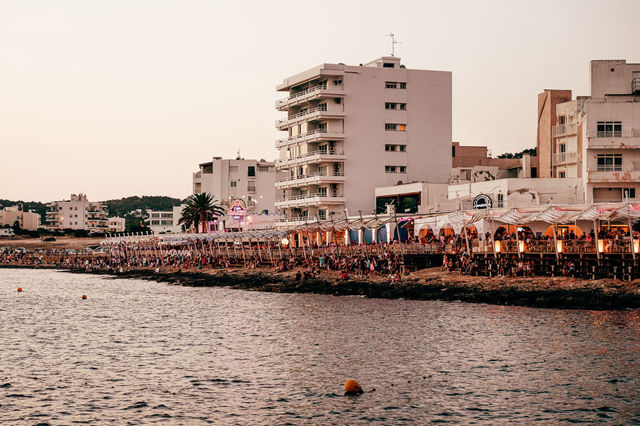
The area around Ibiza Town's old port has good seafood restaurants — look for places with daily fish menus rather than laminated tourist boards. Santa Eulària has the island's most approachable family dining scene: restaurants along the seafront promenade tend to be generous, fairly priced and welcoming to groups. Local markets (Las Dalias on Saturdays, Punta Arabí on Wednesdays) have excellent food stalls for a casual lunch — empanadas, fresh fruit, local cheeses. Inland villages like Sant Joan and Sant Carles have small bar-restaurants serving traditional Ibizan food at honest prices, well away from tourist markups.
The island produces Hierbas Ibicencas, a herbal liqueur made from wild herbs — anise, rosemary, thyme — that locals drink after meals. Fresh fruit juices and granizados (crushed-ice drinks) are widely available for non-drinking family members and are excellent in the heat.


Live map of hotels and villas around Ibiza — powered by Stay22. Pan, zoom and compare live prices to pick your base.
Pan, zoom and compare live prices — every stay in one map.
Ibiza has no metro or tram network. The island is compact enough that most families get around with a combination of buses and taxis, or by hiring a car for greater flexibility. The road network is good; distances are short — Ibiza Town to Santa Eulària is 15 km, to Sant Antoni is 16 km, to the southern beaches around 10 km.
Ibiza's public bus network (operated by Autocares Valle) covers the main towns and many of the popular beaches in summer. The main lines run from Ibiza Town's bus station on Avenida Isidor Macabich to Santa Eulària, Sant Antoni, Sant Josep, the airport and several beaches. Buses are inexpensive and reliable for the main routes but can be slow in summer traffic. Timetables are available at the bus station and online. For remote beaches or inland villages, buses are less useful.
Taxis are plentiful in Ibiza Town, Santa Eulària and Sant Antoni and are metered. They are the easiest option for beach hops and evening returns from the old town. For a family of five, a taxi is often similar in price to five bus tickets. Book ahead for late-night returns in July and August — availability drops and wait times can be long after midnight. Uber does not operate on Ibiza; stick to licensed taxis from official ranks or ask your accommodation to call one.
Hiring a car gives families the most freedom — essential for reaching inland villages, quieter beaches and the Es Vedrà viewpoint. Most major hire companies operate from the airport; booking in advance online is significantly cheaper than walk-up rates. Note that some beaches (Ses Salines, Cala d'Hort) have limited parking in summer and access can be restricted at peak hours. An estate or seven-seater is comfortable for five people with beach bags.
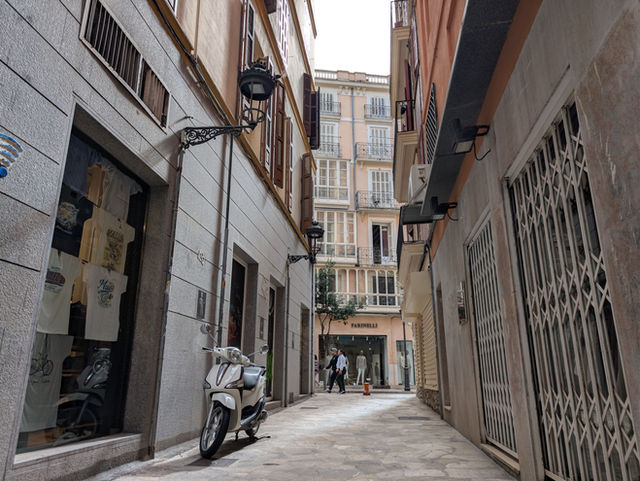
Ibiza Town's old port, Marina and Dalt Vila are very walkable — the whole lower town is navigable on foot and the climb into Dalt Vila takes about 15 minutes from the waterfront. Santa Eulària's promenade and town centre are similarly pedestrian-friendly. Outside town centres, walking between beaches is rarely practical given the distances and summer heat.
Five to seven days gives a family enough time to do Dalt Vila justice, snorkel the Posidonia meadows, visit several beaches, see Es Vedrà at sunset and explore Santa Eulària without rushing. A long weekend of three to four days works if you prioritise the UNESCO sites and one or two beaches, but you'll feel pressed. A week is my preferred recommendation for families — the island reveals itself slowly.
Very much so, and often more than parents expect. Teens who arrive anticipating a party island tend to be genuinely surprised by the depth of history, the quality of the snorkelling and the dramatic scenery around Es Vedrà. The island rewards curiosity. The nightlife areas are self-contained and easy to avoid entirely if that's your preference — most of the best family experiences are nowhere near the club zones.
Absolutely. The UNESCO designation covers two distinct things, and both land well with teenagers. Dalt Vila rewards a slow walk with some background reading — the Phoenician walls, the Cathedral views and the small archaeology museum inside the citadel make the history concrete and visual. The Posidonia snorkelling is the bigger hit: seeing an ancient seagrass meadow up close, ideally with a guide who explains what they're looking at, is a genuinely memorable experience that connects environmental science to a real place. I'd combine both in the same trip rather than choosing between them.
Ses Salines (south coast) is wide, calm and backed by a natural park — one of the finest family beaches on the island. Cala Bassa (west coast) has very shallow, sheltered water ideal for younger swimmers. Cala Llenya (northeast) is quieter, with calm water and less infrastructure than the resort beaches. All three have some degree of amenities (sun loungers, beach bars) while remaining genuinely beautiful rather than overdeveloped.
July and August at peak — specifically the two middle weeks of August — bring the highest prices, the most crowded beaches and the greatest difficulty in finding accommodation at reasonable rates. The experience is still enjoyable but noticeably more expensive and busier. If school calendars allow, late June or the first two weeks of September are significantly better value without a meaningful drop in weather quality.
Not essential if you're based in Ibiza Town or Santa Eulària and happy to use taxis and buses. A hire car makes a real difference for reaching the island's quieter beaches, the Es Vedrà viewpoint, inland villages and Sa Caleta. For a week-long family trip, I'd lean toward hiring one for at least three or four days — the flexibility is worth it and distances are short enough that petrol costs are modest.
Formentera is 35 minutes by fast ferry from Ibiza Town's port, and it is genuinely worth a full day trip for families. The water around Formentera — particularly at Ses Illetes beach — is among the most extraordinarily clear and shallow in the entire Mediterranean. Day ferries run frequently in summer; book the early boat and return on the late afternoon one to maximise time. It's one of those places that photographs beautifully and looks even better in person.
 NOW
NOW Barcelona, Spain
25 JUN – 25 SEP · on now
 NOW
NOW Seville, Spain
9 SEP – 3 OCT · on now
 19 SEP
  15 MAR
  18 APR
 The 6 shores actually worth the trip on Ibiza — ranked, with the vibe of each and where to stay nearby. Tap a card to fly the map to it.
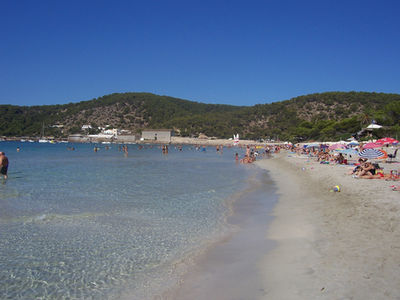
Swimming © stavros1 · CC BY 3.0 Twin low-slung coves of shallow turquoise water over pale sand, with rocky islets to swim toward.
Best for turquoise swimming coves
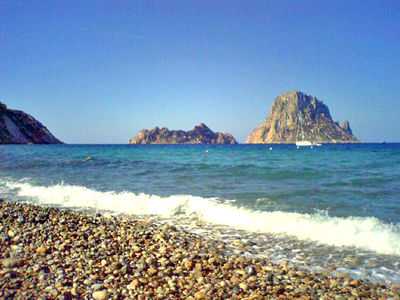 Dramatic © Josep (xamonich) · CC BY-SA 2.0
 South-facing sand cove framed by the towering Es Vedrà rock rising straight out of the sea offshore.
Best for Es Vedrà views
 Party © Zavijavah · CC BY-SA 3.0
 Long white-sand strip backed by dunes and salt flats, buzzy with beach bars and see-and-be-seen crowds.
Best for beach bars & sunbathing
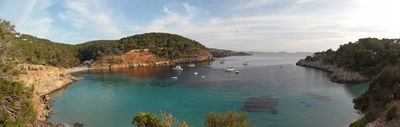 Secluded © Enrique Ayesta Perojo · CC BY-SA 4.0
 Small pine-fringed cove of clear water tucked below red cliffs north of Sant Antoni.
Best for quiet clear-water swim
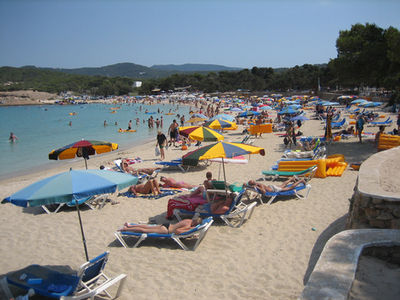 Family © Eduardo Pitt · CC BY-SA 2.0
 Broad, calm bay with shallow water and pines for shade, plus full amenities that suit young kids.
Best for easy family beach day
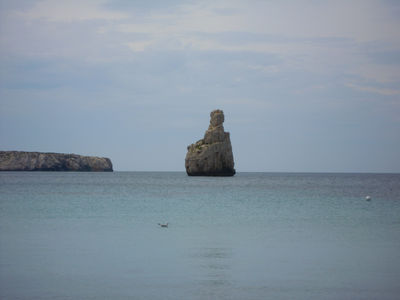 Sunset © stavros1 · CC BY 3.0
 North-coast cove where Sunday drummers play as the sun drops behind the Cap Bernat rock.
Best for sunday drum sunsets
Ibiza · Around the island · 1 island · 6 beaches
Skip-the-line tickets and small-group tours in Ibiza — compare across our partners.
We're still curating hand-picked tickets and tours for Ibiza. In the meantime, the map above and the nearby cities are a great place to start.
May – June, September – October
Summer (June–August) is the peak: temperatures sit between 28°C and 34°C, skies are reliably blue and the sea reaches a swimmable 27°C. It is also the most crowded and expensive period, with flights and accommodation at a premium. If you do visit in July or August, book everything well in advance.
Late spring (May) and early autumn (September–October) are the sweet spots for families. Temperatures are warm (22–28°C), the sea is still excellent for swimming, crowds are thinner and prices are meaningfully lower. I found September particularly beautiful — the light is golden, the beaches are quieter and you can actually hear yourself think at Dalt Vila.
Spring (March–April) brings wildflowers to the island's interior and mild walking weather (15–20°C), though the sea is cool for swimming. A good choice if your teenagers are more interested in hiking and history than beach days.
Winter (November–February) is quiet, with many hotels and restaurants closed. Temperatures drop to 10–15°C. The island has a small community feel out of season but is genuinely limited as a family holiday destination.
May and September are the standout months — warm enough for sea swimming, quiet enough to enjoy the UNESCO sites properly, and priced more reasonably than high summer. October works well if your teens are happy with cooling sea temperatures.
~£110–£160/day mid-range (budget: ~£65/day; peak summer: £200+/day)
Almost all UK families arrive at Ibiza Airport (IBZ), which sits about 7 kilometres southwest of Ibiza Town. From London, direct flights take approximately 2 hours 20 minutes; British Airways, easyJet, Jet2 and Vueling all operate the route from Gatwick, Heathrow, Stansted, Luton and several regional airports. Fares vary enormously by season — expect to pay significantly more in July and August. Flying into May or September typically saves a meaningful amount compared to peak summer. The airport is small and manageable; getting through arrivals rarely takes long outside peak hours.
From the airport to Ibiza Town, taxis take around 15 minutes and are metered. A family of five travelling with luggage will find a taxi straightforward — ask for a licensed cab from the official rank outside arrivals. Buses (line L9) also connect the airport to Ibiza Town's bus station, running every 20–30 minutes in summer for a fraction of the taxi fare.
Ferries operate from Barcelona (around 8–9 hours overnight) and Valencia (around 6 hours) to Ibiza Town's port. Baleàlia and Trasmediterránea are the main operators. An overnight crossing with a cabin is a reasonable option if you're driving down through Spain; for a fly-direct UK family it is not a practical route, though it can be a scenic adventure if you're already in mainland Spain.
Flights, airport transfers and car hire — search and compare without leaving the page.
Parking, holiday extras, and more — coming soon.
We're lining up parking, holiday extras and activities you'll be able to add to any trip from here.