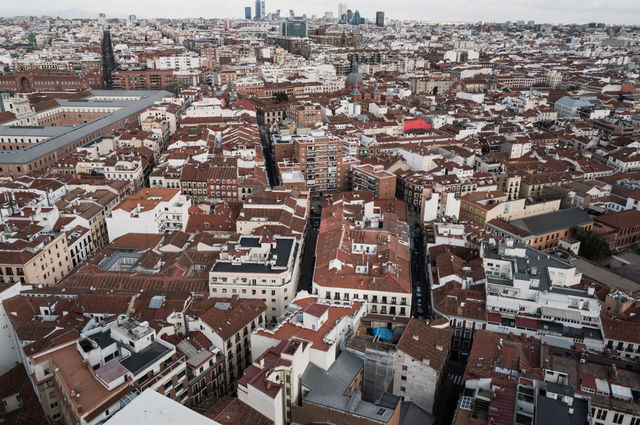
Madrid
Spain's sun-drenched capital: world-class art, late-night tapas culture, and a buzzing energy that keeps the whole family captivated.
- City
- April – June, September – October
- MAD
- 4–5 days (3 days for highlights; 5–7 days to include day trips)
About Madrid
Why go
Highlights
- Prado Museum — Velázquez, Goya, El Greco
- Reina Sofía — Guernica and Dalí
- Retiro Park Sunday morning walk
- Tapas bar-hopping in La Latina
- Rastro flea market (Sundays)
- Churros con chocolate at San Ginés
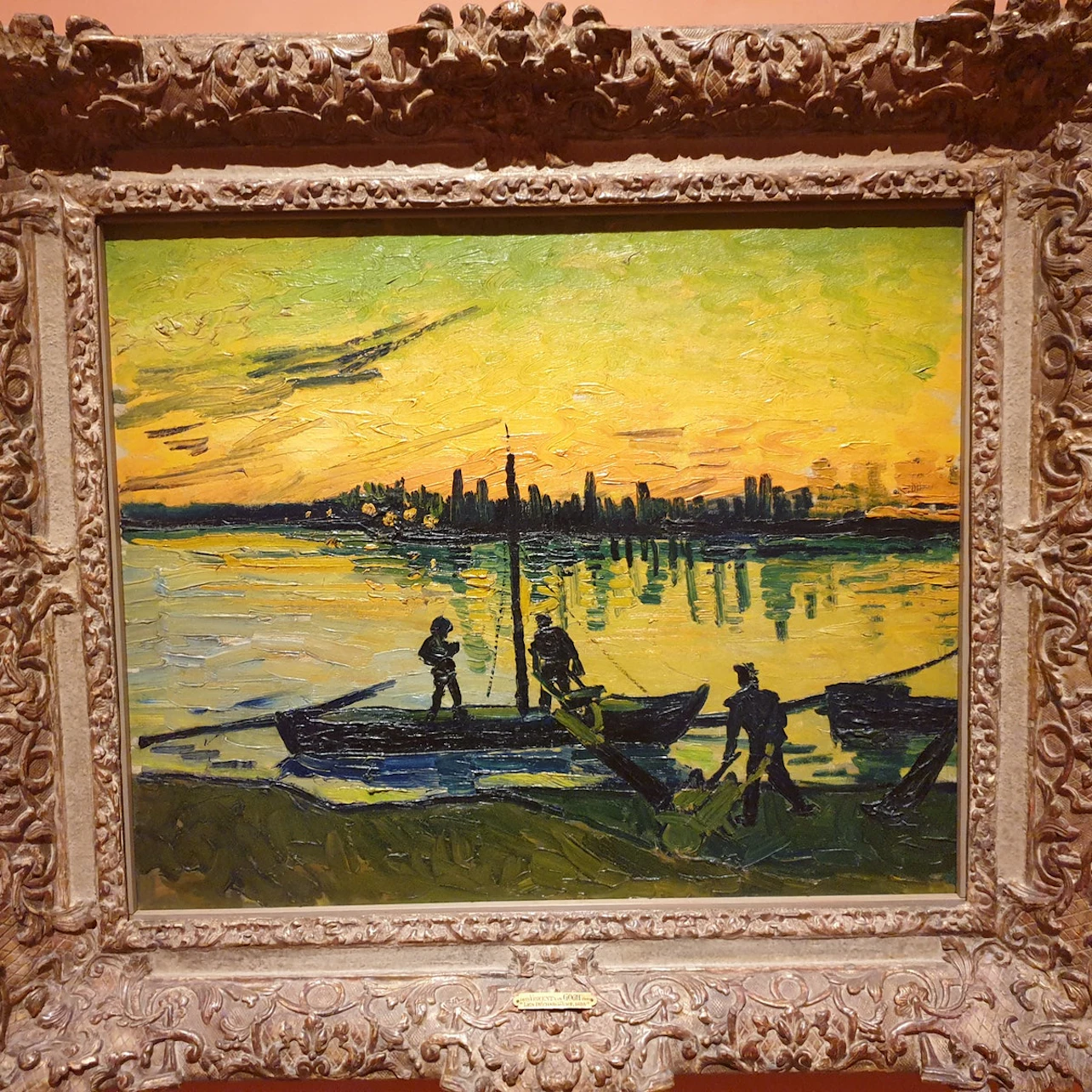
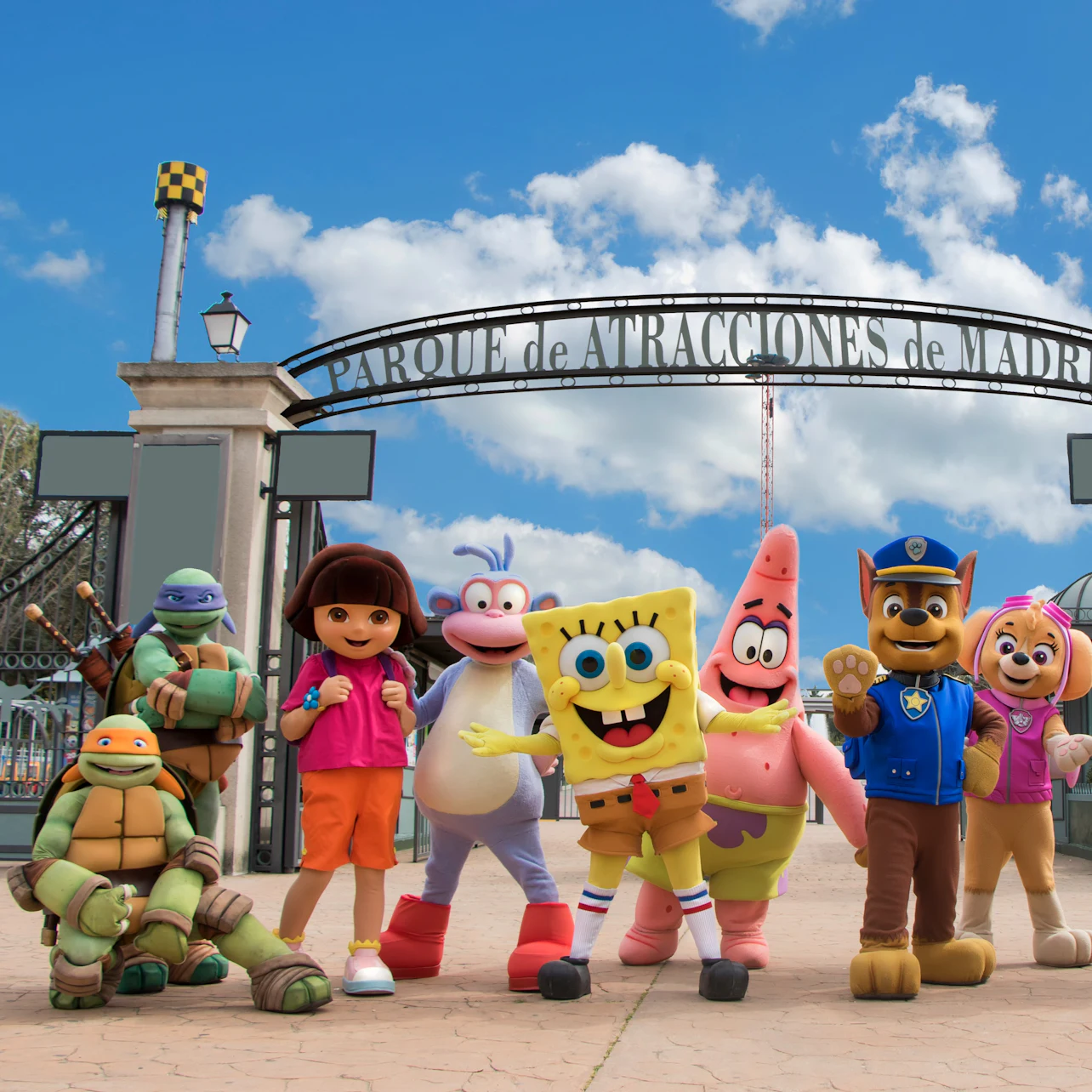
Madrid in photos
Neighbourhoods
Neighbourhood-by-neighbourhood guides to Madrid are on the way.
Where you'll stay in Madrid
Live map of hotels and villas around Madrid — powered by Stay22. Pan, zoom and compare live prices to pick your base.
Hotels & rentals around Madrid
Pan, zoom and compare live prices — every stay in one map.
Getting around Madrid
Metro
Madrid's Metro is one of Europe's most extensive and efficient urban networks — 12 lines, over 300 stations — and is the backbone of getting around the city. Clean, air-conditioned, and generally reliable even in summer. The Tarjeta Multi (ten-trip card, approximately €12.20 for Zone A) is shareable between family members and substantially cheaper than individual tickets.
Buses
EMT buses cover the entire city including areas between Metro stations. The same Tarjeta Multi or Tourist Travel Pass is valid on all EMT buses. Bus 27 (Gran Vía to Atocha) and Bus 1 (Sol to Retiro) are tourist-useful routes.
Tourist pass
The Abono Turístico (Tourist Travel Pass, 1–7 consecutive days) covers unlimited Metro, EMT bus and Cercanías suburban rail within Zone A — excellent value for an active first visit with multiple daily journeys.
Walking
Central Madrid is genuinely walkable: Puerta del Sol to the Prado is approximately 15–20 minutes on foot through the Paseo del Prado boulevard. The Gran Vía to Malasaña corridor and the Lavapiés neighbourhood are all comfortable on foot.
Taxis & ride-hailing
Taxis are metered, available throughout the city and reasonably priced. Cabify and Bolt operate widely. Avoid driving in the central Madrid Central low-emission zone — restrictions are strictly enforced and fines issued automatically to non-exempt plates.
Networks
The Consorcio Regional de Transportes de Madrid (CRTM) integrates Metro (12 lines, 300+ stations), EMT buses, Cercanías suburban rail, and Metro Ligero (light rail) into a single zone-based fare system. Zone A covers the entire city centre and inner suburbs — where virtually all tourist activity takes place.
Ticketing
The Tarjeta Multi (contactless card, purchased at any Metro machine for a small deposit) loads ten-trip bonos or Tourist Travel Passes. The 10-trip Zone A bono is approximately €12.20 and shareable — one card can be used for multiple people travelling together, tapping once per person per journey.
Passes
The Abono Turístico Tourist Travel Pass provides unlimited journeys on Metro, EMT bus and Cercanías for 1 day (€8.40), 2 days (€14.20), 3 days (€18.40) up to 7 days (€35.40) — all within Zone A. Worthwhile if making four or more journeys per day.
Night services
The Metro runs until approximately 01:30 (02:00 on Fridays and Saturdays). Night buses (Búhos, owl-branded) cover the main city corridors from midnight to approximately 05:30 when the Metro is closed. All Nocturnos buses depart from Cibeles (Calle de Alcalá junction).
Insider tips
Free museum evenings
The Prado is free on weekdays from 18:00–20:00 and on weekends from 17:00–19:00. The late afternoon light through the galleries is extraordinary and the visitor numbers are manageable. The Reina Sofía is free Monday and Wednesday–Saturday from 19:00–21:00, and Sundays 13:30–19:00. Book a timed-entry slot online even for free periods to avoid queuing.
Menú del día
Eat your main meal at lunch using the menú del día — three courses with bread and a drink at a proper mid-range restaurant for €12–15. This is the correct local approach to eating well in Madrid on a sensible budget, and produces consistently better value and food than dinner at equivalent establishments.
Retiro park
The Palacio de Cristal (Crystal Palace) in Retiro Park is a spectacular 19th-century glass-and-iron greenhouse used for free rotating contemporary art installations from the Reina Sofía collection. It is consistently one of the most beautiful spaces in Madrid and virtually unknown to first-time visitors.
Sunday Rastro
The El Rastro Sunday flea market (La Latina, every Sunday 09:00–15:00) is one of Europe's largest. Arrive before 10:00 for the best finds and before the crowd makes movement difficult; by noon it is extremely congested. Keep bags secured — it is a known pickpocket location.
Frequently asked
How many days do I need in Madrid?
Three full days covers the Prado, Reina Sofía, Thyssen-Bornemisza, Retiro park, the historic centre (Sol, Plaza Mayor, La Latina) and several proper meals. Four to five days allows a day trip to Toledo (30 minutes by AVE) or Segovia (30 minutes by Alvia) — both outstanding half-day or full-day excursions from Madrid.
Is Madrid good for families with teenagers?
Very much so. World-class art museums (free for under-18s at Prado, Reina Sofía and Thyssen), the Bernabéu stadium experience (Real Madrid), the energy of Gran Vía and Malasaña, excellent food markets and Retiro park all work well for older children. The late-dinner culture suits families with teenagers more than families with young children.
How do I get from the airport to the centre?
Metro Line 8 (Línea Exprés Aeropuerto, pink line) from Terminals 1–4 to Nuevos Ministerios takes approximately 12–15 minutes plus a small airport supplement (total fare approximately €5). The Bus Exprés Aeropuerto (line 203) runs 24 hours, is cheaper, and connects to Cibeles and Atocha in approximately 40 minutes — the best option for late-night arrivals when the Metro is closed.
Do people in Madrid speak English?
Yes in hotels, major museums, tourist-facing restaurants and central shops. Less so in traditional tabernas, local markets and neighbourhood bars. Basic Spanish phrases are appreciated everywhere and consistently produce a warmer response.
Are museums free for children?
Entry to the Prado, Reina Sofía and Thyssen-Bornemisza is free for children under 18 — verify the current age threshold at each venue as policies occasionally change. The Paseo del Arte combined ticket bundles all three museums at a saving for adults.
What is the best day trip from Madrid?
Toledo is the classic answer — a walled hilltop city of extraordinary medieval El Greco churches, Jewish quarter and Arabic fortifications, 30 minutes by AVE from Atocha. Segovia (30 minutes by Alvia train) offers the best-preserved Roman aqueduct in the world and the Alcázar castle — equally outstanding and slightly less touristy than Toledo.
While you're there
Explore the area
Local attractions & tours
Skip-the-line tickets and small-group tours in Madrid — compare across our partners.
Best time to visit Madrid
April – June, September – October
Summer (June–September)
Madrid has one of continental Europe's most extreme summer climates — hot and dry, regularly reaching 35–40°C in July and August. Many Madrileños leave in August; some local restaurants close. The Prado and Reina Sofía are blissfully air-conditioned but sustained outdoor sightseeing in peak heat is punishing. Strategy: early morning sightseeing before 11:00 and after 18:00, long indoor lunch break.
Spring (March–May)
Excellent: warm at 16–22°C, the city alive with locals reclaiming terraces, Retiro park in bloom. Late April and May are outstanding — the best light of the year, comfortable sightseeing temperatures and the city at its most animated.
Autumn (September–October)
The city regains its rhythm as Madrileños return from August. September and October combine warm temperatures (18–24°C), excellent light and manageable crowds. The transition from summer heat to autumn crispness produces some of the finest terrace evenings of the year.
Winter (December–February)
Cool and occasionally cold: 2–10°C with rare but memorable snowfall. Museum visits, Christmas lights along Gran Vía and Serrano, and a quieter, more authentically local city are the compensations. January and February are the cheapest months for flights and accommodation.
Best months
Late April to early June and September to October. Avoid mid-July to mid-August unless you are specifically seeking summer heat and are prepared to adjust your schedule around the hottest hours of the day.
Getting there
By air
Direct flights from Heathrow, Gatwick, Stansted and Luton connect London to Madrid in approximately 2h15–2h30. British Airways, Iberia, easyJet and Ryanair all serve the route; fares under £100 return are readily available booked several weeks ahead. Adolfo Suárez Madrid–Barajas Airport (MAD) is connected to the city centre by Metro Line 8 (Línea Exprés Aeropuerto) in 25–30 minutes — note that the airport supplement brings the total fare to approximately €5. The 24-hour Bus Exprés Aeropuerto (line 203) is cheaper and connects to Atocha and Cibeles in around 40 minutes.
By train
Spain's AVE high-speed rail network radiates from Madrid Atocha and Chamartín: Barcelona is 2h30, Seville 2h30, Valencia approximately 1h45 and Málaga approximately 2h30. No practical rail route connects London to Madrid directly — the journey via Paris and the Pyrenees exceeds 10 hours; flying is the only practical option.
- Adolfo Suárez Madrid–Barajas Airport (MAD)
- Valladolid Airport (VLL)
- Toledo Airport (TOJ)
- Salamanca Airport (SLM)
Ready to book your trip?
Flights, airport transfers and car hire to MAD — search and compare without leaving the page.
More trip extras
Parking, holiday extras, and more — coming soon.
We're lining up parking, holiday extras and activities you'll be able to add to any trip from here.