← Spain
SPAIN · CITY

Ávila

A high Castilian town encircled by the most complete medieval walls in Europe — birthplace of St Teresa.

  • City
  • May, June and September — mild; winters are bitterly cold
  • ~approx 1 day
  • Complete Medieval Walls
  • Fortress-Cathedral
  • St Teresa's City
  • High Castilian Plain

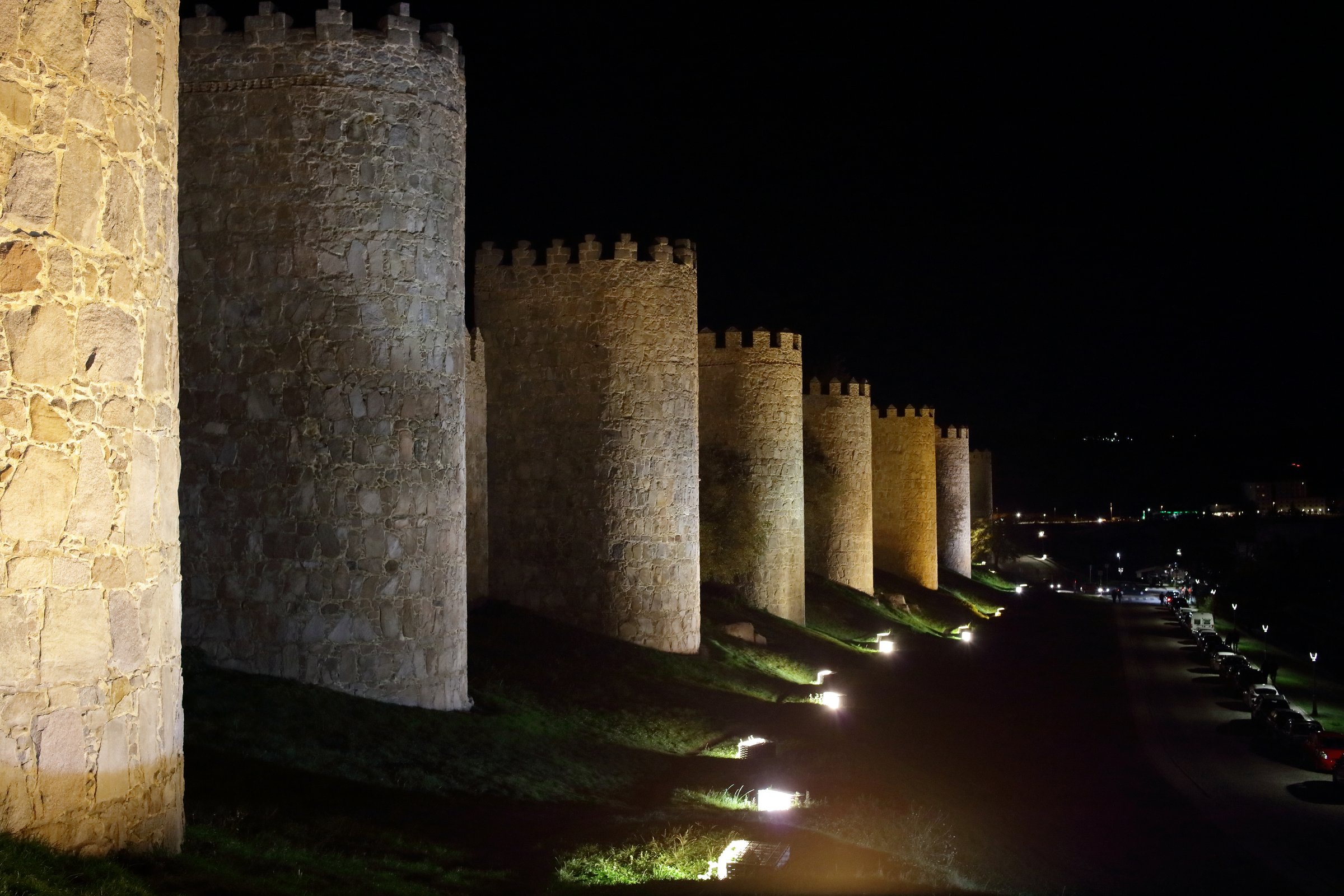
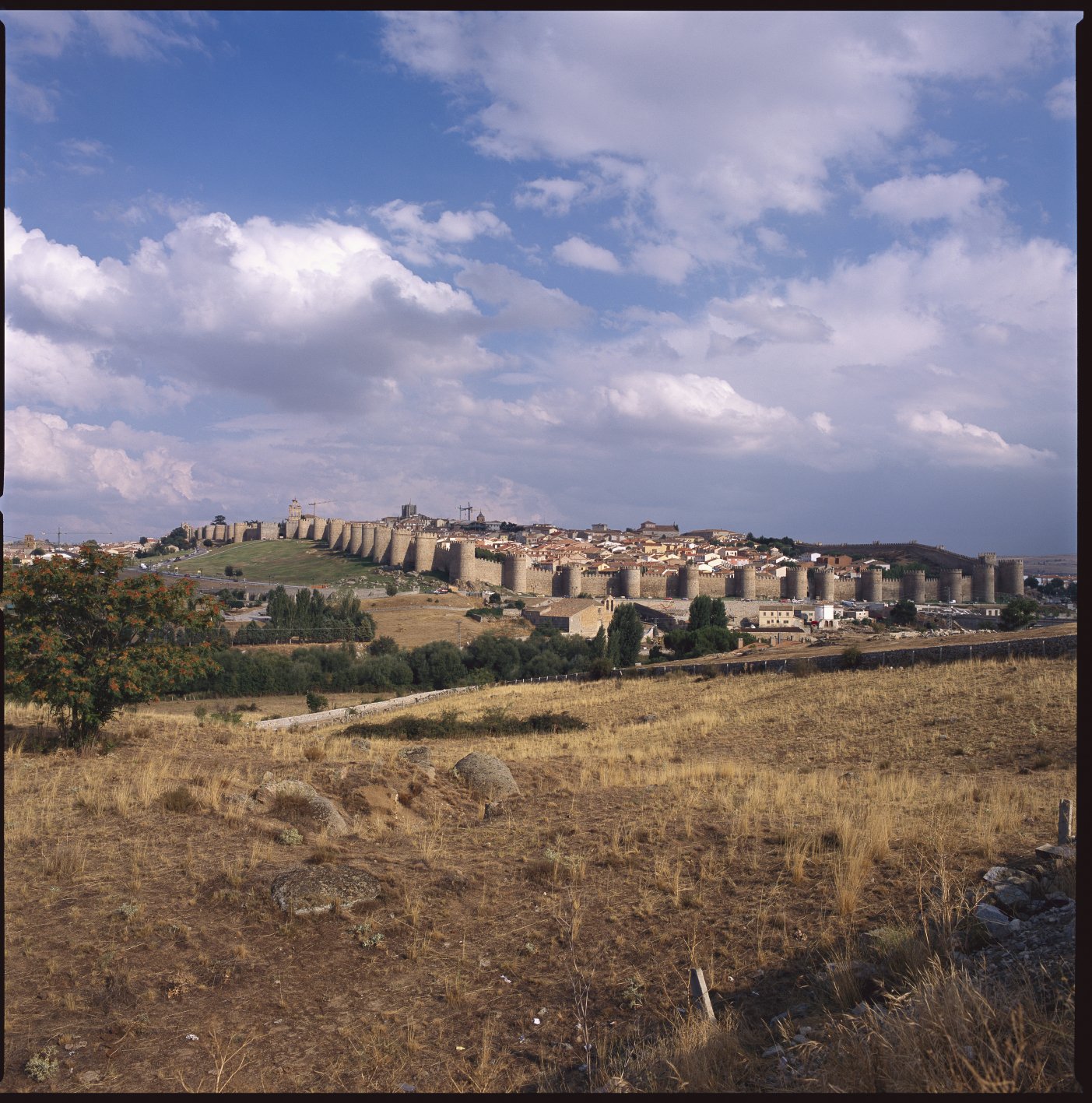
The full ring of golden-grey ramparts marching over the hill with the towers of the cathedral built right into them, best seen from the four stone posts across the river where the whole walled city floats above the plain at sunset.

Ávila is the walled city — its complete circuit of medieval ramparts, studded with dozens of towers, rings the old town whole, the finest such walls in Spain. High and cold on the Castilian plain, it's the birthplace of St Teresa and a place of granite, mysticism and enormous steaks.

Type
town
Ideal length
~approx 1 day
Getting around
on foot — the old town is compact and walkable
Neighbourhoods
3 areas
Best season / months
May, June and September — mild; winters are bitterly cold
Language
Spanish (little English outside hotels)
Currency
euro (€)
Budget level
moderate — affordable by Spanish standards
Good for
  • History
  • Architecture
  • Walls-and-views
  • Food
  • Day-trippers from Madrid
▸ Discover

About Ávila

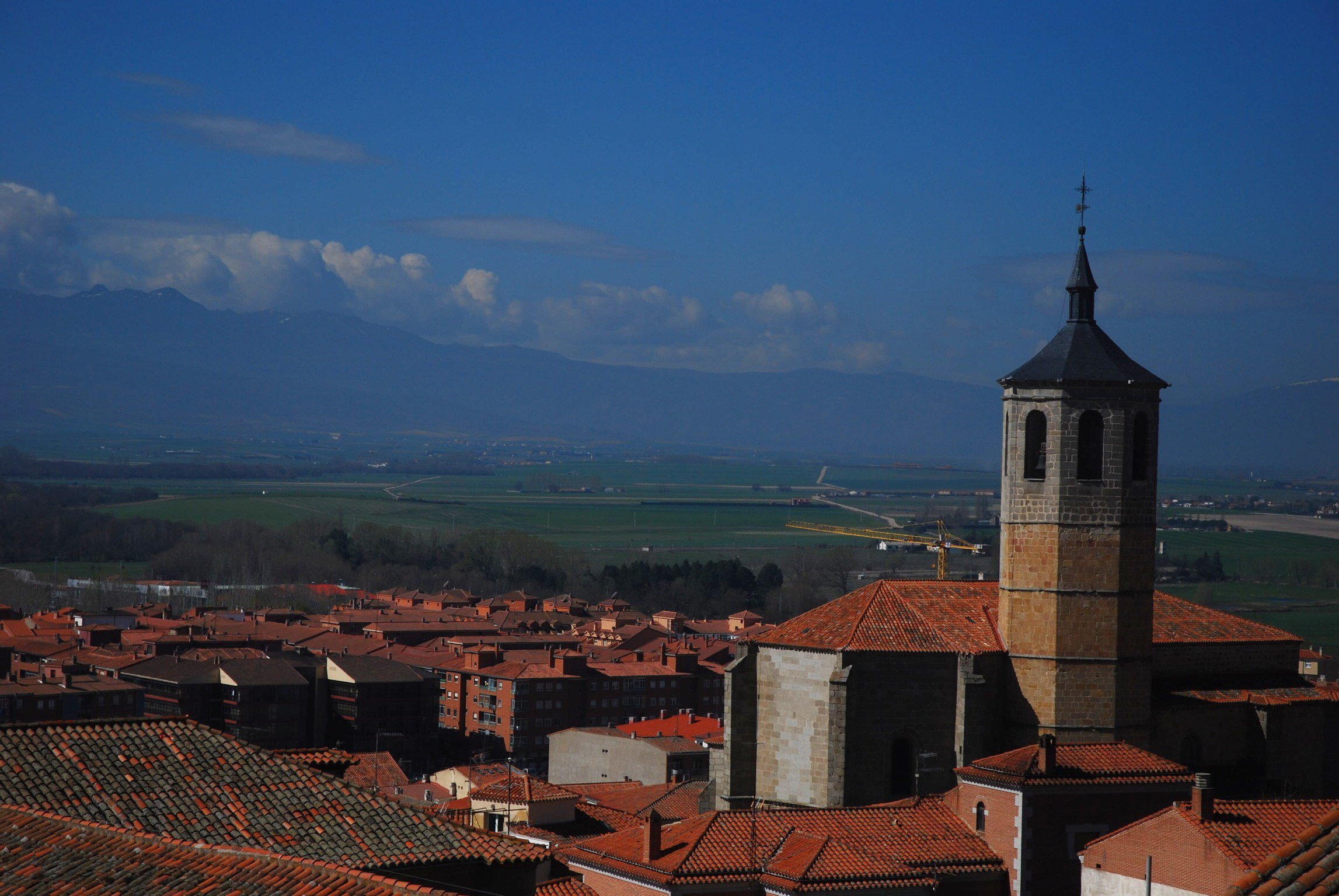
Ávila stands on a rocky rise on the high meseta northwest of Madrid, one of the highest cities in Spain and one of the coldest. Its defining feature is unmissable: a complete medieval wall, over two kilometres round with scores of semicircular towers and nine gates, enclosing the old town whole — the cathedral's apse forms one of the bastions. Inside the walls are Romanesque churches, convents and the memory of St Teresa; outside, the Basilica of San Vicente, the main square and, across the little Adaja river, the viewpoint of Los Cuatro Postes. It's compact, austere and unforgettable.

Why go

Ávila has the best-preserved medieval city walls in Spain — arguably in Europe — and walking their ramparts, or seeing the whole circuit lit at night, is a genuine wonder. It's a UNESCO town steeped in the story of St Teresa, the great mystic reformer born here, with fine Romanesque and Gothic churches and a famously robust Castilian kitchen (its beef steak is legendary). High, quiet and intense, it makes a rewarding day or overnight from Madrid, alone or with Segovia.

Don't miss

  • The city walls — the complete medieval circuit
  • The rampart walk — along the top of the walls
  • The Cathedral — the fortress-cathedral built into the walls
  • Los Cuatro Postes — the classic walled-city viewpoint
  • The chuletón de Ávila — the giant Castilian steak

Signature experiences

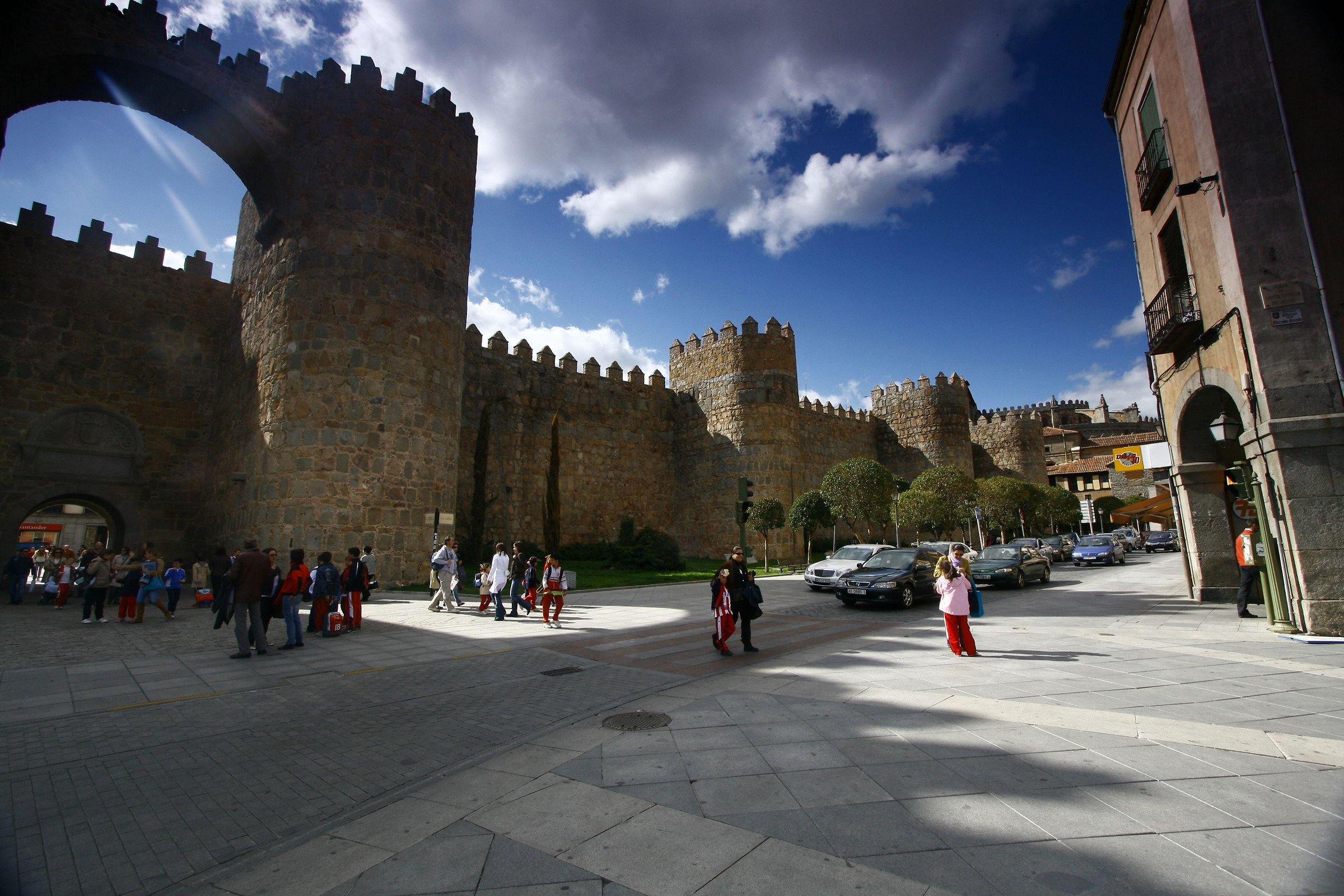
The walls — Ávila's ramparts are the reason to come, and they don't disappoint — a complete medieval circuit of pale granite with dozens of round towers, entirely encircling the old town. Walk long stretches along the top for the views inward over the roofs and outward across the plain, and note how the cathedral's fortified apse is built right into the wall as a bastion. It's one of the great medieval sights of Spain, and best appreciated slowly, on foot, above the streets. **The classic view from Los Cuatro Postes** — For the whole walled city in one frame, walk out across the Adaja river to Los Cuatro Postes, a small monument of four stone columns and a cross on a rise to the west. From here the entire ring of ramparts and the cathedral float above the plain — the postcard shot, and unmissable at sunset when the granite glows and, later, the whole circuit is floodlit. It's a short, rewarding walk from the old town. **St Teresa's Ávila** — The city is bound up with St Teresa, the 16th-century mystic and reformer born here, and her presence is everywhere — the Convento de Santa Teresa stands on her birthplace, and convents and relics dot the walled town. Even for the non-religious, tracing her story gives the austere, granite city its inner life, and the yema sweets (egg-yolk confections) named for her are sold in the convent shops. It's a quieter, contemplative counterpoint to the mighty walls. **Big Castilian food** — Ávila sits high on the meseta, and its food is hearty mountain fare built for the cold. The signature is the chuletón de Ávila, a colossal aged T-bone steak from the region's cattle, seared and served rare by weight; alongside come judías de El Barco (prized white beans), roast meats, and the yemas de Santa Teresa for a sweet finish. Settle into a granite-walled tavern, order the steak to share, and warm up with a Castilian red.

Neighbourhoods

Ávila neighbourhood by neighbourhood — the character of each and who it suits.

  • Within the Walls (Intramuros)

    The old town enclosed by the ramparts — a compact grid of granite streets, palaces, convents and the fortress-cathedral, austere and atmospheric. The walled heart.

    Why go
    The cathedral, the convents and the St Teresa sites, all inside the walls.
    Best for
    Sightseeingthe rampart walkhistorywalking
    Known for
    The Cathedral built into the wall, the Convento de Santa Teresa on the saint's birthplace, the palaces and Romanesque churches, and the access points onto the rampart walk.
  • The Mercado Grande and San Vicente

    The eastern approach just outside the walls — the main square (Plaza de Santa Teresa) below the Alcázar gate, and the great Basilica of San Vicente beyond. The lively, ceremonial edge.

    Why go
    The main square, the Basilica of San Vicente and the gate views.
    Best for
    Café-sittingthe basilicaarrivalsevening life
    Known for
    The Plaza de Santa Teresa (Mercado Grande) and its cafés, the Puerta del Alcázar gate, the Romanesque Basilica of San Vicente, and the ring of restaurants and terraces.
  • The Adaja and Los Cuatro Postes

    The western edge across the little Adaja river, where four stone posts and a cross mark the classic viewpoint back over the whole walled city. The photographers' side.

    Why go
    The Los Cuatro Postes viewpoint and the postcard wall panorama.
    Best for
    Viewsphotographysunseta short walk out
    Known for
    Los Cuatro Postes and its cross, the panorama of the complete walls and cathedral, the Adaja river and its old bridge, and the sunset light on the ramparts.

Views & hidden gems

Best views

  • Los Cuatro Postes — the whole walled city across the Adaja, floodlit at night
  • The rampart walk — over the old-town roofs and out to the plain
  • The Puerta del Alcázar gate from the Mercado Grande — the great eastern entrance
  • The cathedral apse in the wall — the fortress-church bastion

Hidden gems

  • The rampart walk's quieter northern stretches — the walls almost to yourself
  • The Basilica of San Vicente — a Romanesque masterpiece just outside the walls
  • The yemas de Santa Teresa from a convent shop — the local egg-yolk sweet
  • The Monasterio de Santo Tomás on the town's edge — royal tombs and cloisters
  • The little Adaja bridge and riverbanks below the walls

Food & drink

Ávila's food is robust high-Castilian, made for the cold and the altitude. The star is the chuletón de Ávila, a huge aged beef T-bone seared over coals and served by weight, usually to share; the region also gives judías de El Barco (creamy white beans), roast lamb and suckling pig, and hearty stews. The sweet is the yema de Santa Teresa, a soft egg-yolk-and-sugar confection tied to the saint and sold by the convents. Wash it all down with a Castilian red in a granite-walled tavern.

  • Chuletón de Ávila — a giant aged beef T-bone, seared and shared
  • Judías de El Barco — prized creamy white beans, often stewed with pork
  • Yemas de Santa Teresa — soft egg-yolk-and-sugar sweets
  • Roast lamb (cordero asado) — the Castilian oven classic
  • Patatas revolconas — mashed potatoes with paprika and pork
  • Castilian reds — robust local wines for the hearty food
Dietary notes

This is deep meat-and-beans country, so committed vegetarians work harder here — tortilla, salads, judías (ask about the pork), roasted vegetables and the yema sweets fill the gaps. Vegan options are thin. Halal and kosher are effectively unavailable. Gluten-free is manageable with grilled meats, beans and salads, but breads are wheat — confirm. Note the altitude and cold: hearty food and a warm layer both help.

Ávila in photos

▸ Where you'll stay

Where you'll stay in Ávila

Stay within or just beside the walls to wander the old town and see the ramparts floodlit at night — the walled town and its edges hold characterful hotels, some in old palaces and convents. The Mercado Grande side puts you by the cafés and the basilica. Ávila is small and often a day trip, so one central night is plenty. Bring warm clothes whatever the season — it's high and cold.

  • Budget
    Near the Mercado Grande / outside the walls budget hotels and hostels a short walk from the old town.
  • Mid-range
    Within or beside the walls comfortable hotels among the granite streets.
  • Luxury
    Palace and convent hotels in the old town restored historic buildings, the top of a modest range.
Stay

Hotels & rentals around Ávila

Pan, zoom and compare live prices — every stay in one map.

▸ Getting around

Getting around Ávila

The walled old town is compact and entirely walkable — the cathedral, convents and rampart access are all on foot, and Los Cuatro Postes is a short walk across the river. City buses serve the outskirts; a car is a liability in the old town.

Intramuros, the Mercado Grande and the Adaja/Los Cuatro Postes are all a short walk apart (~approx) — the whole town crosses in 15–20 minutes on foot.

▸ Plan your days

Suggested itineraries

Ready-made day plans for Ávila — from a single day to a long weekend.

One day

Start at the Mercado Grande with a coffee, enter through the Puerta del Alcázar, and walk a long stretch of the ramparts for the views. Tour the fortress-cathedral and the Convento de Santa Teresa, see the Basilica of San Vicente just outside the walls, and have a chuletón lunch in a granite tavern. In the late afternoon, walk across the Adaja to Los Cuatro Postes for the sunset panorama, and stay for the floodlit walls if you can.

Two days

With an overnight, add the quieter corners — the Monasterio de Santo Tomás and its royal tombs on the town's edge, the northern rampart stretches, and the St Teresa convents and their yema sweets — and enjoy the walled town at dawn and after dark when the day-trippers have gone. Ávila also pairs easily with Segovia for a two-city Castilian trip.

▸ What you'll do

Insider tips

  • Walk the ramparts and then cross to Los Cuatro Postes for the classic whole-city view.
  • See the walls floodlit at night — the single best sight in Ávila.
  • Order the chuletón to share; it's enormous, and it's the local specialty.
  • Dress warm year-round — Ávila is high and genuinely cold, especially after dark.
What's on

While you're there

09
SEP
XXIV Bienal de Flamenco de Sevilla 2026 — Seville, September 2026
Calle Blanca De Los Ríos 2, 41004 Sevilla, Seville, Spain · festival
Build a trip around it →
19
SEP
La Mercè 2026
Carrer De La Canuda 30, 08002 Barcelona, Barcelona, Spain · festival
Build a trip around it →
15
MAR
Las Fallas 2027
Plaça De L'ajuntament 22, 46002 València, Valencia, Spain · festival
Build a trip around it →
18
APR
Seville Feria de Abril 2027
Pz España 1, 41013 Sevilla, Seville, Spain · festival
Build a trip around it →
Explore

Explore the area

© OpenFreeMap · OSM · terrain Mapterhorn
Do

Local attractions & tours

Skip-the-line tickets and small-group tours in Ávila — compare across our partners.

We're still curating hand-picked tickets and tours for Ávila. In the meantime, the map above and the nearby cities are a great place to start.

▸ Budget

What it costs in Ávila

Backpacker
roughly €40–65 a day.
Mid-range
roughly €80–140 a day.
Luxury
€200 a day and up.
Cash vs card
Cards and contactless work almost everywhere, but carry a little cash for the smallest bars and convent shops.
Tipping
Tipping is modest and optional in Spain — round up or leave small change; no obligation.
▸ When you'll go

When to visit Ávila

May, June and September — mild; winters are bitterly cold

Spring

What to expect — Cool to mild and warming slowly at this altitude, still crisp at night, with clear light on the walls. A comfortable, quiet time.

What's best — Pleasant walking weather for the ramparts, Holy Week processions, and clear days for the Los Cuatro Postes view — a lovely season with a warm layer for the evenings.

Summer

What to expect — Warm to hot by day but tempered by altitude, cooling sharply at night — far more bearable than the lowland Castilian cities. Bright and dry.

What's best — Warm days and cool evenings on the ramparts, festivals, and long light for the wall views — one of the more comfortable summer options on the meseta.

Autumn

What to expect — Crisp and clear, cooling toward winter, with golden light and thinning crowds — one of the best times.

What's best — Fine weather for the walls and viewpoints, the beans-and-steak season at its best, and clear low light on the granite — a rewarding, quiet window.

Winter

What to expect — Cold, often bitterly so — Ávila is among Spain's coldest cities, with frost, wind and occasional snow. Bright icy days and short daylight.

What's best — The walls dramatic under frost or snow, cosy taverns with steak and beans, low prices and few visitors — pack seriously warm layers; this is a genuinely cold high city.

▸ Know before you go

Know before you go

Honest swaps

Skip only viewing the walls from the street → walk the ramparts up top, and cross to Los Cuatro Postes for the whole circuit.

Skip a light lunch → the chuletón is the local set-piece; order it to share.

Skip a summer-only view → the walls floodlit at night from Los Cuatro Postes are the finest sight of all.

Skip underdressing → it's high and cold; bring a warm layer even in summer evenings.

Crowds & timing

Ávila is busiest with midday day-trippers from Madrid; early morning and evening are calmer and the light better.

The rampart walk has set access points and hours — check on arrival.

Local rules & etiquette

Dress respectfully inside the cathedral, basilica and convents, which are working religious sites.

Spanish mealtimes run late — lunch from 2pm, dinner from 9pm.

Mind the cold and the altitude, especially in winter and at night.

Money

Cards work almost everywhere; carry a little cash for the smallest bars and convent shops.

Use bank ATMs and avoid the standalone tourist machines with poor rates.

After dark

The Mercado Grande (Plaza de Santa Teresa) and the streets by the walls hold the evening cafés and taverns.

The town is quiet and early rather than nightlife-driven; the evening highlight is the floodlit walls.

Los Cuatro Postes at night gives the illuminated-city view — a short walk out.

▸ Ready to book your trip?

Getting there

Ávila has no airport; most arrive by train or bus from Madrid (~approx 1.5–2 hours) into the station, a walk or short bus from the old town; Madrid (MAD) is the gateway. Ávila has no airport; most arrive by train or bus from Madrid (roughly 1 to 1.5 hours) into the station, a walk or short bus from the old town; Madrid (MAD) is the gateway.

Book

Ready to book your trip?

Flights, airport transfers and car hire — search and compare without leaving the page.

▸ Trip extras
Book

More trip extras

Parking, holiday extras, and more — coming soon.

Coming soon

We're lining up parking, holiday extras and activities you'll be able to add to any trip from here.