Tanzania — hero
← All destinations Country

Tanzania

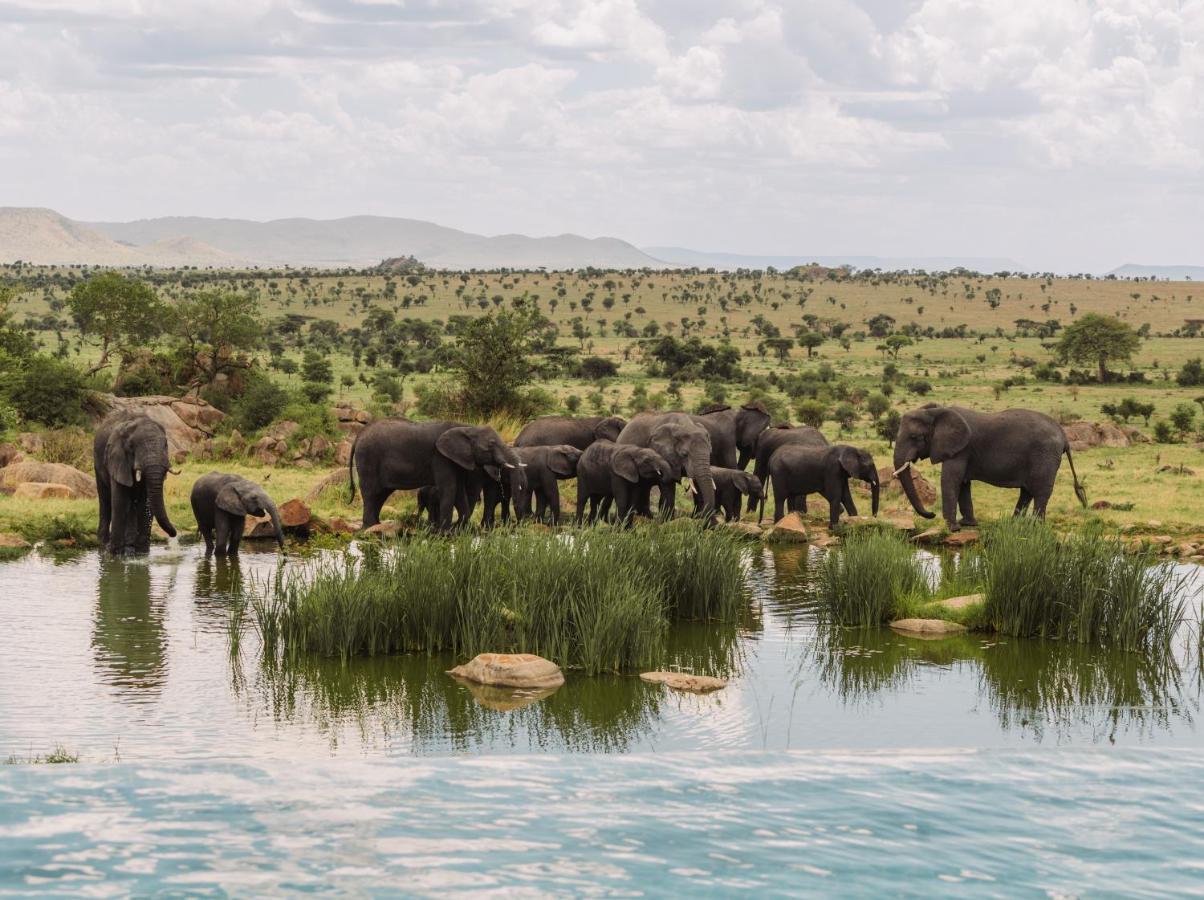
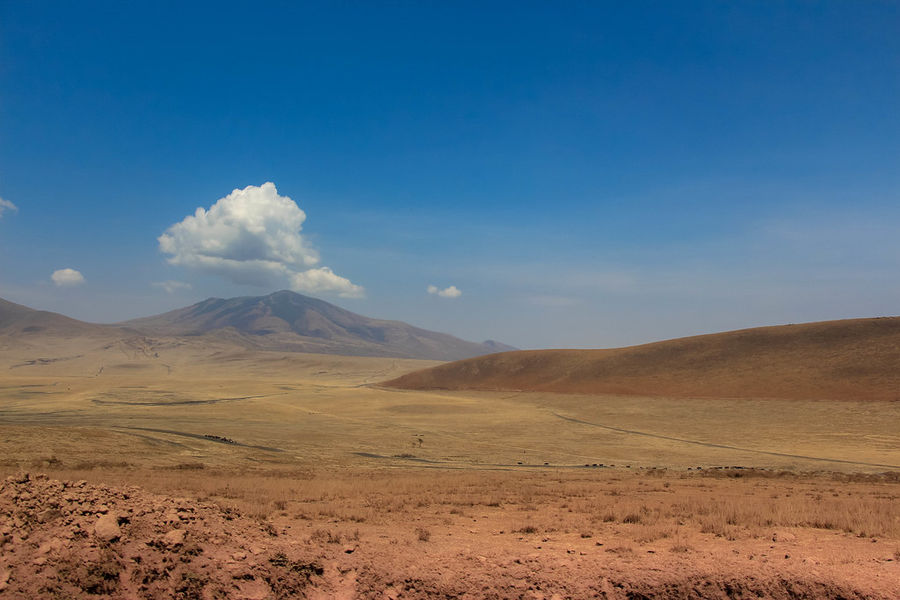
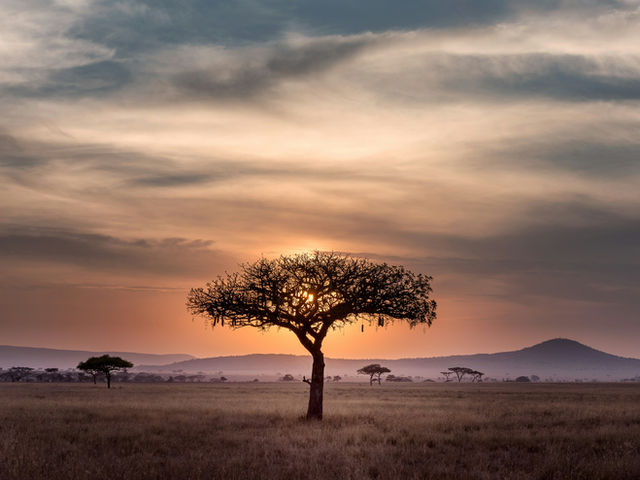
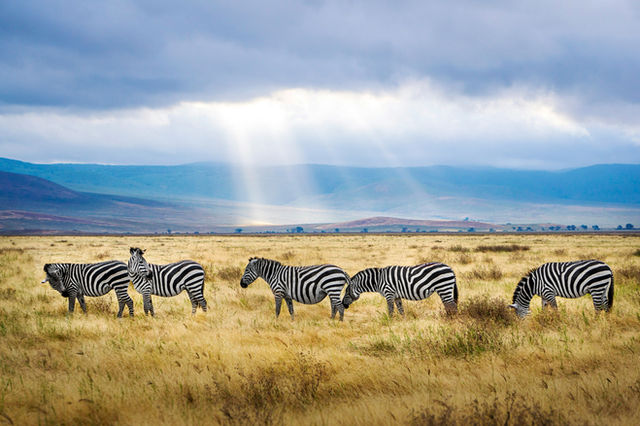
Serengeti plains, the Ngorongoro Crater, Kilimanjaro and Zanzibar's spice-scented shores. Tanzania is East Africa's most complete adventure.

  • Currency Sh Tanzanian Shilling (TZS)
  • Language English, Swahili
  • Best time June – October
  • Visa Visa required (e-visa or on arrival)
Why visit

Why Tanzania

Serengeti plains, the Ngorongoro Crater, Kilimanjaro and Zanzibar's spice-scented shores. Tanzania is East Africa's most complete adventure.

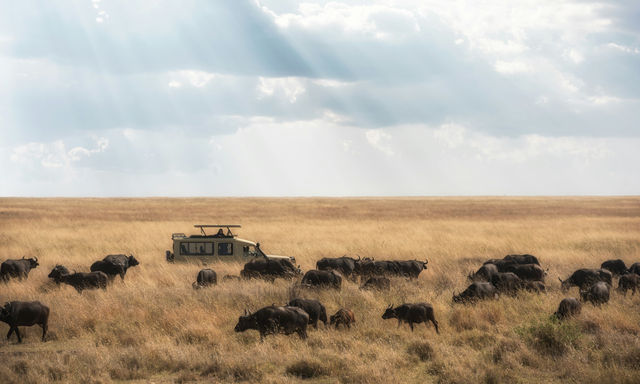
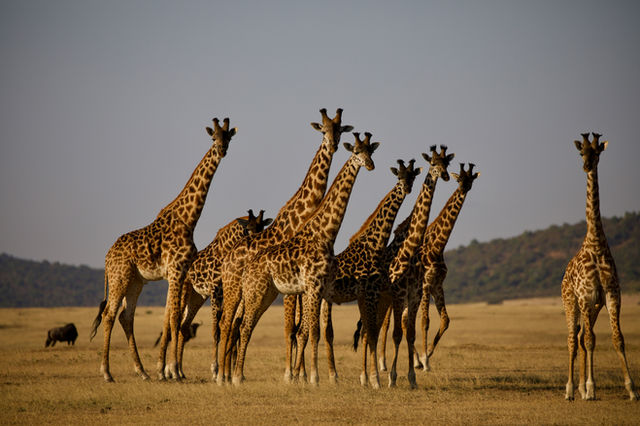
  • Serengeti Great Migration
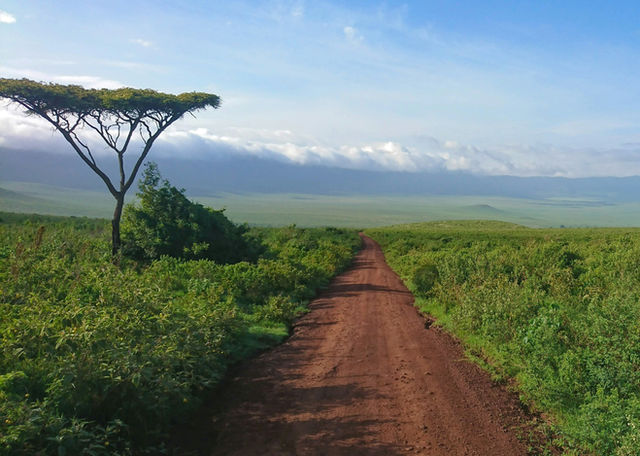
  • Ngorongoro Crater
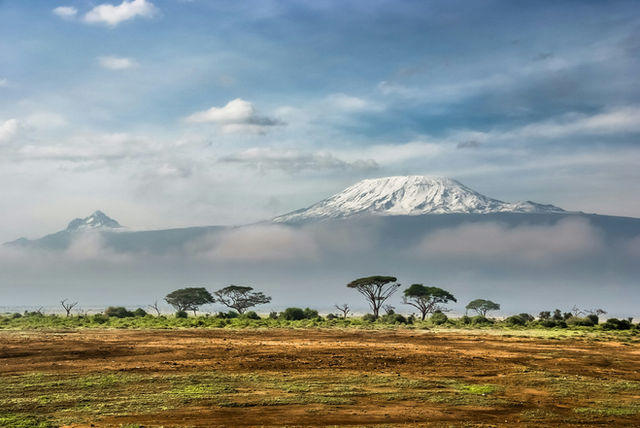
  • Climbing Kilimanjaro
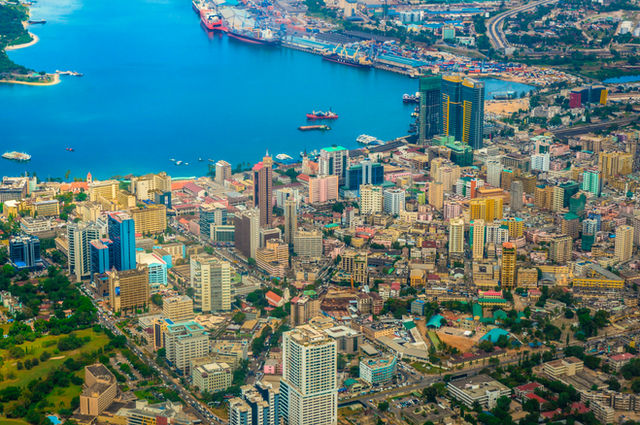
  • Zanzibar's Stone Town & beaches
Read more

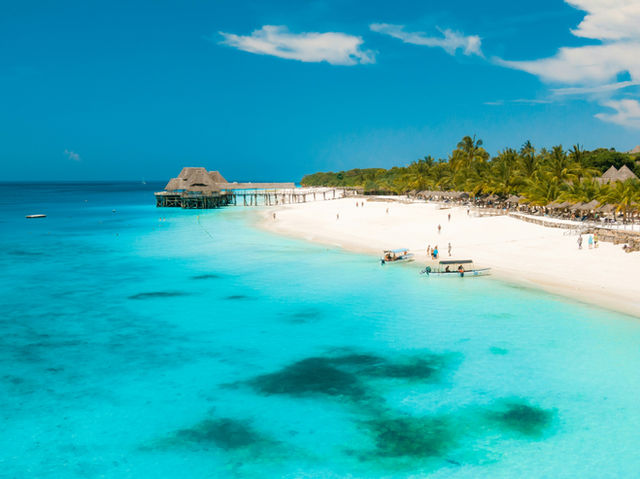
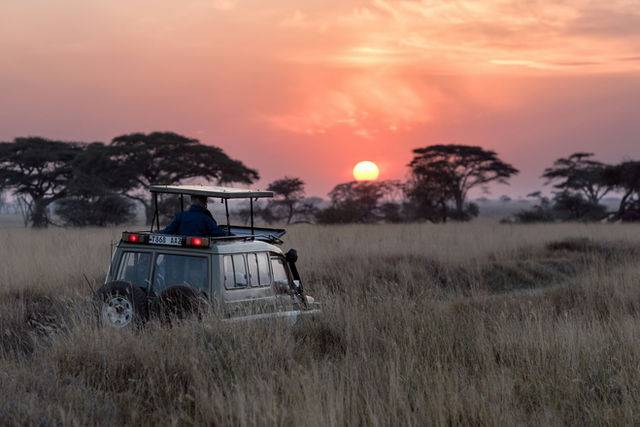
Tanzania is East Africa at its most epic: the endless Serengeti, the wildlife-packed Ngorongoro Crater, the roof of Africa in Mount Kilimanjaro, and the turquoise shores of Zanzibar. For 2026, it's the ultimate bush-and-beach bucket-list trip.

This is a stronghold of regenerative, community-led tourism, where vast protected areas and Maasai partnerships keep both wildlife and traditions thriving.

Combine a Great Migration safari with soft adventure, from crater floors to spice-island snorkelling, for a journey that blends raw nature, deep culture and blissful island relaxation.

A pillar, not a footnote

Eat your way through Tanzania

The single reason many travellers come back — the food culture worth reshaping a trip around, and the dishes to seek out region by region.

Tanzania

Mainland ugali and grilled meat, then Zanzibar's clove-scented pilau and coconut curries — a spice-island coast on a safari nation.

As the sun drops over Zanzibar's Forodhani gardens, the night market fires up: skewers of mishkaki over coals, folded Zanzibar pizza crisping on griddles, bowls of tangy urojo soup loaded with fritters and chutney. This is the spice-island end of Tanzanian food, where a thousand years of Arab, Indian and Persian trade left clove-scented pilau, layered biryani and coconut curries — the islands don't call themselves the Spice Islands for nothing.

On the mainland the table is simpler and just as satisfying: ugali, the stiff maize staple, eaten by hand with nyama choma grilled meat and a fresh kachumbari, or the beloved street hack chipsi mayai, chips folded into an omelette and doused in chilli. Fresh mandazi doughnuts start the day with sweet milky chai. Drink a cold Kilimanjaro lager, or up on the mountain's slopes the Chagga banana brew, mbege.

Dishes to seek out
  • Ugali (stiff maize staple)
  • Nyama choma (grilled meat)
  • Pilau (spiced rice)
  • Biryani
  • Urojo (Zanzibar mix soup)
  • Zanzibar pizza
  • Chipsi mayai (chip omelette)
Things to do

Nature, culture & hidden gems

Editorial content coming soon

We're hand-picking the standout places, hidden gems and can't-miss activities in Tanzania. Meanwhile, the cities above are a great starting point.

Plan your trip

Curated Tanzania itineraries

Browse all Tanzania trips →
Where to stay

Hand-checked places in Tanzania

Browse all Tanzania stays →
When to go

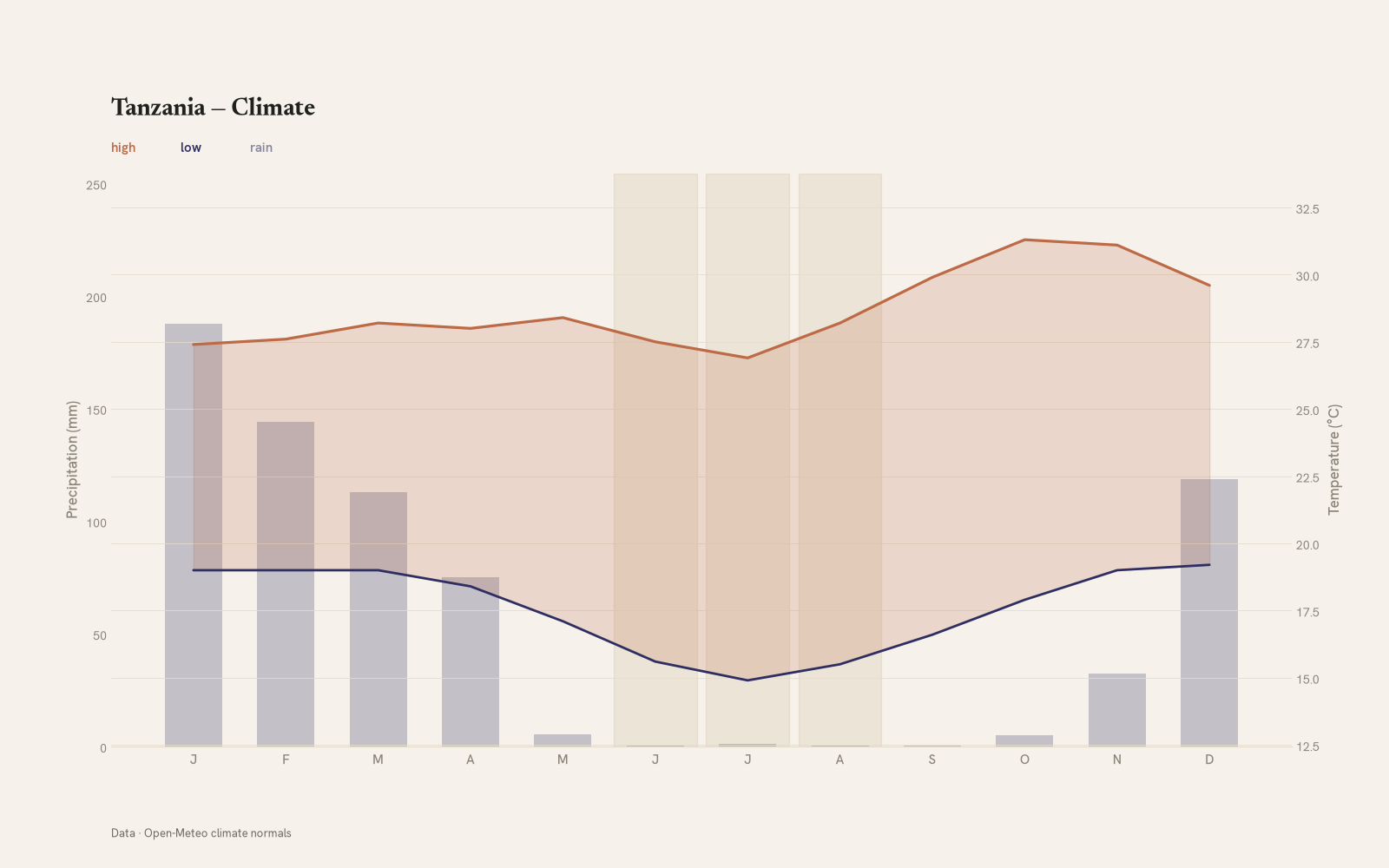
Weather & timing in Tanzania RIGHT NOW 26° cloudy

Best Jun–Aug · Shoulder May, Sep–Oct

  1. Jan / -4°
  2. Feb / -2°
  3. Mar 12° /
  4. Apr 18° /
  5. May 24° / 14°
  6. Jun 28° / 18°
  7. Jul 30° / 20°
  8. Aug 28° / 18°
  9. Sep 24° / 14°
  10. Oct 18° /
  11. Nov 12° /
  12. Dec / -2°

Best time to visit

June – October

Best for
  • Serengeti
  • Kilimanjaro
  • Zanzibar
  • Ngorongoro
At a glance
Sunshine 7 hr/day (est.)
Rain days 8 days/mo (est.)
Wettest December · 60mm
Driest June · 10mm
Part of East Africa →
By season
Spring (Mar–May)

What to expect — Daytime highs average about 18°C with overnight lows near 8°C, and it stays largely dry.

What's best — May is comfortable, with thinner crowds.

Summer (Jun–Aug)

What to expect — Daytime highs average about 29°C with overnight lows near 19°C, and it stays largely dry.

What's best — Jun, Jul and Aug are among the best time to visit — good weather with manageable crowds.

Autumn (Sep–Nov)

What to expect — Daytime highs average about 18°C with overnight lows near 8°C.

What's best — Sep and Oct are comfortable, with thinner crowds.

Winter (Dec–Feb)

What to expect — Daytime highs average about 7°C with overnight lows near -3°C.

What's best — Cold and quiet; some mountain roads and sights run reduced hours.

A little context

A little history

To read what you're looking at — the empires and eras that shaped Tanzania's food, art and streets.

Zanzibar was a hub of the Indian Ocean spice and slave trade and once the seat of an Omani sultanate, shaping Swahili-coast culture
German East Africa gave way to British rule after the First World War
mainland Tanganyika and Zanzibar united as Tanzania in 1964 under Julius Nyerere
home to Kilimanjaro, the Serengeti and the earliest hominin footprints at Laetoli
Before you book

Know before you go

The practical back-matter — safety, drones and the essentials, in one place.

Safety

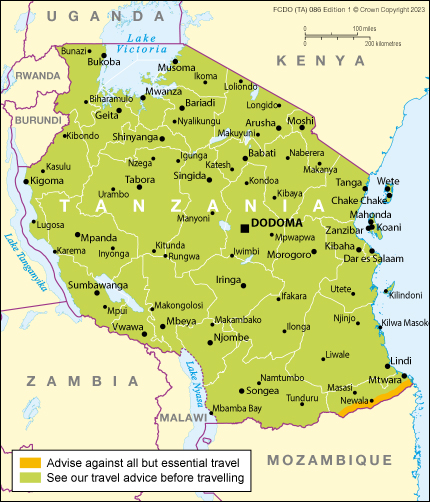
Moderate — check FCDO advice FCDO advice →

Official UK Foreign, Commonwealth & Development Office guidance is the definitive source — check it close to your travel dates.

Drone rules (sub-250g)

  • Tanzania
    One of the strictest regimes in the region. Import permits go only to citizens, residents and local companies, so a tourist can't legally bring their own drone; flying also needs TCAA permission, a home-country pilot certificate, insurance and Ministry of Defence clearance. A sub-250g drone gets no exemption. ⚠ Recreational drones are banned outright in the national parks and reserves — Serengeti, Ngorongoro, Kilimanjaro — where permission goes only to research and licensed film crews, not tourists. Rules checked: Jul 2026

National parks, protected sites and religious/heritage venues often have their own rules and permits — always check the specific site before you fly.

The essentials

Plug & voltage Type D/G · 230V
Daily budget Expensive (safari park fees)
Region Eastern Africa