← Thailand
THAILAND · CITY

Bangkok

Asia's most thrilling street food capital: ornate temples, chaotic markets, canal boats and world-class rooftop bars in a city of magnificent contradictions.

  • City
  • November – February
  • BKK
  • 4–6 days (standalone); gateway city for wider Thailand itinerary
▸ Discover

About Bangkok

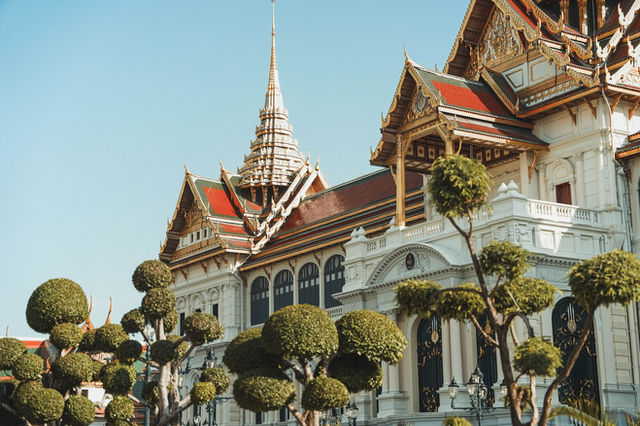
Bangkok is sensory overload of the most thrilling kind — a mega-city of 10 million people where golden temple spires rise above tangled expressways, longtail boats blast through canal networks and the world's greatest street-food culture plays out on every footpath. The Grand Palace complex, Wat Pho's reclining Buddha and the temple-studded Chao Phraya riverfront are unmissable; the night markets, rooftop bars and weekend market could fill a week.

Why go

Bangkok is one of the world's great cities for curious, food-interested families who don't require predictability. The combination of genuinely magnificent Buddhist temples (Wat Pho's reclining Buddha is one of the most impressive single statues in Asia), extraordinary street food at street-food prices, warm hospitality toward children (Thai culture is particularly welcoming to families), and the excitement of exploring a city where the next alley contains either a food cart, a spirit house, or a tuk-tuk garage makes Bangkok a formative experience for teenagers and adults alike. It also serves as the gateway to Thailand's islands, Chiang Mai, and the wider region.

Highlights

  • Grand Palace and Wat Phra Kaew Emerald Buddha
  • Wat Arun temple at sunrise from the river
  • Chatuchak Weekend Market
  • Street food — pad thai, mango sticky rice, boat noodles
  • Floating Market boat trip
  • Rooftop bar at Vertigo or Sky Bar

Bangkok in photos

Neighbourhoods

Coming soon

Neighbourhood-by-neighbourhood guides to Bangkok are on the way.

▸ Where you'll stay

Where you'll stay in Bangkok

Live map of hotels and villas around Bangkok — powered by Stay22. Pan, zoom and compare live prices to pick your base.

Stay

Hotels & rentals around Bangkok

Pan, zoom and compare live prices — every stay in one map.

▸ Getting around

Getting around Bangkok

BTS Skytrain

The BTS Skytrain has two elevated lines (Sukhumvit and Silom) covering the modern hotel, shopping and business districts — Asok, Nana, Siam, Silom, Saphan Taksin. Air-conditioned, efficient and very easy to navigate. Buy a Rabbit Card for stored-value fares or use day/single-journey tokens.

MRT

The MRT underground metro (three lines) complements the BTS and extends to areas including Chinatown (Yaowarat, Wat Mangkon station) and Bang Sue interchange. Own stored-value card; single-journey tokens available at machines.

Chao Phraya Express Boat

The Chao Phraya Express Boat is the fastest and most scenic route along the river — connecting the temple district (Tha Chang pier for the Grand Palace, Tha Tien pier for Wat Pho) with hotels near Saphan Taksin BTS. The tourist day pass costs approximately 150 baht for unlimited hop-on hop-off travel.

Grab

Grab (South-East Asia's Uber equivalent) is by far the most practical everyday transport for visitors — metered pricing agreed upfront in the app, no Thai language needed, no fare negotiation, safety tracking. Install before you travel and use it for all car journeys.

Tuk-tuks

Tuk-tuks are enjoyable for very short journeys (under 15 minutes) when you negotiate the price firmly before boarding. They are not cheaper than Grab for most journeys and are slower in traffic. Avoid any tuk-tuk driver who offers a 'free tour' with stops at shops — this is the city's most persistent tourist scam.

Networks

Bangkok has four main transit systems operating independently: BTS Skytrain (elevated, two lines), MRT (underground, three lines), Airport Rail Link (from Suvarnabhumi) and the Chao Phraya Express Boat river service. There is no single integrated card covering all four systems.

BTS Skytrain ticketing

The Rabbit Card (stored-value, purchase at BTS stations) covers the BTS Skytrain and some connecting services. Day passes are available at BTS ticket machines. BTS connects seamlessly with MRT at several interchange stations (Asok/Sukhumvit, Sala Daeng/Si Lom).

River transport

The Chao Phraya Express Boat tourist day pass (approximately 150 baht) allows unlimited hop-on hop-off between the major temple and riverside piers — the most efficient way to cover the historic sightseeing corridor. Standard river boats are cheaper but route logistics are complex for first-time visitors.

Canal boats

Saen Saep canal boats run east-west across the city — cheap and fast, but the canal is heavily polluted and the boarding is chaotic during rush hours. Useful for reaching the Jim Thompson House and Pratunam market area from the east side.

▸ What you'll do

Insider tips

Wat Pho before the Grand Palace

Visit Wat Pho first thing in the morning (opens 08:00) before the Grand Palace — the 46-metre gold reclining Buddha is more impressive than any single element of the Grand Palace and the temple is significantly less crowded. The Thai massage school within the temple grounds (Wat Pho Traditional Medical School) offers excellent therapeutic massage at very reasonable prices — book a slot on the morning you visit.

Chao Phraya day pass

The Chao Phraya Express Boat tourist day pass (~150 baht) allows unlimited hop-on hop-off for the entire day — covering the Grand Palace area (Tha Chang), Wat Pho (Tha Tien), Chinatown (Ratchawong) and Asiatique riverside market (Sathorn) in a single efficient river circuit.

Grab — essential app

Install Grab before you travel: set your pickup point and destination in the app, agree the fare upfront, and eliminate all taxi price-negotiation issues. It is genuinely non-negotiable for non-Thai-speaking visitors and transforms the experience of getting around the city.

Chatuchak timing

Chatuchak Weekend Market (Saturday and Sunday only, over 8,000 stalls across a 35-acre site) should be visited early — arrive by 09:00 to beat both the heat and the densest crowd. After 11:00, the combination of Bangkok heat and crowd density makes it significantly less enjoyable.

Frequently asked

Is Bangkok suitable for families with young children?

Yes, with preparation. Thai people are genuinely welcoming and attentive toward children. Manage the heat carefully (especially March–May — this period is not recommended for families with young children). The temple circuit is manageable with children prepared for modest dress requirements. The Bangkok Safari World, Dusit Zoo and Sea Life Ocean World are child-focused alternatives to the temple circuit for younger ages.

How many days do I need in Bangkok?

Three to four days covers the Grand Palace, Wat Pho, Wat Arun, Chinatown on a Saturday evening, a Chao Phraya boat day and an afternoon at Or Tor Kor Market or Chatuchak. Five to six days allows a day trip to the Damnoen Saduak floating market and Chatuchak Weekend Market on its own day.

Is street food safe to eat?

Yes with standard precautions: choose busy stalls with high turnover, ensure cooked food is served hot, avoid raw salads from unrefrigerated stalls and drink bottled water throughout. The general standard at high-turnover market stalls is high; blanket avoidance is unnecessary and misses some of the city's best food experiences.

What is the best way to get around Bangkok?

Use Grab for all point-to-point car journeys; BTS Skytrain for journeys along the modern shopping and hotel corridor (Sukhumvit, Silom); the Chao Phraya Express Boat day pass for the historic riverside temple circuit. This combination covers virtually every tourist need without requiring knowledge of Thai or local bus routes.

What is Songkran?

Songkran is Thai New Year, celebrated across the entire country with a city-wide water fight — streets throughout Bangkok become the venue for water guns, buckets and hose pipes. Falling typically on 13–15 April, it is an extraordinary community celebration and enormous fun to participate in, but all temples close, outdoor sightseeing is essentially impractical and getting anywhere dry is impossible. Plan around it rather than through it.

Is tipping expected in Bangkok?

Appreciated but not mandatory. The local guideline: 20–40 baht per person at restaurant tables; rounding up taxi fares; nothing expected at street food stalls. At luxury hotels, 100 baht per bag for porters is appropriate.

What's on

While you're there

29
JUL
Asanha Bucha Day & Khao Phansa — Bangkok, July 2026
ถนนราชดำเนินใน, 10200, Phra Nakhon, Bangkok, Thailand · festival
Build a trip around it →
12
AUG
Thai Mother's Day / Queen Mother's Birthday Celebrations — Bangkok, August 2026
ถนนราชดำเนินใน, 10200, Phra Nakhon, Bangkok, Thailand · festival
Build a trip around it →
22
SEP
Post Malone — Bangkok 2026 — Bangkok, September 2026
ถนนราชดำเนินใน, 10200, Phra Nakhon, Bangkok, Thailand · concert
Build a trip around it →
13
APR
Songkran 2027
42 ซอยรามบุตรี, 10200, Phra Nakhon, Bangkok, Thailand · festival
Build a trip around it →
Explore

Explore the area

Do

Local attractions & tours

Skip-the-line tickets and small-group tours in Bangkok — compare across our partners.

Not seeing offers? Try or — some destinations have thinner inventory on Tiqets.

▸ When you'll go

Best time to visit Bangkok

November – February

Cool & dry season (November–February)

The best time to visit: 25–32°C, lower humidity, clear skies. This is peak tourist season and the most comfortable period for all outdoor sightseeing and temple visits. Book accommodation well ahead for December and January.

Hot season (March–May)

Temperatures climb to 35–40°C+ in April before the monsoon breaks. Songkran (Thai New Year, typically 13–15 April) is a city-wide water festival — enormous fun but most temples close and outdoor sightseeing becomes impractical during the three days of celebrations.

Wet season (June–October)

Heavy daily rainfall and high humidity characterise the monsoon season. The city remains fully functional — most rain falls in intense afternoon downpours rather than all-day. Outdoor markets and temple visits need weather planning. Prices are notably lower and accommodation better value. UK school summer holidays fall entirely within Bangkok's wet season.

Watch out for

The hot season (April) produces genuinely dangerous heat for outdoor activities — prioritise early mornings and air-conditioned spaces. During the wet season, occasional flash flooding in low-lying areas can disrupt transport; monitor local alerts if visiting September–October.

▸ Ready to book your trip?

Getting there

By air

Suvarnabhumi Airport (BKK), approximately 30 km east of the city centre, handles most international long-haul flights including direct British Airways and Thai Airways services from London (approximately 11 hours). The Airport Rail Link connects BKK to Phaya Thai station in 30 minutes; the express service reaches Makkasan in 15 minutes. Taxis from BKK are metered, available at the official taxi rank (lower level, add the motorway toll to the metered fare), and take 30–60 minutes depending on traffic. Don Mueang Airport (DMK), approximately 25 km north, serves low-cost carriers including AirAsia; buses and taxis connect to the centre in 30–60 minutes.

Road access

No practical overland route from neighbouring countries via rail exists — arriving by air from the UK is the universal approach. Internal Thai trains and buses from Chiang Mai, Phuket or Koh Samui arrive at Hua Lamphong (rail) or Mo Chit (northern bus terminal).

  • Suvarnabhumi Airport (BKK)
  • Don Mueang International Airport (DMK)
Book

Ready to book your trip?

Flights, airport transfers and car hire to BKK — search and compare without leaving the page.

▸ Trip extras
Book

More trip extras

Parking, holiday extras, and more — coming soon.

Coming soon

We're lining up parking, holiday extras and activities you'll be able to add to any trip from here.