← Thailand
THAILAND · CITY

Chiang Mai

Northern Thailand's laid-back cultural capital — moated old town, hundreds of temples, night markets and misty jungle hills.

  • City
  • November to February — cool, dry and clear (avoiding the smoky burning season)
  • ~approx 3–4 days
  • Moated Old City
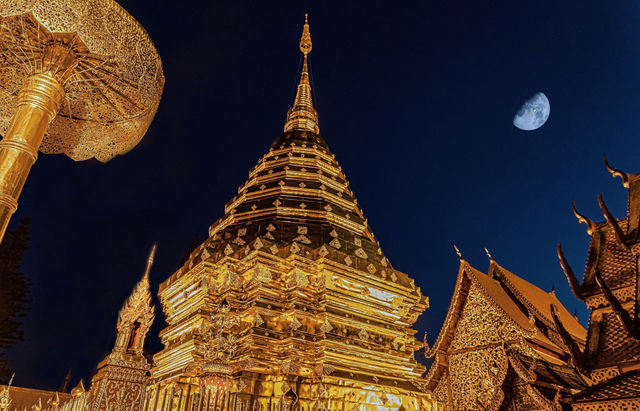
  • Golden Mountain Temple
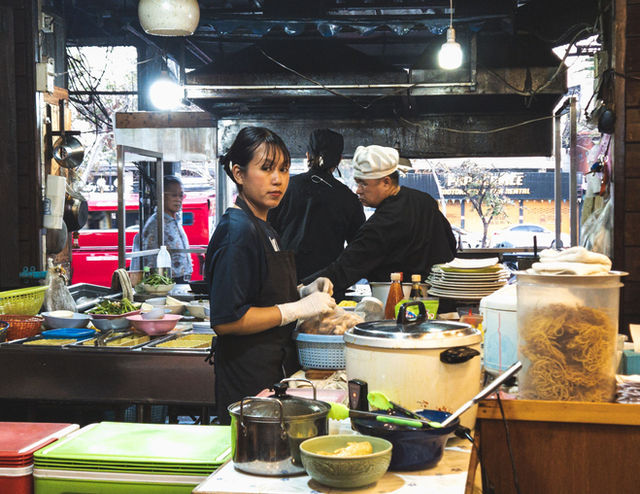
  • Northern Curries
  • Night Markets

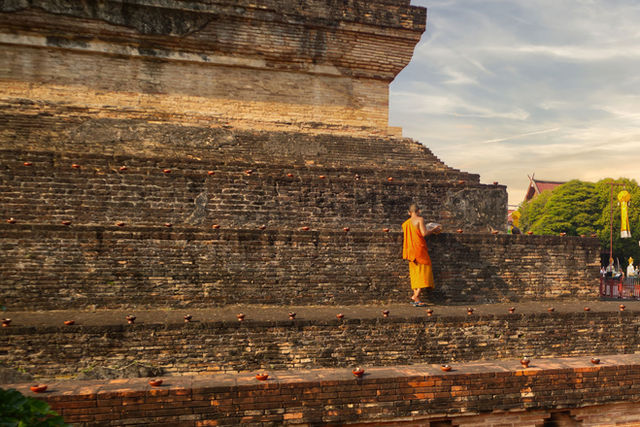
A moat and crumbling brick gate framing a temple's golden spire, the smell of a khao soi curry simmering at a market stall, and monks in saffron filing through the dawn as mist lifts off the hills.

Chiang Mai is northern Thailand's relaxed cultural capital — a moated old city packed with temples, a golden shrine on the mountain above, and a food scene built on the region's own curries and noodles. Cooler, greener and gentler than Bangkok, it draws travellers who stay far longer than they planned.

Type
city
Ideal length
~approx 3–4 days
Getting around
a walkable old city; songthaews and scooters for the rest
Neighbourhoods
4 areas
Best season / months
November to February — cool, dry and clear (avoiding the smoky burning season)
Language
Thai (with a northern dialect)
Currency
Thai baht (฿)
Budget level
low — very affordable
Good for
  • Culture
  • Food
  • Slow travel
  • Nature
▸ Discover

About Chiang Mai

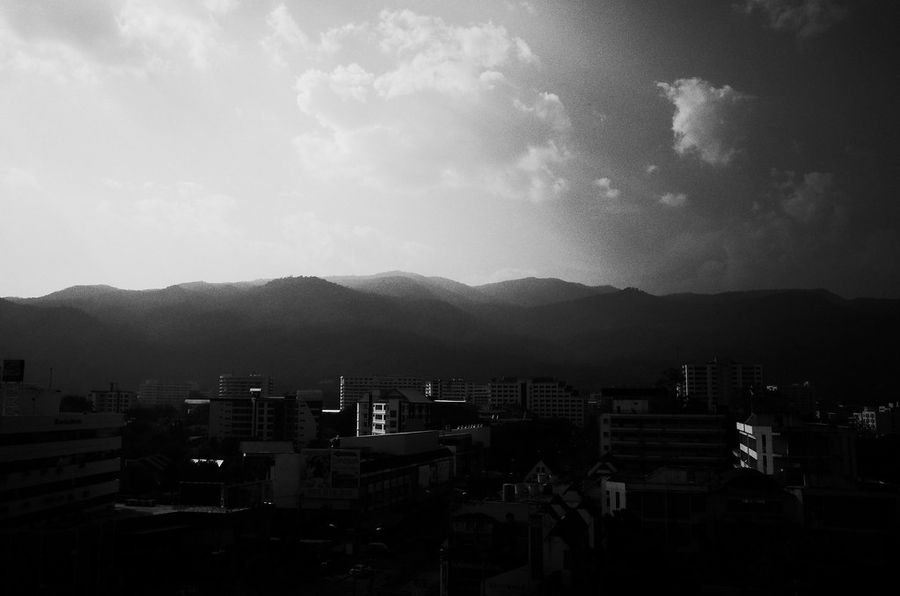
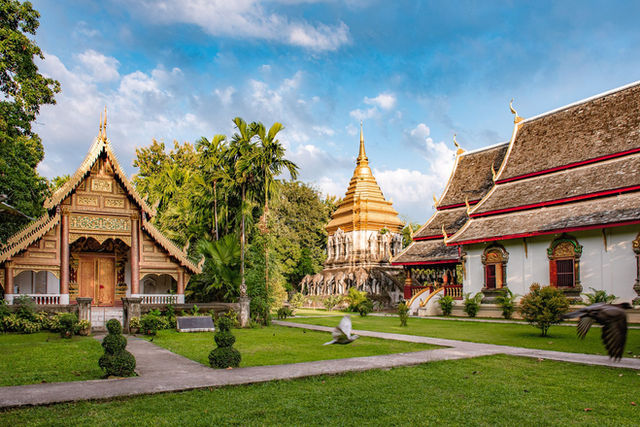
Chiang Mai sits in a river valley in the hills of northern Thailand, the old kingdom of Lanna, ringed by mountains. Its historic heart is the Old City, a square moated and walled centuries ago, still marked by its water channels and four gates and crammed with temples. Beyond it spread the trendy Nimman district by the university, the riverside along the Ping, and the markets; above the city rises Doi Suthep, its golden temple visible from below. It is compact, low-rise and easygoing, with the surrounding hills, waterfalls and elephant sanctuaries close by.

Why go

Chiang Mai offers Thailand at a slower, cooler pace — hundreds of temples, a distinctive northern food culture, some of the country's best markets, and easy access to hills, waterfalls and ethical elephant sanctuaries. It is cheap, welcoming and famously livable, a hub for cooking classes, crafts and slow travel. Less frantic than Bangkok and less beachy than the south, it is where many people fall for Thailand.

Don't miss

  • Wat Phra That Doi Suthep — the golden temple on the mountain
  • The Old City temples — Wat Chedi Luang and Wat Phra Singh
  • The Sunday Walking Street — the great weekly craft-and-food market
  • Khao soi — the northern curry-noodle soup
  • An ethical elephant sanctuary in the surrounding hills

Signature experiences

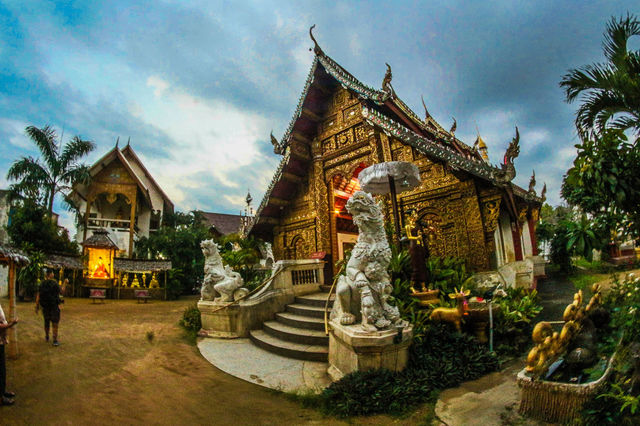
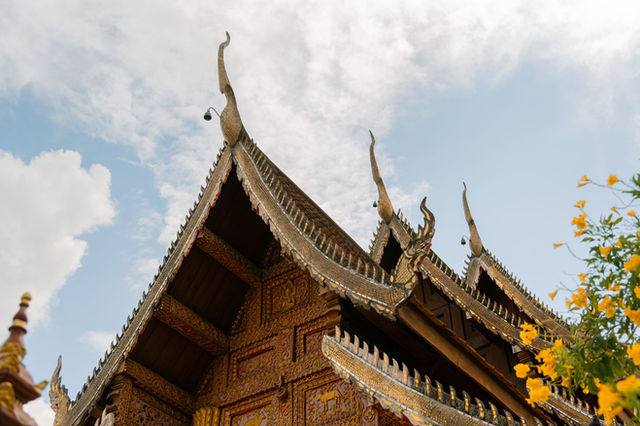
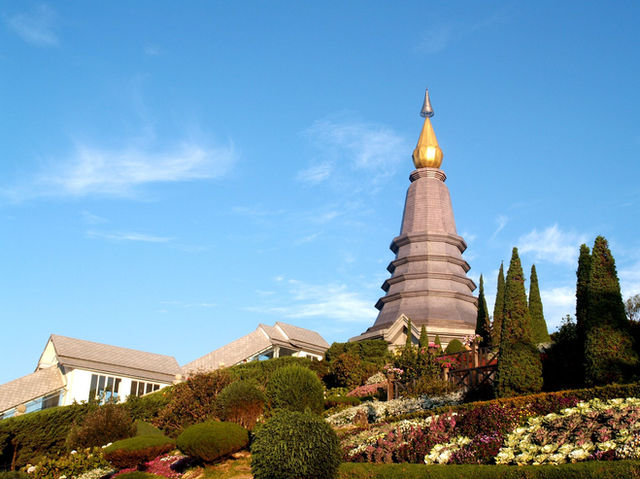
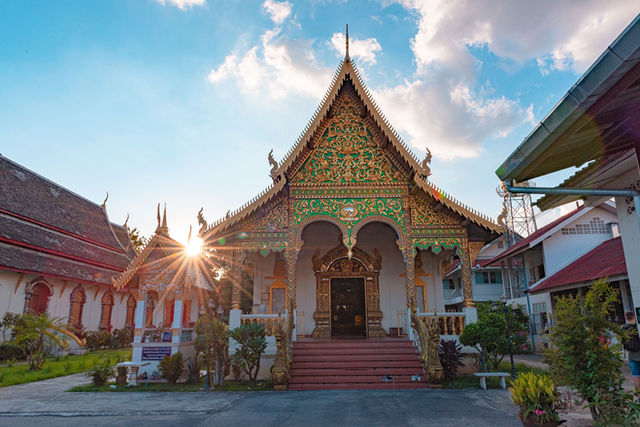
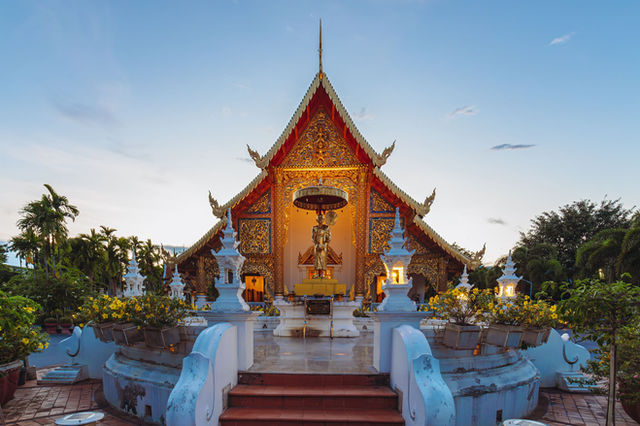
Temples, old and golden — Chiang Mai is a temple city, and two stand out. In the Old City, Wat Chedi Luang's vast, half-ruined brick stupa and the gilded Wat Phra Singh anchor a wander past dozens more. Above the city, reached by a winding road and a long naga-flanked stair, Wat Phra That Doi Suthep glitters gold on its mountain, with a hazy view over the whole valley. Go early to both for the calm and the light. **Northern food** — The north has its own kitchen, and it's a highlight. The signature dish is khao soi, a rich coconut-curry noodle soup topped with crisp noodles, lime and pickles; alongside it come the herby sai ua sausage, sticky rice, and the chilli dips (nam prik). Graze the markets, take a cooking class — Chiang Mai is one of the best places in Thailand to learn — and eat very well for very little. **The markets** — Chiang Mai's markets are an event. The Sunday Walking Street fills the Old City's main lanes with crafts, street food and music; the Saturday one runs down Wualai's silver street; and the nightly Night Bazaar and the local Warorot market run year-round. They are the best places to eat, shop for northern crafts, and feel the city's evening rhythm. **Elephants and the hills, done right** — The hills around Chiang Mai are the draw for many, and the elephant experience is central — but choose carefully. Reputable sanctuaries let you observe and help care for rescued elephants without riding or shows; avoid the places that offer rides or tricks, which are hard on the animals. Beyond them, waterfalls, hill-tribe villages and viewpoints make easy, beautiful day trips.

Neighbourhoods

Chiang Mai neighbourhood by neighbourhood — the character of each and who it suits.

  • The Old City

    The moated, once-walled square at the heart of Chiang Mai — a low grid of lanes packed with temples, guesthouses, cafés and markets, still marked by its water channels and gates.

    Why go
    The single densest run of temples and the weekly walking street.
    Best for
    Templesmarketsfirst-time wandering
    Known for
    Wat Chedi Luang and its huge ruined stupa, Wat Phra Singh, the Tha Phae Gate and the moat, and the Sunday Walking Street that fills the lanes.
  • Nimmanhaemin

    The hip, modern district by the university west of the old city — cafés, design shops, co-working spaces and a young, creative, digital-nomad crowd.

    Why go
    The best cafés, boutiques and modern nightlife.
    Best for
    Cafésshoppingnightlifeworking
    Known for
    The specialty coffee shops, the boutiques and malls, the trendy bars and restaurants, and the co-working and nomad scene.
  • The Ping Riverside and Night Bazaar

    The eastern strip along the Ping river and toward the old walls — the sprawling nightly bazaar, riverside restaurants and a mix of old and new.

    Why go
    The Night Bazaar, riverside dining, and the evening buzz.
    Best for
    Night marketsriverside mealsshopping
    Known for
    The nightly Night Bazaar, the riverside restaurants along the Ping, the Warorot market, and the old teak houses and temples between.
  • Doi Suthep and the Hills

    The forested mountain rising west of the city, crowned by its golden temple, and the hills, waterfalls and villages beyond — the natural side of Chiang Mai.

    Why go
    The mountain temple, the views, and the nature and elephants beyond.
    Best for
    Templesviewpointsnaturesanctuaries
    Known for
    Wat Phra That Doi Suthep and its city view, the mountain roads and waterfalls, the hill-tribe villages and, in the wider hills, the ethical elephant sanctuaries.

Views & hidden gems

Best views

  • Wat Phra That Doi Suthep — the golden temple and the valley view
  • The Old City moat and Tha Phae Gate — the classic framed-temple shot
  • A rooftop bar in Nimman — the city and the mountain at sunset
  • The naga stairway up to Doi Suthep — the dragon-flanked climb

Hidden gems

  • Wat Umong — a forest temple of tunnels and a lake, quiet and unusual
  • The Sunday Walking Street's temple courtyards — food stalls set up in the wats
  • A morning at a local market like Warorot — where the city actually shops
  • The Sticky Waterfalls (Bua Tong) — limestone falls you can climb, out of town
  • A back-lane khao soi shop away from the tourist strip — the real thing

Food & drink

Northern Thai food is milder, herbier and more fermented than the south's, and Chiang Mai is the place to eat it. Khao soi is the icon — a coconut curry-noodle soup — alongside the grilled sai ua sausage, the sticky rice eaten by hand, the chilli-and-herb dips, and the slow-cooked kaeng hang lei pork curry. The markets are the great eating grounds, and mango sticky rice covers dessert. Thai iced coffee and, increasingly, a serious specialty-coffee scene in Nimman fuel the days; Beerlao and Thai beers the evenings.

  • Khao soi — a coconut curry-noodle soup with crisp noodles, the northern signature
  • Sai ua — a herby grilled northern sausage
  • Nam prik noom / ong — roasted-chilli and tomato-pork dips with sticky rice
  • Kaeng hang lei — a rich, slow-cooked Burmese-influenced pork curry
  • Khao niao — sticky rice, eaten by hand with everything
  • Mango sticky rice — the classic sweet, in season
Dietary notes

Vegetarians and vegans do very well — Chiang Mai has a strong veggie-and-vegan scene, and many dishes adapt, though fish sauce and shrimp paste hide in a lot, so ask (say "jay" for strictly vegan/vegetarian). Halal food is found around the mosque areas and the night bazaar; kosher is very limited. Gluten-free is manageable with rice-based dishes; confirm the sauces, which often contain soy and wheat.

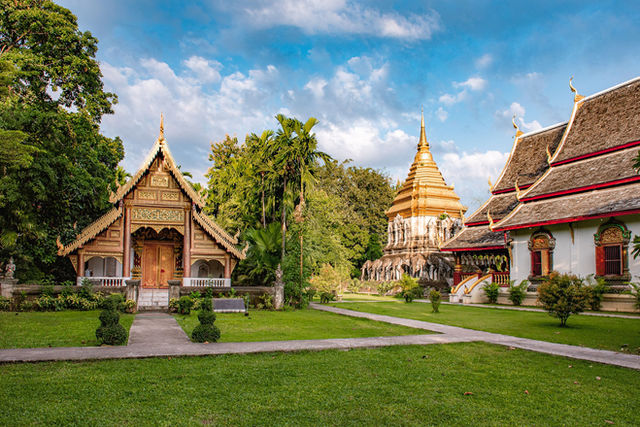
Chiang Mai in photos

▸ Where you'll stay

Where you'll stay in Chiang Mai

The Old City is the classic base — walkable to the temples, markets and cheap eats, packed with guesthouses and cafés, calm and central. Nimman is the trendy alternative, with the best coffee, boutiques and nightlife, a short ride out. The Ping riverside offers a quieter, greener stay near the Night Bazaar. All are cheap by western standards; the city is a genuine bargain for what you get.

  • Budget
    The Old City guesthouses and hostels among the temples, walkable to everything, very cheap.
  • Mid-range
    Nimman or the Old City edge boutique hotels and stylish guesthouses near the cafés or the moat.
  • Luxury
    The Ping riverside / the hills resort-style hotels and spa retreats by the river or in the surrounding countryside.
Stay

Hotels & rentals around Chiang Mai

Pan, zoom and compare live prices — every stay in one map.

▸ Getting around

Getting around Chiang Mai

The Old City is compact and walkable. Red shared songthaew trucks are the cheap local transport — flag one and agree the fare — alongside tuk-tuks, ride-hailing apps and rented scooters for the confident. A car isn't needed in the centre, though it helps for the hills. Doi Suthep and the countryside are reached by songthaew or tour.

The Old City, Nimman and the riverside are all a short songthaew ride or a walk apart (~approx). Doi Suthep and the hills are a longer ride up the mountain by songthaew or on a tour.

▸ Plan your days

Suggested itineraries

Ready-made day plans for Chiang Mai — from a single day to a long weekend.

One day

Spend the morning in the Old City temples — Wat Chedi Luang and Wat Phra Singh — and have a khao soi lunch. Head up the mountain to Wat Phra That Doi Suthep for the golden temple and the valley view in the afternoon, then return for the Night Bazaar or, if it's a Sunday, the Walking Street market and its temple-courtyard food stalls.

Two days

Give day two to nature and food. Spend the morning at an ethical elephant sanctuary or a waterfall in the hills, take a Thai cooking class or a market tour, and end with cafés and cocktails in Nimman.

Three days

Use day three to go deeper. Explore the quieter forest temples like Wat Umong, browse the crafts of the Saturday Walking Street on Wualai, or take a longer trip into the hills and villages, returning for a last northern dinner.

▸ What you'll do

Insider tips

  • Choose elephant experiences carefully — only genuine no-riding, no-show sanctuaries; ask exactly what a visit involves before booking.
  • Check the air-quality forecast if visiting in the March–April burning season; the haze can seriously affect the experience.
  • A cooking class is one of the best things to do here — most include a market tour and are cheap and excellent.
  • Songthaews (shared red trucks) are the cheap local transport — flag one, tell the driver your destination, and agree the fare.
What's on

While you're there

12
AUG
Thai Mother's Day / Queen Mother's Birthday Celebrations — Bangkok, August 2026
ถนนราชดำเนินใน, 10200, Phra Nakhon, Bangkok, Thailand · festival
Build a trip around it →
22
SEP
Post Malone — Bangkok 2026 — Bangkok, September 2026
ถนนราชดำเนินใน, 10200, Phra Nakhon, Bangkok, Thailand · concert
Build a trip around it →
13
APR
Songkran 2027
42 ซอยรามบุตรี, 10200, Phra Nakhon, Bangkok, Thailand · festival
Build a trip around it →
Explore

Explore the area

© OpenFreeMap · OSM · terrain Mapterhorn
Do

Local attractions & tours

Skip-the-line tickets and small-group tours in Chiang Mai — compare across our partners.

We're still curating hand-picked tickets and tours for Chiang Mai. In the meantime, the map above and the nearby cities are a great place to start.

▸ Budget

What it costs in Chiang Mai

Backpacker
roughly €20–35 a day.
Mid-range
roughly €50–100 a day.
Luxury
€200 a day and up.
Cash vs card
Chiang Mai runs largely on cash — carry baht for markets, street food, songthaews and small shops; cards work in hotels and bigger restaurants. ATMs are plentiful.
Tipping
Not traditionally expected, but rounding up or leaving small change is increasingly common and appreciated in tourist areas.
▸ When you'll go

When to visit Chiang Mai

November to February — cool, dry and clear (avoiding the smoky burning season)

Spring

What to expect — Hot and, crucially, smoky — the March–April "burning season" of agricultural fires blankets the region in haze, with poor air quality and hidden hills, before the rains arrive. The hottest, least pleasant stretch.

What's best — The Songkran water festival in April is joyous and drenching, and prices are lower — but the smoke is a real drawback, so weigh it carefully. Come in the cool season if air quality matters to you.

Summer

What to expect — The green, wet season — warm, humid, with heavy afternoon downpours that clear the air and turn the hills lush. Rain rarely all day, but reliably part of it.

What's best — Green, clean-aired landscapes, full waterfalls, fewer crowds and lower prices, and mornings often clear before the rain. Pack for wet afternoons.

Autumn

What to expect — The rains easing into the cool season, the hills at their greenest, and the air clearing. Warm days, comfortable evenings.

What's best — Green landscapes, clean air, comfortable temperatures, and the Yi Peng and Loy Krathong lantern festivals lighting the sky and river in November — a magical time to be here.

Winter

What to expect — The cool, dry, clear season and the peak — warm days, genuinely cool evenings, blue skies and the best air. The busiest and most comfortable months.

What's best — The best weather by far — clear mountain views, cool evenings, and comfortable days for temples and hills. Book ahead, as this is high season.

▸ Know before you go

Know before you go

Honest swaps

Skip any elephant "riding" or show attraction → choose a genuine ethical sanctuary that lets you observe and care for rescued elephants without riding.

Skip the tourist-strip restaurants near the gates → eat khao soi at a busy local shop or a market stall for better and cheaper.

Skip the burning season if you can → the March–April haze hides the hills and hits air quality hard; the cool season is far better.

Skip the overpriced Night Bazaar souvenirs → the Sunday Walking Street and local craft markets have better, more authentic goods.

Crowds & timing

Doi Suthep is busiest midday with tour groups; go early for the calm, the light and the clearest valley view.

The cool season (November–February) is peak — book ahead — and the November lantern festivals draw big crowds.

Local rules & etiquette

Temples require modest dress — cover shoulders and knees, remove shoes, and never point your feet at a Buddha or turn your back for a photo.

Treat monks respectfully; women should not touch a monk or hand things directly to one.

Bargain politely in the markets, and keep your cool — a smile and calm ("jai yen") go a long way in Thailand.

Money

Carry baht in small notes for markets, street food and songthaews; cards are for hotels and bigger venues.

Use bank ATMs (they charge a fixed foreign-card fee), and agree songthaew and tuk-tuk fares before you set off.

After dark

Nimman has the trendy cocktail bars, live music and the young nightlife scene.

The Old City around the gates has the backpacker bars and the walking-street markets.

The riverside and the Night Bazaar offer a gentler evening of dining and browsing.

▸ Ready to book your trip?

Getting there

Chiang Mai International Airport (CNX) sits just southwest of the city, a short songthaew or taxi from the centre. The scenic overnight and day trains from Bangkok arrive at the central station, and long-distance buses serve the north; the airport is the fastest link.

Book

Ready to book your trip?

Flights, airport transfers and car hire — search and compare without leaving the page.

▸ Trip extras
Book

More trip extras

Parking, holiday extras, and more — coming soon.

Coming soon

We're lining up parking, holiday extras and activities you'll be able to add to any trip from here.