← Tunisia
TUNISIA · CITY

Tunis

Tunisia's animated capital — a labyrinthine medina beside the ruins of ancient Carthage and blue-and-white Sidi Bou Said.

  • City
  • April to June and September to November — warm and clear, before and after the summer heat
  • ~approx 2 days
  • Medina & Souks
  • Roman Carthage
  • Blue-and-White Sidi Bou Said
  • Mosaic Treasures

Sunlight slanting into a covered souk hung with lanterns and carpets, the sea breaking over the tumbled columns of Carthage, and a mint tea on a blue-and-white terrace looking out over the gulf.

Tunis is North Africa at its most approachable — a walled medina of souks and mosques, a French-built avenue beside it, the ruins of ancient Carthage on the coast, and a blue-and-white clifftop village next door. It wraps a great deal of history and colour into an easy, welcoming capital on the Mediterranean.

Type
metropolis
Ideal length
~approx 2 days
Getting around
a walkable medina and centre; a light rail to the coast
Neighbourhoods
4 areas
Best season / months
April to June and September to November — warm and clear, before and after the summer heat
Language
Arabic and French
Currency
Tunisian dinar (DT)
Budget level
low — very affordable for a visitor
Good for
  • History
  • Culture
  • Coast
  • First-timers to North Africa
▸ Discover

About Tunis

Tunis sits at the head of a shallow lake off the Gulf of Tunis, on the North African coast. Its historic core is the walled medina, a UNESCO-listed maze of souks, mosques and merchants' houses; beside it the French colonial Ville Nouvelle laid out its grand tree-lined avenue. Out along the coast lie the scattered ruins of ancient Carthage and, on a cliff above them, the blue-and-white village of Sidi Bou Said. A light rail links the capital to these seaside suburbs. It is compact, sunny and easy to explore.

Why go

Tunis packs an unusual range into a small, friendly capital — a living medieval medina to get lost in, one of the world's finest collections of Roman mosaics, the romantic ruins of Carthage by the sea, and the postcard blue-and-white of Sidi Bou Said. It is warm, affordable and welcoming, an easy first step into North Africa or the Arab world, with the Mediterranean and a rich history right on the doorstep.

Don't miss

  • The Medina — the walled old city and its souks
  • The Bardo Museum — a world-class collection of Roman mosaics
  • Carthage — the ruins of the ancient city by the sea
  • Sidi Bou Said — the blue-and-white clifftop village
  • Avenue Habib Bourguiba — the grand colonial boulevard

Signature experiences

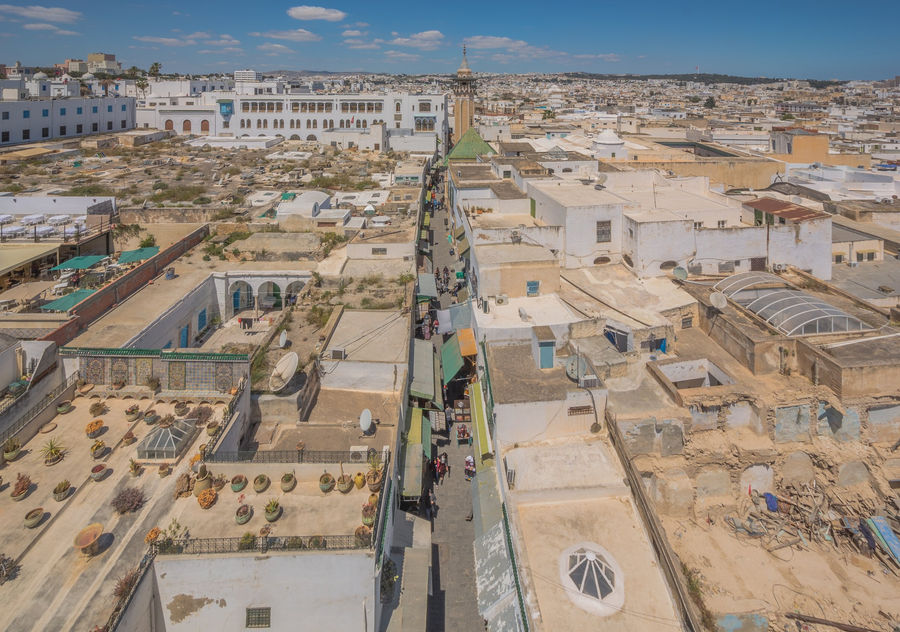
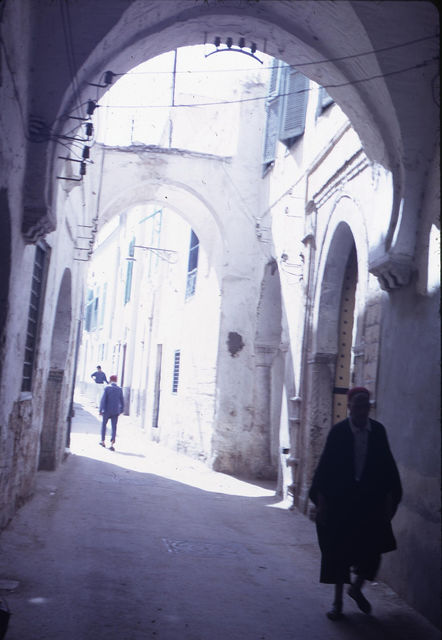
Getting lost in the medina — The walled old city is Tunis at its most alive — covered souks organised by trade, the perfume and spice sellers, the carpet and copper merchants, and the great Zitouna Mosque at its heart. Wander the lanes, haggle in good humour, and climb to a rooftop café or terrace for the view over the sea of tiled roofs and minarets. It is a gentler, less overwhelming medina than some, and easy to enjoy. **The mosaics of the Bardo** — The Bardo Museum holds one of the greatest collections of Roman mosaics on earth, gathered from across ancient Tunisia and displayed in a former palace — whole floors of intricate scenes, gods, hunts and daily life, astonishing in their colour and detail. It is a world-class museum and the single best way to grasp how rich the Roman province here once was. **Carthage by the sea** — Along the coast lie the ruins of Carthage — once Rome's great rival, razed and rebuilt, now a scatter of columns, baths and ports among the seaside villas. It is less monumental than some ancient sites but hauntingly set by the water, and the Byrsa Hill museum ties the Punic and Roman layers together. Reaching it by the little coastal train is half the pleasure. **Blue-and-white Sidi Bou Said** — On a cliff above Carthage sits Sidi Bou Said, a village of whitewashed houses with cobalt-blue doors and shutters, cobbled lanes climbing to café terraces over the gulf. It is deservedly popular and photogenic; come earlier or later in the day, take a mint tea on a terrace, and watch the light on the sea. It is the perfect end to a coastal day.

Neighbourhoods

Tunis neighbourhood by neighbourhood — the character of each and who it suits.

  • The Medina

    The walled old city — a UNESCO-listed maze of covered souks, mosques, madrasas and merchants' houses, still a working market and the historic heart of Tunis.

    Why go
    The souks, the great mosque, and an easy, atmospheric medina.
    Best for
    Soukscraftshistorywandering
    Known for
    The Zitouna (Ez-Zitouna) Great Mosque, the covered souks by trade, the ornate palace of Dar Hussein, and the medina gates like the Bab el Bhar (Porte de France).
  • The Ville Nouvelle

    The French colonial city beside the medina — the grand tree-lined avenue, the cafés and the everyday commerce of the modern capital.

    Why go
    The boulevard, the cafés, and the belle-époque architecture.
    Best for
    Cafésarchitecturecity life
    Known for
    Avenue Habib Bourguiba and its central promenade, the cathedral and the municipal theatre, the colonial-era façades, and the cafés and shops.
  • Carthage

    The seaside suburb built among the scattered ruins of the ancient Punic and Roman city — leafy, upscale, and layered with two-thousand-year-old history by the water.

    Why go
    The ruins of Carthage and the coastal setting.
    Best for
    Ancient ruinsthe seaa half-day out
    Known for
    The Antonine Baths and the Roman remains, the Byrsa Hill and its museum, the ancient ports, and the villas along the shore.
  • Sidi Bou Said

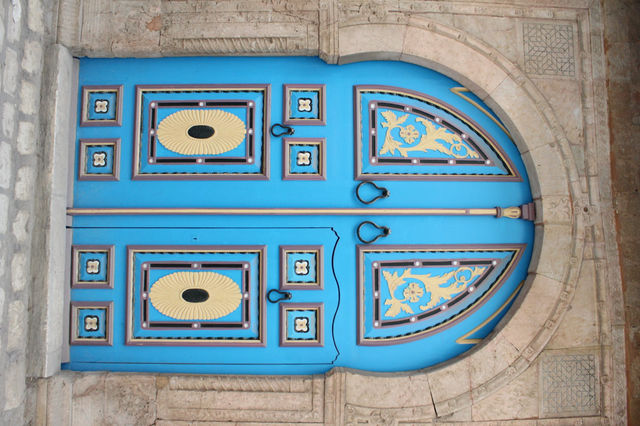
    The clifftop village above Carthage — cobbled lanes of whitewashed houses with famous blue doors and shutters, cafés and craft shops, looking out over the gulf.

    Why go
    The blue-and-white lanes, the views, and the mint tea.
    Best for
    Photographycafésa scenic afternoon
    Known for
    The blue-and-white houses and studded doors, the cliff-top café terraces over the gulf, the little art galleries and craft shops, and the sea views.

Views & hidden gems

Best views

  • Sidi Bou Said's café terraces — over the blue gulf and the marina
  • A medina rooftop terrace — the sea of tiled roofs and minarets
  • Byrsa Hill at Carthage — the ruins and the bay below
  • The blue doors and lanes of Sidi Bou Said — the postcard shots

Hidden gems

  • The Dar Hussein and the medina's ornate palaces — courtyards behind plain doors
  • The rooftop of a medina café — mint tea with a minaret view
  • The Antonine Baths at Carthage — vast Roman ruins right by the sea
  • The Café des Nattes in Sidi Bou Said — a historic mat-floored café up the steps
  • A medina hammam — the traditional steam bath, a local ritual

Food & drink

Tunisian food is Mediterranean and North African, spicier than its Moroccan neighbour, built around the fiery harissa chilli paste. The signature snack is the brik, a crisp fried pastry wrapped around egg and tuna; couscous is the great communal dish, and the Tunisian tajine is not the Moroccan stew but a baked egg-and-cheese frittata. Fresh Mediterranean fish, lablabi chickpea soup and ojja egg-and-sausage stew fill the tables, and mint tea with pine nuts finishes the meal. Tunisia also makes decent wine.

  • Brik — a crisp fried pastry with egg, tuna and capers
  • Couscous — the great communal dish, with vegetables, meat or fish
  • Tunisian tajine — a baked egg-and-cheese omelette, unlike the Moroccan stew
  • Lablabi — a warming chickpea soup with bread, egg and harissa
  • Ojja — eggs poached in a spicy tomato-and-pepper sauce with merguez
  • Mint tea with pine nuts — the sweet ritual drink
Dietary notes

Vegetarians manage with brik (ask without tuna), lablabi, salads, couscous and vegetable dishes, though harissa and stock often carry fish or meat, so ask. Vegan is doable from the same base. Halal is the default across the city. Kosher food is very limited and best arranged ahead. Gluten-free is harder given the bread-and-couscous base; grilled fish and egg dishes help — confirm.

Tunis in photos

▸ Where you'll stay

Where you'll stay in Tunis

The Ville Nouvelle around the main avenue is the practical, comfortable base — hotels, cafés and transport, walkable to the medina. Staying in or beside the medina gives atmosphere in a restored dar guesthouse. Many visitors, though, base out at the coast — Sidi Bou Said or the beach suburbs of La Marsa and Gammarth — for the sea air and the views, taking the light rail into the capital. Tunis is affordable across the board.

  • Budget
    The Ville Nouvelle budget hotels near the avenue and the medina, central and cheap.
  • Mid-range
    The medina or Ville Nouvelle restored dar guesthouses or comfortable central hotels.
  • Luxury
    Sidi Bou Said / Gammarth boutique and resort hotels on the coast with sea views.
Stay

Hotels & rentals around Tunis

Pan, zoom and compare live prices — every stay in one map.

▸ Getting around

Getting around Tunis

The medina and the central avenue are walkable; the TGM light rail is the easy, scenic link out to Carthage, Sidi Bou Said and the coast, and a metro-tram (the Métro léger) and taxis cover the wider city. Agree taxi fares or use the meter. A car isn't needed for the main sights.

The medina and Ville Nouvelle are a short walk apart (~approx). Carthage and Sidi Bou Said are a ride out along the TGM coastal line; the beach suburbs are further along the same route.

▸ Plan your days

Suggested itineraries

Ready-made day plans for Tunis — from a single day to a long weekend.

One day

Spend the morning in the medina — the souks, the Zitouna Mosque and a rooftop café — then head to the Bardo Museum for the Roman mosaics. In the afternoon take the light rail out along the coast to Carthage for the ruins by the sea, and end in Sidi Bou Said with mint tea on a blue-and-white terrace at sunset.

Two days

Give day two to the coast and the details. Explore Carthage's scattered sites more fully in the morning, wander Sidi Bou Said's lanes and galleries, and spend the afternoon at the beach suburbs of La Marsa or Gammarth before a seafront dinner, returning to the capital in the evening.

▸ What you'll do

Insider tips

  • Take the TGM light rail out to Carthage and Sidi Bou Said — it's cheap, scenic and links the coastal sights in one easy line.
  • Carry small dinar notes for the souks, taxis and tips, and change money on arrival as the dinar can't be bought abroad.
  • Give Carthage a half-day and a guide or good map — the ruins are scattered across the suburb rather than in one spot.
  • Dress modestly in the medina and around the mosques, and haggle with a smile in the souks.
Explore

Explore the area

© OpenFreeMap · OSM · terrain Mapterhorn
Do

Local attractions & tours

Skip-the-line tickets and small-group tours in Tunis — compare across our partners.

We're still curating hand-picked tickets and tours for Tunis. In the meantime, the map above and the nearby cities are a great place to start.

▸ Budget

What it costs in Tunis

Backpacker
roughly €25–40 a day.
Mid-range
roughly €55–100 a day.
Luxury
€200 a day and up.
Cash vs card
Tunis runs largely on cash — carry dinar for the souks, food, taxis and tips; cards work in bigger hotels and restaurants. The dinar is a closed currency, obtained on arrival.
Tipping
Small tips are expected for service and help; keep small notes and tip modestly and often.
▸ When you'll go

When to visit Tunis

April to June and September to November — warm and clear, before and after the summer heat

Spring

What to expect — Warm and pleasant, the countryside green and flowering, the sea warming and the crowds light. One of the best times.

What's best — Ideal walking weather for the medina and Carthage, green surroundings, and warm-enough coastal days before the summer heat.

Summer

What to expect — Hot and dry, the medina airless at midday and the coast and beaches busy with locals and holidaymakers. Little rain, long bright days.

What's best — Warm swimming and beach days at the coast, late lively evenings, and the coastal breeze. Do the medina and ruins early and rest through the heat.

Autumn

What to expect — Hot easing to warm, the sea still swimmable into November, and the crowds thinning. Comfortable, with the odd autumn storm.

What's best — The best all-round weather returning, warm days and swimmable sea, comfortable sightseeing, and the light golden on the coast.

Winter

What to expect — Mild but sometimes wet and cool, with short but often bright days, and a quiet, low-season city. Occasional Mediterranean storms.

What's best — Gentle temperatures, near-empty ruins and medina, low prices, and a warm-enough escape from the northern winter — pack for the odd shower.

▸ Know before you go

Know before you go

Honest swaps

Skip the aggressive souvenir stalls at the medina entrance → go deeper into the working souks where locals shop and prices are fairer.

Skip a taxi out to the coast → the little TGM light rail links Tunis, Carthage and Sidi Bou Said cheaply and scenically.

Skip the tourist-menu spots on the main avenue → eat brik and couscous in a medina or side-street place where locals do.

Skip only doing Sidi Bou Said at midday → go earlier or later for the light and fewer crowds on the blue lanes.

Crowds & timing

Sidi Bou Said and the Bardo are busiest midday; go early for the light and the calm.

Carthage's ruins are spread out and best given a half-day with the coastal train between the sites.

Local rules & etiquette

Dress modestly, especially in the medina and at the mosques — cover shoulders and knees, and note that non-Muslims may not enter the prayer halls of the Zitouna, though the courtyard is often open.

Ask before photographing people, and haggle in good humour in the souks.

Tunisia is relatively relaxed, but respectful dress and behaviour matter, especially at prayer times and during Ramadan.

Money

Carry cash in dinar for the medina, taxis and tips; cards are for bigger venues only.

Agree taxi fares or insist on the meter, and change money at banks or official bureaux, not on the street.

After dark

The Ville Nouvelle avenue and its cafés hold the gentle evening scene; the coast at La Marsa and Gammarth has more bars and nightlife.

The medina quiets after dark — an atmospheric early-evening wander more than a night out.

A mint tea, a coastal dinner or a café on the avenue suits the city's easygoing evenings.

▸ Ready to book your trip?

Getting there

Tunis-Carthage Airport (TUN) lies just northeast of the city, a short taxi from the centre. There is little intercity rail into the capital, but the airport, buses and the coastal TGM light rail connect the city and its seaside suburbs.

Book

Ready to book your trip?

Flights, airport transfers and car hire — search and compare without leaving the page.

▸ Trip extras
Book

More trip extras

Parking, holiday extras, and more — coming soon.

Coming soon

We're lining up parking, holiday extras and activities you'll be able to add to any trip from here.