← Turkey
TURKEY

Istanbul

The city where continents meet — Ottoman mosques, Byzantine basilicas, spice-scented bazaars and a Bosphorus strait that cuts straight through the heart of it.

  • The best time to visit is May–Sep, when the weather is mildest with fewer rainy days.
  • IST
  • 4–5 days
  • Two Continents
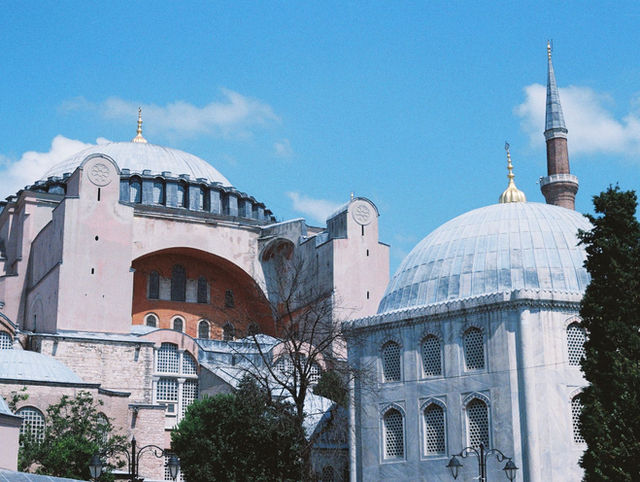
  • Domes & Minarets
  • Bosphorus Ferries
  • Bazaars & Tea

The call to prayer rolling across the rooftops at dusk, a glass of tea pushed into your hand before you've sat down, and the low horn of a ferry pulling out toward the far shore.

Istanbul is the only city that sits on two continents, split by the Bosphorus into a European side and an Asian one, with a thousand years of empires stacked on top of each other. Cross the water on a ferry and the whole place rearranges itself.

Type
metropolis
Ideal length
~approx 4–5 days
Getting around
trams, metro, the Marmaray tunnel and Bosphorus ferries, all on one Istanbulkart
Neighbourhoods
8 areas
Best season / months
April, May, September and October — mild air, thinner crowds, before and after the summer heat
Language
Turkish
Currency
Turkish lira (₺)
Budget level
moderate — cheaper than Western Europe, though the headline sights and a weak lira both move fast
Good for
  • First-timers
  • History
  • Food
  • Culture
  • Couples
▸ Discover

About Istanbul

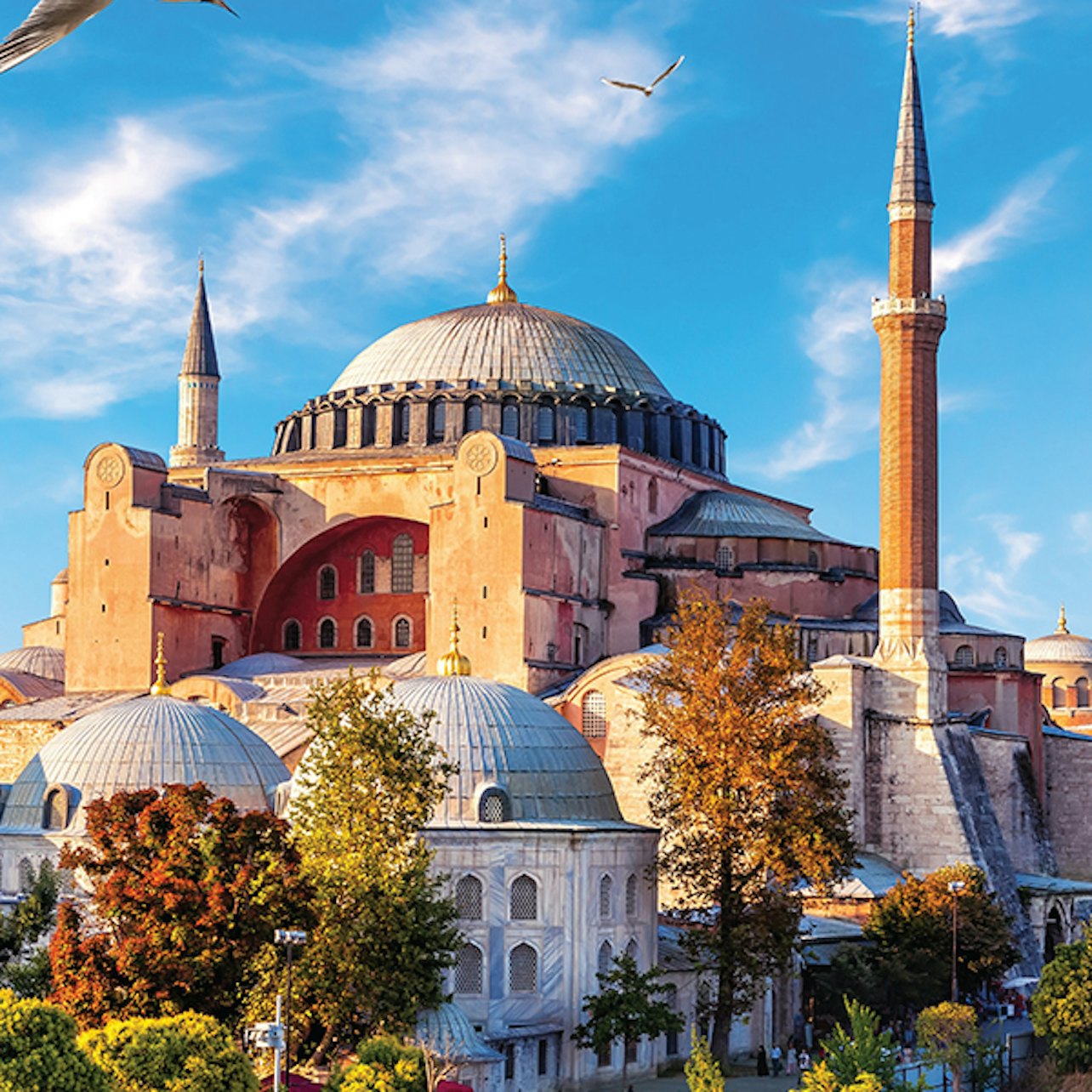
Istanbul is the only city in the world to straddle two continents, its European and Asian shores linked by two suspension bridges and a constant stream of ferries crossing the turquoise Bosphorus. With a metropolitan population of over 15 million, it is Turkey's commercial, cultural and historical capital — though not its political one — and one of the ancient world's most consequential cities. It was once Byzantium, then Constantinople, the capital of the Eastern Roman Empire for a thousand years, before Mehmed II's Ottoman conquest in 1453 made it the seat of a new empire that stretched from Vienna to Baghdad. The layers are everywhere: the Hagia Sophia, built as a Christian basilica in 537 AD, is now a mosque; the Blue Mosque answers it across the At Meydanı; and the Grand Bazaar, with its 4,000 shops, has been trading continuously for 500 years. Istanbul is also a living, sprawling, modern megalopolis with a world-class restaurant scene, vibrant nightlife along the Bosphorus, and a creativity that makes it one of the most interesting cities in Europe or Asia — depending on which shore you're standing on.

Istanbul is home to a UNESCO World Heritage Site — Historic Areas of Istanbul — inscribed in 1985.

Why go

Istanbul offers a density of world-class historical sites — Hagia Sophia, Topkapı Palace, the Grand Bazaar, the Spice Bazaar, the Blue Mosque — that few cities can match, combined with a food culture (meze, simit, balik ekmek, Turkish breakfast spreads) that is deeply pleasurable at every price point. The Bosphorus itself, crossed for a few lira on a public ferry, is one of the great urban waterways: watching the tankers pass under the bridges as the minarets rise above you is a defining Istanbul moment. The city is also significantly cheaper than comparable European destinations, making it excellent value for accommodation, restaurants and transport. The Asian side (Kadıköy, Üsküdar) offers a more lived-in, local experience that most tourists miss entirely. Come for four to five days to scratch the surface; longer stays reward the curious.

Don't miss

  • Hagia Sophia — Byzantine cathedral turned mosque, 1,500 years old
  • The Blue Mosque — Sultan Ahmed's six minarets and blue tiles
  • Topkapı Palace — the Ottoman sultans' court over the Bosphorus
  • The Grand Bazaar & Spice Bazaar — the great covered markets
  • A Bosphorus ferry — cross from Europe to Asia on the water

Signature experiences

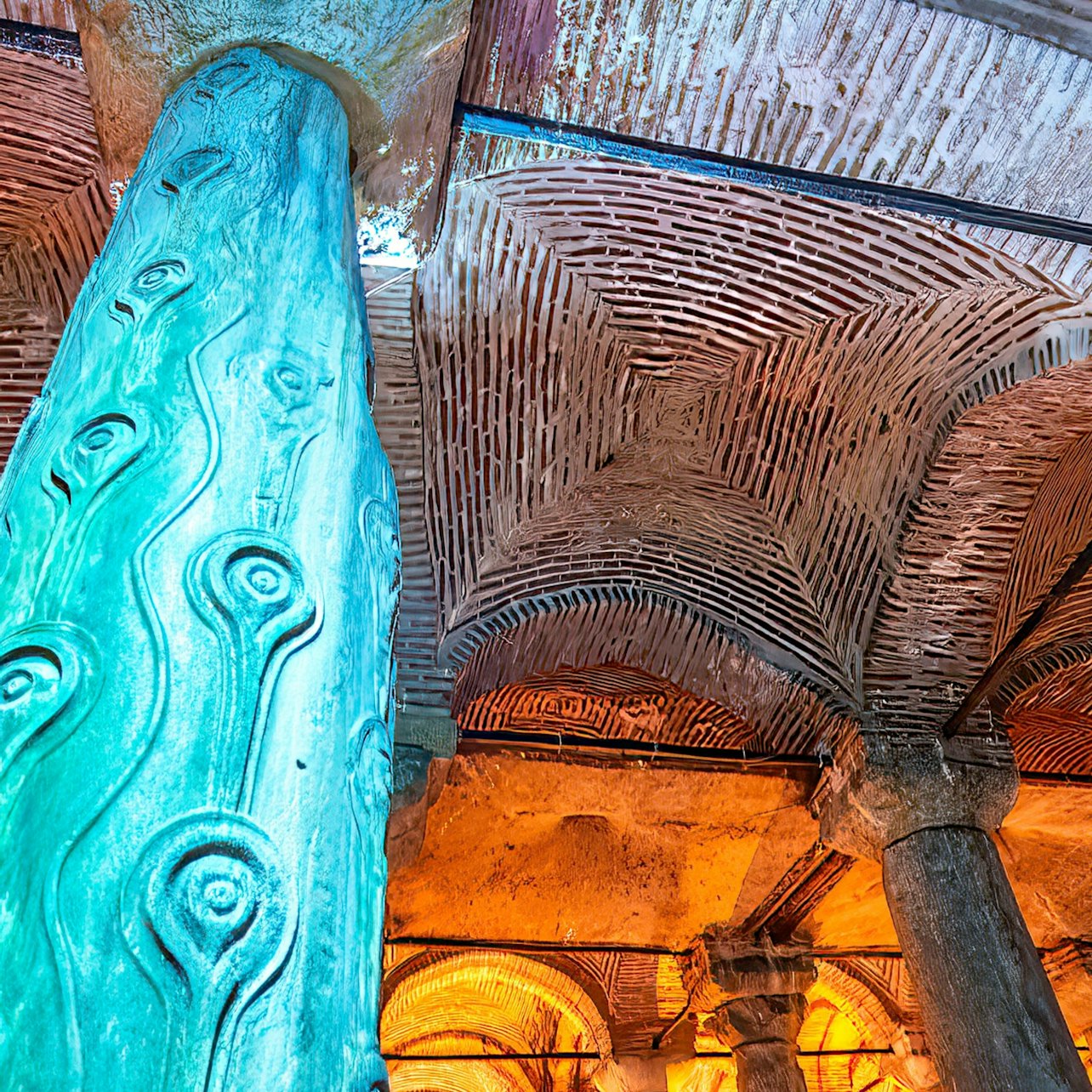
The old-city monument crawl — The historic peninsula packs the marquee sights into a walkable cluster. Stand under the dome of the Hagia Sophia, cross the square to the Blue Mosque, then take your time through the courtyards and harem of Topkapı Palace looking out over three waterways. Duck underground into the Basilica Cistern, where columns rise out of dark water and two Medusa heads sit wedged at the base. Go early — this is the one part of Istanbul that fills with tour groups by mid-morning.

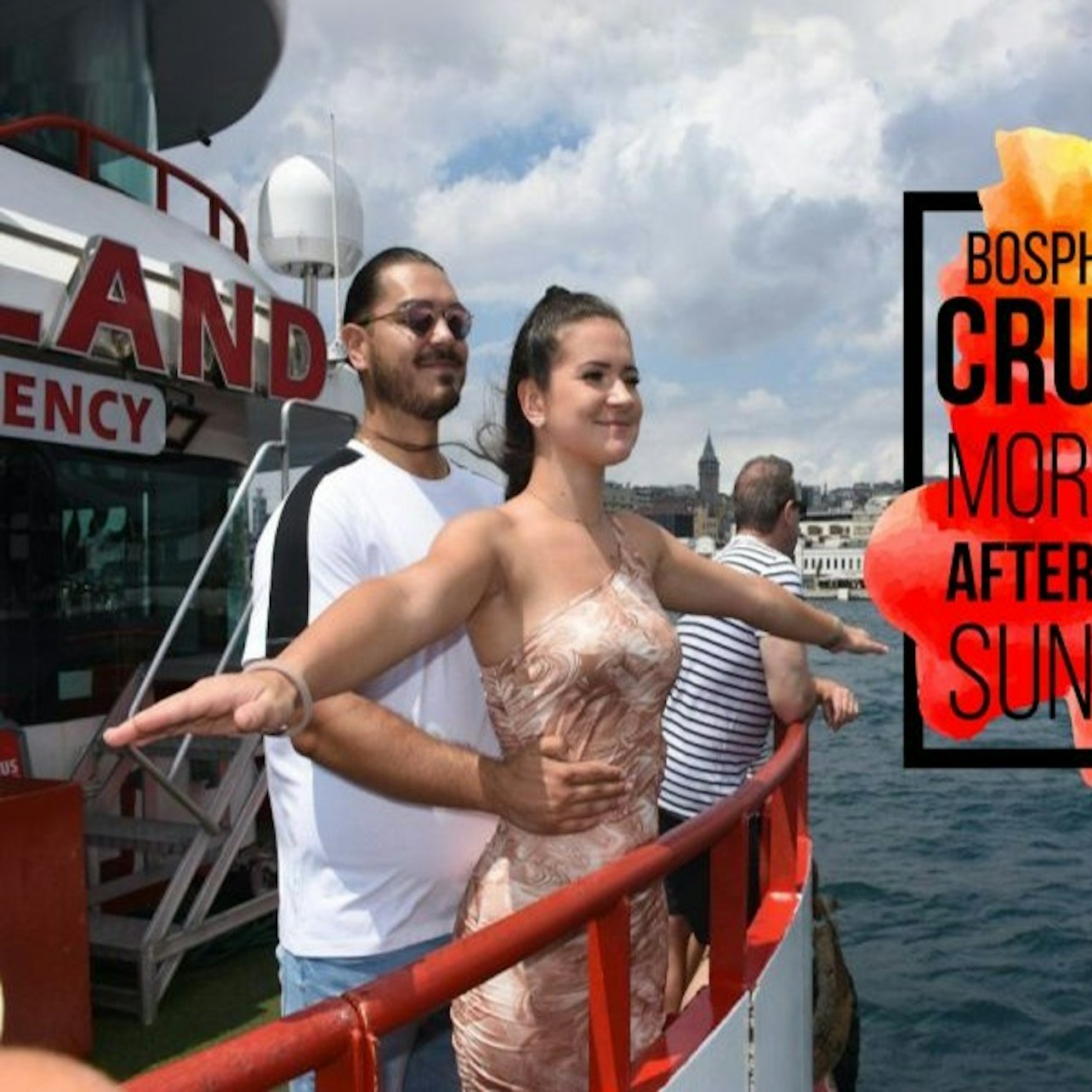
The Bosphorus and its ferries — The strait is the city's spine and the ferry is its best ride. A commuter boat from Eminönü to Kadıköy or Üsküdar costs a fare and buys you the whole skyline — domes, bridges, waterfront mansions — with tea and a simit on deck and gulls hanging off the stern. Skip the overpriced "sunset cruise with dinner" touts near the piers; take an ordinary scheduled ferry across to the Asian side and back for a fraction of it, at the same golden hour.

Bazaars, tea and the trade — Shopping here is a contact sport, and half the fun is the ritual. Get lost in the lanes of the Grand Bazaar, then work the Spice Bazaar and the streets behind it in Eminönü for lokum and dried fruit. Everywhere the deal is sealed over a glass of tea, whether you buy or not. Haggle without apology — the first price is aimed at tourists — and be relaxed about walking away.

Mosques, hills and the skyline — The city's silhouette is domes and minarets, best seen from height. Climb the Galata Tower for the full sweep across the Horn to the old city, or the Süleymaniye Mosque's terrace for the same view with fewer people and no ticket queue. At dusk the call to prayer overlaps from a dozen minarets at once — stand on a rooftop or the Galata Bridge and just listen.

Eating your way across two sides — Istanbul is a full day of small meals: a simit and tea for breakfast, a fish sandwich off the Eminönü boats at lunch, meze and rakı stretched over an evening in a Beyoğlu meyhane. Cross to Kadıköy on the Asian side for the market and a rowdier, more local night out. The street food alone — döner, wet burgers, roasted chestnuts, midye dolma — is a reason to come.

Neighbourhoods

Istanbul neighbourhood by neighbourhood — the character of each and who it suits.

  • Sultanahmet

    The old city's showpiece, a compact wedge of the historic peninsula where the biggest monuments face each other across a park. It is the most touristed patch in Turkey, and it earns it — then empties out at night.

    Why go
    The single densest run of world icons in the city, all walkable end to end.
    Best for
    First-time sightseeingByzantine and Ottoman historysunset over the domes
    Known for
    the Hagia Sophia and the Blue Mosque squaring off across Sultanahmet Square, Topkapı Palace on the point above the water, the sunken Basilica Cistern, and the Grand Bazaar a short walk uphill toward Beyazıt.
  • Eminönü

    The waterfront at the mouth of the Golden Horn, where the ferries dock and the old city gets down to business. Loud, crowded and run on tea and commerce.

    Why go
    The Spice Bazaar, the ferry piers, and the best fish sandwich in town off the boats.
    Best for
    Marketsstreet foodferry-hoppingpeople-watching
    Known for
    the Spice Bazaar and the streets of shops behind it, the New Mosque on the quay, the Süleymaniye Mosque crowning the hill above, and the balık ekmek fish-bread boats bobbing beside the Galata Bridge.
  • Balat

    The old Jewish and Greek quarter up the Golden Horn, all steep lanes of painted timber houses. Half of it is genuinely lived-in and worn; the other half has turned into a photo backdrop.

    Why go
    The most atmospheric wander in the old city, without the Sultanahmet crush.
    Best for
    Aimless walkingantique shopscafésphotography
    Known for
    the rows of coloured houses on Kiremit Caddesi, the antique and junk shops, the neighbouring Fener district with its Greek Orthodox Patriarchate, and the hillside churches and old synagogues.
  • Karaköy

    The working port at the foot of the Galata hill, north of the Golden Horn, remade from a rough dockside into a design-and-coffee district. Still has grease under its fingernails.

    Why go
    Third-wave cafés and galleries below one of the city's great landmarks.
    Best for
    Coffeesmall gallerieswaterfront walksbaklava
    Known for
    the Galata Tower rising on the hill above, the Karaköy fish market and old hardware lanes, the Tünel funicular climbing to Beyoğlu, and the waterfront looking back at the old-city skyline.
  • Beyoğlu

    The modern heart on the hill north of the Horn — 19th-century apartment blocks, passages and a pedestrian spine that never really sleeps. This is where Istanbul goes out.

    Why go
    The city's nightlife, music and shopping, strung along one long street.
    Best for
    Barslive musicshoppinglate eating
    Known for
    İstiklal Street running from Taksim Square down to Tünel with the red nostalgic tram (the T2 line) trundling along it, the Galata Tower at its lower end, the covered Çiçek Pasajı arcade, and the meyhane taverns down the Nevizade side lanes.
  • Beşiktaş

    A busy transport and student quarter on the European Bosphorus shore, north of Beyoğlu, with a football obsession and a good market. Less polished, more local.

    Why go
    A Bosphorus-side base that feels like the real city, next to a grand palace.
    Best for
    Everyday city lifewaterfront ferriesfootball atmosphere
    Known for
    Dolmabahçe Palace stretching along the water, the Beşiktaş fish market and food stalls, the ferry piers to the Asian side, and the Yıldız Park hillside behind.
  • Ortaköy

    A small waterside village feel just under the first Bosphorus bridge, a short way north of Beşiktaş. Touristy on weekends, pretty always.

    Why go
    The postcard shot of a baroque mosque with the bridge behind it.
    Best for
    Waterfront strollingweekend snacksphotos
    Known for
    the Ortaköy Mosque right on the quay, the stuffed-baked-potato (kumpir) stalls along the square, the craft market on Sundays, and the view up to the Bosphorus Bridge.
  • Kadıköy

    The heart of the Asian side, across the water — a market-and-bar district with none of the old city's monuments and none of its tour groups. Where locals send you when they're tired of tourists.

    Why go
    The best food market in the city and a genuine neighbourhood night out.
    Best for
    Market grazingbarsrecords and booksferry rides
    Known for
    the produce-and-fish market off Güneşlibahçe Sokak, the bar-lined Kadife Sokak ("Barlar Sokağı"), the ferry pier facing the old-city skyline, and the seafront promenade toward Moda.

Views & hidden gems

Best views

  • The Galata Tower gallery — the classic 360° over the Golden Horn and old city
  • The Süleymaniye Mosque terrace — the same skyline sweep, quieter and free
  • The Galata Bridge at dusk — anglers on the deck, ferries below, minarets ahead
  • A Bosphorus ferry deck — the moving skyline shot everyone wants

Hidden gems

  • The Basilica Cistern's two sideways Medusa heads, tucked at the base of the columns
  • Pierre Loti Hill above Eyüp — the TF2 cable car up to a tea garden over the Golden Horn
  • The Balat back lanes around Fener — the painted houses and the Greek Patriarchate, before the crowds
  • Çukurcuma in Beyoğlu — the antique-shop streets behind İstiklal, and the Museum of Innocence
  • The Büyükada car-free lanes — the largest of the Princes' Islands, a ferry ride out into the Marmara (more frequent in summer)

Food & drink

Turkish breakfast

The Turkish kahvaltı is one of the world's great breakfast traditions: white cheeses, olives, honeycomb, soft-boiled eggs, tomatoes, cucumbers, simit bread rings and multiple glasses of black tea (çay). Available at neighbourhood cafés across Istanbul from early morning at very reasonable prices — seek out the working-neighbourhood versions in Cihangir or Kadıköy rather than tourist-hotel versions.

Street food

Balık ekmek (grilled mackerel sandwich, sold from floating boats at the Galata Bridge) is Istanbul's most famous street food — atmospheric and cheap. Midye dolma (mussels stuffed with spiced rice, sold by street vendors on the Asian side) is excellent and genuinely local. Börek pastry (flaky, filled with cheese or meat) is available everywhere.

Where to eat

The Karaköy, Cihangir and Beyoğlu neighbourhoods on the European side and Kadıköy on the Asian side have the best modern Turkish restaurants and meyhanes (tavern-restaurants serving meze and rakı). Avoid overpriced tourist restaurants directly adjacent to the Blue Mosque and Hagia Sophia — better food at a third of the price exists two or three streets away in every direction.

Drinks

Rakı — an anise-flavoured spirit mixed with cold water until it turns milky white ('lion's milk') — is the traditional accompaniment to a meze dinner and a quintessential Istanbul experience. Turkish tea (çay, strong and served in tulip-shaped glass) is drunk constantly throughout the day everywhere.

  • Döner / Adana kebab — spit-roasted meat, or hand-minced lamb grilled on a skewer
  • Meze — the shared small-plate spread that opens any rakı table
  • Balık ekmek — grilled fish crammed into bread, straight off the Eminönü boats
  • Simit — the sesame bread ring sold from every cart, dunked in tea
  • Baklava — layered pastry soaked in syrup, at its best with pistachio
  • Turkish delight (lokum) & Turkish tea/coffee — the sweet and the two drinks that run the city
Dietary notes

Meat is central, but vegetarians do well on the meze table — stuffed vine leaves, aubergine dishes, beans, hummus and endless salads — and Kadıköy and Beyoğlu both have a growing vegan scene. Nearly all meat is halal by default across the city, so that is a non-issue. Kosher food is limited and tied to the small Jewish community around Galata and Balat; ask ahead. Gluten-free is harder — bread, bulgur and pastry are everywhere — though upmarket cafés in Beyoğlu and Kadıköy increasingly get it.

Istanbul in photos

▸ Where you'll stay

Where you'll stay in Istanbul

Base yourself by what you want your mornings to feel like. Sultanahmet in the old city puts you walking-distance from every headline sight, but it goes quiet and touristy after dark and dinner options thin out. Beyoğlu and Galata, north of the Golden Horn, are the opposite — nightlife, restaurants and the tram, a short tram-plus-funicular hop to the old-city sights across the water. Kadıköy on the Asian side trades the monuments for a real neighbourhood, great food and a ferry commute across the Bosphorus. Beşiktaş and the Bosphorus shore are for waterfront life and easy ferries rather than sightseeing on foot.

  • Budget
    Beyoğlu / Galata hostels and small hotels near İstiklal, on the M2 metro and the Tünel funicular down to the water.
  • Mid-range
    Kadıköy a genuine neighbourhood with the best market and bars, a scenic ferry ride from the old city.
  • Luxury
    Ortaköy / the Bosphorus shore waterfront hotels under the bridge, quieter, farther from the sights but on the ferry lines.
Stay

Hotels & rentals around Istanbul

Pan, zoom and compare live prices — every stay in one map.

▸ Getting around

Getting around Istanbul

Tram & Metro

The T1 tram (Kabataş to Bağcılar via Sultanahmet) is the most tourist-useful transit line — it passes through the historic peninsula, across the Galata Bridge and continues to the Bosphorus. The Metro (M-lines) covers longer cross-city routes and connects to the airport. All transit accepts the Istanbulkart.

Ferries

Şehir Hatları and iDO ferries cross the Bosphorus regularly and cheaply from Eminönü and Karaköy piers to Üsküdar, Kadıköy and the Princes' Islands — one of the world's great short-water commutes. The standard crossing fare costs under £1 via Istanbulkart.

Taxis

Taxis are plentiful but taxi scams are well-documented. Always ensure the meter is running before departure; refuse any offer of a 'fixed price' into the city. Use the iTaksi or BiTaksi apps to book with upfront fare estimates — significantly safer than hailing street taxis at tourist sites.

Walking

Sultanahmet (the historic peninsula) is largely walkable but the terrain is steep — the hills between the Blue Mosque, Hagia Sophia and the Grand Bazaar require comfortable footwear. Traffic is heavy; always use pedestrian crossings.

Traffic

Istanbul's road traffic is legendarily congested. Avoid taxis for cross-city journeys during peak hours (08:00–10:00 and 17:00–20:00) — tram, Metro and ferry will all be faster.

Istanbulkart

The Istanbulkart is Istanbul's unified transit smart card — covers Metro, trams, buses, funiculars, cable cars, Bosphorus ferries and the Marmaray tunnel train. Buy at any Metro station machine (refundable card deposit; load credit at the same machine). It delivers a discounted fare vs cash on all connected services.

Key lines

The T1 tram: Kabataş to Sultanahmet (Hagia Sophia, Blue Mosque, Grand Bazaar) to Karaköy (Galata) to Eminönü — the tourist backbone. The M2 Metro: Taksim towards the airport direction. The Marmaray suburban rail: crosses under the Bosphorus, connecting European and Asian rail networks at Metro fare. The historic Tünel (1875, world's second-oldest underground railway): two stations connecting Beyoğlu to Karaköy.

Ferries

Şehir Hatları ferries from Eminönü and Karaköy to Üsküdar, Kadıköy, the Princes' Islands and along the Golden Horn — all Istanbulkart-compatible. The Marmaray line provides the underground Bosphorus crossing; the ferry above gives the scenic one.

Peak hours & night

Transit is extremely crowded during morning and evening peaks (08:00–09:30 and 17:00–19:00). Night buses cover main corridors after Metro and tram services end; taxis (via app) are the most practical late-night option.

▸ Plan your days

Suggested itineraries

Ready-made day plans for Istanbul — from a single day to a long weekend.

One day

Start early in Sultanahmet while it's quiet — the Hagia Sophia, then across the square to the Blue Mosque, and up into Topkapı Palace for the Bosphorus view before the tour groups land. Drop underground into the Basilica Cistern to cool off, then walk uphill to lose an hour in the Grand Bazaar. In the afternoon head down to Eminönü for a fish sandwich off the boats and a wander through the Spice Bazaar, then walk over the Galata Bridge and up to the Galata Tower in Karaköy for sunset over the domes you started the day inside.

Two days

Give day two to the modern side and the water. Ride the Tünel funicular or tram up from Karaköy into Beyoğlu and walk İstiklal Street from Tünel to Taksim, ducking into the Çiçek Pasajı and the Çukurcuma antique lanes. After lunch in a Nevizade meyhane, come back down to the water and take a scheduled ferry from Eminönü across to Kadıköy on the Asian side — graze the produce market, then stay for the bars around Kadife Sokak and dinner before the ferry back.

Three days

Use day three to slow down along the Bosphorus and up the Golden Horn. Ferry or walk north to Beşiktaş for Dolmabahçe Palace on the water, carry on to Ortaköy for the little mosque under the bridge and a stuffed potato in the square. Then swing back to the old-city side and spend the late afternoon in Balat and Fener, wandering the painted-house lanes and the Greek Patriarchate before the light goes — the quietest, most local end to the trip.

▸ What you'll do

Insider tips

Marmaray under the Bosphorus

The Marmaray commuter train crosses beneath the Bosphorus Strait — connecting Europe and Asia underwater on a single Istanbulkart tap. It is one of the most historically remarkable commuter journeys in the world: you cross the strait that separated continents for millennia, in 4 minutes, for the price of a metro fare.

Best Bosphorus views

The free public ferry from Eminönü to Üsküdar on the Asian side provides better Bosphorus views than any paid tour at a fraction of the cost. From Üsküdar, walking the Asian shore northward gives the finest unobstructed views of the European skyline with the minarets of Sultanahmet. Pierre Loti Café in Eyüp (cable car or uphill walk) provides the most atmospheric Golden Horn viewpoint.

Spice Bazaar over Grand Bazaar

The Spice Bazaar (Mısır Çarşısı), directly adjacent to the Eminönü ferry terminal, is smaller, less crowded and has better-quality spices, Turkish delight and tea than the Grand Bazaar — without the carpet-shop gauntlet. It is also less photographed and more atmospheric.

Asian side

Kadıköy on the Asian side is the city's best food neighbourhood — the Yeldeğirmeni food market, outstanding restaurants, a thriving bar scene — with almost no tourists. Worth a half-day crossing by ferry from Eminönü.

Frequently asked

How many days do I need in Istanbul?

Four to five days allows the Hagia Sophia, Blue Mosque, Topkapı Palace, Grand Bazaar, a Bosphorus ferry, the Spice Bazaar, Galata area and a half-day on the Asian side — without rushing. A week allows the Princes' Islands (day trip by ferry), the Archaeological Museum and deeper neighbourhood exploration.

Is Istanbul safe to visit?

For the vast majority of visitors, yes — Istanbul is a major tourism destination with well-developed visitor infrastructure and heavy security presence in the historic areas. The main documented risks are taxi scams and pickpocketing. Check current FCO or State Department advisories before travelling for the latest situation.

Do I need to cover up at mosques?

Yes — this is a firm rule rather than a suggestion. Shoulders and knees must be covered for both men and women. Women should bring or borrow a headscarf at the entrance. Shoes must be removed (bags are provided). At the Blue Mosque specifically, be aware of 'guides' offering assistance near the entrance who are running an unofficial paid service.

Is Istanbul expensive?

Significantly cheaper than comparable Western European cities. A mid-range restaurant meal costs approximately £10–20 per head; the Bosphorus ferry fare is under £1; accommodation for mid-range hotels is typically 30–50% cheaper than London or Paris equivalents.

Can I visit both European and Asian sides?

Easily and highly recommended — the public ferry from Eminönü to Kadıköy takes 25 minutes and costs a single metro fare via Istanbulkart. The Asian side (Kadıköy in particular) offers the best food neighbourhood and a completely different character from the tourist-facing European historic peninsula.

What's on

While you're there

22
AUG
Babylon Soundgarden 2026 — Istanbul, August 2026
Mimar Hayrettin, Yeniçeriler Caddesi 59, 34126 Fatih/Istanbul, Türkiye · festival
Build a trip around it →
Explore

Explore the area

© OpenFreeMap · OSM · terrain Mapterhorn
Do

Local attractions & tours

Skip-the-line tickets and small-group tours in Istanbul — compare across our partners.

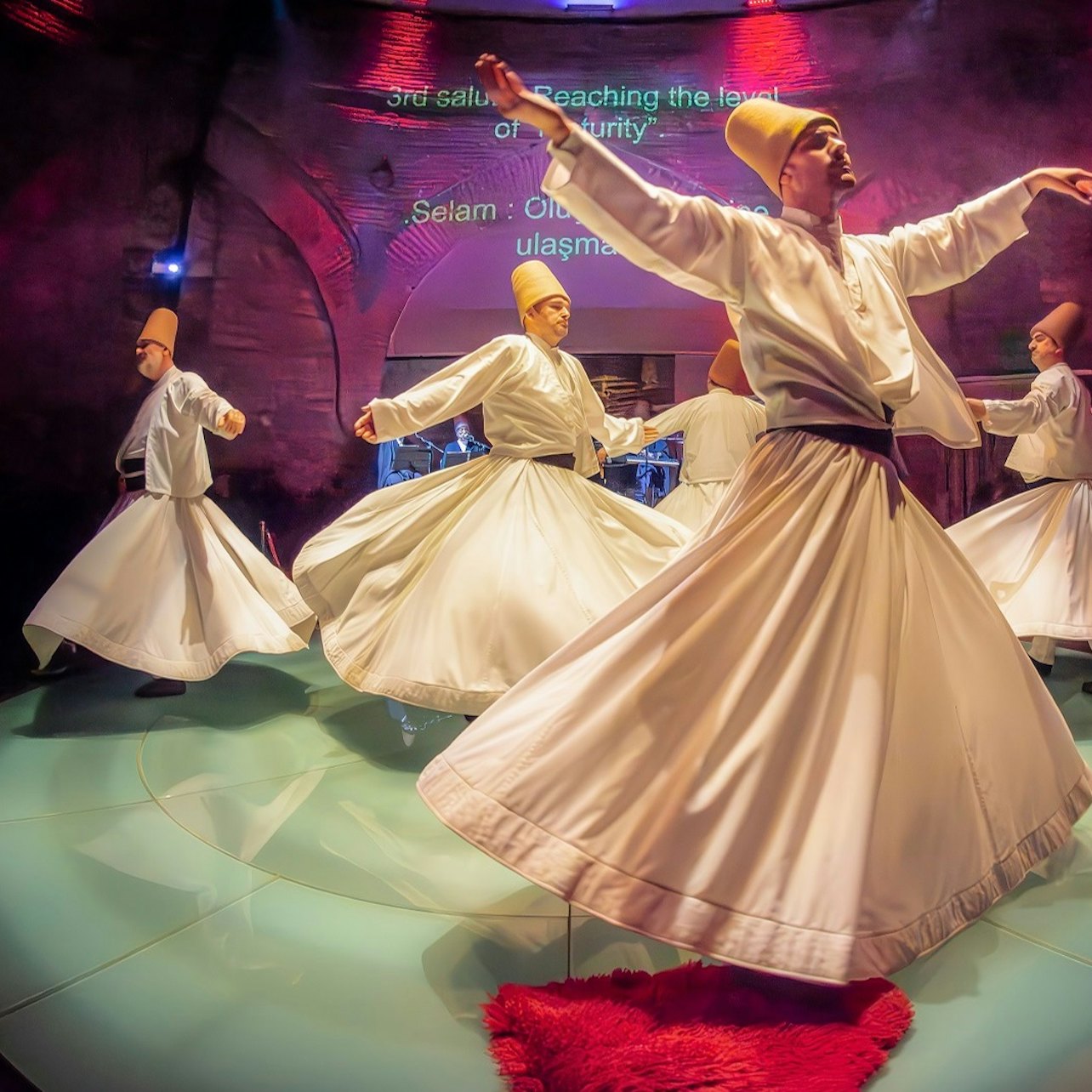
Hodjapasha: Whirling Dervishes Live Show + Exhibition

Istanbul

from £27.53

4.5 (75)
Book on Tiqets →
Plan

Trips in Istanbul

Day-by-day itineraries that take in Istanbul — routes, timings and what to book.

▸ Budget

What it costs in Istanbul

Backpacker
roughly the low tens of euros a day
Mid-range
roughly the mid two-figures a day
Luxury
well into the hundreds a day and up
Cash vs card
Cards tap through most shops, cafés and transport top-ups, but markets, street food, taxis and the bazaars still run on cash — carry lira. Pay in lira, not euros, and ignore any shop offering to charge your card in your home currency.
Tipping
Discretionary and modest — round up or leave around a tenth at sit-down restaurants if service isn't already added; check the bill. No need to tip for counter or street food.
▸ When you'll go

When to visit Istanbul

The best time to visit is May–Sep, when the weather is mildest with fewer rainy days.

Spring

What to expect — Mild, changeable and often wet early on, drying and warming through May. The city's tulips come out in the parks and the crowds are still manageable before summer.

What's best — The most comfortable walking weather of the year, long light on the water, and the sights busy but not overwhelmed. Along with autumn, the sweet spot.

Summer

What to expect — Hot, humid and crowded, with the headline sights at their most packed and beds at their priciest. The heat sits heavy on the peninsula by midday.

What's best — Long evenings, the Bosphorus breeze on a ferry, rooftop bars and late waterfront dinners. If crowds and heat wear on you, aim for June's start or September instead.

Autumn

What to expect — Warm easing to cool, the summer crush gone, and generally clear days into October before the rains return. The most reliable stretch for ferry weather.

What's best — Comfortable sightseeing, softer light for the skyline, thinner queues and lower prices than peak summer. The best all-round time to come.

Winter

What to expect — Cold, grey and wet, with real wind off the water and the occasional snowfall that briefly turns the domes white. Short days, but the sights stay open and quiet.

What's best — The lowest prices and smallest crowds of the year, steamy tea gardens and hammams, and the rare magic of snow settling on the old city. Pack for rain and wind.

▸ Know before you go

Know before you go

Honest swaps

Skip the "sunset dinner cruise" hawked near the piers → take an ordinary scheduled Bosphorus ferry across to Kadıköy for the same view at a fraction of the price.

Skip the tourist-priced restaurants ringing Sultanahmet Square → cross to Beyoğlu's meyhanes or the Kadıköy market for far better food.

Skip paying a rooftop-bar cover for the skyline → climb the Süleymaniye Mosque terrace for the same view, free and less crowded.

Skip the first carpet shop a friendly "student" walks you to → browse the Grand Bazaar yourself and buy only where you set out to.

Crowds & timing

The old-city sights (Hagia Sophia, Topkapı, the Basilica Cistern) fill with tour groups from mid-morning; go at opening or late afternoon, and book timed tickets ahead where you can.

Mosques close to visitors during the five daily prayers and especially around Friday midday prayers (~approx noon to mid-afternoon) — plan around them rather than turning up cold, and note the exact windows shift with the season.

Ortaköy and the bazaars are calmest on weekday mornings and a crush on weekend afternoons.

Local rules & etiquette

To enter any working mosque, dress modestly: shoulders and knees covered for everyone, and women cover their hair with a scarf. Shoes come off at the carpet — carry them in the bag provided or leave them on the racks. Bring your own scarf or borrow one at the door.

Keep quiet inside mosques, don't photograph people praying, and don't walk in front of someone at prayer.

Bargaining is expected in the bazaars and shops but not in supermarkets or fixed-price cafés; stay friendly and be ready to walk away.

Be wary of the over-friendly stranger who wants to take you to "his cousin's shop" or a bar — the drink-spiking and inflated-bill bar scam is real.

Money

Pay and think in Turkish lira, not euros or dollars; if a card machine offers to bill you in your home currency, decline it and pay in lira.

Use bank ATMs over the free-standing tourist ones in Sultanahmet and around İstiklal, which carry poor rates and fees.

After dark

Beyoğlu is the mainstream night out — İstiklal's bars, the Nevizade meyhanes and live-music cellars, running late.

Kadıköy on the Asian side is the local, scruffier alternative, all cheap bars and students around Kadife Sokak.

Sultanahmet goes quiet and residential after the sights close; Ortaköy and the Bosphorus shore are for a gentler waterfront evening.

Safety

Overall safety

Istanbul is generally safe for tourists with standard urban precautions. The city is well-policed in tourist areas and violent crime against visitors is uncommon. The primary risks are city-specific and largely avoidable.

Taxi scams

Taxi overcharging is the most documented tourist problem in Istanbul. Tactics include 'broken' meters, route manipulation and offering a high 'fixed price' from airports and tourist sites. Always ensure the meter runs from the start; use the iTaksi or BiTaksi apps for upfront pricing and trip tracking. Keep small denomination lira for payment.

Bazaar & tourist area scams

Aggressive touting in the Grand Bazaar (carpet shops, jewellery stores) and Spice Bazaar is standard — a confident 'hayır teşekkürler' (no thank you) and walking on is the correct response. Do not follow strangers who 'just want to practice English' or offer hospitality — a known social-engineering approach.

Pickpocketing

Pickpocketing operates in the Grand Bazaar, along Istiklal Avenue (Taksim) and at major tourist sites. Use a crossbody bag, keep phones in inner pockets and stay aware in crowded transit.

Travel advice

Check current FCO (UK) or State Department (US) travel advisories before departure — the situation around major public gatherings and political events can change. For most tourists on most visits, Istanbul is an entirely manageable destination.

Culture & etiquette

Mosques

Istanbul has many active mosques that welcome non-Muslim visitors outside prayer times. Dress code is mandatory: shoulders and knees covered for both men and women; women should carry a headscarf (usually available to borrow at major mosques). Remove shoes before entering — place them in the bag provided. Be quiet and respectful; avoid visiting during the five daily prayer times (20–30 minutes when the mosque closes to visitors).

Tipping

Tipping is appreciated and expected in tourist-facing establishments. A 10–15% tip at restaurants and cafés is the norm; round up taxi fares. In the Grand Bazaar and markets: bargaining is expected and prices are typically opened at two to three times the realistic final price — beginning at 50–60% of the asking price and negotiating is entirely normal. In regular restaurants and shops, prices are fixed.

Bargaining

Bargaining is appropriate and expected in the Grand Bazaar, Spice Bazaar and souvenir markets — but not in regular shops, restaurants or with taxi meters. Entering a serious negotiation and then not buying is considered bad form; if you start bargaining with intention to buy, see it through.

Ramadan & greetings

Istanbul is a Muslim-majority city. During Ramadan, eating and drinking openly in conservative neighbourhoods during daylight hours draws less comfortable looks — tourist areas and restaurants remain open and functioning throughout. 'Merhaba' (hello) and a few Turkish words are warmly received anywhere in the city.

Daily budget

£75/day mid-range (budget £35, luxury £200+)

Emergency numbers

112 (all emergencies), 155 (police), 110 (fire), 112 (ambulance)

▸ Ready to book your trip?

Getting there

By air

Istanbul Airport (IST) on the European side is Turkey's main international hub — served by Turkish Airlines, most major European carriers and Gulf airlines. Direct flights from London take approximately 3h45; from New York approximately 10 hours. The Havaist airport bus connects IST to Taksim Square in 45–75 minutes depending on traffic (buy tickets at the terminal bus stop). A Metro connection to the city is under construction. Sabiha Gökçen Airport (SAW) on the Asian side serves Ryanair, easyJet and other budget carriers; buses and Metro connections to the European centre take 60–90 minutes.

By rail

Istanbul is connected to the European rail network via Sofia (Bulgaria) and Bucharest — slow but scenic routes requiring multiple connections. The new Bosphorus tunnel (Marmaray line) now links the European and Asian rail networks under the strait. High-speed rail connects Istanbul to Ankara in approximately 4 hours.

  • Sabiha Gökçen Airport (SAW)
Book

Ready to book your trip?

Flights, airport transfers and car hire to IST — search and compare without leaving the page.

▸ Trip extras
Book

More trip extras

Parking, holiday extras, and more — coming soon.

Coming soon

We're lining up parking, holiday extras and activities you'll be able to add to any trip from here.