← Ukraine
UKRAINE · CITY

The Historic Centre of Odesa

Ukraine's grand Black Sea port — a cosmopolitan city of neoclassical boulevards, opera and the famous Potemkin Steps.

  • City
  • May to September for the sea and warm boulevards
  • ~approx 2–3 days
  • Black Sea Port
  • The Potemkin Stairs
  • Belle Époque Opera
  • Cosmopolitan Wit

A grand staircase falling away to the sea from a leafy promenade, the pale columns of an opera house glowing at dusk, and a pavement café where the talk is quick and the accent unmistakably Odesan.

The great cosmopolitan port of the Black Sea: a young, planned city of neoclassical boulevards, a monumental seafront staircase and one of Europe's loveliest opera houses, built by many peoples and famous for its music, literature and sharp humour.

Type
metropolis
Ideal length
~approx 2–3 days
Getting around
a walkable central grid, plus trams, buses and marshrutkas
Neighbourhoods
4 areas
Best season / months
May to September for the sea and warm boulevards
Language
Ukrainian and Russian; some English among the young
Currency
Ukrainian hryvnia (₴)
Budget level
low to moderate — inexpensive by Western European standards
Good for
  • Architecture
  • Literature & music
  • Beaches
  • Café culture
▸ Discover

About The Historic Centre of Odesa

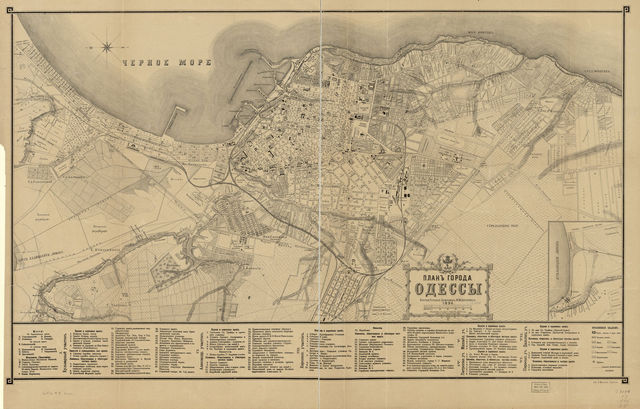
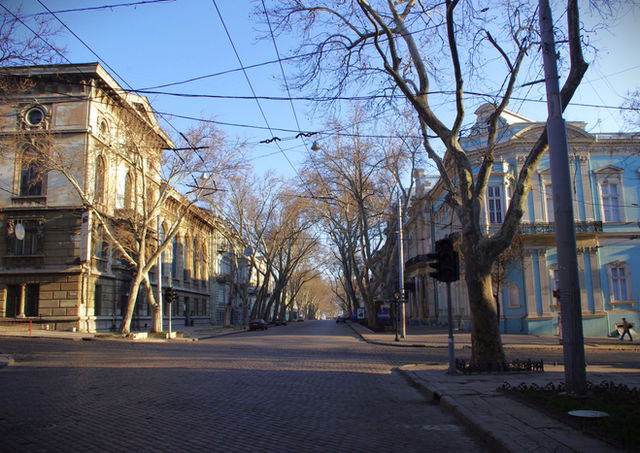
Odesa spreads along low bluffs above the northwestern Black Sea, a deliberately planned city founded in 1794 under Catherine the Great and laid out on a generous grid of tree-lined boulevards. As a free port it drew Ukrainians, Russians, Jews, Greeks, Italians and many others, and that mix gave the city its distinctive culture — a literary and musical tradition, a celebrated wit, and a cuisine of its own. The historic centre, a UNESCO World Heritage site, runs from the seafront Prymorsky Boulevard and its famous stairs through the pedestrian streets around Deribasivska to the old quarter of Moldavanka, with the beach district of Arcadia down the coast. It was inscribed with an acknowledgement of the danger it faces; present-day conditions must be checked against current advice.

Why go

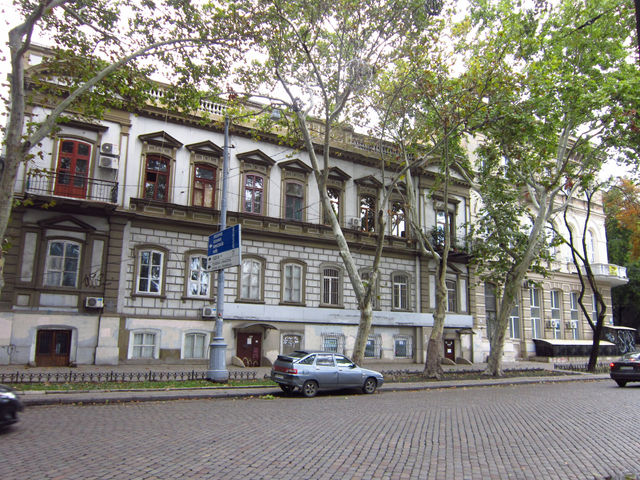
Odesa is one of the great port cities of the 19th century, its historic centre a coherent ensemble of neoclassical and Belle Époque architecture that earned UNESCO recognition. It gave the world the Potemkin Stairs and the Eisenstein film that made them famous, an opera house among the most beautiful in Europe, and a literary heritage from Pushkin to Isaac Babel. Its Black Sea setting, its beaches and its irrepressible urban character — the humour, the music, the café life — make it unlike anywhere else in Ukraine. Its cultural significance is internationally recognised.

Don't miss

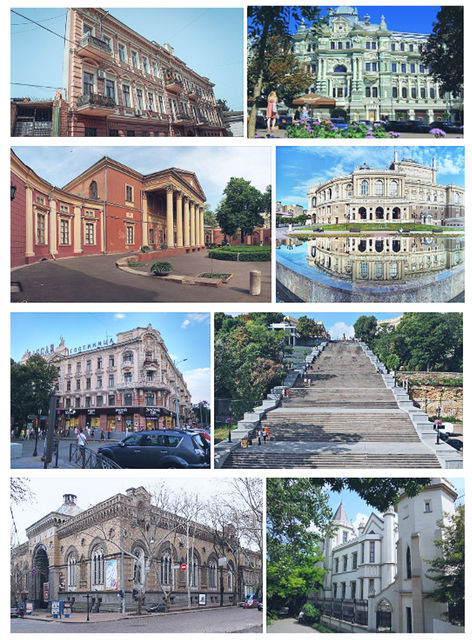
  • The Potemkin Stairs — the monumental seafront staircase
  • The Odesa Opera and Ballet Theatre — a Belle Époque masterpiece
  • Deribasivska Street and the City Garden — the pedestrian heart
  • Prymorsky Boulevard — the seafront promenade
  • The Odesa catacombs — the vast underground tunnels

Signature experiences

The seafront and the stairs — The city's set piece is the sweep from Prymorsky Boulevard down the Potemkin Stairs to the port — the staircase Sergei Eisenstein made world-famous in Battleship Potemkin, designed so it appears all steps from below and all landings from above. Walk the promenade past the Duc de Richelieu and the Vorontsov colonnade for the classic Odesa view over the harbour. **Opera, literature and café talk** — Odesa lives on its culture. The Odesa Opera and Ballet Theatre is a Belle Époque jewel and an evening there is the heart of the city's grand tradition; by day, the café life around Deribasivska and the City Garden carries the literary, quick-witted spirit that produced Pushkin's Odesa verse and Babel's tales. This is a city that talks, sings and jokes. **The sea and the underground** — Odesa is a Black Sea city, and in summer the beaches of Arcadia and the coast are where it heads. Beneath it all runs one of the world's largest networks of catacombs — hundreds of kilometres of old quarry tunnels under the city — a hidden counterpart to the boulevards above (access must be checked against current advice).

Neighbourhoods

The Historic Centre of Odesa neighbourhood by neighbourhood — the character of each and who it suits.

  • Prymorsky Boulevard

    The tree-lined seafront promenade along the top of the bluff, laid out to face the port and the sea — the ceremonial front of the city and the head of its famous staircase.

    Why go
    The Potemkin Stairs, the sea views and the grandest civic architecture.
    Best for
    The seafrontlandmarksan evening stroll
    Known for
    The Potemkin Stairs dropping to the port, the statue of the Duc de Richelieu at their head, the curved Vorontsov colonnade, and the grand buildings along the promenade above the harbour.
  • Deribasivska

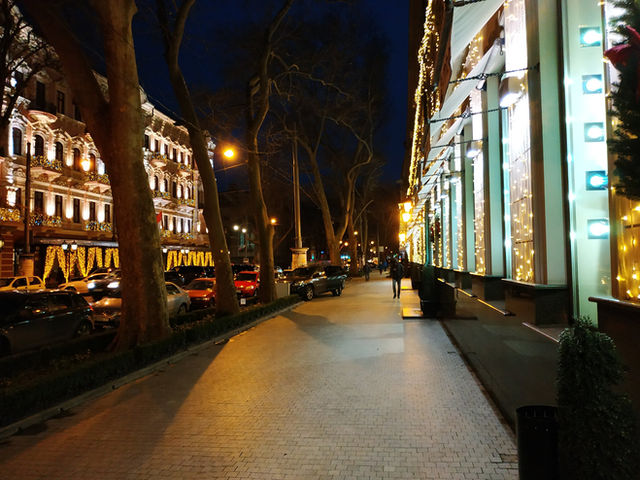
    The pedestrian heart of the centre — a leafy shopping street opening onto the City Garden, ringed by cafés, the old arcade and the theatre district.

    Why go
    The café life, the City Garden and the opera a block away.
    Best for
    Caféspeople-watchingthe operashopping
    Known for
    Deribasivska Street and the City Garden, the glass-roofed Passage arcade, the cluster of theatres, and the Odesa Opera and Ballet Theatre just to the north.
  • Moldavanka

    The old quarter southwest of the centre — once the working-class and Jewish district of smugglers and traders that Isaac Babel turned into legend, still gritty and full of character.

    Why go
    The literary heritage and the earthier, everyday Odesa.
    Best for
    Literary historymarketslocal atmosphere
    Known for
    The streets of Babel's Odessa Tales, the sprawling Pryvoz market on its edge, the old courtyard tenements, and the Jewish heritage of the quarter.
  • Arcadia

    The seaside resort strip down the coast from the centre — beaches, boardwalks and summer nightlife, the city's playground by the water.

    Why go
    The Black Sea beaches and warm-weather buzz.
    Best for
    Beachessummer nightlifea day by the sea
    Known for
    The Arcadia beach and boardwalk, the seaside cafés and clubs, and the tram and coast road that link it to the centre.

Views & hidden gems

Best views

  • The top of the Potemkin Stairs, over the port and sea
  • The Odesa Opera facade, floodlit at night
  • The Vorontsov colonnade framing the harbour

Hidden gems

  • The Pryvoz market on the edge of Moldavanka, a full sensory portrait of the city
  • The glass-roofed Passage arcade off Deribasivska, faded and grand
  • The Odesa catacombs beneath the city, a vast former quarry network
  • The courtyards of the old centre, each a small world behind the boulevard facades

Food & drink

Odesan food is its own cosmopolitan blend — Ukrainian, Jewish, Greek and Black Sea, built on the produce of the famous Pryvoz market and the fish of the sea. The signatures are Jewish-Odesan: forshmak, the chopped herring spread, and the small fried Black Sea fish like bychki (gobies). Around them run varenyky, borshch, aubergine "caviar", and Bessarabian wine from the region inland. The café and wine-bar scene around Deribasivska is where the city eats and talks.

  • Forshmak — chopped herring spread, an Odesan-Jewish classic
  • Fried bychki — small Black Sea gobies, a local staple
  • Borshch — beetroot soup with sour cream
  • Varenyky — stuffed dumplings, savoury or sweet
  • Baklazhannaya ikra — aubergine "caviar" spread
  • Bessarabian wine — from the vineyards inland
Dietary notes

Vegetarians do well on the vegetable-and-dumpling tradition — varenyky, aubergine dishes, salads from the market — and the newer cafés cater to vegans. Kosher food has deep historic roots here given the Jewish heritage but is limited today; gluten-free is understood in the modern places. Confirm anything essential ahead.

The Historic Centre of Odesa in photos

▸ Where you'll stay

Where you'll stay in The Historic Centre of Odesa

The centre is walkable and the natural base — around Deribasivska and the City Garden you are among the cafés, the opera and the pedestrian streets. Near Prymorsky Boulevard you are on the seafront by the stairs and the grand architecture. Moldavanka is cheaper and more local, a walk or short ride from the centre; Arcadia is the summer beach base, livelier and further out.

  • Budget
    Moldavanka or the outer grid cheaper rooms, a walk or tram to the centre.
  • Mid-range
    Around Deribasivska / the City Garden central hotels among the cafés and the opera.
  • Luxury
    Near Prymorsky Boulevard grand seafront buildings by the stairs and the harbour.
Stay

Hotels & rentals around The Historic Centre of Odesa

Pan, zoom and compare live prices — every stay in one map.

▸ Getting around

Getting around The Historic Centre of Odesa

The central grid is flat and walkable. Trams, trolleybuses, buses and marshrutka minibuses cover the wider city and the run down to Arcadia; a car is a liability in the busy centre.

Prymorsky Boulevard, Deribasivska and the opera are all a short walk apart (~approx); Moldavanka is a walk or short ride southwest, and Arcadia a tram or taxi down the coast.

▸ Plan your days

Suggested itineraries

Ready-made day plans for The Historic Centre of Odesa — from a single day to a long weekend.

One day

Start at the top of the Potemkin Stairs on Prymorsky Boulevard, taking in the Duc de Richelieu and the Vorontsov colonnade, then walk to the Odesa Opera and down Deribasivska to the City Garden for a café stop. Spend the afternoon in the centre's boulevards and courtyards, ending with the opera or a seafront sunset.

Two days

Give day two to the earthier city and the sea. Explore Moldavanka and the Pryvoz market in the morning for the literary, everyday Odesa, then head down to Arcadia and the coast in the afternoon for the beach and the boardwalk, back for dinner around the centre.

Three days

Use day three for depth — the museums and the Passage arcade, more of the Jewish and literary heritage, and, where access allows, a guided visit to a section of the catacombs beneath the city, before a last walk along the seafront.

▸ What you'll do

Insider tips

  • The catacombs beneath the city are vast and only safely seen with a guide where access is possible — never enter them independently.
  • The Odesa Opera and museums keep varying closing days and hours that can change — check ahead.
  • Arcadia and the coastal beaches are a tram or taxi south of the centre, not a walk.
Explore

Explore the area

© OpenFreeMap · OSM · terrain Mapterhorn
Do

Local attractions & tours

Skip-the-line tickets and small-group tours in The Historic Centre of Odesa — compare across our partners.

We're still curating hand-picked tickets and tours for The Historic Centre of Odesa. In the meantime, the map above and the nearby cities are a great place to start.

▸ Budget

What it costs in The Historic Centre of Odesa

Backpacker
roughly ₴700–1,200 a day.
Mid-range
roughly ₴2,000–3,500 a day.
Luxury
₴6,000 a day and up.
Cash vs card
Cards and contactless are widely accepted, though markets and small cafés may prefer cash; check current banking conditions before travelling.
Tipping
Around 10% is usual in restaurants and cafés.
▸ When you'll go

When to visit The Historic Centre of Odesa

May to September for the sea and warm boulevards

Spring

What to expect — Cool early, warming into pleasant weeks by May as the boulevards green and the terraces reopen; the sea still cold.

What's best — Mild walking weather, blossom on the boulevards, and the city before the summer beach crowds.

Summer

What to expect — Hot and busy, the peak season, with warm sea, full beaches at Arcadia and long lively evenings on the boulevards.

What's best — Black Sea swimming, the seaside nightlife, and the city outdoors. Late spring or early autumn is calmer if you prefer fewer crowds.

Autumn

What to expect — Warm early, cooling and golden through the season, the sea still swimmable into early autumn and the summer crush gone.

What's best — Warm days without the crowds, the harvest and wine season inland, and comfortable boulevard weather.

Winter

What to expect — Cold, grey and windy off the sea, with the occasional snow; the beaches empty and the cafés fill.

What's best — The grand architecture without crowds, dramatic winter light over the port, and the opera and café cellars at their cosiest.

▸ Know before you go

Know before you go

Before you go — official advisories

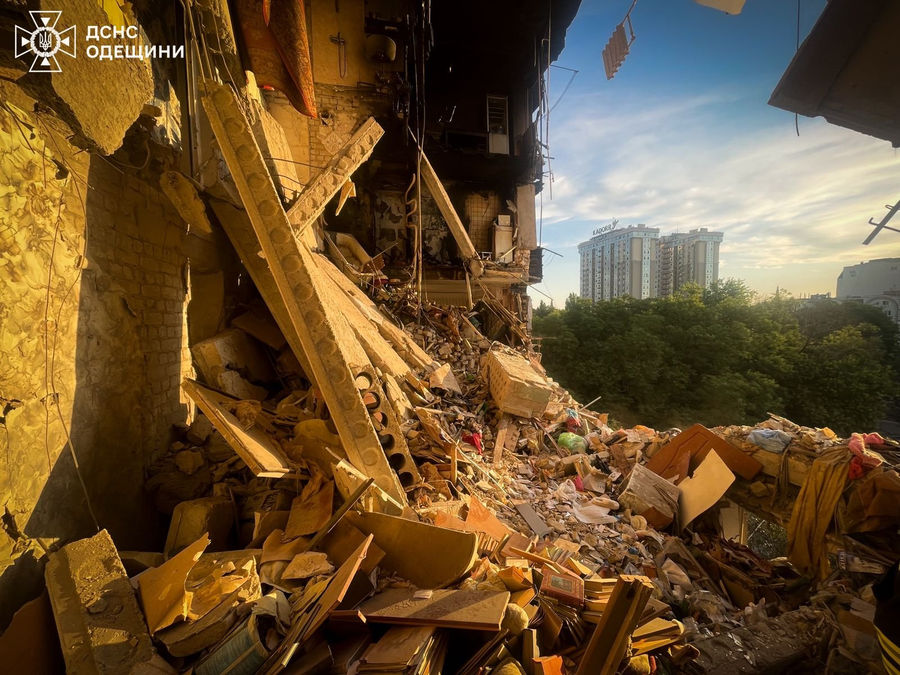
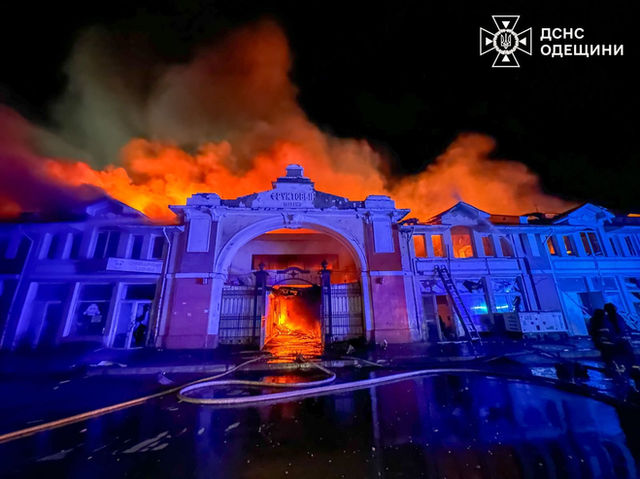
Ukraine is at war following Russia's full-scale invasion, and Odesa is a port city that has come under attack; several governments advise against travel and air-raid conditions apply. Check your own government's current advice first — this guide describes the city's heritage and does not assess present-day safety.

Entry, movement, curfews, port access and rail conditions change and must be verified against current official guidance before any travel.

Honest swaps

Skip the tourist-priced cafés right on Deribasivska → the wine bars and courtyard spots a street or two off it are better value and more local.

Skip seeing only the seafront set piece → Moldavanka and the Pryvoz market are as much the real Odesa as the Potemkin Stairs.

Local rules & etiquette

Photography around the port and any military or infrastructure sites is sensitive — avoid it.

Air-raid alerts and curfews may affect movement and opening hours; follow local guidance.

Money

Cards are widely used, but banking and cash access can be affected by current conditions — check before travelling.

▸ Ready to book your trip?

Getting there

Odesa has an international airport (ODS) and is a major Black Sea port and rail hub. Ukrainian airspace is closed to civil flights, so arrival is overland — rail links the city across the country. Confirm the current situation and services before making any plans.

Book

Ready to book your trip?

Flights, airport transfers and car hire — search and compare without leaving the page.

▸ Trip extras
Book

More trip extras

Parking, holiday extras, and more — coming soon.

Coming soon

We're lining up parking, holiday extras and activities you'll be able to add to any trip from here.