← United Kingdom
UNITED KINGDOM · CITY

Edinburgh

Scotland's dramatic capital blends medieval cobblestones, castle-topped crags, world-class festivals, and a whisky scene that rewards curious explorers.

  • City
  • May to September for the best weather; August for the festival, if you want the madness
  • EDI
  • ~approx 2–3 days
  • Castle on a Crag
  • Medieval Old Town
  • Georgian New Town
  • Festival City

Mist curling around a castle on a black rock, bagpipes drifting up a cobbled close, and the smell of roasting malt from a distillery hanging over the rooftops at dusk.

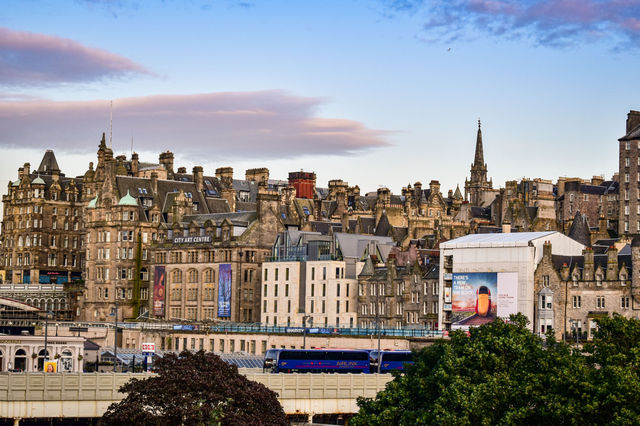
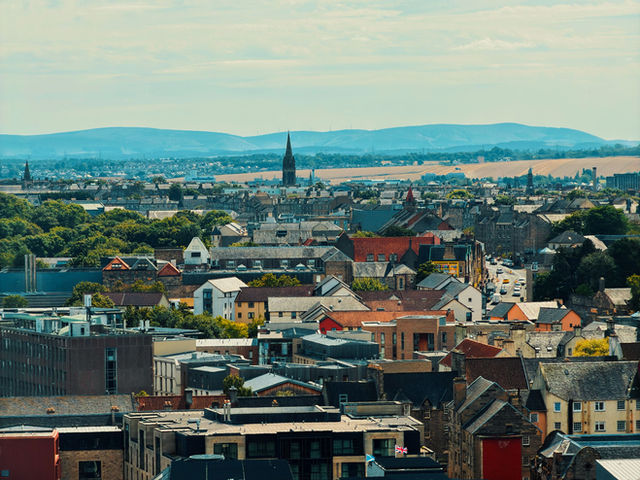
Edinburgh is a dramatic, dark-stoned capital built across volcanic hills — a castle on a crag, a medieval old town of steep closes, and a perfectly planned Georgian new town, all in one compact, walkable whole. In August it becomes the world's biggest arts festival; the rest of the year it broods handsomely.

Type
city
Ideal length
~approx 2–3 days
Getting around
a very walkable, hilly centre, plus buses and a tram
Neighbourhoods
6 areas
Best season / months
May to September for the best weather; August for the festival, if you want the madness
Language
English (Scots and Gaelic heard too)
Currency
pound sterling (£)
Budget level
high — one of the UK's pricier cities, especially in August
Good for
  • First-timers
  • History
  • Culture
  • Walking
  • Festivals
▸ Discover

About Edinburgh

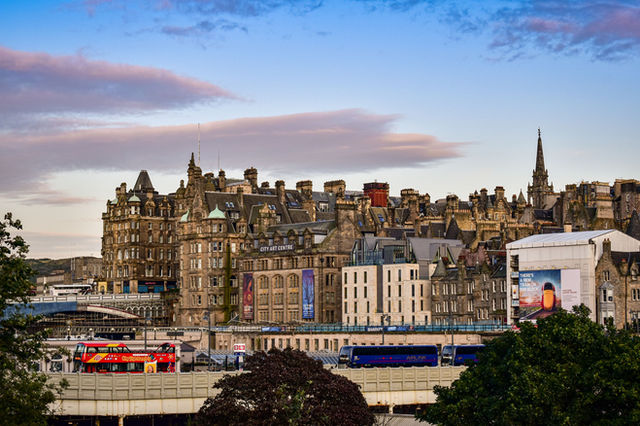
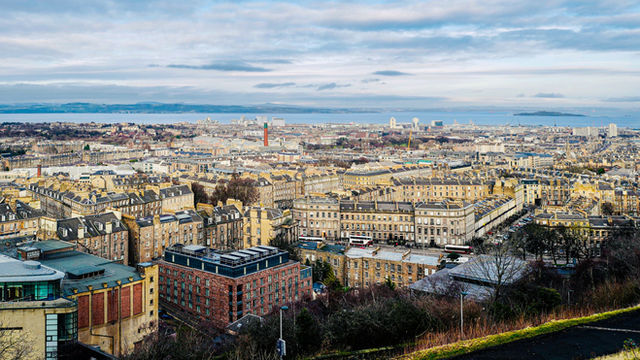
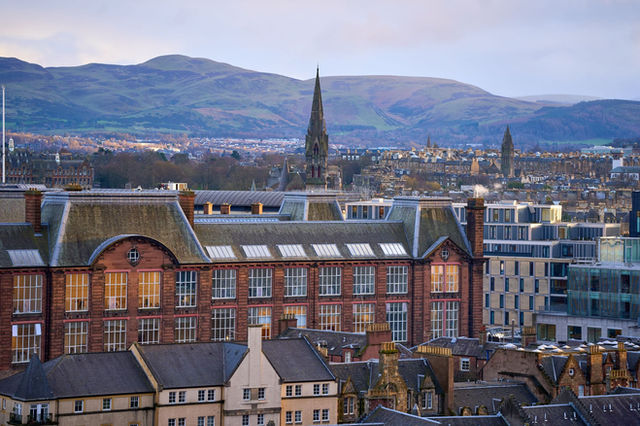
Edinburgh sits on Scotland's east coast, built across a cluster of extinct volcanoes and glacial ridges that give it its drama. The medieval Old Town runs down one ridge — the Royal Mile from the castle to the palace — its tenements and hidden closes stacked steeply. Across a valley, once a loch and now gardens, lies the New Town, an elegant grid of Georgian terraces and squares. Beyond, the port of Leith meets the sea, and the wild hill of Arthur's Seat rises green in the middle of it all. It is compact, hilly and made for walking.

Edinburgh is home to a UNESCO World Heritage Site — Old and New Towns of Edinburgh — inscribed in 1995.

Why go

Few capitals are this beautiful or this walkable, or wear their history so vividly — a real medieval old town, a masterpiece of Georgian planning, and a castle that dominates the skyline, all within a stroll. There is a mountain to climb in the city centre, world-class museums that are free, whisky and hearty food, and, come August, the biggest arts festival on earth. It is atmospheric, storied and easy to love.

Don't miss

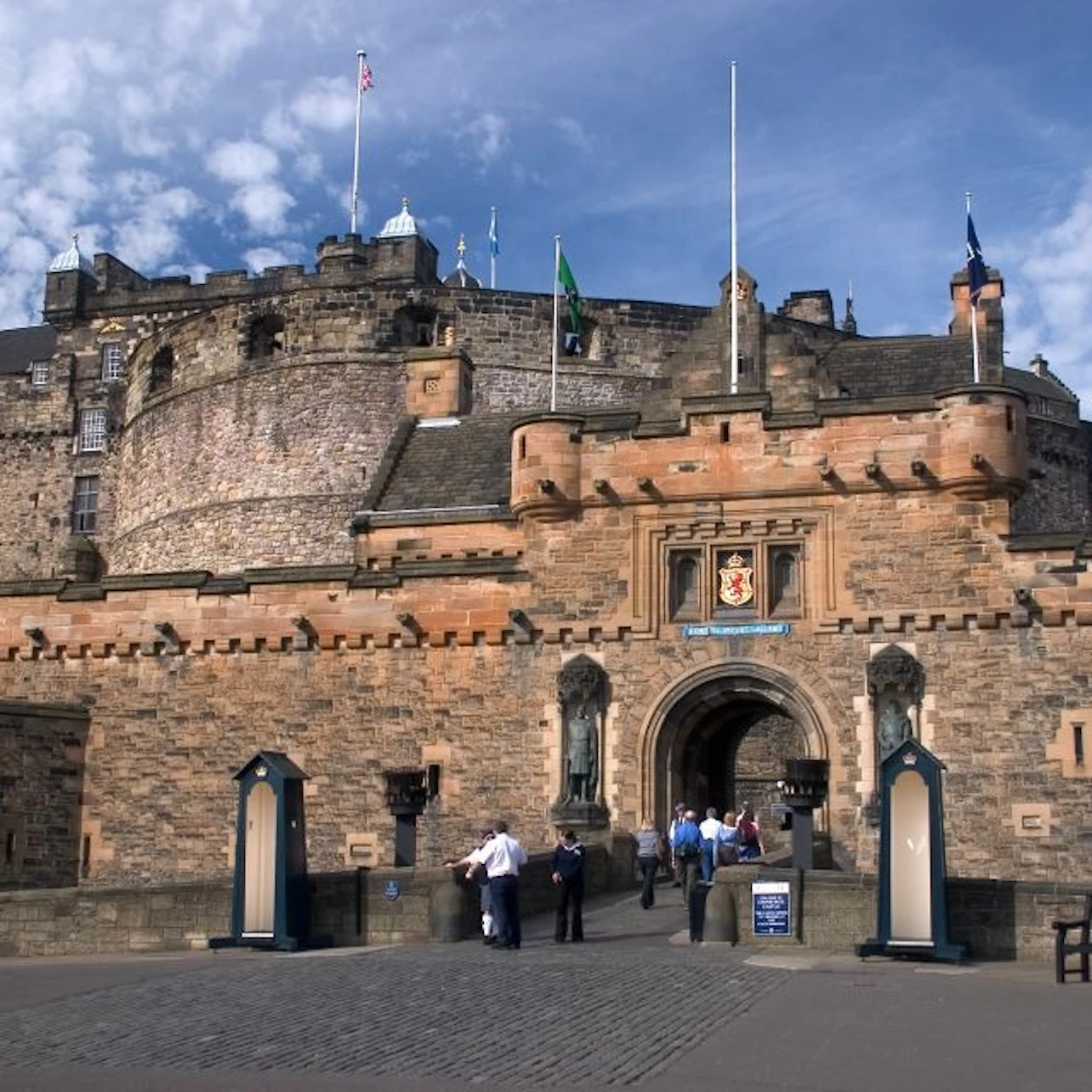
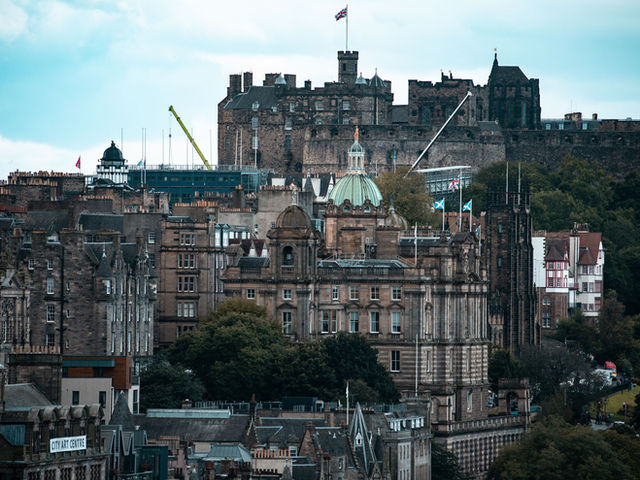
  • Edinburgh Castle — the fortress on its volcanic crag
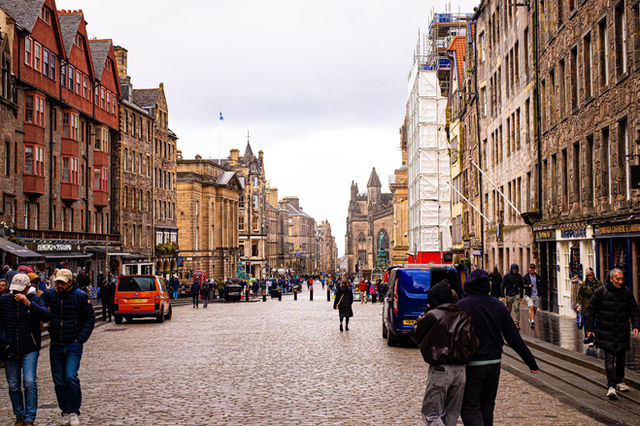
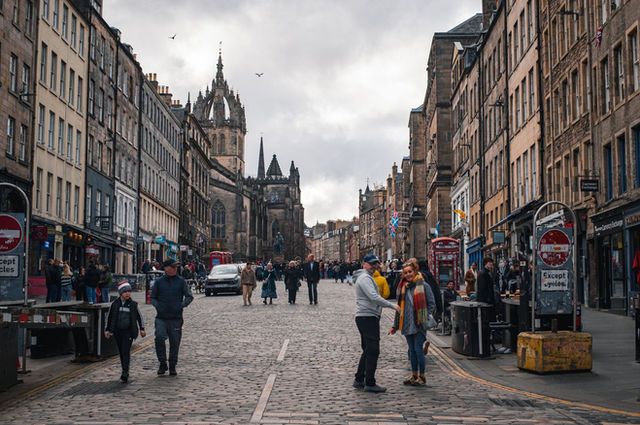
  • The Royal Mile — the medieval spine of the Old Town
  • Arthur's Seat — the hill walk with the city at your feet
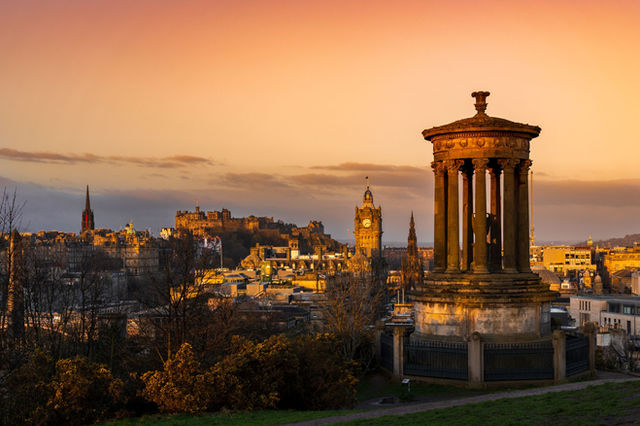
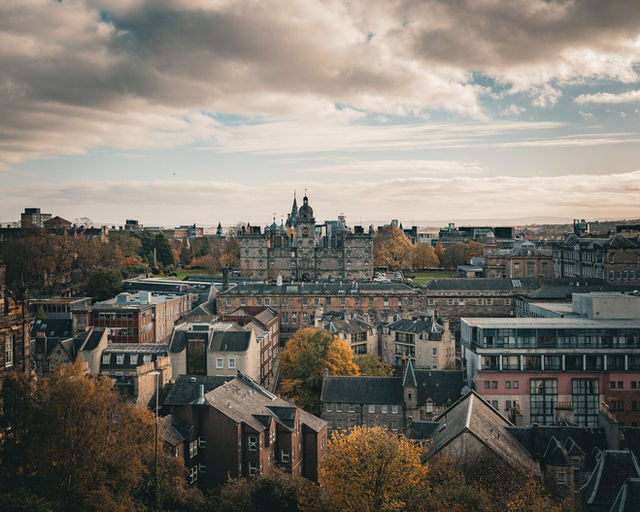
  • Calton Hill — the monuments and the classic skyline view
  • The National Museum of Scotland — free, vast and brilliant

Signature experiences

The castle and the Royal Mile — Start at Edinburgh Castle on its crag — the crown jewels, the great hall, the one-o'clock gun — then walk the Royal Mile down through the Old Town, ducking into the closes and wynds that drop away on either side. It is one of the great city walks, ending at Holyrood Palace with the hill behind it. **A hill in the city** — Arthur's Seat is an actual extinct volcano rising green in the middle of Edinburgh, and the walk up takes under an hour for a summit view over the whole city, the sea and the hills beyond. For a gentler version, Calton Hill gives the postcard skyline — castle, monuments and old town — with far less effort. **Whisky, and the dark side** — This is Scotland, and whisky is taken seriously — a proper tasting, a distillery on the Royal Mile, or a quiet dram in a snug old pub. The city also leans into its ghostly, grisly history — the body-snatchers, the plague closes, the graveyards — and a good evening walking tour of underground vaults and kirkyards is genuinely atmospheric. **The festival city** — Every August, Edinburgh becomes the largest arts festival on earth — the Fringe, the International Festival, the Book Festival and the Military Tattoo at once — and the whole city turns into a stage, every venue and street corner hosting something. It is electric, exhausting and unlike anywhere else; it also doubles prices and packs the streets, so come knowing which Edinburgh you want.

Neighbourhoods

Edinburgh neighbourhood by neighbourhood — the character of each and who it suits.

  • The Old Town

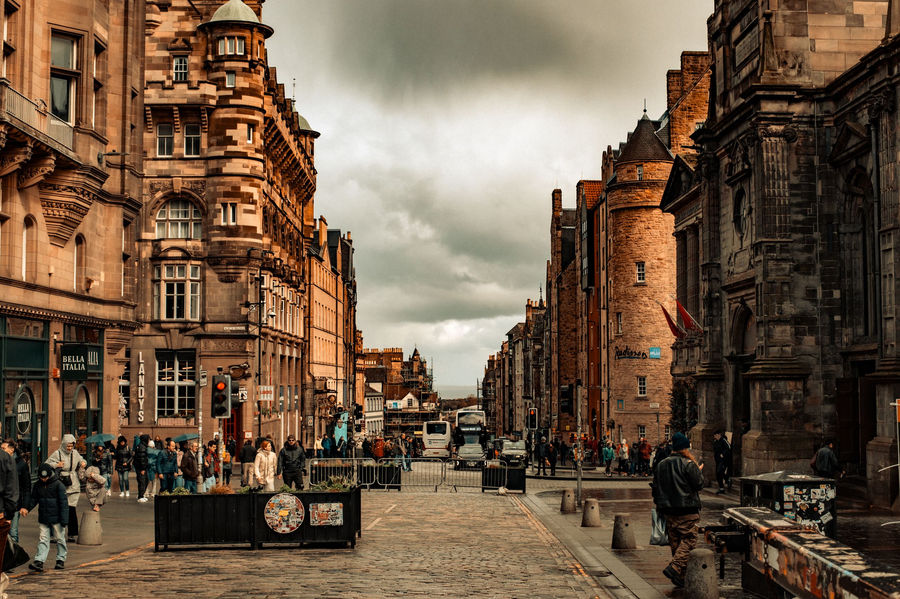
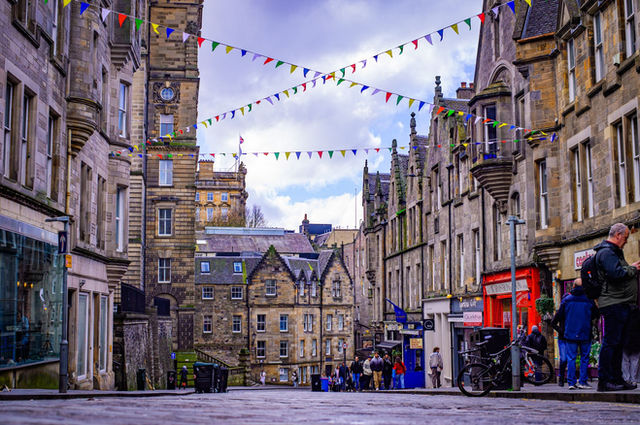
    The medieval heart along a single ridge — the Royal Mile running from castle to palace, flanked by dark tenements and a maze of steep closes and wynds dropping away on either side.

    Why go
    The single densest run of history and atmosphere, all on foot.
    Best for
    First-time sightseeingcloses and wyndshistory
    Known for
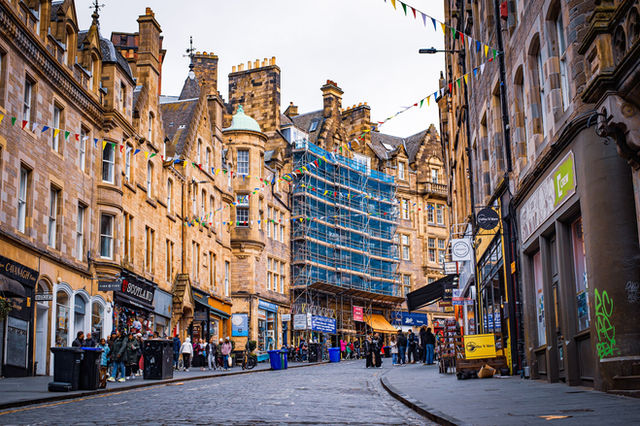
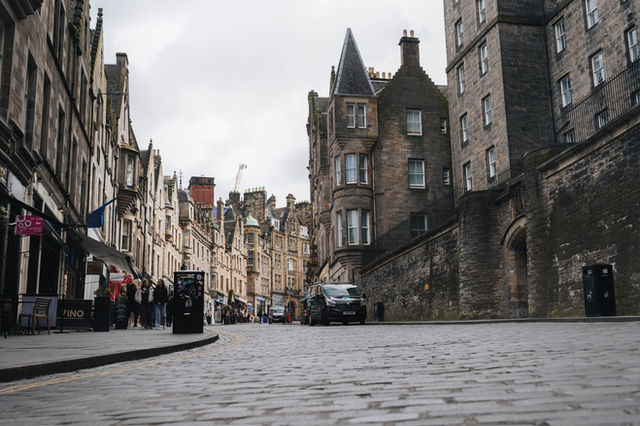
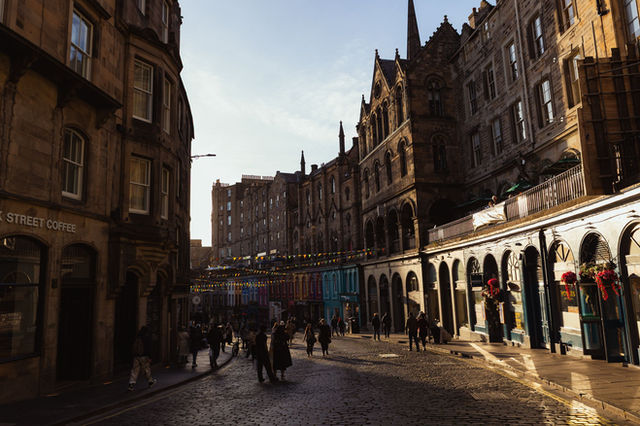
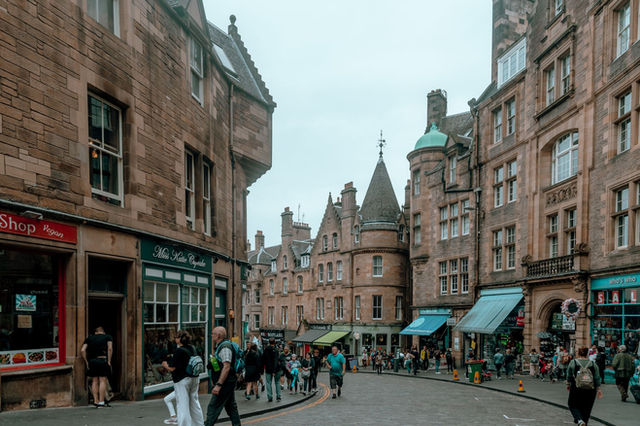
    Edinburgh Castle, the Royal Mile, St Giles' Cathedral, the steep curve of Victoria Street, the Grassmarket below, and Greyfriars Kirkyard with its loyal-dog legend.
  • The New Town

    The Georgian city across the valley — a grid of grand terraces, crescents and garden squares, elegant, ordered, and the city's smart shopping and dining ground.

    Why go
    The Georgian architecture, the shopping, and the classic gardens-and-castle view.
    Best for
    Architectureshoppingrestaurants
    Known for
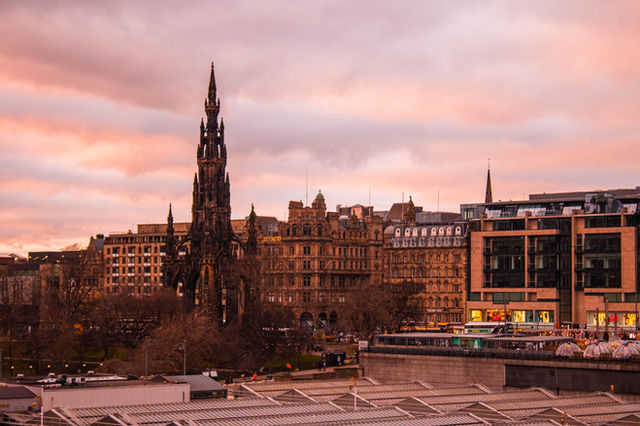
    Princes Street and its gardens, George Street's bars and shops, the Scott Monument, the National Galleries, and the perfect Georgian sweep of Charlotte Square.
  • Stockbridge

    A village-like quarter northwest of the centre, strung along a river valley — independent shops, brunch spots and a Sunday market, genteel and local.

    Why go
    The village feel, the boutiques, and the riverside walk.
    Best for
    Brunchboutiquesa relaxed morning
    Known for
    The Stockbridge Sunday market, the independent shops and delis, the Water of Leith walkway, and the colonies of old artisan cottages.
  • Calton Hill and Broughton

    The hill of monuments at the east end of the New Town and the lively, diverse quarter below it — the city's best-loved viewpoint and a buzzing eating-and-nightlife strip.

    Why go
    The panoramic skyline view and a good night out.
    Best for
    Viewsnightlifecasual dining
    Known for
    Calton Hill and its unfinished "Athens of the North" monument, the Nelson Monument, the restaurants and bars of Broughton Street, and the city's most inclusive nightlife.
  • Leith

    The old port at the sea's edge, once rough and now reborn — waterfront warehouses turned restaurants, a foodie reputation, and a salty character all its own.

    Why go
    The seafood and dining, the waterfront, and the royal yacht.
    Best for
    Foodwaterfront walksa night out
    Known for
    The Shore and its restaurants, the Royal Yacht Britannia, the harbour bars, and a run of celebrated kitchens away from the tourist trail.
  • Holyrood and Arthur's Seat

    The green eastern edge where the Old Town meets a proper wild hill — a royal palace, a modern parliament, and a volcano to climb, all in the city.

    Why go
    The palace, the parliament, and the walk up Arthur's Seat.
    Best for
    The hill walkthe palacebig views
    Known for
    The Palace of Holyroodhouse, the Scottish Parliament building, Holyrood Park, and the climb up Arthur's Seat for the best view of the whole city.

Views & hidden gems

Best views

  • Calton Hill — the classic skyline of castle, old town and monuments
  • Arthur's Seat summit — the whole city, the Forth and the hills
  • Victoria Street from the top — the curving, colourful Old Town street
  • Edinburgh Castle esplanade — over the New Town and away to the sea

Hidden gems

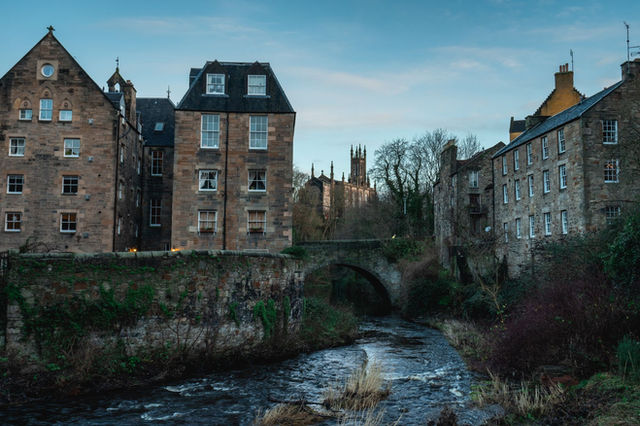
  • Dean Village — a hidden former mill hamlet on the Water of Leith, minutes from Princes Street
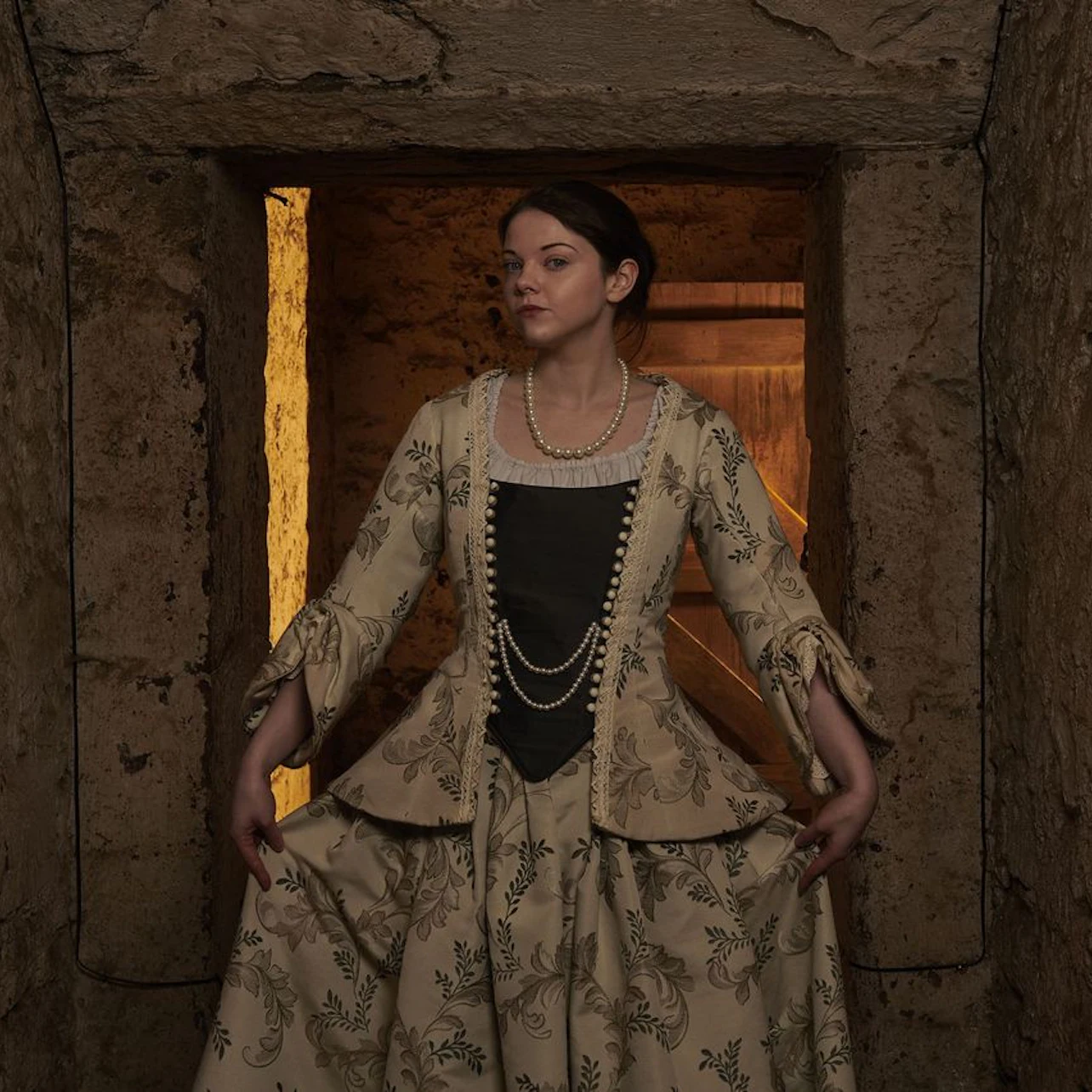
  • The Real Mary King's Close — a preserved warren of streets sealed beneath the Old Town
  • The Water of Leith walkway — a green river path linking Stockbridge, Dean Village and Leith
  • Greyfriars Kirkyard — the atmospheric graveyard with names said to have inspired a famous book series
  • The Scottish National Portrait Gallery — a free, gorgeous red-sandstone gallery often overlooked

Food & drink

Scottish food is heartier and better than its reputation — Edinburgh does it especially well, from the national haggis with neeps and tatties to fresh east-coast seafood and a serious modern-Scottish restaurant scene, much of it out in Leith. The breakfast is a full Scottish, black pudding and tattie scone included, and the sweets run to shortbread and cranachan. But the real drink is whisky — single malts from across the country, best in an old pub or a proper tasting — backed by a booming craft-beer and gin scene.

  • Haggis, neeps and tatties — the spiced offal pudding with turnip and potato
  • Cullen skink — a rich smoked-haddock and potato soup
  • Scottish salmon and seafood — smoked salmon, langoustines, fresh east-coast fish
  • Full Scottish breakfast — with black pudding and a tattie scone
  • Cranachan — cream, oats, raspberries and whisky
  • Single malt whisky — the national dram, best in an old pub
Dietary notes

Vegetarians and vegans do well — Edinburgh has a strong veggie-and-vegan scene, and even haggis comes in a good vegetarian version. Halal food is easy around the university areas and Leith Walk; kosher options are limited and best arranged ahead. Gluten-free is widely understood in cafés and restaurants. The city caters comfortably to most needs.

Edinburgh in photos

▸ Where you'll stay

Where you'll stay in Edinburgh

Base yourself by what you want your days to feel like. The Old Town drops you into the atmospheric heart, steps from the castle and the Royal Mile, but it's touristy and steep. The New Town is elegant, central and handy for shopping and stations, a little calmer. Stockbridge is the village-y, local choice, a short walk out. Leith trades the sights for the best food and a waterfront, a bus or tram from the centre. In August, book far ahead and expect prices to soar.

  • Budget
    Around the university / Old Town edge hostels and budget rooms, walkable to everything, lively.
  • Mid-range
    The New Town Georgian townhouse hotels and guesthouses, central, walkable to the sights and shops.
  • Luxury
    The Old Town / West End grand hotels near the castle and Princes Street, the smartest addresses.
Stay

Hotels & rentals around Edinburgh

Pan, zoom and compare live prices — every stay in one map.

▸ Getting around

Getting around Edinburgh

The centre is compact and best walked, if steep and hilly. A good bus network and a single tram line (airport to the centre and Leith) cover the longer hops — pay by contactless or the exact fare, as buses take no change. A car is unnecessary and awkward with the hills and parking. Tap on for buses and trams.

The Old Town, New Town and Calton Hill are all a short, if hilly, walk apart (~approx). For Leith take a bus or the tram down Leith Walk; for Stockbridge and Dean Village, a short walk or the Water of Leith path.

▸ Plan your days

Suggested itineraries

Ready-made day plans for Edinburgh — from a single day to a long weekend.

One day

Start at Edinburgh Castle, then walk the Royal Mile down through the Old Town, detouring to Victoria Street, the Grassmarket and Greyfriars Kirkyard. See St Giles' Cathedral, reach Holyrood Palace at the bottom, and if there's energy, climb Arthur's Seat or Calton Hill for the skyline as the light drops.

Two days

Give day two to the New Town and the galleries. Walk the Georgian streets and Princes Street Gardens, spend time in the free National Museum or the National Galleries, wander down to Stockbridge and Dean Village, and end with dinner and whisky in the New Town.

Three days

Use day three for Leith and the sea. Head down to the port for the Royal Yacht Britannia and the Shore's restaurants, walk the Water of Leith back toward the centre, or take a trip out to the coast and the villages of the Firth of Forth before a last-night dram.

▸ What you'll do

Insider tips

  • August is a different city — the festival transforms and packs it, and prices roughly double; decide whether you want that Edinburgh or the quieter one before you book.
  • The great national museums and galleries are free — the National Museum of Scotland especially is worth hours.
  • The city is steep and the weather fickle — layers, a waterproof and good shoes matter more here than the season suggests.
  • Book Edinburgh Castle and any festival shows well ahead; walk-up tickets in peak season are scarce and dear.

Frequently asked

What's on

While you're there

07
AUG
Edinburgh Festival Fringe 2026
6 Waterloo Place, Edinburgh, EH1 3EG, United Kingdom · cultural
Build a trip around it →
07
AUG
Edinburgh International Festival 2026 — Edinburgh, August 2026
6 Waterloo Place, Edinburgh, EH1 3EG, United Kingdom · performing arts festival
Build a trip around it →
07
AUG
The Royal Edinburgh Military Tattoo 2026: A Call to Gather — Edinburgh, August 2026
6 Waterloo Place, Edinburgh, EH1 3EG, United Kingdom · music & spectacle
Build a trip around it →
15
AUG
Anansi the Spider at Regent's Park Open Air Theatre — London, August 2026
King Charles I Island, Westminster, London, WC2N 5DS, United Kingdom · family theatre (open-air)
Build a trip around it →
30
AUG
Notting Hill Carnival 2026
34 Ladbroke Gardens, Kensington and Chelsea, London, W11 2PX, United Kingdom · festival
Build a trip around it →
Explore

Explore the area

© OpenFreeMap · OSM · terrain Mapterhorn
Do

Local attractions & tours

Skip-the-line tickets and small-group tours in Edinburgh — compare across our partners.

Palace of Holyroodhouse: Entry Ticket

Edinburgh

from £22

4.7 (989)
Book on Tiqets →

Edinburgh: Royal Attractions Tickets + Hop-On Hop-Off Bus Tour

Edinburgh

from £81

4.7 (869)
Book on Tiqets →

The Scotch Whisky Experience: The Silver Tour

Edinburgh

from £25

4.6 (451)
Book on Tiqets →

Edinburgh Castle: Entry Ticket + Guided Tour

Edinburgh

from £44

4.6 (352)
Book on Tiqets →

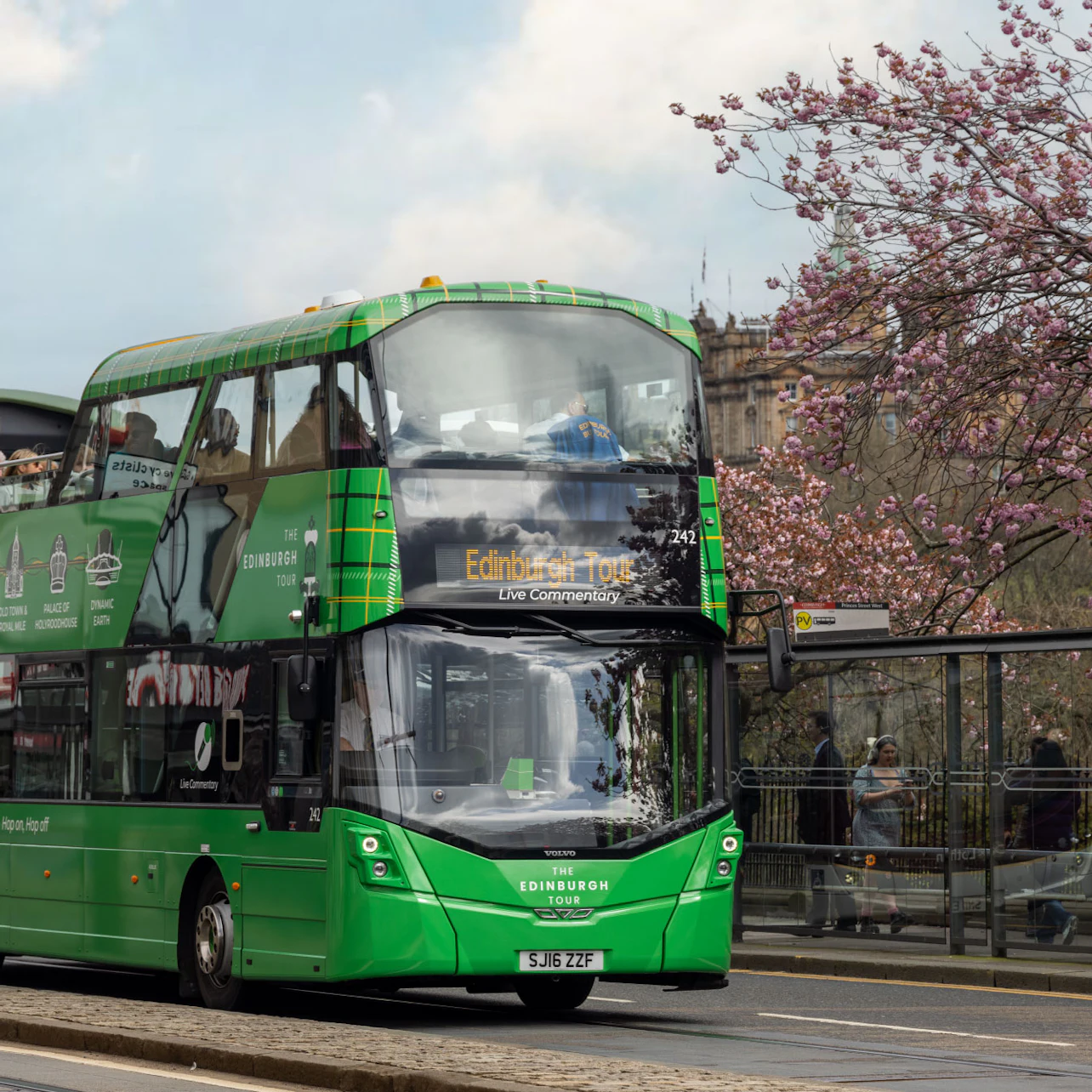
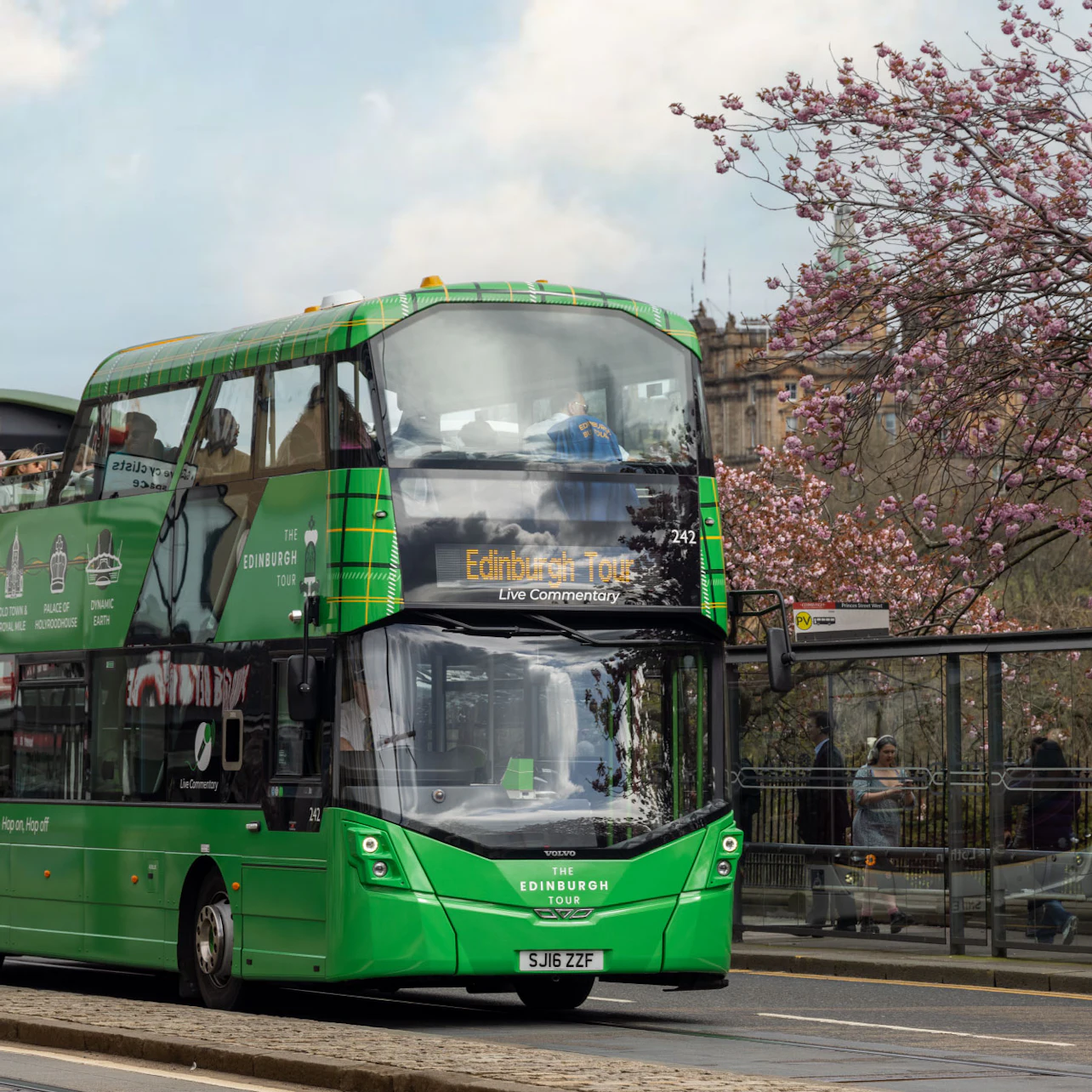
Hop-on Hop-off Bus Edinburgh

Edinburgh

from £26

4.8 (98)
Book on Tiqets →

The Real Mary King's Close: Entry Ticket

Edinburgh

from £28.5

4.6 (225)
Book on Tiqets →

Edinburgh Bus Tour Hop-On Hop-Off

Edinburgh

from £20

4.7 (61)
Book on Tiqets →
▸ Budget

What it costs in Edinburgh

Backpacker
roughly £60–90 a day.
Mid-range
roughly £150–240 a day.
Luxury
£400 a day and up.
Cash vs card
Edinburgh is effectively cashless — cards and contactless tap through almost everything, including buses and the tram (no cash on buses without the exact fare). Scottish banknotes are legal but occasionally puzzle visitors down south.
Tipping
Around 10% is usual at sit-down restaurants if service isn't already added; no need to tip in pubs or for counter service.
▸ When you'll go

When to visit Edinburgh

May to September for the best weather; August for the festival, if you want the madness

Spring

What to expect — Cool, breezy and changeable, brightening through May, with the gardens coming out and the light lengthening fast. Rain is never far away.

What's best — Long, softening evenings, blossom in the gardens, comfortable hill-walking weather, and the city before the summer and festival crowds.

Summer

What to expect — Mild rather than hot, long daylight, and the busiest, priciest season — especially August, when the festival takes over completely. Showers still gatecrash.

What's best — The near-midnight light, the hills and coast at their best, and, in August, the greatest arts festival on earth — thrilling, if you want the crowds and the prices that come with it.

Autumn

What to expect — Cooling, crisp and often golden, with the festival over and the crowds gone. Shortening days and reliable pub weather.

What's best — Comfortable walking, autumn colour on the hills, far fewer crowds after August, and the cosy start of the pub-and-whisky season.

Winter

What to expect — Cold, dark and often wet, with very short days, though snow on Arthur's Seat is a treat. December sparkles with Christmas markets and the famous Hogmanay.

What's best — Hogmanay — Edinburgh's legendary New Year street party and torchlight — plus Christmas markets, cosy pubs, and the lowest prices once the New Year passes.

▸ Know before you go

Know before you go

Honest swaps

Skip the tartan-and-shortbread tourist shops on the Royal Mile → find real whisky and woollens in the New Town or a proper specialist.

Skip paying for a mediocre Royal Mile restaurant → eat in Leith or Stockbridge, where the city's best kitchens are.

Skip queuing for the Elephant House "Harry Potter café" → the connections are loose and the tourism has warped it; Greyfriars Kirkyard and Victoria Street give the real atmosphere for free.

Skip a taxi up to Arthur's Seat's base → the whole walk from Holyrood is the point, and it's shorter than it looks.

Crowds & timing

Edinburgh Castle is busiest late morning; go at opening and book a timed ticket, especially in summer and at August festival time.

In August the whole city is rammed and pricey — book everything far ahead, or come in a quieter month if crowds aren't your thing.

Local rules & etiquette

The weather turns fast — carry a waterproof whatever the forecast, and wear proper shoes for the steep, often-wet cobbles and the hill.

On the Royal Mile, mind the buskers and performers but don't block the closes; they're often lived-in.

Scottish banknotes are legal tender across the UK; keep the odd English note for trips south to avoid confusion.

Money

The city is effectively cashless — tap for transport and almost everything; buses need contactless or the exact fare.

Use bank ATMs and skip any tourist-strip exchange kiosk; just pay by card.

After dark

The Old Town and the Grassmarket are the mainstream night out — pubs, live folk music and tourist bustle.

Broughton Street and the New Town's George Street run smarter and more varied, with cocktail bars and the best inclusive nightlife.

Leith has the foodie, waterfront evening scene, calmer and more local.

Safety
Edinburgh is considered one of the safest capital cities in Europe and is a very family-friendly destination. Violent crime in tourist areas is rare, and the city consistently ranks as one of the safer places to visit in the UK. That said, standard urban precautions apply: keep an eye on bags and belongings in crowded areas like the Royal Mile during August festivals, and be aware that the Castle Esplanade and Grassmarket can get lively and noisy late on weekend evenings. Pickpocketing and petty theft are the most common concerns in high-traffic tourist zones, particularly around the main festival venues in August. The usual advice applies: use inner pockets or money belts in very crowded situations, keep bags zipped and in front of you on the Royal Mile. Confidence scammers occasionally operate around the tourist hotspots but are not a significant problem. There are no specific neighbourhoods that families or solo travellers need to avoid during the day; some peripheral housing estates are best not visited late at night, but tourists rarely venture there anyway. The cobblestones and hills of the Old Town require sensible footwear, especially after rain when surfaces become slippery — this is more of a practical safety note than a security one but catches many visitors out. Medical facilities are excellent; the Royal Infirmary of Edinburgh handles emergencies, and there are several NHS walk-in centres for minor ailments. Pharmacies (Boots and independent chemists) are well distributed across the centre.
Culture & etiquette
Edinburgh is a welcoming, informal city and Scots are generally warm and direct with visitors. Attempting to engage with locals — in a pub, at a market, or at a festival — is almost always rewarded with good conversation and genuine hospitality. One cultural note worth acknowledging: Scots have a strong sense of distinct national identity, and while the relationship between Scotland and England is warm and complex, visitors who treat "Scottish" and "British" as interchangeable may receive a gentle (or occasionally pointed) correction. It costs nothing to show curiosity about Scottish culture and history on its own terms. Tipping in Edinburgh follows broadly similar conventions to the rest of the UK: in sit-down restaurants a tip of 10–12.5% is customary if service charge is not already included on the bill (always check, as many Edinburgh restaurants add a discretionary service charge automatically). Tipping in pubs for drinks is not expected, though buying your bartender a drink is a warm gesture if you've been chatting. Taxi drivers appreciate rounding up to the nearest pound or adding a small tip for good service. Queuing is observed seriously and cutting in is considered rude. In museums, galleries, and castle sites, photography is generally permitted but flash photography is often restricted around sensitive artefacts; look for signage. During festival performances and venue events, applause is enthusiastic and audiences are engaged; arriving even a few minutes late to a show is frowned upon and latecomers may be held until a suitable break. The city is dog-friendly to a notable degree — many pubs and some cafes welcome well-behaved dogs.
Daily budget

£80–£130/day mid-range per person (budget: £45–£55/day; luxury: £250+/day). August festival period adds roughly 30–50% to accommodation costs.

Emergency numbers

999 (police, fire, ambulance — UK standard); 101 (non-emergency police); NHS 24 helpline: 111

▸ Ready to book your trip?

Getting there

Edinburgh Airport (EDI) lies west of the city, linked to the centre by tram and by the Airlink bus to Waverley (~approx 30 min). Edinburgh Waverley, right below the Old Town, is the main rail station, with fast trains to Glasgow, the Highlands and London; Haymarket serves the west.

  • Edinburgh Airport (EDI)
  • Glasgow Airport (GLA)
  • Glasgow Prestwick Airport (PIK)
  • Newcastle Airport (NCL)
Book

Ready to book your trip?

Flights, airport transfers and car hire to EDI — search and compare without leaving the page.

▸ Trip extras
Book

More trip extras

Parking, holiday extras, and more — coming soon.

Coming soon

We're lining up parking, holiday extras and activities you'll be able to add to any trip from here.