
← United Kingdom
UNITED KINGDOM · CITY

London

From royal palaces to world-class museums and a dining scene rivalling any city on earth — London rewards every kind of traveller.

  • City
  • May – September
  • LHR
  • 2–3 days for a highlights weekend; 5–7 days for a deeper neighbourhood-by-neighbourhood visit
▸ Discover

About London

London is one of the world's great cities — an impossibly diverse metropolis where Buckingham Palace stands minutes from Soho's restaurants and the City of London's ancient Guildhall. The free national museums — British Museum, National Gallery, V&A, Natural History Museum — constitute the world's greatest collection of public art and artefacts. Borough Market's food diversity mirrors the city's extraordinary cultural mix.

Why go

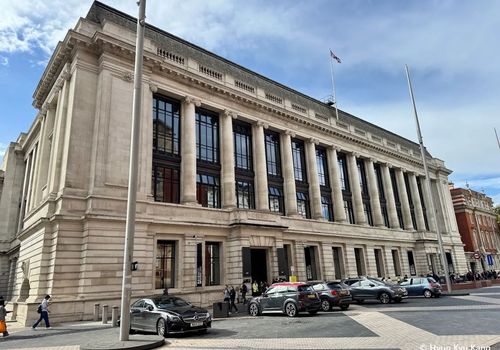
London is the rare city that works at every travel pace. You can do the iconic sweep — Buckingham Palace, the Tower Bridge, the West End — in a long weekend, or you can return five times and still find entire neighbourhoods you've never explored. For a London-based family, it's also a uniquely low-friction destination: no flights, no language barrier, no currency exchange. A day trip by train is enough to remind you why the rest of the world makes such a fuss about it. With teenagers in tow, the city hits a particular sweet spot. The Natural History Museum and the Science Museum sit side by side in South Kensington and can absorb a full day. The Harry Potter Studio Tour is a short train ride from Euston. Camden Market, Spitalfields and Portobello Road offer the kind of browsing that teenagers actually enjoy. And the sheer variety of street food, from Kerb markets to Borough to Maltby Street, means everyone finds something they want to eat.

Highlights

  • British Museum — Rosetta Stone, Elgin Marbles
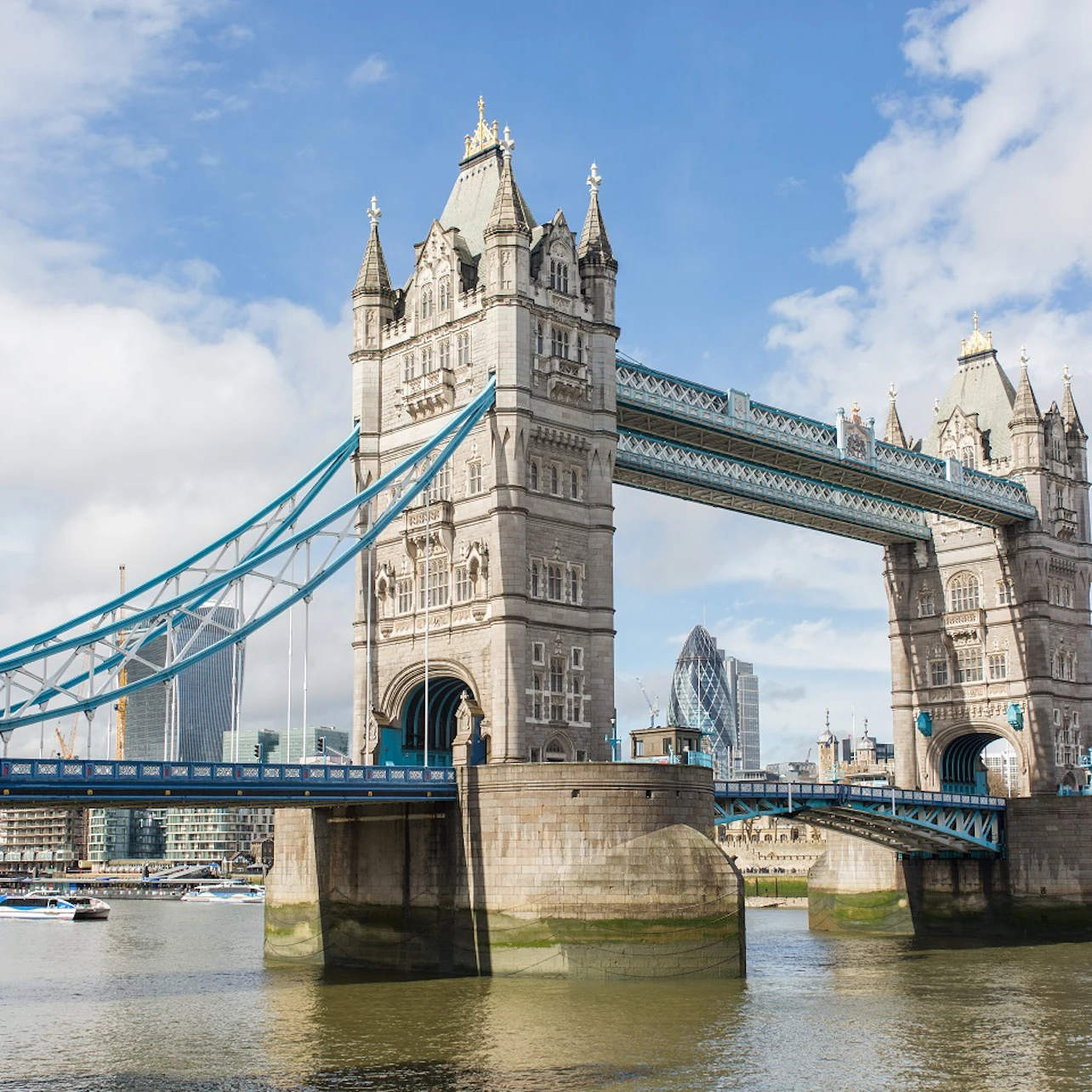
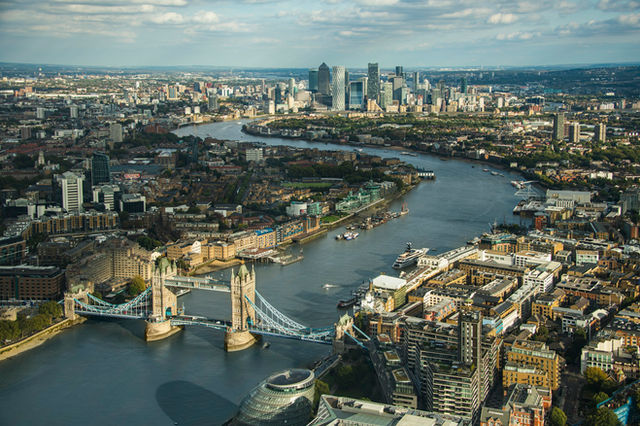
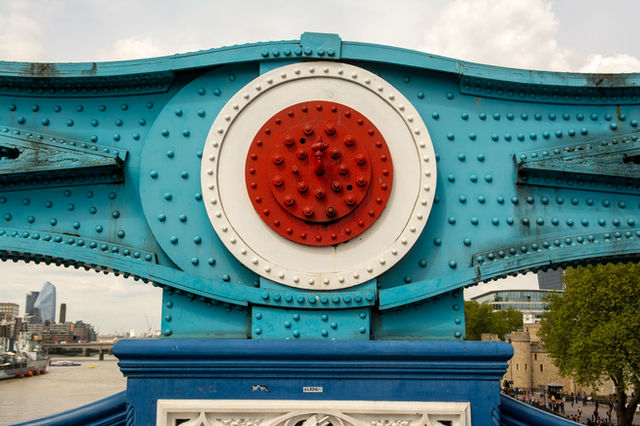
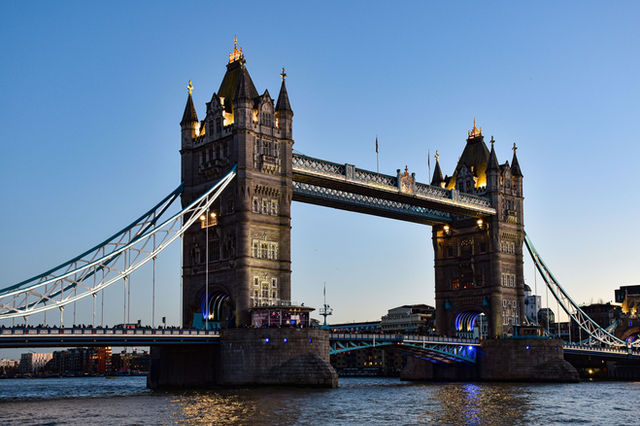
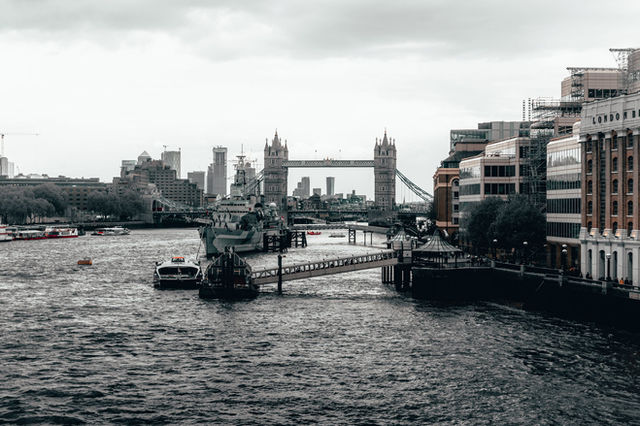
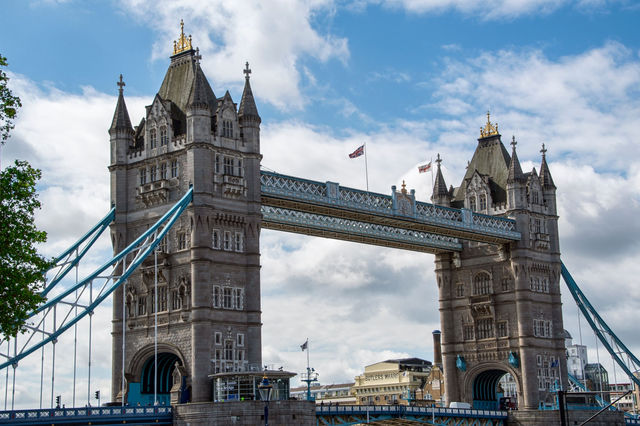
  • Tower of London and Tower Bridge
  • National Gallery — free entry
  • Borough Market food stalls
  • West End theatre show
  • Hampton Court Palace gardens

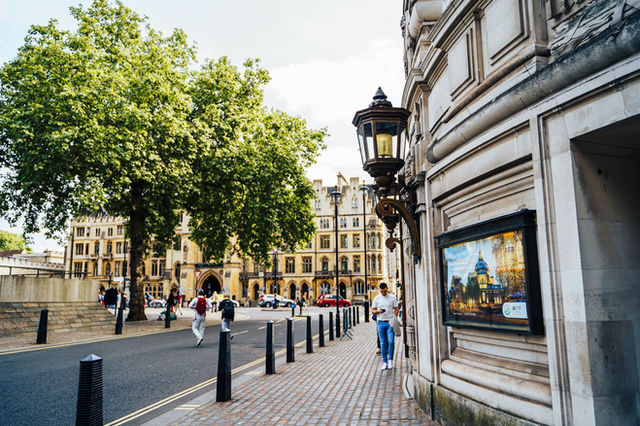
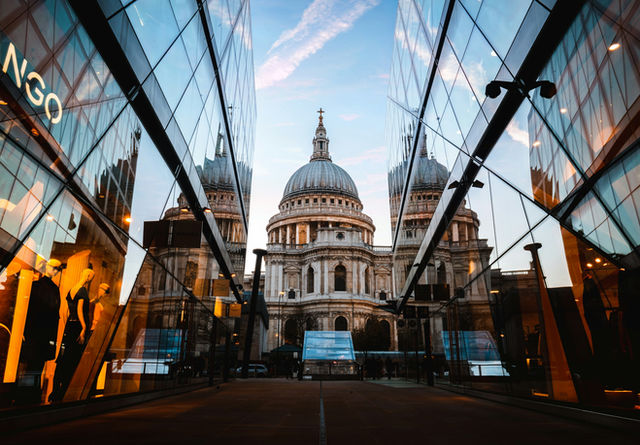
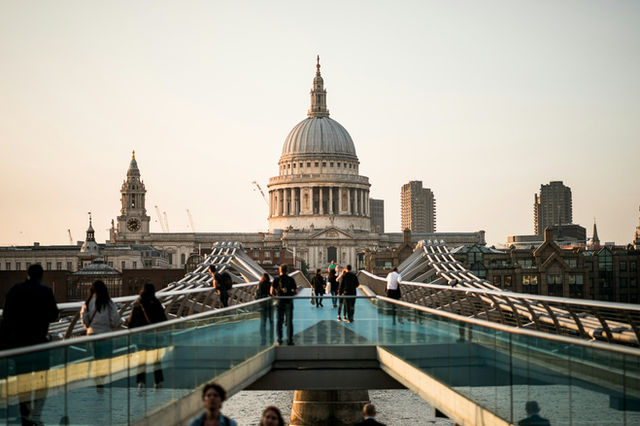
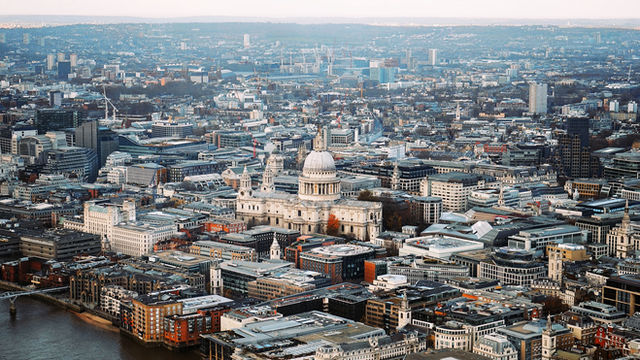
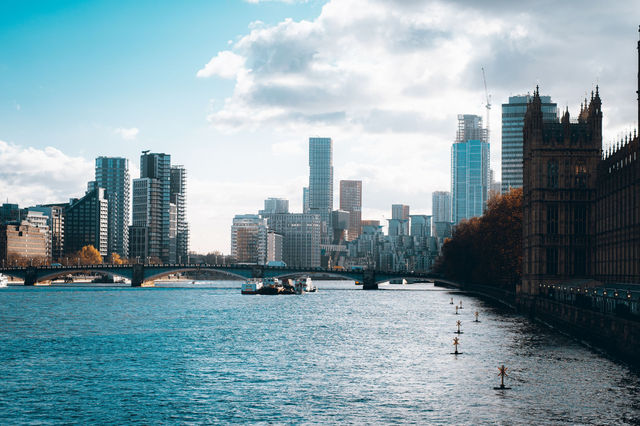
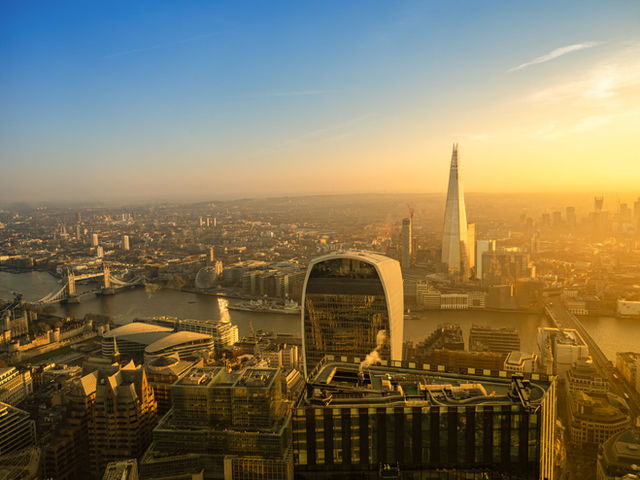
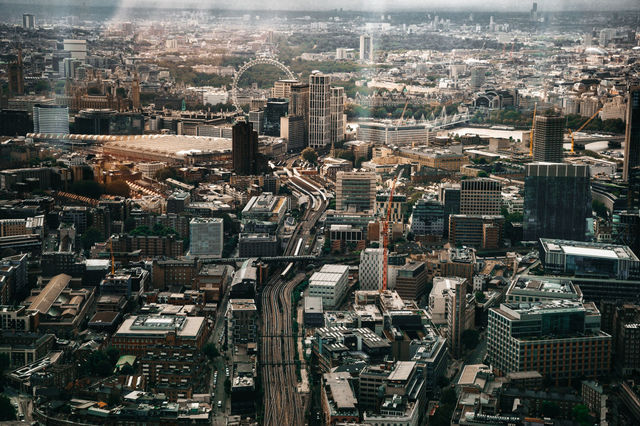
London in photos

Neighbourhoods

Coming soon

Neighbourhood-by-neighbourhood guides to London are on the way.

▸ Where you'll stay

Where you'll stay in London

Live map of hotels and villas around London — powered by Stay22. Pan, zoom and compare live prices to pick your base.

Stay

Hotels & rentals around London

Pan, zoom and compare live prices — every stay in one map.

▸ Getting around

Getting around London

Underground (Tube)

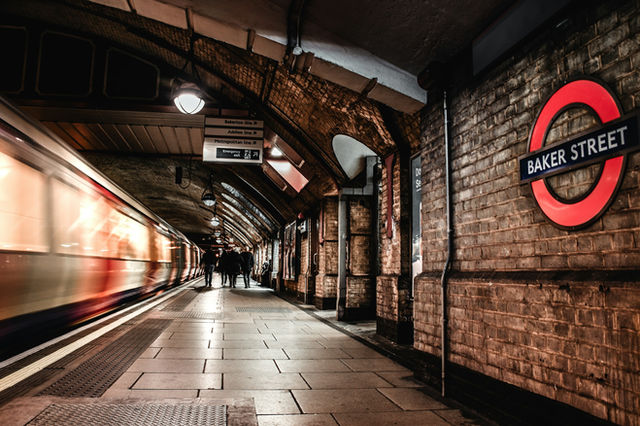
The London Underground (11 lines, 272 stations) remains the backbone of city movement. The simplest ticketing approach for adults: tap a contactless bank card or phone at entry and exit — daily and weekly spending caps apply automatically. No Oyster card purchase needed.

Elizabeth line & Overground

The Elizabeth line, opened 2022, transformed east-west travel — Reading/Heathrow to Shenfield/Abbey Wood across the city at speed. The Overground (orange line) covers outer neighbourhoods not served by the Tube. Both accept contactless and Oyster.

Buses

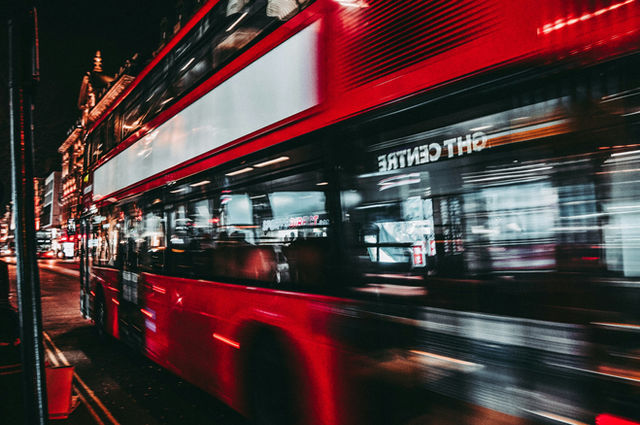
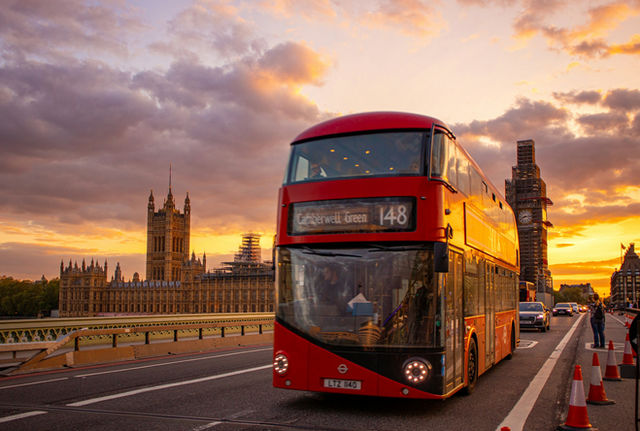
London's red double-decker buses are cash-free; tap contactless or Oyster on the yellow reader at the door. Daily bus caps prevent overspending. Buses are slower than the Tube but excellent for seeing the city and reaching areas between Tube stations.

Taxis & ride-hailing

Black cabs (licensed, metered) carry up to 5 passengers and can be hailed anywhere. Uber and Bolt also operate widely. Minicabs must be booked in advance — avoid unlicensed touts at stations.

Cycling

Santander Cycles (blue hire bikes) are available across central London with a day-hire fee. The growing network of protected cycle lanes makes cycling the fastest option for many central journeys.

Walking

London is more walkable than its size suggests. The South Bank, Covent Garden to Soho, and the City to Shoreditch corridors are all entirely practicable on foot and reward the walk.

Networks

Transport for London (TfL) operates the Tube (11 lines), Overground, Elizabeth line, buses (700+ routes), DLR (Docklands Light Railway) and river services. All modes accept contactless bank cards or the Oyster card — the same cap applies across all modes in a day.

Ticketing

Contactless payment (bank card or phone) is the simplest adult option — daily and weekly caps are applied automatically with no pre-purchase needed. The Oyster card (£7 refundable deposit) is better for children: under-16s can get a Zip Oyster photocard for heavily discounted travel; children under 11 travel free on all TfL services.

Passes

The Travelcard (1-day or 7-day) covers unlimited Tube, bus, Elizabeth line, Overground and DLR travel within chosen zones. For most visitors, contactless with daily caps delivers the same saving without the purchase overhead. The 7-day cap via contactless typically beats the 7-day Travelcard price slightly.

Peak hours

Monday–Friday 06:30–09:30 and 16:00–19:00 attract peak fares and the most crowded conditions — particularly bad on the Victoria, Central and Jubilee lines. The Tube runs overnight (Fri–Sat nights) on the Victoria, Jubilee, Central, Northern and Piccadilly lines.

▸ What you'll do

Insider tips

Free world-class museums

The Natural History Museum, Science Museum, British Museum, V&A, National Gallery, Tate Modern and National Portrait Gallery are all permanently free for general admission. Arrive at opening time on a weekday morning to see any of them without crowds — a strategy that works consistently.

Transport trick

Use your contactless bank card rather than buying an Oyster card — the same daily and weekly caps apply automatically. No queuing at machines, no deposit, no card to return. This is by far the simplest approach for adult visitors from countries with contactless cards.

Sky Garden

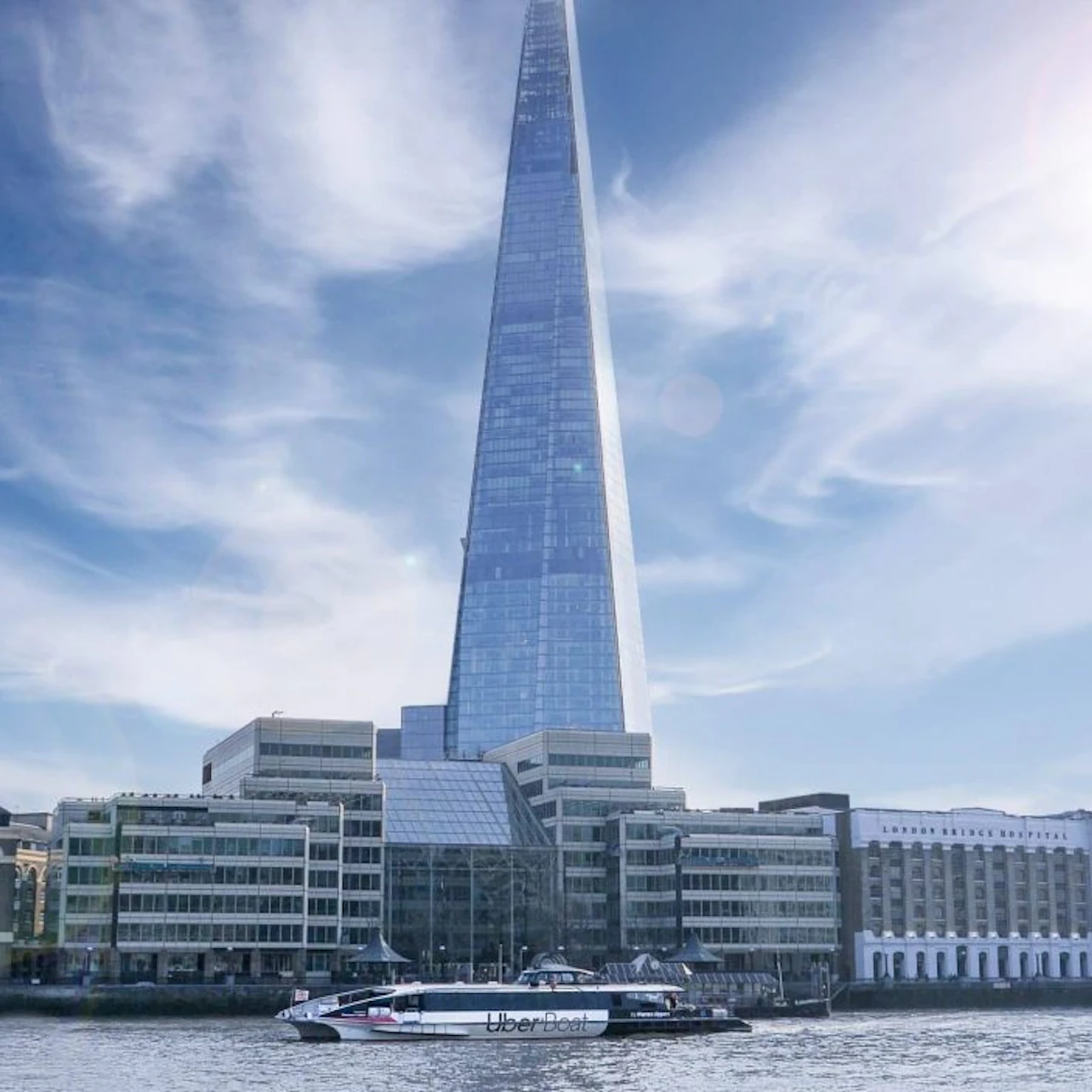
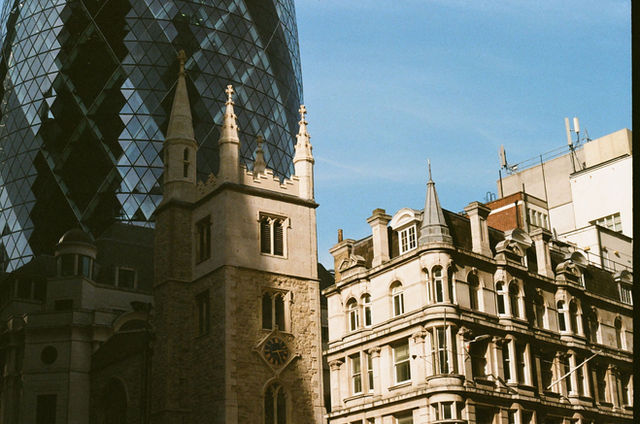
The Sky Garden at 20 Fenchurch Street (the 'Walkie-Talkie' building) offers a 360-degree view from the 35th floor for free — but you must book a time slot online in advance. Comparable views to the Shard at no cost.

West End shows

The TKTS booth at Leicester Square sells legitimate same-day and advance discounted tickets for West End shows — savings of 20–50% on listed prices. Alternatively, many theatres release a small number of day seats online at 10:00 for that evening's performance at sharply reduced prices.

Frequently asked

Oyster card or contactless — which should I use?

For most adult visitors: use your contactless bank card or phone. It delivers identical fares to Oyster with automatic daily and weekly caps, no deposit and no card to return. Oyster is most useful for children (Zip Oyster photocard, required for under-16 discounts) and visitors from countries without contactless cards.

How many days does London need?

Three to four days covers the Tower of London, British Museum, National Gallery, Borough Market, the South Bank and a couple of neighbourhoods well. Five to seven days allows Kew Gardens, Greenwich, the V&A, the Tate Modern collection, Camden Market and proper neighbourhood exploration.

Is London suitable for families?

Exceptionally so. The free museums alone — Natural History, Science, British — provide three full days of world-class family visits at no cost. The South Bank (Tate Modern, Shakespeare's Globe, skate park), Greenwich (Cutty Sark, the Meridian, Royal Observatory) and Hyde Park are all excellent family half-days.

Are West End show tickets expensive?

Top-price seats are around £70–120, but the TKTS booth at Leicester Square and many theatre direct-sale day-seat schemes make West End theatre available for £20–40 with same-day or advance planning. Hamilton, Les Misérables, and The Lion King typically have premium prices; other long-runners offer better value.

Is the Harry Potter Studio Tour worth it?

Yes, particularly for families with children aged 8 and above or genuine Harry Potter fans. Allow around 3–4 hours. Adult tickets are approximately £53, children approximately £43. Book well ahead — the tour sells out weeks in advance during school holidays.

Best area to stay?

South Kensington (free museums, Hyde Park), Southwark (South Bank, Borough Market, fast Tube links), and King's Cross/St Pancras (Eurostar, fast Elizabeth line, price advantage) all work well. Being within a short walk of a Tube station matters more than which neighbourhood specifically.

What's on

While you're there

17
JUL
BBC Proms 2026 — London, July 2026
King Charles I Island, Westminster, London, WC2N 5DS, United Kingdom · classical music festival
Build a trip around it →
17
JUL
Love's Labour's Lost at Shakespeare's Globe — London, July 2026
King Charles I Island, Westminster, London, WC2N 5DS, United Kingdom · open-air theatre
Build a trip around it →
17
JUL
The Hundred 2026 — London, July 2026
King Charles I Island, Westminster, London, WC2N 5DS, United Kingdom · cricket
Build a trip around it →
25
JUL
Cats at Regent's Park Open Air Theatre — London, July 2026
King Charles I Island, Westminster, London, WC2N 5DS, United Kingdom · musical (open-air)
Build a trip around it →
07
AUG
Edinburgh Festival Fringe 2026
6 Waterloo Place, Edinburgh, EH1 3EG, United Kingdom · cultural
Build a trip around it →
07
AUG
Edinburgh International Festival 2026 — Edinburgh, August 2026
6 Waterloo Place, Edinburgh, EH1 3EG, United Kingdom · performing arts festival
Build a trip around it →
Explore

Explore the area

Do

Local attractions & tours

Skip-the-line tickets and small-group tours in London — compare across our partners.

Not seeing offers? Try or — some destinations have thinner inventory on Tiqets.

▸ When you'll go

Best time to visit London

May – September

Spring (April–June)

London's best window: temperatures reach 14–20°C by May, parks bloom, daylight extends to 21:00 by June. Rain is possible but typically brief and not sustained — an umbrella in a bag is the standard London preparation.

Summer (July–August)

Warm at 20–25°C, occasionally spiking above 30°C during heat events. The Tube becomes genuinely uncomfortable (no air conditioning on deep-level lines). Peak tourist season: accommodation prices are highest and popular sites most crowded.

Autumn (September–October)

Arguably the ideal London season: good weather at 14–18°C, crowds thinning after August, the parks turning golden. Late September and October are the practical visitor sweet spot between summer prices and winter grey.

Winter (December–February)

Cool at 5–9°C, occasional frost, rarely significant snow. Christmas lights on Oxford Street and Regent Street, Winterwonderland in Hyde Park (November–January) and museum visits in the quiet are genuinely rewarding. January is the cheapest month for accommodation and flights.

Watch out for

Summer Tube heat on the Central, Bakerloo and Northern deep-level lines is significant in heatwaves. Carry water and use the Elizabeth line (air-conditioned, modern) where possible as an alternative.

▸ Ready to book your trip?

Getting there

By air

Heathrow (LHR), 24 km west, is the UK's main international hub — served by virtually every major carrier with direct connections to 200+ destinations. The Elizabeth line (Crossrail) connects Heathrow to central London in around 40 minutes; the Heathrow Express is 15 minutes to Paddington at a premium fare. Gatwick (LGW), 45 km south, handles transatlantic and European routes; the Gatwick Express runs to Victoria in 30 minutes. Stansted (STN) and Luton (LTN) serve low-cost European carriers; London City (LCY) in the Docklands is the fastest from the east and serves European business routes with the Elizabeth line connection.

By train

London is the centre of the UK rail network. Avanti West Coast from Manchester takes around 2 hours to Euston; LNER from Edinburgh is approximately 4 hours 30 minutes. From Europe, Eurostar from Paris St-Pancras arrives in 2h15; Brussels in under 2 hours; Amsterdam in approximately 3h30.

  • Gatwick Airport (LGW)
  • Stansted Airport (STN)
  • Luton Airport (LTN)
  • London City Airport (LCY)
Book

Ready to book your trip?

Flights, airport transfers and car hire to LHR — search and compare without leaving the page.

▸ Trip extras
Book

More trip extras

Parking, holiday extras, and more — coming soon.

Coming soon

We're lining up parking, holiday extras and activities you'll be able to add to any trip from here.