Biscayne National Park
A mostly-underwater park south of Miami — coral reefs, mangrove shore, shipwrecks and living Florida Keys.
- National park
- Winter and spring (December to April) offer drier, calmer weather and the clearest water for snorkelling. Avoid the stormy, humid summer.
- MIA
- 1-2 days
About Biscayne National Park
Biscayne is a national park you experience mostly by getting wet. Just south of Miami, ninety-five percent of its area lies underwater, protecting a shimmering world of coral reefs, seagrass meadows, mangrove shoreline and the northernmost of the Florida Keys. It is one of the largest marine parks in the system, and its treasures, reefs alive with parrotfish and sea turtles, wrecks scattered along the Maritime Heritage Trail, are hidden beneath the turquoise surface of Biscayne Bay.
Four ecosystems that hold the whole bay together
The park knits together four interlocking habitats: the shallow bay, the mangrove-fringed coast, the low island keys and the living coral reef offshore. These reefs are part of the only living barrier reef in the continental United States, a nursery for marine life and a natural sea wall. Above the water, tiny Boca Chita Key with its ornamental lighthouse tells of the area's Prohibition-era playground past, while the bay has sheltered everyone from the indigenous Tequesta to pirates and shipwrecked sailors. For a UK family used to grey Atlantic seas, Biscayne offers warm, clear, snorkel-friendly water and a very different way to 'do' a national park.
Why go
Biscayne is the antidote to hiking-boot fatigue. Here the adventure happens on and under the water: you board a boat from the mainland, drop into warm, clear shallows above a coral garden, and float among angelfish, rays and the ghostly ribs of old shipwrecks. Teenagers who shrug at scenery light up with a snorkel and mask, and even nervous swimmers find the calm, shallow bay reassuring. You can paddle a kayak through mangrove tunnels, picnic on a breezy island key, or simply watch pelicans dive as Miami's skyline shimmers in the distance. It is a park that feels like a proper tropical escape rather than a nature lesson, and the sheer novelty of a national park you explore by boat makes it a family memory that sticks.
Highlights
- Coral reef snorkelling
- Boca Chita Key
- Mangrove kayaking
- Maritime Heritage Trail shipwrecks
- Biscayne Bay
- Sea turtles and rays
- Elliott Key
- Historic lighthouse
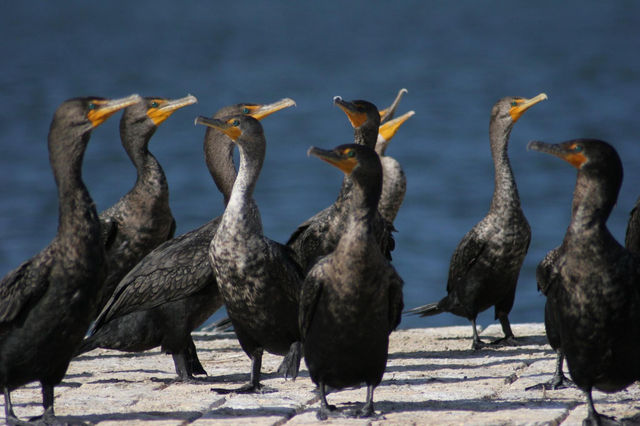
Biscayne National Park in photos




Where you'll stay in Biscayne National Park
Live map of hotels and villas around Biscayne National Park — powered by Stay22. Pan, zoom and compare live prices to pick your base.
Hotels & rentals around Biscayne National Park
Pan, zoom and compare live prices — every stay in one map.
Getting around Biscayne National Park
Getting around Biscayne is unlike any other park, because the park is mostly water. On land, a hire car takes you to the mainland visitor center and boat launches, but the real park, the reefs, keys and wrecks, is reached only by boat. Concession-run tours, guided snorkel and dive trips, and rental boats or kayaks are the way to explore, and for most families a booked boat tour is the simplest option. Distances across the bay are modest but weather-dependent, so trips can be delayed or cancelled by wind and storms. There are no roads between the islands and no shuttles on the water. Plan your on-water time around the forecast, book tours ahead, and keep the day flexible in case conditions push your outing to another slot.
There is no useful public transport to Biscayne's remote mainland entrance, and none at all on the water. For a family of five, hiring a car for the short drive from Miami is the sensible approach, combined with a booked boat tour or concession trip to reach the reefs and islands. Miami itself has buses and rideshare, but these do not serve the park practically. Plan on a hire car for the airport-to-park leg and rely on organised boat services for everything beyond the shoreline.
Insider tips
- Most of the park is only reachable by boat, so book a ranger-led or concession snorkel, dive or island trip in advance.
- The Dante Fascell Visitor Center on the mainland is free to visit and a good starting point even without a boat.
- Bring reef-safe sunscreen, and reapply, as there is little shade out on the water.
- Boca Chita Key is a lovely picnic and photo spot with its distinctive lighthouse.
- Snorkelling conditions depend on weather and water clarity, so keep plans flexible.
- Combine Biscayne with a Miami city stay or the Everglades for a fuller south Florida trip.
- Watch for afternoon thunderstorms, which can cut boat trips short in summer.
Frequently asked
Is there an entrance fee?
Biscayne itself has no entrance fee, though boat tours and concession trips carry their own costs.
When is the best time to visit?
Winter and spring (roughly December to April) bring drier, calmer weather and clearer water. Summer is hot, humid and stormy.
Where do we stay?
There is no park hotel; base yourself in Miami or Homestead. Primitive camping is available on Boca Chita and Elliott Keys.
How do we get out on the water?
Via concession boat tours, guided snorkel or dive trips, or your own or rented boat and kayak.
Are pets allowed?
Pets are limited to certain areas and not suited to boat trips.
Is it good for families?
Excellent for families who enjoy snorkelling, boating and warm water.
While you're there
-
 9 FEB Festivals & Celebrations See the event →
 -
 9 APR Music & Performing Arts See the event →
Explore the area
Local attractions & tours
Skip-the-line tickets and small-group tours in Biscayne National Park — compare across our partners.
We're still curating hand-picked tickets and tours for Biscayne National Park. In the meantime, the map above and the nearby cities are a great place to start.
When to visit Biscayne National Park
Winter and spring (December to April) offer drier, calmer weather and the clearest water for snorkelling. Avoid the stormy, humid summer.
Biscayne has a warm, subtropical climate. Winter and spring are the most comfortable, with drier air, gentler seas and clearer water for snorkelling. Summer and early autumn are hot and humid, with frequent afternoon thunderstorms and the possibility of tropical storms or hurricanes later in the season. The sun is strong year-round and there is little shade on the water. Pack swimwear, a rash vest, reef-safe sunscreen, a sun hat and a light waterproof for sudden showers. If you burn easily, a long-sleeved swim top is invaluable, as is plenty of drinking water for time out on the boat.
Getting there
Biscayne is one of the easiest US national parks to reach from the UK. Miami International Airport (MIA) receives direct flights from London and sits only about an hour's drive from the park's mainland visitor center near Homestead. Fort Lauderdale (FLL) is a slightly further alternative. This is a real advantage for a UK family: you can fly direct, avoid connections, and be by the water the same day. From the airport, hire a car for the short drive south to the Dante Fascell Visitor Center, which is the jumping-off point for boat trips into the bay. Because Miami is a major hub, you can easily pair Biscayne with a city stay or with nearby Everglades National Park, making for a varied south Florida itinerary that mixes reefs, sawgrass and beaches without any long overland hauls.
- Miami (MIA) — ~1 hr to the Dante Fascell Visitor Center near Homestead
- Fort Lauderdale (FLL) — ~1.5 hrs to the park visitor center
Ready to book your trip?
Flights, airport transfers and car hire to MIA — search and compare without leaving the page.
More trip extras
Parking, holiday extras, and more — coming soon.
We're lining up parking, holiday extras and activities you'll be able to add to any trip from here.