Congaree National Park
An old-growth floodplain forest of towering hardwoods in South Carolina, famous for its late-spring firefly displays.
- National park
- Spring and autumn are most comfortable; late May to early June brings the famous synchronous fireflies but also heat and mosquitoes.
- CAE
- 1-2 days
About Congaree National Park
Congaree protects one of the last great expanses of old-growth bottomland hardwood forest left in the United States, a cathedral of towering trees on the floodplain of the Congaree and Wateree rivers in central South Carolina. This is not swamp, as it is often mistakenly called, but a rare and magnificent floodplain forest, periodically drenched by the rivers that feed it and, in doing so, grow some of the tallest trees in eastern North America.
A forest of champions
Many of the trees here are record-holders, national champions of their species, soaring loblolly pines, bald cypress and sweetgum whose canopy forms one of the tallest deciduous forests anywhere. A raised boardwalk lets you walk out over the forest floor without wading, and quiet Cedar Creek winds through the trees, perfect for a canoe. In late spring, the park stages one of nature's strangest shows: synchronous fireflies, which flash in eerie unison. For a UK family, this ancient, humming, water-fed woodland feels genuinely primeval.
Why go
Congaree is a park you feel as much as see. The air is thick, green and alive with birdsong and the hum of insects; the light filters down through a canopy so high it feels like standing inside a green cathedral. It is quiet, humid and deeply atmospheric, a place to slow right down.
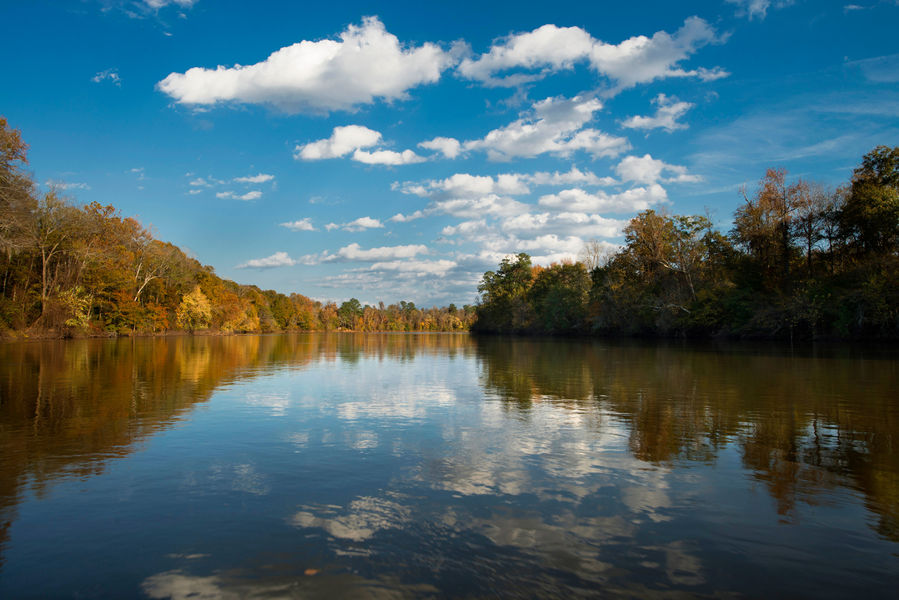
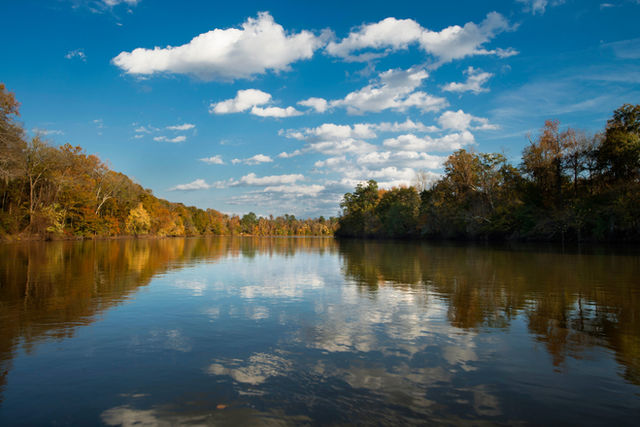
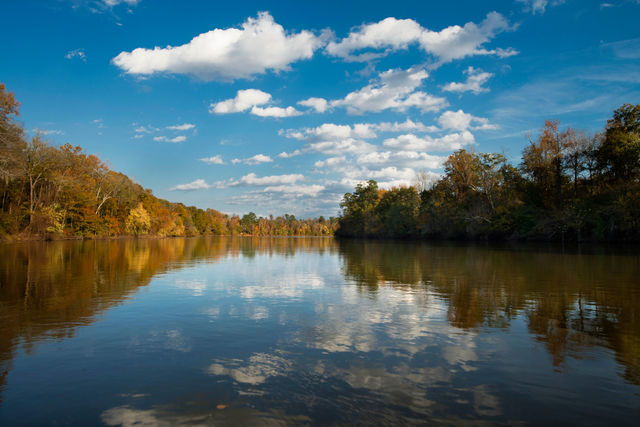
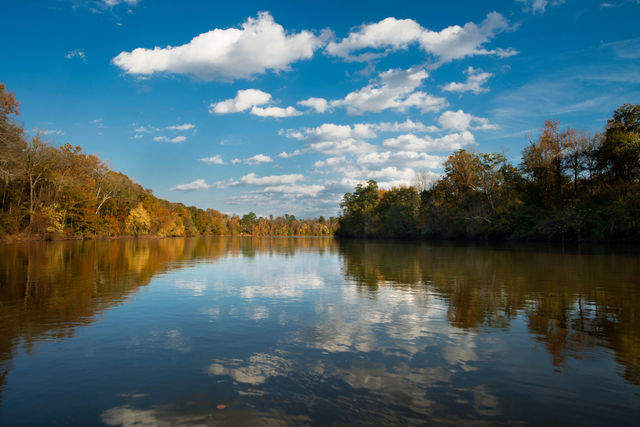
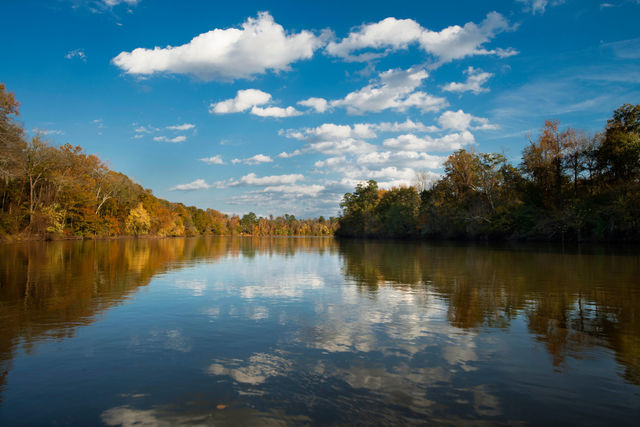
The magic reveals itself gradually. Paddle Cedar Creek in a canoe and you glide silently past enormous cypress knees and mirror-still water. Walk the boardwalk at dusk in early summer and, if your timing is lucky, watch thousands of fireflies pulse in synchrony, a phenomenon few places on Earth can offer. Teenagers who think a forest is just a forest tend to go quiet here. It is a gentle, immersive kind of wonder, less about drama and more about depth.
Highlights
- Old-growth forest
- Boardwalk loop
- Cedar Creek canoeing
- Champion trees
- Synchronous fireflies
- Bald cypress
- Birdwatching
- Free entry
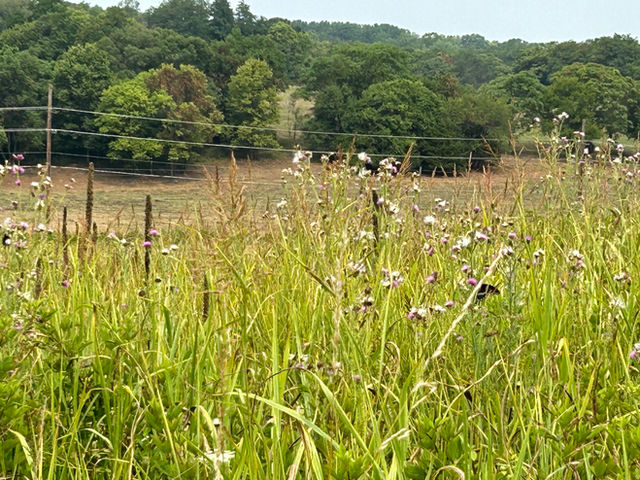
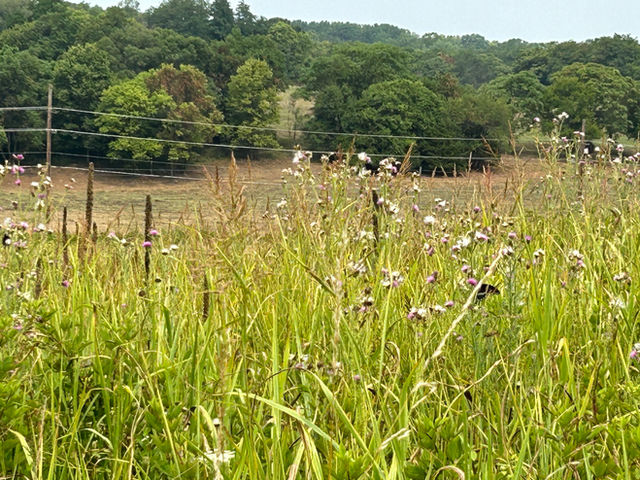
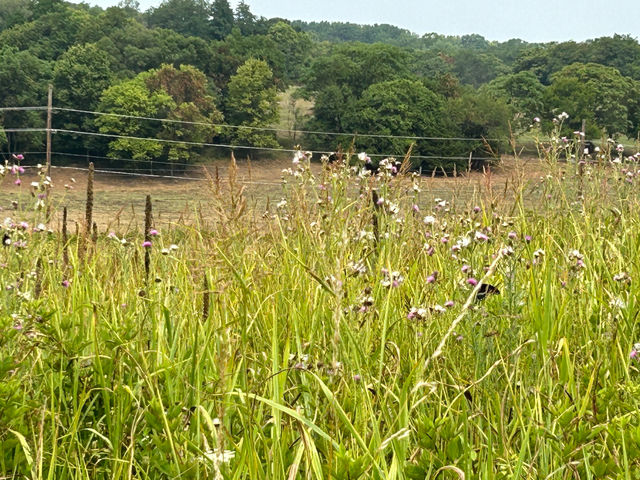
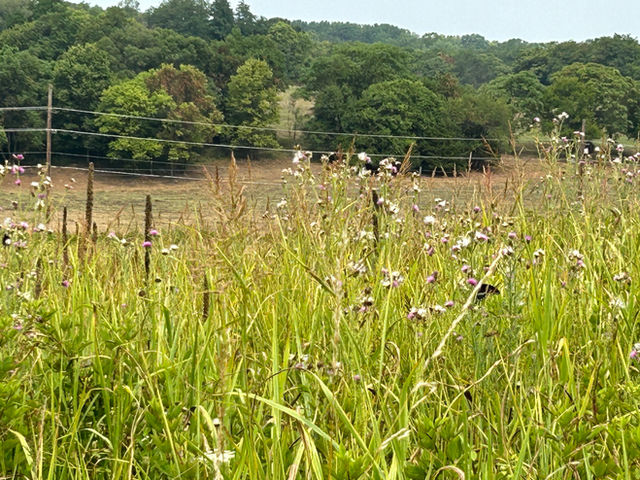
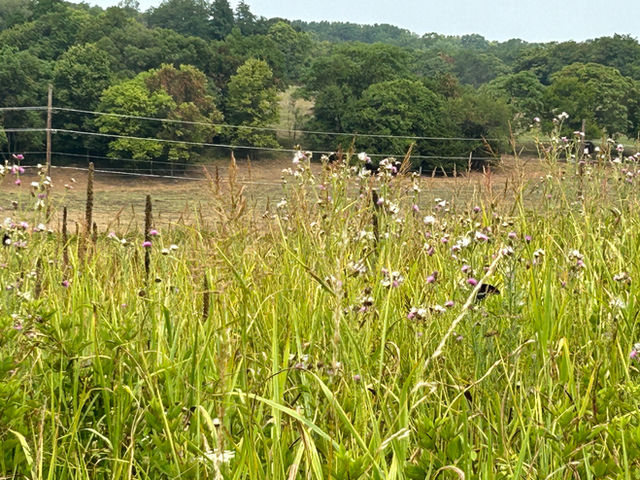
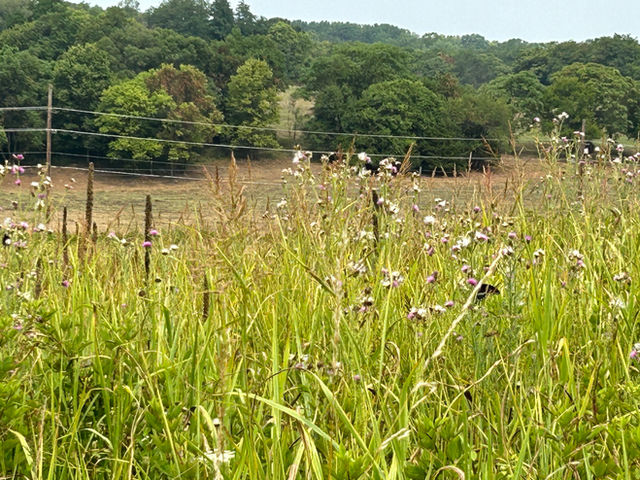
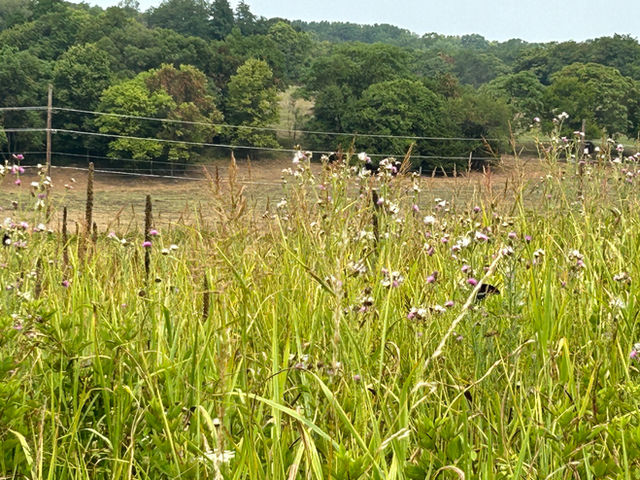
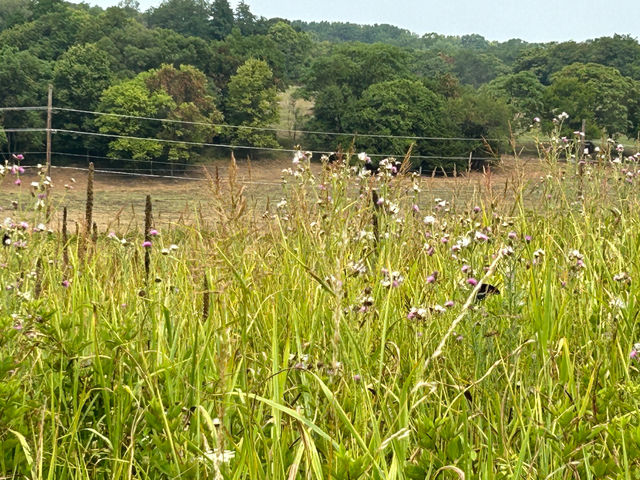
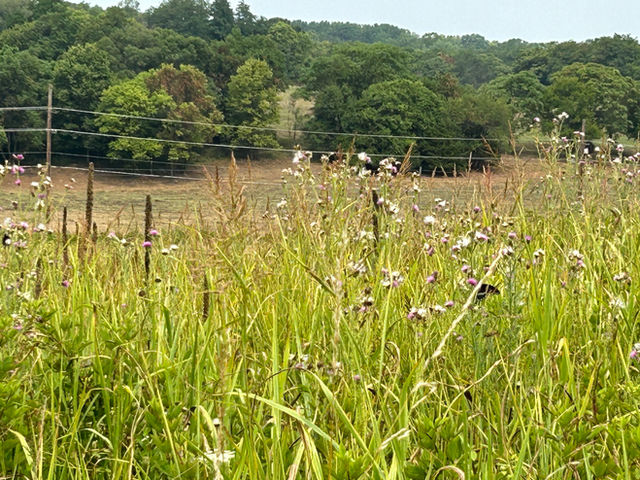
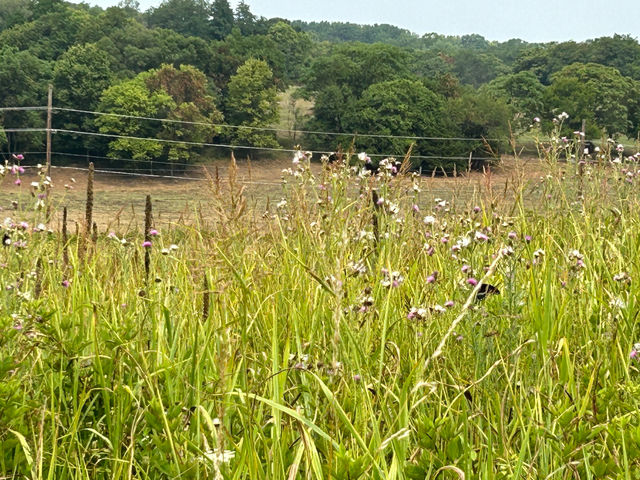
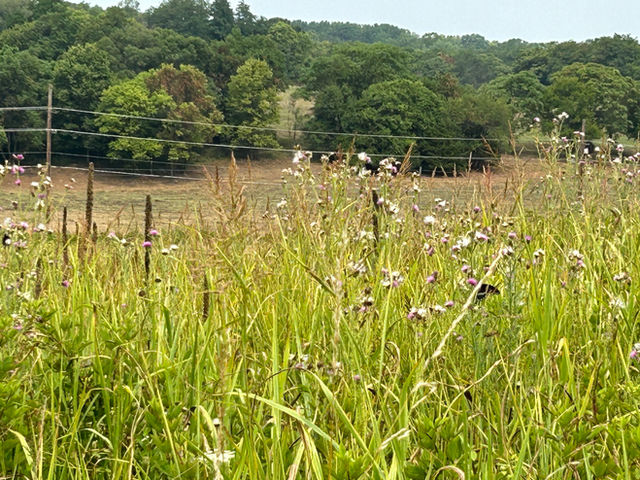
Congaree National Park in photos

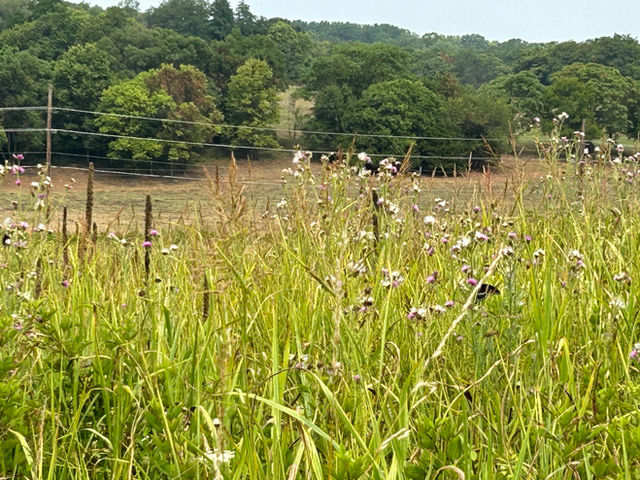
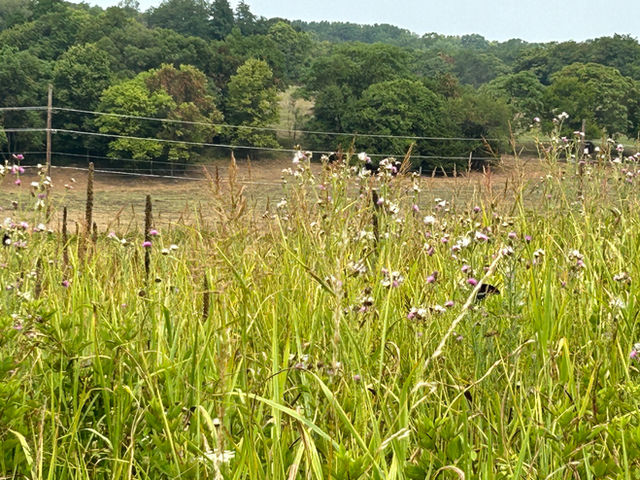
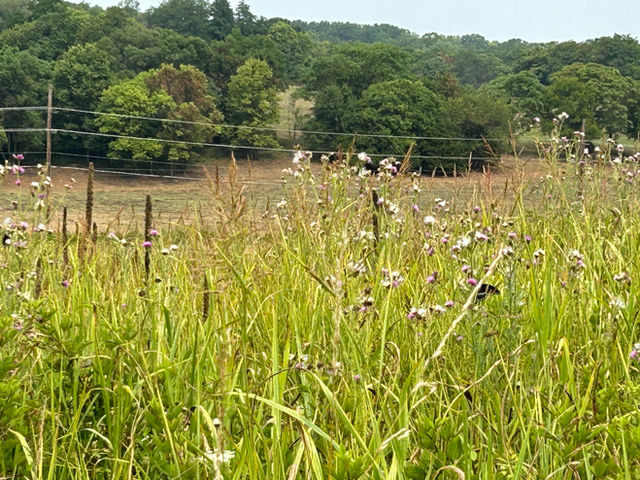
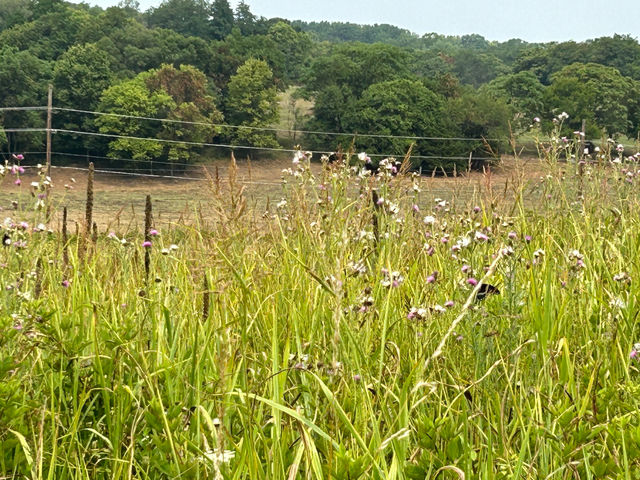



Where you'll stay in Congaree National Park
Live map of hotels and villas around Congaree National Park — powered by Stay22. Pan, zoom and compare live prices to pick your base.
Hotels & rentals around Congaree National Park
Pan, zoom and compare live prices — every stay in one map.
Getting around Congaree National Park
Congaree is small and simple to navigate. A single access road leads to the visitor centre, where a large car park serves the trailheads and the start of the boardwalk. There is no shuttle and none is needed. From the visitor centre, everything is explored on foot along the boardwalk and forest trails, or by canoe on Cedar Creek. Distances are short and the terrain mostly flat, though unpaved trails can be muddy or flooded after rain. Driving is only relevant for getting to and from the park; once inside, your feet and, ideally, a paddle do the work. Check trail and water conditions at the visitor centre on arrival, as flooding can reroute your plans.
There is no public transport to Congaree. No buses or trains serve the park, and while Columbia has some local transit, it does not extend to the park entrance. For a family of five, hiring a car at Columbia airport is the only practical option and gives you the freedom to combine the park with the city and the wider region. The drive is short and easy, so even a modest hire car will do, though something with room for five plus luggage will make the trip more comfortable. Treat the car as essential rather than optional.
Insider tips
- The famous synchronous firefly display happens for a couple of weeks in late spring and is so popular that access is usually managed by a lottery; enter early if you hope to attend.
- Canoeing Cedar Creek is the single best way to experience the forest; bring your own boat or check on limited ranger-led paddles.
- Bring strong insect repellent, especially in the warmer months; mosquitoes are a genuine part of the ecosystem here.
- Check the water gauge before you visit, as the floodplain does exactly what its name suggests and boardwalk or trails can flood.
- The elevated boardwalk loop is the easiest, driest introduction and good for all ages.
- Entry to the park is free, a rare treat.
- Visit early morning for the best birdlife and coolest air.
Frequently asked
How much does it cost?
Congaree has no entrance fee, making it one of the more accessible national parks for families on a budget.
When is the best time to visit?
Spring and autumn are most comfortable; late May to early June offers the firefly display but also more mosquitoes and heat.
Can we camp?
There are two campgrounds within the park, but no lodges; the nearby city of Columbia has plentiful hotels.
Are pets allowed?
Leashed pets are welcome on the boardwalk and most trails, unusually for a national park.
Is it accessible?
The elevated boardwalk loop is largely wheelchair-accessible, offering a full forest experience without rough ground.
Is it family-friendly?
Very; the flat boardwalk and gentle canoeing suit all ages and abilities.
How do we get there?
It is a short drive of about 30 minutes from Columbia, South Carolina.
While you're there
-
 9 FEB Festivals & Celebrations See the event →
 -
 9 APR Music & Performing Arts See the event →
Explore the area
Local attractions & tours
Skip-the-line tickets and small-group tours in Congaree National Park — compare across our partners.
We're still curating hand-picked tickets and tours for Congaree National Park. In the meantime, the map above and the nearby cities are a great place to start.
When to visit Congaree National Park
Spring and autumn are most comfortable; late May to early June brings the famous synchronous fireflies but also heat and mosquitoes.
Central South Carolina is warm and humid for much of the year. Summers are hot and sticky with frequent afternoon thunderstorms and abundant mosquitoes; spring and autumn are far more pleasant and are the ideal times to visit. Winters are mild but can be damp, and the floodplain frequently floods after heavy rain, sometimes closing sections of trail or boardwalk. Pack light, breathable clothing, strong insect repellent, waterproof footwear and a rain layer whatever the season. Always check the river gauge before setting out, as water levels dictate where you can walk and paddle.
Getting there
Congaree is one of the easiest national parks to reach, sitting only about 30 minutes by car southeast of Columbia, South Carolina. From the UK you would fly into Columbia Metropolitan Airport (CAE) via a connection through an eastern US hub such as Atlanta or Charlotte, then pick up a hire car for the short drive to the park. Larger airports at Charlotte or Atlanta offer more flight choice and are a two to three hour drive away if you would rather combine Congaree with a wider road trip. Because the park itself is compact and close to a city, it slots neatly into a broader southeastern itinerary. A hire car is straightforward and essential, as there is no public route to the park entrance.
- Columbia (CAE) — ~30 min to the Harry Hampton Visitor Center
- Charlotte (CLT) — ~2 hrs to the park entrance
- Atlanta (ATL) — ~3 hrs to the park entrance
Ready to book your trip?
Flights, airport transfers and car hire to CAE — search and compare without leaving the page.
More trip extras
Parking, holiday extras, and more — coming soon.
We're lining up parking, holiday extras and activities you'll be able to add to any trip from here.