Grand Teton National Park
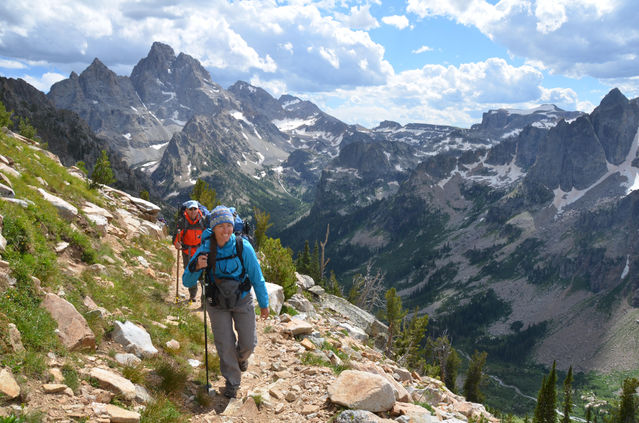
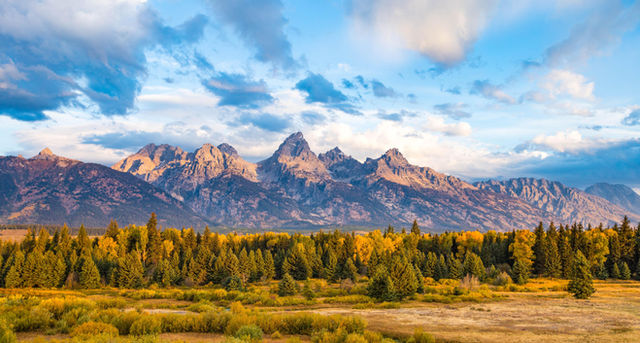
The Teton range erupting straight from the valley floor above Jackson Hole — jagged peaks, glassy lakes and abundant wildlife.
- National park
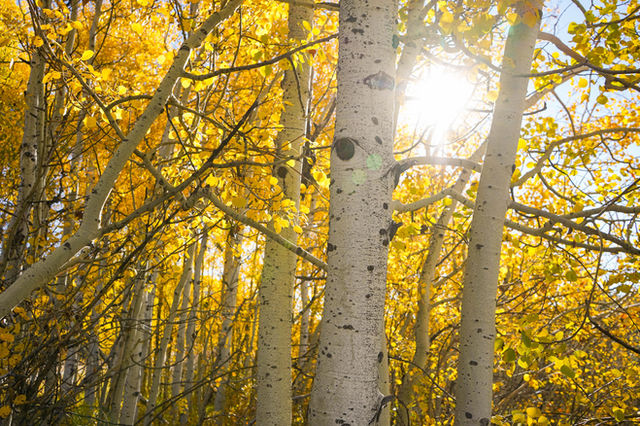
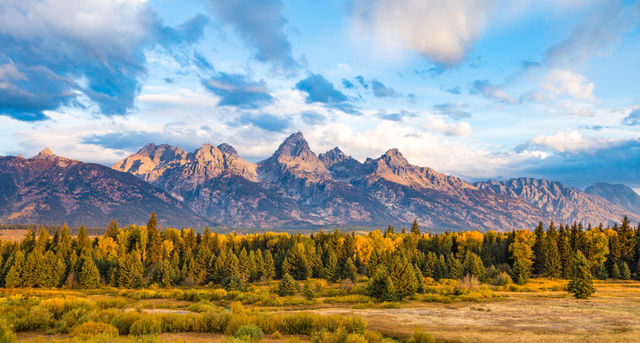
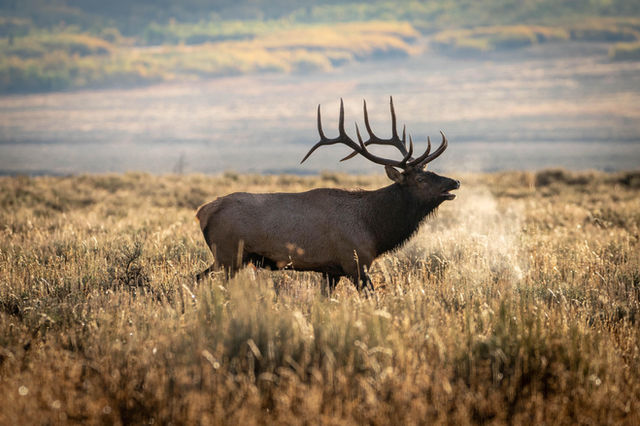
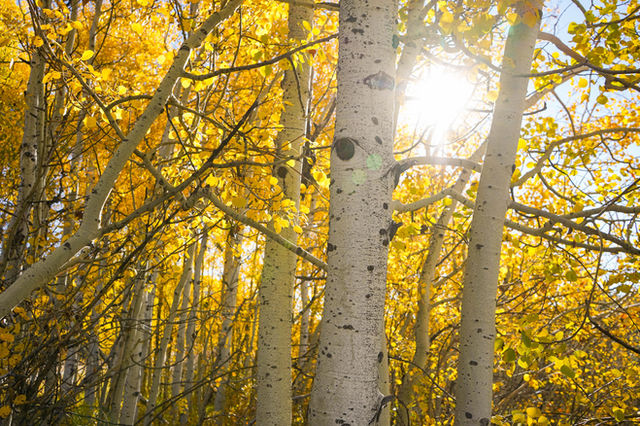
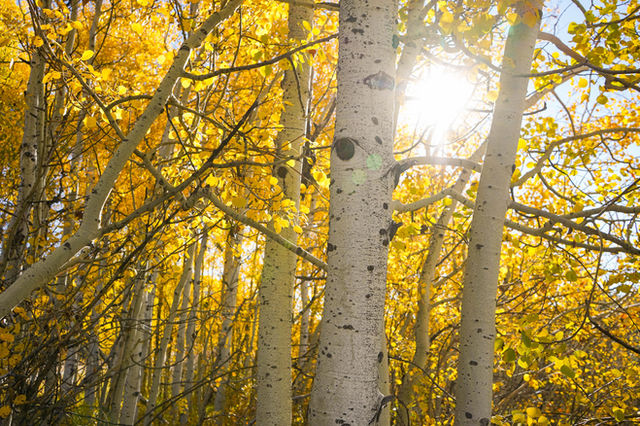
- Late June to September for the warmest weather, open trails and lake activities; autumn adds golden aspens and rutting elk.
- JAC
- 2-4 days
About Grand Teton National Park
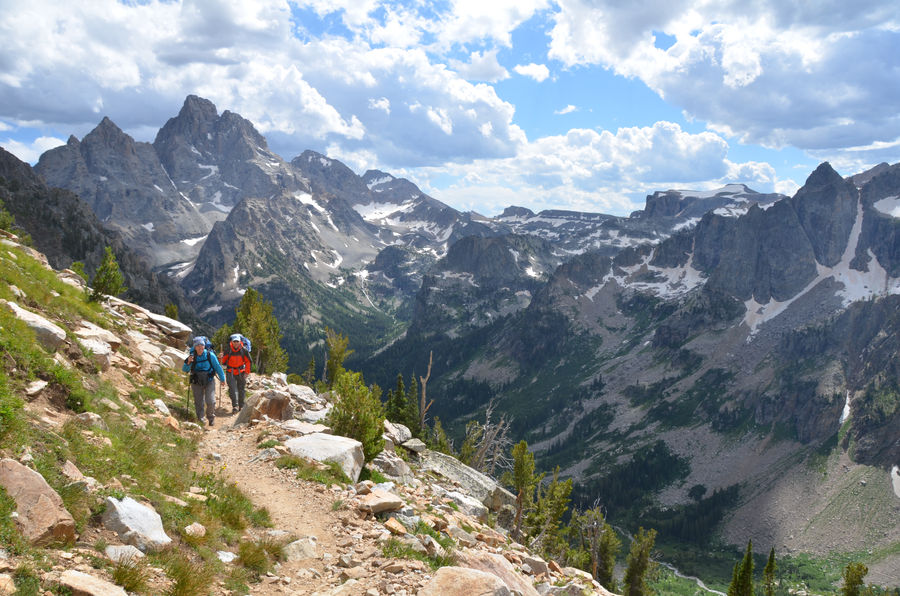
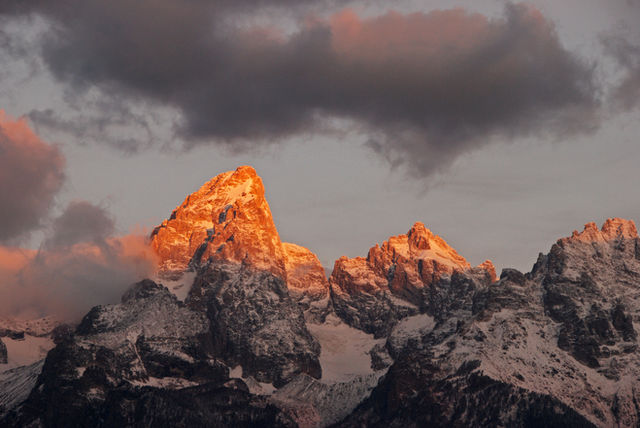
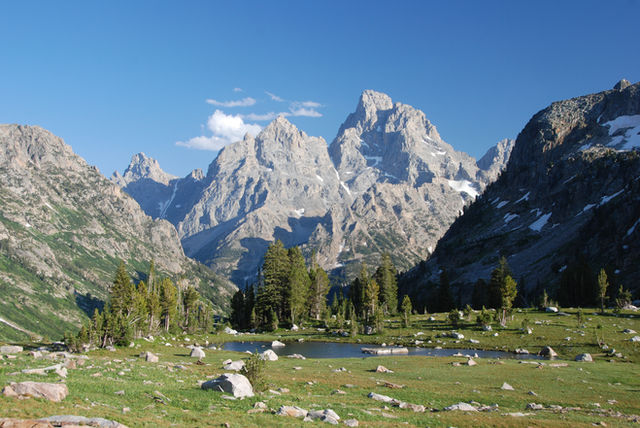
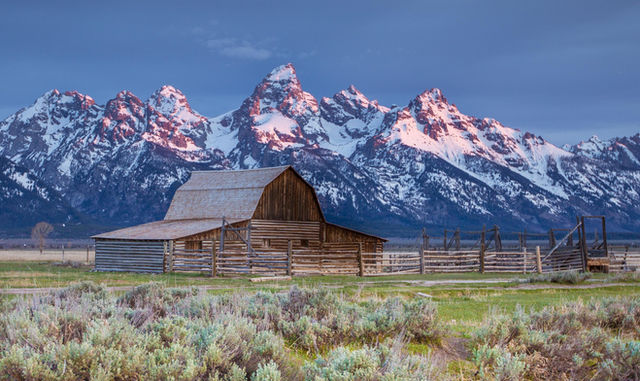
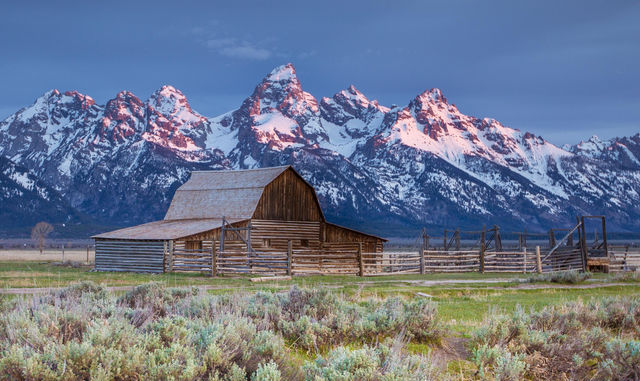
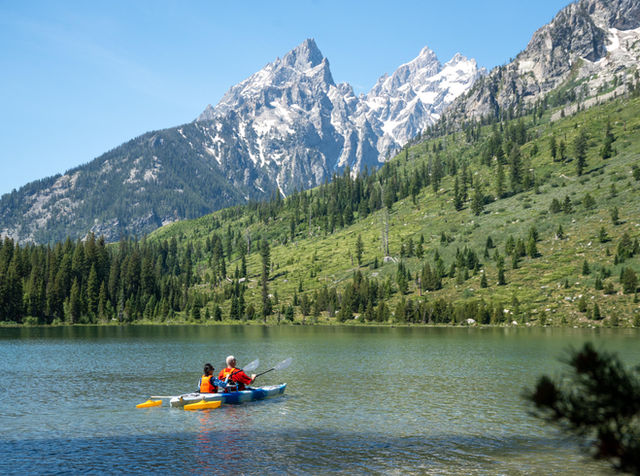
Grand Teton delivers the mountains of your imagination. There are no gentle foothills here to soften the approach; the Teton range simply erupts from the flat valley floor of Jackson Hole, a wall of jagged granite peaks rising more than 2,000m straight up, mirrored in a string of glassy lakes below. It is one of the most photogenic mountain landscapes in North America, and it feels almost impossibly cinematic in the clear Wyoming light.
Wildlife on a grand stage
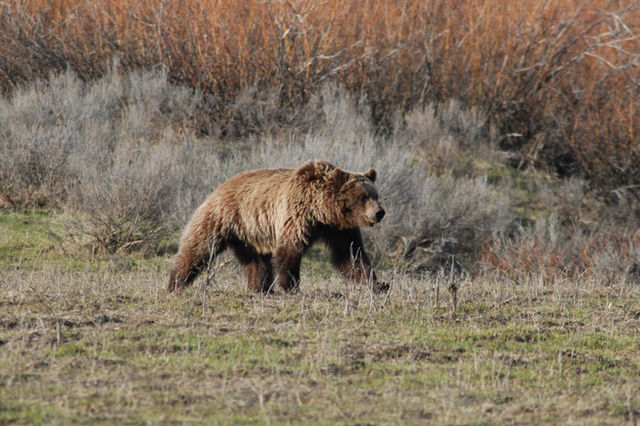
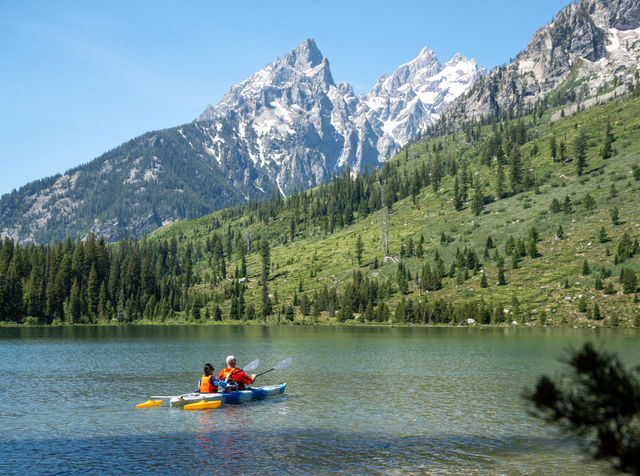
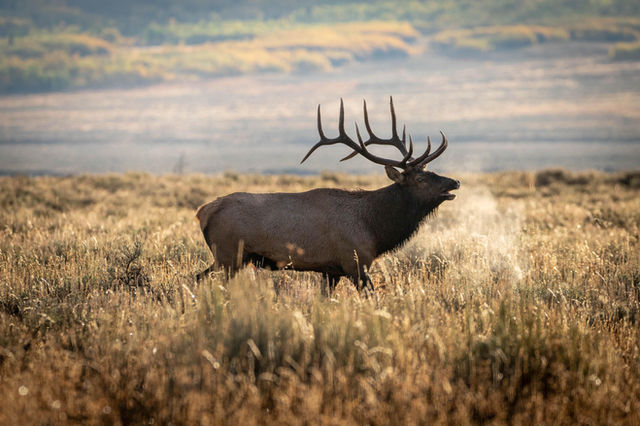
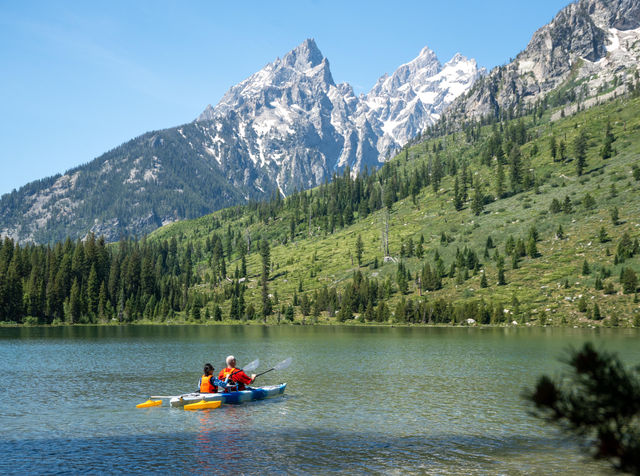
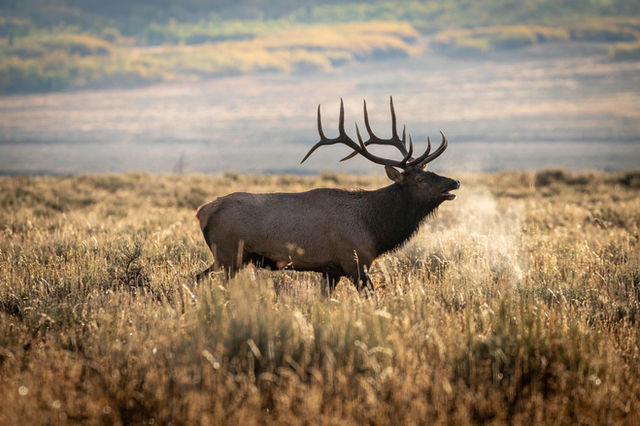
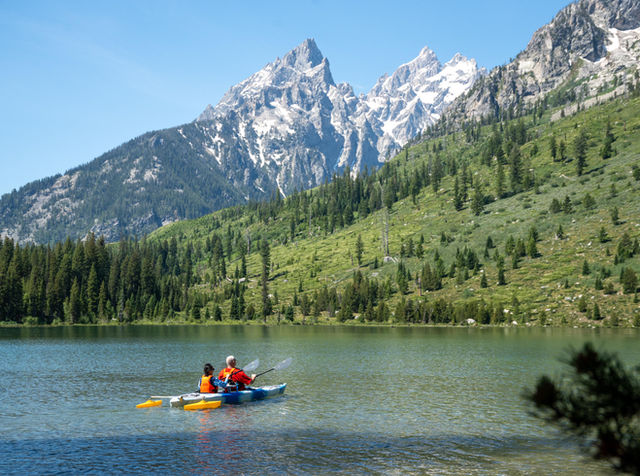
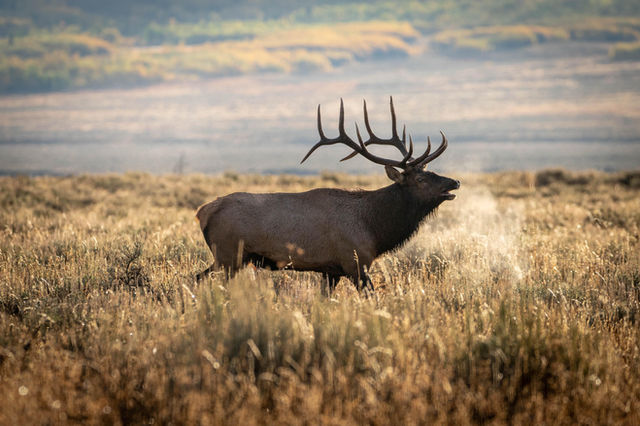
Beneath those peaks lies a valley teeming with life. Moose browse in the willows along the Snake River, bison graze the sagebrush flats, elk gather in their thousands, and both black and grizzly bears roam the forests. Jenny Lake, cradled directly beneath the highest summits, is the park's beating heart, with a boat shuttle across to trails and waterfalls. Just south of Yellowstone, the Tetons are the perfect partner to that larger park, offering sharper drama in a more compact, walkable space. For a UK family, it is the classic American mountain West: wild, spacious and endlessly beautiful.
Why go
You come to Grand Teton for mountains that look like they were drawn by a child asked to draw mountains, and for wildlife that appears with astonishing ease. Few places pack so much drama into so little effort; you can be watching a moose from the roadside minutes after breakfast. Teenagers who think they have seen mountains in the Alps find the sheer verticality of the Tetons genuinely startling, rising straight from the valley with no build-up. The scale is friendlier than Yellowstone's sprawl, making it easy to fit lake cruises, gentle hikes and wildlife drives into a couple of unhurried days. Paired with Yellowstone next door, it forms one of the great American road-trip combinations, and for a family flying in from London it is the West at its most postcard-perfect.
Highlights
- Jagged Teton range
- Jenny Lake and boat shuttle
- Moose and bison
- Snake River Overlook
- Grizzly and black bears
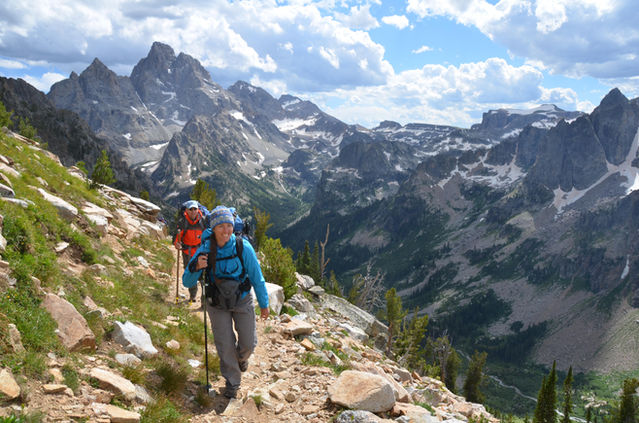
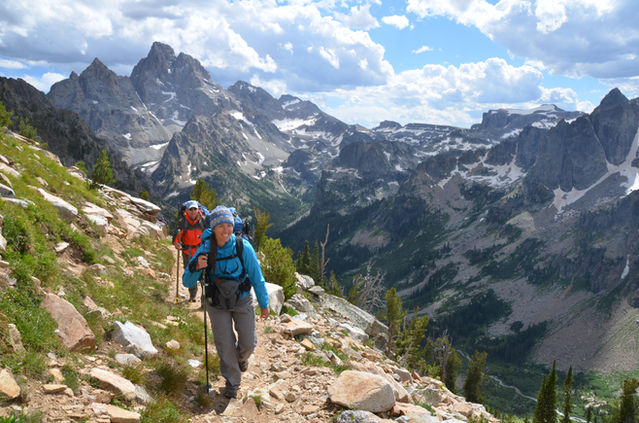
- Hidden Falls hike
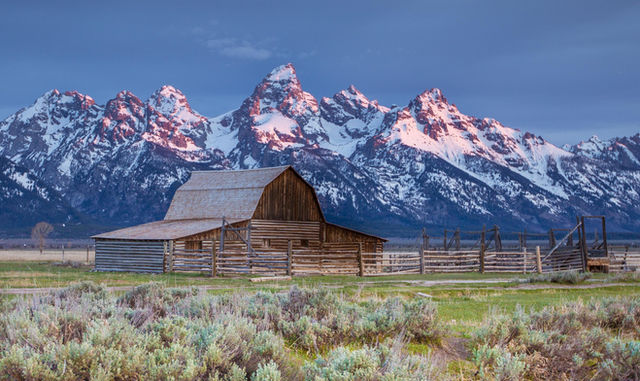
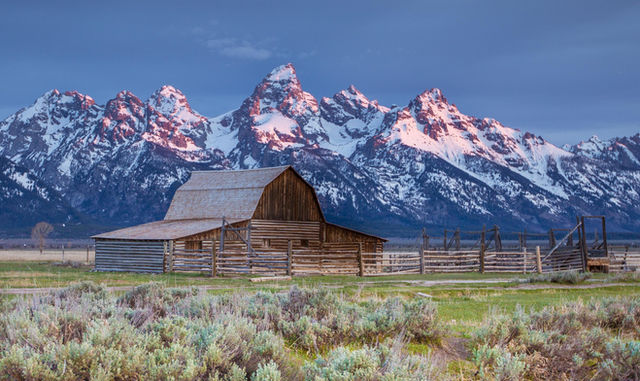
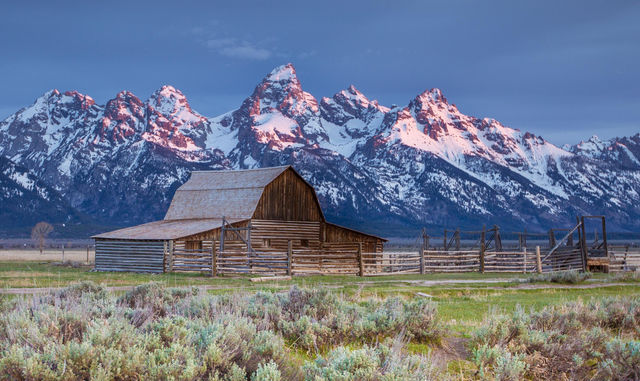
- Mormon Row barns
- Pairs with Yellowstone
- Autumn aspens
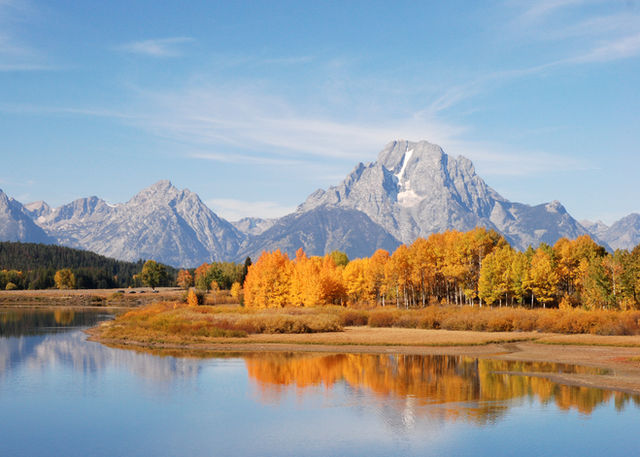
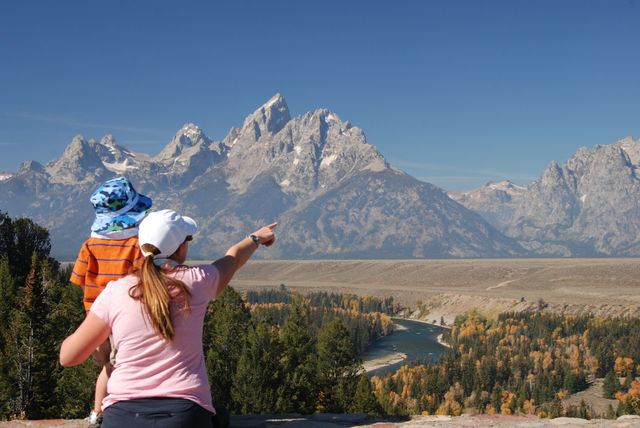
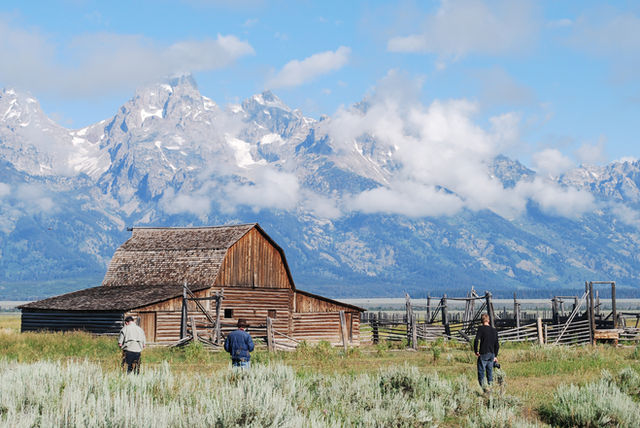
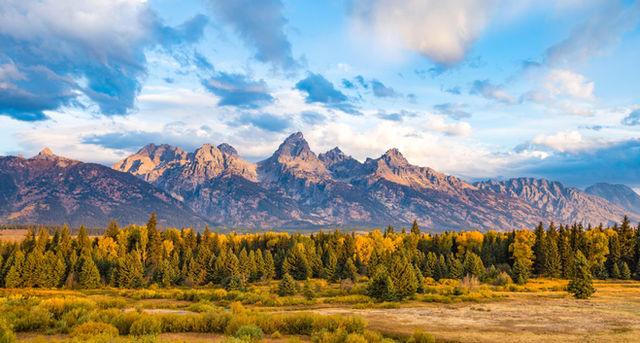
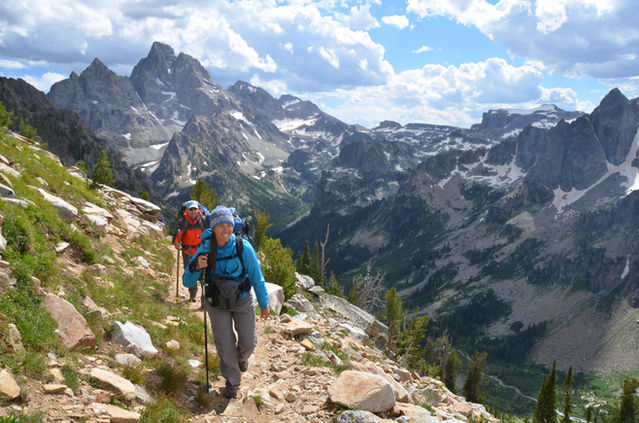
Grand Teton National Park in photos

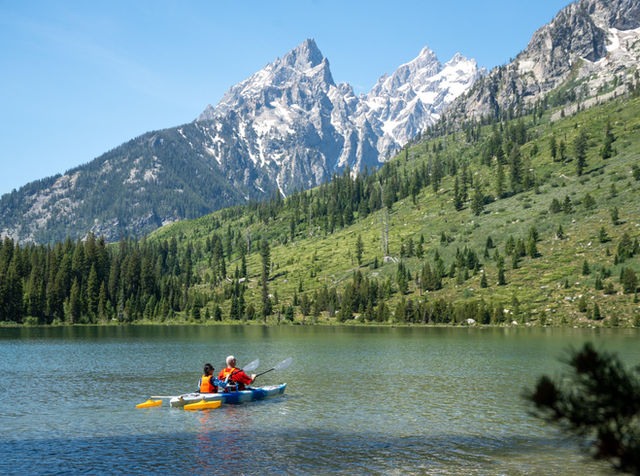
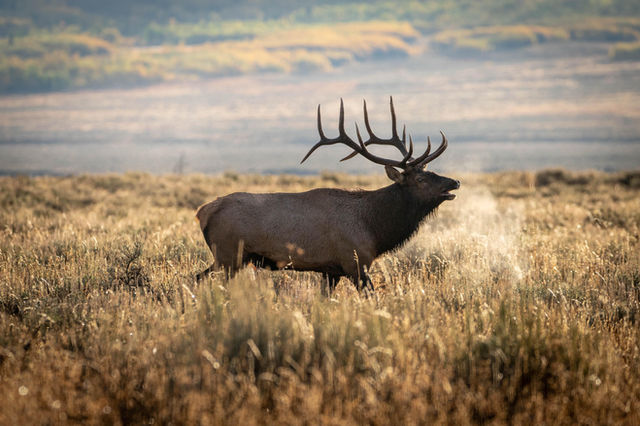
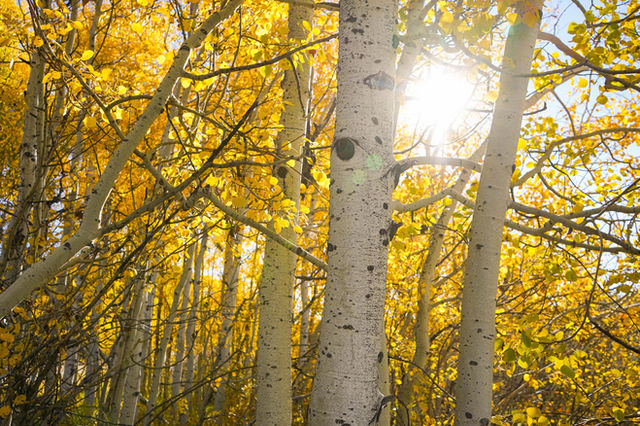
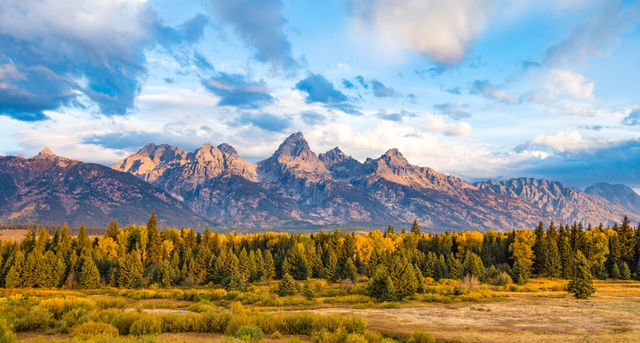


Where you'll stay in Grand Teton National Park
Live map of hotels and villas around Grand Teton National Park — powered by Stay22. Pan, zoom and compare live prices to pick your base.
Hotels & rentals around Grand Teton National Park
Pan, zoom and compare live prices — every stay in one map.
Getting around Grand Teton National Park
Grand Teton is a driving park, but a gentle one, with two main roads running the length of the valley: the busier Teton Park Road hugging the base of the mountains past Jenny Lake, and the outer Highway 89 with its famous river overlooks. Distances are modest and the scenery is constant, so simply driving between viewpoints is a pleasure. There is no comprehensive shuttle system, though a boat shuttle crosses Jenny Lake to save you a long walk to the falls. The Teton Park Road's inner section typically closes to cars in winter, becoming a route for skis and snowshoes. The scenic John D Rockefeller Parkway links the park's north end directly to Yellowstone. For wildlife, drive the quiet roads at dawn and dusk and keep binoculars handy.
Public transport around Grand Teton is minimal, so a hire car is strongly recommended for exploring the valley and reaching wildlife hotspots on your own schedule. The town of Jackson runs a local START bus service, useful for getting between town and some park edges but not designed for touring the park itself. The Jenny Lake boat shuttle is the one in-park transit worth knowing about, saving a long lakeside walk. For a UK family, the practical plan is to hire a car at Jackson Hole airport, which sits inside the park, and drive the scenic valley roads at your leisure.
Insider tips
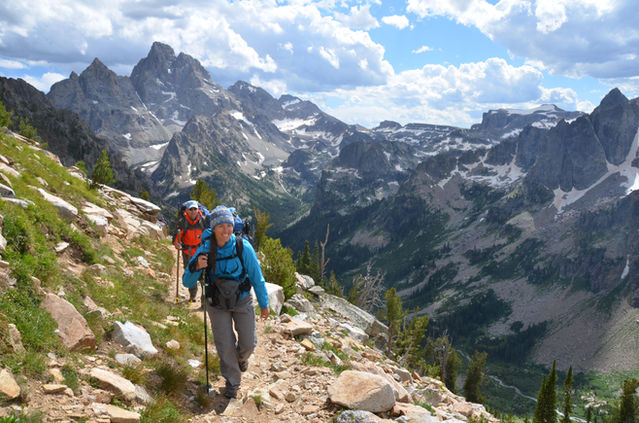
- Take the boat shuttle across Jenny Lake to cut the walk to Hidden Falls and Inspiration Point; it is the park's best short adventure for families.
- Dawn and dusk are prime wildlife hours; drive the quiet roads then for moose, bison and elk, and carry binoculars.
- The Snake River Overlook and Schwabacher Landing offer the iconic reflected-peak photographs, best at first light.
- Carry bear spray on trails; this is grizzly country and encounters do happen.
- Jackson Hole airport sits inside the park, so your mountain views start the moment you land.
- Combine with Yellowstone to the north via the scenic John D Rockefeller Parkway; the two share one great road trip.
- Mormon Row's historic barns framed by the Tetons make a memorable, easy stop.
Frequently asked
Is there an entrance fee?
Yes, a vehicle pass covers seven days; a combined pass with Yellowstone can be good value if visiting both.
When is the best time to visit?
Late June to September for the best weather, open trails and lake activities; autumn brings golden aspens and rutting elk.
Is there camping or lodging?
Several campgrounds and lodges within the park, plus abundant options in nearby Jackson; book well ahead for summer.
Are pets allowed?
Pets are restricted to roads, campgrounds and car parks, and not allowed on trails.
Is it accessible?
Several visitor centres, viewpoints and some paved paths are accessible; the Jenny Lake area has accessible facilities.
Is it good for families?
Excellent. Easy wildlife viewing, the Jenny Lake boat and gentle trails make it very family-friendly.
How do we get there?
Jackson Hole Airport (JAC) is inside the park, about 30 minutes from the main sights.
While you're there
-
 9 FEB Festivals & Celebrations See the event →
 -
 9 APR Music & Performing Arts See the event →
Explore the area
Local attractions & tours
Skip-the-line tickets and small-group tours in Grand Teton National Park — compare across our partners.
We're still curating hand-picked tickets and tours for Grand Teton National Park. In the meantime, the map above and the nearby cities are a great place to start.
When to visit Grand Teton National Park
Late June to September for the warmest weather, open trails and lake activities; autumn adds golden aspens and rutting elk.
Grand Teton has a cool mountain climate with big daily temperature swings. Summers (July to August) bring warm, sunny days but cold nights, and afternoon thunderstorms are common over the peaks; pack layers, a waterproof and warm kit for the mornings. Late spring and early autumn can still see snow at altitude, and autumn nights turn frosty as the aspens turn gold. Winters are long, snowy and cold, transforming the valley into a snowbound wonderland but closing many roads. Whatever the season, bring a fleece, a rain shell, sturdy footwear, sun protection and layers you can peel off as the day warms.
Getting there
Grand Teton is one of the easiest mountain parks to reach because Jackson Hole Airport (JAC) sits inside the park boundary itself, an experience in its own right as you touch down with the Teton range filling the window. From the UK there are no direct flights, so you will connect through a hub such as Denver, Salt Lake City or Dallas into Jackson Hole, which is just 30 minutes from the main sights and the town of Jackson. A hire car is essential for exploring the valley roads and wildlife-viewing pull-offs at your own pace. Salt Lake City is an alternative gateway around five hours' drive south if you fancy a scenic approach. Most UK families pair the Tetons with Yellowstone immediately to the north, making one unforgettable Wyoming road trip.
- Jackson Hole (JAC) — ~30 min to Moose entrance (inside the park)
Ready to book your trip?
Flights, airport transfers and car hire to JAC — search and compare without leaving the page.
More trip extras
Parking, holiday extras, and more — coming soon.
We're lining up parking, holiday extras and activities you'll be able to add to any trip from here.