Mount Rainier National Park
An ice-clad volcano towering over Washington, ringed by wildflower meadows, ancient forest and tumbling glaciers.
- National park
- Mid-to-late summer, when the high roads clear of snow and the famous wildflower meadows at Paradise reach their brief, spectacular peak.
- SEA
- 2-4 days
About Mount Rainier National Park
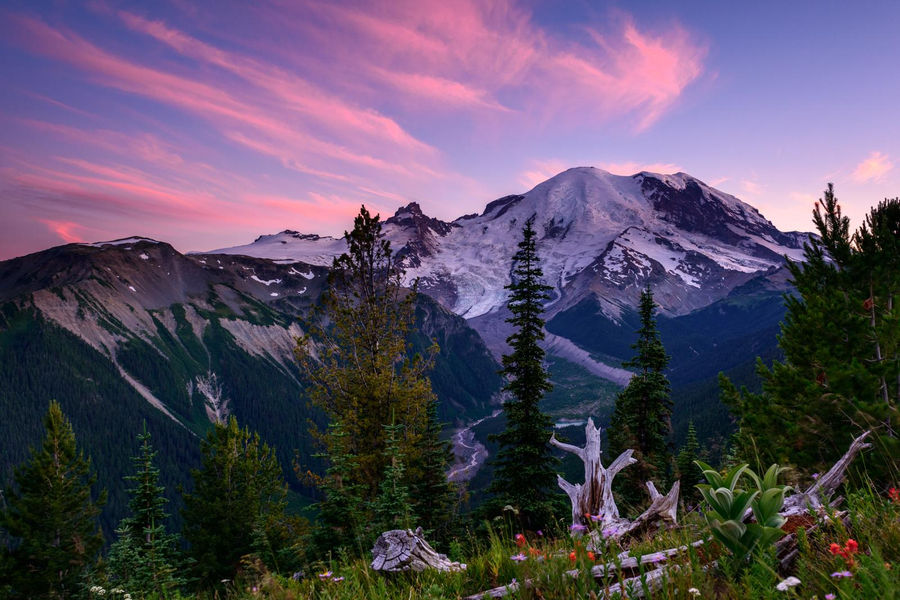
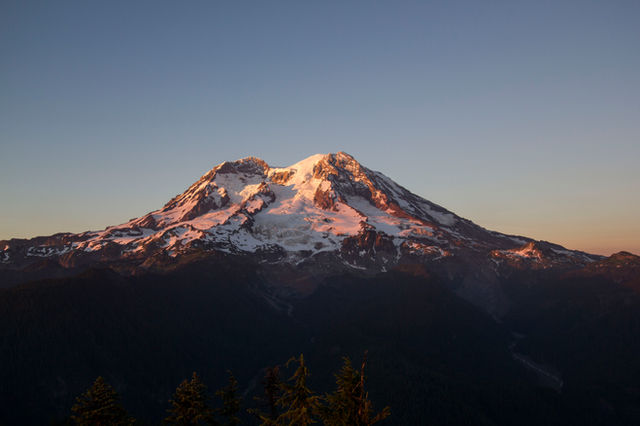
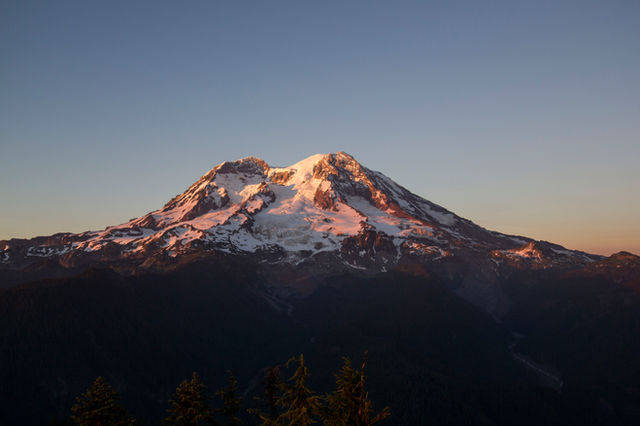
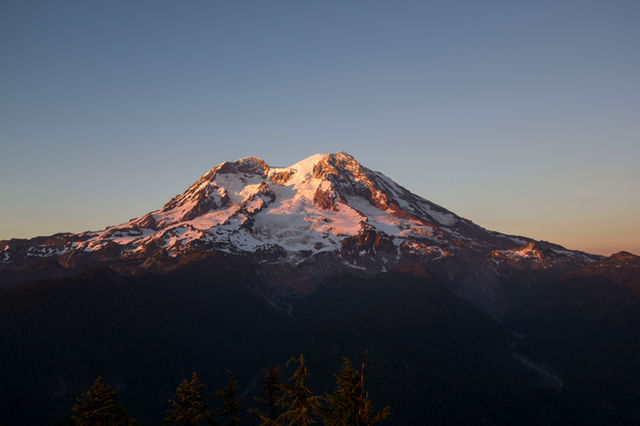
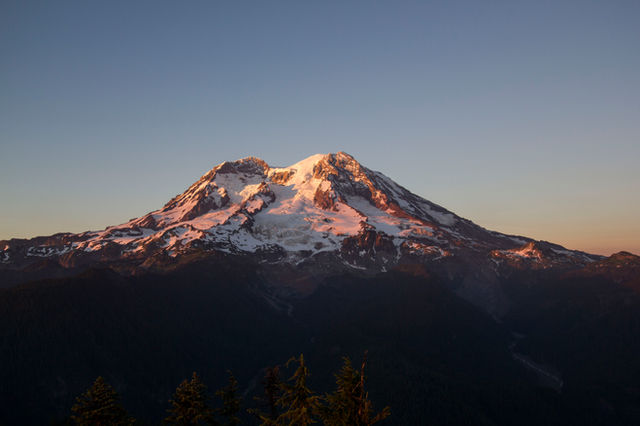
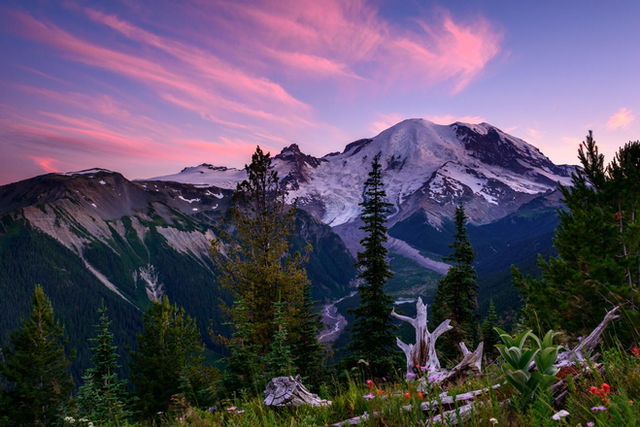
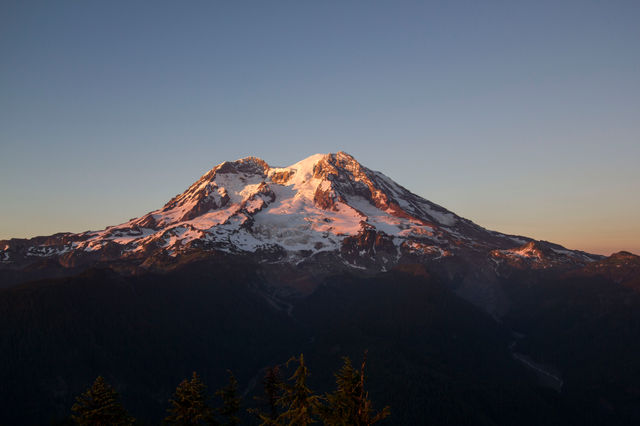
Mount Rainier dominates the skyline of Washington State like nothing else — a vast, glaciated stratovolcano rising to over 14,000 feet, so huge that locals simply call it "the Mountain." On a clear day it seems to float above the Seattle horizon; up close, it is an overwhelming wall of ice and rock, cloaked in the largest glacier system in the contiguous United States.
Wildflowers below a wall of ice
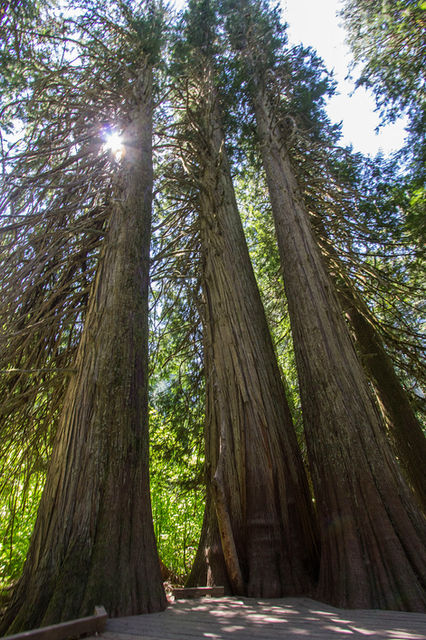
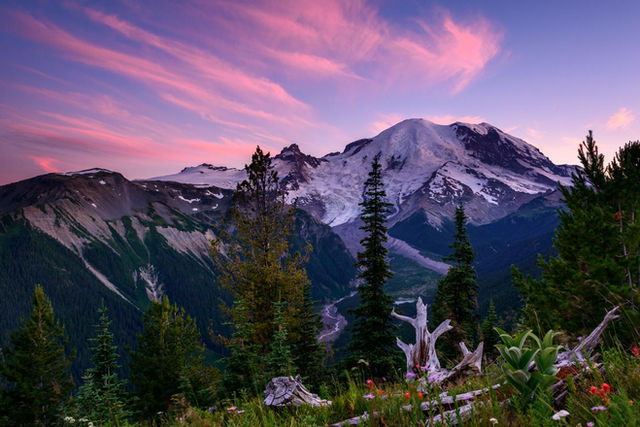
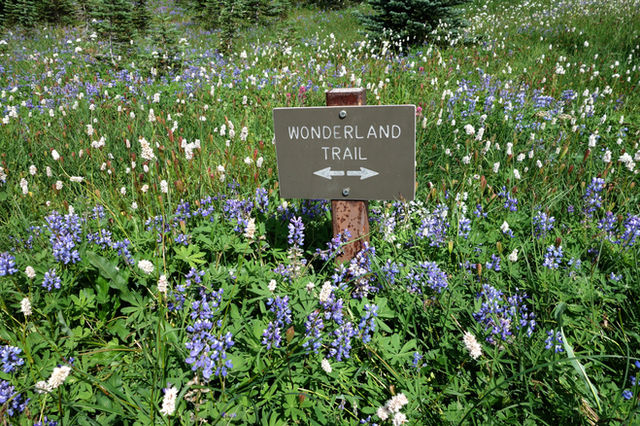
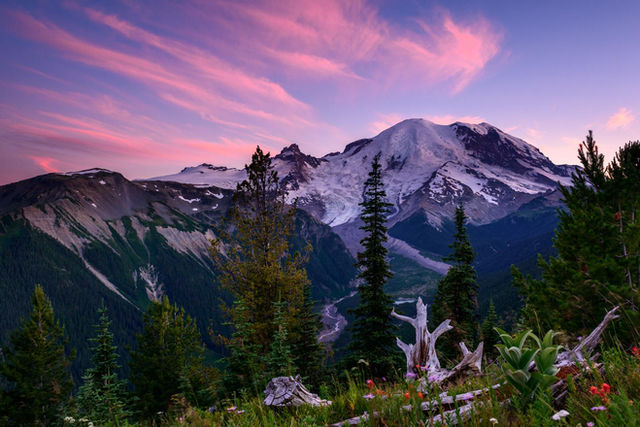
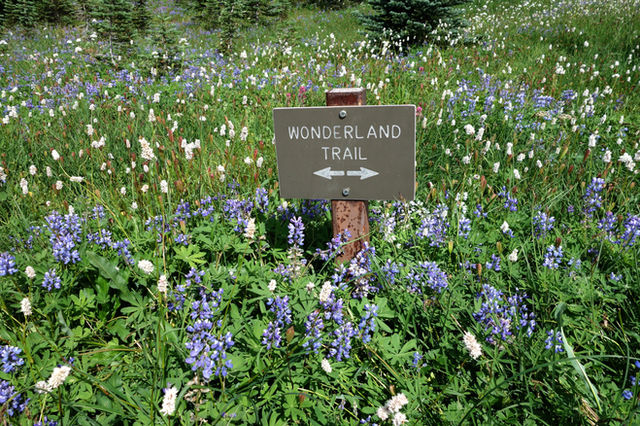
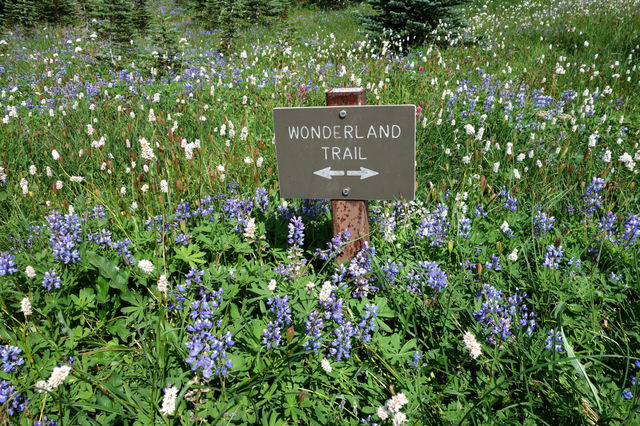
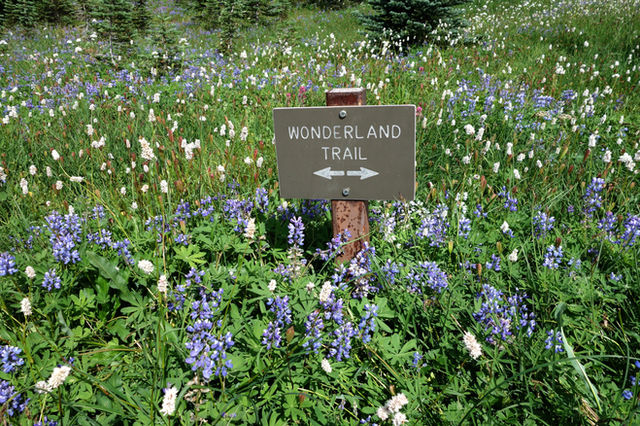
The magic of Rainier is the contrast. Below the permanent snow and grinding glaciers lie the sub-alpine meadows of Paradise, which in late summer erupt into a riot of wildflowers — lupins, paintbrush and avalanche lilies — framed against the white peak. On the quieter north-east side, Sunrise offers the highest road access and huge open views. Ancient old-growth forest, with trees centuries old, fills the lower valleys. For a UK family, Rainier delivers proper mountain grandeur within easy reach of Seattle: a day hiking flower meadows beneath a glacier is something Britain simply cannot offer.
Why go
You come to Mount Rainier to stand beneath something genuinely enormous. The scale of the mountain — a glacier-armoured volcano towering over everything — is the kind of sight that makes teenagers lower their phones without being asked. But Rainier's real gift is contrast: you can walk through meadows thick with wildflowers with a wall of ice hanging above you, all on the same afternoon. It is close enough to Seattle to work as a manageable trip for a family flying in from the UK, yet wild enough to feel like a proper adventure. Paradise in late-summer bloom is one of the most beautiful places in the American West, and the old-growth forest lower down adds a hushed, cathedral quality. Few parks pack this much drama into so accessible a package.
Highlights
- Glaciated stratovolcano
- Paradise wildflower meadows
- Sunrise viewpoints
- Old-growth forest
- Glacier views
- Sub-alpine hiking
- Grove of the Patriarchs
- Seattle day-trip distance
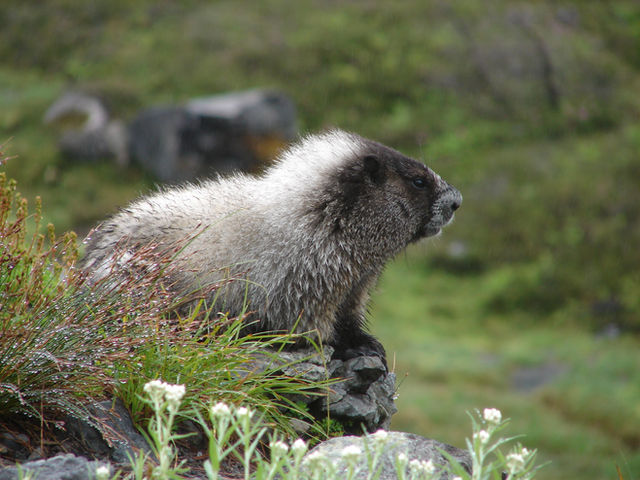
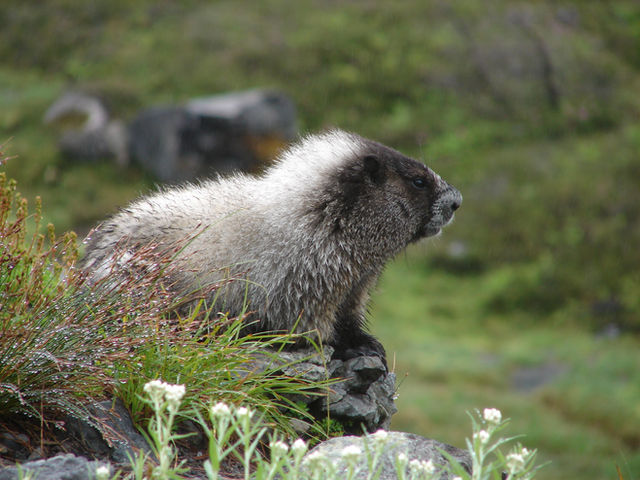
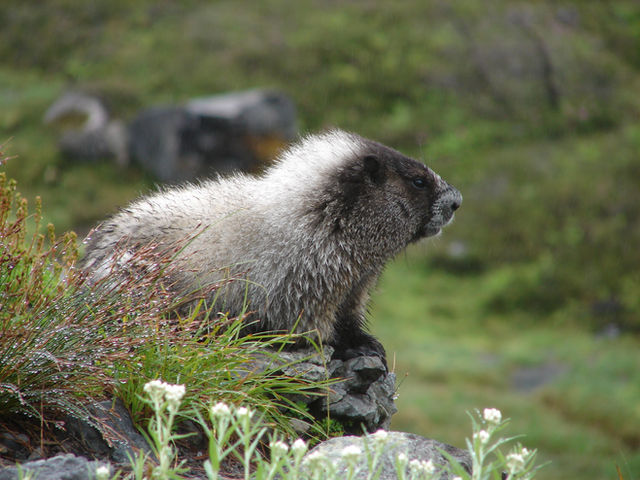
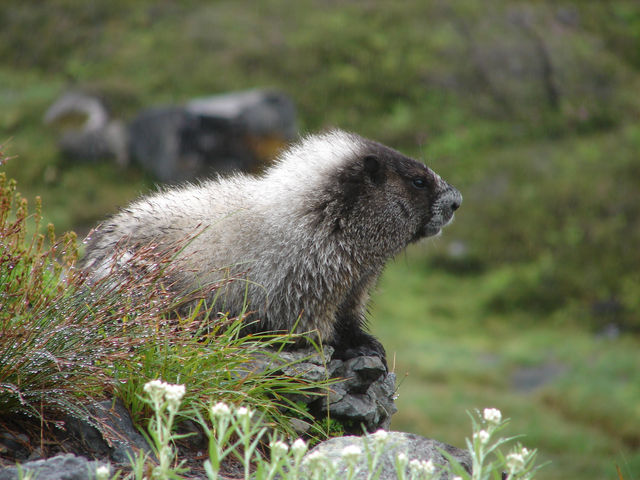
Mount Rainier National Park in photos
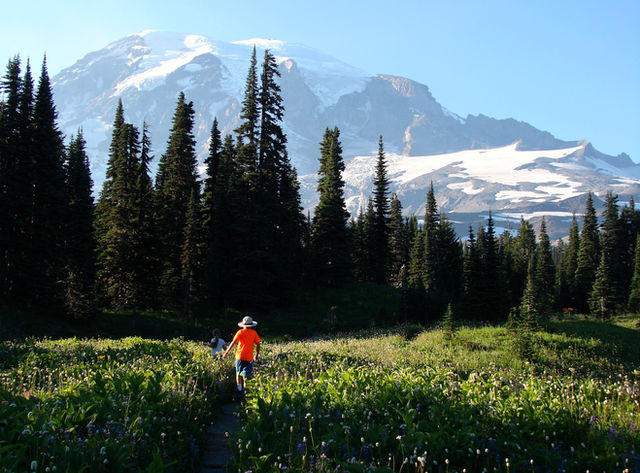
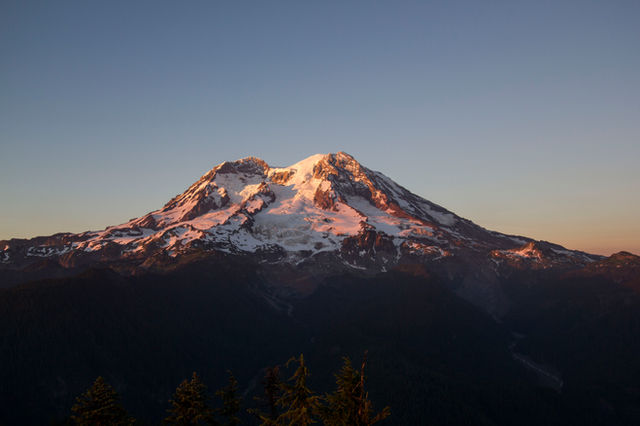
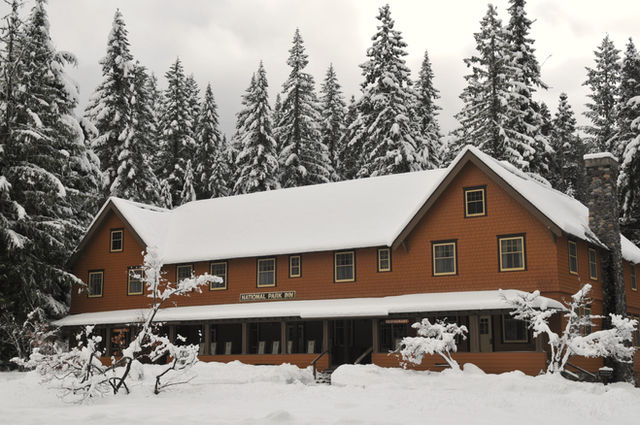
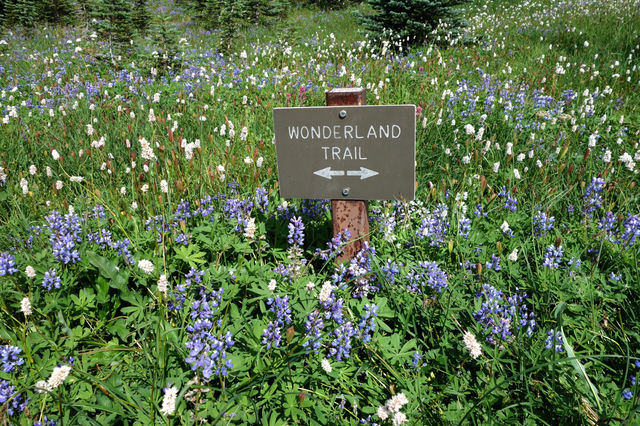
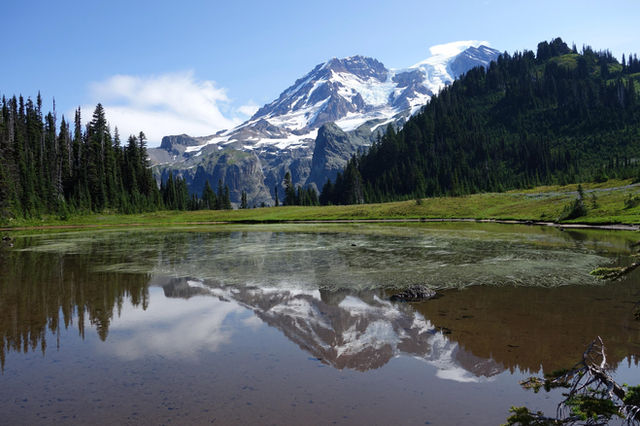
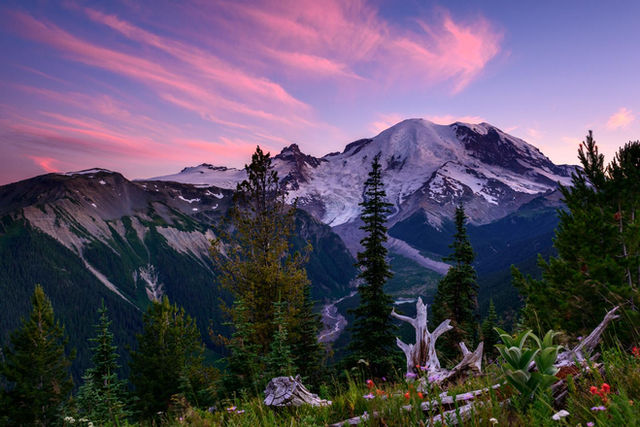
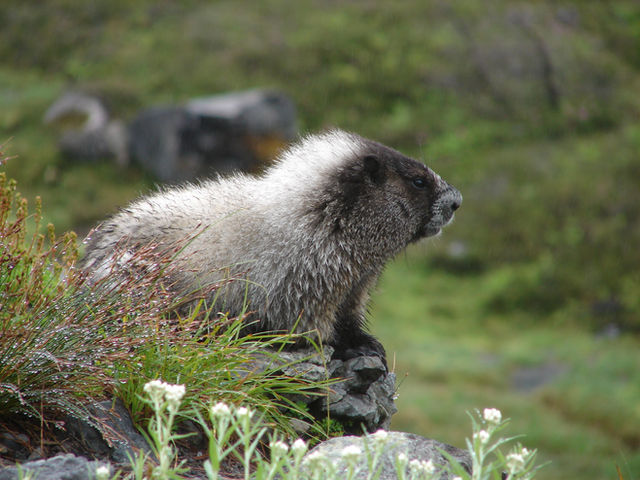
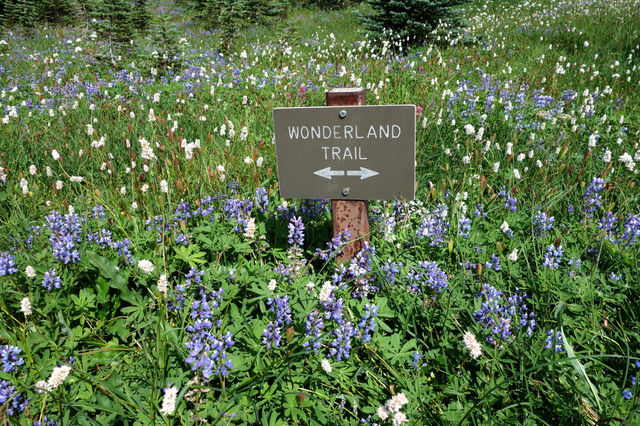
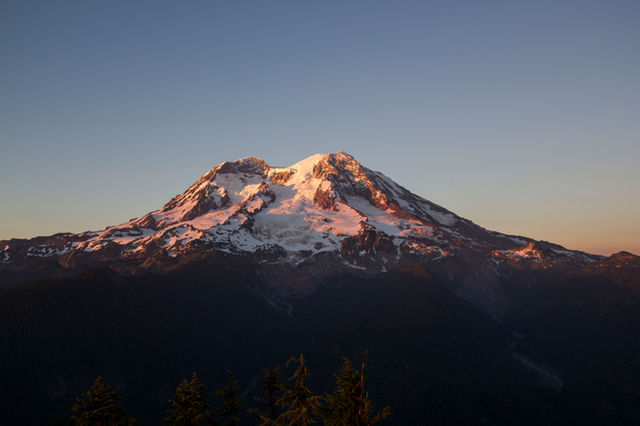
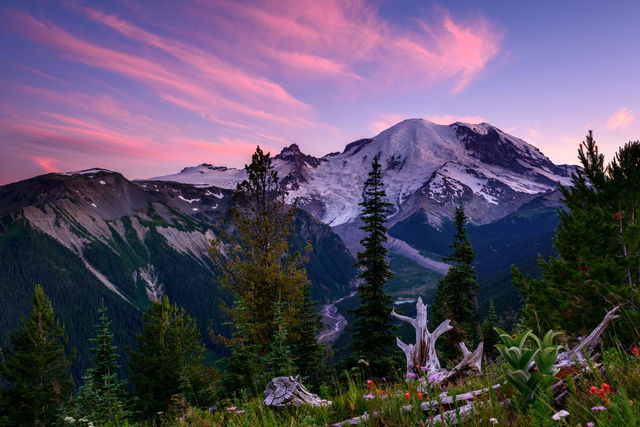
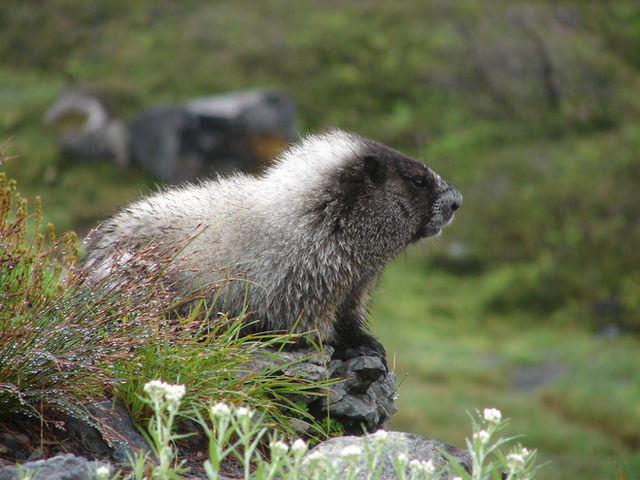
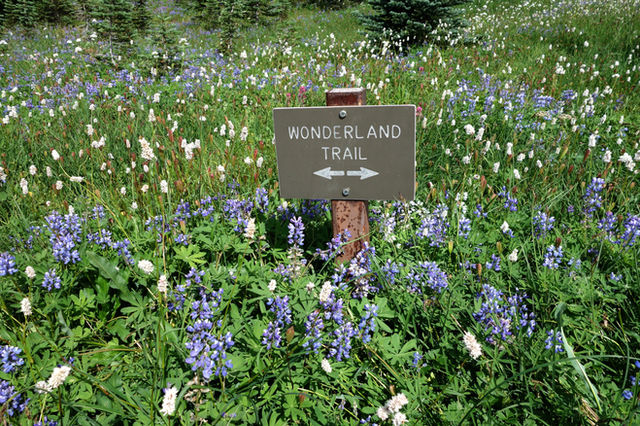

Where you'll stay in Mount Rainier National Park
Live map of hotels and villas around Mount Rainier National Park — powered by Stay22. Pan, zoom and compare live prices to pick your base.
Hotels & rentals around Mount Rainier National Park
Pan, zoom and compare live prices — every stay in one map.
Getting around Mount Rainier National Park
Rainier is explored by car, and a hire vehicle is essential — there is no comprehensive shuttle. The park's scenic roads link the main hubs of Paradise, Sunrise, Ohanapecosh and Longmire, but distances are deceptive: roads are winding and mountainous, so crossing between areas can take well over an hour. Crucially, most high roads are seasonal, closing under snow for much of the year; the Nisqually-to-Paradise road stays open year-round with chains sometimes required, while Sunrise and the eastern roads open only in summer. Car parks at Paradise fill early on clear days. Timed-entry reservations may operate in peak season, so check before you go. Drive with care on the switchbacks, fuel up before entering, and allow generous travel time between the park's widely spaced highlights.
Public transport to Mount Rainier is minimal — there is no year-round park shuttle and no rail access, though a limited seasonal tour bus service has run from nearby towns in summer. Realistically, a UK family needs a hire car from Seattle to reach the park and to move between its widely separated areas. The mountainous, seasonal roads and early-filling car parks make self-driving the only practical way to see Rainier properly. Book a rental at the airport, and treat any seasonal transit as a supplement rather than a substitute for having your own vehicle.
Insider tips
- The wildflower bloom at Paradise usually peaks in late summer and is short-lived; time your visit for it if you can.
- The Paradise car park fills by mid-morning on clear summer days — arrive early or go late.
- The Mountain hides in cloud often; build in flexible days so you catch a clear one.
- Sunrise, the highest road access, opens later in the season than Paradise; check both.
- Even in August, high meadows are cold and windy — carry warm layers and waterproofs.
- Stay on trails in the meadows; the fragile alpine flowers take decades to recover from trampling.
- The old-growth Grove of the Patriarchs is an easy, magical walk for tired legs.
Frequently asked
Is there an entrance fee?
Yes, a per-vehicle fee valid for several days; timed-entry reservations may apply in peak season.
When is the best time to visit?
Mid-to-late summer, when snow clears the high roads and wildflowers bloom at Paradise.
Can we camp or is there lodging?
There are campgrounds plus the historic Paradise Inn and National Park Inn; nearby towns add options.
Are pets allowed?
Pets are restricted to roads and car parks, not the hiking trails.
Is it accessible?
The Paradise and Sunrise visitor areas have some accessible paths and viewpoints.
Is it good for families with teens?
Yes — a great mix of gentle meadow walks and tougher hikes suits mixed abilities.
How do we get there?
Fly to Seattle and drive around two to two and a half hours.
While you're there
-
 9 FEB Festivals & Celebrations See the event →
 -
 9 APR Music & Performing Arts See the event →
Explore the area
Local attractions & tours
Skip-the-line tickets and small-group tours in Mount Rainier National Park — compare across our partners.
We're still curating hand-picked tickets and tours for Mount Rainier National Park. In the meantime, the map above and the nearby cities are a great place to start.
When to visit Mount Rainier National Park
Mid-to-late summer, when the high roads clear of snow and the famous wildflower meadows at Paradise reach their brief, spectacular peak.
Mount Rainier makes its own weather, and the summit is often wrapped in cloud even when Seattle is sunny. Summer is the reliable window: valley temperatures are mild, but the high meadows at Paradise and Sunrise stay cool, breezy and prone to sudden mist or rain. Snow lingers on high ground into summer and returns early. Away from summer, roads close and conditions turn wintry. Pack layers whatever the forecast: warm fleece, a waterproof jacket and trousers, hat and gloves for the high viewpoints, plus t-shirts for the forested valleys. Good waterproof walking boots and sun protection for clear high-altitude days are both essential.
Getting there
Mount Rainier is one of the more accessible big-mountain parks for a UK family, thanks to Seattle. You fly London to Seattle-Tacoma (SEA), often direct, then drive roughly two to two and a half hours south-east to the park, with the exact time depending on which entrance you aim for. The south-west Nisqually entrance, giving access to Paradise, stays open year-round and is the usual choice; Sunrise on the north-east side is a longer, seasonal drive. Hire a car at the airport — there is no realistic way in without one. The drive itself is lovely, climbing from lowland forest into the mountains with the peak growing ahead of you. Many families pair Rainier with Seattle city time and the wider Pacific Northwest, including Olympic and the North Cascades, in a single trip.
- Seattle (SEA) — ~2 hrs to the Nisqually entrance
Ready to book your trip?
Flights, airport transfers and car hire to SEA — search and compare without leaving the page.
More trip extras
Parking, holiday extras, and more — coming soon.
We're lining up parking, holiday extras and activities you'll be able to add to any trip from here.