Olympic National Park
Three parks in one on Washington's peninsula — glacier-capped peaks, wild Pacific coastline and emerald temperate rainforest.
- National park
- Summer offers the driest weather and open mountain roads at Hurricane Ridge, though the rainforest and coast are rewarding and green throughout the year.
- SEA
- 3-5 days
About Olympic National Park
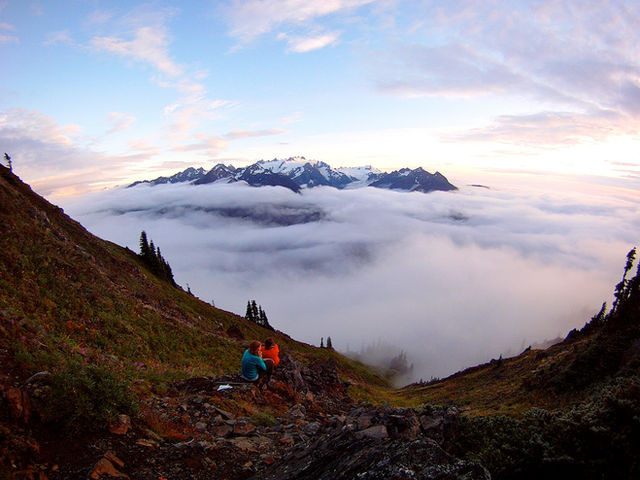
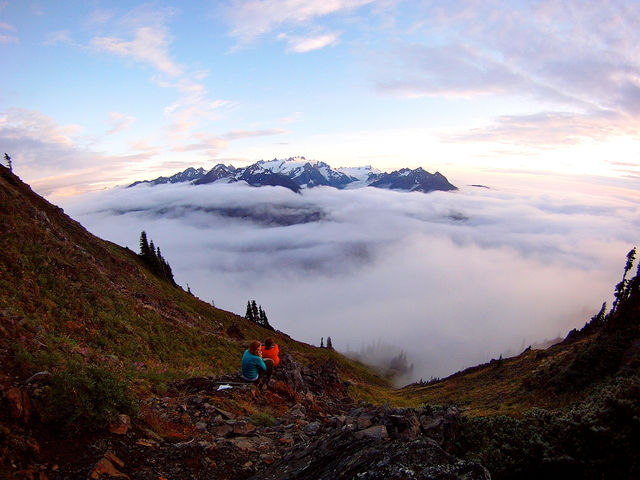
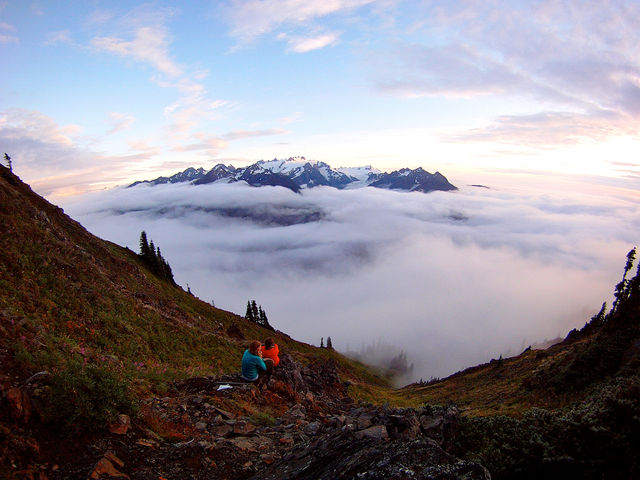
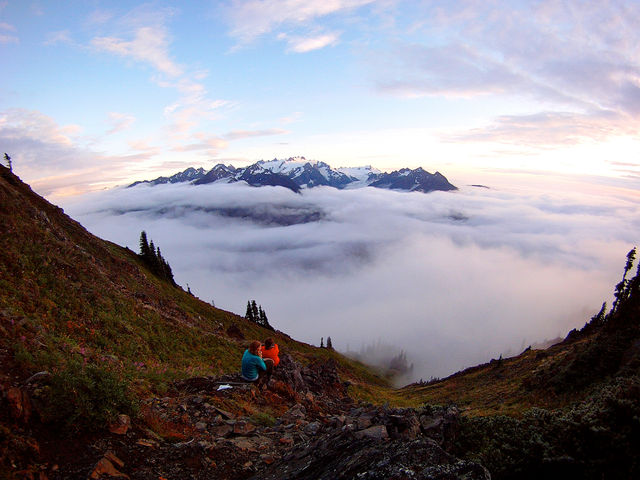
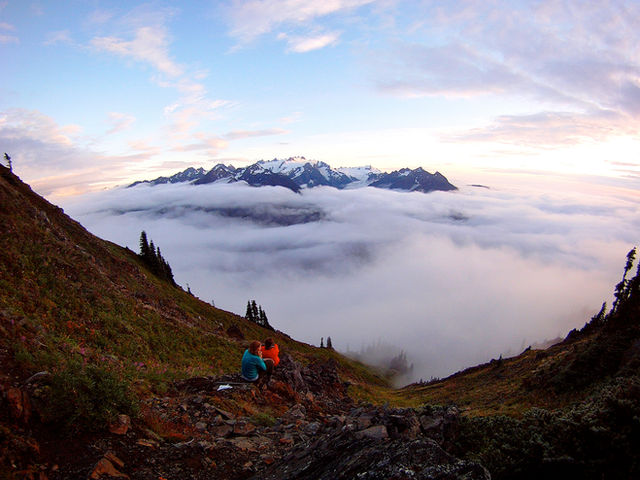
Olympic is really three parks in one, packed onto a single peninsula in the far north-west corner of Washington. In a single day you can walk through a dripping temperate rainforest, stand on a wild Pacific beach strewn with sea stacks and driftwood, and gaze from a mountain ridge across a sea of glaciated peaks. Few places on Earth compress so much variety into so small an area.
Rainforest, coast and mountain in one park
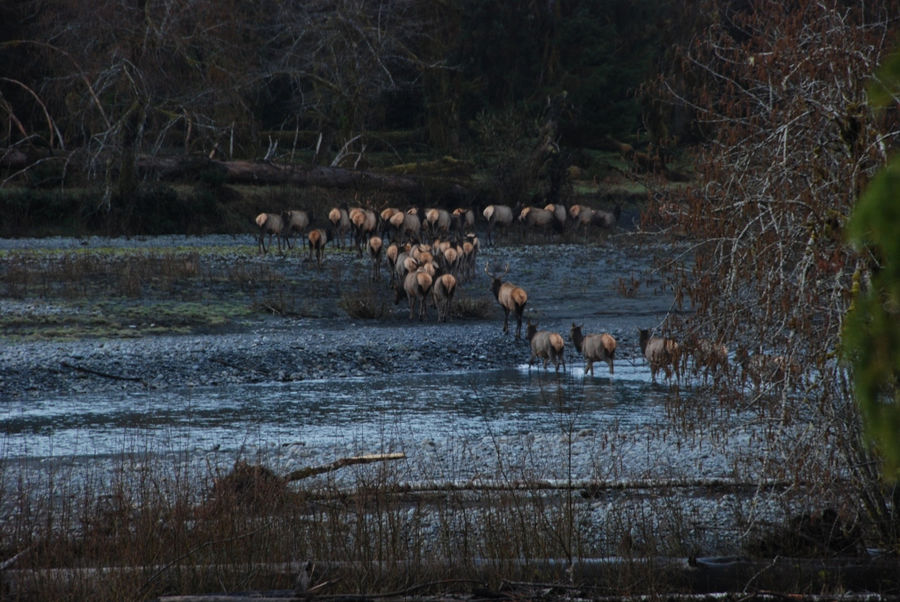
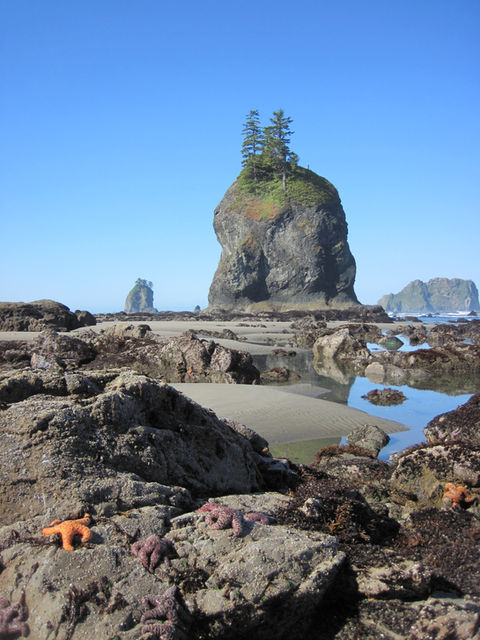
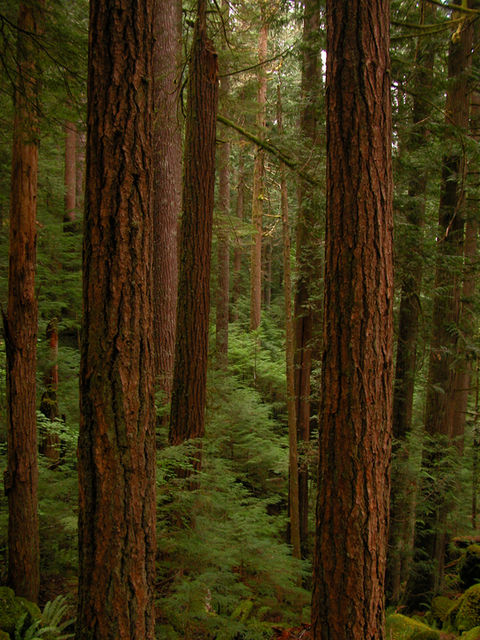
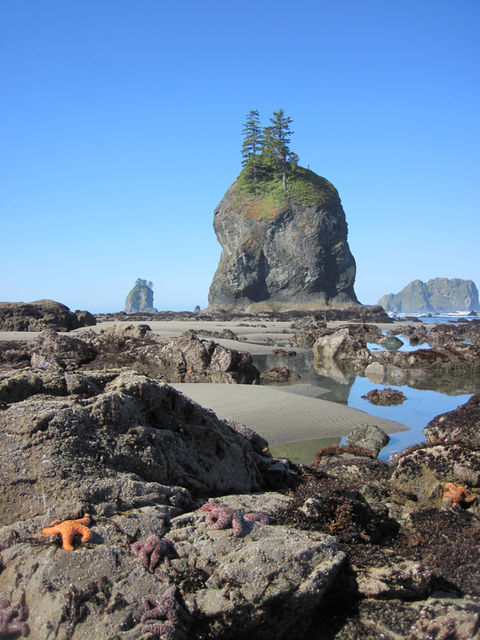
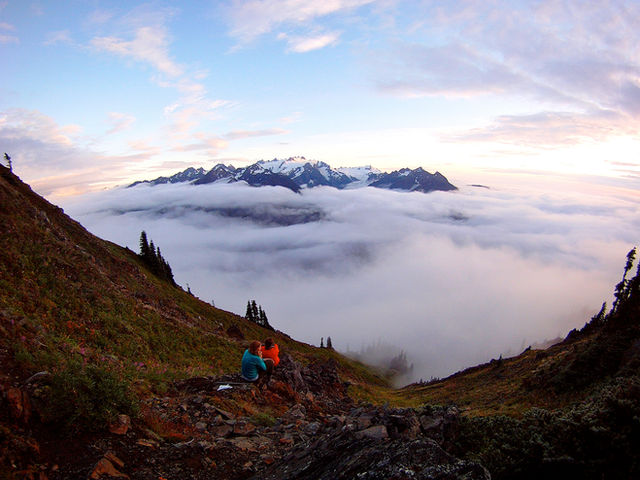
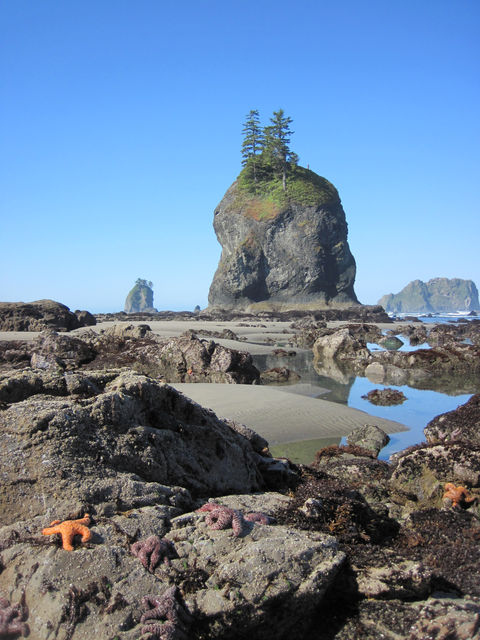
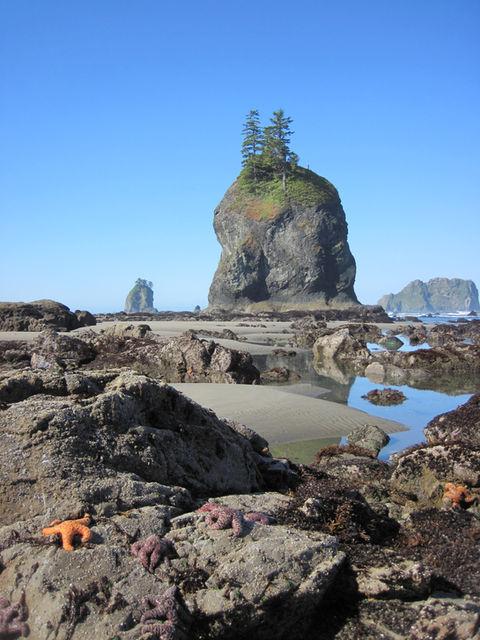
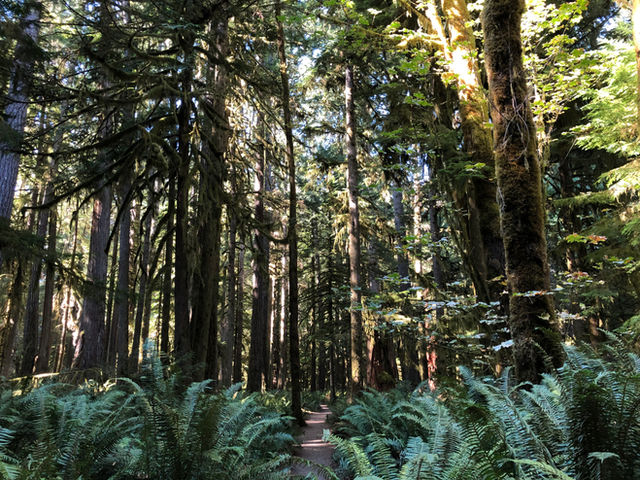
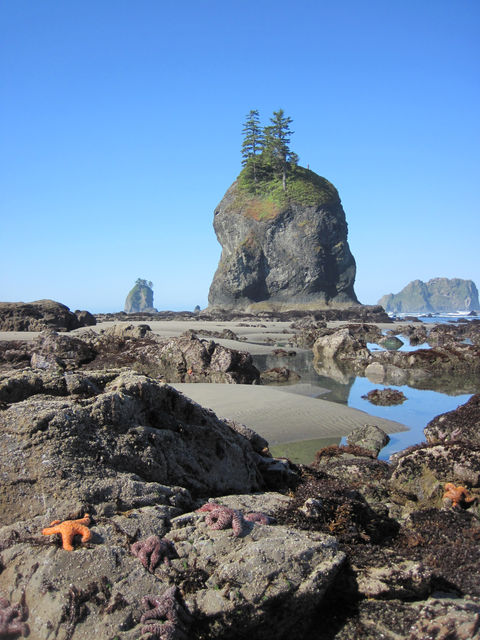
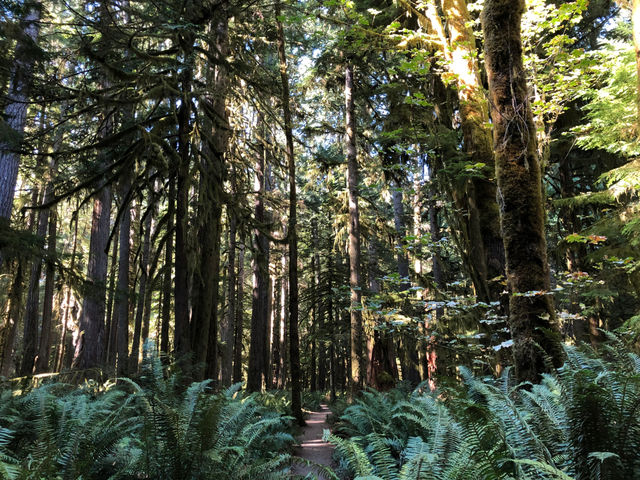
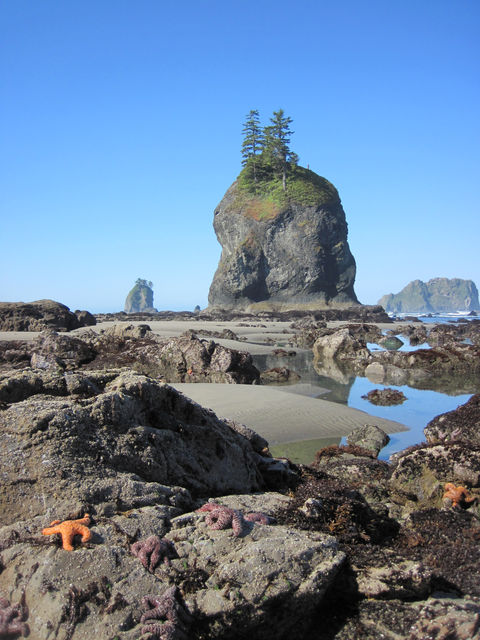
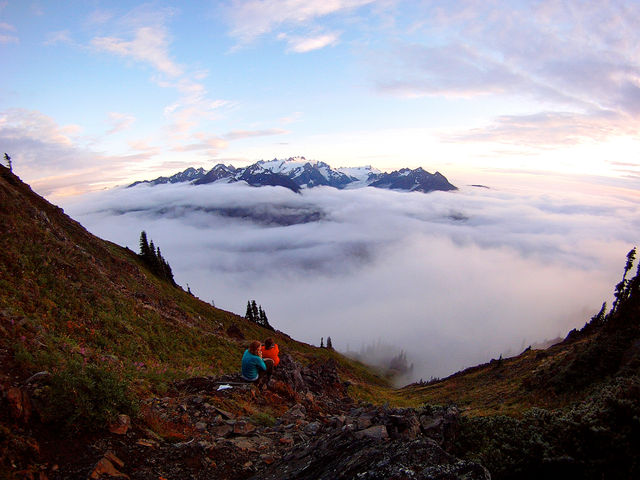
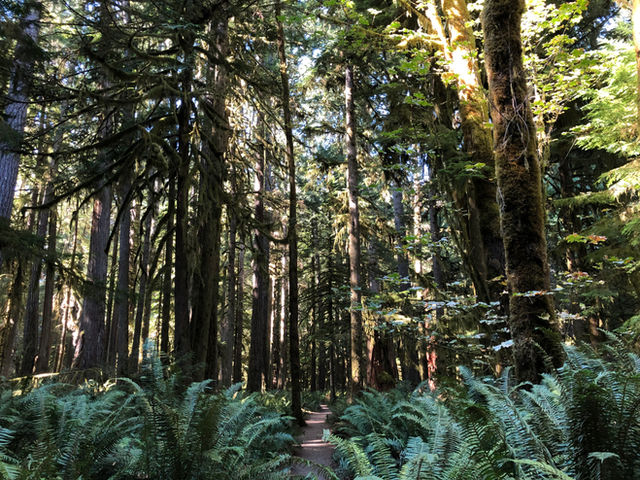
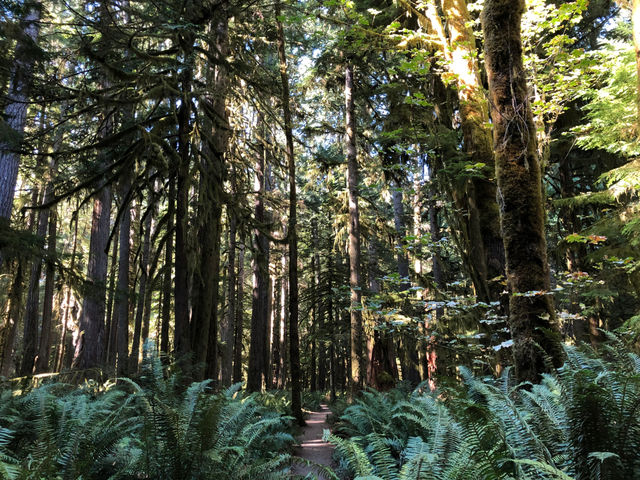
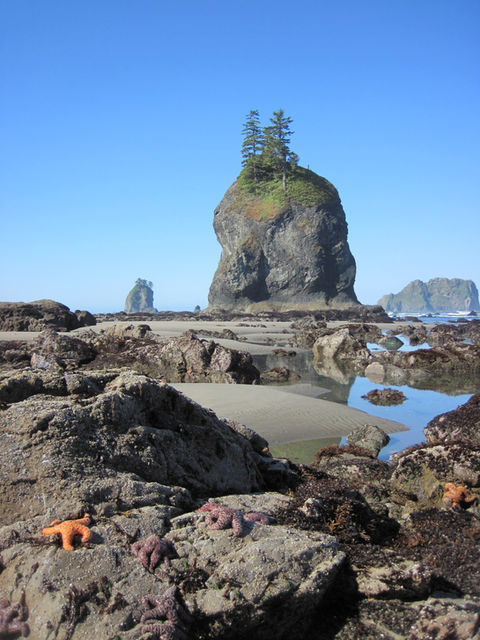
The Hoh Rain Forest is the jewel — moss hangs in green curtains from towering trees, and the quiet is almost total. On the coast, Rialto and Ruby beaches deliver crashing surf, tidepools full of starfish and anemones, and those iconic offshore rock stacks. High up at Hurricane Ridge, alpine meadows and mountain views open out, with Roosevelt elk grazing the valleys below. For a UK family, Olympic is astonishing value: three utterly different worlds, endless rockpooling for younger teens, and a sense of wild, end-of-the-map remoteness within reach of Seattle.
Why go
You come to Olympic to get three holidays for the price of one. Where else can a family wander a moss-draped rainforest in the morning, comb a wild sea-stack beach for starfish at lunchtime, and look out over snow-capped peaks by evening — all in one park? That sheer variety keeps everyone happy, including teenagers who tire quickly of more-of-the-same scenery. The tidepools at low tide, alive with anemones and crabs, turn even reluctant older kids into eager rockpoolers, while the hush of the Hoh Rain Forest is genuinely unforgettable. For a family flying in from the UK, Olympic offers a wild, elemental slice of the Pacific Northwest — remote-feeling yet reachable from Seattle — that manages to be both restful and endlessly varied.
Highlights
- Hoh Rain Forest
- Rialto and Ruby beaches
- Sea stacks and tidepools
- Hurricane Ridge
- Roosevelt elk
- Three ecosystems
- Temperate rainforest
- Wild Pacific coast
Olympic National Park in photos
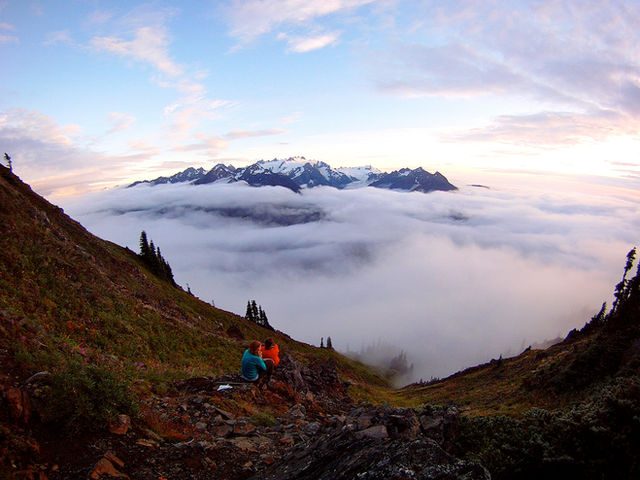
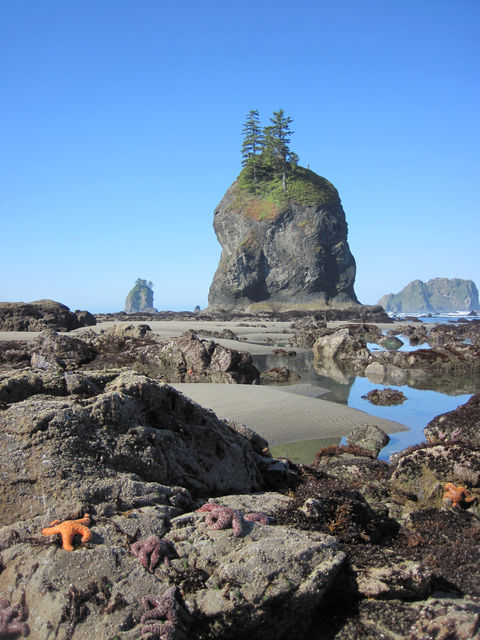
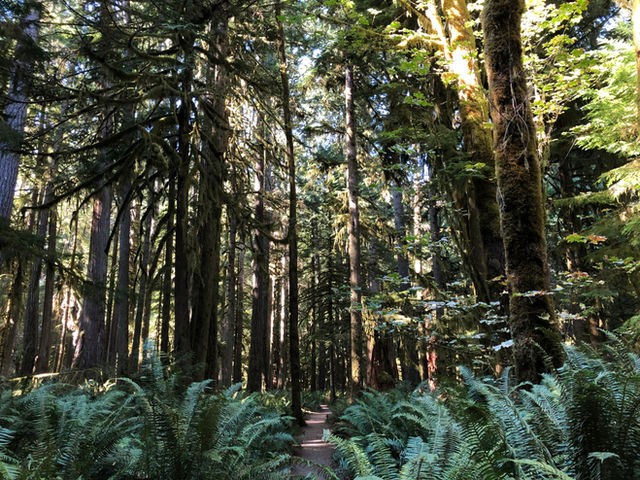


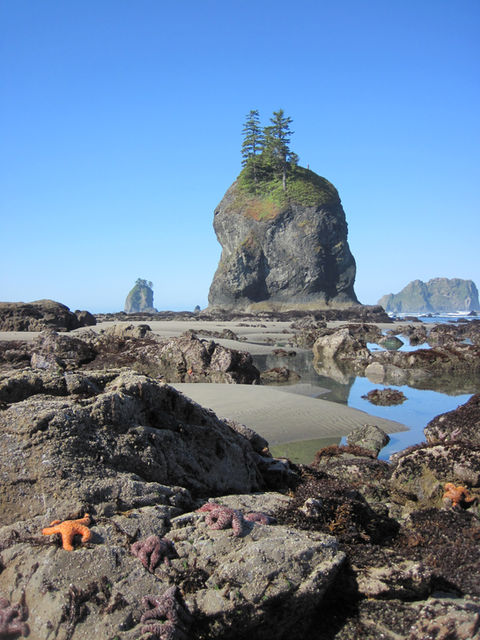
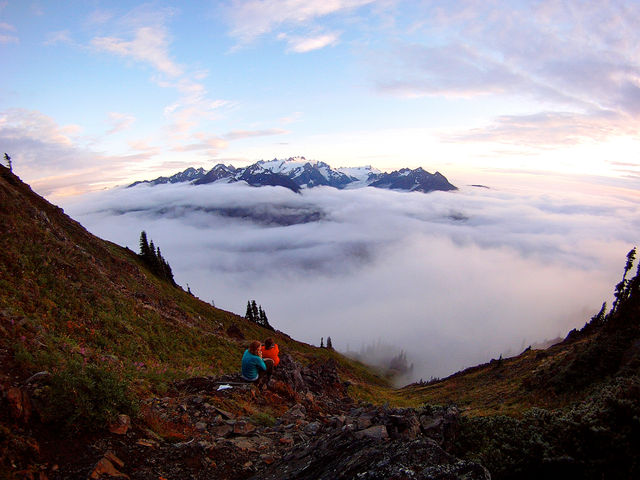
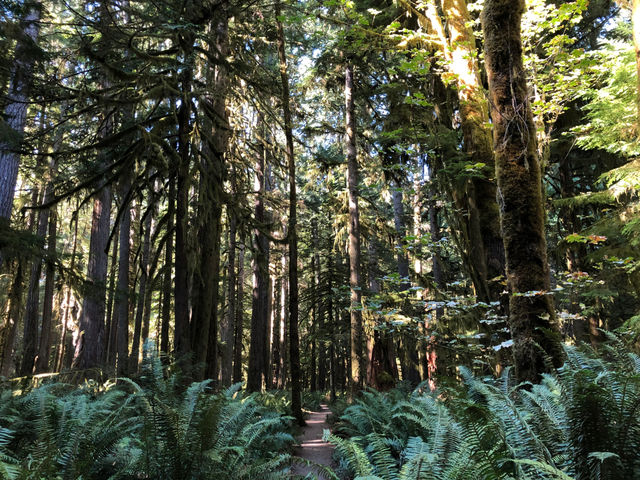
Where you'll stay in Olympic National Park
Live map of hotels and villas around Olympic National Park — powered by Stay22. Pan, zoom and compare live prices to pick your base.
Hotels & rentals around Olympic National Park
Pan, zoom and compare live prices — every stay in one map.
Getting around Olympic National Park
Olympic is a large park with a car-dependent layout and no internal shuttle, so a hire vehicle is essential. There is no road across the mountainous interior; instead, a single highway loops around the peninsula, with long spur roads running in to the main areas — the Hoh Rain Forest, the coastal beaches at Rialto and Ruby, and Hurricane Ridge for the mountains. Because these zones sit far apart around the loop, distances are genuinely big and driving times add up quickly; treat the peninsula as a circuit rather than a base for day trips. The Hurricane Ridge road climbs high and can close in winter and after snowfall, so check it before heading up. Fuel up in the ring towns, watch tide times for the coast, and allow generous driving time between the park's scattered wonders.
Public transport around Olympic is minimal — some limited local bus services run in the peninsula towns, but they will not get a family to the rainforest, beaches or mountain viewpoints. A hire car from Seattle is essential, and it crosses to the peninsula on the ferry with you. The park's huge scale, spread-out highlights and lack of an internal shuttle make self-driving the only practical way to explore. Ride-hailing is unreliable outside the towns. Book a rental, factor in the ferry crossing, and plan to drive the peninsula loop yourselves.
Insider tips
- Check tide times before visiting the coast — the best tidepooling and safest beach walking happen at low tide.
- The Hoh Rain Forest is a long drive from the coast and mountains, so plan the peninsula as a loop, not day trips.
- Hurricane Ridge road can close in winter and after snow, so verify access before heading up.
- It genuinely rains a lot in the rainforest — embrace waterproofs rather than fighting them.
- Getting here from Seattle usually involves a ferry, so build the crossing time into your plans.
- Distances around the peninsula are large; there is no quick way to cross the middle.
- Bring binoculars for spotting Roosevelt elk in the valleys and seabirds off the coast.
Frequently asked
Is there an entrance fee?
Yes, a per-vehicle fee valid for several days; the annual pass also covers it.
When is the best time to visit?
Summer offers the driest weather and open mountain roads, though the rainforest is green year-round.
Can we camp or is there lodging?
Numerous campgrounds plus lodges like Lake Quinault and Kalaloch; nearby towns add hotels.
Are pets allowed?
Pets are limited to certain beaches and roads, not most trails.
Is it accessible?
Some rainforest and coastal areas have accessible paths and viewpoints.
Is it good for families with teens?
Excellent — the variety of rainforest, beaches and mountains keeps everyone engaged.
How do we get there?
Fly to Seattle and drive, usually including a ferry crossing, around two to three hours.
While you're there
-
 9 FEB Festivals & Celebrations See the event →
 -
 9 APR Music & Performing Arts See the event →
Explore the area
Local attractions & tours
Skip-the-line tickets and small-group tours in Olympic National Park — compare across our partners.
We're still curating hand-picked tickets and tours for Olympic National Park. In the meantime, the map above and the nearby cities are a great place to start.
When to visit Olympic National Park
Summer offers the driest weather and open mountain roads at Hurricane Ridge, though the rainforest and coast are rewarding and green throughout the year.
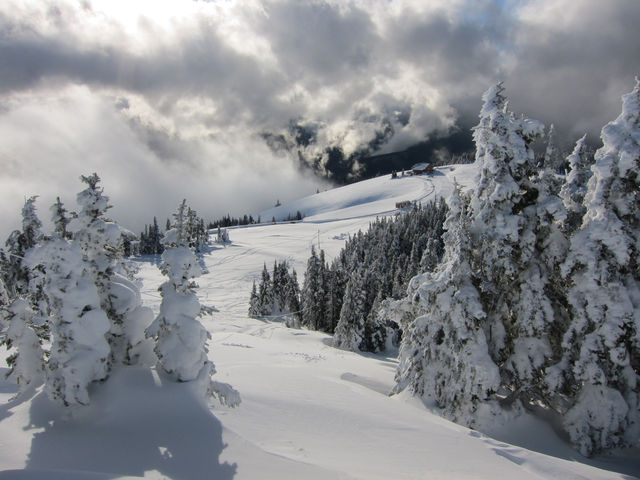
Olympic's weather varies wildly by zone. The western rainforest is one of the wettest places in the US — expect rain in any season, with mild temperatures. The coast is cool, breezy and often misty. The mountains at Hurricane Ridge are colder, with snow lingering into summer and returning early. Summer is the driest, most reliable window, but rain is always possible. Pack for wet weather above all: a proper waterproof jacket and trousers, waterproof walking boots and quick-dry layers. Add warm fleeces for the mountains, sun protection for clear alpine days, and something to keep valuables dry in the rainforest. Layering is the key to comfort here.
Getting there
Olympic occupies a remote peninsula, and getting there from Seattle is part of the adventure. A UK family flies London to Seattle-Tacoma (SEA), then heads to the Olympic Peninsula, a journey of roughly two to three hours that usually includes a scenic ferry crossing of Puget Sound — factor the sailing time and possible queues into your plans. The small Port Angeles (CLM) airport sits right on the peninsula as an alternative. Hire a car at Seattle; it is essential, and it travels on the ferry with you. Once across, the peninsula is ringed by a single main highway with spurs running in to the rainforest, beaches and mountains. Many families combine Olympic with Seattle, Mount Rainier and the North Cascades in one Pacific Northwest loop, though the peninsula's size rewards giving it a few days of its own.
- Seattle (SEA) — ~2.5 hrs incl. ferry to the peninsula
- Port Angeles (CLM) — ~30 min to the Hurricane Ridge road
Ready to book your trip?
Flights, airport transfers and car hire to SEA — search and compare without leaving the page.
More trip extras
Parking, holiday extras, and more — coming soon.
We're lining up parking, holiday extras and activities you'll be able to add to any trip from here.