Saguaro National Park
Forests of giant saguaro cacti standing sentinel over the Sonoran Desert, framing Tucson with fiery sunsets.
- National park
- Autumn through spring for comfortable temperatures; late spring adds the spectacular saguaro and wildflower bloom. Avoid the extreme summer heat.
- TUS
- 2-3 days
About Saguaro National Park
Saguaro National Park protects the emblem of the American West: the giant saguaro cactus, that many-armed silhouette from a thousand cowboy films. Split into two districts that flank the city of Tucson, Arizona, the park showcases the astonishing biodiversity of the Sonoran Desert, one of the greenest and most alive deserts on the planet.
A forest of living giants
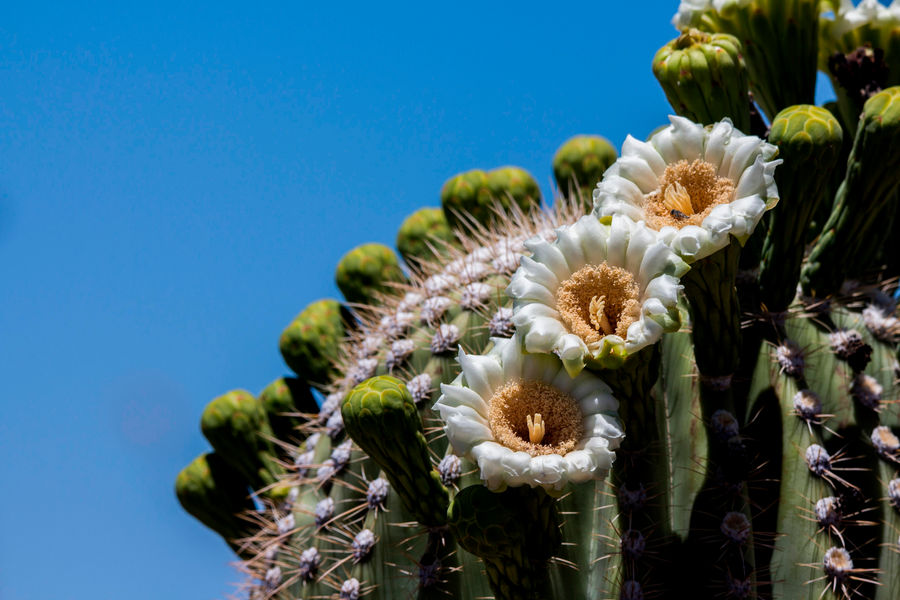
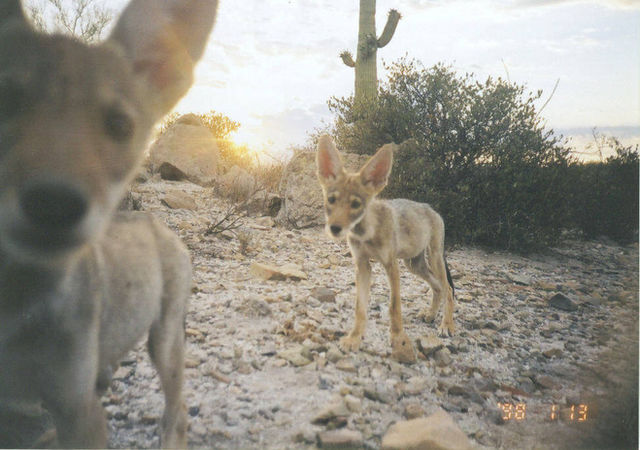
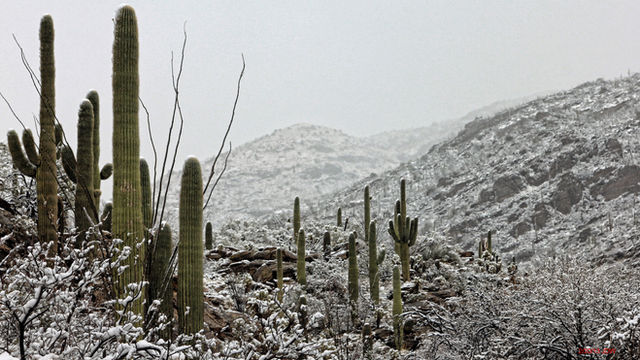
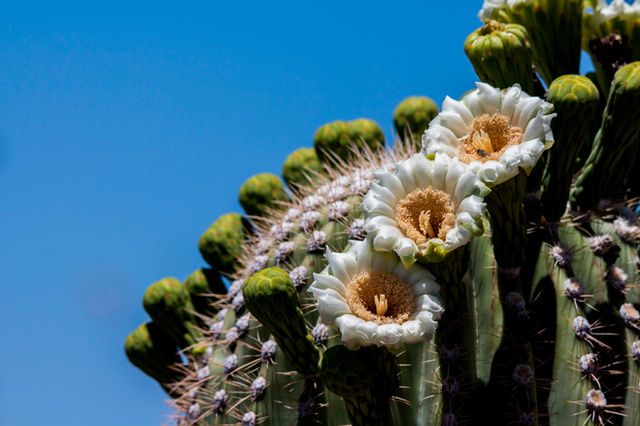
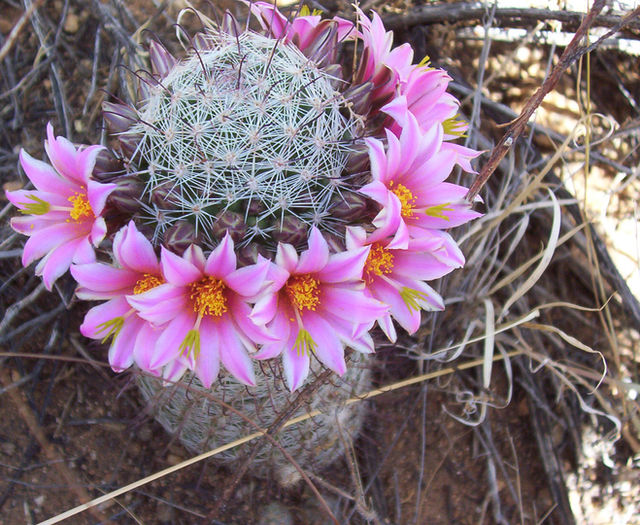
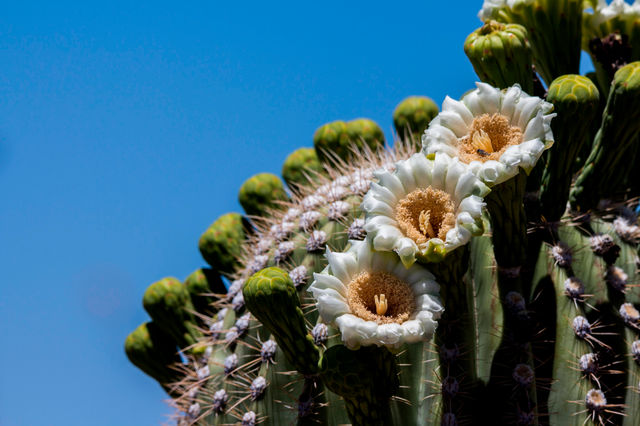
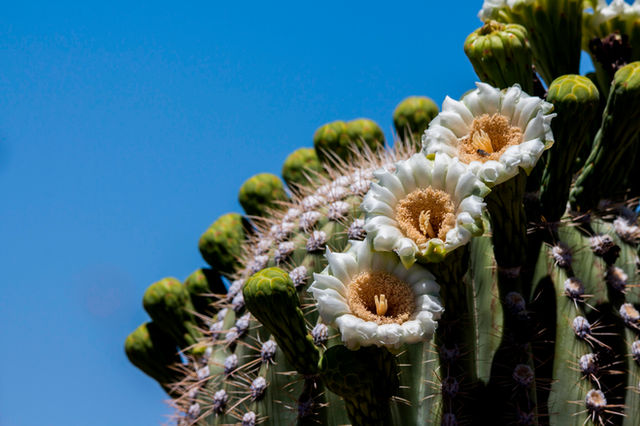
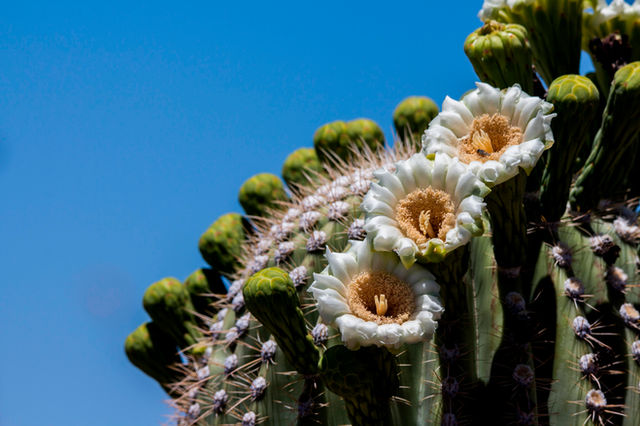
Saguaros grow with almost geological patience. A single cactus may take 70 years to sprout its first arm and can live for 150 to 200 years, reaching 40 feet tall and weighing several tonnes when swollen with water. Standing among thousands of them on a desert slope feels like walking through a crowd of ancient, watchful figures. Beneath and between them thrives a surprising cast: coyotes, javelinas, roadrunners, Gila woodpeckers nesting in cactus flesh, and, in late spring, the desert's brief, brilliant bloom.
For a UK family, this is desert as most of us have never seen it: not empty sand but a thronging, thorny ecosystem, best absorbed in the golden light of a Sonoran sunset.
Why go
You come to Saguaro to meet a plant that behaves like a living monument. These cacti are older than your grandparents, taller than your house, and gathered in such numbers that whole hillsides bristle with them. There is something quietly awe-inspiring about standing in a saguaro forest at dusk, when the low sun sets the desert glowing amber and the giants throw long shadows.
It is also a wonderfully accessible wild place, wrapped around a real city, so a family can spend the morning among cacti and the afternoon eating great food in Tucson. Scenic loop drives put the spectacle within reach of even reluctant walkers, while short trails reveal roadrunners, lizards, and desert blooms up close. For teens raised on Westerns and video games, seeing the genuine article, arms raised against a burning sky, tends to land as pure, unexpected wonder.
Highlights
- Giant saguaro cacti
- Sonoran Desert
- Desert sunsets
- Scenic loop drives
- Coyotes and javelinas
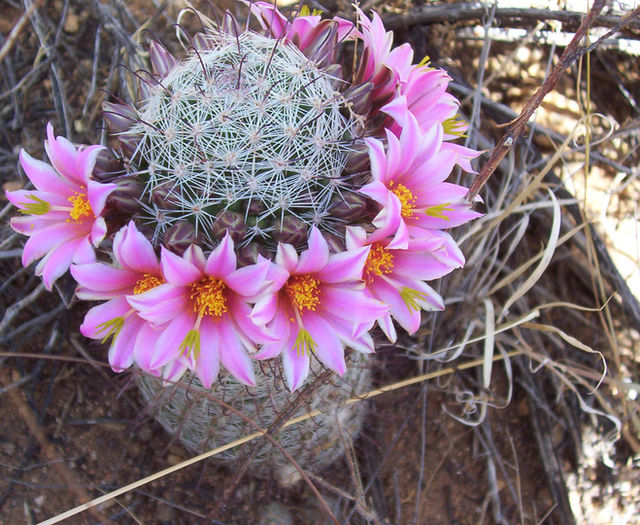
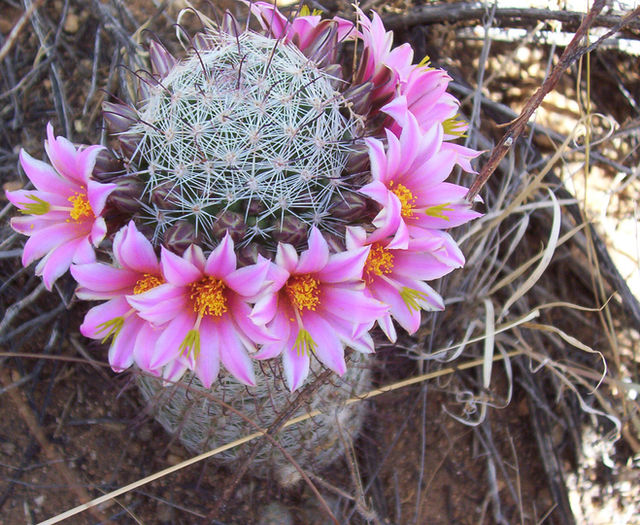
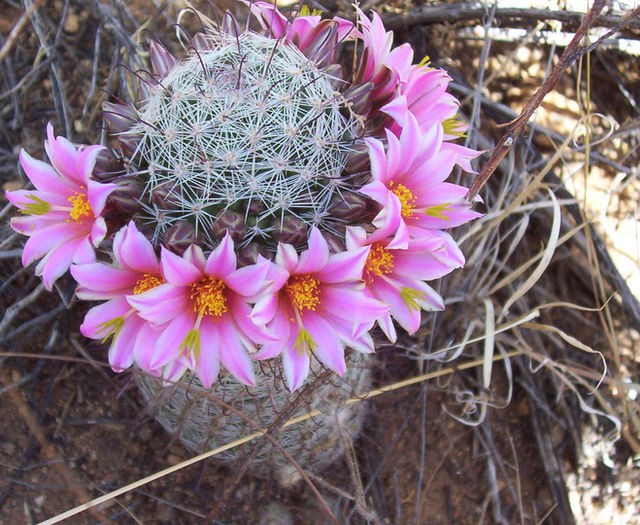
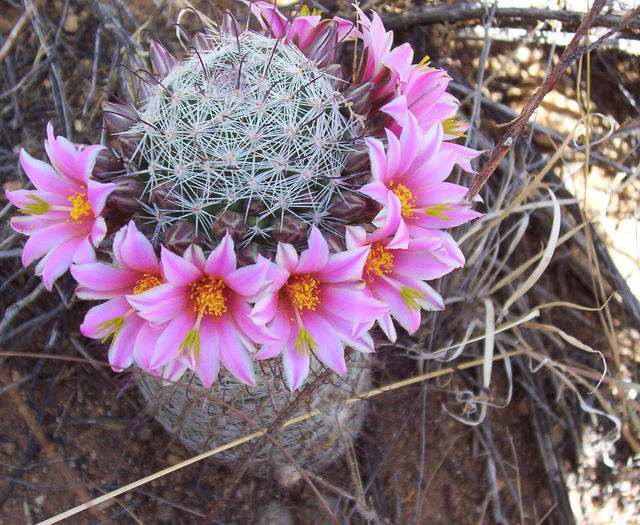
- Spring cactus blooms
- Two districts flanking Tucson
- Roadrunners and lizards
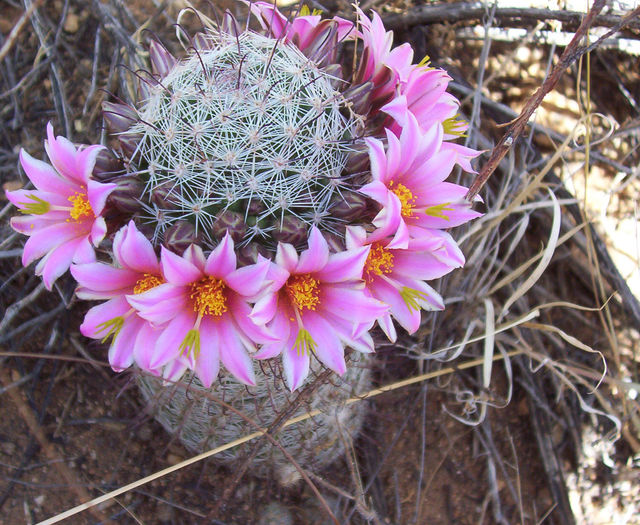
Saguaro National Park in photos


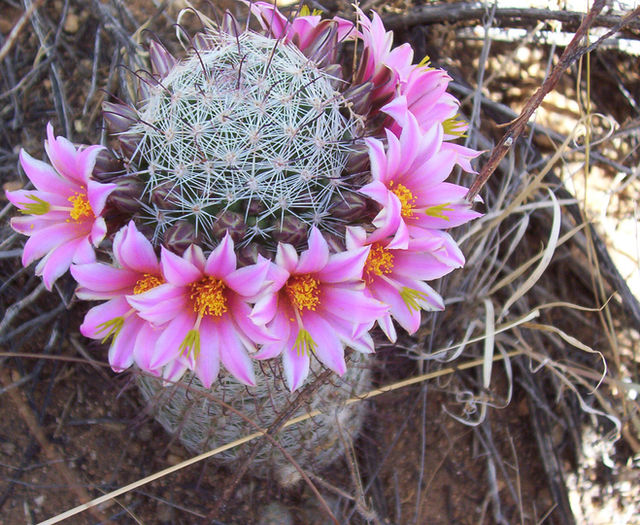

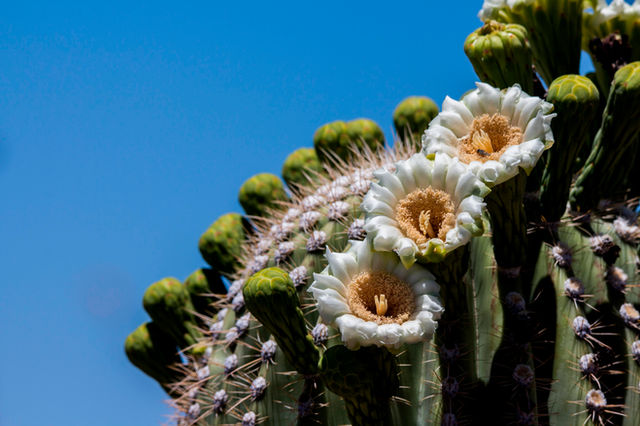
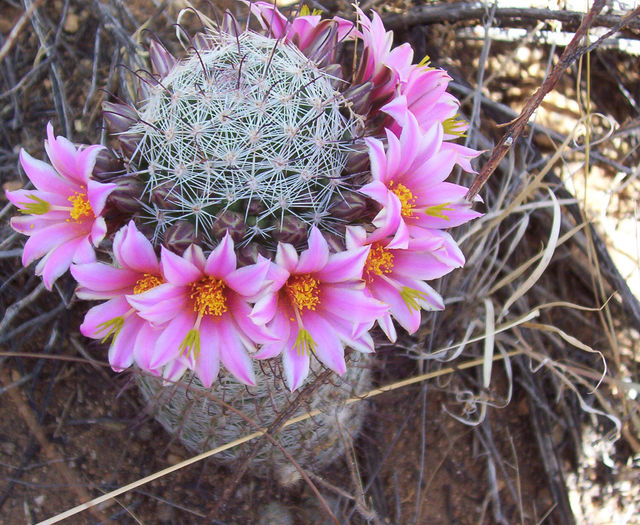

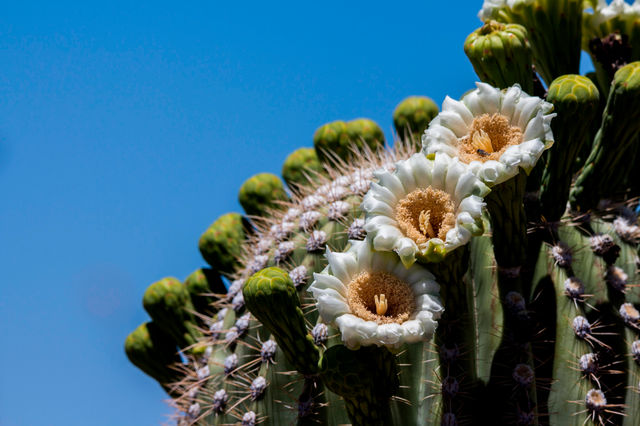






Where you'll stay in Saguaro National Park
Live map of hotels and villas around Saguaro National Park — powered by Stay22. Pan, zoom and compare live prices to pick your base.
Hotels & rentals around Saguaro National Park
Pan, zoom and compare live prices — every stay in one map.
Getting around Saguaro National Park
A car is essential, not least because the park comes in two separate halves on opposite sides of Tucson, some 30 minutes apart through the city. Each district has its own scenic loop drive that showcases the cactus forests with frequent pull-outs and trailheads: Cactus Forest Drive on the east and the gravel Bajada Loop on the west. Distances within each district are modest, but there is no shuttle and no way to move between the two without driving. Roads stay open year-round, as snow is not a concern here, though summer heat effectively closes the trails to sensible walkers by mid-morning. Fill up on fuel and water in Tucson before heading out.
Public transport is not a realistic way to experience Saguaro. Tucson has a city bus network and a streetcar, but neither reaches deep into either park district, and there are no in-park shuttles. Given that the park is split into two units on opposite sides of the city, a hire car is effectively essential for any meaningful visit. Driving also lets you time your outings around the desert heat, arriving for sunrise or sunset when the light and temperature are at their best. For a UK family, plan on renting a vehicle from the airport for the duration of your stay.
Insider tips
- The park has two separate districts on opposite sides of Tucson, so decide which to visit or allow a day for each; the Rincon Mountain (east) side is larger, the Tucson Mountain (west) side has denser cactus stands.
- Go for sunrise or sunset, when the light is magical and the heat bearable; midday summer temperatures are genuinely dangerous.
- Carry far more water than you think you need, and never rely on finding any on the trail.
- The Bajada Loop Drive on the west side is an easy, gravel-road introduction with great photo stops.
- Late spring brings the saguaro bloom and, in good years, a carpet of wildflowers.
- Watch where you put hands and feet; rattlesnakes and spiny cholla both bite back.
- Combine the west district with the excellent nearby Arizona-Sonora Desert Museum.
Frequently asked
Is there an entrance fee?
Yes, a standard vehicle entrance fee applies and covers both districts for several days.
When is the best time to visit?
Autumn through spring is ideal; summer brings extreme, hazardous heat. Late spring adds cactus blooms.
Where can we stay?
There is no lodging inside the park, but Tucson sits right between the two districts with abundant hotels; backcountry camping exists on the east side.
Are pets allowed?
Pets are permitted on paved roads and some picnic areas but not on most trails.
Is it accessible?
Scenic drives, visitor centres, and some short paved trails are accessible.
Is it good for families?
Yes. Short trails, loop drives, and abundant wildlife suit teens, provided you plan around the heat.
How do we get there?
Fly to Tucson (TUS), just 30 minutes away, or Phoenix (PHX) about two hours off.
While you're there
-
 9 FEB Festivals & Celebrations See the event →
 -
 9 APR Music & Performing Arts See the event →
Explore the area
Local attractions & tours
Skip-the-line tickets and small-group tours in Saguaro National Park — compare across our partners.
We're still curating hand-picked tickets and tours for Saguaro National Park. In the meantime, the map above and the nearby cities are a great place to start.
When to visit Saguaro National Park
Autumn through spring for comfortable temperatures; late spring adds the spectacular saguaro and wildflower bloom. Avoid the extreme summer heat.
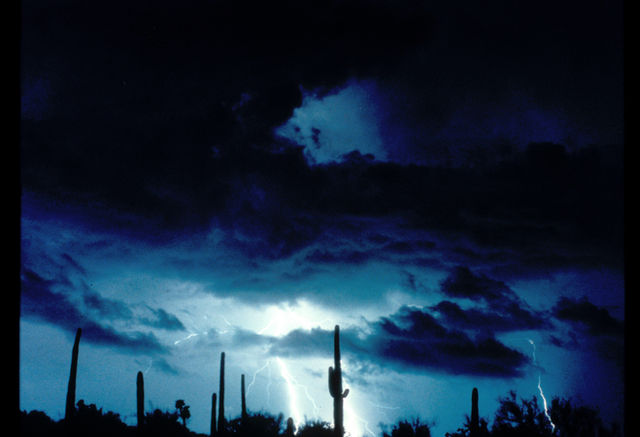
This is a hot desert, and timing is everything. Summers are ferociously hot, routinely well above 38 Celsius, with intense sun and, in late summer, dramatic monsoon storms. Winter days are mild and pleasant, often perfect for hiking, though desert nights can turn surprisingly cold. Spring and autumn are the sweet spots. Whatever the season, pack sun hats, high-factor sunscreen, sunglasses, and vastly more water than feels necessary. Light, long-sleeved clothing protects against both sun and thorns. If you visit in summer, confine walking to the cool of early morning and treat midday as strictly indoor time.
Getting there
Tucson International Airport (TUS) is the closest gateway, roughly 30 minutes from either district, with connections through major US hubs. Phoenix Sky Harbor (PHX) is about two hours' drive north and often offers cheaper fares and more flights, including easier connections from the UK. For most families the practical plan is a long-haul flight to a hub such as Dallas, Chicago, or Los Angeles, then an onward hop to Tucson or Phoenix. The two park districts sit on opposite sides of Tucson, so the city itself makes an ideal base, and Saguaro pairs naturally with a wider Arizona road trip taking in the Grand Canyon or the Sonoran Desert. A hire car is essential.
- Tucson (TUS) — ~30 min to the Rincon Mountain District
- Phoenix (PHX) — ~2 hrs drive south to Tucson
Ready to book your trip?
Flights, airport transfers and car hire to TUS — search and compare without leaving the page.
More trip extras
Parking, holiday extras, and more — coming soon.
We're lining up parking, holiday extras and activities you'll be able to add to any trip from here.