White Sands National Park
The world's largest gypsum dunefield — a surreal sea of glittering white sand rippling across the New Mexico desert.
- National park
- Autumn through spring for comfortable temperatures, with sunrise and sunset the most magical times year-round. Avoid the extreme midday summer heat.
- ELP
- 1-2 days
About White Sands National Park
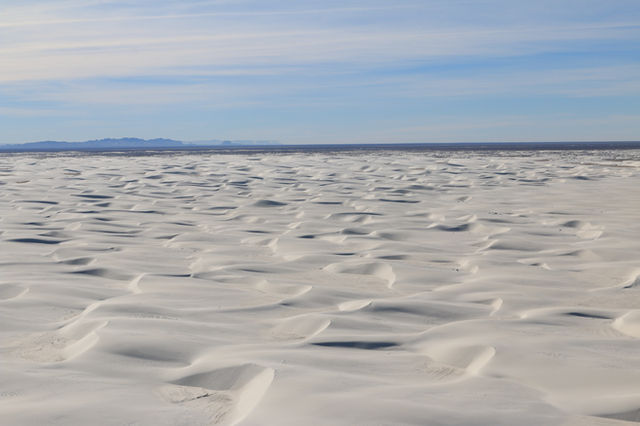
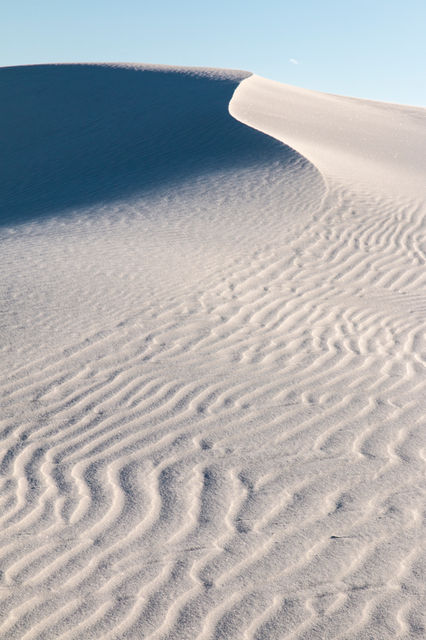
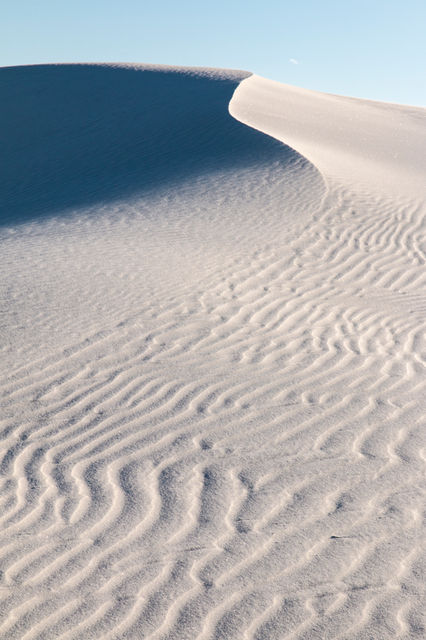
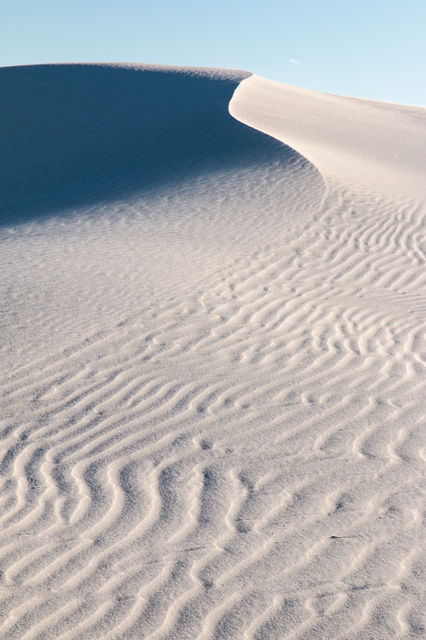
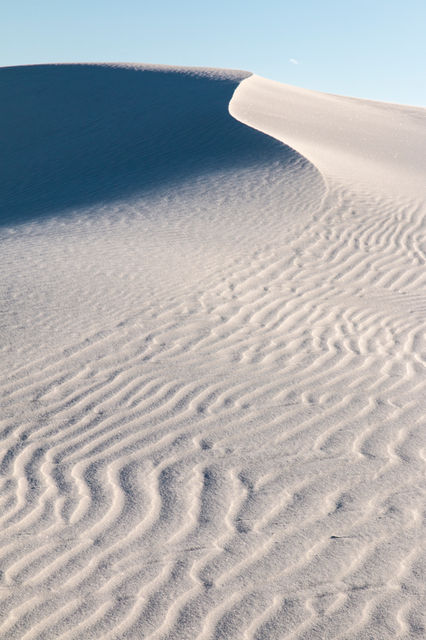
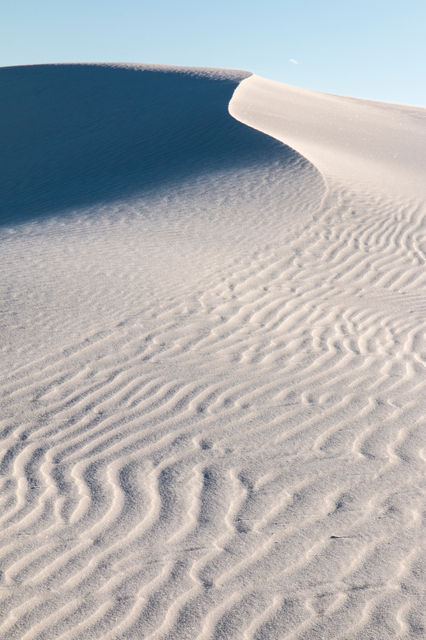
White Sands National Park protects the world's largest gypsum dunefield, an otherworldly sea of brilliant white sand rolling across 275 square miles of southern New Mexico. Unlike ordinary desert sand, these dunes are made of soft gypsum crystals, cool to the touch even under a fierce sun and dazzlingly, almost impossibly white, like a snowfield that never melts.
A blinding white sea in the desert
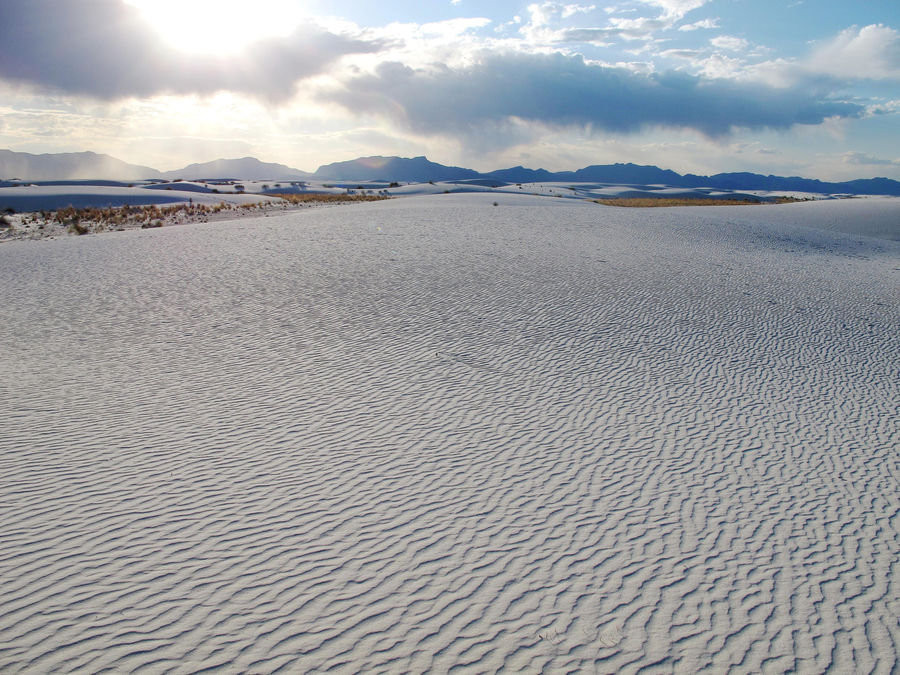
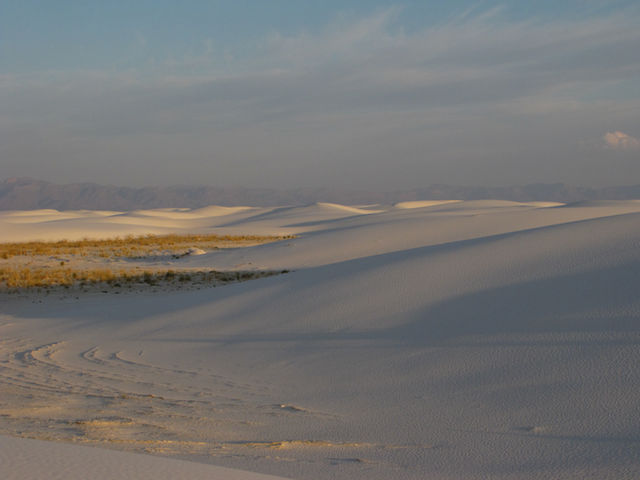
Walking into the heart of the dunefield is a surreal, disorienting delight. The pure white sand stretches to the horizon in soft, wind-sculpted waves, framed by distant blue mountains. Families sled down the slopes on plastic saucers, footprints vanish in the shifting sand, and at sunset the whole landscape turns rose and gold in one of the most spectacular light shows in the American Southwest. Because the park sits within a military missile range, it occasionally closes for testing, a quirk worth checking before you go.
For a UK family, there is genuinely nothing like it: a place where teenagers can toboggan down dunes in shorts, and where the sheer strangeness of the scene leaves everyone reaching for their cameras.
Why go
You come to White Sands for a landscape so strange and beautiful it hardly seems real. An endless field of pure white dunes, cool underfoot and blindingly bright, is unlike anything most visitors have ever seen, and the simple joy of sledding down them turns even world-weary teens into delighted children again.
It is also one of the most accessible wonders in the park system. A scenic drive runs right into the heart of the dunefield, so you can be barefoot on a white dune within minutes of parking. Sunrise and sunset are pure magic, when the low light gilds the sand in pinks and golds and the dunes throw long, sculptural shadows. Pack a sled, a picnic, and plenty of water, and you have a half-day adventure that photographs like another planet and delights every age.
Highlights
- World's largest gypsum dunefield
- Brilliant white dunes
- Dune sledding
- Spectacular sunsets
- Dunes Drive
- Cool sand underfoot
- Desert stargazing
- Otherworldly photography
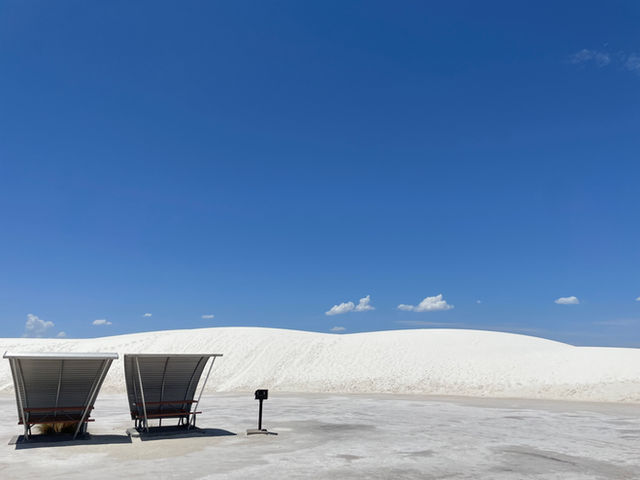
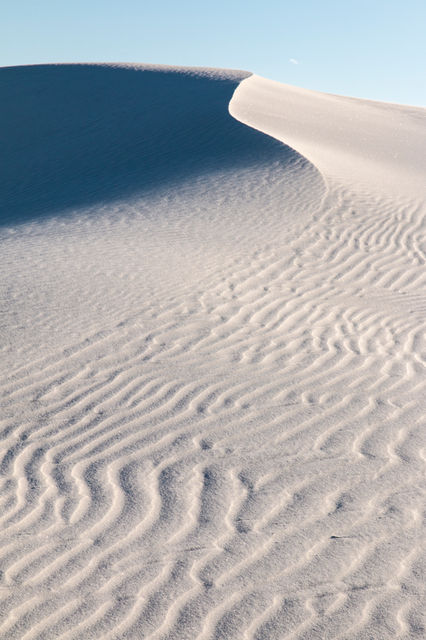
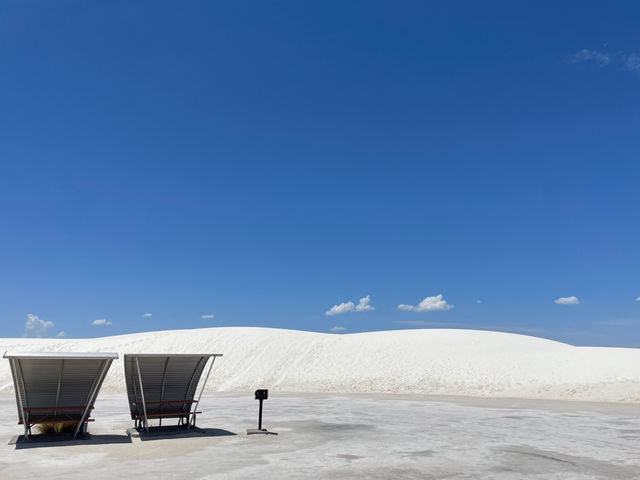
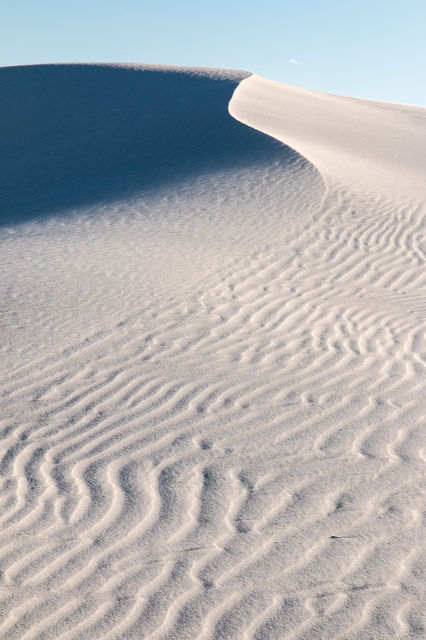
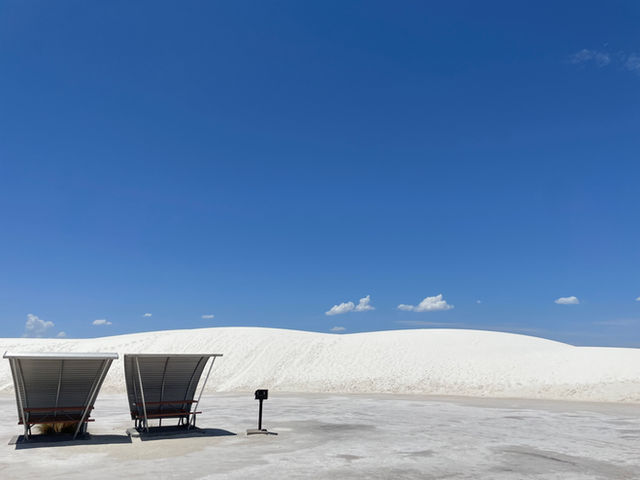
White Sands National Park in photos

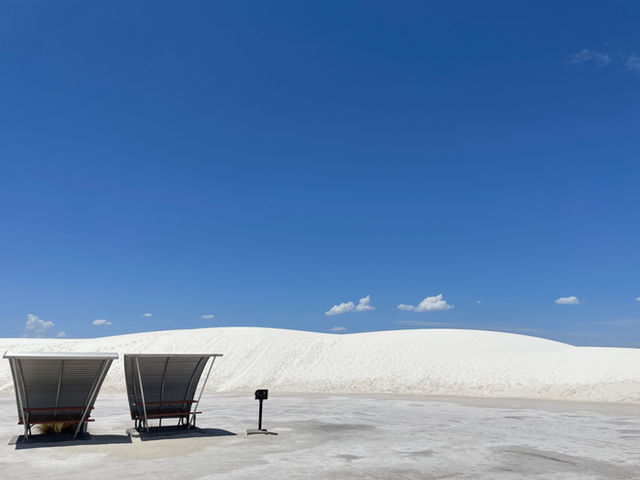
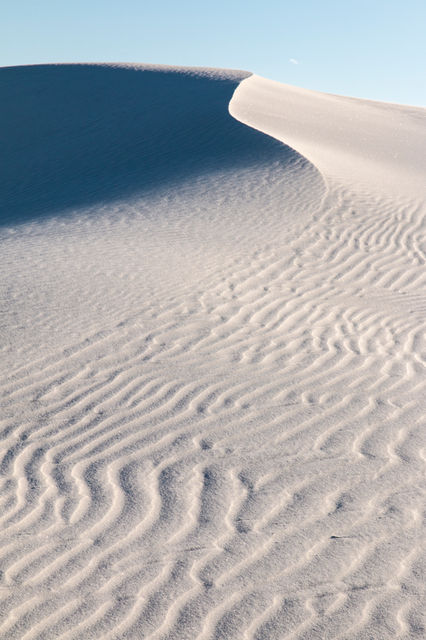
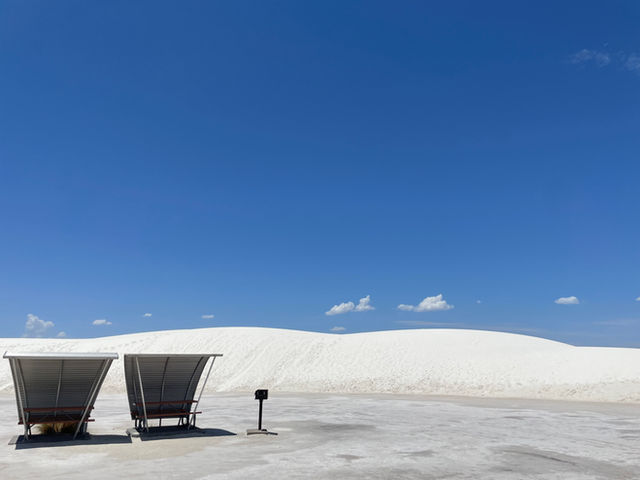
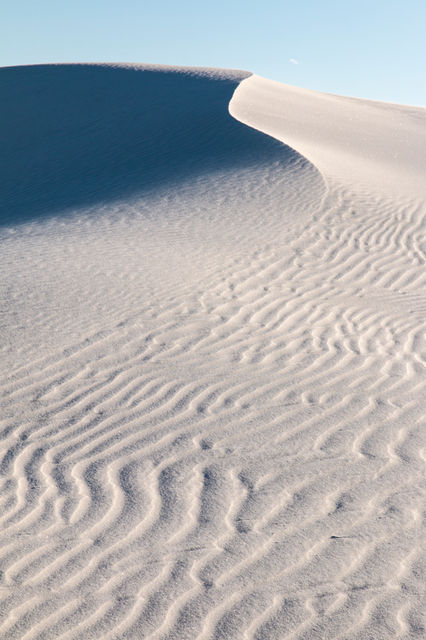
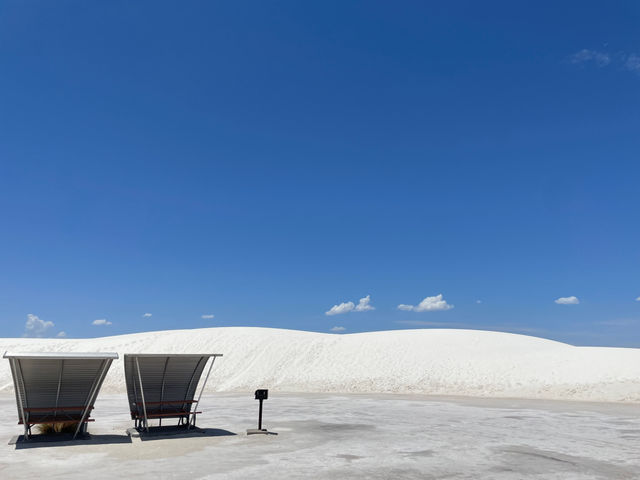
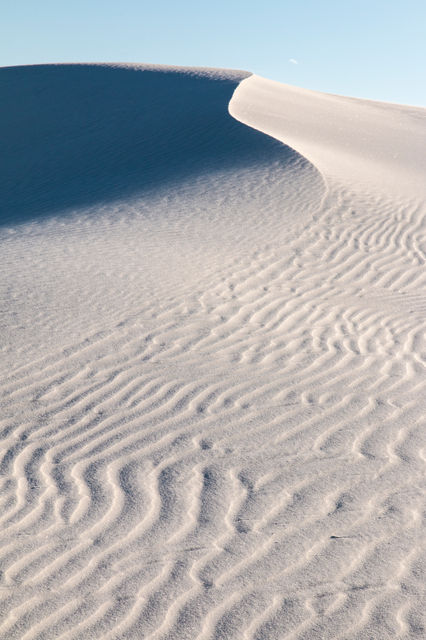

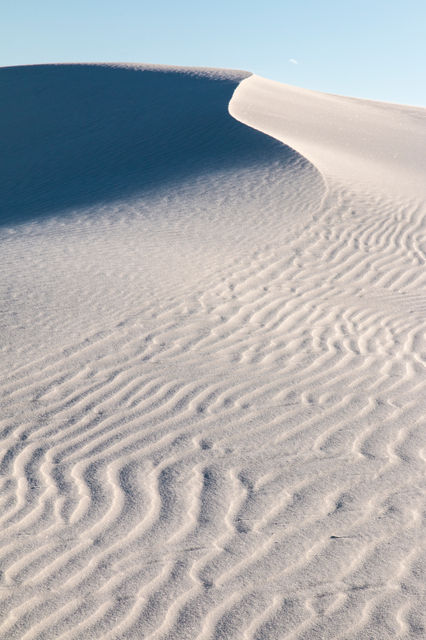
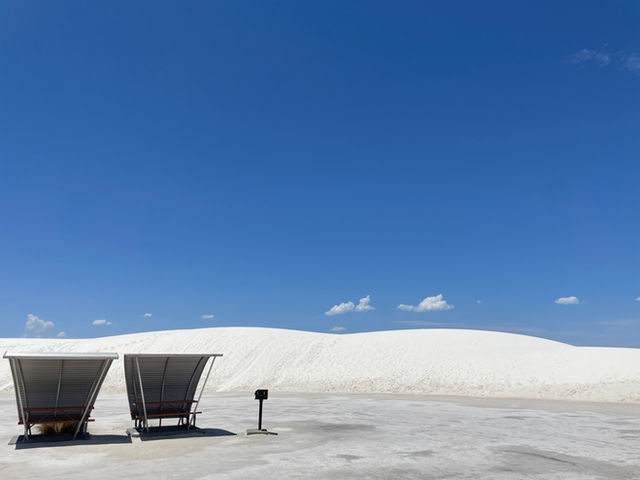

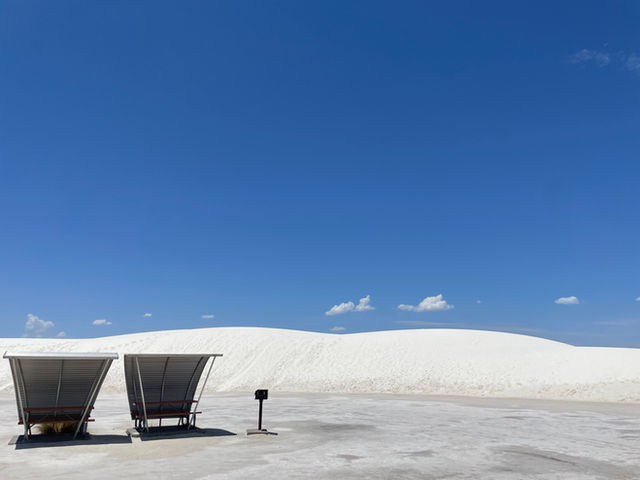
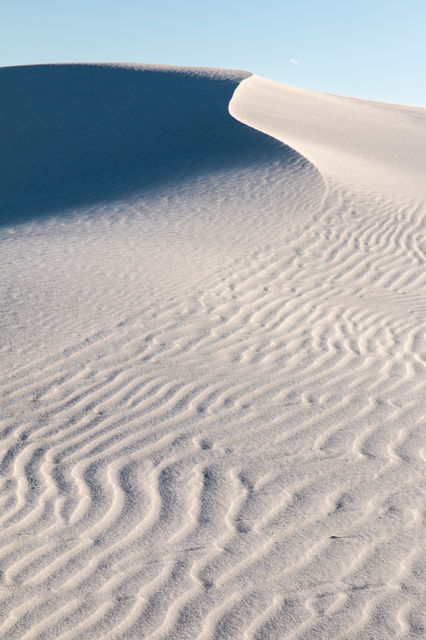
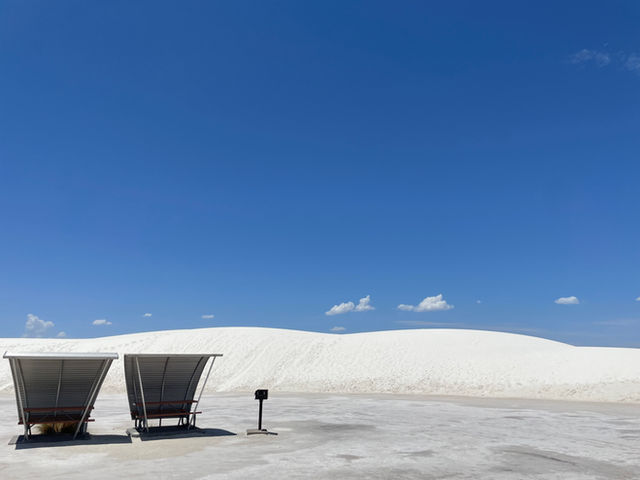
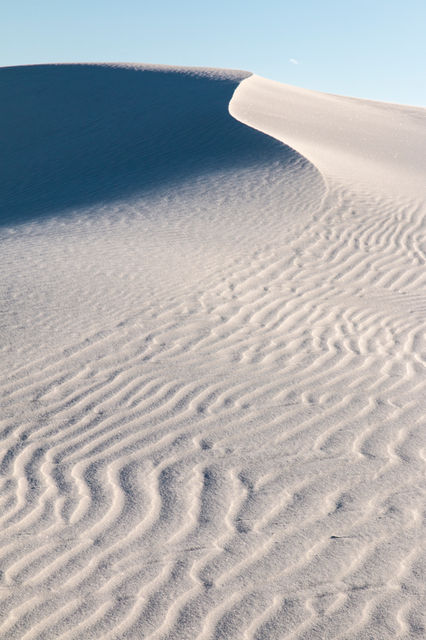
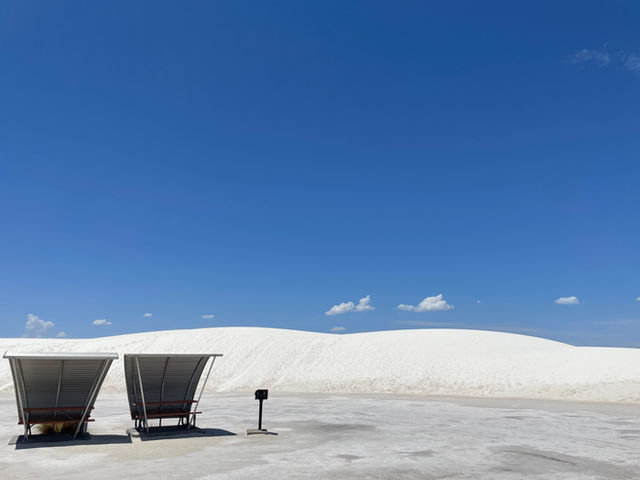
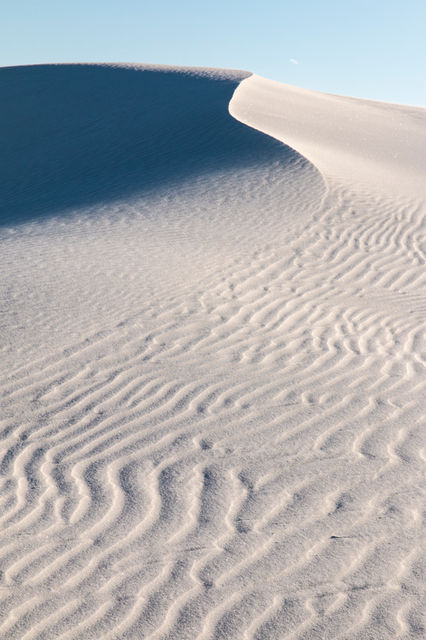
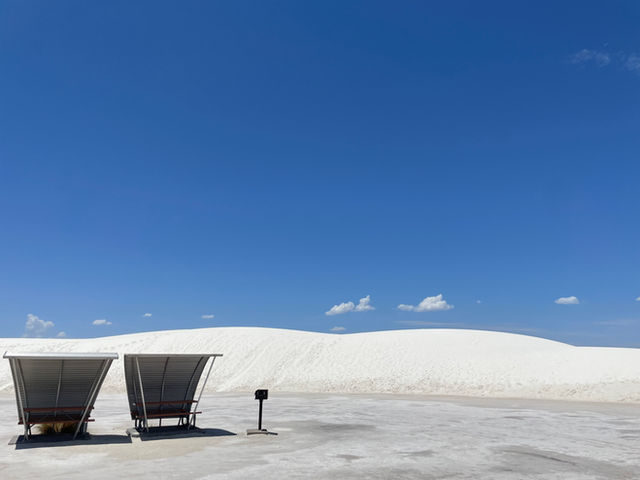
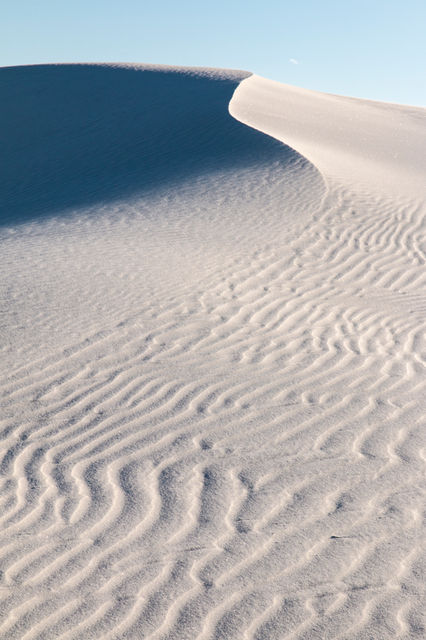
Where you'll stay in White Sands National Park
Live map of hotels and villas around White Sands National Park — powered by Stay22. Pan, zoom and compare live prices to pick your base.
Hotels & rentals around White Sands National Park
Pan, zoom and compare live prices — every stay in one map.
Getting around White Sands National Park
Getting around White Sands is refreshingly simple. A single scenic drive, the Dunes Drive, runs about eight miles from the entrance right into the heart of the dunefield, with car parks, picnic areas, and trailheads along the way. Part of the road is packed gypsum rather than tarmac, but ordinary vehicles handle it fine. There is no shuttle and no need for one; you drive in, park, and walk out onto the dunes. The key operational quirk is that the whole park, and the highway leading to it, can close temporarily for missile-range testing, sometimes for a few hours. Otherwise the park is compact and easily explored in a half or full day by car.
There is no public transport to White Sands and no in-park shuttle, so a hire car is essential. The park sits in a remote stretch of southern New Mexico, and the nearest town, Alamogordo, is a short drive away but not connected by useful transit. For a UK family, the plan is to fly into El Paso, rent a car, and drive north to the dunes. Driving is also the only way to experience the scenic Dunes Drive that runs into the heart of the dunefield. Bear in mind that the access highway occasionally closes for missile-range testing, so a private vehicle and a flexible schedule serve you best.
Insider tips
- The park lies within a military missile range and occasionally closes for testing, sometimes at short notice, so always check the closure schedule before you set off.
- Buy or rent a plastic snow saucer and wax at the visitor centre for the classic dune-sledding experience.
- Sunset is the star turn, but the park has limited hours, so confirm gate and sunset-stroll timings in advance.
- Bring far more water than seems necessary; there is no shade and the heat is deceptive despite the cool sand.
- It is easy to lose your bearings in the dunes, so note landmarks and stay near marked routes if hiking in.
- The white glare is intense; sunglasses and sunscreen are essential even on hazy days.
- Visit in cooler months or early and late in the day to avoid dangerous midday summer heat.
Frequently asked
Is there an entrance fee?
Yes, a standard vehicle entrance fee applies and is valid for several days.
When is the best time to visit?
Autumn through spring for comfortable temperatures; sunrise and sunset are magical year-round. Avoid midday summer heat.
Where can we stay?
There is no lodging inside and only backcountry camping; the town of Alamogordo nearby offers hotels, with Las Cruces further off.
Are pets allowed?
Pets on a lead are welcome throughout the dunefield, making this an unusually dog-friendly park.
Is it accessible?
The scenic drive, visitor centre, and a boardwalk trail offer accessible ways to experience the dunes.
Is it good for families?
Excellent. Dune sledding is a huge hit with teens and the terrain is easy.
How do we get there?
Fly to El Paso (ELP), about 1.5 hours away, or the small Alamogordo airport nearby.
While you're there
-
 9 FEB Festivals & Celebrations See the event →
 -
 9 APR Music & Performing Arts See the event →
Explore the area
Local attractions & tours
Skip-the-line tickets and small-group tours in White Sands National Park — compare across our partners.
We're still curating hand-picked tickets and tours for White Sands National Park. In the meantime, the map above and the nearby cities are a great place to start.
When to visit White Sands National Park
Autumn through spring for comfortable temperatures, with sunrise and sunset the most magical times year-round. Avoid the extreme midday summer heat.
White Sands has a high-desert climate with big daily temperature swings. Summers are hot, often above 35 Celsius, though the gypsum sand stays surprisingly cool underfoot, and late summer brings brief monsoon storms. Spring can be windy, sometimes with blowing sand that reduces visibility. Autumn and winter are milder and often ideal, with crisp, clear days and cold nights that can dip below freezing. Whatever the season, the white glare is intense, so pack sunglasses, high-factor sunscreen, and a hat, plus plenty of water as there is no shade. Layers help with the wide day-to-night temperature range, and a windproof layer is wise in spring.
Getting there
El Paso International Airport (ELP), just over the border in Texas, is the nearest useful gateway, about 1.5 hours' drive south of the park, with good connections through major US hubs. Alamogordo has a small regional airport much closer but with very limited service. For a UK family, the practical route is a long-haul flight to a hub such as Dallas or Phoenix, then an onward flight to El Paso and a straightforward drive north. White Sands pairs well with a wider New Mexico and West Texas road trip taking in Carlsbad Caverns or the historic town of Las Cruces. A hire car is essential, both to reach the park and to drive the scenic route into the dunefield.
- El Paso (ELP) — ~1.5 hrs drive north to the dunefield entrance
- Alamogordo (ALM) — ~20 min to the park entrance
Ready to book your trip?
Flights, airport transfers and car hire to ELP — search and compare without leaving the page.
More trip extras
Parking, holiday extras, and more — coming soon.
We're lining up parking, holiday extras and activities you'll be able to add to any trip from here.