Yellowstone National Park
The world's first national park — geysers and hot springs above a supervolcano, roamed by bison, wolves and grizzlies.
- National park
- Late May through September for full road access and the best wildlife viewing; September brings thinner crowds and the elk rut, while winter offers snowcoach tours and superb wolf watching.
- BZN
- 5-7 days
About Yellowstone National Park
Yellowstone was the first national park anywhere in the world, signed into being in 1872, and more than 150 years later nothing has quite matched its strangeness. The park sits on top of a supervolcano — a vast, still-breathing magma system whose heat powers the greatest concentration of geysers and hot springs on Earth. Roughly half the planet's geysers erupt within these boundaries, and the ground itself hisses, bubbles and steams in colours that look invented.
A landscape that behaves like a living thing
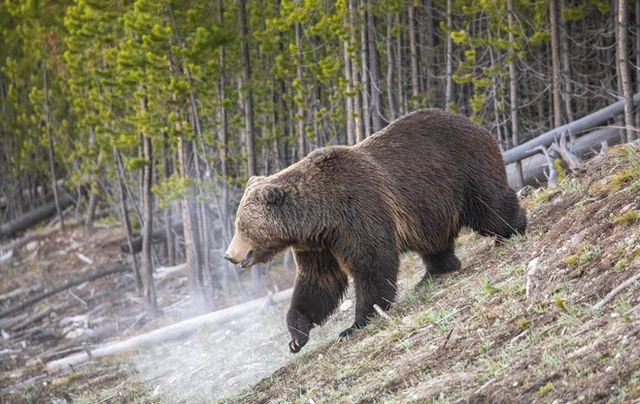
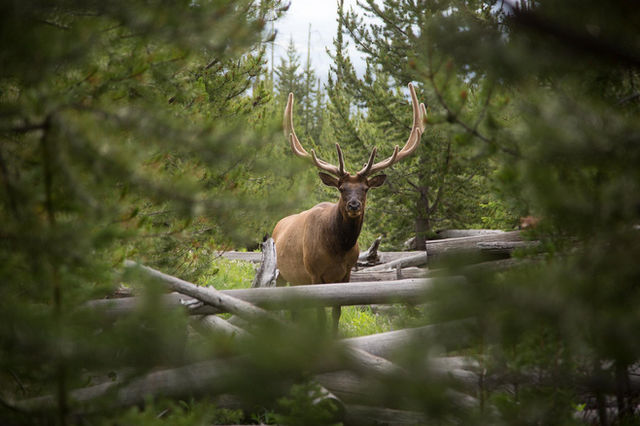
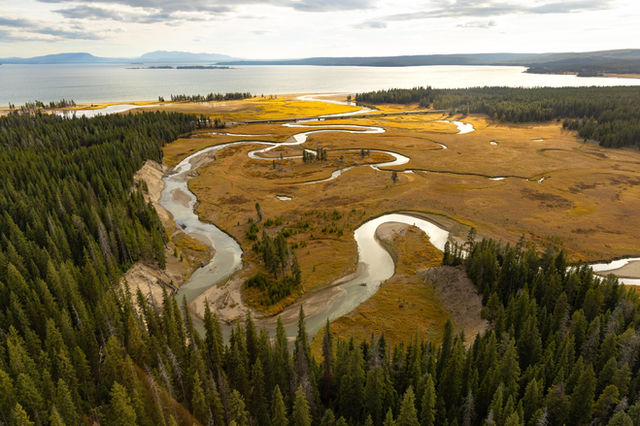
Beyond the thermal basins, Yellowstone is a high volcanic plateau of lodgepole forest, broad river valleys and one of the largest high-altitude lakes in North America. The Grand Canyon of the Yellowstone drops in two thunderous waterfalls through walls stained ochre and rose. It is also the beating heart of American wildlife recovery: this is the best place on the continent to see wild wolves, alongside grizzly bears, herds of bison that stop traffic, elk and pronghorn.
For a family travelling from the UK, Yellowstone offers something Britain simply has no equivalent for — raw geological spectacle and free-roaming megafauna on an almost unimaginable scale. It rewards slow days, early mornings and a willingness to let the park set the pace.
Why go
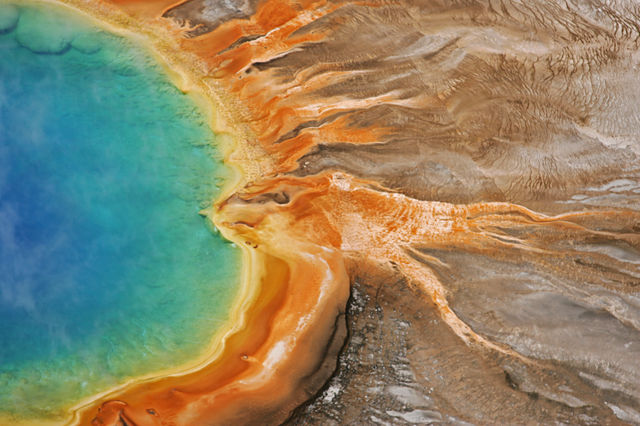
You come to Yellowstone to feel small in the best possible way. Stand at the edge of Grand Prismatic Spring as steam parts to reveal a pool ringed in orange and turquoise, and the scale of the planet's inner machinery lands in a way no photograph prepares you for. Wait in the cool of a Lamar Valley dawn and watch a wolf pack move across the sage while bison graze in the mist — it is the closest most visitors will come to seeing the American wilderness as it was.
For families it is pure wonder: teenagers who claim to be unimpressed by everything go quiet when Old Faithful climbs into the sky, and younger children never forget their first bison. There are boardwalks over rainbow hot springs, waterfalls you can hear before you see, and long golden evenings when the wildlife comes out to feed. It is a place that turns a holiday into a story the family tells for years.
Highlights
- Old Faithful
- Grand Prismatic Spring
- Lamar Valley wildlife
- Grand Canyon of the Yellowstone
- Mammoth Hot Springs
- Hayden Valley
- Bison herds
- Wolf watching
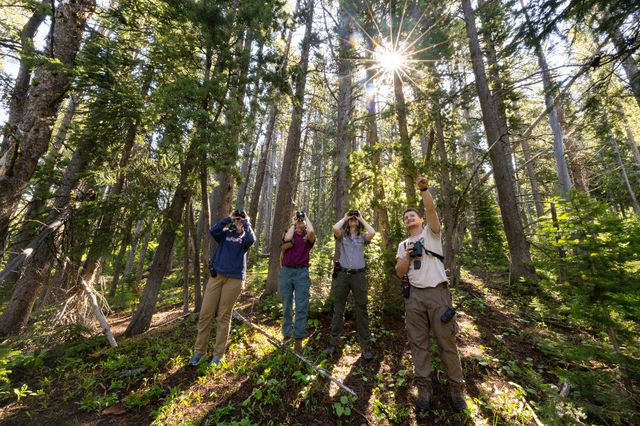
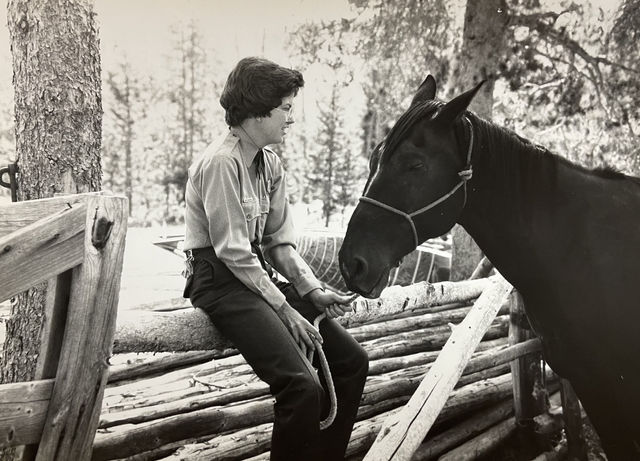
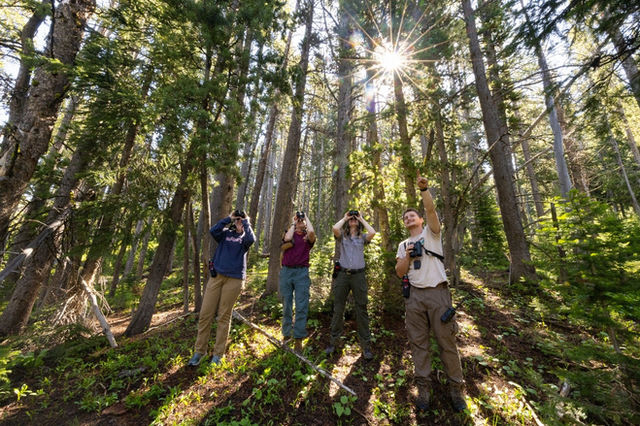
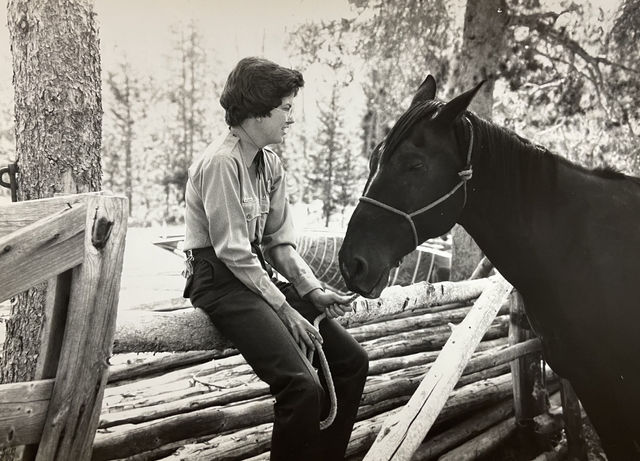
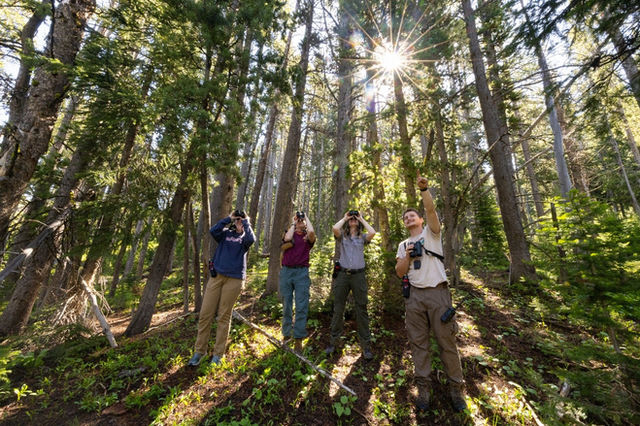
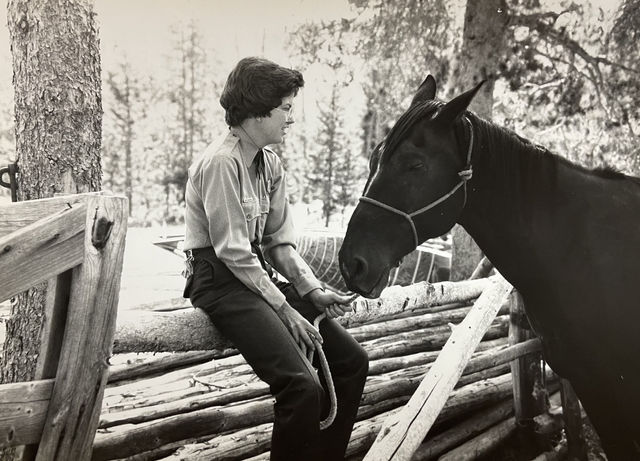
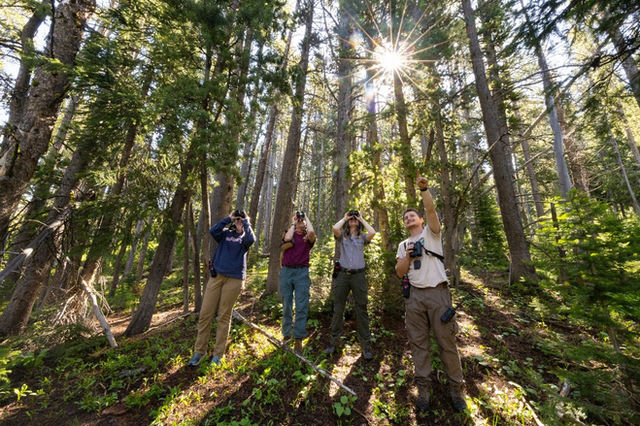
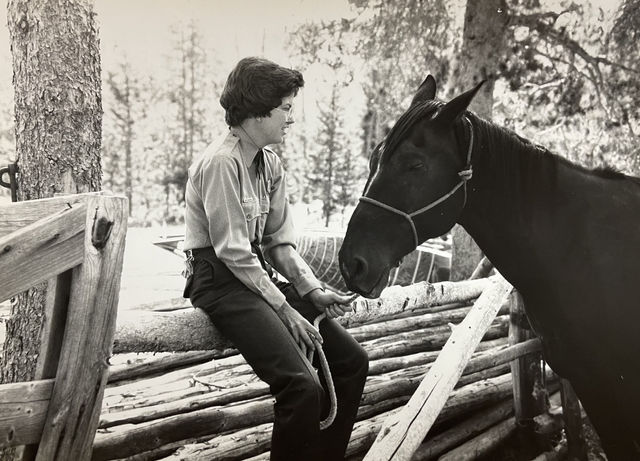
Yellowstone National Park in photos
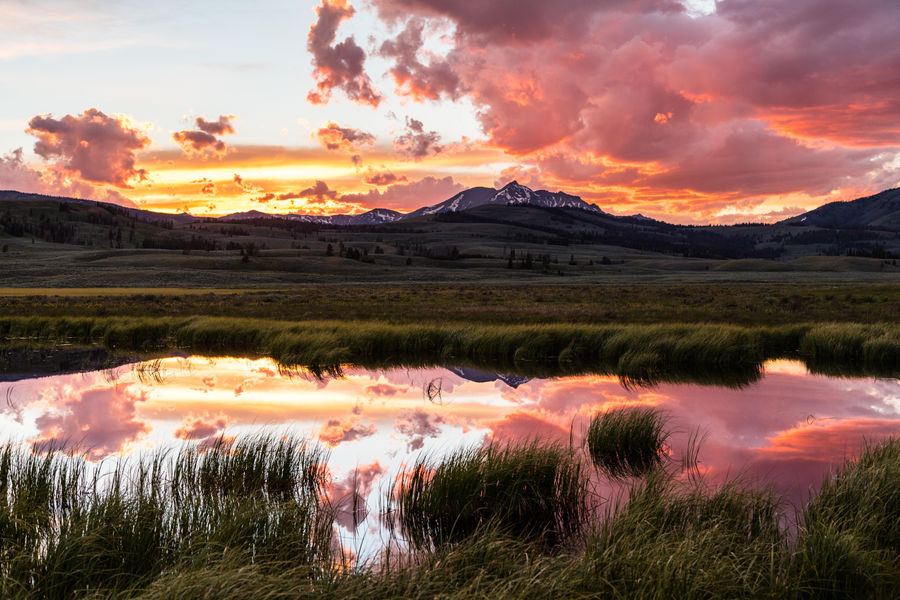
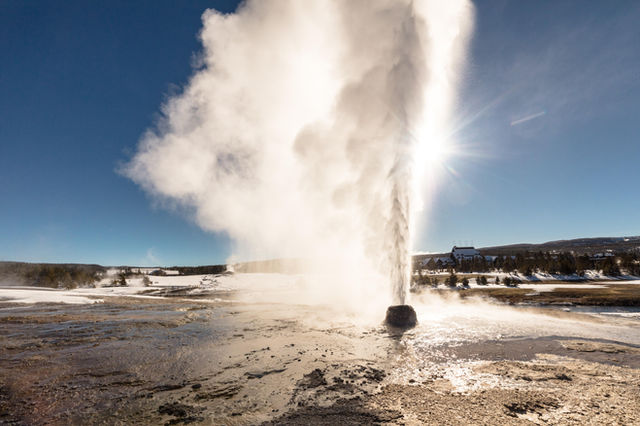
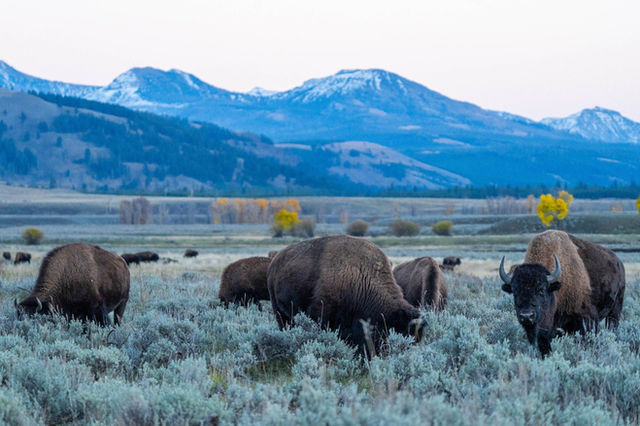
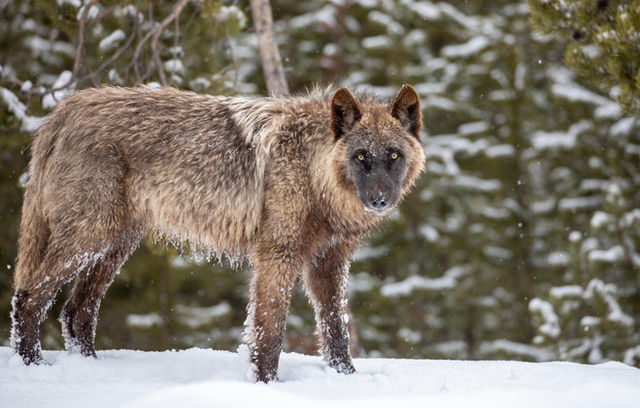
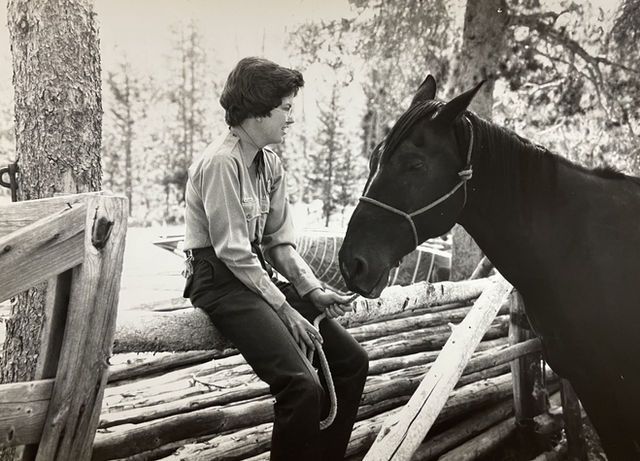
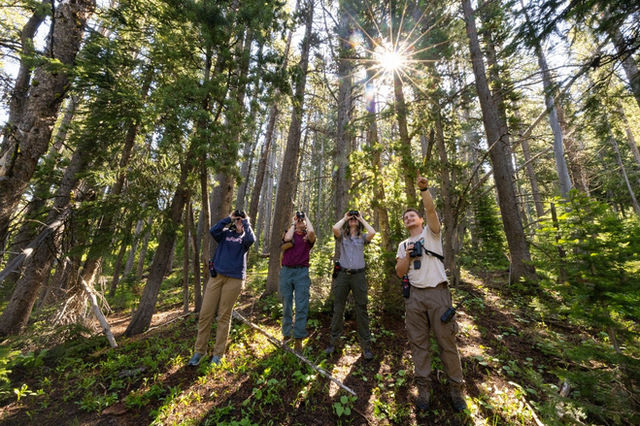
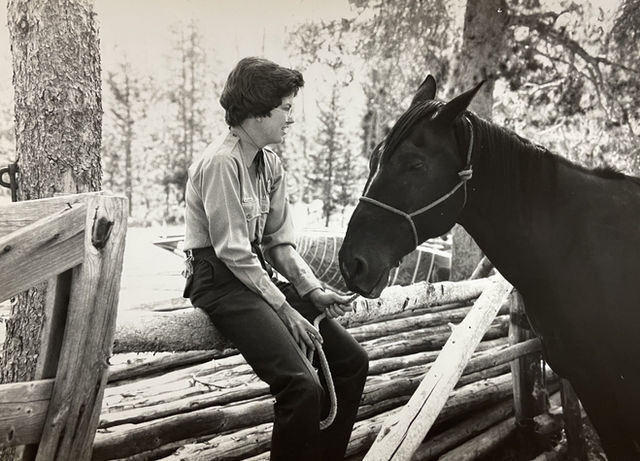
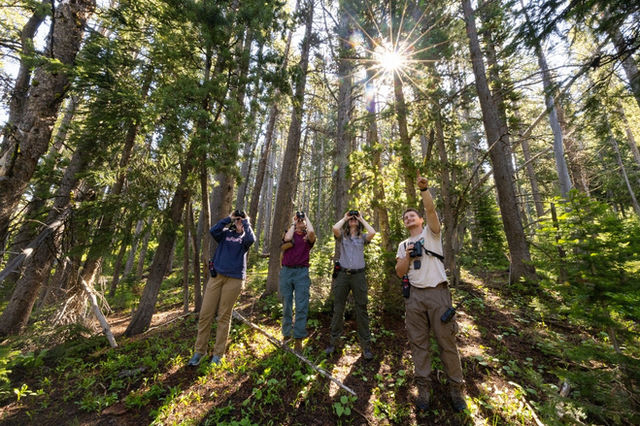
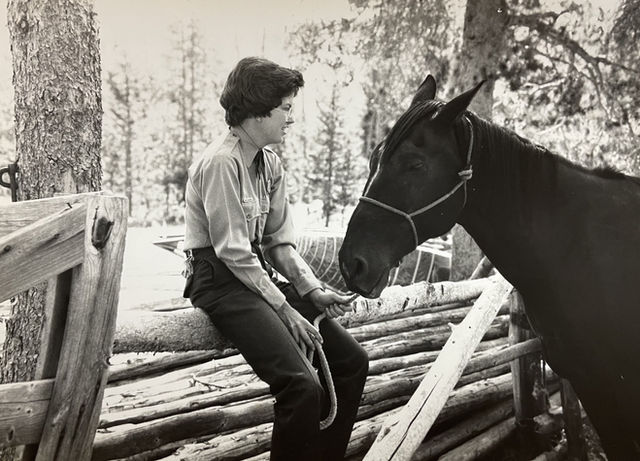
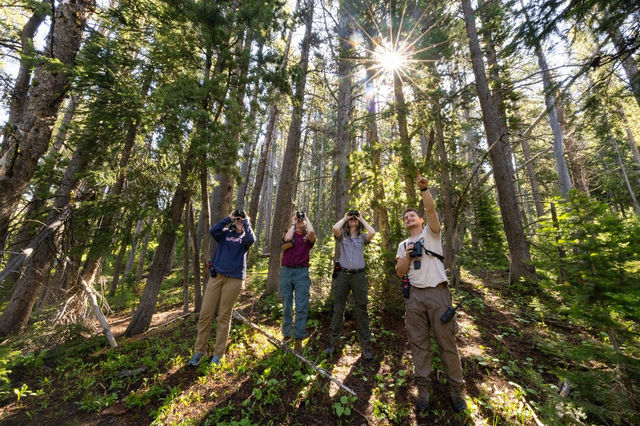
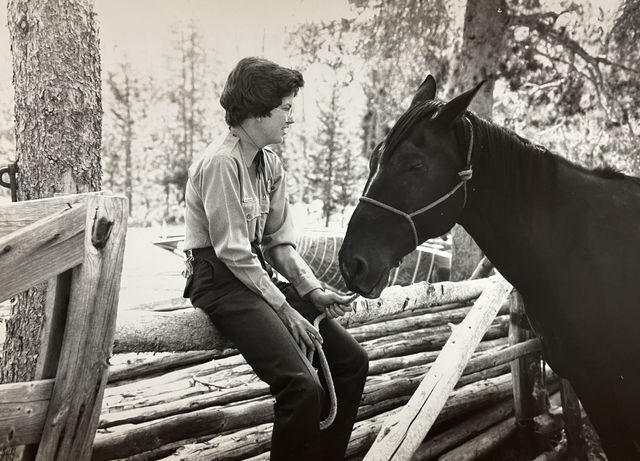
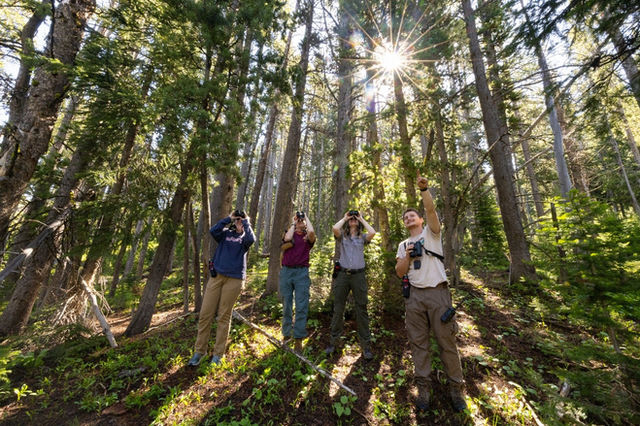
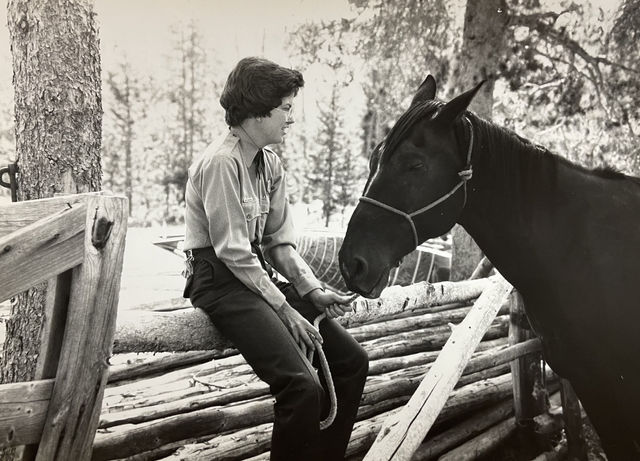

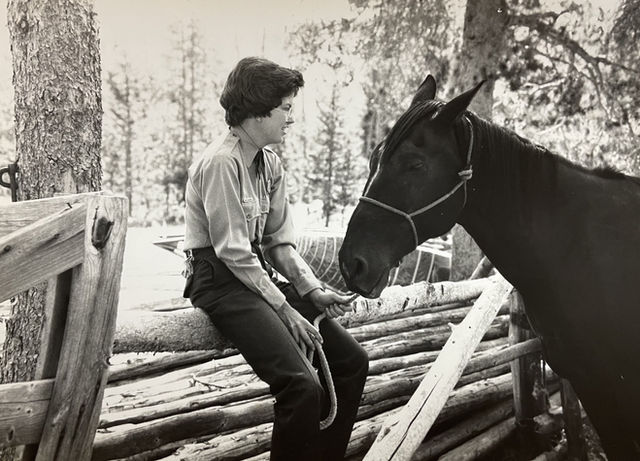
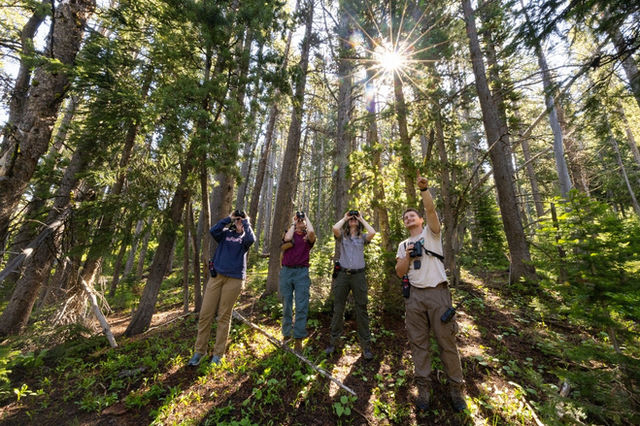
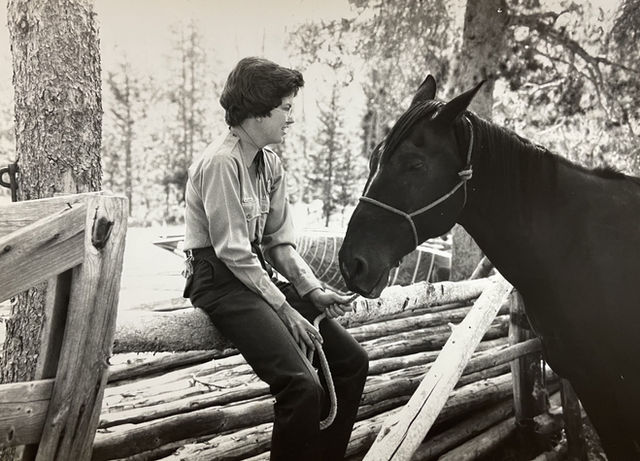
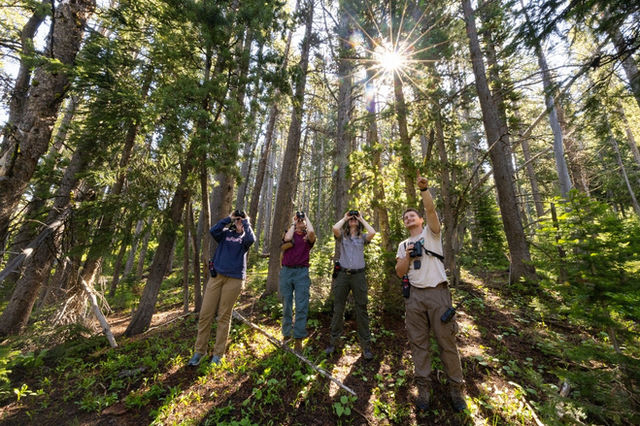
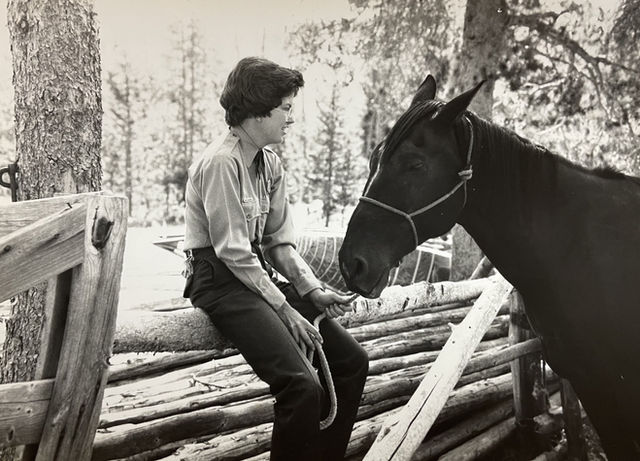
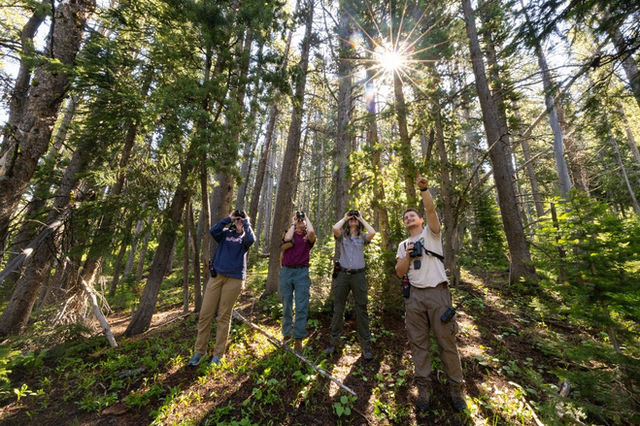
Where you'll stay in Yellowstone National Park
Live map of hotels and villas around Yellowstone National Park — powered by Stay22. Pan, zoom and compare live prices to pick your base.
Hotels & rentals around Yellowstone National Park
Pan, zoom and compare live prices — every stay in one map.
Getting around Yellowstone National Park
Yellowstone is built around the Grand Loop Road, a roughly 140-mile figure-of-eight linking the major basins, canyons and valleys. It looks compact but drives slowly: speed limits are low, wildlife regularly stops traffic (a 'bison jam' can hold you for half an hour), and the distances between sights are real. Plan for 30-50 miles of driving on a typical day rather than trying to see the whole loop at once, and consider two bases — one north, one south — to cut the mileage. There is no public park shuttle; you explore in your own vehicle. Fuel stations are limited and far apart, so top up when you can, and download offline maps because mobile signal is patchy at best. Many interior roads close to cars from roughly early November to late April, when over-snow travel takes over.
There is no public transport inside Yellowstone — no park buses or trains between the sights — so a hire car is essential for a family. Reaching the gateway towns is easier: Karst Stage runs coaches from Bozeman airport toward the West Entrance, and Salt Lake Express connects towns across Idaho, Montana and Wyoming to West Yellowstone and Jackson. Even so, once at the boundary you still need a vehicle to reach the geysers, canyons and valleys. For a family of five, hiring a car — ideally an SUV for the distances and the weather — from your arrival airport is comfortably the simplest and most flexible option.
Insider tips
- Skip the Old Faithful crowds for Grand Prismatic. The geyser is iconic, but the finest view in the park is Grand Prismatic Spring seen from above on the short Fairy Falls / Grand Prismatic Overlook trail — go mid-morning when the steam thins.
- Wildlife is a dawn-and-dusk game. Lamar and Hayden valleys at first light are the reliable window; by mid-morning the animals (and the light) are gone.
- Distances are deceptive. The Grand Loop is 140+ miles; treat Yellowstone as several day-trips from two different bases (e.g. one north, one south) rather than one hotel.
- Book lodging inside the park 12+ months ahead for summer — the historic Old Faithful Inn and Lake Yellowstone Hotel sell out fastest.
- Carry bear spray and know how to use it — it is expected on trails here, not optional, and you cannot fly with it (buy or rent locally).
- Stay on the boardwalks. The thermal crust is thin and the water is scalding; every year people are injured ignoring this.
- Fuel up and pack lunches — services inside are sparse and queues long in peak season.
Frequently asked
How much does it cost to enter Yellowstone?
Entry is per vehicle and covers seven days; an America the Beautiful annual pass is worthwhile if you are visiting several parks on one trip.
When is the best time to visit?
Late June to early September for full road and facility access and the best wildlife viewing; September brings thinner crowds and the elk rut. Many roads close from roughly November to April, when the interior is reachable only by snowcoach or snowmobile.
Is Yellowstone good for children and teenagers?
Excellent — boardwalk geyser basins, wildlife spotting, waterfalls and the Junior Ranger programme all work well for families. Just plan for long drives between sights.
Can we visit Yellowstone and Grand Teton together?
Yes, and you should. Grand Teton adjoins Yellowstone's South Entrance; many families fly into Jackson Hole (JAC) and do both in one trip.
Where should we stay?
Inside the park for atmosphere and dawn access (book far ahead), or in gateway towns like West Yellowstone, Gardiner or Jackson for more choice and value.
Are pets allowed?
Only in very limited, developed areas and never on trails or boardwalks; Yellowstone is not a practical park to visit with a dog.
Do we need a car?
Yes. There is no public transport within the park and distances are large; a hire car is essential.
While you're there
-
 9 FEB Festivals & Celebrations See the event →
 -
 9 APR Music & Performing Arts See the event →
Explore the area
Local attractions & tours
Skip-the-line tickets and small-group tours in Yellowstone National Park — compare across our partners.
We're still curating hand-picked tickets and tours for Yellowstone National Park. In the meantime, the map above and the nearby cities are a great place to start.
When to visit Yellowstone National Park
Late May through September for full road access and the best wildlife viewing; September brings thinner crowds and the elk rut, while winter offers snowcoach tours and superb wolf watching.
Yellowstone's high elevation (mostly above 2,000m) makes its weather changeable and cool even in summer. Summer (June–August) brings warm, pleasant days of 21–27°C and cold nights that can dip near freezing; afternoon thunderstorms are common. Autumn (September–October) is crisp and beautiful, with the first snows possible by late September. Winter is long, deep and genuinely cold (well below freezing), with most roads closed to cars. Spring (April–May) is muddy and unpredictable as the park slowly reopens.
Practical advice: pack layers whatever the month, always carry a warm jacket and rain shell, and start early — mornings are calm, wildlife-rich and far less crowded than afternoons.
Getting there
Yellowstone has five entrances, and the airport you choose should decide which one you aim for. Bozeman (BZN) in Montana is the busiest gateway, about 1.5 hours from the North (Gardiner) and West Yellowstone entrances — the best all-round choice for a first visit. Jackson Hole (JAC) sits an hour south of the South Entrance and lets you pair Yellowstone with Grand Teton on the way in. Cody (COD) in Wyoming is about an hour from the East Entrance, Idaho Falls (IDA) roughly two hours from the West, and Billings (BIL) around 2.5 hours from the quiet Northeast Entrance and wildlife-rich Lamar Valley. There is no train and no airport inside the park, so from any of these you will hire a car; seasonal shuttles run from Bozeman and West Yellowstone, but a car gives you the early starts the park rewards.
- Bozeman (BZN) — ~1.5 hrs to the North/West entrances
- Jackson Hole (JAC) — ~1 hr to the South Entrance via Grand Teton
- Cody, WY (COD) — ~1 hr to the East Entrance
- Idaho Falls (IDA) — ~2 hrs to the West Entrance
- Billings, MT (BIL) — ~2.5 hrs to the Northeast Entrance
Ready to book your trip?
Flights, airport transfers and car hire to BZN — search and compare without leaving the page.
More trip extras
Parking, holiday extras, and more — coming soon.
We're lining up parking, holiday extras and activities you'll be able to add to any trip from here.