← Uzbekistan
UZBEKISTAN · CITY

Samarkand

The jewel of the Silk Road — Samarkand's Registan of towering, turquoise-tiled madrasas is one of Asia's great sights.

  • City
  • April to June and September to October — warm and clear, before and after the summer heat
  • ~approx 2 days
  • Silk Road Legend
  • The Registan
  • Timur's Blue Domes
  • Majolica Tilework

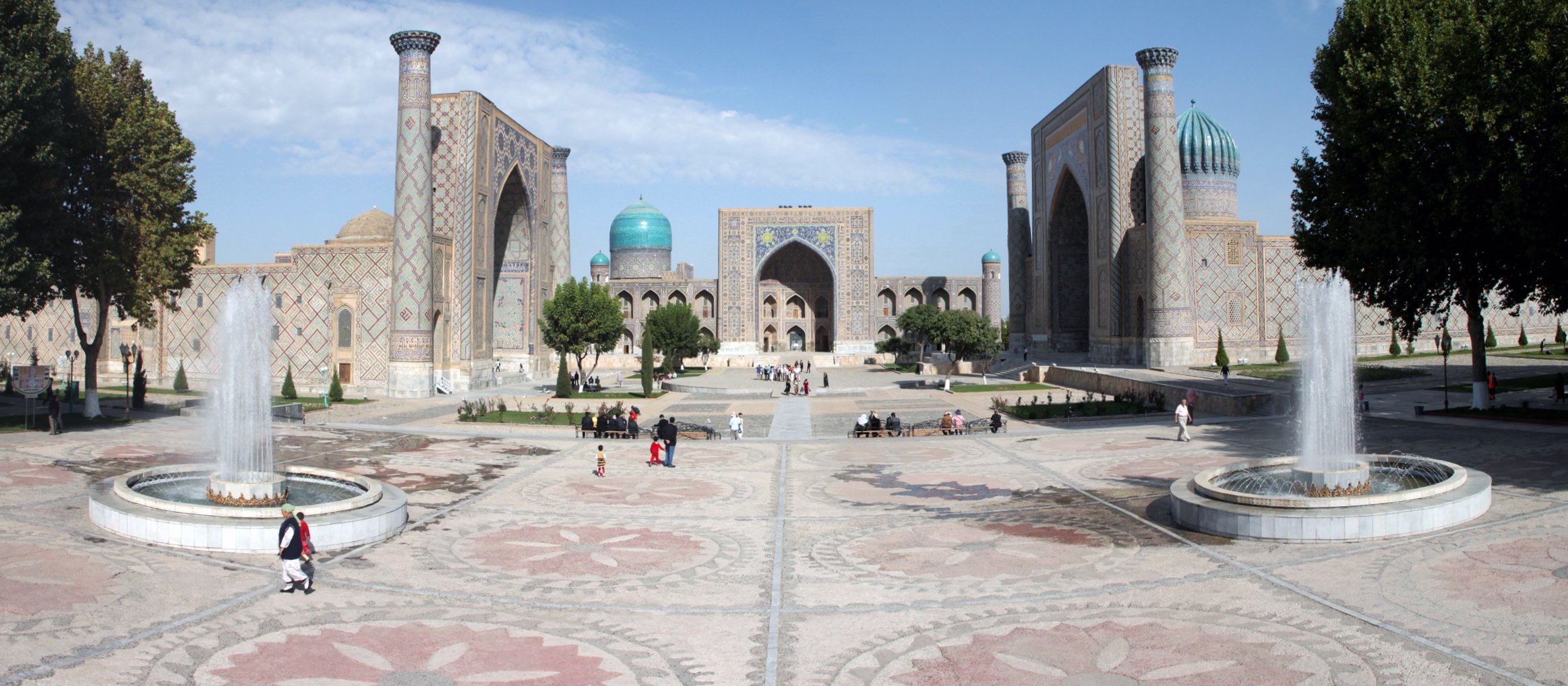
Three towering madrasas facing each other across a square, every surface a mosaic of blue and gold, and a ribbed dome the colour of the sky floating over a warlord's tomb.

Samarkand is the great name of the Silk Road made real — a city of vast turquoise domes and tile-clad madrasas raised by the conqueror Timur, glowing that particular blue against the desert sky. Few places carry a legend this heavy and live up to it as fully.

Type
city
Ideal length
~approx 2 days
Getting around
taxis and walking; the monuments are spread out
Neighbourhoods
3 areas
Best season / months
April to June and September to October — warm and clear, before and after the summer heat
Language
Uzbek (Russian and Tajik widely spoken)
Currency
Uzbek som (soʻm)
Budget level
low — very affordable
Good for
  • History
  • Architecture
  • Silk Road travel
  • Culture
▸ Discover

About Samarkand

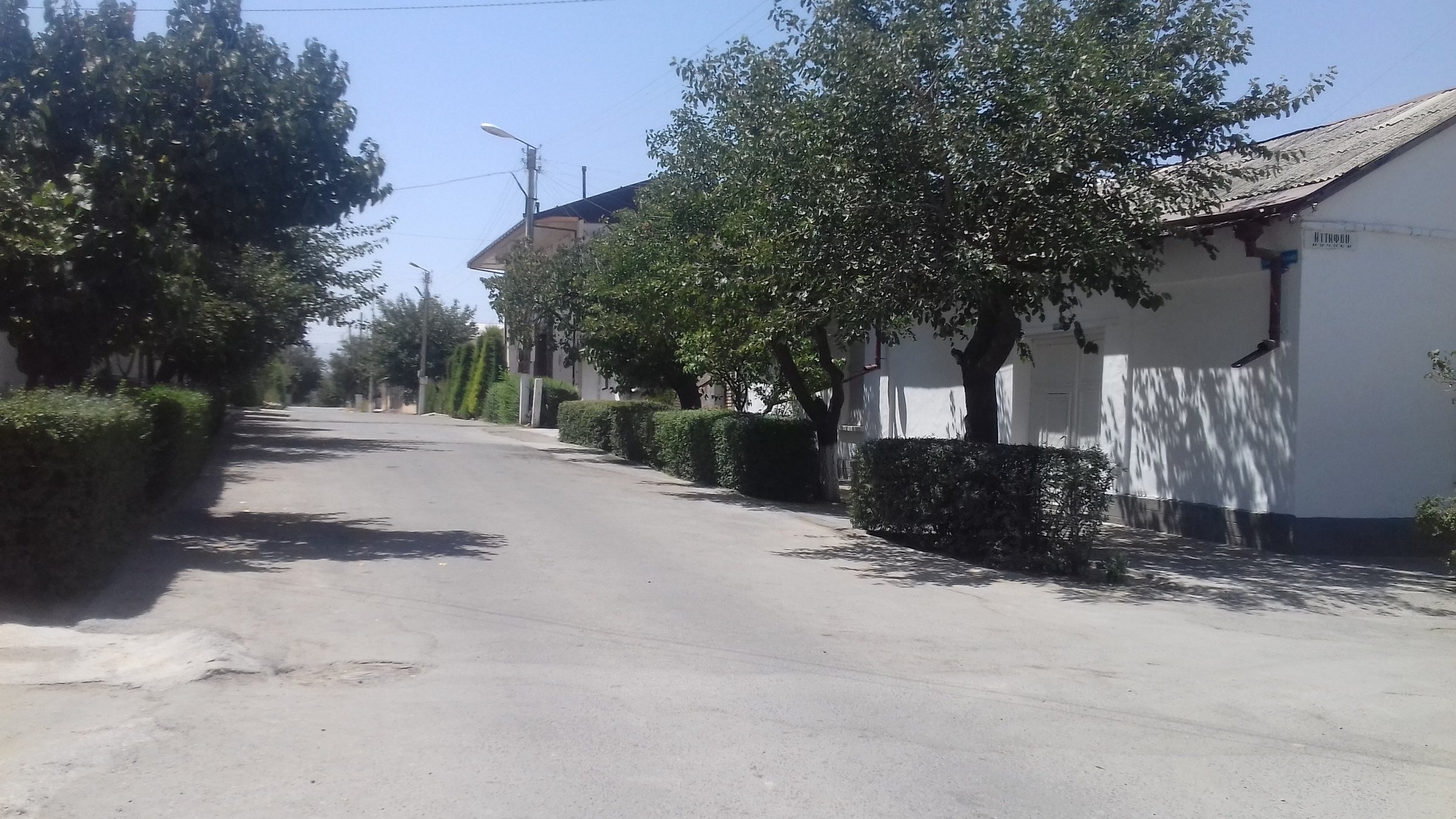
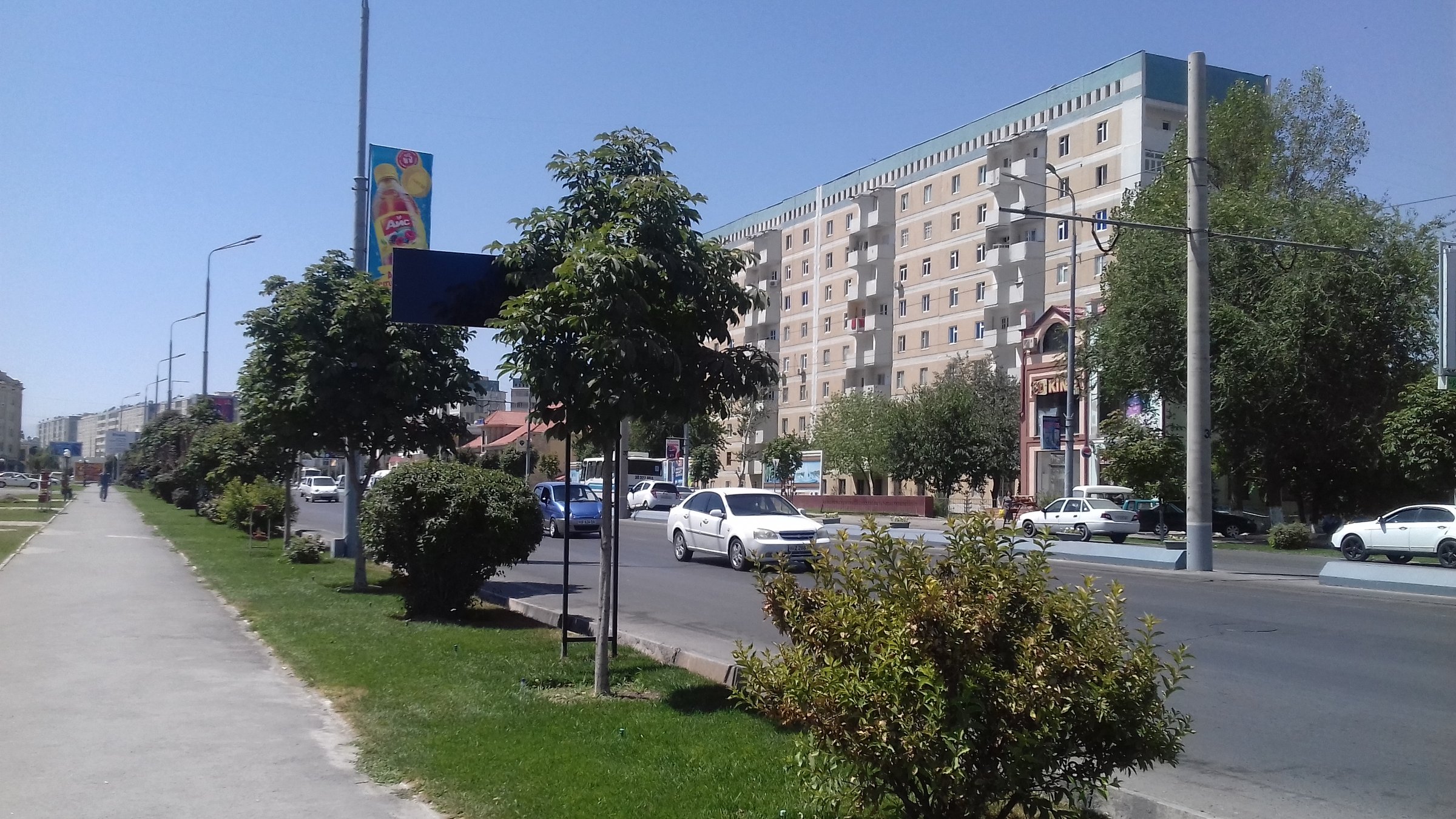
Samarkand sits on the old Silk Road in eastern Uzbekistan, an oasis city on the ancient route between China and the Mediterranean. Once the dazzling capital of Timur's empire, it is defined by his monumental architecture — the Registan ensemble, the great mosques and mausoleums, all clad in intricate majolica tilework in the famous "Samarkand blue". The grand Timurid monuments are spread across a modern, Soviet-planned city, with the old mahalla quarters and the bazaar between them. It is spread out, so you'll move between the sights, but each is a marvel.

Samarkand is home to a UNESCO World Heritage Site — Samarkand – Crossroad of Cultures — inscribed in 2001.

Why go

Samarkand is one of the most spectacular historic cities on earth — the monuments of Timur's golden age, blue-tiled and colossal, are among the great sights of the Islamic world. It sits at the romantic heart of the Silk Road, is remarkably easy and safe to visit, and comes cheap, with warm hospitality and a fast train linking it to the rest of Uzbekistan. For anyone drawn to the Silk Road, this is the city.

Don't miss

  • The Registan — the three tile-clad madrasas around a square
  • The Gur-e-Amir — Timur's blue-ribbed-dome mausoleum
  • The Shah-i-Zinda — the avenue of turquoise tomb-mosaics
  • The Bibi-Khanym Mosque — Timur's giant congregational mosque
  • The Ulugbek Observatory — the astronomer-king's medieval sextant

Signature experiences

The Registan — Samarkand's Registan is one of the most breathtaking public spaces in the world — three vast madrasas facing onto a square, their portals and minarets covered in blue, turquoise and gold majolica, one even bearing forbidden tigers and sunbursts. Stand in the middle at different hours to watch the light change on the tiles, step inside the tiled courtyards, and, if it's on, catch it floodlit at night. Nothing quite prepares you for the scale. **Timur's blue domes** — The conqueror Timur made Samarkand his showcase, and his monuments still dominate. His own mausoleum, the Gur-e-Amir, is a jewel of a building under a fluted turquoise dome; the Bibi-Khanym Mosque he raised was among the largest of its age; and the Shah-i-Zinda, an avenue of family and saintly tombs, is a corridor of the most exquisite tilework in Central Asia. Together they are the golden age of Timurid art in stone and glaze. **The astronomer-king** — Timur's grandson Ulugbek was a scientist as much as a ruler, and his observatory on the city's edge held a giant curved sextant, cut into the bedrock, with which he mapped the stars with astonishing accuracy centuries before the telescope. The surviving arc and the little museum tell a remarkable story — a Silk Road city that was also a centre of medieval astronomy. **The bazaar and Silk Road hospitality** — For all the monuments, Samarkand is a living city, and the Siyob bazaar is its beating heart — mountains of dried fruit and nuts, spices, and the round, stamped Samarkand bread the city is famous for. Uzbek hospitality is warm and genuine, the tea endless, and a plate of plov shared with locals is as much a part of the Silk Road as the domes.

Neighbourhoods

Samarkand neighbourhood by neighbourhood — the character of each and who it suits.

  • The Monumental Core

    The heart of Timurid Samarkand — the Registan and the great mausoleums and mosques, monumental and tile-clad, set among the wide streets of the modern city.

    Why go
    The single greatest run of Silk Road architecture anywhere.
    Best for
    The Registanmausoleumsmosques
    Known for
    The Registan ensemble of three madrasas, the Gur-e-Amir mausoleum, the Bibi-Khanym Mosque, and the pedestrian avenues linking them.
  • The Old Town and Shah-i-Zinda

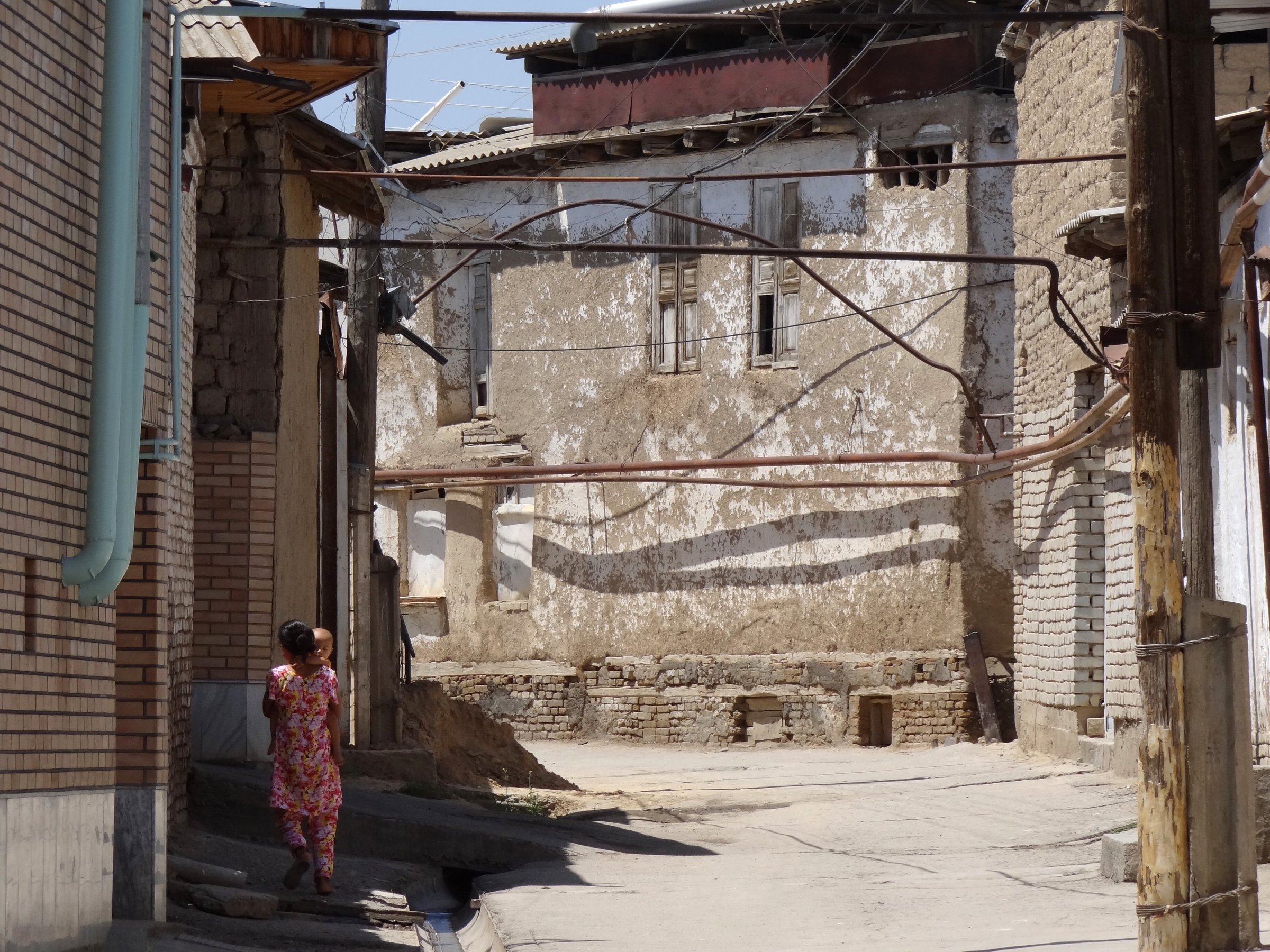
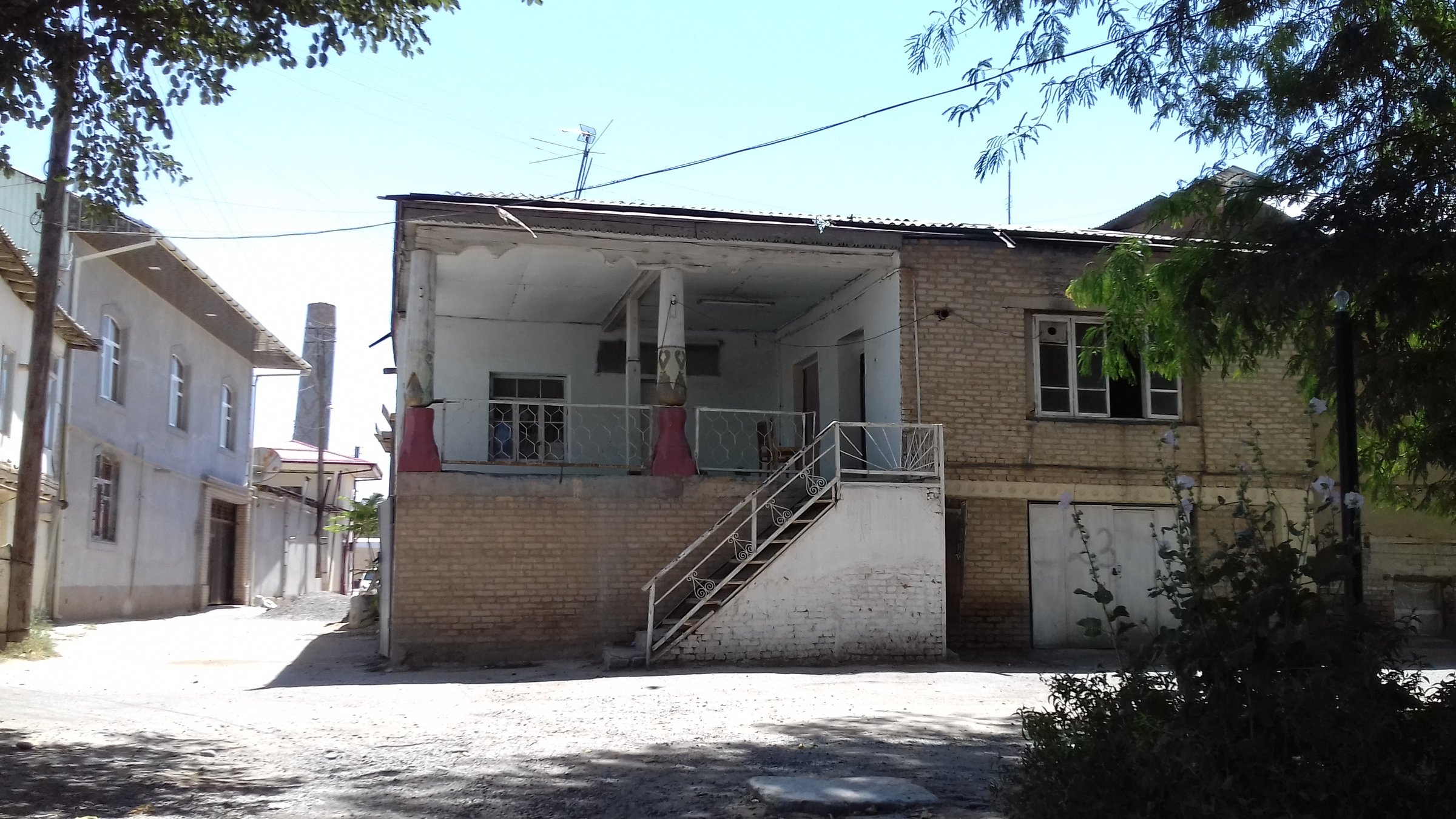
    The older mahalla quarters northeast of the centre — traditional houses, the great bazaar, and the stunning avenue of tiled tombs climbing a hillside.

    Why go
    The Shah-i-Zinda tombs, the bazaar, and traditional Samarkand.
    Best for
    Tileworkthe bazaarlocal life
    Known for
    The Shah-i-Zinda necropolis of turquoise-tiled mausoleums, the Siyob (Siab) bazaar, the traditional mahalla lanes, and the bread and craft stalls.
  • The Ulugbek and the Modern City

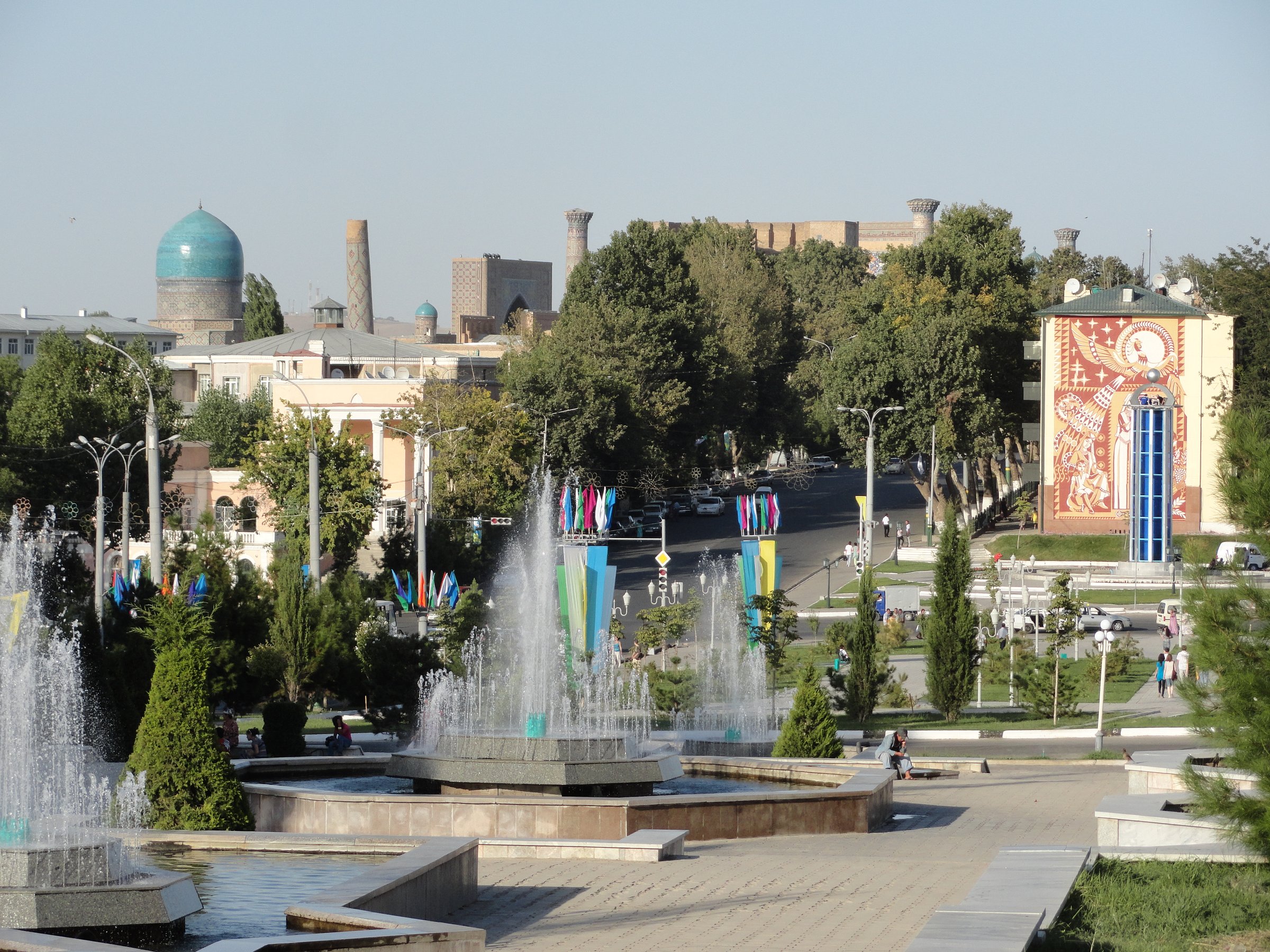
    The wider Soviet-planned and modern city, and the hill of the observatory on its edge — the leafy avenues, the parks, and the astronomer-king's legacy.

    Why go
    The Ulugbek Observatory and a sense of the living city.
    Best for
    The observatoryparkseveryday city life
    Known for
    The Ulugbek Observatory and its giant sextant, the broad tree-lined avenues, the parks and cafés, and the modern centre.

Views & hidden gems

Best views

  • The Registan square — the three madrasas, best in the morning and evening light
  • The Shah-i-Zinda avenue — the corridor of turquoise tile-work
  • The Gur-e-Amir's ribbed dome against the sky
  • The Registan floodlit at night

Hidden gems

  • A climb up a Registan minaret, where permitted, for the view over the square
  • The Siyob bazaar's bread stalls — the famous stamped Samarkand non
  • The Ulugbek Observatory's sextant arc — medieval astronomy in the bedrock
  • The Hazrat Khizr mosque terrace — a quiet view over the old town
  • A traditional teahouse (chaikhana) for plov and endless green tea

Food & drink

Uzbek food is hearty, meat-and-rice Central Asian cooking, and Samarkand does its own proud version. The national dish is plov (osh) — rice slow-cooked with mutton, carrots and cumin in a great cauldron — and it's a communal centrepiece. Samsa (baked meat pastries), grilled shashlik, hand-pulled lagman noodles and steamed manti dumplings fill the tables, and the round, stamped Samarkand bread is famous across the country. Green tea is the constant; the bazaar's dried fruit and nuts are a highlight.

  • Plov (osh) — rice slow-cooked with mutton, carrots and cumin, the national dish
  • Samsa — baked pastries stuffed with meat and onion
  • Shashlik — grilled skewers of marinated meat
  • Lagman — hand-pulled noodles in a spiced meat-and-vegetable broth
  • Samarkand non — the round, stamped bread the city is known for
  • Green tea (kok choy) — the endless Silk Road drink
Dietary notes

Vegetarians find it harder — the cuisine is meat-heavy — but manage with non, salads, some vegetable samsa and lagman versions, and the bazaar's fruit and nuts; ask, as stock is often meat. Vegan is challenging outside self-catering. Halal is the default across the city. Kosher food is very limited despite the old Jewish community, and best arranged ahead. Gluten-free is difficult given the bread-and-noodle base; rice plov can help — confirm.

Samarkand in photos

▸ Where you'll stay

Where you'll stay in Samarkand

The centre near the Registan and the main monuments is the convenient base — walkable to the great sights, with a range of hotels and guesthouses. Charming family-run B&Bs in the old mahalla quarters near the Shah-i-Zinda and the bazaar offer a more traditional, atmospheric stay. The city is spread out, so a central location saves taxi hops. It is very affordable, with lovely boutique and homestay options at modest prices.

  • Budget
    The old town / near the bazaar guesthouses and homestays in the mahalla, cheap and traditional.
  • Mid-range
    Near the Registan comfortable hotels and B&Bs walkable to the main monuments.
  • Luxury
    Central / restored mansions boutique hotels with courtyards near the great sights.
Stay

Hotels & rentals around Samarkand

Pan, zoom and compare live prices — every stay in one map.

▸ Getting around

Getting around Samarkand

The great monuments are spread across a large city, so you'll use taxis (agree the fare first) between them, with walking around each cluster. There's a limited bus and tram network; a car isn't necessary. The old town and bazaar are walkable as a group.

The Registan, Gur-e-Amir and Bibi-Khanym are walkable together (~approx); the Shah-i-Zinda and bazaar are a short taxi or longer walk northeast; the Ulugbek Observatory is a taxi ride to the city's edge.

▸ Plan your days

Suggested itineraries

Ready-made day plans for Samarkand — from a single day to a long weekend.

One day

Start at the Registan in the morning light, then walk to the Gur-e-Amir for Timur's tomb and on to the huge Bibi-Khanym Mosque. Visit the Siyob bazaar for lunch and the famous bread, spend the afternoon at the Shah-i-Zinda avenue of tiled tombs, and return to the Registan for the evening light or the floodlit night.

Two days

Give day two to the wider city and science. See the Ulugbek Observatory and its medieval sextant, explore the old mahalla quarters and quieter mosques, browse for suzani embroidery and ceramics, and end with a long plov dinner at a traditional chaikhana.

▸ What you'll do

Insider tips

  • The monuments are spread across a big city — agree taxi fares first, and plan a route rather than criss-crossing.
  • Return to the Registan at different times of day for the changing light on the tiles, and check whether it's floodlit at night.
  • Bring US dollars to change and carry som in cash — cards are unreliable outside the bigger hotels.
  • The fast Afrosiyob train links Samarkand to Tashkent and Bukhara comfortably — book it ahead for the best seats.
Explore

Explore the area

© OpenFreeMap · OSM · terrain Mapterhorn
Do

Local attractions & tours

Skip-the-line tickets and small-group tours in Samarkand — compare across our partners.

We're still curating hand-picked tickets and tours for Samarkand. In the meantime, the map above and the nearby cities are a great place to start.

▸ Budget

What it costs in Samarkand

Backpacker
roughly €25–40 a day.
Mid-range
roughly €55–100 a day.
Luxury
€180 a day and up.
Cash vs card
Uzbekistan runs largely on cash — carry som (and often US dollars, useful for exchange) for the bazaar, taxis, food and tickets; cards work in bigger hotels, sometimes unreliably. Bring dollars to change.
Tipping
Modest tips are appreciated for good service and guides; round up and carry small notes.
▸ When you'll go

When to visit Samarkand

April to June and September to October — warm and clear, before and after the summer heat

Spring

What to expect — Warm and pleasant, one of the best times, with the surrounding country green and the days comfortable before the summer heat. Occasional rain early on.

What's best — Ideal sightseeing weather, green landscapes, blossom in the parks, and comfortable days among the monuments before the summer swelter.

Summer

What to expect — Very hot and dry — Samarkand bakes in July and August, the open squares punishing at midday. Fewer tourists, and the city slows in the heat.

What's best — Long warm evenings, the Registan floodlit and uncrowded, and lower prices; do the monuments early and late and rest through the afternoon. Spring and autumn are far more comfortable.

Autumn

What to expect — The heat easing into warm, clear weeks, the light golden on the tiles and the bazaar full of the harvest. Reliable and lovely into October.

What's best — The best all-round weather, comfortable sightseeing, the bazaar heaped with fruit, and the tilework glowing in the autumn light.

Winter

What to expect — Cold, sometimes snowy, with short days but often bright blue skies over the domes. Low season and quiet, the monuments near-empty.

What's best — Snow on the blue domes, a near-empty Registan, low prices, and crisp bright days — wrap up warm for the cold.

▸ Know before you go

Know before you go

Honest swaps

Skip only a quick daytime Registan photo → return for the changing light morning and evening, and, if it's running, the floodlit night.

Skip the tourist-menu restaurants near the monuments → eat plov at a chaikhana or the bazaar where locals do.

Skip a taxi you don't agree a price for → settle the fare first, as the monuments are spread out and rides add up.

Skip rushing all the sights in one day → give it two, so the Registan, the tombs and the observatory each get their due.

Crowds & timing

The Registan and Shah-i-Zinda are busiest midday with tour groups; go early or late for the light and the calm.

Spring and autumn are peak for the good weather; summer is hot and quieter, winter cold and near-empty.

Local rules & etiquette

The mosques and mausoleums are places of worship and reverence — dress modestly (cover shoulders and knees, women may want a scarf), and behave quietly.

Uzbek hospitality is generous — accept tea when offered, and it's polite to try what you're given.

Photography is welcome at most sites, but ask before photographing people, especially at prayer.

Money

Carry som in cash (and some US dollars to change) — much is cash-only, and cards can be unreliable.

Agree taxi fares before setting off, and change money at banks or licensed exchanges.

After dark

Samarkand is a quiet, early city — the floodlit Registan and a chaikhana dinner are the evening, more than nightlife.

A few hotels and restaurants have bars; this is not a party city.

An evening at the illuminated Registan is the classic Samarkand night.

▸ Ready to book your trip?

Getting there

Samarkand's airport (SKD) has regional flights, but many visitors arrive on the fast Afrosiyob train from Tashkent (around two hours) — a comfortable, scenic link, with the train continuing to Bukhara. The station is a short taxi from the centre.

Book

Ready to book your trip?

Flights, airport transfers and car hire — search and compare without leaving the page.

▸ Trip extras
Book

More trip extras

Parking, holiday extras, and more — coming soon.

Coming soon

We're lining up parking, holiday extras and activities you'll be able to add to any trip from here.