Venezuela — hero
← All destinations Country

Venezuela

Nature at its most epic: Angel Falls, the ancient tepuis of Canaima and Caribbean beaches. A raw frontier for the intrepid explorer.

  • Currency Bs.S. Venezuelan Bolívar Soberano (Bs.S.)
  • Language Spanish
  • Best time December – March
  • Visa Visa-free for UK passport holders for short tourist stays. Consular support in-country is severely limited - read the FCDO advice in full.

Still current at: 1 July 2026 Updated: 1 July 2026

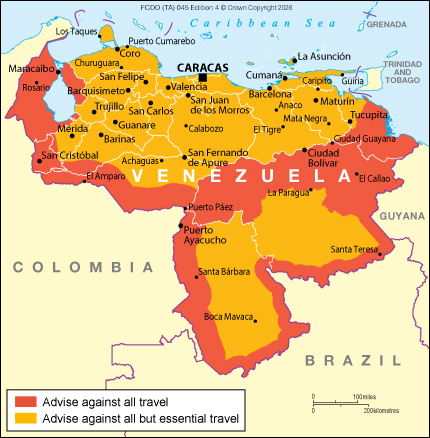
See which areas are affected

FCDO's detailed advisory map (PDF) FCDO (TA) 045 Edition 4 © Crown Copyright

Source: UK Foreign, Commonwealth & Development Office — the definitive source. Check it close to your travel dates.

Why visit

Why Venezuela

Nature at its most epic: Angel Falls, the ancient tepuis of Canaima and Caribbean beaches. A raw frontier for the intrepid explorer.

  • Angel Falls, the world's highest waterfall
  • Los Roques archipelago
  • Mérida and the Andean cable car
  • the Orinoco Delta
Read more

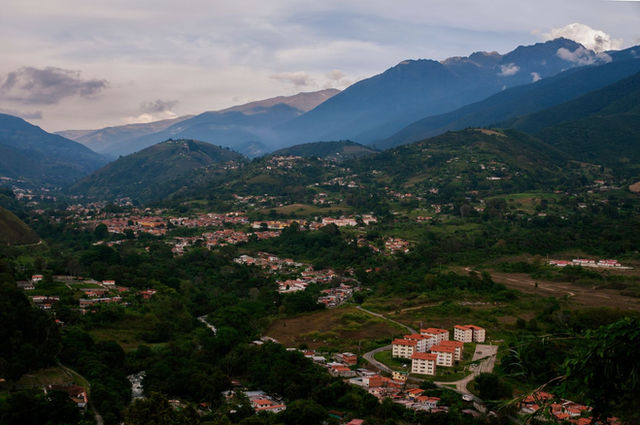
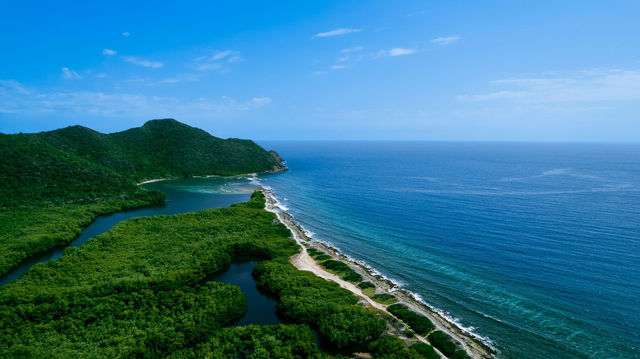
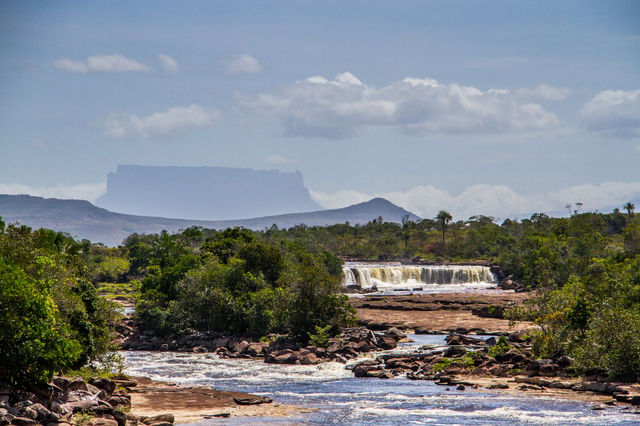
Venezuela is a land of superlatives: home to Angel Falls, the world's highest waterfall, the otherworldly flat-topped tepuis of the Gran Sabana, and a long Caribbean coastline of powder-white sand.

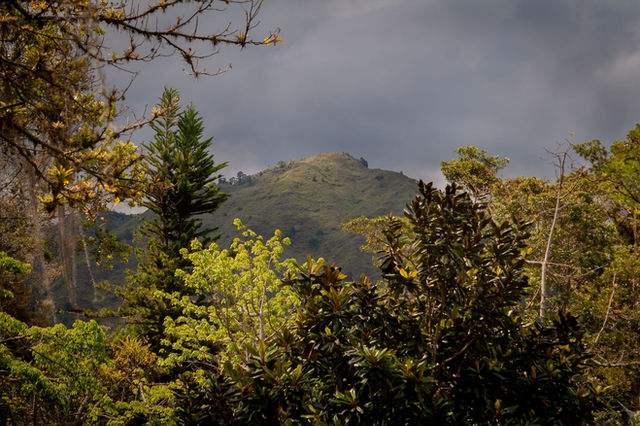
Few countries pack in such staggering natural diversity, from Andean peaks and vast Orinoco wetlands to coral archipelagos. For the intrepid, it remains one of South America's last great frontiers.

This is expedition-style, respectful travel, best undertaken with experienced local guides and communities. Conditions can be challenging, so plan carefully and check current advice, but the rewards are landscapes almost no one else will see.

A pillar, not a footnote

Eat your way through Venezuela

The single reason many travellers come back — the food culture worth reshaping a trip around, and the dishes to seek out region by region.

Venezuela

Maize, plantain and the arepa - a bread eaten three times a day and endlessly argued over.

The arepa is the centre of Venezuelan eating: a disc of ground maize, griddled until the outside crisps, split and filled with anything from shredded beef to black beans, avocado and salty white cheese. Combinations have names - reina pepiada, chicken and avocado, was supposedly created for a beauty queen - and Venezuelans and Colombians will debate ownership of the whole genre for as long as you let them.

Pabellón criollo is the plate that reads as a country on a dish: shredded beef, black beans, white rice and fried sweet plantain, the last of which turns the whole thing from savoury to something more complicated. At Christmas the hallaca appears - a maize dough parcel of beef, pork, olives, capers and raisins wrapped in plantain leaf and steamed, made in large family batches over several days.

The coast brings fish and coconut; the Andean states bring trout and warm corn bread. Venezuelan cacao is among the most sought-after in the world, particularly the rare Chuao and Porcelana beans, and the country's rum has a serious international reputation.

Dishes to seek out
  • arepa
  • pabellón criollo
  • hallaca
  • cachapa
  • tequeños
  • quesillo
Things to do

Nature, culture & hidden gems

Editorial content coming soon

We're hand-picking the standout places, hidden gems and can't-miss activities in Venezuela. Meanwhile, the cities above are a great starting point.

Plan your trip

Curated Venezuela itineraries

Browse all Venezuela trips →
When to go

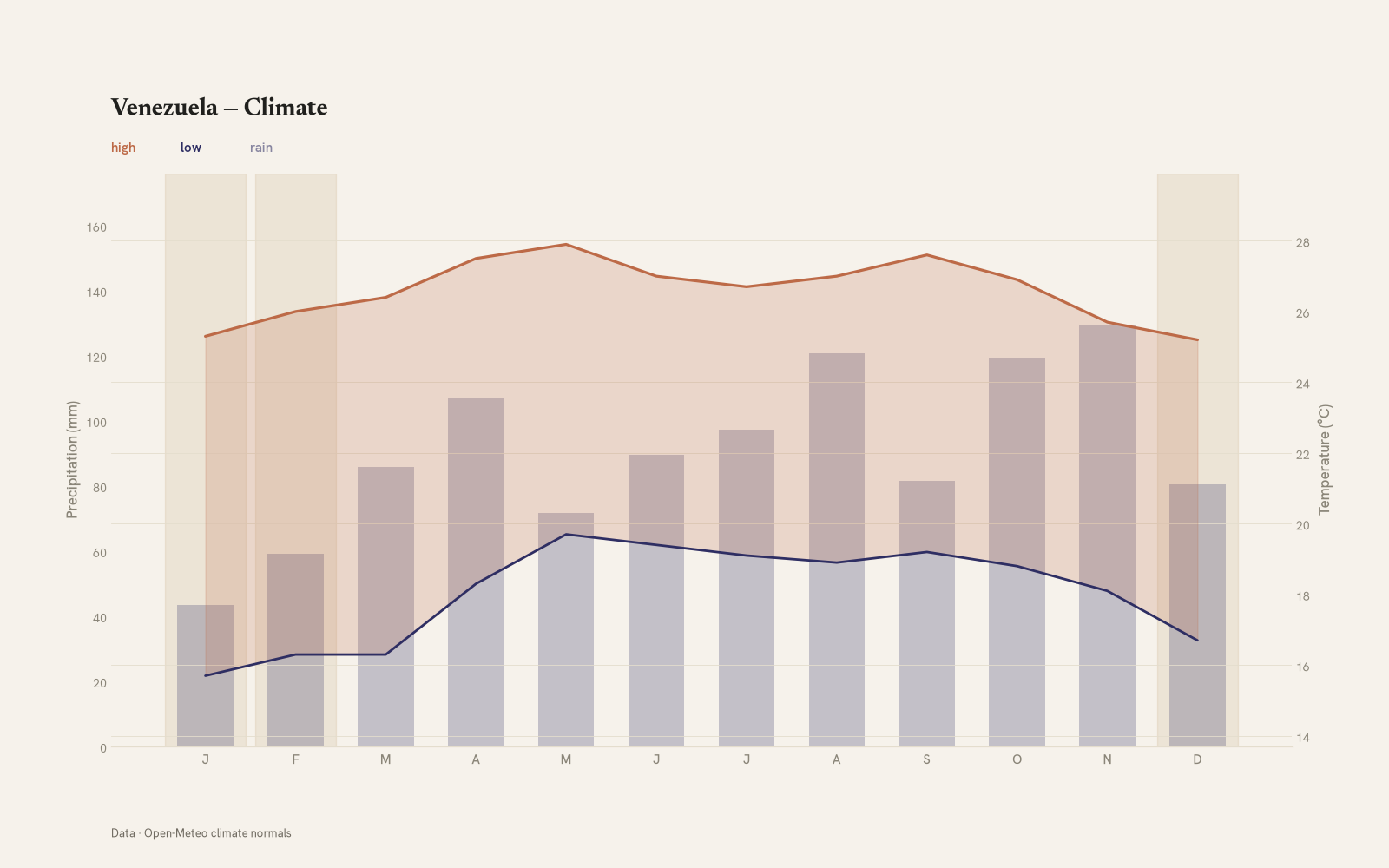
Weather & timing in Venezuela RIGHT NOW 24° drizzle

Best Dec–Feb · Shoulder Mar, May, Sep

  1. Jan / -4°
  2. Feb / -2°
  3. Mar 12° /
  4. Apr 18° /
  5. May 24° / 14°
  6. Jun 28° / 18°
  7. Jul 30° / 20°
  8. Aug 28° / 18°
  9. Sep 24° / 14°
  10. Oct 18° /
  11. Nov 12° /
  12. Dec / -2°

Best time to visit

December – March

Best for
  • Angel Falls
  • Beaches
  • Andes
  • Islands
At a glance
Sunshine 7 hr/day (est.)
Rain days 8 days/mo (est.)
Wettest December · 60mm
Driest June · 10mm
Part of Andean →
By season
Spring (Mar–May)

What to expect — Daytime highs average about 18°C with overnight lows near 8°C, and it stays largely dry.

What's best — Mar and May are comfortable, with thinner crowds.

Summer (Jun–Aug)

What to expect — Daytime highs average about 29°C with overnight lows near 19°C, and it stays largely dry.

What's best — Peak heat and the biggest crowds — many travellers prefer spring or autumn.

Autumn (Sep–Nov)

What to expect — Daytime highs average about 18°C with overnight lows near 8°C.

What's best — Sep is comfortable, with thinner crowds.

Winter (Dec–Feb)

What to expect — Daytime highs average about 7°C with overnight lows near -3°C.

What's best — Dec, Jan and Feb are among the best time to visit — good weather with manageable crowds.

A little context

A little history

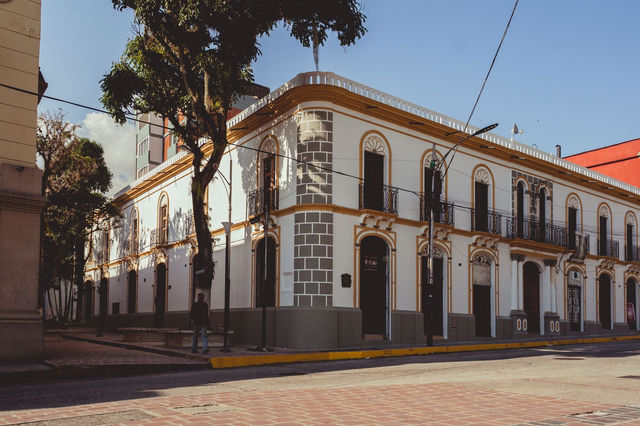
To read what you're looking at — the empires and eras that shaped Venezuela's food, art and streets.

Columbus reached the coast in 1498 and the region became a Spanish colonial backwater of cacao plantations
Simón Bolívar, born in Caracas in 1783, led the independence campaigns that freed six countries and gave the continent its liberator
Venezuela broke from Gran Colombia in 1830
a century of caudillo rule followed
the 1922 oil strike at Maracaibo transformed the economy and by the 1950s Venezuela was among the richest countries in Latin America
democracy was restored in 1958 and held for four decades
Hugo Chávez was elected in 1998, beginning the Bolivarian period
Before you book

Know before you go

The practical back-matter — safety, drones and the essentials, in one place.

Safety

2 FCDO advisories in force — see above FCDO advice →

Official UK Foreign, Commonwealth & Development Office guidance is the definitive source — check it close to your travel dates.

The essentials

Plug & voltage Type A/B · 120V
Daily budget Budget-friendly
Region South America