← Yemen
YEMEN · CITY

Sana'a

One of the oldest continuously inhabited cities on Earth — a fairy-tale skyline of gingerbread tower-houses.

  • City
  • October to April for mild highland weather
  • ~approx 2 days
  • Rammed-Earth Towers
  • Gingerbread Facades
  • The Great Gate
  • Coffee's Homeland

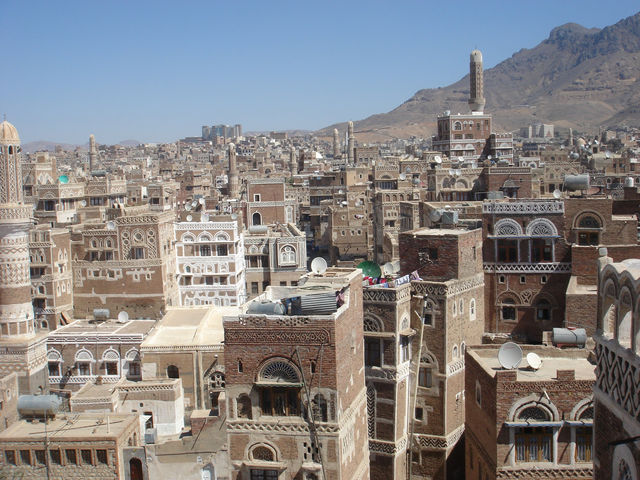
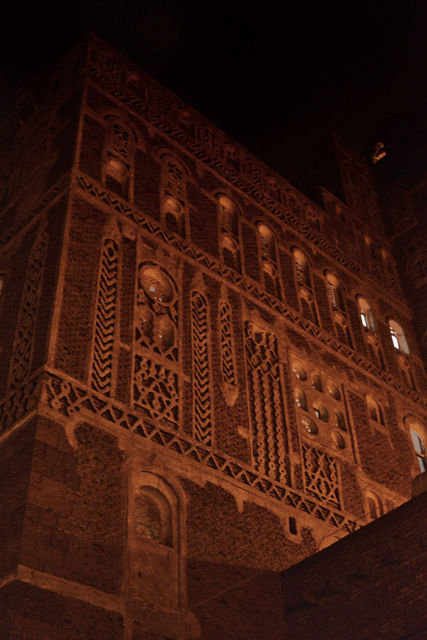
A skyline of mud-brown towers picked out with white geometric bands, glowing at dusk, and the coloured light of a qamariya window falling across a carpeted upper room high above the lanes.

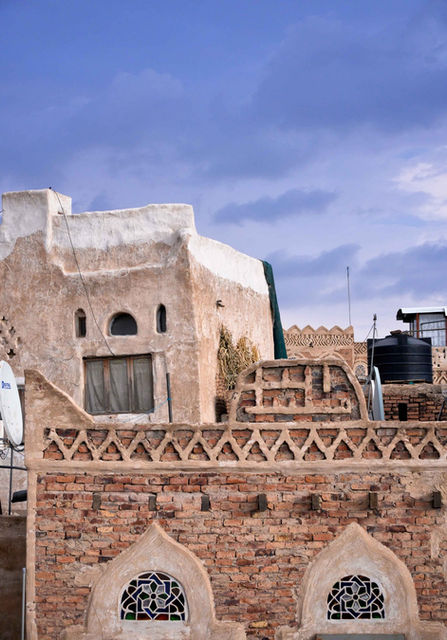
One of the oldest inhabited cities on earth, and one of the most extraordinary to look at: a walled old town of brown tower-houses stacked like ancient skyscrapers, their upper floors laced with white gypsum patterns and stained-glass fanlights.

Type
city
Ideal length
~approx 2 days
Getting around
a walkable walled old town; taxis for the wider city
Neighbourhoods
3 areas
Best season / months
October to April for mild highland weather
Language
Arabic
Currency
Yemeni rial (﷼)
Budget level
low — but access and everyday practicalities are the real question, not price
Good for
  • History
  • Earthen architecture
  • Markets
  • Coffee heritage
▸ Discover

About Sana'a

Sana'a sits high on a mountain plateau in the western Yemeni highlands, over 2,000 metres up, and has been settled for more than two and a half millennia. Its walled Old City, a UNESCO World Heritage site, is a dense grid of multi-storey tower houses built of rammed earth and fired brick, their fronts decorated with white gypsum tracery and topped by fanlight windows of coloured glass — a domestic architecture found in this concentration nowhere else. Within the walls stand more than a hundred mosques, old bathhouses and covered markets, and small walled garden plots (bustan) worked between the houses. The great southern gate, Bab al-Yemen, opens onto the markets and the Great Mosque at the city's core. The account here centres on the city's enduring heritage; present-day conditions and access change and must be checked against current official advice.

Why go

Sana'a's old town is one of the world's most complete and striking pre-modern cities — thousands of decorated tower houses, still lived in, in a walled quarter that has kept its shape for centuries. The Great Mosque is among the oldest in Islam, founded in the earliest years of the faith. The city stands at the heart of a region that gave the world coffee, traded through the port of Mokha, and its markets, gardens and craft traditions make it a heritage site of the first rank. Its cultural and architectural significance is internationally recognised.

Don't miss

  • Bab al-Yemen — the great surviving city gate
  • The tower houses of the Old City — decorated rammed-earth "skyscrapers"
  • The Great Mosque of Sana'a — one of the oldest in Islam
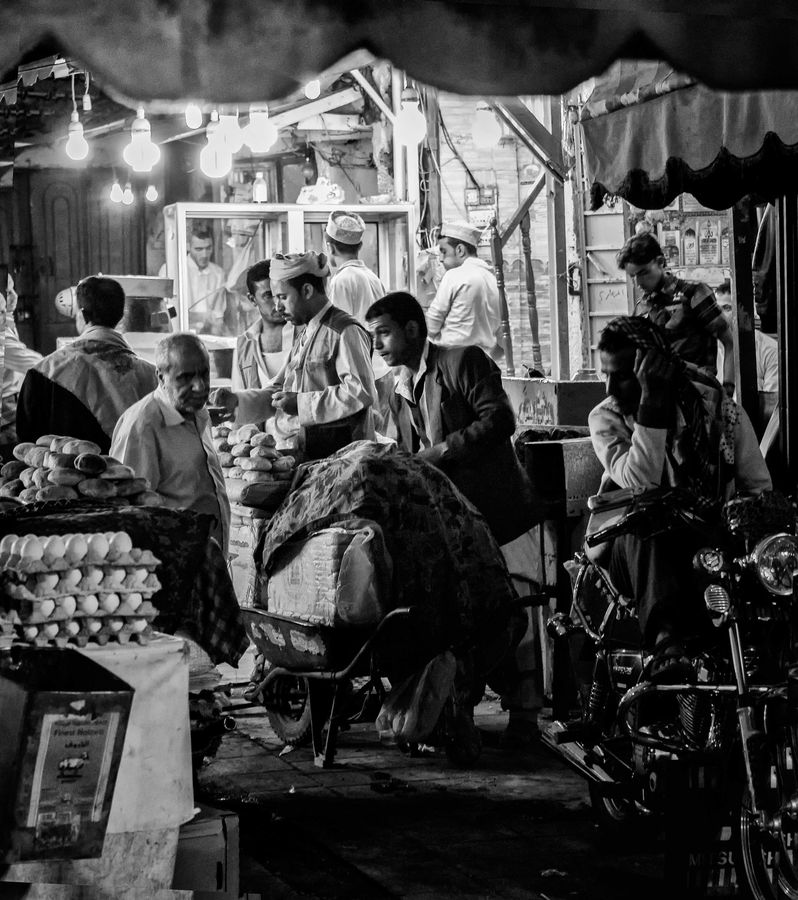
  • Souq al-Milh — the old salt-and-spice market
  • The qamariya windows and rooftop views — coloured fanlights at dusk

Signature experiences

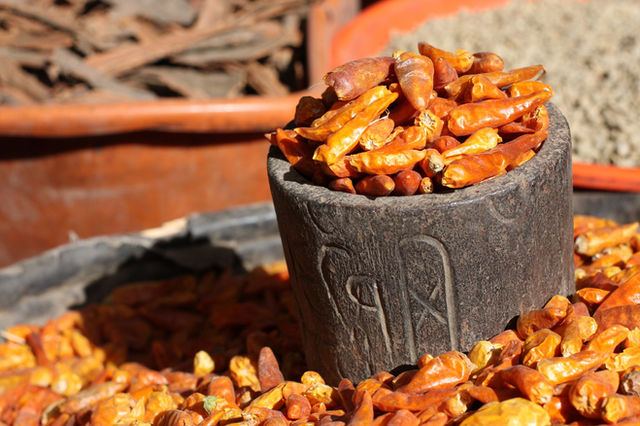
The tower houses at dusk — Sana'a is best understood at the end of the day, when the low sun turns the brown towers gold and picks out every white gypsum band. Climb to a rooftop or an upper mafraj room — the top-floor sitting room lit by coloured qamariya glass — and look out over a skyline of decorated towers unlike any other city on earth. **The markets and the crafts** — The covered souks running in from Bab al-Yemen are the working heart of the old town: Souq al-Milh's warren of lanes selling salt, spice, silver jewellery, the curved jambiya daggers, raisins and coffee. Each trade historically had its own lane and its own caravanserai, and much of that structure survives. **Coffee's homeland** — The highlands around Sana'a are where coffee was first cultivated for drinking, exported to the world through the Red Sea port of Mokha — the origin of the word "mocha". The local drink is often qishr, brewed from the coffee husk with ginger, as much as the bean itself; it is a heritage the whole region carries.

Neighbourhoods

Sana'a neighbourhood by neighbourhood — the character of each and who it suits.

  • Bab al-Yemen

    The monumental southern gate and the market district behind it — the main entrance to the walled city and its busiest commercial ground for centuries.

    Why go
    The iconic gate and the covered markets that run in from it.
    Best for
    The signature landmarkmarketsfirst orientation
    Known for
    The Bab al-Yemen gate, the only one of the old wall's gates left standing, the covered Souq al-Milh with its lanes of salt, spice, silver and craft, and the caravanserais (samsarah) of the old traders.
  • The Great Mosque

    The religious core near the centre of the old city — the ancient Friday mosque and the oldest fabric of Sana'a around it.

    Why go
    The Great Mosque, founded in the first century of Islam.
    Best for
    Religious heritagethe oldest quarter
    Known for
    The Great Mosque of Sana'a and its historic library, the surrounding madrasas and small mosques, and the dense oldest lanes of the walled town.
  • Qa' al-Yahud

    The western quarter of the old city, historically the Jewish quarter, and the residential heart of tall decorated tower houses interwoven with walled garden plots.

    Why go
    The finest tower-house facades and the green garden plots between them.
    Best for
    The domestic architecturegardensrooftop views
    Known for
    The rammed-earth tower houses with their white gypsum friezes and qamariya fanlights, the walled bustan garden orchards worked between the buildings, and the heritage of the old Jewish quarter and its craftsmen.

Views & hidden gems

Best views

  • A rooftop over the Old City at sunset, across the towers
  • The Bab al-Yemen gate, floodlit after dark
  • A mafraj room lit through its coloured qamariya fanlight

Hidden gems

  • The walled bustan garden plots hidden between the tower houses, worked for centuries
  • The old samsarah (caravanserais) off the Suq al-Milh salt market, historic trading lodges of the walled Old City.
  • The historic hammams within the walls
  • The qishr coffee-husk brew, the everyday local cup rather than the exported bean

Food & drink

Yemeni cooking is hearty highland fare built for altitude and cold nights. The national dish is saltah — a bubbling meat-and-vegetable stew finished with a green froth of whipped fenugreek (hulba) and a fiery relish, eaten with flatbread straight from the pot. Around it come fahsa (a shredded-meat stew), roasted meats with rice, and the sweet honey-drenched bint al-sahn. The drink is coffee in its home region — often qishr, the spiced husk brew — and sweet black tea. Meals are social and unhurried.

  • Saltah — bubbling stew topped with whipped fenugreek, the national dish
  • Fahsa — a rich shredded-meat and fenugreek stew
  • Bint al-sahn — flaky honey bread, a celebratory sweet
  • Mandi / haneeth — slow-roasted meat over spiced rice
  • Qishr — a spiced drink brewed from coffee husks
  • Yemeni coffee — from the highlands that first cultivated it
Dietary notes

Vegetarians can manage on bean dishes (ful), bread, fenugreek froth and vegetable stews, though the signature dishes are meat-based; ask about stock. All food is halal by default. Kosher and certified gluten-free are not catered to and should not be assumed. If you have essential dietary requirements, confirm them in advance.

Sana'a in photos

▸ Where you'll stay

Where you'll stay in Sana'a

The old-town experience is to sleep in a tower house — historically several within the walls served as traditional guesthouses, with carpeted upper rooms and rooftop views over the city. Given the wider situation, current lodging and its status change and must be checked against present official advice; the pointers below describe the city's traditional geography rather than a recommendation to travel now.

  • Budget
    Simple rooms within or near the walled city.
  • Mid-range
    A traditional tower-house guesthouse inside the Old City, with a rooftop and mafraj.
  • Luxury
    A grand restored tower house near the markets.
Stay

Hotels & rentals around Sana'a

Pan, zoom and compare live prices — every stay in one map.

▸ Getting around

Getting around Sana'a

The walled Old City is compact and best explored on foot; taxis cover the wider city. Movement depends on current conditions; check your government's current travel advisory before making any plans.

Bab al-Yemen, the Great Mosque and the tower-house quarters are all within walking distance inside the walls (~approx).

▸ Plan your days

Suggested itineraries

Ready-made day plans for Sana'a — from a single day to a long weekend.

One day

Enter through Bab al-Yemen and lose an hour in the Souq al-Milh markets, then walk to the Great Mosque at the old town's core. Spend the afternoon among the tower houses of the western quarter and its garden plots, and climb to a rooftop for sunset over the decorated skyline. (Access to individual sites must be checked against current advice.)

Two days

A second day goes slower: more of the covered markets and the craftsmen's lanes, the old caravanserais and a hammam, and time in a mafraj room over qishr and saltah, watching the light move across the towers. (Subject to current access.)

▸ What you'll do

Insider tips

  • The state of individual sites and the walled city changes; verify what is open and accessible against current official advice before relying on it.
  • The best views are from the rooftops and upper mafraj rooms of the tall tower houses.
  • Qishr, the coffee-husk drink, is the everyday local cup — try it alongside the bean the region is famous for.
Explore

Explore the area

© OpenFreeMap · OSM · terrain Mapterhorn
Do

Local attractions & tours

Skip-the-line tickets and small-group tours in Sana'a — compare across our partners.

We're still curating hand-picked tickets and tours for Sana'a. In the meantime, the map above and the nearby cities are a great place to start.

▸ Budget

What it costs in Sana'a

Backpacker
Reliable current costs cannot be given, and money and access change frequently; check your government's current travel advisory before making any plans.
Mid-range
Current costs cannot be stated reliably; check your government's current travel advisory before making any plans.
Luxury
Current costs cannot be stated reliably; check your government's current travel advisory before making any plans.
Cash vs card
Money and payment practicalities in Yemen change frequently; research current conditions and check your government's current travel advisory before making any plans.
Tipping
▸ When you'll go

When to visit Sana'a

October to April for mild highland weather

Spring

What to expect — Mild and pleasant at altitude, with the highland gardens green; comfortable days and cool nights.

What's best — Gentle weather for walking the old town and the best light on the tower houses.

Summer

What to expect — Warm days but tempered by the high elevation, with a chance of highland rains in the wetter months; never as fierce as the coast.

What's best — Green highlands and cooler evenings than the lowland cities. The winter half-year is generally the easier visit.

Autumn

What to expect — Clearing into mild, dry highland weather — warm days, cool nights, good light.

What's best — Comfortable temperatures and clear skies over the towers.

Winter

What to expect — Cold nights at this altitude — genuinely chilly after dark — with bright, mild days. Pack layers.

What's best — Crisp, clear highland days, sharp light on the facades, and cosy carpeted mafraj rooms in the evening.

▸ Know before you go

Know before you go

Before you go — official advisories

Most governments currently advise against all travel to Yemen; check your own government's current advice first — this guide describes the city's heritage and does not assess present-day safety or access.

Entry, permits, movement and the situation on the ground change constantly and must be verified against current official guidance before any travel.

Which sites are open or accessible changes over time and must be verified against current official advice.

Honest swaps

Skip judging Sana'a from the modern city around it — the walled Old City and its rooftops are the whole point.

Local rules & etiquette

Dress conservatively; women are generally expected to cover, and mosques may be closed to non-Muslims — check current customs.

Afternoon qat-chewing is a widespread social custom; be aware of it and ask before photographing people.

Money

Money and payment practicalities in Yemen change frequently; research current conditions and check your government's current travel advisory before making any plans.

▸ Ready to book your trip?

Getting there

Sana'a has an international airport (SAH) north of the city; all routes and their availability change with the current situation and must be verified.

Book

Ready to book your trip?

Flights, airport transfers and car hire — search and compare without leaving the page.

▸ Trip extras
Book

More trip extras

Parking, holiday extras, and more — coming soon.

Coming soon

We're lining up parking, holiday extras and activities you'll be able to add to any trip from here.