← Yemen
YEMEN · CITY

Zabid

A whitewashed Yemeni town that was once a great seat of Islamic learning, its old university among the oldest in the world.

  • City
  • November to February for the least oppressive coastal heat
  • ~approx 1 day
  • Medieval University Town
  • Carved-Brick Houses
  • City of Mosques
  • The Tihama

A low skyline of white minarets over flat brick roofs, a lane of houses whose facades are cut with intricate patterns, and the call to prayer rising from one of scores of mosques crowded into a small walled town.

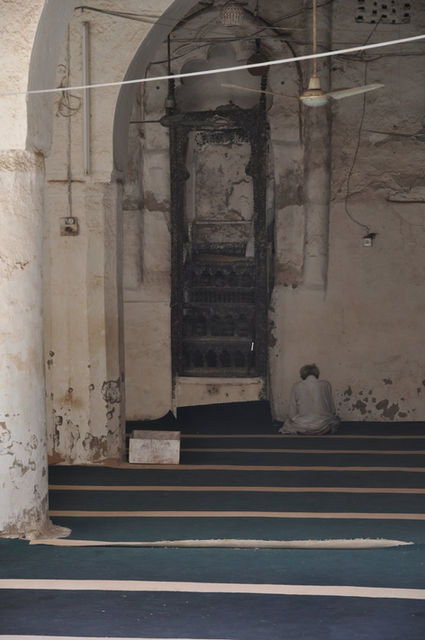
Once one of the great centres of learning in the Islamic world, and long the capital of Yemen: a circular walled town on the coastal plain, packed with mosques and madrasas and lined with whitewashed brick houses carved in fine geometric relief.

Type
town
Ideal length
~approx 1 day
Getting around
entirely on foot within the walls
Neighbourhoods
2 areas
Best season / months
November to February for the least oppressive coastal heat
Language
Arabic
Currency
Yemeni rial (﷼)
Budget level
low — but access and everyday practicalities are the real question, not price
Good for
  • Islamic heritage
  • Architecture
  • History
  • Slow travel
▸ Discover

About Zabid

Zabid lies on the hot Tihama plain between the western highlands and the Red Sea in Yemen. Founded in the 9th century, it became the capital of successive medieval dynasties and, above all, a renowned seat of Islamic scholarship — its madrasas drew students from across the Muslim world, and it is traditionally linked to advances in mathematics. The town keeps its early circular plan: a ring of walls with four gates, a dense weave of narrow lanes, a market to the east of the Great Mosque, and an extraordinary concentration of mosques — some eighty-six in all, the highest density in Yemen. Its houses are built of fired brick, the larger ones carved and moulded with fine ornament. Zabid is a UNESCO World Heritage site, and one listed as in danger because so much of its historic fabric is fragile; present-day conditions and access change and must be checked against current advice.

Why go

Zabid preserves the plan and the buildings of a medieval Islamic university town — an urban form organised around learning and worship — better than almost anywhere. The al-Asha'ir Mosque is among the oldest in Yemen, the Rasulid-era madrasas are the largest such group in the country, and the carved-brick domestic architecture is a craft tradition of real distinction. Its role in the intellectual history of the Islamic world, and its survival as a coherent early town plan, make its heritage significance considerable.

Don't miss

  • The al-Asha'ir Mosque — one of the oldest mosques in Yemen
  • The Great Mosque of Zabid — the town's main Friday mosque
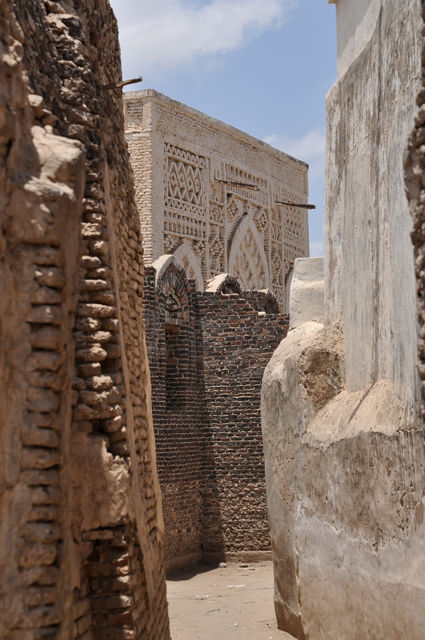
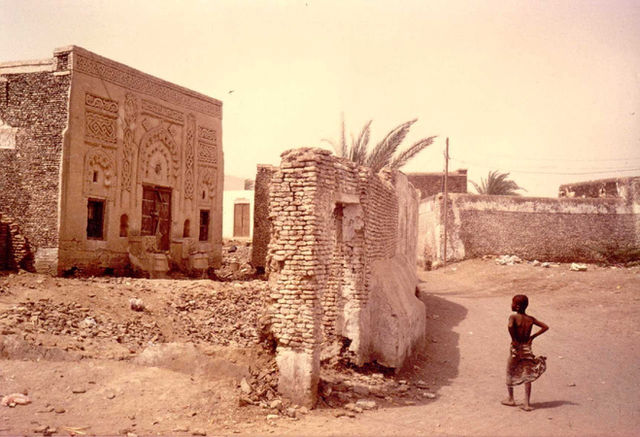
  • The carved-brick houses — whitewashed geometric facades
  • The Rasulid madrasas — relics of Zabid's medieval university
  • The circular walls and four gates — the fortified town plan

Signature experiences

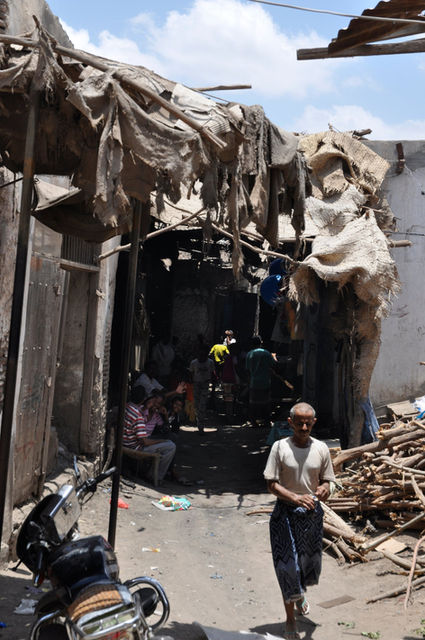
The town of mosques and madrasas — Zabid is best walked slowly, mosque to mosque. Start at the al-Asha'ir and the Great Mosque, then thread the lanes past the Rasulid-era madrasas that made this a place of study for centuries — a townscape shaped by learning, with more places of worship packed into its walls than anywhere else in Yemen. **The carved-brick houses** — The domestic architecture is Zabid's other treasure. Behind plain lanes, the better houses open into courtyards, their brick fronts cut and moulded into fine geometric ornament and whitewashed bright — a craft particular to the Tihama that repays looking closely at doorways and upper walls. **A market town of the Tihama** — Zabid sits in a distinct coastal-plain culture, hotter and lower than the highland cities, with its own dress, music and food. The old souq east of the Great Mosque is the place to feel it, trading much as it has for centuries between the Red Sea coast and the mountains inland.

Neighbourhoods

Zabid neighbourhood by neighbourhood — the character of each and who it suits.

  • The Great Mosque

    The religious and scholarly heart of the walled town — the main Friday mosque, the ancient al-Asha'ir Mosque nearby, and the souq that spread east from them.

    Why go
    The oldest mosques and the market at the town's core.
    Best for
    Mosque architecturethe souqthe scholarly heritage
    Known for
    The Great Mosque of Zabid and the early al-Asha'ir Mosque, the surrounding madrasas that made the town a university, and the covered market lanes running out to the east.
  • The Old Town

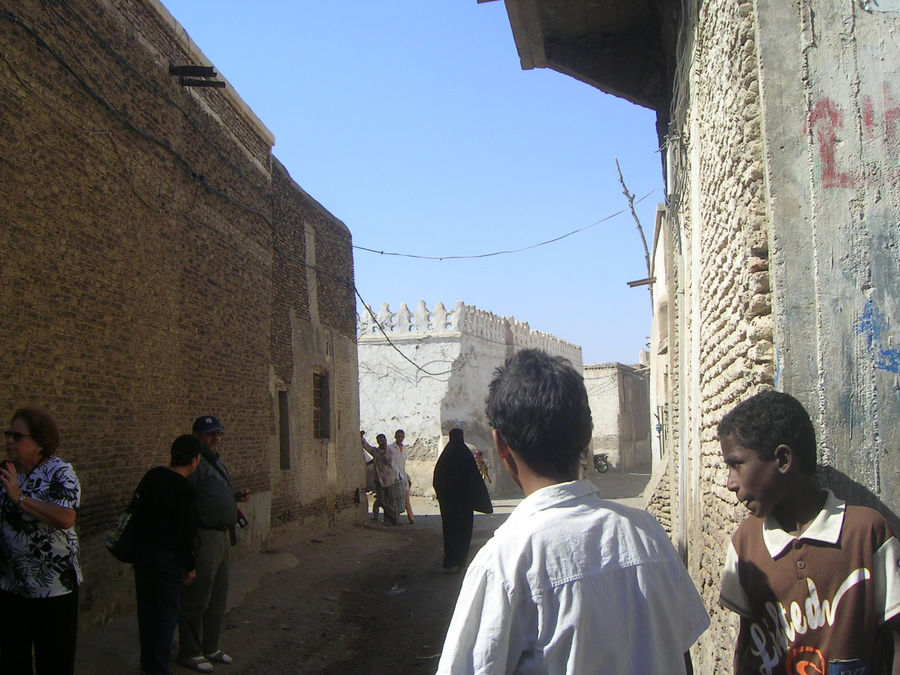
    The residential ring of narrow lanes inside the walls — brick courtyard houses, the finest carved and moulded in geometric relief, and the four old gates in the circular wall.

    Why go
    The carved-brick domestic architecture and the intimate lanes.
    Best for
    House facadesthe walls and gateswandering
    Known for
    The whitewashed carved-brick houses with their patterned facades and inner courtyards, the network of alleys and the four town gates, and the small neighbourhood mosques dotted through the quarter.

Views & hidden gems

Best views

  • The low skyline of white minarets over the flat roofs
  • A carved-brick doorway or facade in the residential lanes
  • One of the four old town gates in the circular wall

Hidden gems

  • The Rasulid madrasas, the largest medieval group of their kind in Yemen
  • The carved plaster and brick interiors of the older courtyard houses
  • The Nasiri fort and later citadel at the town's edge
  • The town's long association with the study of mathematics and the sciences

Food & drink

Zabid eats the food of the Tihama coastal plain — a hotter, lower cousin of the highland kitchen, with more fish from the nearby Red Sea alongside the Yemeni staples. Expect saltah and fahsa, mandi and roasted meats, flatbreads baked in clay ovens, and the sweet honey the region prizes. Coffee and qishr, the husk brew, accompany the day. Meals are communal and eaten from shared platters.

  • Saltah — bubbling stew topped with whipped fenugreek
  • Mandi — pit-roasted meat over spiced rice
  • Red Sea fish — grilled or spiced, from the nearby coast
  • Bint al-sahn — flaky honey bread
  • Qishr — a spiced drink brewed from coffee husks
  • Yemeni honey — prized across the region
Dietary notes

Vegetarian options are limited in a meat-and-fish food culture, though beans, bread and dates are staples; ask about stock. All food is halal by default. Kosher and certified gluten-free are not catered to and should not be assumed. Confirm anything essential in advance.

Zabid in photos

▸ Where you'll stay

Where you'll stay in Zabid

Zabid is a small town usually seen on the way through the Tihama, with only simple local lodging; travellers have historically based in the larger coastal towns nearby. Given the wider situation, current options and their status change and must be checked against present advice; the pointers below describe the area's traditional geography rather than a recommendation to travel now.

  • Budget
    Simple rooms in or near Zabid.
  • Mid-range
    A guesthouse in a larger Tihama town nearby, as a base.
  • Luxury
    Limited; a restored house where available.
Stay

Hotels & rentals around Zabid

Pan, zoom and compare live prices — every stay in one map.

▸ Getting around

Getting around Zabid

The walled town is small and entirely walkable — you see it all on foot. Reaching it needs road transport across the plain. Movement depends on current conditions.

The mosques, souq and residential lanes are all within a short walk inside the walls (~approx).

▸ Plan your days

Suggested itineraries

Ready-made day plans for Zabid — from a single day to a long weekend.

One day

Start at the al-Asha'ir Mosque and the Great Mosque at the town's core, then walk the souq and the madrasa lanes that made Zabid a university. Spend the rest of the day among the carved-brick houses and the four old gates in the circular wall, looking closely at the facades. (Access must be checked against current advice.)

Two days

With a second day, go slower through the residential quarters and any madrasas or houses that can be entered, and take in the Tihama setting — the market, the coastal-plain culture, and the road between the Red Sea and the mountains. (Subject to current access.)

▸ What you'll do

Insider tips

  • The carved-brick facades are easy to walk past — the ornament is in the doorways and upper walls, so look up.
  • Zabid sits on the Tihama plain between the coast and the highlands and is usually seen as part of a wider regional route, where travel is possible.
  • The town's fabric is delicate and much reduced from its medieval peak — treat what survives gently.
Explore

Explore the area

© OpenFreeMap · OSM · terrain Mapterhorn
Do

Local attractions & tours

Skip-the-line tickets and small-group tours in Zabid — compare across our partners.

We're still curating hand-picked tickets and tours for Zabid. In the meantime, the map above and the nearby cities are a great place to start.

▸ Budget

What it costs in Zabid

Backpacker
a low daily figure, but currency and access are the real variables.
Mid-range
a modest daily figure by international standards.
Luxury
still low by western standards.
Cash vs card
Yemen runs almost entirely on cash and the currency situation is difficult; foreign cards do not work — research this thoroughly in advance.
Tipping
Small tips and rounding up are customary.
▸ When you'll go

When to visit Zabid

November to February for the least oppressive coastal heat

Spring

What to expect — Warming quickly toward the coastal-plain heat; already hot and humid by late spring.

What's best — Clear light on the white minarets before the fiercest summer humidity.

Summer

What to expect — Hot and very humid on the Tihama — genuinely oppressive at midday. The town moves early and late and rests through the heat.

What's best — Long evenings in the cooler air. The winter months are the far more comfortable visit.

Autumn

What to expect — The worst heat easing slowly, still warm and humid into the autumn.

What's best — More bearable days and the harvest season on the plain.

Winter

What to expect — The best season — warm, drier days and mild nights, the coastal humidity at its lowest.

What's best — Comfortable walking weather for the mosques and lanes, and the clearest light of the year.

▸ Know before you go

Know before you go

Before you go — official advisories

Most governments currently advise against all travel to Yemen; check your own government's current advice first — this guide describes the town's heritage and does not assess present-day safety or access.

Entry, permits, movement and the situation on the ground change constantly and must be verified against current official guidance before any travel.

Much of Zabid's historic fabric is fragile and some has been lost; which houses and mosques are intact or accessible changes.

Honest swaps

Skip a quick drive-through → Zabid rewards a slow walk of its mosques, madrasas and carved doorways, where it can be visited.

Local rules & etiquette

Dress conservatively; mosques may be closed to non-Muslims, and Tihama customs are traditional — ask before photographing people.

Money

Yemen is a cash economy with a difficult currency situation and foreign cards do not work; money is one of the most important things to research in advance.

▸ Ready to book your trip?

Getting there

Zabid lies on the Tihama coastal plain and is reached by road between the Red Sea coast and the highlands; the nearest airports and all routes change with the current situation and must be verified.

Book

Ready to book your trip?

Flights, airport transfers and car hire — search and compare without leaving the page.

▸ Trip extras
Book

More trip extras

Parking, holiday extras, and more — coming soon.

Coming soon

We're lining up parking, holiday extras and activities you'll be able to add to any trip from here.