Zambia — hero
← All destinations Country

Zambia

The home of the walking safari and the thundering Victoria Falls. Wild, authentic Africa where conservation and community lead the way.

  • Currency ZK Zambian Kwacha (ZK)
  • Language English
  • Best time April – September
  • Visa Visa required — e-visa or on arrival (~US$50); KAZA UniVisa option
Why visit

Why Zambia

The home of the walking safari and the thundering Victoria Falls. Wild, authentic Africa where conservation and community lead the way.

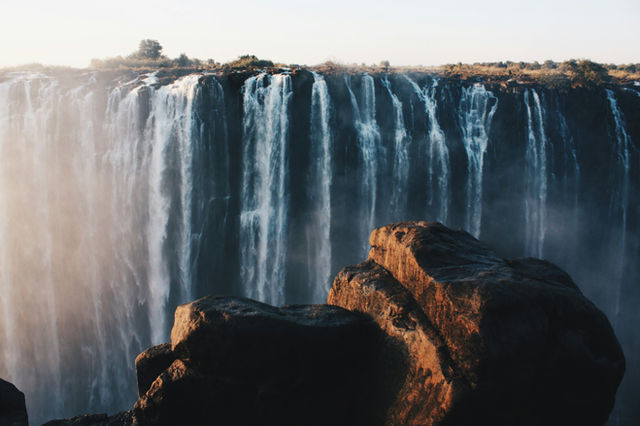
  • Victoria Falls (Mosi-oa-Tunya)
  • South Luangwa walking safaris
  • Lower Zambezi canoeing
  • Lake Kariba
Read more

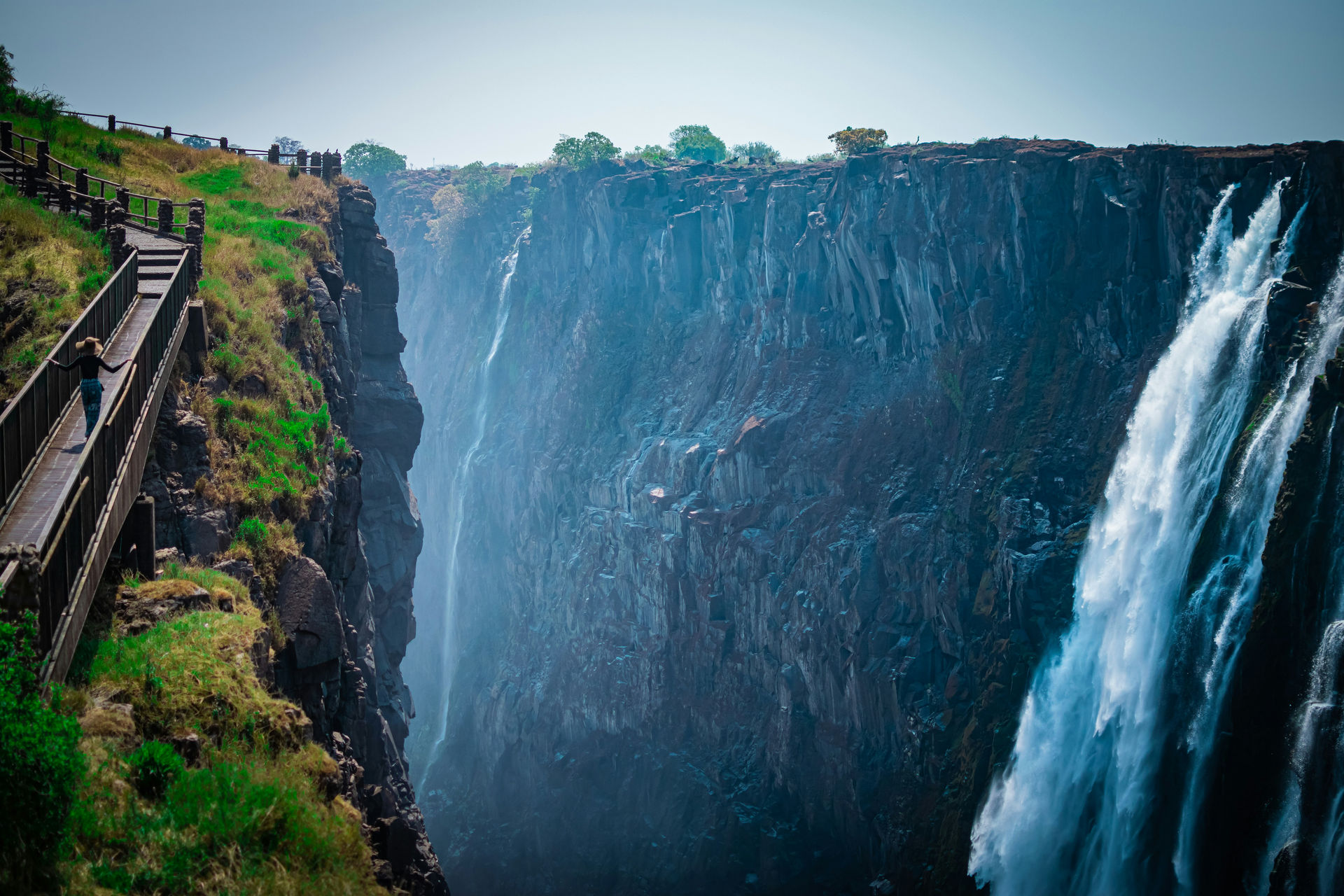
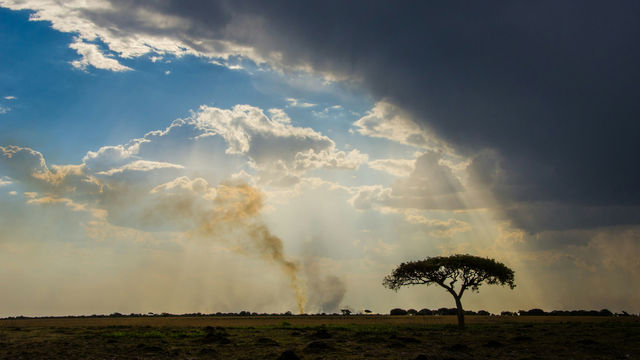
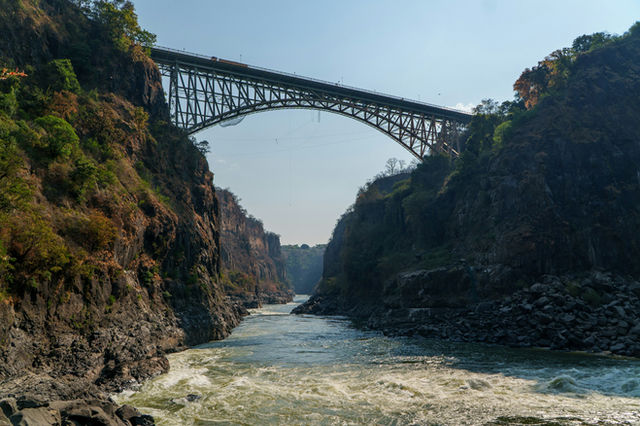
Zambia is Africa at its wildest and most authentic: the birthplace of the walking safari and home to the thundering majesty of Victoria Falls, one of the seven natural wonders of the world.

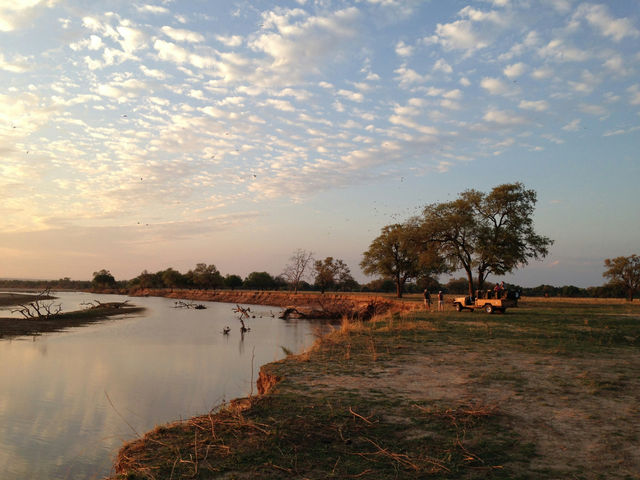
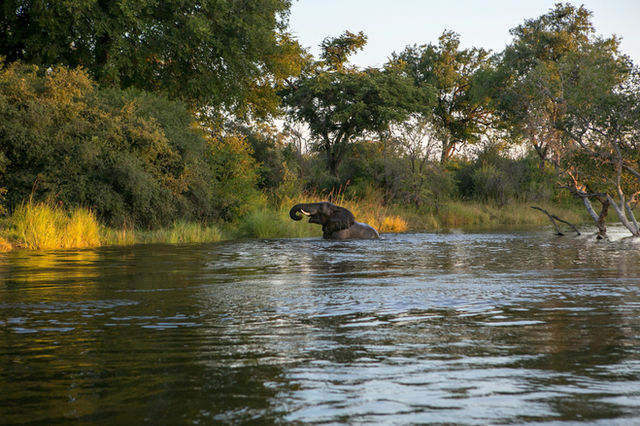
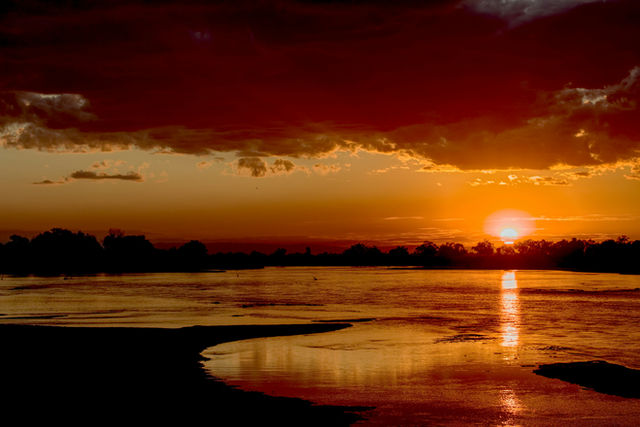
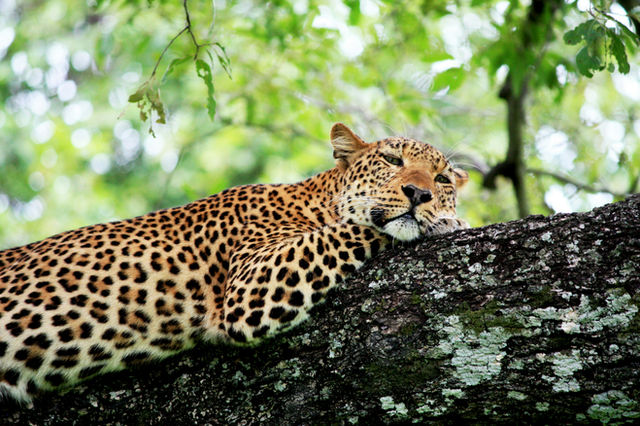
Its vast national parks, South Luangwa, Lower Zambezi, Kafue, brim with elephant, leopard and lion, yet remain blissfully uncrowded. This is safari the old way, on foot, by canoe and under enormous skies.

A leader in community-led conservation and regenerative tourism, Zambia channels visitor revenue into protecting wildlife and empowering local people, making every journey here a force for good.

A pillar, not a footnote

Eat your way through Zambia

The single reason many travellers come back — the food culture worth reshaping a trip around, and the dishes to seek out region by region.

Zambia

Nshima rolled by hand, greens in peanut sauce and lake fish, at the edge of the smoke that thunders.

Sit at any Zambian table and the centre of it is nshima — a firm maize porridge you tear off and roll into a ball in your right hand, then dip into a relish. Watching a Zambian pinch and scoop with easy precision is half the lesson; the food is designed to be eaten this way, and the relish is where the country's flavour lives.

That relish shifts with what's around: ifisashi, greens simmered soft in groundnut (peanut) sauce; pumpkin-leaf chibwabwa; a free-range village chicken stewed down slow. From the great lakes and rivers come tiny sun-dried kapenta, fried crisp and salty, and slabs of grilled bream. The curiosities are worth chasing — chikanda, a dense 'African polony' bound from wild orchid tubers and groundnuts, and dried finkubala caterpillars. Wash it down with a cold Mosi lager or sweet, fermented munkoyo. Simple, generous food beside the Zambezi's roar.

Dishes to seek out
  • Nshima (thick maize porridge)
  • Ifisashi (greens in peanut sauce)
  • Kapenta (tiny dried lake fish)
  • Chibwabwa (pumpkin-leaf relish)
  • Chikanda (wild-orchid 'polony')
  • Village chicken
  • Mosi Lager
Things to do

Nature, culture & hidden gems

Editorial content coming soon

We're hand-picking the standout places, hidden gems and can't-miss activities in Zambia. Meanwhile, the cities above are a great starting point.

Plan your trip

Curated Zambia itineraries

Browse all Zambia trips →
Where to stay

Hand-checked places in Zambia

Browse all Zambia stays →
When to go

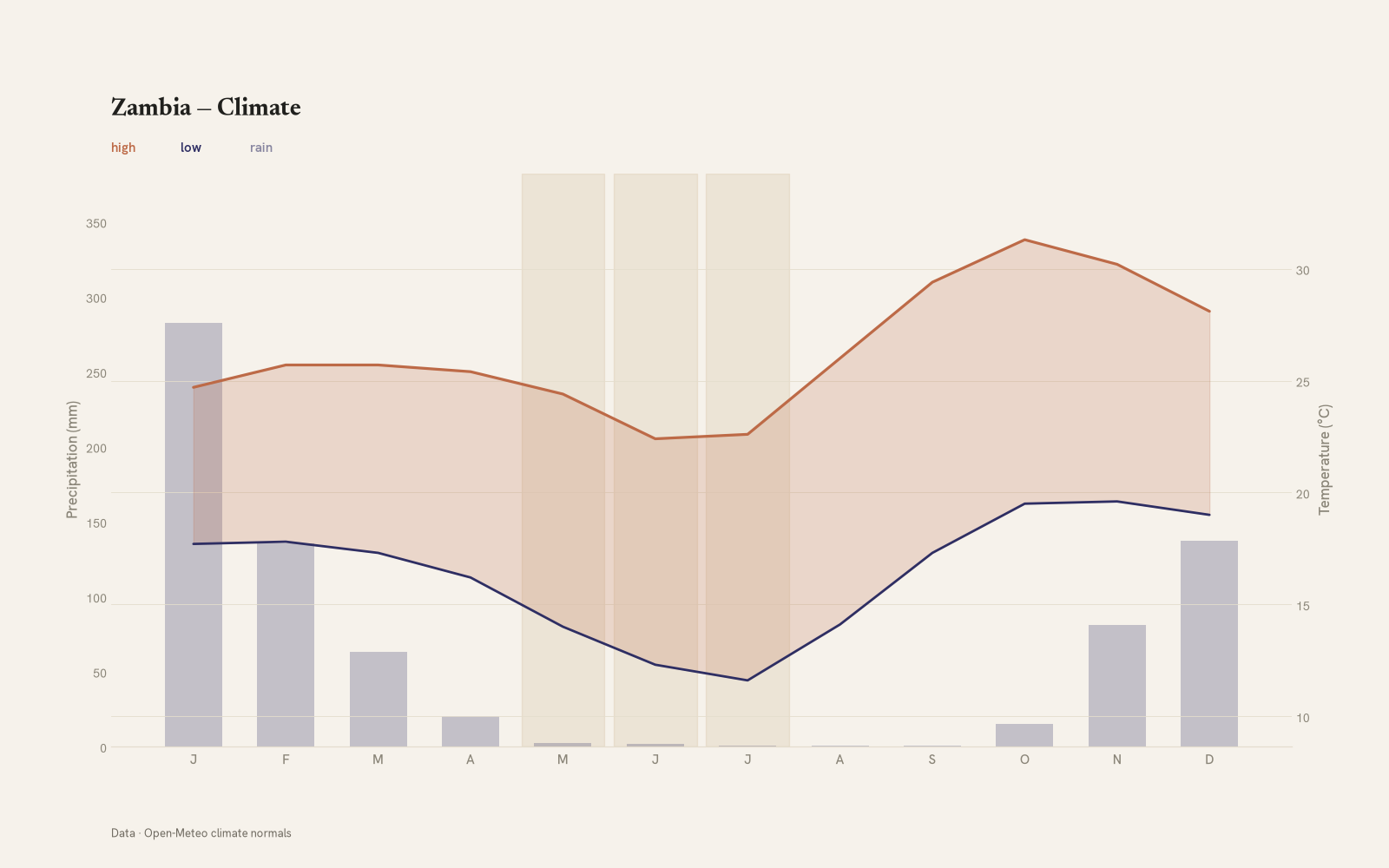
Weather & timing in Zambia RIGHT NOW 22° clear

Best May–Jul · Shoulder Apr, Aug–Sep

  1. Jan / -4°
  2. Feb / -2°
  3. Mar 12° /
  4. Apr 18° /
  5. May 24° / 14°
  6. Jun 28° / 18°
  7. Jul 30° / 20°
  8. Aug 28° / 18°
  9. Sep 24° / 14°
  10. Oct 18° /
  11. Nov 12° /
  12. Dec / -2°

Best time to visit

April – September

Best for
  • Culture
  • Cuisine
  • Landscape
  • History
At a glance
Sunshine 7 hr/day (est.)
Rain days 8 days/mo (est.)
Wettest December · 60mm
Driest June · 10mm
Part of East Africa →
By season
Spring (Mar–May)

What to expect — Daytime highs average about 18°C with overnight lows near 8°C, and it stays largely dry.

What's best — May is among the best time to visit — good weather with manageable crowds. Apr also works well.

Summer (Jun–Aug)

What to expect — Daytime highs average about 29°C with overnight lows near 19°C, and it stays largely dry.

What's best — Jun and Jul are among the best time to visit — good weather with manageable crowds. Aug also works well.

Autumn (Sep–Nov)

What to expect — Daytime highs average about 18°C with overnight lows near 8°C.

What's best — Sep is comfortable, with thinner crowds.

Winter (Dec–Feb)

What to expect — Daytime highs average about 7°C with overnight lows near -3°C.

What's best — Cold and quiet; some mountain roads and sights run reduced hours.

A little context

A little history

To read what you're looking at — the empires and eras that shaped Zambia's food, art and streets.

The British colony of Northern Rhodesia became independent Zambia on 24 October 1964 under Kenneth Kaunda, a founding one-party era that later transitioned peacefully to multiparty democracy
the Copperbelt made copper the economy's backbone, driving heavy urbanisation and a boom-and-bust dependence on the copper price
the country and its kwacha currency are named after the Zambezi, whose Victoria Falls (Mosi-oa-Tunya) it shares with Zimbabwe, making Livingstone its tourism anchor
it stayed largely peaceful while hosting Southern African liberation movements, behind a reputation for regional stability.
Before you book

Know before you go

The practical back-matter — safety, drones and the essentials, in one place.

Safety

Low risk FCDO advice →

Official UK Foreign, Commonwealth & Development Office guidance is the definitive source — check it close to your travel dates.

Drone rules (sub-250g)

  • Zambia
    Out of reach for a casual tourist. Legal flight demands a full ZCAA pilot licence, registration and a letter of approval, and drones may be held at customs on arrival — most visitors are advised to hire a locally-permitted operator instead. ⚠ Victoria Falls / Mosi-oa-Tunya, Livingstone and the national parks (South Luangwa, Kafue, Lower Zambezi) need separate ZCAA permission and are effectively closed to casual tourist flying. Rules checked: Jul 2026

National parks, protected sites and religious/heritage venues often have their own rules and permits — always check the specific site before you fly.

The essentials

Plug & voltage Type C/D/G · 230V
Daily budget Expensive (safari & park fees)
Region Eastern Africa