Lille was Flemish before it was French — it only became permanently French in 1667 — and it still reads that way: stepped gables, a Grand'Place built round a seventeenth-century stock exchange, beer instead of wine, and chicory in the coffee. It is 80 km from Brussels, 100 from Ghent, and 1h22 from London on the Eurostar, which makes it the easiest French city to reach from Britain and, oddly, one of the least visited by British travellers.
The Palais des Beaux-Arts is the second-largest fine art museum in France after the Louvre. The Braderie, on the first weekend of September, is the largest flea market in Europe — two million people, 100 km of stalls, and mussels-and-chips eaten until the shells are piled outside each restaurant. And it is a student city of 110,000, so it eats and drinks well and late for very little money.
Things to do
- Palais des Beaux-Arts — Rubens, Goya, Delacroix and a basement of eighteenth-century relief maps of fortified cities. Second only to the Louvre.
- Vieille Bourse — A courtyard of 24 merchant houses round an arcade, holding a daily second-hand book market and chess players.
- La Piscine, Roubaix — An Art Deco swimming pool turned art museum, 20 min on the metro. Sculpture along the water. Extraordinary.
- Vieux Lille on foot — Rue de la Monnaie, the Hospice Comtesse, and the birthplace of Charles de Gaulle.
- The Citadelle — Vauban's 'queen of citadels', a five-pointed star still used by the army, ringed by the city's biggest park.
- An estaminet evening — Carbonnade, a Ch'ti beer and a game of billard hollandais. Estaminet 'T Rijsel is the benchmark.
Where to base yourself
The Lille neighbourhoods worth knowing before you book.
- Coming soon Vieux Lille Seventeenth-century Flemish brick and stone, boutiques, and the best restaurants. Where to stay.
- Coming soon Grand'Place & Centre The Vieille Bourse with its second-hand book market in the courtyard, the opera and the belfry.
- Coming soon Wazemmes The Sunday market — the biggest in the north — plus North African food and the cheapest beer in the city.
- Coming soon Euralille The business quarter Rem Koolhaas planned between the two stations. Architecture rather than atmosphere.
- Coming soon Saint-Sauveur & Moulins South of the centre — student, cheap, and where the nightlife actually is.
3 days in Lille
- Day 1 The Flemish city
Grand'Place and the Vieille Bourse, then Vieux Lille on foot to the Hospice Comtesse. Lunch in an estaminet. Afternoon at the Palais des Beaux-Arts. Evening around rue de Gand.
- Day 2 Roubaix and the market
Metro to La Piscine at Roubaix for the morning. Back for the Wazemmes market if it is a Sunday, or the Citadelle park if not. Dinner and beer in Saint-Sauveur.
- Day 3 Remembrance
The Louvre-Lens in 40 minutes by train, or — with a car — Vimy Ridge and the Somme, which is what most British visitors come north for.
Day trips
Worth the train or the drive from Lille.
-
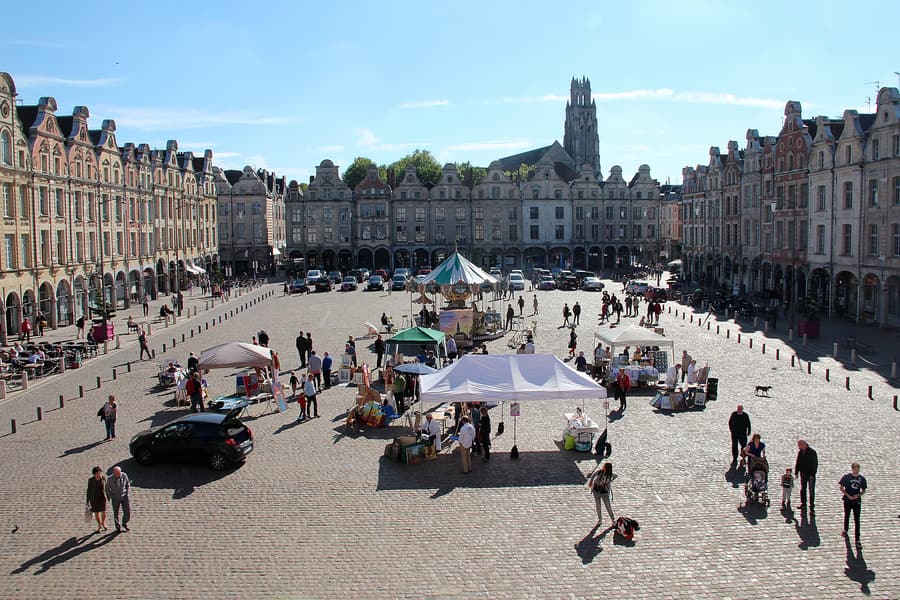 Arras 40 min. Two Flemish baroque squares and the tunnels under the Western Front.
 -
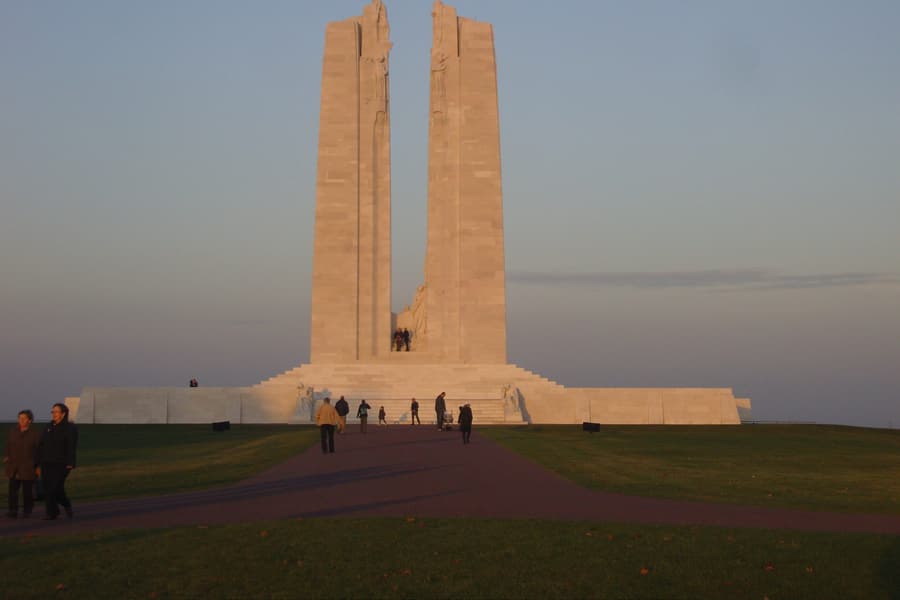 Vimy Ridge Canada's memorial, on ground still closed for unexploded shells.
 - Louvre-Lens 40 min by train — a glass Louvre annexe on a former coal pit.
-
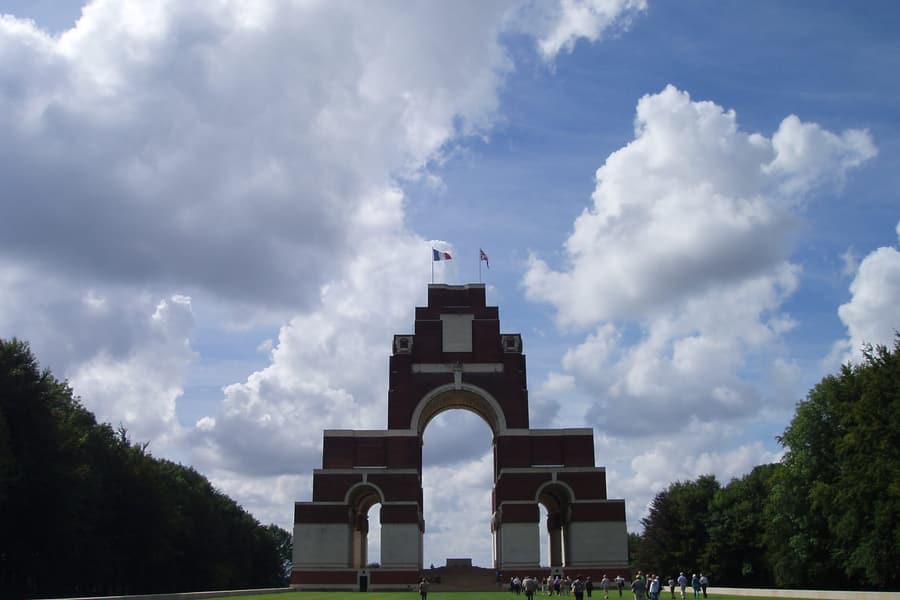 Thiepval Memorial 72,337 names of the missing of the Somme, on one arch.
 -
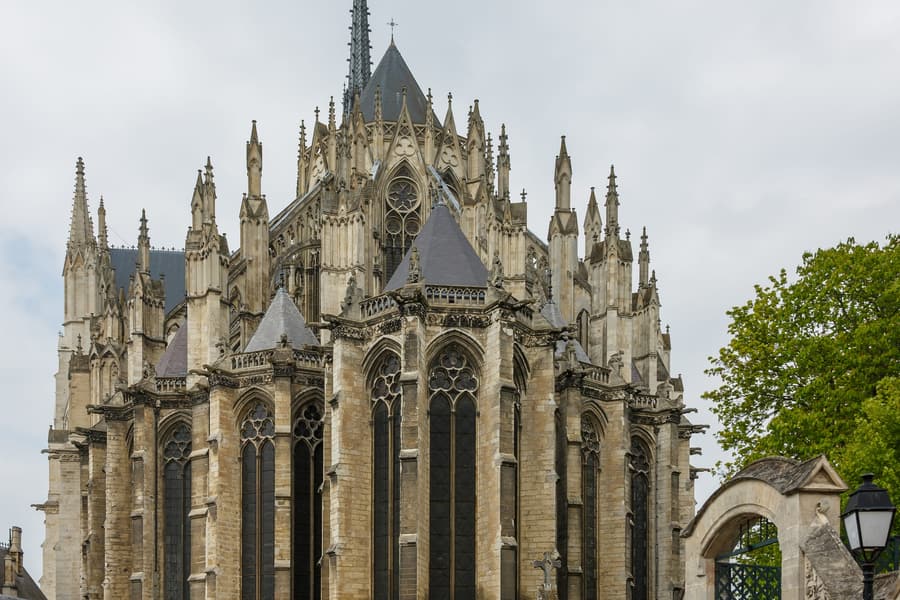 Amiens 1h15. The largest Gothic cathedral in France.
 -
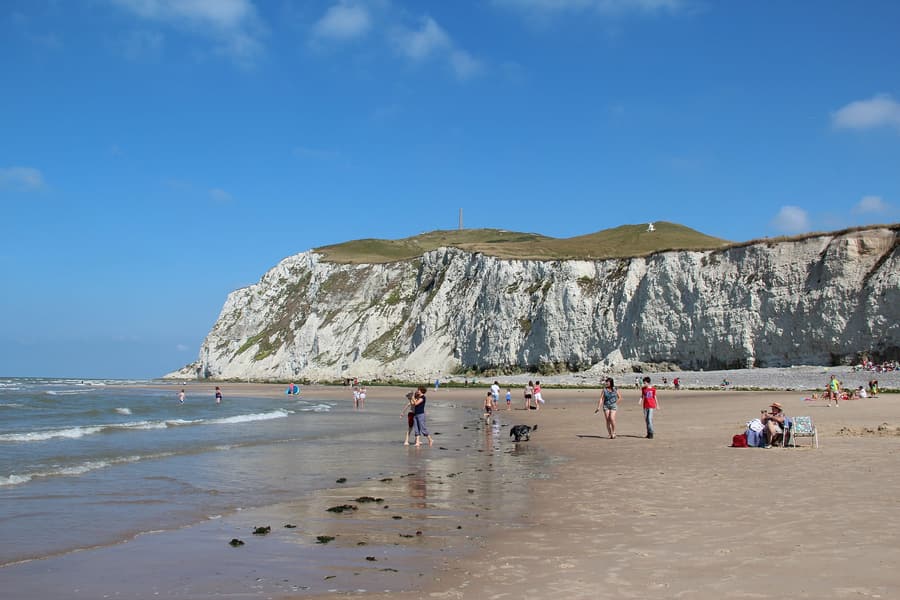 Cap Blanc-Nez Chalk cliffs looking straight across at Dover.
 - Boulogne-sur-Mer France's biggest fishing port, a walled upper town and Nausicaá.
Practical
- Best time to go
- May–September for weather, and the first weekend of September for the Braderie (book months ahead). The Christmas market runs late November to the end of December. Winter is grey and wet — but the museums and the estaminets are the point then anyway.
- Getting there
- Eurostar London–Lille Europe in 1h22, TGV Paris–Lille in 1h02, Brussels in 35 minutes. Two stations 400 m apart in the centre. Lille-Lesquin airport is small; most people arrive by rail, and should.
- Getting around
- Two fully automatic metro lines (the first driverless metro in the world, 1983), two trams, and a centre you can cross on foot in fifteen minutes. Everything worth seeing except the Louvre-Lens and the battlefields is walkable.
- Eat & drink
- Flemish: carbonnade flamande, potjevleesch, maroilles cheese (pungent, and used in tarts), and moules-frites. The estaminet is the local institution — dark wood, board games, and forty beers. Merveilleux for pudding. This is beer country, not wine country, and the range is genuinely serious.
- Know before you go
- During the Braderie the whole city centre is closed to traffic and hotels sell out six months ahead. The Palais des Beaux-Arts and most museums close on Tuesday. The battlefield sites need a car or an organised tour — public transport does not reach most of them.
More of Hauts-de-France
- Amiens The largest Gothic cathedral in France, and floating market gardens
- Arras Two Flemish baroque squares and the tunnels of the Western Front
- Boulogne-sur-Mer France's biggest fishing port, a walled upper town and Nausicaá
-
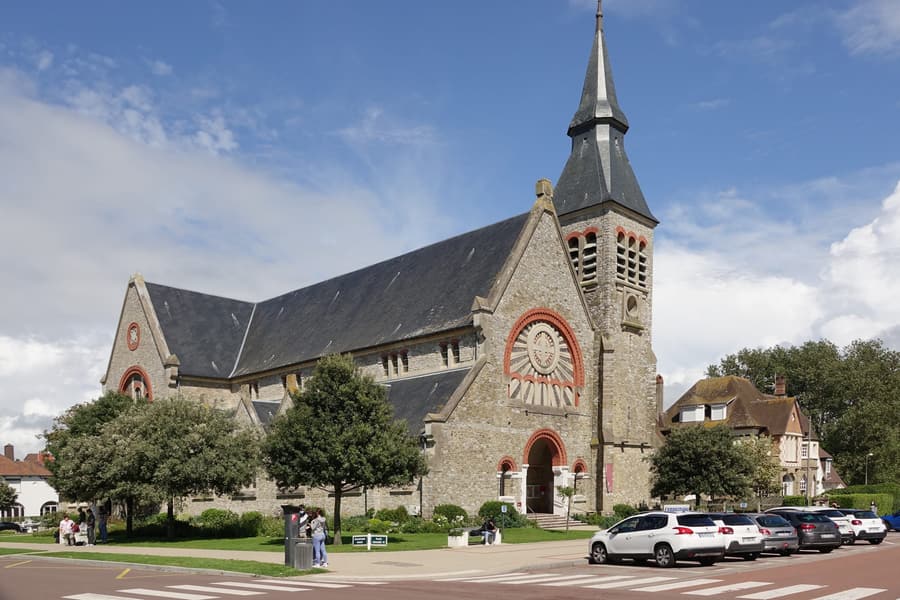 Le Touquet-Paris-Plage Belle Époque villas, a 12 km beach and land yachts