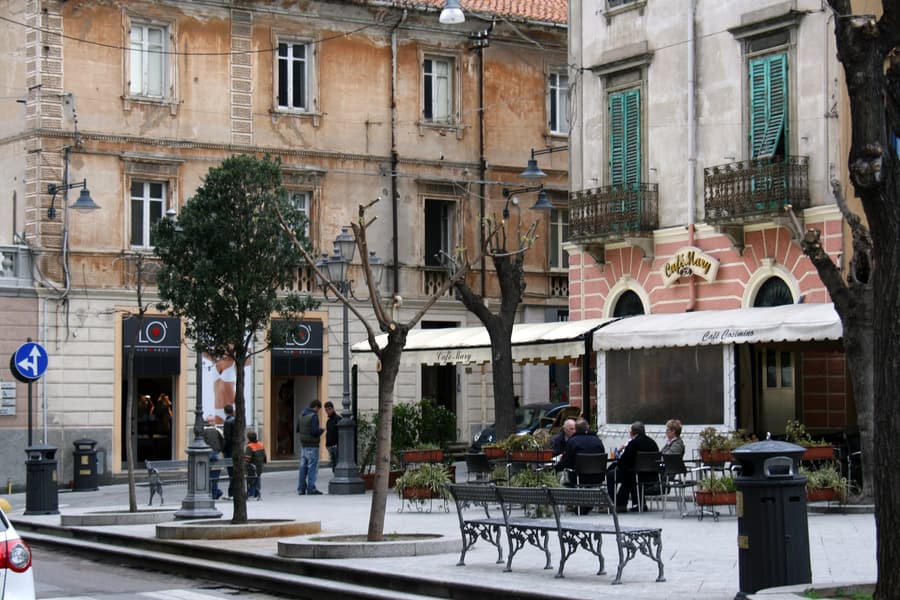
Cagliari is a walled Pisan hill town with a working port at its feet, a flamingo lagoon on one side and a seven-kilometre city beach on the other. The Castello quarter on top — limestone bastions, two thirteenth-century towers you can climb, the cathedral and the archaeological museum — is the historic core; below it are three older quarters and a nineteenth-century grid. It has the best archaeological collection in Sardinia, which matters because the island's nuragic civilisation is what makes it unlike anywhere else in the Mediterranean.
For a southern capital that is genuinely lived in rather than resort-built, at a third of Costa Smeralda prices; for the Poetto beach and the flamingos that stand in the salt pans behind it; and as the gateway to the south — Su Nuraxi, Villasimius, the Sulcis islands and the Costa del Sud.
Things to do
- Museo Archeologico Nazionale — The nuragic bronzetti and the Mont'e Prama giants — 2.5 m stone warriors from the eighth century BC, only reassembled since 2007.
- Bastione di Saint Remy — A vast white terrace on the old walls looking over the whole city, the port and the lagoons. Free, and best at sunset.
- Torre dell'Elefante and Torre di San Pancrazio — Two Pisan towers of 1305–7, open on one side so you climb up through the timber floors.
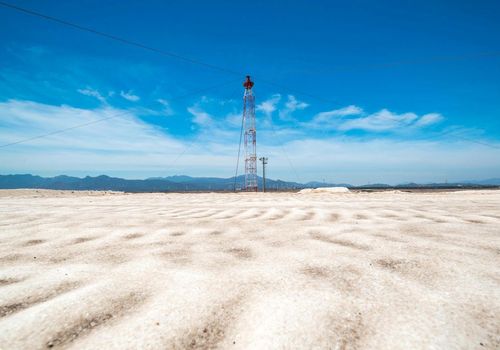
- Molentargius flamingos — Thousands of pink flamingos in the salt pans between the city and Poetto — walkable and cyclable, and free.
- Poetto beach — Seven kilometres of city beach with a bus route along it, and the Sella del Diavolo headland walk at the western end.
- The Roman amphitheatre — Cut into the rock of the Stampace hillside in the second century AD, seating around 10,000.
- Mercato di San Benedetto — Two floors — fish below, everything else above. Mornings only, and one of the great Italian markets.
Tickets & tours

Where to base yourself
The Cagliari neighbourhoods worth knowing before you book.
- Coming soon Castello The walled upper town: cathedral, bastions, the archaeological museum and the two Pisan towers. The most atmospheric place to sleep, and the steepest.
- Coming soon Marina Between Castello and the port — narrow lanes packed with restaurants, and the most convenient base.
- Coming soon Stampace West of Castello: the Roman amphitheatre, the botanical garden and a residential feel two minutes from the centre.
- Coming soon Villanova East, below the walls — flower-hung lanes, artisan shops and the quietest of the four old quarters.
- Coming soon Poetto & Sant'Elia The beach: seven kilometres of sand with the Sella del Diavolo headland at one end and kiosks along it.
- Coming soon Molentargius The salt-pan park between the city and the beach, with resident flamingos — a nature reserve inside the city limits.
3 days in Cagliari
- Day 1 Castello
Up by lift to the Bastione di Saint Remy, then the cathedral and the two Pisan towers. Archaeological museum before lunch — allow two hours for the bronzetti and the giants. Lunch in the Marina. Afternoon at the Roman amphitheatre and the botanical garden. Aperitivo on the bastion at sunset.
- Day 2 Lagoon and beach
Mercato di San Benedetto in the morning. Cycle or bus to Molentargius for the flamingos, then on to Poetto for the afternoon and the Sella del Diavolo walk. Seafood dinner in Villanova.
- Day 3 Nuraghi and the south coast
A car day: Su Nuraxi di Barumini in the morning — the finest nuraghe on the island — then either the Costa del Sud beaches or the ferry across to Carloforte on Isola di San Pietro.
Day trips
Worth the train or the drive from Cagliari.
-
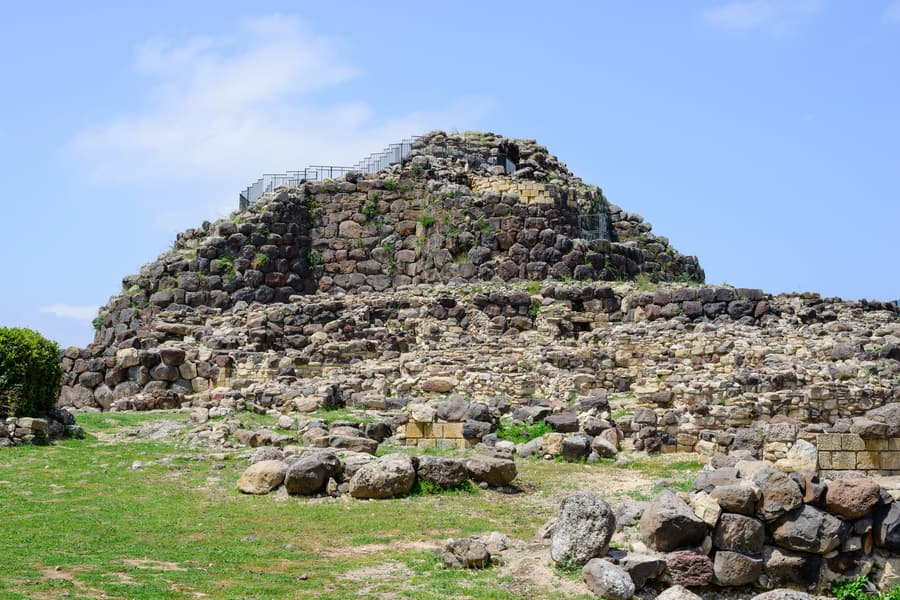 Su Nuraxi di Barumini The UNESCO nuraghe, an hour north — the single best introduction to bronze-age Sardinia.
 -
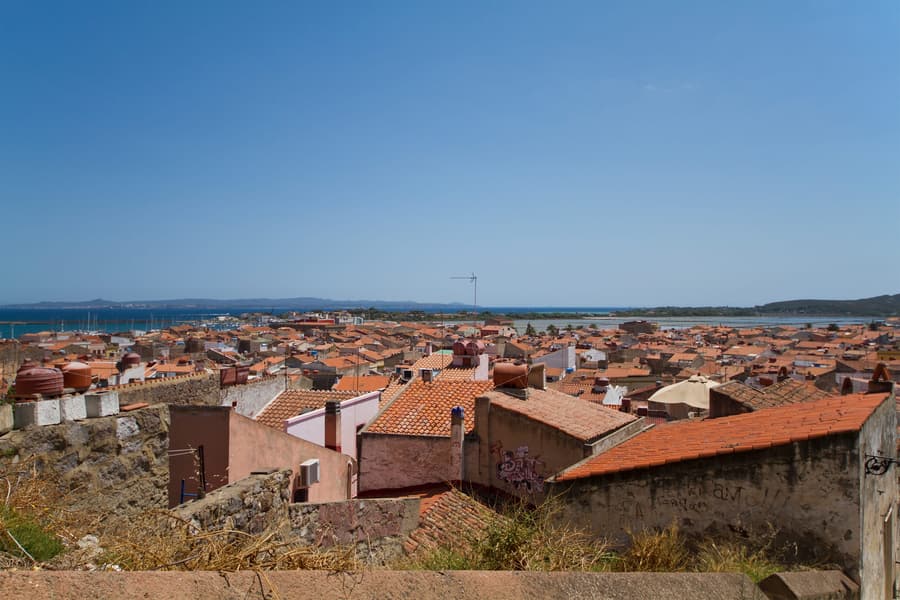 Isola di San Pietro A Ligurian-speaking island off the south-west coast, about 1h30 plus a ferry.
 -
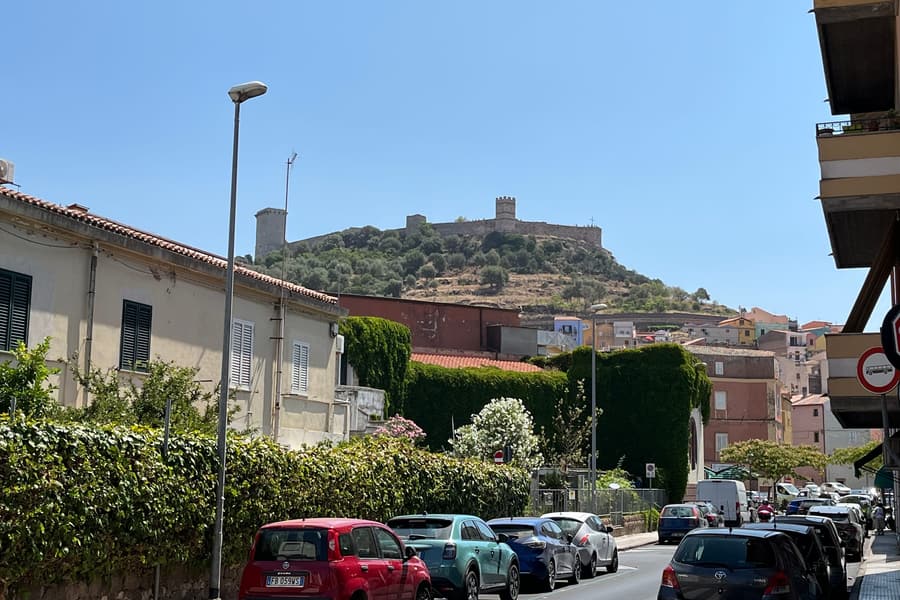 Bosa Coloured houses under a Malaspina castle, about 2h30 north-west.
 - Alghero The Catalan-speaking walled port, about 2h30 north — better as an overnight.
-
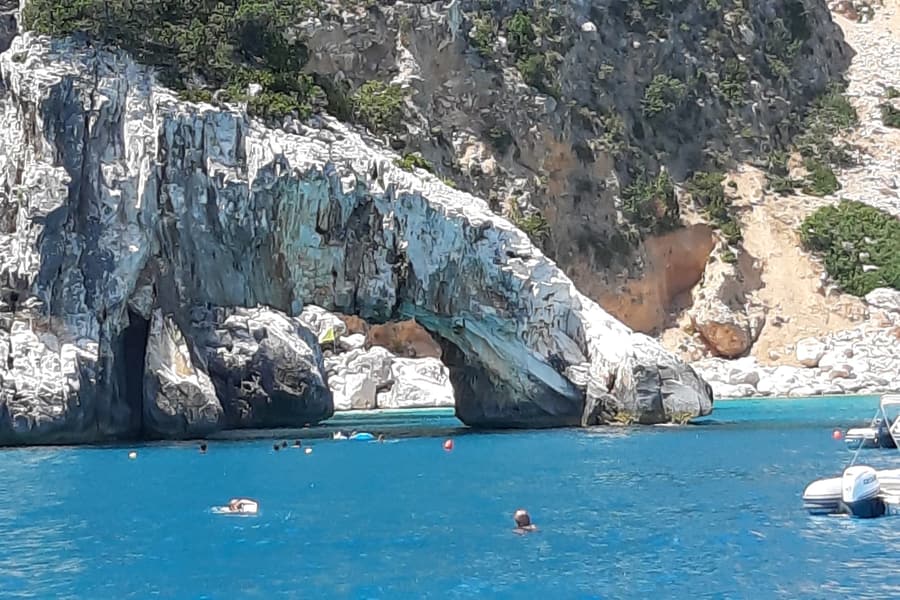 Golfo di Orosei The east-coast cliffs and their boat-only beaches, about 3h north-east.
Practical
- Best time to go
- May–June and September–October: the sea is warm, the city is not full and it is not yet 38°C. Cagliari has a long season — swimming from May to late October is normal. Winter is mild (15°C in January), and the Sant'Efisio procession on 1 May is one of the biggest folk festivals in the Mediterranean.
- Getting there
- Cagliari Elmas (CAG) is 7 minutes from the centre by train — one of the shortest airport transfers in Italy. Overnight ferries from Civitavecchia, Naples and Palermo. Trains north to Oristano and Sassari are slow; a car is essential for anything outside the city.
- Getting around
- The centre is walkable but steep — Castello sits well above the port, and two public lifts and a funicular save the climb. Buses reach Poetto beach in 20 minutes. A car is a liability in the old quarters and essential everywhere else.
- Eat & drink
- Sardinian food is not Italian food. Pane carasau (crisp sheet bread), culurgiones (potato and mint dumplings pinched into a wheat-ear shape), malloreddus with sausage and saffron, porceddu (suckling pig, spit-roasted), bottarga (grey mullet roe, grated over pasta) and seadas (fried cheese pastry with honey). Cannonau and Vermentino to drink, and mirto after. The Mercato di San Benedetto is one of the biggest fish markets in Italy.
- Know before you go
- The Poetto sand is protected — no removing it, and the fines are real (this applies island-wide and is enforced at the airport). Castello's alleys are cobbled and steep; sensible shoes. Many restaurants close Sunday evening and Monday out of season. In August the whole island is booked out months ahead and ferry cars cost a fortune.