Road trip

7 Days in France: Paris, Provence & the Riviera Itinerary (2026)

Three faces of France in a week without a car — three nights in Paris, two in Avignon for the Pont du Gard and the Luberon, then the TGV down to Nice for a Riviera finish with Villefranche, Èze and Monaco within reach.

🚆Train🚌BusPlane
  • Trip dates 31 Jul – 6 Aug 2026
  • Length7 days · 6 nights
  • TransportTrain + Bus + Plane
  • Countries1 · France

Overview

France is the country where going car-free costs you the least, because the TGV network does the heavy lifting: Paris to Avignon is under three hours, Avignon to Nice about four along the coast. That makes a three-region week genuinely possible rather than a blur. Paris takes the first three nights and still leaves things undone — that is normal, and the itinerary picks the Louvre, the tower and Montmartre rather than pretending you can add Versailles without giving up something. Provence is the change of gear: Avignon's papal palace, the Pont du Gard aqueduct and the hill villages of the Luberon, all reachable without driving if you accept that one of them needs a coach tour or a taxi. Nice closes the week on the Baie des Anges, with Villefranche, Èze and Monaco strung along a coastal railway that runs every twenty minutes and costs almost nothing. The pace is moderate; the two travel days are both comfortable afternoons rather than write-offs.

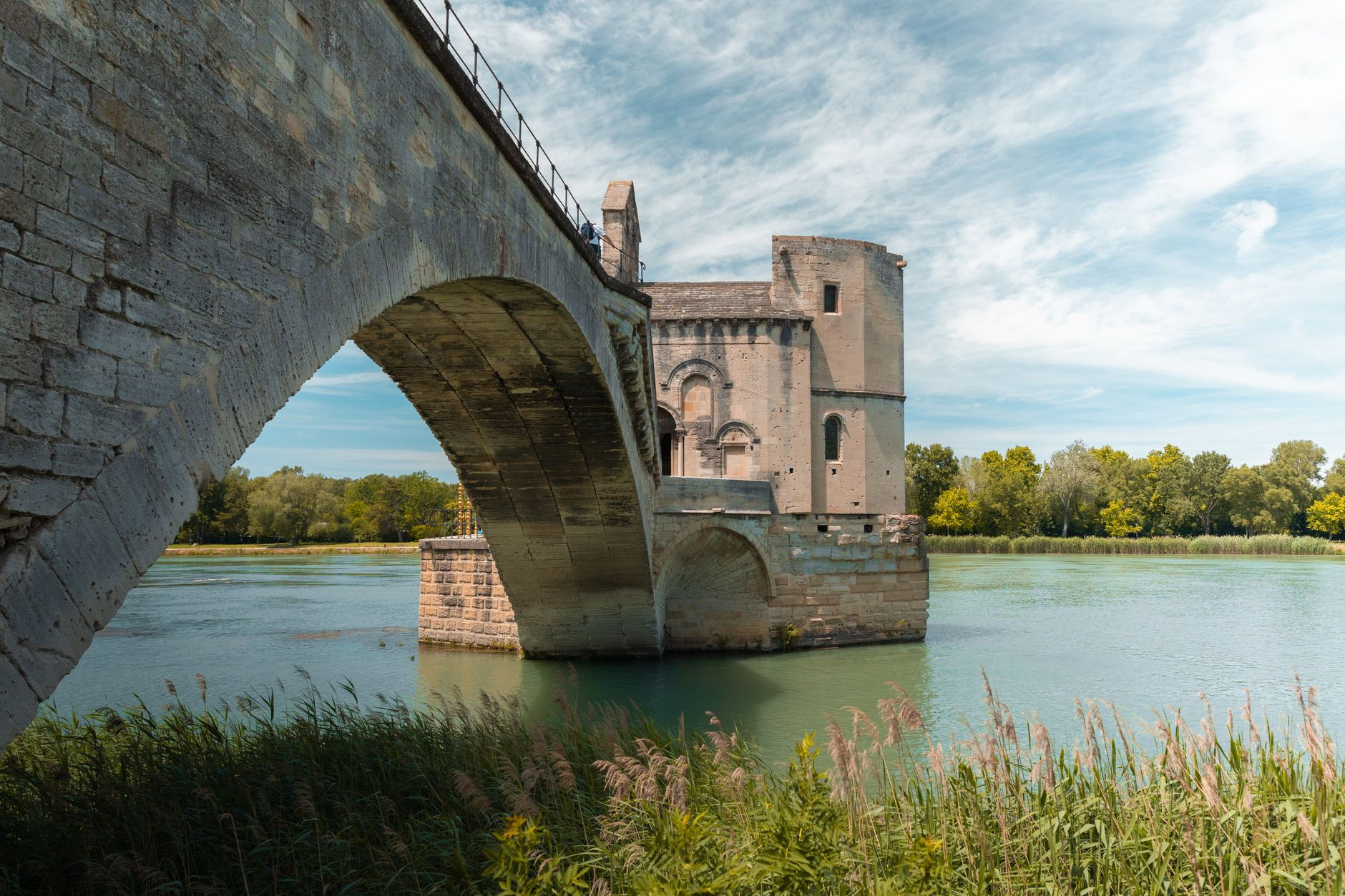
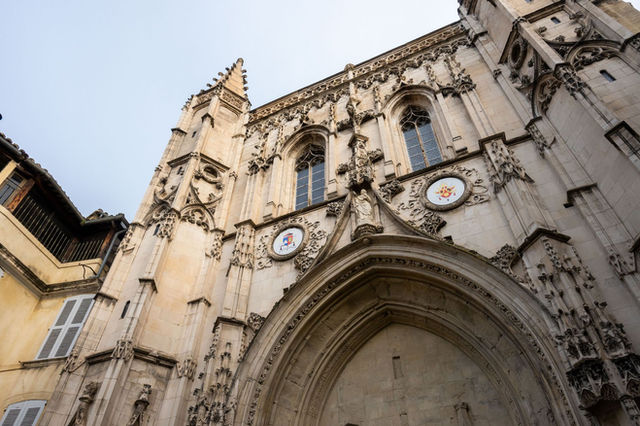
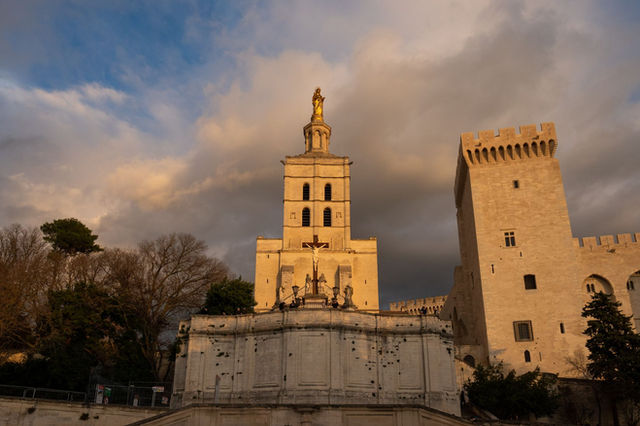
Avignon, France
Photo by Ryan Klaus on Pexels

Highlights

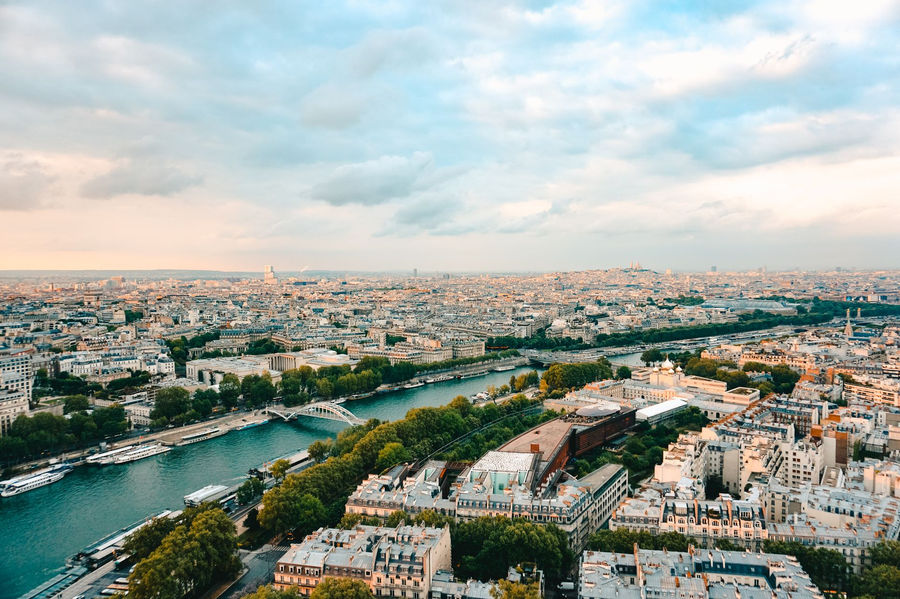
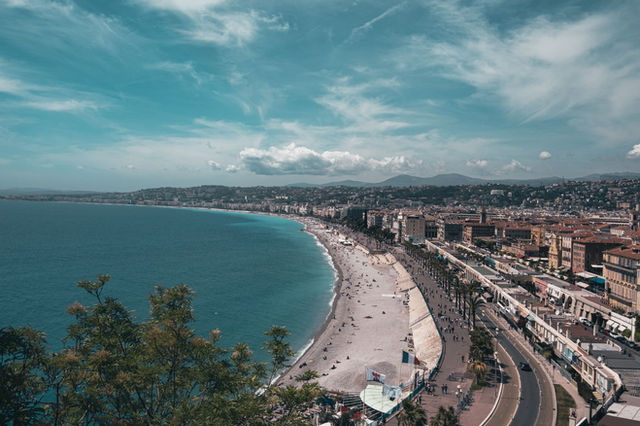
A few frames from the route.

Photos provided by Pexels

The route

3 overnight bases, numbered in order. Tap a pin to jump to that day.

© OpenFreeMap · OSM contributors · straight-line route (not turn-by-turn)

7 days, day by day. Open any day for the morning-to-evening plan, where to eat, and where you sleep that night.

  1. Day 1 Fri 31 Jul Arrive Paris Base day

    Arrival and the Seine

    Morning. Land at Charles de Gaulle and take the RER B into the centre, about 35 minutes; drop bags and start slowly.

    Afternoon. Walk the Seine from the Île de la Cité west along the quais, crossing at the Pont des Arts and finishing in the Tuileries.

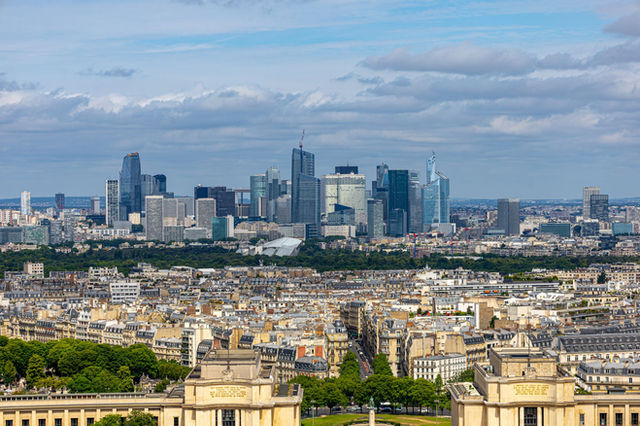
    Evening. Be at the Trocadéro for dusk — the Eiffel Tower sparkles for five minutes on the hour after dark, and this is the view that makes people gasp.

    Eat. Steak frites or a croque monsieur in a corner brasserie; the classics are classics for a reason.

    Where to stay. The Marais or the 5th/6th around Saint-Germain — both walkable to the river, on multiple métro lines, and full of places to eat that are not aimed at visitors.

    Optional / swaps. A Bateaux-Mouches river cruise covers the same monuments sitting down and works well with tired children.

    Practical. Buy a carnet or load a Navigo Easy card on arrival rather than single tickets. The Trocadéro at sunset attracts organised pickpocketing — bags in front, phones away when the lights start.

    🛏 Paris · 3 nights · 2 guests

  2. Day 2 Sat 1 Aug Paris Base day

    The Louvre

    Morning. The Louvre on a pre-booked early slot, entering through the Carrousel du Louvre rather than the pyramid queue. Pick three things and accept that the building beats you otherwise.

    Afternoon. Out through the Tuileries to Place de la Concorde and up the Champs-Élysées, or across to the Musée d'Orsay if the group still has appetite for art.

    Evening. Dinner in the Marais, then a walk through Place des Vosges under the arcades.

    Eat. Falafel on rue des Rosiers, eaten standing, or a proper bistro dinner with a plat du jour.

    Where to stay. Paris (as Day 1).

    Optional / swaps. The Orangerie's two oval rooms of Monet water lilies take twenty minutes and land harder than three hours of the Louvre for many people.

    Practical. The Louvre is timed-entry and closed on Tuesdays. Under-18s and EU under-26s enter free but still need a booked slot. The Mona Lisa room is a scrum at all times; see it first or not at all.

  3. Day 3 Sun 2 Aug Paris Base day

    Montmartre and the Marais

    Morning. Up to Montmartre early, before the crowds — the Sacré-Cœur steps, the Place du Tertre painters, and the vineyard on the north slope that most people never find.

    Afternoon. Down to the Île de la Cité for Notre-Dame, reopened and free to enter, then Sainte-Chapelle's upper chapel, which is fifteen minutes of the best stained glass in Europe.

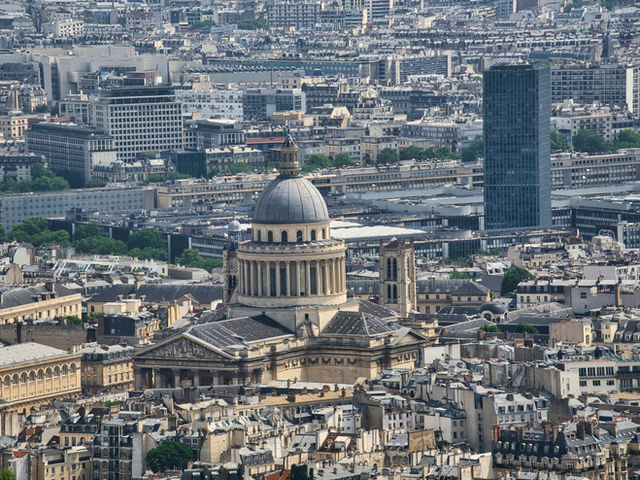
    Evening. Latin Quarter for dinner, then the Panthéon lit up on the hill.

    Eat. Onion soup, or a galette in a Breton crêperie near Montparnasse.

    Where to stay. Paris (as Day 1).

    Optional / swaps. Versailles is the obvious add — but it is a half-day minimum with an RER C ride each way, and doing it means dropping one of today's stops. Choose one, not both.

    Practical. Notre-Dame is free but now operates a timed reservation system for the interior; book a slot the day before. Sainte-Chapelle is a separate paid ticket and the queue is for security, not tickets.

  4. Day 4 Mon 3 Aug Paris → Avignon ~762 km Train

    Paris → Avignon

    Morning. TGV from Gare de Lyon, about two hours forty, with the countryside turning noticeably southern somewhere after Lyon.

    Afternoon. The Palais des Papes, the largest Gothic palace in Europe and startlingly empty inside — the audio tablet is genuinely worth taking.

    Evening. Dinner on Place de l'Horloge, then out to the Pont Saint-Bénézet, the bridge from the song that stops halfway across the Rhône.

    Eat. Daube provençale — beef slow-cooked in red wine — or a plate of Provençal vegetables with tapenade.

    Where to stay. Inside the Avignon ramparts near the Palais des Papes — the walled town is small, and the TGV station is a short shuttle bus outside the walls.

    Optional / swaps. Les Halles covered market in the morning for cheese, olives and the makings of the next day's picnic.

    Practical. Avignon has two stations — Avignon TGV outside the town and Avignon Centre inside the walls, linked by a frequent shuttle train. Book the leg to the right one and allow for the transfer.

    🛏 Avignon · 2 nights · 2 guests

  5. Day 5 Tue 4 Aug Avignon Base day

    Pont du Gard and the Luberon

    Morning. Out to the Pont du Gard, the three-tiered Roman aqueduct across the Gardon — you can walk the lowest tier, swim in the river below it in summer, and the scale only registers when you are standing under it.

    Afternoon. On to a Luberon hill village — Gordes stacked up its cliff, or Roussillon in the ochre quarries, where the cliffs and the houses are the same impossible orange.

    Evening. Back to Avignon for dinner inside the walls.

    Eat. A picnic of tapenade, chèvre, saucisson and bread from the Avignon market, eaten by the aqueduct.

    Where to stay. Avignon (as Day 4).

    Optional / swaps. If you would rather not join a coach tour, Nîmes is a direct half-hour train from Avignon and its Roman arena is better preserved than the Colosseum.

    Practical. This is the one day the car-free premise strains — public buses to the Luberon villages are sparse and slow, so most people take a half-day minibus tour from Avignon or split a taxi. Book the tour before you arrive; in July and August the lavender fields draw serious crowds, and the bloom is roughly late June to mid-July, not all summer.

  6. Day 6 Wed 5 Aug Avignon → Nice ~262 km Train

    Avignon → Nice

    Morning. A last coffee in Avignon, then the TGV east along the coast — about four hours, with the last stretch after Cannes running right along the water.

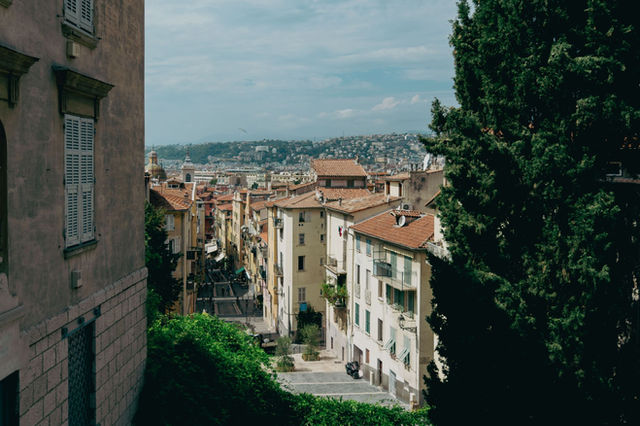
    Afternoon. Vieux Nice — the flower market on Cours Saleya, the ochre facades, the ice cream — then up the Colline du Château for the view down the Baie des Anges.

    Evening. Dinner in the old town, then the Promenade des Anglais in the dark with the sea on your right.

    Eat. Socca — chickpea flour pancake cooked on a copper pan and eaten hot with pepper — from a Cours Saleya stall, then pissaladière.

    Where to stay. Between the station and the sea in the Carré d'Or, or in Vieux Nice itself if you want noise and restaurants under the window.

    Optional / swaps. Villefranche-sur-Mer is six minutes by train and has the most photogenic harbour on this coast; Èze is a perched village above the sea; Monaco is twenty minutes and free to walk around.

    Practical. The Nice pebble beach is genuinely pebbles, not sand — swim shoes make a real difference. The coastal TER trains between Nice, Villefranche, Èze-sur-Mer and Monaco run frequently and cost a few euros; this is the cheapest good day out on the Riviera.

    🛏 Nice · 1 night · 2 guests

  7. Day 7 Thu 6 Aug Nice Base day

    A last Riviera morning

    Morning. A short coastal train to Villefranche-sur-Mer for a swim off the Plage des Marinières, or up to Èze for the exotic garden on the summit.

    Afternoon. Tram line 2 runs from the city centre straight to both airport terminals in about twenty-five minutes.

    Evening. Home.

    Eat. A last pan bagnat — the Niçois tuna and olive oil sandwich — bought from a bakery for the journey.

    Where to stay.

    Optional / swaps. Left luggage at Nice-Ville station if you want the morning unencumbered.

    Practical. Nice airport is close to the city but the tram fills with luggage; leave more time than the twenty-five-minute journey suggests.

Flights

An open-jaw trip — fly into CDG, home from NCE. Each search opens pre-filled with your travel dates and party.

Powered by the Travelpayouts flight search on /flights.

Budget

A realistic planning budget for the whole trip — beds, food, fuel, the hire car and the extras. Change your party size, dates or comfort level and it updates to match.

€3,226≈ £2,757
  • Per person€1,613
  • Per day€461
  • SeasonPeak
  • TierMid

Estimate settings editable

Party2 travellers
CategoryHow it’s estimatedEstimate
Accommodationper-person/night (3–4★, min 2 sharing, £75 floor) × people × nights × season × tier€1,200
Meals & drinksper-country food/person/day × party × days × tier€672
Activities & admissionsper-country activities/person/day × party × days€576
Local transportper-country trains, buses & ferries/person/day × party × days€420
eSIM / ATMfixed one-off€65
Subtotal€2,933
Contingency (10%)€293
Grand total ≈ £2,757 · €1,613 pp · €461/day€3,226

How we estimate

  • Accommodation — per-person nightly by destination, minimum two sharing, × season × tier.
  • Standard (Mid) = 3–4★+ — estimates assume our audience’s baseline: 3–4★ or better, never below a ~£75/night room floor. Premium higher; Budget lower.
  • Meals — per person, per day, by country. Fuel — from the route distance. Season — from your dates.

These are planning estimates, not quotes. Premium properties and popular tourist hubs run above the country average, especially in peak season. Where live cost data isn’t available yet, some countries use representative figures.

Eat your way across

A taste of every country you travel through — the food culture worth going out of your way for, and the signature dishes to seek out.

France

Where a two-hour lunch is a moral position, and every region guards its own butter, wine and cheese.

It begins at the market, always. By eight the trestle tables are down and the vendors are calling out the ripeness of their peaches, a queue forming at the rotisserie where chickens turn slowly over a tray of potatoes catching the fat. This is a country that decided, centuries ago, that lunch was worth two hours and a bottle, and has never found a reason to reconsider.

The map is really a set of arguments. In Lyon the bouchons serve offal and pike quenelles without apology; in Burgundy the beef is stewed in the wine it’s drunk with; at Marseille the bouillabaisse follows rules older than the republic. Everywhere it’s the same few things done properly — good butter, a crust worth the name, a cheese board that arrives before dessert and outstays it — finished with whatever the region is proud of and the quiet certainty that the terroir under your feet is the whole point.

  • steak frites
  • coq au vin
  • bouillabaisse (Provençal fish stew)
  • confit de canard (slow-cooked duck)
  • raw-milk cheeses
  • tarte tatin (upside-down apple tart)

A little history

To understand what you see today, it helps to know the past — the civilisations and empires that shaped the culture, food and architecture of the places on this route.

France
  • Roman Gaul left the arenas and aqueducts of Nîmes, Arles and Provence
  • powerful medieval regions are why the food, wine and building styles change every few hours' drive
  • Versailles and the absolute monarchy set the template for grandeur before the 1789 Revolution swept it away
  • that Revolution founded the centralised republic and the café-and-boulevard Paris of today

Family activities

The stops, games and moments that land best with kids and teens on this trip.

Watching the Eiffel Tower sparkle on the hour after dark from the Trocadéro steps — five minutes, free, and the highlight for most children on the trip.

Swimming in the Gardon river directly beneath the Pont du Gard, with a two-thousand-year-old aqueduct overhead.

Riding the coastal train from Nice to Villefranche and Monaco, hopping off wherever the water looks best.

The ochre cliffs at Roussillon, where the footpath runs through orange and red rock formations and everyone comes out dusty.

Spot-it on the TGV south: count the hilltop villages and the first olive grove — the landscape changes visibly somewhere past Valence.

Packing

What to bring for this trip — the easy-to-forget essentials.

clothing (for the full climate range + layers)

Light layers with one warm mid-layer — Paris in May and October is cooler than the Riviera by a noticeable margin. Something smarter for a Paris dinner, and swimwear for Nice.

footwear (terrain)

Comfortable walking shoes for Paris pavements and Montmartre's hills, plus swim shoes for the Nice pebbles, which are large and painful barefoot.

activity gear

A refillable bottle, sunglasses and sun hat for Provence, and a light rain layer — Paris weather does not read the forecast.

luggage & transport strategy

One carry-on-sized case per person plus a daypack. Two TGV legs with luggage; French high-speed racks fill fast, so board early or travel light.

documents / money / connectivity & adapters

Passport, SNCF Connect app with tickets loaded, contactless cards (accepted almost everywhere including buses), Type C/E adapters.

health / first-aid

Blister plasters, personal prescriptions, high-SPF sunscreen for the Pont du Gard and the coast.

destination-specific extras

A picnic set — a knife, a cloth and a bag — genuinely improves Provence, and a swim towel for Villefranche.

Drone rules (sub-250g)

Where you can and can’t fly a small drone along the way — the rules change sharply from one country to the next, so check before you launch.

  • France
    Register as an EU/EASA operator (an existing EU ID is valid; non-EU visitors register free on AlphaTango) — mandatory for any drone with a camera, even sub-250g. Rural flying is open, but Paris is an outright no-fly zone and most cities, coastlines and heritage sites need prior authorisation. ⚠ Paris and its monuments are entirely off-limits; all 11 national parks (Calanques, Écrins, Mercantour and the rest) ban drones in their core zones — check the Géoportail map before every flight. Rules checked: Jul 2026

National parks, protected sites and religious/heritage venues often have their own rules and permits — always check the specific site before you fly.