Road trip

The Shinkansen Grand Tour: A 14-Day Car-Free Journey Across Japan

Experience the ultimate cultural arc of Japan entirely by rail on this spectacular 14-day car-free itinerary. Seamlessly journey from the neon towers of Tokyo to a traditional hot spring ryokan under Mount Fuji, onward through the historic streets of Kanazawa, the temples of Kyoto, and the poignant monuments of Hiroshima, finishing in the culinary hub of Osaka.

🚆TrainBoatFerryPlane
  • Trip dates 31 Jul – 13 Aug 2026
  • Length14 days · 13 nights
  • TransportTrain + Boat + Ferry + Plane
  • Countries1 · Japan

Overview

This masterful 14-day itinerary spans Honshu's historic golden route, optimized entirely around Japan’s world-class high-speed bullet train network. The journey opens amidst the futuristic skyscrapers, historic shrines, and vibrant spring gardens of Tokyo before escaping to the geothermal hot spring valleys of Hakone for a traditional overnight stay featuring mountain vistas. Striking northwest, the route cuts through the Japanese Alps to reveal the beautifully preserved samurai and geisha districts of Kanazawa on the Sea of Japan coast. From there, the high-speed network carries you into the cultural heartland of Kyoto for an extensive exploration of timeless wooden temples, zen gardens, and a classic day trip to the ancient deer parklands of Nara. Continuing west, the itinerary bridges to the deeply moving historical sites of Hiroshima and the sacred floating torii gate of Miyajima Island, before reaching a high-energy culinary grand finale along the neon-lit canals of Osaka. The driving pace is non-existent, swapping steering wheels for rapid rail connections that favor independent travelers who love to explore historic urban centers on foot. The route is mostly manageable, with one longer transit day (flagged) required to bridge the mountainous spine of the country between the hot springs and the western coast.

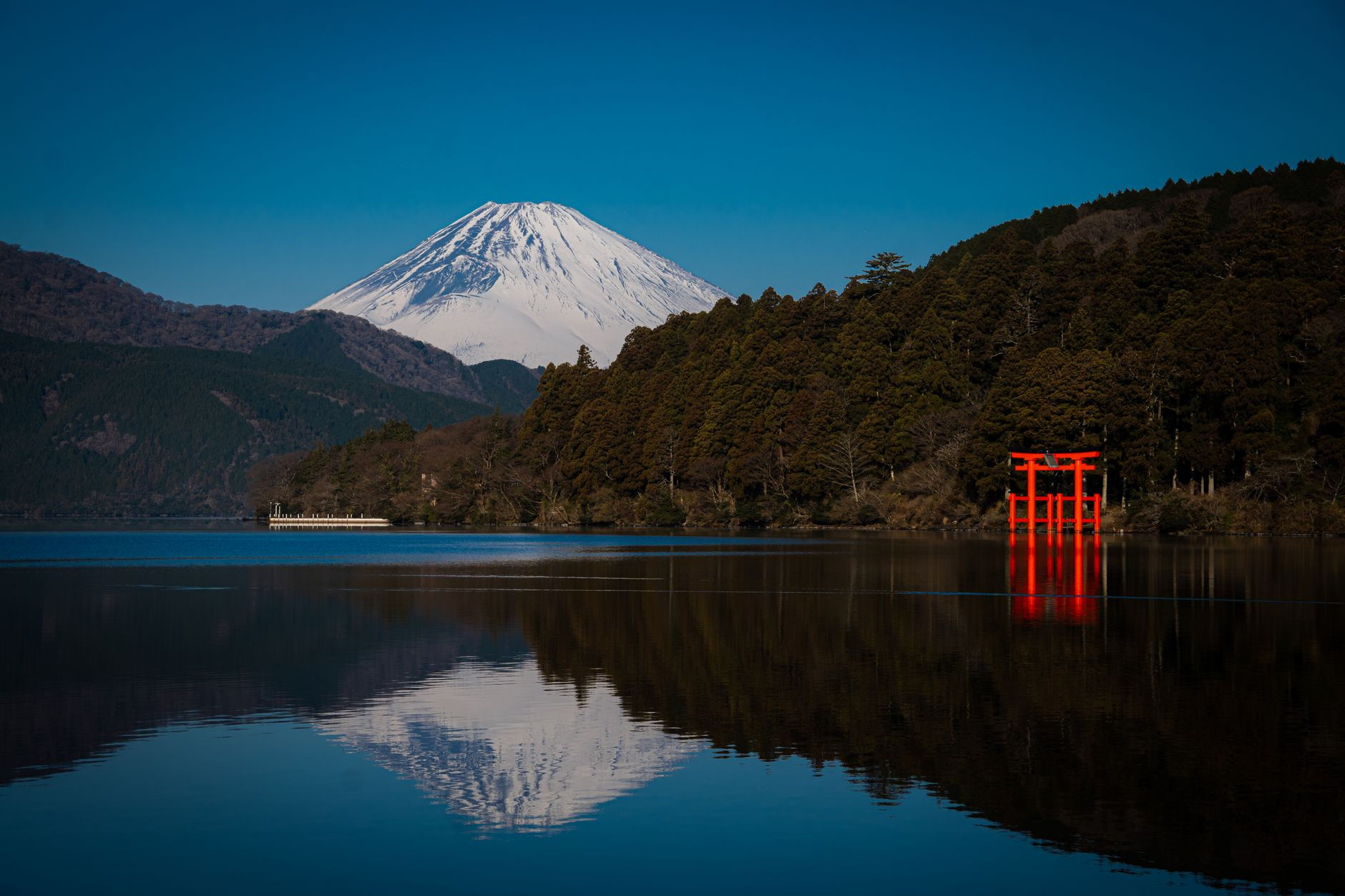
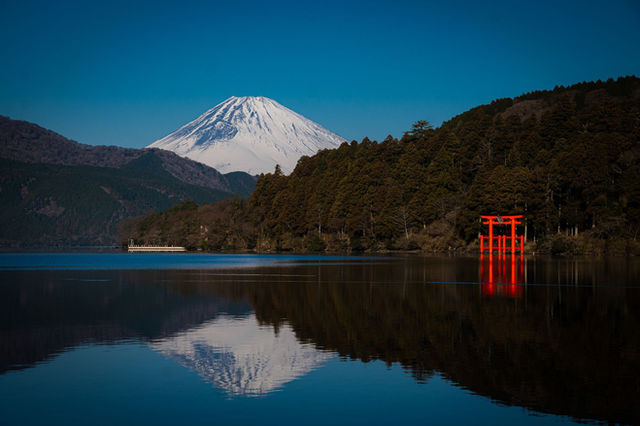
Hakone, Japan
Photo by Maheshwaran Shanmugam on Pexels

Highlights

A few frames from the route.

Photos provided by Pexels

The route

6 overnight bases, numbered in order. Tap a pin to jump to that day.

© OpenFreeMap · OSM contributors · straight-line route (not turn-by-turn)

14 days, day by day. Open any day for the morning-to-evening plan, where to eat, and where you sleep that night.

  1. Day 1 Fri 31 Jul Arrive Tokyo Base day

    Arrival in the Neon Metropolis

    Morning. Arrive at Tokyo Haneda Airport, clear customs, collect your pocket Wi-Fi unit, and board the monorail directly into the city center to drop off luggage.

    Afternoon. Dive straight into the energy of Shibuya, walking across the iconic Shibuya Crossing scramble intersection and exploring the multi-story fashion towers.

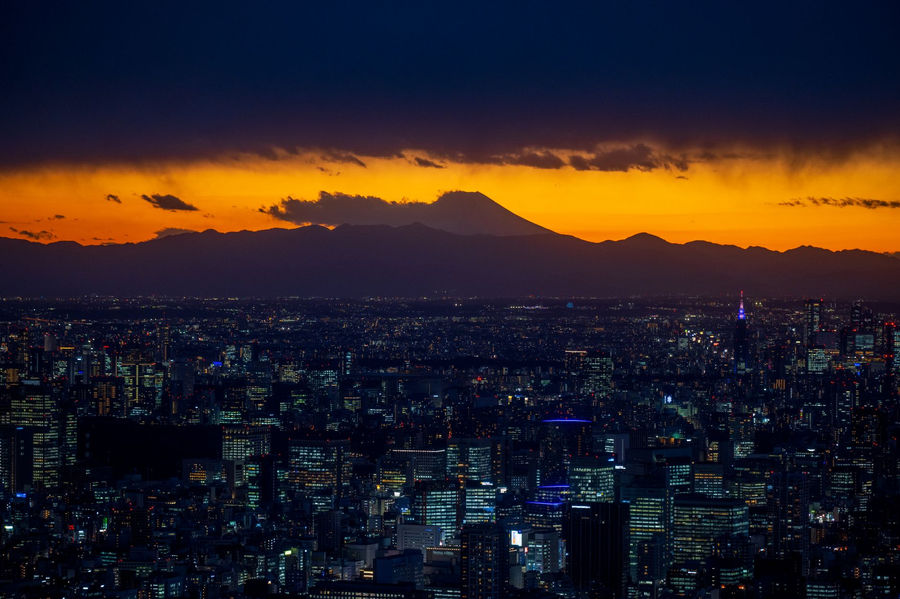
    Evening. Ascend to the open-air observation deck at Shibuya Sky to witness the spectacular Tokyo skyline light up at dusk under the clear spring sky.

    Eat. Volcanic, steaming bowls of artisan tonkotsu ramen or rich dipping noodles (tsukemen) in a bustling subterranean station alley.

    Where to stay. In Shinjuku or Shibuya near a primary station on the JR Yamanote loop line for effortless urban rail navigation.

    Optional / swaps. Explore the peaceful, forested walkways surrounding Meiji Jingu Shrine if you prefer a quieter introduction to the city over busy neon crossroads.

    Practical. Pre-load an IC digital transit card on your phone's wallet before departure for instant tap-and-go access to all Tokyo metro lines.

    🛏 Tokyo · 3 nights · 2 guests

  2. Day 2 Sat 1 Aug Tokyo Base day

    Imperial Shrines and Pale-Pink Canopies

    Morning. Stroll through the sprawling lawns of Shinjuku Gyoen National Garden, marveling at the hundreds of blooming April cherry blossom trees.

    Afternoon. Head to the historic Asakusa district to walk through the monumental Kaminarimon (Thunder Gate) and explore Tokyo's oldest temple, Senso-ji.

    Evening. Board a sunset river cruise down the Sumida River, watching the illuminated Tokyo Skytree tower dominate the evening horizon.

    Eat. Named recommendation: Tokyo Shiba Tofuya Ukai for an unforgettable multi-course kaiseki meal specializing in artisan tofu, set in a historic garden beneath Tokyo Tower.

    Where to stay. In Shinjuku or Shibuya near a primary station on the JR Yamanote loop line for effortless urban rail navigation.

    Optional / swaps. Trade the traditional Senso-ji temple grounds for the high-tech, neon-lit gaming arcades and electronics shops of Akihabara.

    Practical. Shinjuku Gyoen requires online timed-entry reservations during the peak April spring blossom season; book your tickets weeks in advance.

  3. Day 3 Sun 2 Aug Tokyo Base day

    Avant-Garde Digital Art and Luxury Alleys

    Morning. Immerse yourself in the breathtaking, large-scale projections and interactive digital light rooms of teamLab Planets in Toyosu.

    Afternoon. Take the clean automated transit line to the upscale Ginza district to view the hyper-modern flagship architecture and independent art galleries.

    Evening. Wind down with an evening walk through the narrow, atmospheric alleys of Omoide Yokocho in Shinjuku, watching smoke rise from tiny open-air grills.

    Eat. Named recommendation: New York Grill on the high floors of Shinjuku for premium domestic Wagyu beef paired with dramatic floor-to-ceiling city views.

    Where to stay. In Shinjuku or Shibuya near a primary station on the JR Yamanote loop line for effortless urban rail navigation.

    Optional / swaps. Swap Ginza shopping for a relaxed afternoon exploring the independent vintage clothing boutiques and bohemian cafes of Shimokitazawa.

    Practical. Secure your early morning teamLab Planets admission vouchers the exact day they are released online, as slots sell out months ahead.

  4. Day 4 Mon 3 Aug Tokyo → Hakone ~105 km Train

    Geothermal Hot Springs and Sacred Peaks

    Morning. Board the comfortable Odakyu Romancecar limited express train from Shinjuku Station, gliding southwest out of the metropolis toward Hakone-Yumoto.

    Afternoon. Complete the famous Hakone Ropeway circuit, flying over the steaming sulfur vents of Owakudani canyon and sampling local black eggs boiled in the springs.

    Evening. Board a classic multi-deck vessel to cruise across the volcanic waters of Lake Ashi, capturing photos of the iconic red torii gate of Hakone Shrine on the shoreline.

    Eat. A formal, multi-course multi-dish ryokan dinner (kaiseki) delivered directly to your tatami room, showcasing regional spring bamboo shoots and local mountain trout.

    Where to stay. A traditional Japanese ryokan featuring private, open-air geothermal hot spring baths (onsen) hidden in the forested hills of Gora.

    Optional / swaps. Visit the expansive outdoor sculptures and manicured mountain lawns of the Hakone Open-Air Museum if mountain mist obscures the lake views.

    Practical. Utilize the luggage forwarding service at Hakone-Yumoto Station to send your bags directly to your ryokan, allowing for hands-free mountain sightseeing.

    🛏 Hakone · 1 night · 2 guests

  5. Day 5 Tue 4 Aug Hakone → Kanazawa ~344 km Train

    Cross-Country Transit to the Samurai Coast

    Morning. Take the regional mountain line back to Odawara Station, boarding a sleek Shinkansen bullet train north through Tokyo up to the Sea of Japan coast.

    Afternoon. Arrive under the monumental wooden Tsuzumi-mon Gate of Kanazawa Station and check into your base, orienting yourself with a walk along the Sai River.

    Evening. Step back in time by wandering the preserved, lantern-lit dark wooden geisha districts of Higashi Chaya as twilight descends.

    Eat. Freshly caught local seafood bowls (kaisendon) topped with regional sweet shrimp and brilliant orange sea urchin from the coastal waters.

    Where to stay. Near Kanazawa Station or the central Korinbo district for rapid transit links and walkable access to the historic landscape gardens.

    Optional / swaps. Explore the striking, circular glass architecture and cutting-edge international exhibits at the 21st Century Museum of Contemporary Art.

    Practical. FLAG: LONG DAY. Bridging the mountainous interior from Hakone to the western coast involves multiple train connections and approximately four hours of transit.

    🛏 Kanazawa · 2 nights · 2 guests

  6. Day 6 Wed 5 Aug Kanazawa Base day

    Pristine Landscape Gardens and Feudal Castles

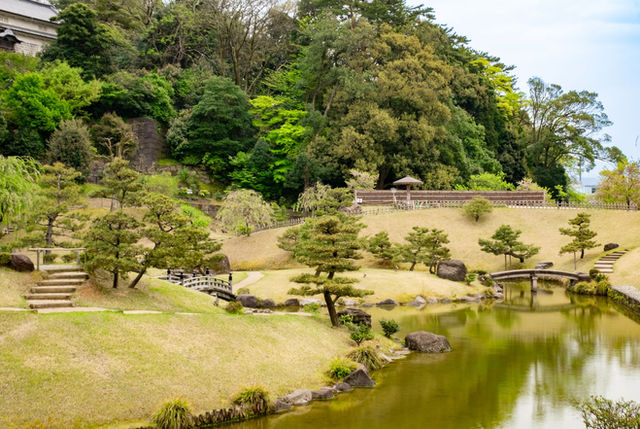
    Morning. Beat the afternoon crowds to wander through Kenroku-en Garden, widely celebrated as one of Japan’s three most beautiful landscape domains.

    Afternoon. Cross the pedestrian bridge to explore the stark white plastered walls, defensive gates, and reconstructed keeps of Kanazawa Castle Park.

    Evening. Browse the historic samurai residences of the Nagamachi district, walking past mud-plaster walls and quiet canals before a refined local dinner.

    Eat. Named recommendation: Itaru Hirosaka for exceptional local seafood, seasonal sake flights, and traditional Ishikawa prefecture izakaya specialities.

    Where to stay. Near Kanazawa Station or the central Korinbo district for rapid transit links and walkable access to the historic landscape gardens.

    Optional / swaps. Participate in a private gold-leaf application workshop in a historic merchant house to gild your own lacquered souvenir chopstick set.

    Practical. Kenroku-en Garden opens early in the morning for free admission before regular ticket booths open; this is the optimal time for peaceful photography.

  7. Day 7 Thu 6 Aug Kanazawa → Kyoto ~252 km Train

    Into the Cultural Heartland

    Morning. Board the direct JR limited express train sweeping south from Kanazawa, tracing the edge of Lake Biwa straight into Kyoto Station.

    Afternoon. Walk through the historic, stone-paved paths of Southern Higashiyama, climbing up to the massive wooden viewing stage of Kiyomizu-dera Temple.

    Evening. Stroll along the narrow, atmospheric wooden canals of Pontocho Alley, keeping a watchful eye out for geiko or maiko walking to evening appointments.

    Eat. Delicate, crispy Kyoto-style seasonal vegetable and seafood tempura fried to order in front of you at a historic counter.

    Where to stay. In a beautifully restored traditional wooden town house (machiya) or boutique hotel within the historic Gion or Higashiyama districts.

    Optional / swaps. Skip the busy paths of Higashiyama to walk through the understated, moss-blanketed temples and quiet stone gardens of northern Ohara valley.

    Practical. High-speed rail connections on this segment are direct and comfortable; keep your camera ready for scenic mountain views along the tracks.

    🛏 Kyoto · 3 nights · 2 guests

  8. Day 8 Fri 7 Aug Kyoto Base day

    Bamboo Groves and Endless Crimson Paths

    Morning. Catch an early regional train to Arashiyama to walk through the towering, rustling stalks of the famous Arashiyama Bamboo Grove before the crowds arrive.

    Afternoon. Cross the city to witness the glittering gold leaf reflection of Kinkaku-ji (The Golden Pavilion) casting images across its mirror-like pond.

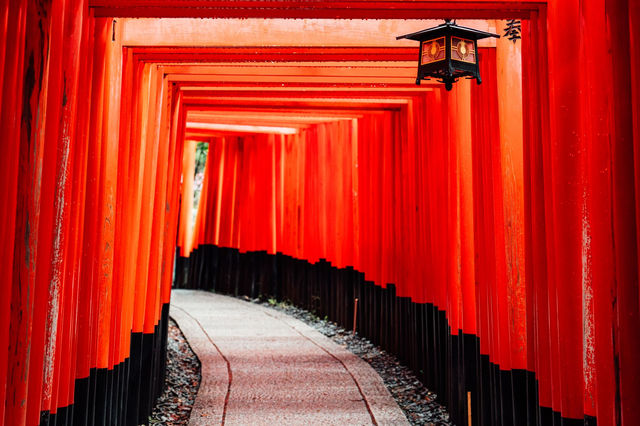
    Evening. Ride the local rail line to Fushimi Inari Shrine to hike beneath the thousands of vibrant vermilion torii gates winding up the sacred mountain path at dusk.

    Eat. Named recommendation: Mishima-tei for an exquisite, historic sukiyaki dining experience featuring premium marbled beef cooked in a sweet soy glaze.

    Where to stay. In a beautifully restored traditional wooden town house (machiya) or boutique hotel within the historic Gion or Higashiyama districts.

    Optional / swaps. Hire a traditional wooden flat-bottom boat for a peaceful, scenic row along the Hozu River canyons in western Arashiyama.

    Practical. Fushimi Inari Shrine remains open 24 hours a day with zero entry restrictions; hiking after dark offers a mystical, completely crowd-free atmosphere.

  9. Day 9 Sat 8 Aug Kyoto Base day

    Ancient Monuments and Bowing Deer of Nara

    Morning. Take the JR Nara Line express train south to Nara, entering the vast green parklands to greet the hundreds of free-roaming, bowing sika deer.

    Afternoon. Stand in awe before the colossal bronze Buddha statue housed inside Todai-ji, one of the world's largest historic wooden structures.

    Evening. Return to Kyoto to explore the historic sake-brewing district of Fushimi, enjoying a relaxed tasting flight of crisp local spring brews.

    Eat. Named recommendation: Monk for an exceptional, multi-course wood-fired tasting menu highlighting hyper-local farm vegetables along the Philosopher's Path.

    Where to stay. In a beautifully restored traditional wooden town house (machiya) or boutique hotel within the historic Gion or Higashiyama districts.

    Optional / swaps. Stop at the spectacular Phoenix Hall of Byodoin Temple in Uji, the historic capital of Japanese green tea, on your rail journey back from Nara.

    Practical. Purchase special deer crackers (shika-senbei) only from authorized park vendors, and ensure you do not tease the animals with food.

  10. Day 10 Sun 9 Aug Kyoto → Hiroshima ~409 km Train

    Poignant History and Maritime Horizons

    Morning. Board a westbound Shinkansen bullet train at Kyoto Station, flashing past Himeji Castle straight into Hiroshima Station.

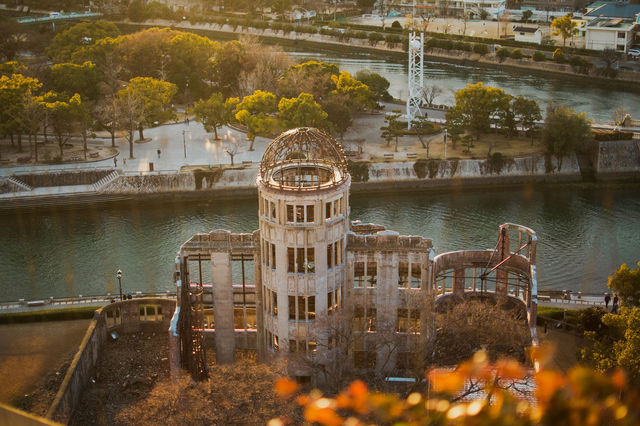
    Afternoon. Walk through the solemn grounds of the Hiroshima Peace Memorial Park, viewing the stark skeletal ruins of the Atomic Bomb Dome.

    Evening. Take a thoughtful stroll along the Motoyasu River before heading into the multi-story food hubs to experience Hiroshima's unique culinary culture.

    Eat. Authentic Hiroshima-style okonomiyaki, a savory savory pancake layered with cabbage, pork, noodles, and fried eggs, grilled on a hot steel counter.

    Where to stay. In the central Hatchobori district or near the Peace Memorial Park for central tram access and excellent local dining lanes.

    Optional / swaps. Visit the beautifully landscaped grounds of Shukkeien Garden, designed to mimic miniature valleys, mountains, and coastal vistas.

    Practical. The Peace Memorial Museum utilizes an efficient online reservation system; booking an early afternoon entry slot avoids long ticket lines.

    🛏 Hiroshima · 2 nights · 2 guests

  11. Day 11 Mon 10 Aug Hiroshima Base day

    The Sacred Floating Torii of Miyajima

    Morning. Ride the local coastal rail line west from Hiroshima, transferring seamlessly onto the JR ferry crossing the bay to sacred Miyajima Island.

    Afternoon. Admire the spectacular optical illusion of Itsukushima Shrine's giant torii gate floating on the high tide, then ride the mountain ropeway up Mt. Misen.

    Evening. Return to the mainland via ferry, spending a quiet evening dining at a refined seafood establishment along Hiroshima's riverfront canals.

    Eat. Named recommendation: Kanawa Oyster Boat for an upscale dining experience specializing in plump, locally cultivated Hiroshima oysters served on a floating river barge.

    Where to stay. In the central Hatchobori district or near the Peace Memorial Park for central tram access and excellent local dining lanes.

    Optional / swaps. Hike the historic, unpaved Momijidani trail to the mountain summit of Mt. Misen instead of using the tourist ropeway cabins.

    Practical. Check the local Miyajima tide tables before departing; plan your day to view the torii gate surrounded by water at high tide and walkable at low tide.

  12. Day 12 Tue 11 Aug Hiroshima → Osaka ~370 km Train

    Journey to the Nation's Kitchen

    Morning. Board a rapid eastbound Shinkansen bullet train from Hiroshima, arriving at Shin-Osaka Station in approximately one hour and twenty minutes.

    Afternoon. Check into your base and plunge into the covered arcades of Shinsaibashi, exploring the cutting-edge streetwear shops of America-mura.

    Evening. Immerse yourself in the dazzling neon corridors of Dotonbori, capturing photographs beneath the giant mechanical crab signs and the iconic Glico Running Man.

    Eat. Classic Osaka street food snacks including piping-hot, molten octopus balls (takoyaki) and crispy skewered meats (kushikatsu).

    Where to stay. In Namba or Shinsaibashi within walking distance of the Dotonbori canal network and major local subway junctions.

    Optional / swaps. Experience the retro, early-20th-century urban atmosphere and vintage gaming halls surrounding the historic Tsutenkaku Tower in Shinsekai.

    Practical. Osaka's central districts are intensely energetic and bright; choosing accommodation tucked a block or two away from the main neon tracks ensures quiet nights.

    🛏 Osaka · 2 nights · 2 guests

  13. Day 13 Wed 12 Aug Osaka Base day

    Feudal Citadels and Sky-High Vistas

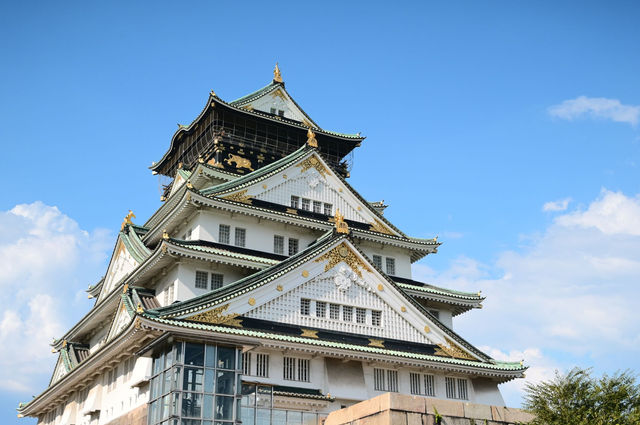
    Morning. Stroll through the expansive lawns and cherry-blossom groves surrounding the imposing stone ramparts and moats of Osaka Castle.

    Afternoon. Ride the high-speed glass elevators up to the open-air floating garden observatory at the top of the futuristic Umeda Sky Building.

    Evening. Celebrate your final night in Japan with a premium culinary experience hidden within the historic stone-paved alleys of Hozenji Yokocho.

    Eat. Named recommendation: Matsusakagyu Yakiniku M in Hozenji Yokocho for an exceptional, private counter dinner of melt-in-your-mouth Matsusaka beef.

    Where to stay. In Namba or Shinsaibashi within walking distance of the Dotonbori canal network and major local subway junctions.

    Optional / swaps. Spend an adrenaline-filled afternoon riding the movie-themed rollercoasters and exploring the immersive fantasy lands at Universal Studios Japan.

    Practical. The open-air rooftop deck of the Umeda Sky Building can become breezy and cool in April; packing a light windbreaker jacket is advised.

  14. Day 14 Thu 13 Aug Osaka Base day

    Final Morning and Airport Departure

    Morning. Savor a slow morning browsing the kitchen tool shops and intricate handmade knife displays along the historic Sennichimae Doguyasuji Arcade.

    Afternoon. Board the direct, futuristic JR Haruka Limited Express train from Tennoji or Namba station straight to Kansai International Airport (KIX).

    Evening. Complete check-in, browse the duty-free boutique cosmetic shops, and board your international outbound flight home, concluding your rail tour.

    Eat. A final comforting bowl of thick, savory udon noodles topped with sweet fried tofu (Kitsune Udon) before heading to the departure gate.

    Where to stay. In Namba or Shinsaibashi within walking distance of the Dotonbori canal network and major local subway junctions.

    Optional / swaps. Take a quick final subway spur to view the sweeping panoramic vistas from Harukas 300, Japan's tallest traditional skyscraper, if time permits.

    Practical. The Haruka express train to the airport requires advance seat reservations during the busy April spring travel season; secure your ticket a day early.

Flights

An open-jaw trip — fly into HND, home from KIX. Each search opens pre-filled with your travel dates and party.

Powered by the Travelpayouts flight search on /flights.

Budget

A realistic planning budget for the whole trip — beds, food, fuel, the hire car and the extras. Change your party size, dates or comfort level and it updates to match.

€7,593≈ £6,490
  • Per person€3,797
  • Per day€542
  • SeasonPeak
  • TierMid

Estimate settings editable

Party2 travellers
CategoryHow it’s estimatedEstimate
Accommodationper-person/night (3–4★, min 2 sharing, £75 floor) × people × nights × season × tier€2,964
Meals & drinksper-country food/person/day × party × days × tier€1,456
Activities & admissionsper-country activities/person/day × party × days€1,508
Local transportper-country trains, buses & ferries/person/day × party × days€910
eSIM / ATMfixed one-off€65
Subtotal€6,903
Contingency (10%)€690
Grand total ≈ £6,490 · €3,797 pp · €542/day€7,593

How we estimate

  • Accommodation — per-person nightly by destination, minimum two sharing, × season × tier.
  • Standard (Mid) = 3–4★+ — estimates assume our audience’s baseline: 3–4★ or better, never below a ~£75/night room floor. Premium higher; Budget lower.
  • Meals — per person, per day, by country. Fuel — from the route distance. Season — from your dates.

These are planning estimates, not quotes. Premium properties and popular tourist hubs run above the country average, especially in peak season. Where live cost data isn’t available yet, some countries use representative figures.

Eat your way across

A taste of every country you travel through — the food culture worth going out of your way for, and the signature dishes to seek out.

Japan

Obsessive seasonality and craft — from a three-Michelin counter to the best bowl of noodles you’ll eat standing up.

Duck under the noren curtain of a counter that seats eight, order by pointing, and watch a bowl of ramen arrive that someone has spent years learning to make — the broth simmered overnight, the noodles cut to the shop’s own thickness, a soft egg halved to order. Japan treats its humblest food with the seriousness other countries keep for cathedrals.

It all rests on a few pure things: short-grain rice, the smoky-savoury stock called dashi, soy, and an almost devotional attention to the season — the first bonito of spring, autumn’s matsutake, winter crab. At a sushi counter the chef sets one piece in front of you at a time, the rice still warm, and expects you to eat it before the temperature slips. Eat where the locals do — the standing soba stall, the smoke-filled izakaya, the ramen shop with a line out the door — and let the country show how much can be said with rice, fish and restraint.

  • sushi & sashimi
  • ramen
  • tempura
  • okonomiyaki (savoury pancake)
  • tonkatsu (breaded pork cutlet)
  • wagyu beef
  • matcha sweets

A little history

To understand what you see today, it helps to know the past — the civilisations and empires that shaped the culture, food and architecture of the places on this route.

Japan
  • Kyoto's thousand years as imperial capital left the temples, gardens and the refined precision of kaiseki cooking
  • samurai shogunates ruled for centuries from castles like Himeji's white keep
  • 250 years of self-imposed isolation until 1853 distilled a uniquely inward culture
  • the 1868 Meiji opening and post-war reinvention built the neon, bullet-train nation that still keeps Hiroshima's memory

Packing

What to bring for this trip — the easy-to-forget essentials.

clothing (for the full climate range + layers)

Lightweight cotton pieces, breathable shirts, and smart casual dining wear for temperate spring days. Mid-weight layering items including a trench coat, packable down vest, or light wool sweaters for crisp, breezy April evenings in Tokyo and the mountain elevations of Hakone. Easily removable layers are ideal for transitioning between cool outdoor air and warm, heated train cabins.

footwear (terrain)

Highly supportive, slip-on urban walking shoes or pristine low-profile sneakers designed for high daily step counts on concrete, temple gravel, and steep wooden stairs. Shoes that are easy to slip off and on are critical for frequent entries into temples, ryokans, and traditional restaurants.

activity gear

A compact, lightweight travel umbrella for passing spring showers; UV-blocking sunglasses and a small, quick-dry hand towel (tenugui) for drying hands at public shrines or wild hot spring footbaths.

luggage & transport strategy

One compact, carry-on-sized rolling suitcase or an ergonomic travel backpack per person, plus a secure crossbody daypack. Bullet trains have strictly enforced size limits for overhead racks; utilization of the nationwide hands-free luggage forwarding service (Takkyubin) between Tokyo and Kyoto allows for effortless intermediate travel.

documents / money / connectivity & adapters

Valid passports, active pocket Wi-Fi unit or digital eSIM data plan, mobile wallet with digital IC card loaded, contactless credit cards (though carrying physical Japanese Yen cash is absolutely mandatory for traditional temple ticket booths, local coin lockers, and small street-food vendors), and Type A two-prong flat North American-style plug adapters.

health / first-aid

High-quality blister prevention strips, personal daily prescriptions labeled in original packaging, basic pain relievers, and soothing foot patches (Kyusoku Jikan) for recovery after extensive urban exploration.

destination-specific extras

A small, dedicated notebook for collecting unique tourist ink stamps (Eki Stamp) positioned at every major Japanese train station and temple entrance.

Drone rules (sub-250g)

Where you can and can’t fly a small drone along the way — the rules change sharply from one country to the next, so check before you launch.

  • Japan
    Stricter than most: registration on MLIT’s DIPS with Remote ID starts at 100g, not 250g, so most “sub-250g” drones must still be registered — and foreign-visitor registration is slow and awkward (a passport plus an address document, up to two weeks). Rural flying is legal once registered; every city is effectively closed. ⚠ All densely-inhabited districts (DID) — effectively every city, including all of Tokyo’s 23 wards under a 24-hour ban since 2026 — plus airports, crowds, and the Imperial Palace and government sites are no-fly without special MLIT permission (10 working days’ lead). Rules checked: Jul 2026

National parks, protected sites and religious/heritage venues often have their own rules and permits — always check the specific site before you fly.