Road trip

7 Days in Norway: Fjords, Bergen & Oslo Itinerary (2026)

Car-free Norway by rail — two nights in Oslo, the Bergen Railway over the mountains to Flåm for the Nærøyfjord and the world's steepest adhesion railway, then three nights in UNESCO Bergen.

🚆TrainBoat🚌Bus
  • Trip dates 31 Jul – 6 Aug 2026
  • Length7 days · 6 nights
  • TransportTrain + Boat + Bus
  • Countries1 · Norway

Overview

Norway is expensive and spectacular, and the railway is the reason you can do it without a car and without a coach tour. The spine of this week is the Bergen Railway, which climbs from Oslo over the Hardangervidda plateau — above the treeline, past frozen lakes even in June — and is routinely called one of the world's great train journeys. You break it at Myrdal for the Flåm Railway, twenty kilometres of 1-in-18 gradient dropping into a fjord arm, and spend two nights at the bottom for a Nærøyfjord cruise through the narrowest navigable fjord in Europe. Bergen finishes the week: the Bryggen wharf's leaning wooden gables, the fish market, and a funicular up Fløyen for the view over seven hills. The pace is easy and the scenery does the work. The honest warnings are weather — this is one of the wettest cities in Europe — and cost, which is genuinely high and worth planning around rather than being surprised by.

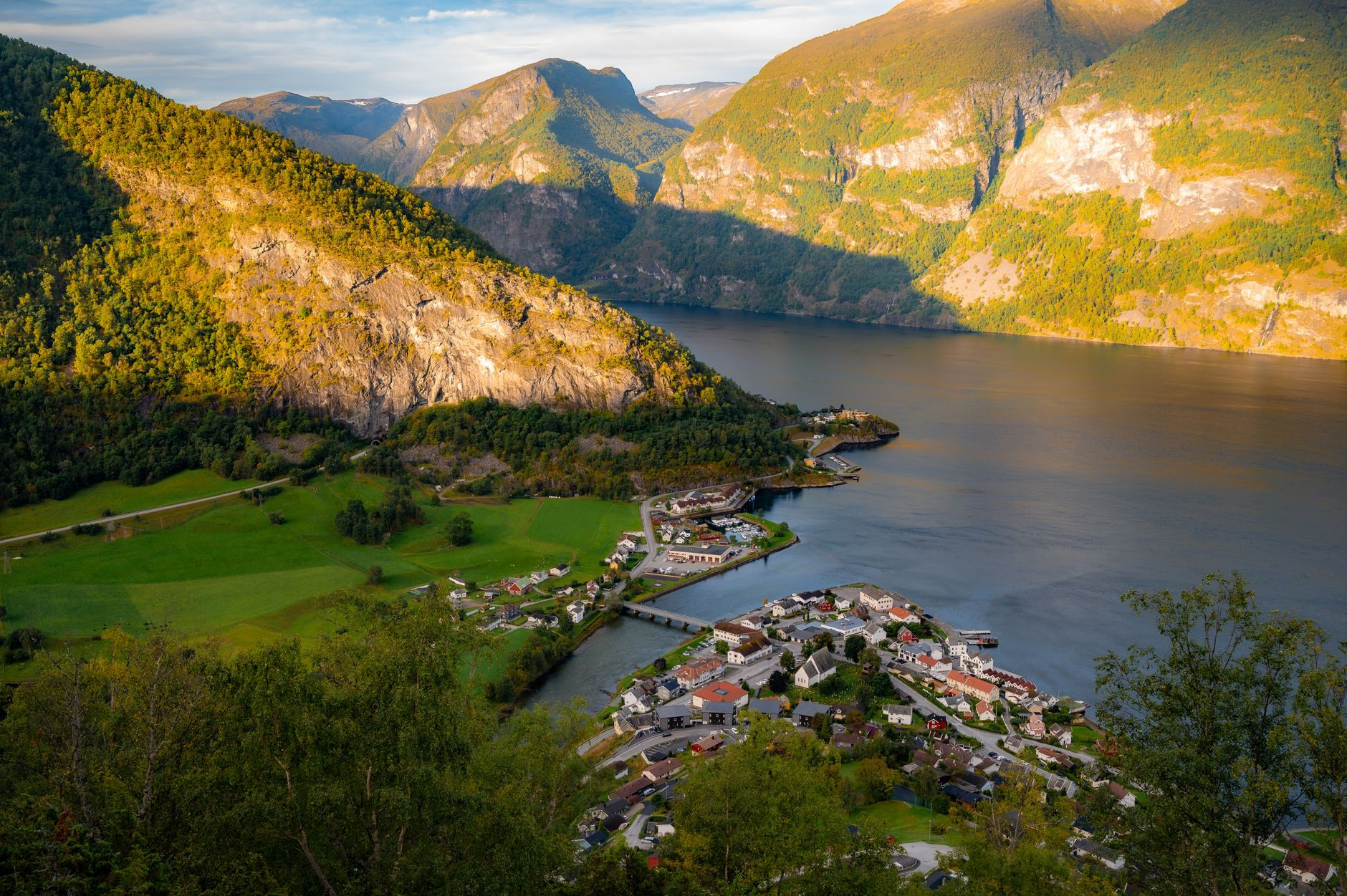
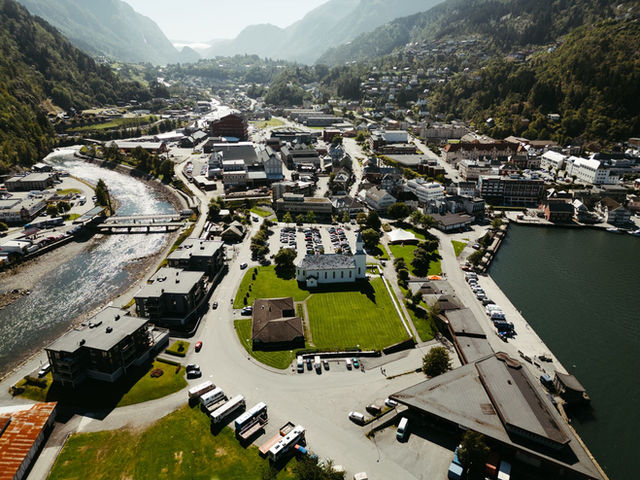
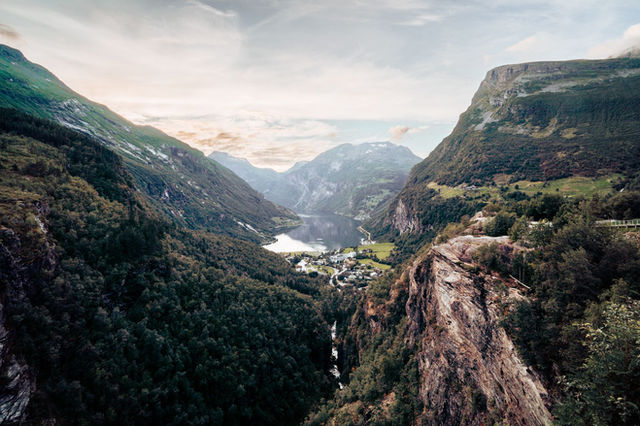
Flåm, Norway
Photo by Nguyen Ngoc Tien on Pexels

Highlights

A few frames from the route.

Photos provided by Pexels

The route

3 overnight bases, numbered in order. Tap a pin to jump to that day.

© OpenFreeMap · OSM contributors · straight-line route (not turn-by-turn)

7 days, day by day. Open any day for the morning-to-evening plan, where to eat, and where you sleep that night.

  1. Day 1 Fri 31 Jul Arrive Oslo Base day

    Arrival and the waterfront

    Morning. Land at Gardermoen and take the airport train in, about twenty minutes on the express or a little longer and much cheaper on the regional service.

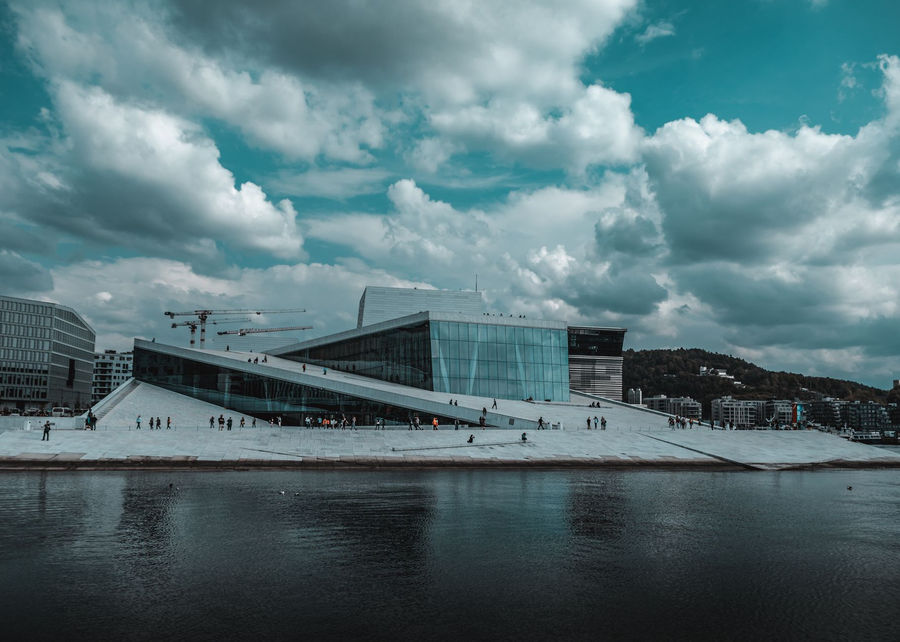
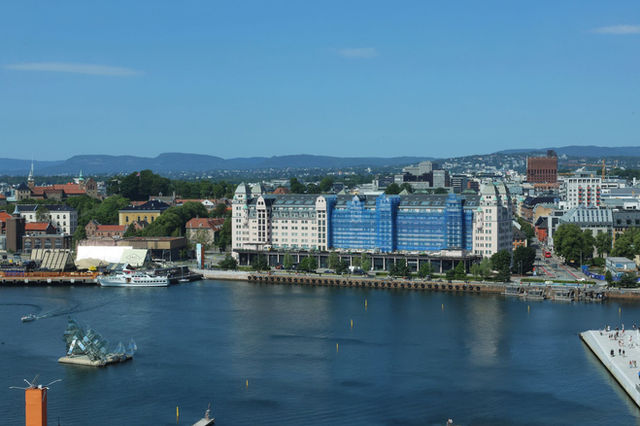
    Afternoon. Walk up the sloping marble roof of the Opera House — a public building designed to be climbed — for the fjord and the city from the top.

    Evening. Aker Brygge and Tjuvholmen on the water for dinner, with the Astrup Fearnley museum at the end of the pier.

    Eat. Reindeer or a shrimp smørbrød, and expect the bill to be a shock the first time.

    Where to stay. Sentrum near the central station, which puts the Day 3 train and the whole waterfront within walking distance.

    Optional / swaps. The new Munch museum, a leaning tower on the harbour, holds The Scream and several versions of it.

    Practical. Norway is effectively cashless — cards work everywhere including small kiosks and public toilets. Alcohol is sold only in state Vinmonopolet shops with restricted hours, and restaurant prices reflect heavy duty.

    🛏 Oslo · 2 nights · 2 guests

  2. Day 2 Sat 1 Aug Oslo Base day

    Oslo

    Morning. Vigeland Sculpture Park — over two hundred nude figures in bronze and granite by one artist, free and open always, with the monolith of intertwined bodies at the top.

    Afternoon. The Bygdøy peninsula museums by ferry: the Fram, the polar ship that went furthest north and furthest south, and the Kon-Tiki raft.

    Evening. A quiet dinner in Grünerløkka, the converted industrial quarter, which is cheaper and younger than the centre.

    Eat. Fiskesuppe — creamy fish soup — or street food at Mathallen.

    Where to stay. Oslo (as Day 1).

    Optional / swaps. The Viking Ship Museum has been closed for a major rebuild; check whether it has reopened before planning around it.

    Practical. The Oslo Pass covers transport and most museums and pays for itself quickly if you do two or more paid sites in a day. The Bygdøy ferry runs seasonally; in winter it is a bus.

  3. Day 3 Sun 2 Aug Oslo → Flåm ~297 km Train

    Oslo → Flåm

    Morning. The Bergen Railway from Oslo S. Around four and a half hours to Myrdal, climbing to over 1,200 metres onto the Hardangervidda — a treeless plateau of rock, snow patches and small lakes, with snow at the top well into summer.

    Afternoon. Change at Myrdal onto the Flåm Railway: twenty kilometres and 863 metres of descent on a 1-in-18 gradient, through twenty tunnels, with a scheduled stop at the Kjosfossen waterfall.

    Evening. Flåm at the head of the fjord, with the cliffs going straight up on both sides.

    Eat. Local trout, and a beer from the Ægir brewery in its wooden stave-church-styled hall.

    Where to stay. Flåm village at the head of the Aurlandsfjord, or Aurland five minutes away for a quieter and cheaper bed.

    Optional / swaps. The Stegastein viewpoint above Aurland is a platform projecting out over the fjord 640 metres up, reached by bus.

    Practical. Book Bergen Railway seats in advance — the cheap minipris fares are a fraction of the walk-up price and this is the single biggest saving on the trip. Sit on the left leaving Oslo. Flåm is tiny and receives cruise ships; on a big ship day the village is briefly overwhelmed, so check schedules.

    🛏 Flåm · 2 nights · 2 guests

  4. Day 4 Mon 3 Aug Flåm Base day

    Nærøyfjord

    Morning. The fjord cruise from Flåm to Gudvangen through the Aurlandsfjord and into the Nærøyfjord — UNESCO-listed, 250 metres across at its narrowest, with waterfalls coming off cliffs on both sides.

    Afternoon. Bus back over the pass from Gudvangen, or a kayak on the fjord from Flåm if the weather is kind.

    Evening. An early dinner and a walk up the valley behind the village.

    Eat. Fresh fjord seafood, or a hot dog from the Co-op, which is what Norwegians actually eat when the restaurant bill is too much.

    Where to stay. Flåm (as Day 3).

    Optional / swaps. The Flåmsdalen valley walk or bike ride down from Berekvam is an easy, mostly downhill half-day.

    Practical. The modern electric fjord boats are silent, which genuinely changes the experience — take the electric service if you have a choice. It is cold on deck even in July; the wind comes off the water and everyone underestimates it.

  5. Day 5 Tue 4 Aug Flåm → Bergen ~146 km Train

    Flåm → Bergen

    Morning. Back up the Flåm Railway to Myrdal, then the Bergen Railway west through the last of the mountains and down to the coast, about three hours in total.

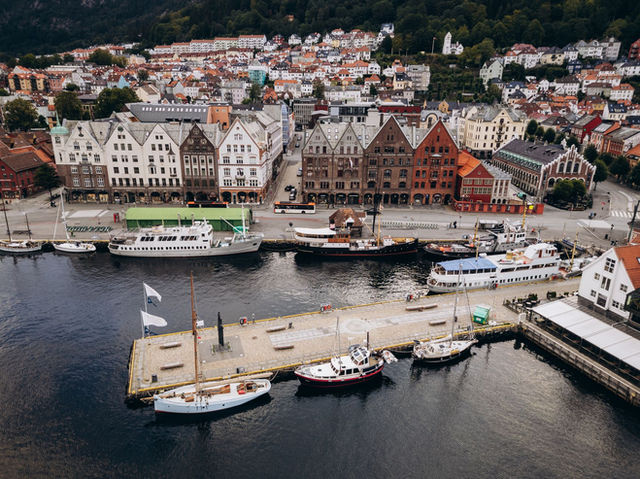
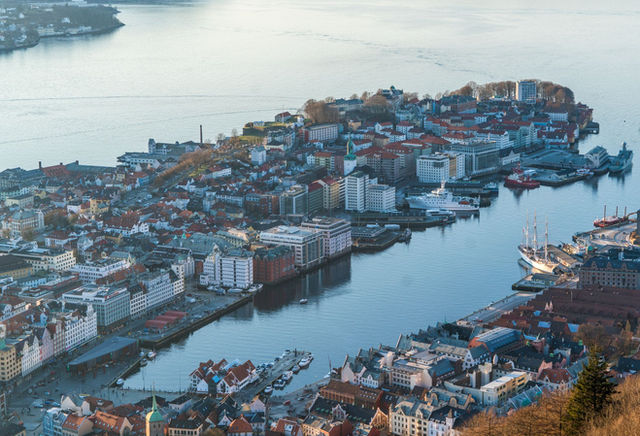
    Afternoon. Arrive and walk Bryggen — the Hanseatic wharf, a row of leaning wooden gable-fronted trading houses, UNESCO-listed, with a warren of creaking passages behind them.

    Evening. Dinner near the harbour, then the low light on the wharf, which in summer lasts most of the night.

    Eat. Fish soup and a fresh crab from the Fisketorget stalls.

    Where to stay. Near Bryggen or the Fisketorget — Bergen's centre is compact and everything on Days 5–7 is walkable.

    Optional / swaps. The Hanseatic Museum explains why the wharf existed — dried cod, traded across northern Europe for five hundred years.

    Practical. Bergen has around 200 wet days a year and locals genuinely do not cancel plans for rain. Waterproofs are not optional and umbrellas are useless in the wind off the harbour.

    🛏 Bergen · 2 nights · 2 guests

  6. Day 6 Wed 5 Aug Bergen Base day

    Fløyen and Troldhaugen

    Morning. The Fløibanen funicular from the centre up Mount Fløyen — eight minutes to a view over the seven hills, the harbour and the islands, with forest trails and a goat pen at the top.

    Afternoon. Troldhaugen, Edvard Grieg's lakeside villa and composing hut, where lunchtime piano recitals are played in a hall with a window behind the piano looking onto the water.

    Evening. A last dinner in the old town lanes behind Bryggen.

    Eat. Skillingsbolle — a Bergen cinnamon bun the size of a plate — with coffee.

    Where to stay. Bergen (as Day 5).

    Optional / swaps. Mount Ulriken by cable car is higher than Fløyen and much less visited; the ridge walk between the two takes about four hours.

    Practical. The Fløibanen is a commuter funicular as well as an attraction and queues build mid-morning; go at opening or walk up in about 45 minutes. Book Troldhaugen recital times in advance in summer.

  7. Day 7 Thu 6 Aug Bergen Base day

    Last morning and home

    Morning. The fish market for a last look, or the Bryggen passages before the day's cruise passengers arrive.

    Afternoon. The Bybanen light rail runs from the centre to Flesland airport in about forty-five minutes.

    Evening. Home.

    Eat. A last skillingsbolle for the train.

    Where to stay.

    Optional / swaps. Left luggage at Bergen station covers the morning.

    Practical. The light rail is cheap, frequent and reliable, but it is a tram — it takes 45 minutes and fills with luggage. Bergen airport is small and straightforward.

Flights

An open-jaw trip — fly into OSL, home from BGO. Each search opens pre-filled with your travel dates and party.

Powered by the Travelpayouts flight search on /flights.

Budget

A realistic planning budget for the whole trip — beds, food, fuel, the hire car and the extras. Change your party size, dates or comfort level and it updates to match.

€3,715≈ £3,175
  • Per person€1,858
  • Per day€531
  • SeasonPeak
  • TierMid

Estimate settings editable

Party2 travellers
CategoryHow it’s estimatedEstimate
Accommodationper-person/night (3–4★, min 2 sharing, £75 floor) × people × nights × season × tier€1,464
Meals & drinksper-country food/person/day × party × days × tier€792
Activities & admissionsper-country activities/person/day × party × days€576
Local transportper-country trains, buses & ferries/person/day × party × days€480
eSIM / ATMfixed one-off€65
Subtotal€3,377
Contingency (10%)€338
Grand total ≈ £3,175 · €1,858 pp · €531/day€3,715

How we estimate

  • Accommodation — per-person nightly by destination, minimum two sharing, × season × tier.
  • Standard (Mid) = 3–4★+ — estimates assume our audience’s baseline: 3–4★ or better, never below a ~£75/night room floor. Premium higher; Budget lower.
  • Meals — per person, per day, by country. Fuel — from the route distance. Season — from your dates.

These are planning estimates, not quotes. Premium properties and popular tourist hubs run above the country average, especially in peak season. Where live cost data isn’t available yet, some countries use representative figures.

Eat your way across

A taste of every country you travel through — the food culture worth going out of your way for, and the signature dishes to seek out.

Norway

The world's cleanest cold water turned into salmon and cod — and a surprising national weakness for cinnamon buns.

The sea does most of the work here, in water so cold and clean the fish tastes of little but itself. On a harbour in the north you'll eat skrei — the migrating winter cod — poached and served with its own liver and roe; further south, a side of gravlaks, salmon buried in salt, sugar and dill until it turns silky, sliced thin over a sweet mustard sauce.

Inland and upland, Norway eats to keep the cold out: fårikål, mutton and cabbage stewed slow with peppercorns until the whole house smells of autumn; thin slices of cured reindeer; a heart-shaped waffle folded warm around brown, caramel-sweet brunost cheese. And for all its reputation for restraint, this is a country that stops everything mid-morning for coffee and a cinnamon bolle — the daily ritual it quietly refuses to skip.

  • gravlaks (cured salmon)
  • skrei (winter cod)
  • fårikål (mutton & cabbage)
  • brunost (brown cheese)
  • kjøttkaker (meat cakes)
  • cured reindeer
  • kanelboller (cinnamon buns)

A little history

To understand what you see today, it helps to know the past — the civilisations and empires that shaped the culture, food and architecture of the places on this route.

Norway
  • The Viking age left the sagas, the longships and the medieval wooden stave churches
  • centuries of union with Denmark then Sweden ended in full independence only in 1905
  • life clung to the coast, so the deep western fjords and Bergen's Hanseatic wharf shaped a fishing-and-trading culture
  • North Sea oil since the 1970s turned a poor fishing nation into one of the world's wealthiest

Family activities

The stops, games and moments that land best with kids and teens on this trip.

The Flåm Railway's descent, with a scheduled stop at the Kjosfossen waterfall where the train empties out onto a platform in the spray.

Climbing the sloping roof of the Oslo Opera House — a public building specifically designed to be walked on.

The Fløibanen funicular up Mount Fløyen, with forest trails, trolls hidden along the paths and goats at the top.

Sailing the Nærøyfjord on a silent electric boat between cliffs 250 metres apart, with waterfalls on both sides.

Spot-it on the Bergen Railway: find the first snow patch, the highest station on the line, and count the tunnels on the Flåm descent.

Packing

What to bring for this trip — the easy-to-forget essentials.

clothing (for the full climate range + layers)

Proper layers and a genuinely waterproof shell with a hood — Bergen's rain is constant and wind-driven. A warm mid-layer, hat and gloves even in July for the plateau crossing and the open fjord deck.

footwear (terrain)

Waterproof walking shoes with grip; Bryggen's wooden boards and Bergen's cobbles are slick when wet, which is most of the time.

activity gear

A dry bag, sunglasses (glare off snow and water is strong), and a swimsuit if anyone is brave enough for a fjord dip.

luggage & transport strategy

One case each; you change trains at Myrdal twice on a short platform, and the connections are tight by design.

documents / money / connectivity & adapters

Passport, tickets in the Vy and Norway's Best apps, cards only — Norway is effectively cashless — Type C/F sockets.

health / first-aid

Blister plasters, motion-sickness remedies for the fjord, sunscreen (the northern sun is stronger than it feels), and prescriptions.

destination-specific extras

A refillable bottle — Norwegian tap water is excellent and buying bottled here is an expensive habit — and a thermos if you like coffee on a train.

Drone rules (sub-250g)

Where you can and can’t fly a small drone along the way — the rules change sharply from one country to the next, so check before you launch.

  • Norway
    Register as an operator at flydrone.no (an existing EASA registration is valid) — and, unusually, foreign visitors must also register their use of a camera or sensor with the National Security Authority (NSM) before flying. Rural flying is otherwise open, well clear of the 5 km airport zones. ⚠ Svalbard is almost entirely off-limits to visitor drones; national-security no-fly zones and airport buffers apply on the mainland — register your camera use with NSM and check the flydrone.no map. Rules checked: Jul 2026

National parks, protected sites and religious/heritage venues often have their own rules and permits — always check the specific site before you fly.