Road trip

7 Days in Germany: The Perfect Berlin, Dresden & Munich Itinerary (2026)

A week that crosses Germany north to south entirely by train — three nights in Berlin for the Wall and Museum Island, a night in Baroque Dresden for the Green Vault, then Munich for beer gardens, the English Garden and an optional run at Neuschwanstein.

🚆TrainPlane
  • Trip dates 31 Jul – 6 Aug 2026
  • Length7 days · 6 nights
  • TransportTrain + Plane
  • Countries1 · Germany

Overview

This is a three-base, no-car week built on Deutsche Bahn's long-distance network, and it works because the legs are genuinely simple: one direct Eurocity to Dresden, one longer cross-country hop to Munich, and nothing else to arrange. Berlin takes the first three nights because it needs them — the Wall memorial, Museum Island and the Reichstag dome are spread across the city and reward slow days rather than a checklist. Dresden gets a single night, which is honestly enough for the Altstadt: the Frauenkirche, the Green Vault and an evening on the Brühl Terrace, all inside a fifteen-minute walk. Munich closes the week with two nights, and this is where the itinerary asks you to choose. There is one full day there, and you can spend it on Munich itself — the Residenz, the Viktualienmarkt, the surfers on the Eisbach — or spend it on Neuschwanstein, which is a four-hour round trip before you have seen anything. We have written the day both ways and flagged the trade honestly rather than pretending you can do both well. The pace is moderate: two travel days out of seven, and the Dresden-to-Munich leg is a real half-day that you should plan to enjoy rather than endure.

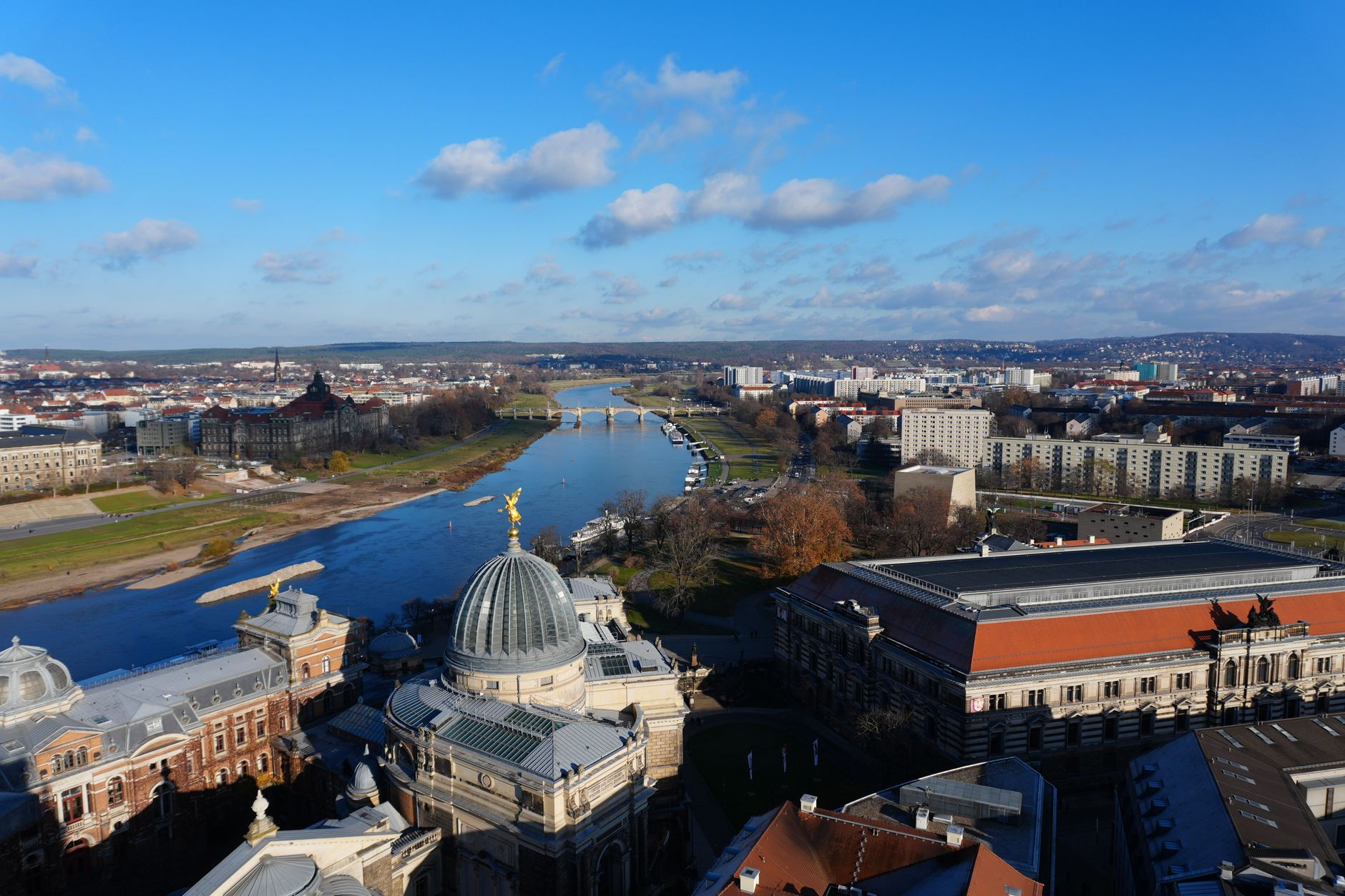
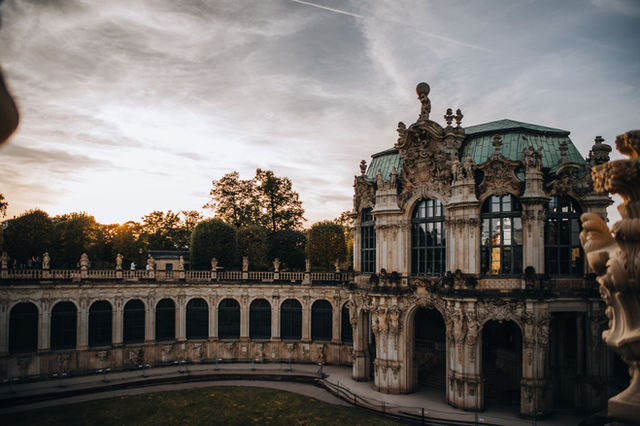
Dresden, Germany
Photo by Guo Haitao on Pexels

Highlights

A few frames from the route.

Photos provided by Pexels

The route

3 overnight bases, numbered in order. Tap a pin to jump to that day.

© OpenFreeMap · OSM contributors · straight-line route (not turn-by-turn)

7 days, day by day. Open any day for the morning-to-evening plan, where to eat, and where you sleep that night.

  1. Day 1 Fri 31 Jul Arrive Berlin Base day

    Arrival and the Brandenburg Gate

    Morning. Land at Berlin Brandenburg and take the FEX or S-Bahn straight into the centre; drop bags and resist the urge to schedule anything before mid-afternoon.

    Afternoon. Walk through the Brandenburg Gate from the eastern side, where the columns frame the Tiergarten rather than the traffic, then cross to the Reichstag for your booked dome slot.

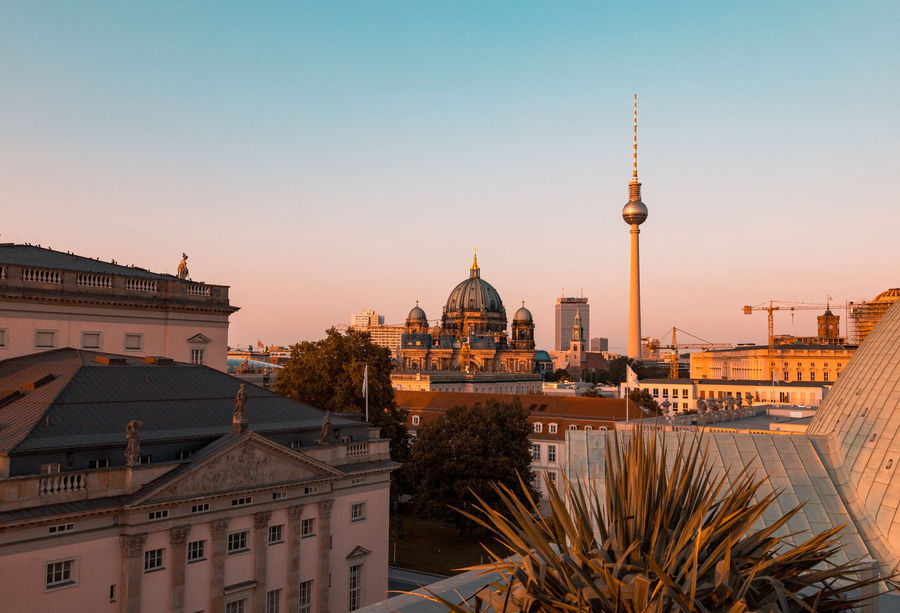
    Evening. Follow Unter den Linden east as the light goes, ending at the Lustgarten with the cathedral dome lit behind you.

    Eat. Currywurst from a standing counter near Hackescher Markt — the sausage is sliced into the sauce, not beside it, and it is a snack rather than dinner.

    Where to stay. Mitte, within walking distance of Hackescher Markt — it puts Museum Island, the S-Bahn ring and a dozen restaurants inside fifteen minutes on foot.

    Optional / swaps. The Memorial to the Murdered Jews of Europe sits two minutes south of the Gate; go if you have the energy for it, and give it proper time or skip it.

    Practical. Reichstag dome entry is free but requires advance online registration at visite.bundestag.de with full name, date of birth and photo ID, and the booking system only opens the current and following month. The dome is closed for maintenance 15–19 June, 29 June–3 July, 14–18 September, 28 September–2 October and 19–30 October 2026 — the roof terrace stays open on those dates.

    🛏 Berlin · 3 nights · 2 guests

  2. Day 2 Sat 1 Aug Berlin Base day

    Museum Island

    Morning. Start at the Neues Museum when it opens, going straight up to the Nefertiti bust before the room fills — she is alone in a domed chamber and the effect only works with space around you.

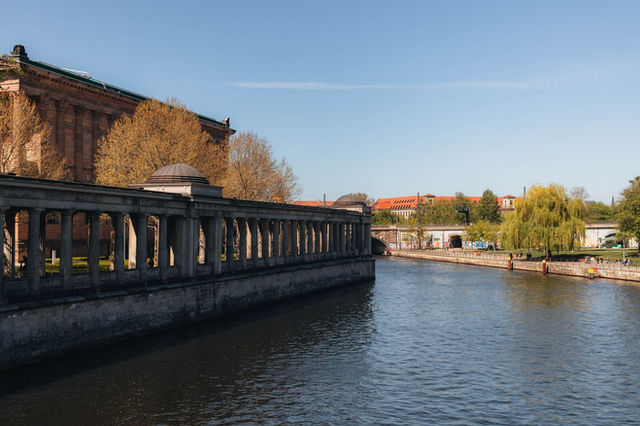
    Afternoon. Cross to the Pergamonmuseum's still-open wings or, if the closures have caught you out, the Alte Nationalgalerie's Friedrich rooms instead; then sit out on the Museum Island lawns.

    Evening. Cross the Spree into the Nikolaiviertel for the oldest street plan in Berlin, rebuilt but genuinely pleasant at dusk.

    Eat. Königsberger Klopse — veal meatballs in a caper cream sauce — at a traditional Gaststätte in the Nikolaiviertel.

    Where to stay. Mitte (as Day 1).

    Optional / swaps. The DDR Museum on the opposite bank is hands-on and works far better with teenagers than another painting gallery.

    Practical. Museum Island tickets are timed; the Pergamonmuseum is undergoing long-running staged renovation, so check which wings are actually open on the day you book rather than assuming.

  3. Day 3 Sun 2 Aug Berlin Base day

    The Wall

    Morning. Go to the Berlin Wall Memorial on Bernauer Straße — the only place the full death strip survives with both walls, the sand and a watchtower — and climb the viewing platform to see the layout from above.

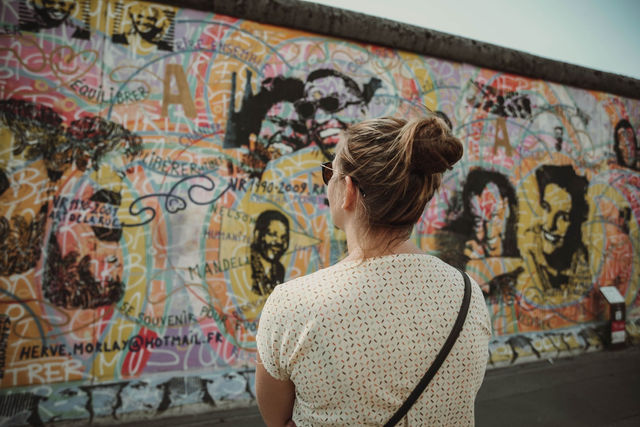
    Afternoon. Take the S-Bahn to the East Side Gallery for the painted stretch along the Spree, then walk into Kreuzberg over the Oberbaumbrücke.

    Evening. Stay in Kreuzberg for dinner; this is the part of the city that feels least like a museum.

    Eat. A proper Turkish grill on Oranienstraße — Berlin's döner is a genuine local dish, not a tourist compromise.

    Where to stay. Mitte (as Day 1).

    Optional / swaps. Swap the East Side Gallery for the Stasi Museum in Lichtenberg if the group is more interested in how the state worked than in the murals.

    Practical. The Bernauer Straße memorial is free and open-air; the documentation centre and tower keep shorter hours than the site itself.

  4. Day 4 Mon 3 Aug Berlin → Dresden ~218 km Train

    Berlin → Dresden

    Morning. Take a direct Eurocity from Berlin Hbf; it runs the route without stopping in about 1h50, and the Elbe valley opens up in the last half hour.

    Afternoon. Book the Historic Green Vault for the afternoon — the Baroque treasure rooms in the Residenzschloss, entered through an airlock to protect the collection.

    Evening. Walk out onto the Brühl Terrace above the Elbe as the sandstone goes orange, then into the Frauenkirche.

    Eat. Saxon Sauerbraten with red cabbage and a dumpling, in one of the vaulted cellars off the Neumarkt.

    Where to stay. The Altstadt between the Frauenkirche and the Zwinger — everything on this day is inside a fifteen-minute walk, which is the whole point of a one-night stop.

    Optional / swaps. Climb the Frauenkirche dome for the Altstadt roofline — adults €10, concessions €5, families €22, open Mon–Sat 10:00–18:00 and Sun 13:00–18:00 from March to October.

    Practical. The Historic Green Vault is timed-entry only and capacity is deliberately capped for conservation — €18 full, €13.50 reduced, €2 for under-20s, free below school age, and it sells out in peak season, so book it before you book the train. Entry to the Frauenkirche itself is free with a donation requested.

    🛏 Dresden · 1 night · 2 guests

  5. Day 5 Tue 4 Aug Dresden → Munich ~474 km Train

    Dresden → Munich

    Morning. A last hour on the Neumarkt with a coffee, then the long leg south. There is no direct service: expect one change and anywhere from 4h45 on the fastest connection to closer to six on a slower one.

    Afternoon. On the train. This is the day to let people read, sleep and eat properly rather than pretending it is a half-day of sightseeing.

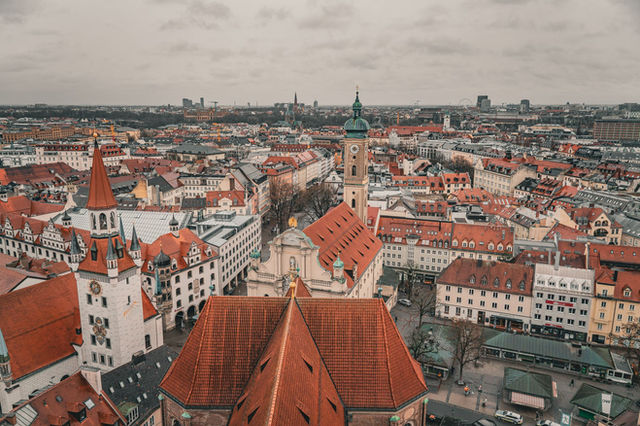
    Evening. Arrive, drop bags and walk to Marienplatz for the Neues Rathaus facade floodlit, then into the Hofbräuhaus or a quieter Wirtshaus nearby.

    Eat. Weisswurst is a morning dish and locals will tell you so; tonight go for Schweinshaxe or Obatzda with a pretzel in a beer hall.

    Where to stay. Altstadt-Lehel or the streets just south of the Hauptbahnhof — the first is nicer, the second is cheaper and puts you on the right platform for Day 7.

    Optional / swaps. If the connection lands early, the Englischer Garten is twenty minutes' walk from the Altstadt and the Eisbach surfers are running until dark.

    Practical. Book this leg in advance — Deutsche Bahn's Sparpreis fares on the Dresden–Munich route are dramatically cheaper booked ahead and near-flexible fares on the day are not. Check which station your change is at; the routing varies by service.

    🛏 Munich · 2 nights · 2 guests

  6. Day 6 Wed 5 Aug Munich Base day

    Munich in full, or Neuschwanstein

    Morning. The Munich version — the Residenz, the Wittelsbach palace complex, where the Antiquarium hall alone justifies the ticket; go at opening and you will have the long barrel-vaulted room nearly to yourself.

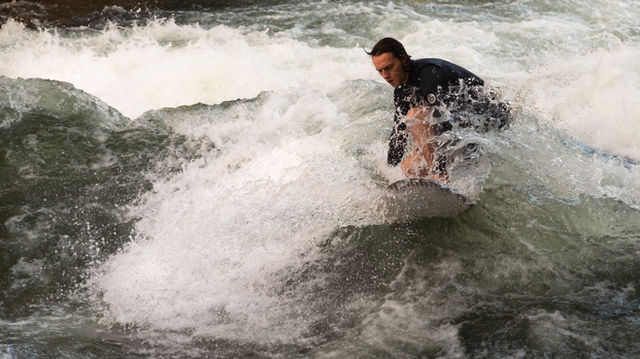
    Afternoon. The Viktualienmarkt for lunch off the stalls, then north into the Englischer Garten to the Eisbach standing wave, where surfers queue on the bank and ride a river in the middle of a city.

    Evening. A beer garden under the chestnuts at the Chinesischer Turm — you can bring your own food to the self-service tables, which is the local custom and not a loophole.

    Eat. Obatzda, pretzels and radishes from the market stalls, eaten at a shared table.

    Where to stay. Munich (as Day 5).

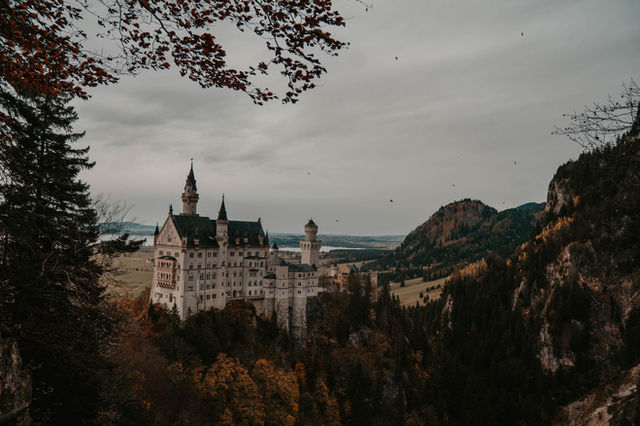
    Optional / swaps. The Neuschwanstein version of this day — regional train Munich Hbf to Füssen, hourly, about 2 hours, then bus 73 or 78 for ten minutes to Hohenschwangau. Be clear-eyed: it consumes the whole day and you will not see Munich.

    Practical. If you do Neuschwanstein, tickets are €21 adult and free for under-18s but every ticket including the free ones carries a €2.50 booking fee, all visits are timed guided tours, and they sell out — book online well ahead. The Bayern-Ticket covers the regional train and the connecting bus for up to five people, but it is not valid before 09:00 on weekdays, which rules out the earliest departures.

  7. Day 7 Thu 6 Aug Munich Base day

    Last morning and the flight home

    Morning. A final Bavarian breakfast — Weisswurst, sweet mustard and a pretzel, eaten before noon as tradition insists — then a walk through the Hofgarten if the flight is late enough.

    Afternoon. S-Bahn S8 from Marienplatz or the Hauptbahnhof out to Munich Airport; allow about 45 minutes on the train plus the usual airport margin.

    Evening. Home.

    Eat. Breakfast Weisswurst, or a Leberkässemmel from a bakery counter for the train.

    Where to stay.

    Optional / swaps. Left luggage at München Hbf frees up the whole morning if you are not ready to stop.

    Practical. The S8 runs every ten minutes but the trip is genuinely 45 minutes from the centre — this is not a fifteen-minute airport run, and the trains fill with luggage at peak.

Flights

An open-jaw trip — fly into BER, home from MUC. Each search opens pre-filled with your travel dates and party.

Powered by the Travelpayouts flight search on /flights.

Budget

A realistic planning budget for the whole trip — beds, food, fuel, the hire car and the extras. Change your party size, dates or comfort level and it updates to match.

€2,949≈ £2,521
  • Per person€1,475
  • Per day€421
  • SeasonPeak
  • TierMid

Estimate settings editable

Party2 travellers
CategoryHow it’s estimatedEstimate
Accommodationper-person/night (3–4★, min 2 sharing, £75 floor) × people × nights × season × tier€1,128
Meals & drinksper-country food/person/day × party × days × tier€612
Activities & admissionsper-country activities/person/day × party × days€516
Local transportper-country trains, buses & ferries/person/day × party × days€360
eSIM / ATMfixed one-off€65
Subtotal€2,681
Contingency (10%)€268
Grand total ≈ £2,521 · €1,475 pp · €421/day€2,949

How we estimate

  • Accommodation — per-person nightly by destination, minimum two sharing, × season × tier.
  • Standard (Mid) = 3–4★+ — estimates assume our audience’s baseline: 3–4★ or better, never below a ~£75/night room floor. Premium higher; Budget lower.
  • Meals — per person, per day, by country. Fuel — from the route distance. Season — from your dates.

These are planning estimates, not quotes. Premium properties and popular tourist hubs run above the country average, especially in peak season. Where live cost data isn’t available yet, some countries use representative figures.

Eat your way across

A taste of every country you travel through — the food culture worth going out of your way for, and the signature dishes to seek out.

Germany

Serious bread, a thousand sausages and a beer culture with actual rules — heartier and more regional than its reputation.

Find a beer garden under the chestnut trees, order a litre you’ll probably regret, and watch the food arrive built for the long afternoon: a knuckle of pork with crackling you can hear across the table, a soft pretzel the size of your head, a smear of sweet mustard. Germans take their beer seriously enough to have written a purity law in 1516 and kept to it ever since.

The country runs on bread — hundreds of dark, seeded, chewy loaves no other nation bothers to bake — and on the sausage, which shifts with every region: a Currywurst under curry ketchup at a Berlin kerb, a Weisswurst eaten before noon with wheat beer in Munich, delicate Maultaschen parcels in Swabia. It’s honest, seasonal cooking; when the white asparagus arrives in spring the whole country loses its head over it for six short weeks, and come December it turns to mulled wine and gingerbread in the market squares.

  • Schweinshaxe (roast pork knuckle)
  • Currywurst
  • Bratwurst & sauerkraut
  • Maultaschen (Swabian filled pasta)
  • pretzels
  • Black Forest gâteau

A little history

To understand what you see today, it helps to know the past — the civilisations and empires that shaped the culture, food and architecture of the places on this route.

Germany
  • A patchwork Holy Roman Empire is why Germany is still a land of distinct regions, beers and breads rather than one dominant capital
  • Luther's 1517 Reformation split the country's faith and deepened its north–south divide
  • Prussia forged unification in 1871, and two World Wars followed
  • division and the 1989 fall of the Berlin Wall gave the rebuilt, reunited Berlin of today

Family activities

The stops, games and moments that land best with kids and teens on this trip.

The Eisbach standing wave in the Englischer Garten: surfers riding a river in the middle of Munich, free to watch, and reliably the thing teenagers remember.

Climbing the Frauenkirche dome in Dresden for the Altstadt roofline, then spotting the darker original stones set back into the rebuilt facade.

The Berlin Wall Memorial viewing platform at Bernauer Straße, where the death strip is laid out below you and the geography finally makes sense.

The DDR Museum's hands-on rooms — a Trabant you can sit in and a reconstructed flat that opens every drawer.

Spot-it on the rails: count castles from the Elbe valley window between Berlin and Dresden, and Alpine peaks on the Füssen line.

Packing

What to bring for this trip — the easy-to-forget essentials.

clothing (for the full climate range + layers)

Summer-weight layers for May–September, with one warm mid-layer — Berlin evenings and the Elbe terrace are cooler than the afternoons suggest, and the Alpine foothills at Hohenschwangau are cooler again. Smart-casual for Munich dinners.

footwear (terrain)

Cushioned walking shoes that handle cobbles — the Dresden Neumarkt, the Nikolaiviertel and the climb up to Neuschwanstein are all hard on thin soles.

activity gear

A compact umbrella or packable waterproof for summer thunderstorms, sunglasses and sunscreen for the beer gardens and the Elbe terrace.

luggage & transport strategy

One carry-on-sized wheeled case per person plus a daypack. You change trains once with luggage and German platform changes are quick — anything you cannot lift up a step yourself is a liability.

documents / money / connectivity & adapters

Passport (needed as photo ID for the Reichstag registration, and the name must match the booking), DB Navigator app with tickets loaded, contactless cards plus some euro cash for market stalls and beer gardens, Type C/F adapters.

health / first-aid

Blister plasters for high step counts, personal prescriptions, and motion-sickness remedies for the winding bus up from Füssen if you take it.

destination-specific extras

A reusable water bottle — public fountains are common — and a foldable bag for the Viktualienmarkt.

Drone rules (sub-250g)

Where you can and can’t fly a small drone along the way — the rules change sharply from one country to the next, so check before you launch.

  • Germany
    Register with the LBA via the dipul portal (about €20 for three years; an EU ID is valid) for any camera drone, and — unusually — carry liability insurance, which is legally required for every drone, sub-250g included. Since 2026 only C-class-marked drones may fly in their subcategories. ⚠ All 16 national parks, nature reserves (Naturschutzgebiete) and Natura 2000 areas have banned recreational drones since 2017; Bavaria’s palaces (Neuschwanstein and others) need a separate permit — check the DIPUL map. Rules checked: Jul 2026

National parks, protected sites and religious/heritage venues often have their own rules and permits — always check the specific site before you fly.