Road trip

3 Days in Tokyo: The Perfect Itinerary (2026)

A long weekend across three Tokyos — Senso-ji and old Asakusa, Shibuya's crossing from above, and a barefoot finale in teamLab's digital rooms, all on one IC card.

🚆TrainPlane
  • Trip dates 31 Jul – 2 Aug 2026
  • Length3 days · 2 nights
  • TransportTrain + Plane
  • Countries1 · Japan

Overview

Tokyo is not one city but a chain of centres strung along a loop line, and a three-day visit works best if each day takes one of them rather than criss-crossing. Day one is the old east: Asakusa, Senso-ji and the Sumida river, which is the closest Tokyo gets to a historic quarter and the right place to be while jet lag is still winning. Day two is the west — Meiji Jingu's forest, Harajuku, and Shibuya, where the crossing is the single most recognisable street scene in Asia and the rooftop above it is worth booking. Day three is the modern city: teamLab's immersive art, a market lunch, and neon Shinjuku before the flight. The Yamanote loop line connects all of it and an IC card makes the whole system a single tap. Nothing here needs a rail pass; for a three-day city visit a pass is straightforwardly a waste of money.

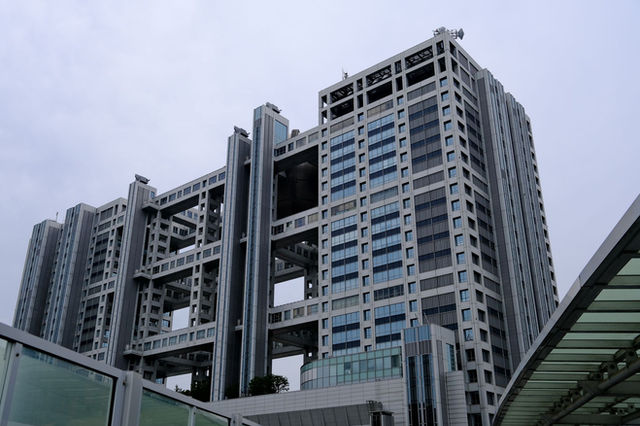
Tokyo, Japan
Photo by Huy Phan on Pexels

Highlights

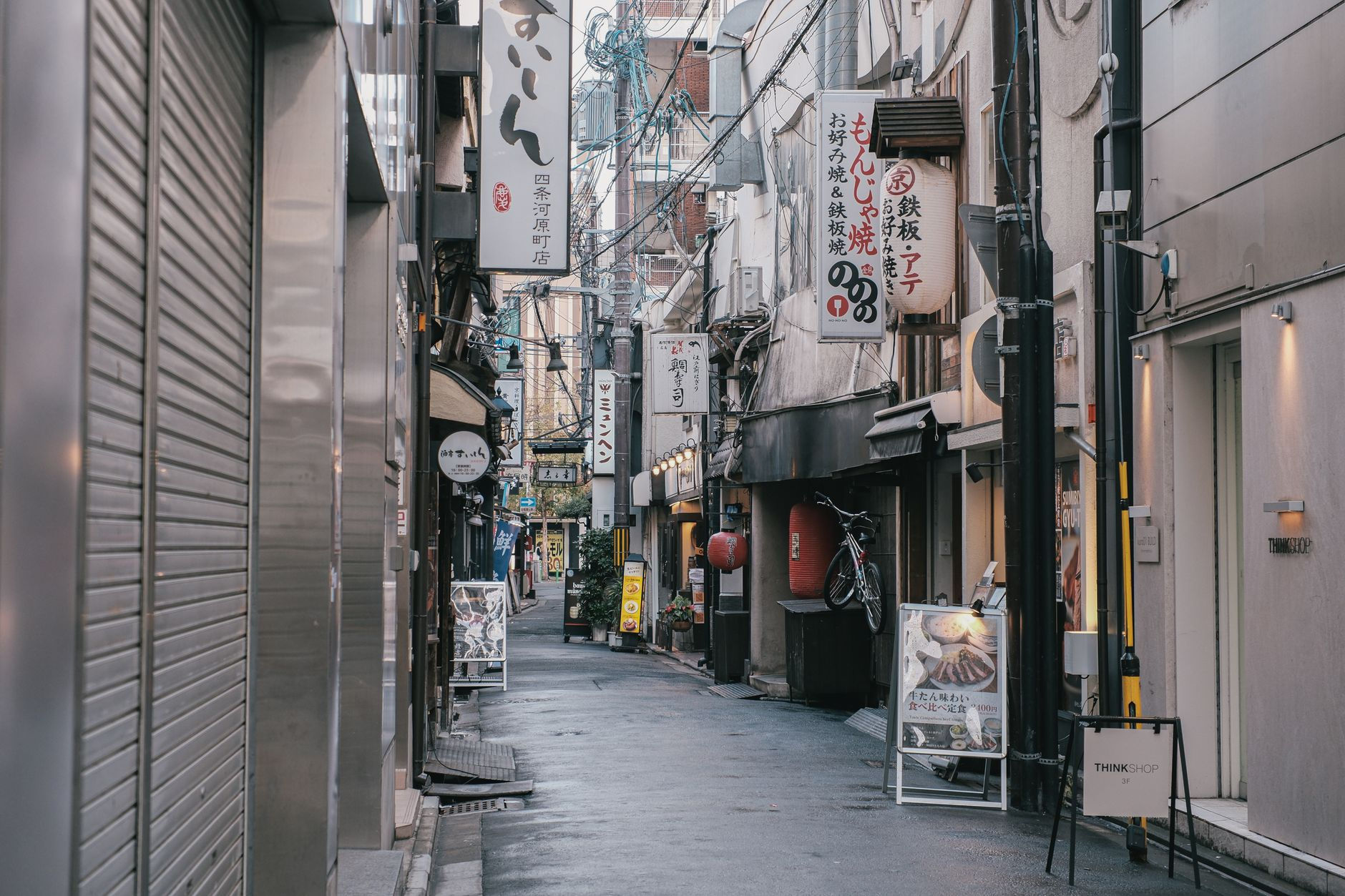
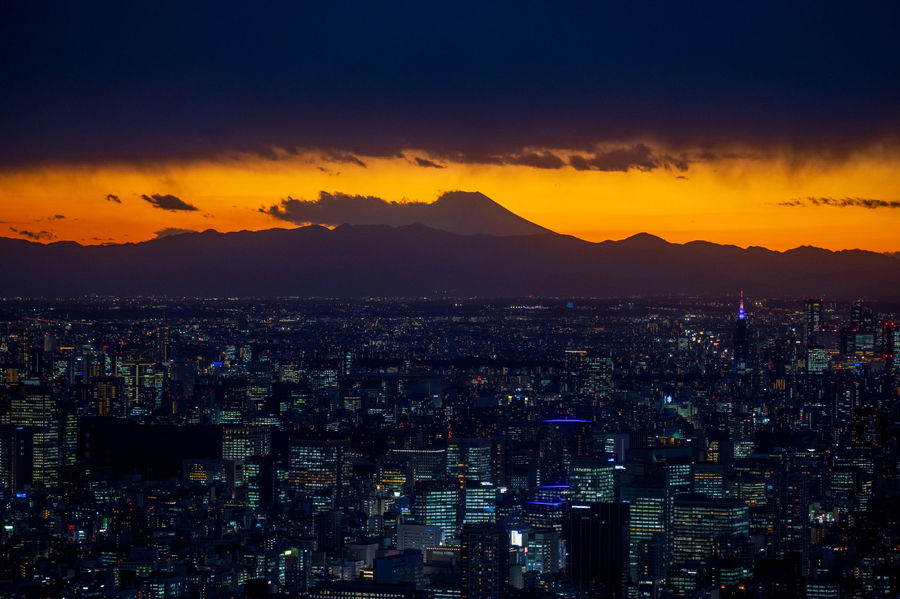
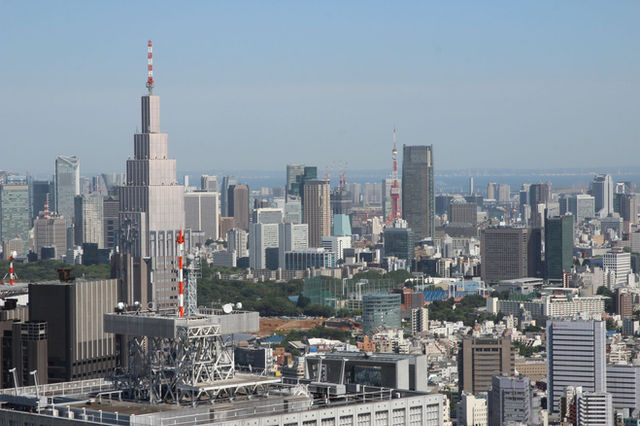
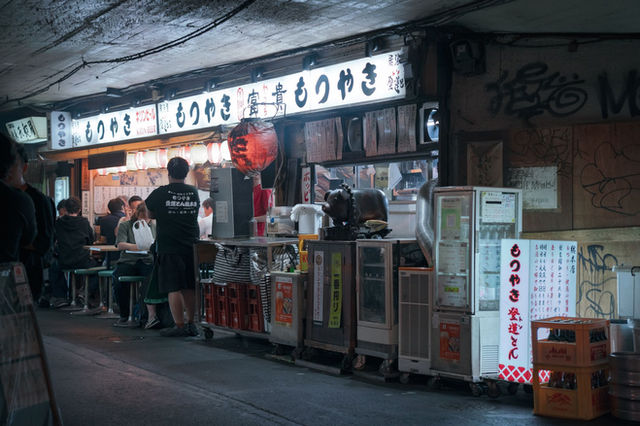
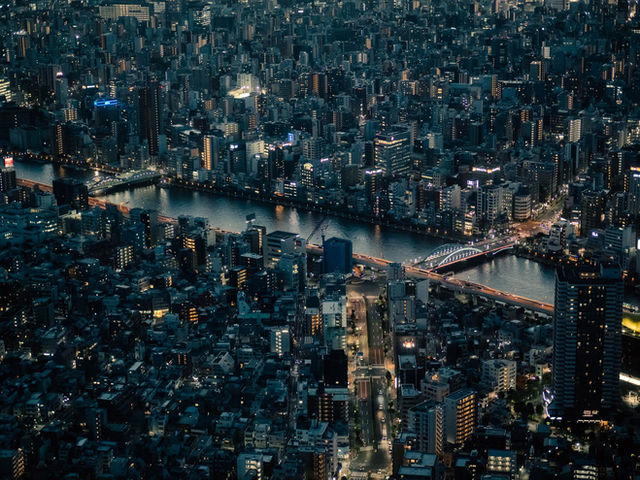
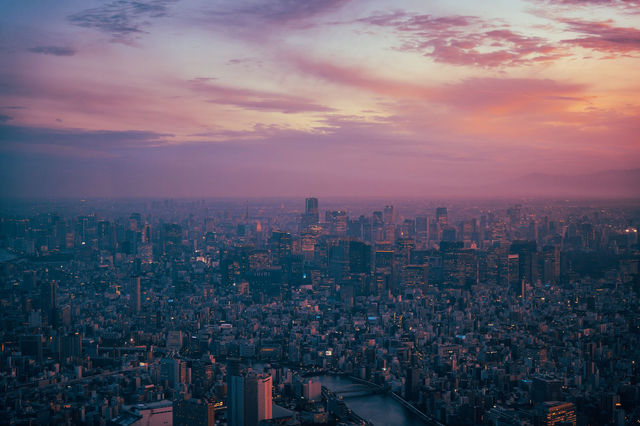
A few frames from the route.

Photos provided by Pexels

The route

1 overnight bases, numbered in order. Tap a pin to jump to that day.

© OpenFreeMap · OSM contributors · straight-line route (not turn-by-turn)

3 days, day by day. Open any day for the morning-to-evening plan, where to eat, and where you sleep that night.

  1. Day 1 Fri 31 Jul Arrive Tokyo Base day

    Asakusa and the old city

    Morning. Land at Haneda — much closer to the city than Narita — and take the monorail or Keikyu line in. Buy a Suica or Pasmo IC card at the station before you do anything else.

    Afternoon. Asakusa and Senso-ji, Tokyo's oldest temple: in through the Kaminarimon gate under its enormous red lantern, up the snack stalls of Nakamise-dori, and a waft of incense at the cauldron before the hall.

    Evening. The Sumida riverside with the Skytree lit on the far bank, then an early dinner while the jet lag is still manageable.

    Eat. Tempura in Asakusa, which has been frying it since the Edo period, or soba from a standing counter.

    Where to stay. Shinjuku or Ginza. Shinjuku puts you on every line in the country and next to the food; Ginza is quieter. Either way, stay on the Yamanote loop.

    Optional / swaps. A yakatabune river cruise, or the free observation decks of the Tokyo Metropolitan Government Building in Shinjuku after dark.

    Practical. Do not buy a JR Pass for a city-only trip — it covers nothing you need here and costs many times an IC card's use. Japan is more cash-based than expected; 7-Eleven ATMs reliably take foreign cards. Trains stop around midnight and taxis after that are expensive.

    🛏 Tokyo · 2 nights · 2 guests

  2. Day 2 Sat 1 Aug Tokyo Base day

    Shibuya and Harajuku

    Morning. Meiji Jingu at opening — a Shinto shrine set in a forest of 100,000 donated trees, and genuinely silent if you get there early. Walk in under the enormous cypress torii.

    Afternoon. Harajuku's Takeshita-dori for the crêpes and the noise, then Omotesando's architecture, then down to Shibuya for the crossing — watch it first from above, then walk it.

    Evening. Shibuya Sky's open-air rooftop at sunset, then Shinjuku's Omoide Yokocho for grilled skewers in alleys under the railway.

    Eat. Yakitori at a six-seat counter in Omoide Yokocho, ordered by pointing.

    Where to stay. Tokyo (as Day 1).

    Optional / swaps. The Meiji Jingu inner garden and its iris beds, or Yoyogi Park next door on a Sunday when the rockabilly dancers turn out.

    Practical. **Shibuya Sky sells timed tickets and sunset slots go first** — book days ahead. The free view from the Starbucks window overlooking the crossing is the classic one and costs the price of a coffee. Shibuya station is a genuine maze; follow the Hachiko exit signs.

  3. Day 3 Sun 2 Aug Tokyo Base day

    teamLab and Shinjuku

    Morning. teamLab — the digital art collective's immersive galleries, where you walk barefoot through ankle-deep projected water, mirrored infinity rooms and forests of light that respond to you. It is consistently what children and teenagers rate highest in Tokyo.

    Afternoon. Tsukiji Outer Market for lunch off the stalls — the inner fish auction moved to Toyosu, but the outer market is where the eating always happened — then the Imperial Palace East Gardens if there is time.

    Evening. Back to Haneda for the flight.

    Eat. Sushi or tamagoyaki from a Tsukiji counter, and a last convenience-store snack haul for the plane.

    Where to stay.

    Optional / swaps. Akihabara's arcades and multi-storey electronics shops are free to wander and very loud; Ginza if you would rather have calm.

    Practical. teamLab venues are timed-entry, sell out, and involve **water on the floor and mirrored surfaces** — wear shorts or trousers you can roll up, and skirts are impractical. Check which venue your ticket is for; they have relocated before. Coin lockers at every station take the bags for the day.

Flights

Fly into and home from HND. Each search opens pre-filled with your travel dates and party.

Powered by the Travelpayouts flight search on /flights.

Budget

A realistic planning budget for the whole trip — beds, food, fuel, the hire car and the extras. Change your party size, dates or comfort level and it updates to match.

€1,229≈ £1,050
  • Per person€615
  • Per day€410
  • SeasonPeak
  • TierMid

Estimate settings editable

Party2 travellers
CategoryHow it’s estimatedEstimate
Accommodationper-person/night (3–4★, min 2 sharing, £75 floor) × people × nights × season × tier€456
Meals & drinksper-country food/person/day × party × days × tier€224
Activities & admissionsper-country activities/person/day × party × days€232
Local transportper-country trains, buses & ferries/person/day × party × days€140
eSIM / ATMfixed one-off€65
Subtotal€1,117
Contingency (10%)€112
Grand total ≈ £1,050 · €615 pp · €410/day€1,229

How we estimate

  • Accommodation — per-person nightly by destination, minimum two sharing, × season × tier.
  • Standard (Mid) = 3–4★+ — estimates assume our audience’s baseline: 3–4★ or better, never below a ~£75/night room floor. Premium higher; Budget lower.
  • Meals — per person, per day, by country. Fuel — from the route distance. Season — from your dates.

These are planning estimates, not quotes. Premium properties and popular tourist hubs run above the country average, especially in peak season. Where live cost data isn’t available yet, some countries use representative figures.

Eat your way across

A taste of every country you travel through — the food culture worth going out of your way for, and the signature dishes to seek out.

Japan

Obsessive seasonality and craft — from a three-Michelin counter to the best bowl of noodles you’ll eat standing up.

Duck under the noren curtain of a counter that seats eight, order by pointing, and watch a bowl of ramen arrive that someone has spent years learning to make — the broth simmered overnight, the noodles cut to the shop’s own thickness, a soft egg halved to order. Japan treats its humblest food with the seriousness other countries keep for cathedrals.

It all rests on a few pure things: short-grain rice, the smoky-savoury stock called dashi, soy, and an almost devotional attention to the season — the first bonito of spring, autumn’s matsutake, winter crab. At a sushi counter the chef sets one piece in front of you at a time, the rice still warm, and expects you to eat it before the temperature slips. Eat where the locals do — the standing soba stall, the smoke-filled izakaya, the ramen shop with a line out the door — and let the country show how much can be said with rice, fish and restraint.

  • sushi & sashimi
  • ramen
  • tempura
  • okonomiyaki (savoury pancake)
  • tonkatsu (breaded pork cutlet)
  • wagyu beef
  • matcha sweets

A little history

To understand what you see today, it helps to know the past — the civilisations and empires that shaped the culture, food and architecture of the places on this route.

Japan
  • Kyoto's thousand years as imperial capital left the temples, gardens and the refined precision of kaiseki cooking
  • samurai shogunates ruled for centuries from castles like Himeji's white keep
  • 250 years of self-imposed isolation until 1853 distilled a uniquely inward culture
  • the 1868 Meiji opening and post-war reinvention built the neon, bullet-train nation that still keeps Hiroshima's memory

Family activities

The stops, games and moments that land best with kids and teens on this trip.

teamLab's barefoot rooms — wading through projected water that parts around your legs, and mirrored infinity spaces that go on forever.

The Shibuya crossing: watch a few cycles from above, then walk it in the middle of the scramble.

Drawing an omikuji fortune at Senso-ji and tying up the bad ones on the rack so they do not follow you home.

Shibuya Sky's open rooftop at sunset, with the whole Kanto plain and Fuji on a clear day.

Spot-it in the convenience stores: pick a snack nobody recognises each day and rank them by the end of the trip.

Packing

What to bring for this trip — the easy-to-forget essentials.

clothing (for the full climate range + layers)

Layers for spring and autumn, which swing between morning and afternoon. Slip-on shoes are genuinely useful — you remove them at temples and some restaurants, and at teamLab.

footwear (terrain)

Comfortable shoes and intact socks, for the above reason. Step counts here are very high and station corridors are long.

activity gear

A folding umbrella, a portable battery (you navigate on your phone all day), and a small daypack.

luggage & transport strategy

Cabin bags only for two nights. Station coin lockers are sized for them, which makes the last day easy.

documents / money / connectivity & adapters

Passport, Visit Japan Web QR codes, eSIM, IC card, and more cash than you would carry in Europe. Type A/B sockets at 100V.

health / first-aid

Personal prescriptions with documentation — Japan restricts some common decongestants — plus a hand towel, since public toilets often have no dryers and everyone carries one.

destination-specific extras

A small bag for your rubbish; public bins are almost nonexistent and you carry your litter until you get home.

Drone rules (sub-250g)

Where you can and can’t fly a small drone along the way — the rules change sharply from one country to the next, so check before you launch.

  • Japan
    Stricter than most: registration on MLIT’s DIPS with Remote ID starts at 100g, not 250g, so most “sub-250g” drones must still be registered — and foreign-visitor registration is slow and awkward (a passport plus an address document, up to two weeks). Rural flying is legal once registered; every city is effectively closed. ⚠ All densely-inhabited districts (DID) — effectively every city, including all of Tokyo’s 23 wards under a 24-hour ban since 2026 — plus airports, crowds, and the Imperial Palace and government sites are no-fly without special MLIT permission (10 working days’ lead). Rules checked: Jul 2026

National parks, protected sites and religious/heritage venues often have their own rules and permits — always check the specific site before you fly.