Road trip

7 Days in Mexico: Mexico City, Yucatan & the Riviera Maya Itinerary (2026)

One base, six nights, no repacking — Playa del Carmen as the hub for Tulum's cliff-top ruins, Chichén Itzá, a cenote swim, a Cozumel reef day and the sea turtles at Akumal.

🚌BusFerryPlane
  • Trip dates 31 Jul – 6 Aug 2026
  • Length7 days · 6 nights
  • TransportBus + Ferry + Plane
  • Countries1 · Mexico

Overview

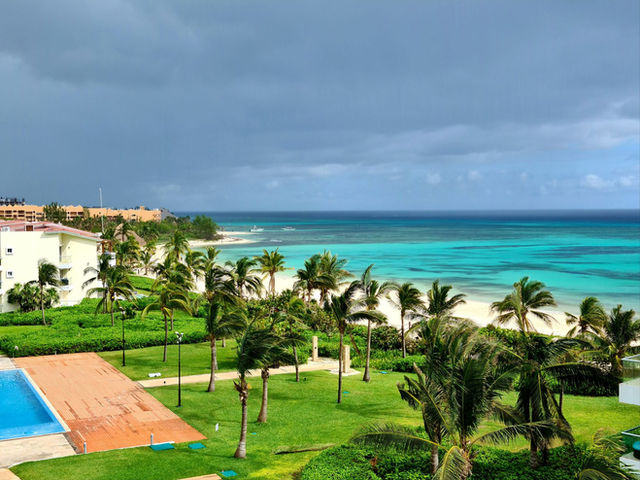
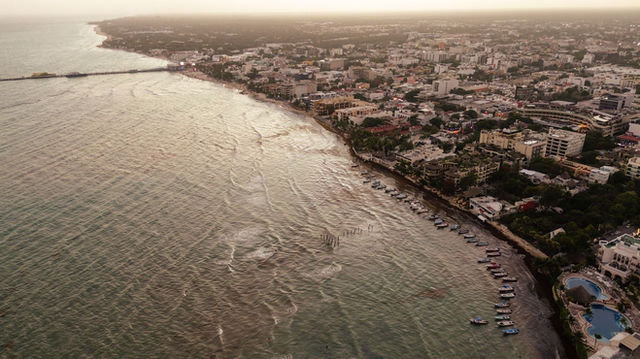
The Yucatán tempts people into moving hotel three times in a week, and it is almost always a mistake: the peninsula's highlights are day trips from a single coastal base, and the time you save on transfers is time in the water. This itinerary stays in Playa del Carmen for all six nights. It is halfway between Cancún airport and Tulum, it has a walkable town rather than a resort strip, and the Cozumel ferry leaves from its pier. From there the week fans out — the Tulum ruins on their cliff above the Caribbean, Chichén Itzá inland, a cenote in the jungle, snorkelling with turtles at Akumal, and one day on Cozumel's reef, which is part of the second-largest barrier reef system in the world. The pace is genuinely relaxed: two long day trips, two short ones, and days that end on a beach. The honest caveat is Chichén Itzá, which is a real 2.5-hour drive each way and needs an early start to be worth doing.

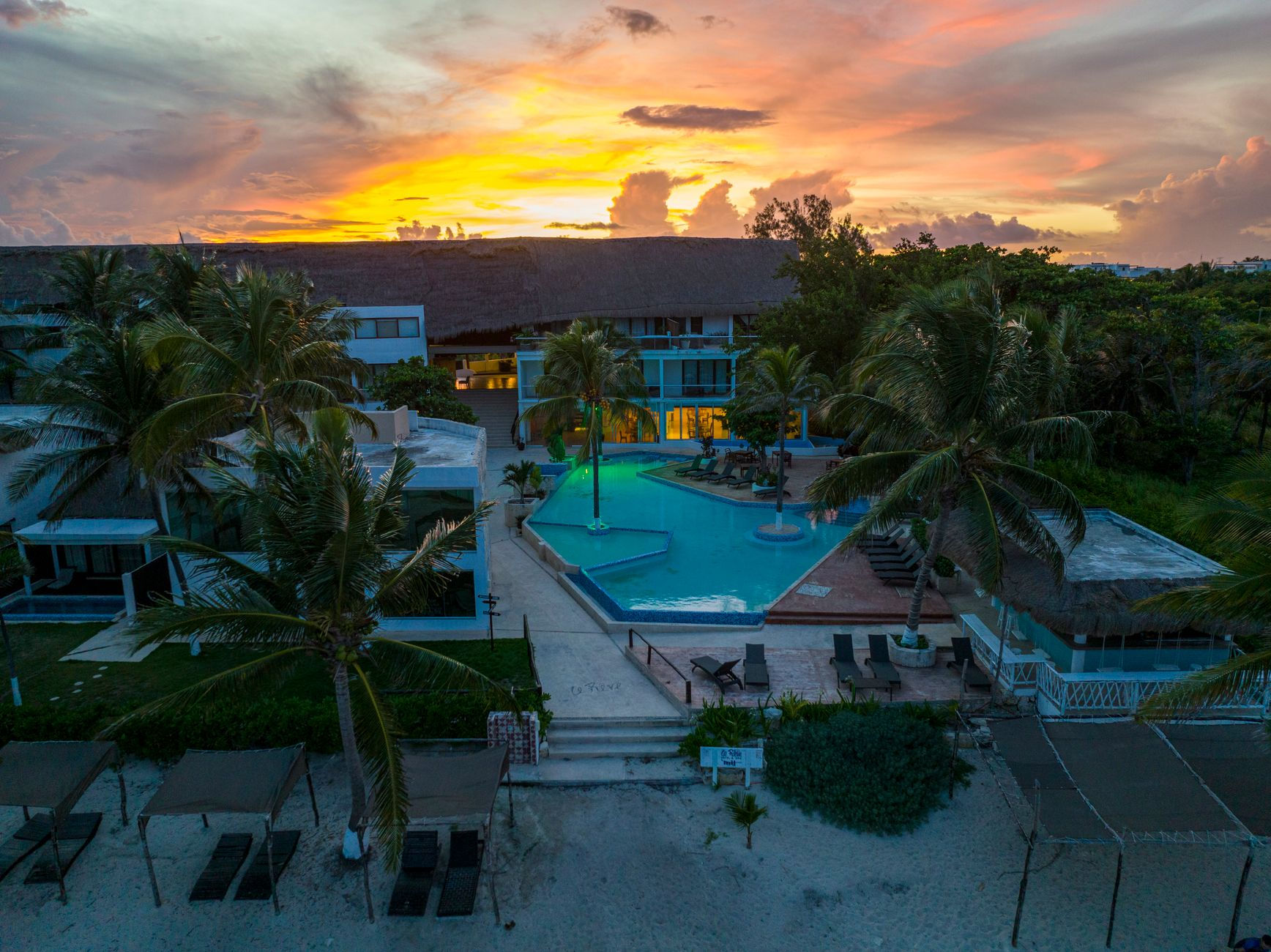
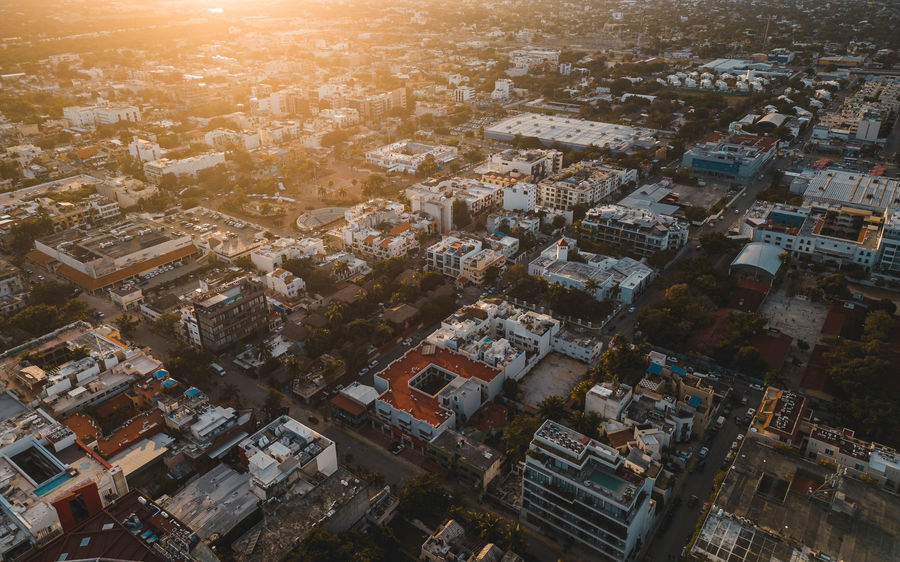
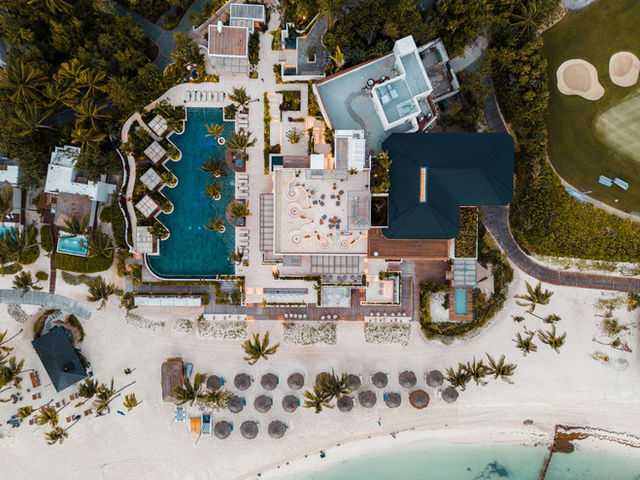
Playa Carmen, Mexico
Photo by Stephen Leonardi on Pexels

Highlights

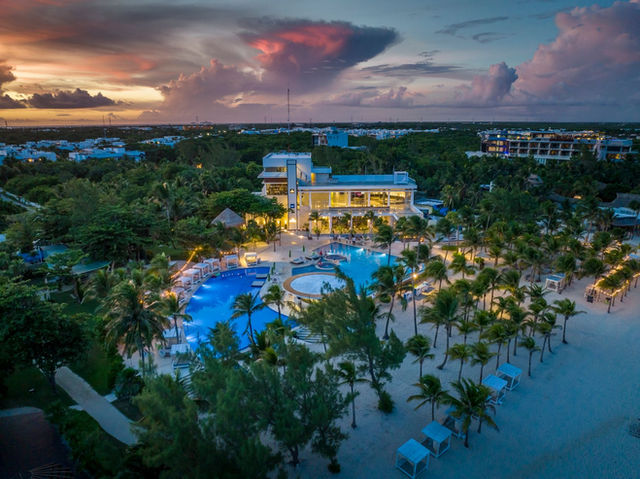
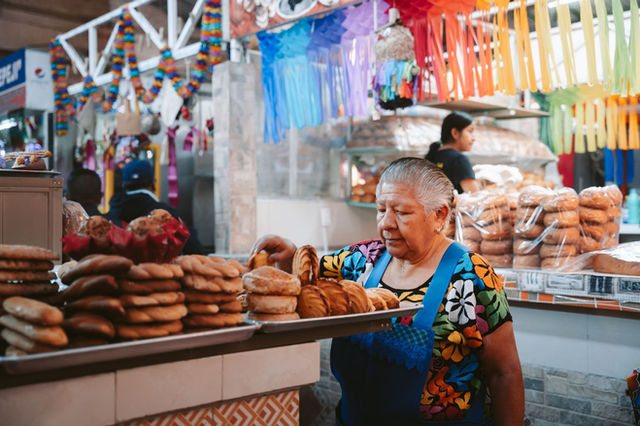
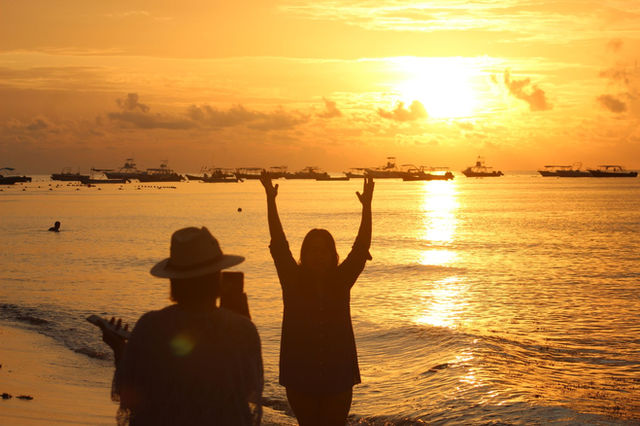
A few frames from the route.

Photos provided by Pexels

The route

1 overnight bases, numbered in order. Tap a pin to jump to that day.

© OpenFreeMap · OSM contributors · straight-line route (not turn-by-turn)

7 days, day by day. Open any day for the morning-to-evening plan, where to eat, and where you sleep that night.

  1. Day 1 Fri 31 Jul Arrive Playa del Carmen Base day

    Arrival and Playa

    Morning. Land at Cancún and transfer south, about an hour on the highway; the ADO coach is comfortable, cheap and far better value than a private transfer.

    Afternoon. The beach, and nothing else. This is a ten-hour flight and a time-zone change, and the rest of the week is early starts.

    Evening. Quinta Avenida, the pedestrian spine, for dinner — walk a few blocks inland for the places where the prices halve.

    Eat. Tacos al pastor carved off the vertical spit, with pineapple.

    Where to stay. Playa del Carmen between Quinta Avenida and the sea, ideally north of Calle 20 for a quieter block with the beach still on your doorstep.

    Optional / swaps. The beach at Playa is public along its whole length, so a beach club lounger is optional rather than necessary.

    Practical. Use official ADO buses or authorised taxis from Cancún airport; the arrivals hall touts are aggressive and the "free transfer" is a timeshare pitch. Agree taxi fares before getting in — Playa's taxis are unmetered.

    🛏 Playa del Carmen · 6 nights · 2 guests

  2. Day 2 Sat 1 Aug Playa del Carmen Base day

    Tulum

    Morning. Tulum's ruins at opening — a walled Maya port city on a low cliff directly above a turquoise bay, and the only major Maya site on the coast.

    Afternoon. Down to the beach below the ruins, or along the Tulum beach road to a beach club; then back up the coast.

    Evening. Dinner back in Playa.

    Eat. Cochinita pibil — slow-roasted achiote pork, a Yucatán speciality — in a taquería.

    Where to stay. Playa del Carmen (as Day 1).

    Optional / swaps. The Gran Cenote, five minutes from Tulum town, is a good pairing if you want to swim the same day.

    Practical. Tulum is compact, fully exposed and gets hot fast — an opening-time visit takes an hour and is far more pleasant than a midday one. Iguanas are everywhere and harmless. Note that Tulum now has its own airport (TQO), which may be a better arrival point than Cancún depending on your flight.

  3. Day 3 Sun 2 Aug Playa del Carmen Base day

    Chichén Itzá and a cenote

    Morning. Leave early — genuinely early — for Chichén Itzá, about two and a half hours inland. El Castillo, the ball court and the observatory, with the site at its emptiest in the first hour.

    Afternoon. A cenote on the way back — Ik Kil is the famous one near the site, Suytun the photogenic one; both are busy, and smaller cenotes off the highway are better.

    Evening. Late dinner in Playa.

    Eat. Sopa de lima and papadzules at a Valladolid stop on the way back — Valladolid is a lovely colonial town and a far better lunch than the site's own restaurants.

    Where to stay. Playa del Carmen (as Day 1).

    Optional / swaps. Ek Balam is a fraction of the visitors, still lets you climb the main pyramid, and pairs with Cenote X'Canché.

    Practical. Chichén Itzá costs around 697 MXN for foreign adults in 2026 and roughly 100 MXN for children under 11 — and the total is **split into two separate tickets at the gate**, a federal INAH fee and a Yucatán state CULTUR fee, which are often payable in cash. Bring pesos. You can no longer climb El Castillo. This is a long day; a guided tour that handles the driving is a reasonable trade.

  4. Day 4 Mon 3 Aug Playa del Carmen Base day

    Cozumel

    Morning. Ferry from Playa's pier, about forty-five minutes, to Cozumel — an island sitting on the Mesoamerican Barrier Reef, the second largest in the world.

    Afternoon. Snorkel or dive at Palancar or Colombia reef, or hire a jeep and drive the wild windward coast, which is empty and rough and completely unlike the leeward side.

    Evening. Back on the ferry to Playa for dinner.

    Eat. Fresh ceviche and a michelada at a beach shack on the island.

    Where to stay. Playa del Carmen (as Day 1).

    Optional / swaps. Punta Sur eco park at the southern tip has a lighthouse, a lagoon with crocodiles and a quiet reef beach.

    Practical. The crossing can be rough and the ferries are fast and enclosed — take a motion-sickness remedy if anyone is prone. Use only reef-safe sunscreen, which is required in the marine park and enforced at some sites. Do not touch or stand on coral.

  5. Day 5 Tue 4 Aug Playa del Carmen Base day

    Akumal turtles and a cenote

    Morning. Akumal bay, half an hour south, where green sea turtles graze on the seagrass beds close to shore — you snorkel above them from the beach.

    Afternoon. A jungle cenote — Dos Ojos or Cenote Azul — swimming in fresh water in a limestone cavern with the light coming down through the roof.

    Evening. Back to Playa, and an early night.

    Eat. Fish tacos at Akumal, and marquesitas — a rolled crêpe with cheese and cajeta — from a street cart in the evening.

    Where to stay. Playa del Carmen (as Day 1).

    Optional / swaps. Yal-Ku lagoon next to Akumal is calm, shallow and good for weaker swimmers.

    Practical. Akumal now requires snorkelling with a certified guide in the turtle zone and a life jacket, and there is a bay access fee — this is turtle protection, not a scam, and the rules are enforced. Never touch or chase a turtle, and keep a distance of several metres. Rinse off sunscreen before entering a cenote; most require it.

  6. Day 6 Wed 5 Aug Playa del Carmen Base day

    A slow day

    Morning. Nothing scheduled. The beach, a late breakfast, and a swim.

    Afternoon. Xcaret or Xel-Há if the group wants a full eco-park day, or the ferry-free option of Playacar's quieter southern beach.

    Evening. A last dinner off Quinta — the seafood places on Calle 12 and inland are where locals eat.

    Eat. Whole grilled fish, Yucatán style, with habanero salsa on the side rather than in it.

    Where to stay. Playa del Carmen (as Day 1).

    Optional / swaps. A cooking class, or a day boat to Isla Mujeres if the group would rather have another island.

    Practical. The eco-parks are expensive and heavily marketed; they are genuinely good with younger children and largely unnecessary if you have already done cenotes and reef.

  7. Day 7 Thu 6 Aug Playa del Carmen Base day

    Last swim and home

    Morning. A final swim and a long breakfast; most hotels will hold bags after checkout.

    Afternoon. ADO coach or transfer north to Cancún airport, about an hour.

    Evening. Home.

    Eat. One more al pastor taco before the bus.

    Where to stay.

    Optional / swaps. Cancún's hotel zone is on the way if you want to see it; most people are glad they stayed south.

    Practical. Cancún airport is busy and the terminals are separate — check which one your airline uses, and allow real time for security in high season.

Flights

Fly into and home from CUN. Each search opens pre-filled with your travel dates and party.

Powered by the Travelpayouts flight search on /flights.

Budget

A realistic planning budget for the whole trip — beds, food, fuel, the hire car and the extras. Change your party size, dates or comfort level and it updates to match.

€1,735≈ £1,483
  • Per person€868
  • Per day€248
  • SeasonPeak
  • TierMid

Estimate settings editable

Party2 travellers
CategoryHow it’s estimatedEstimate
Accommodationper-person/night (3–4★, min 2 sharing, £75 floor) × people × nights × season × tier€684
Meals & drinksper-country food/person/day × party × days × tier€300
Activities & admissionsper-country activities/person/day × party × days€348
Local transportper-country trains, buses & ferries/person/day × party × days€180
eSIM / ATMfixed one-off€65
Subtotal€1,577
Contingency (10%)€158
Grand total ≈ £1,483 · €868 pp · €248/day€1,735

How we estimate

  • Accommodation — per-person nightly by destination, minimum two sharing, × season × tier.
  • Standard (Mid) = 3–4★+ — estimates assume our audience’s baseline: 3–4★ or better, never below a ~£75/night room floor. Premium higher; Budget lower.
  • Meals — per person, per day, by country. Fuel — from the route distance. Season — from your dates.

These are planning estimates, not quotes. Premium properties and popular tourist hubs run above the country average, especially in peak season. Where live cost data isn’t available yet, some countries use representative figures.

Eat your way across

A taste of every country you travel through — the food culture worth going out of your way for, and the signature dishes to seek out.

Mexico

One of the world's great cuisines — corn, chilli and centuries of patience, best eaten standing at a taco stall.

Find the taco stall with the longest queue and the spinning trompo of pork out front, its edges charred and glistening, a pineapple balanced on top. The taquero shaves the meat straight onto a small warm corn tortilla — a slick of salsa, coriander, onion, a squeeze of lime — two bites, gone, order three more. This is the everyday genius of a cuisine the world now ranks among its greatest.

It all begins with corn: dried, simmered with lime and ground fresh into masa for tortillas that taste of the field. Around it, a pantry of dried chillies, tomatillos, herbs and bitter chocolate that Oaxaca coaxes into mole, a sauce of thirty ingredients toasted and ground for days. Go south for cochinita pibil, pork buried and slow-roasted until it falls apart; anywhere, chase it with a cold agua fresca. Eat here and the tacos back home quietly stop making sense.

  • tacos al pastor (spit-roast pork)
  • mole poblano (chilli & chocolate sauce)
  • cochinita pibil (Yucatán roast pork)
  • tamales
  • chiles en nogada
  • pozole (hominy stew)
  • guacamole

A little history

To understand what you see today, it helps to know the past — the civilisations and empires that shaped the culture, food and architecture of the places on this route.

Mexico
  • Great pre-Columbian civilisations — Maya, Aztec, Teotihuacán — left pyramids and gave the world corn, chocolate and chilli
  • the 1521 Spanish conquest layered Catholic colonial cities directly over the ancient stone
  • that collision is why the food fuses native maize and chilli with European pork and cheese
  • independence in 1821, then a revolution a century later, forged the proud mestizo identity of today

Family activities

The stops, games and moments that land best with kids and teens on this trip.

Snorkelling above grazing green turtles at Akumal, straight off the beach with a guide.

Swimming in a cenote — fresh water in a limestone cavern with tree roots hanging through the roof and the light coming down in a column.

Standing in front of El Castillo at Chichén Itzá and clapping — the staircase returns a chirp said to imitate the quetzal.

The Cozumel reef, where the drop-off is close enough to shore that even a beginner snorkeller sees the wall.

Spot-it in the Riviera Maya: count iguanas at Tulum and coatis on the roadside, and find a marquesita cart after dark.

Packing

What to bring for this trip — the easy-to-forget essentials.

clothing (for the full climate range + layers)

Hot and humid year-round — light, quick-dry clothing, plus one long-sleeve layer for sun and for cenote caves, which are cool.

footwear (terrain)

Sandals plus water shoes for cenote rock and reef entries, and one pair of closed shoes for the ruins, which are uneven limestone.

activity gear

**Reef-safe (biodegradable) sunscreen is mandatory** in the marine park and most cenotes — regular sunscreen will be refused. Snorkel mask, rash vest, dry bag.

luggage & transport strategy

One case each and it stays unpacked all week. A small daypack for the day trips.

documents / money / connectivity & adapters

Passport, immigration record, pesos in cash for gates and taxis, cards for hotels and restaurants, eSIM. Type A/B sockets, 127V.

health / first-aid

Strong insect repellent for the jungle cenotes, rehydration salts, motion-sickness remedies for the Cozumel ferry, and a stomach remedy. Drink bottled or filtered water.

destination-specific extras

A waterproof phone pouch, and a light towel that dries fast for four separate swim days.

Drone rules (sub-250g)

Where you can and can’t fly a small drone along the way — the rules change sharply from one country to the next, so check before you launch.

  • Mexico
    A sub-250g drone is exempt from AFAC registration — fly below 120 m, within sight, away from crowds and at least 9 km from airports; anything heavier must be registered through a portal that in practice needs a Mexican ID. ⚠ Archaeological zones are the trap: INAH bans drones at Chichén Itzá, Teotihuacán, Tulum and every other site without a permit rarely given to tourists, and national parks and biosphere reserves need their own clearance. Some readings of the rules bar foreign operators outright, so ask locally before you fly. Rules checked: Jul 2026

National parks, protected sites and religious/heritage venues often have their own rules and permits — always check the specific site before you fly.