Road trip

7 Days in Vietnam: Hanoi, Halong Bay & Hoi An Itinerary (2026)

Two days in Hanoi's Old Quarter, a night on a junk in Lan Ha Bay among the limestone karsts, then three days in lantern-lit Hoi An — one internal flight, no backtracking.

PlaneBoat🚌Bus
  • Trip dates 31 Jul – 6 Aug 2026
  • Length7 days · 6 nights
  • TransportPlane + Boat + Bus
  • Countries1 · Vietnam

Overview

Vietnam is long and a week only buys you one end of it, so this itinerary takes the north and the centre and leaves Saigon and the Mekong for another trip. Hanoi opens it: two days for the Old Quarter's motorbike chaos, the lake, the street food and a water-puppet show. The bay is the middle — and the honest recommendation here is to book into Lan Ha Bay rather than the central Halong tourist route, because it is the same drowned-karst landscape with a fraction of the boat traffic. One night on board is the right dose; two is a lot of boat. Then a flight south to Da Nang and three nights in Hoi An, which is the reason most people come back to Vietnam: a preserved trading port of tile-roofed shophouses, tailors, and a river full of lanterns after dark. Three nights there is deliberate — it gives you the town, the beach and a day for My Son or the countryside without moving hotels again.

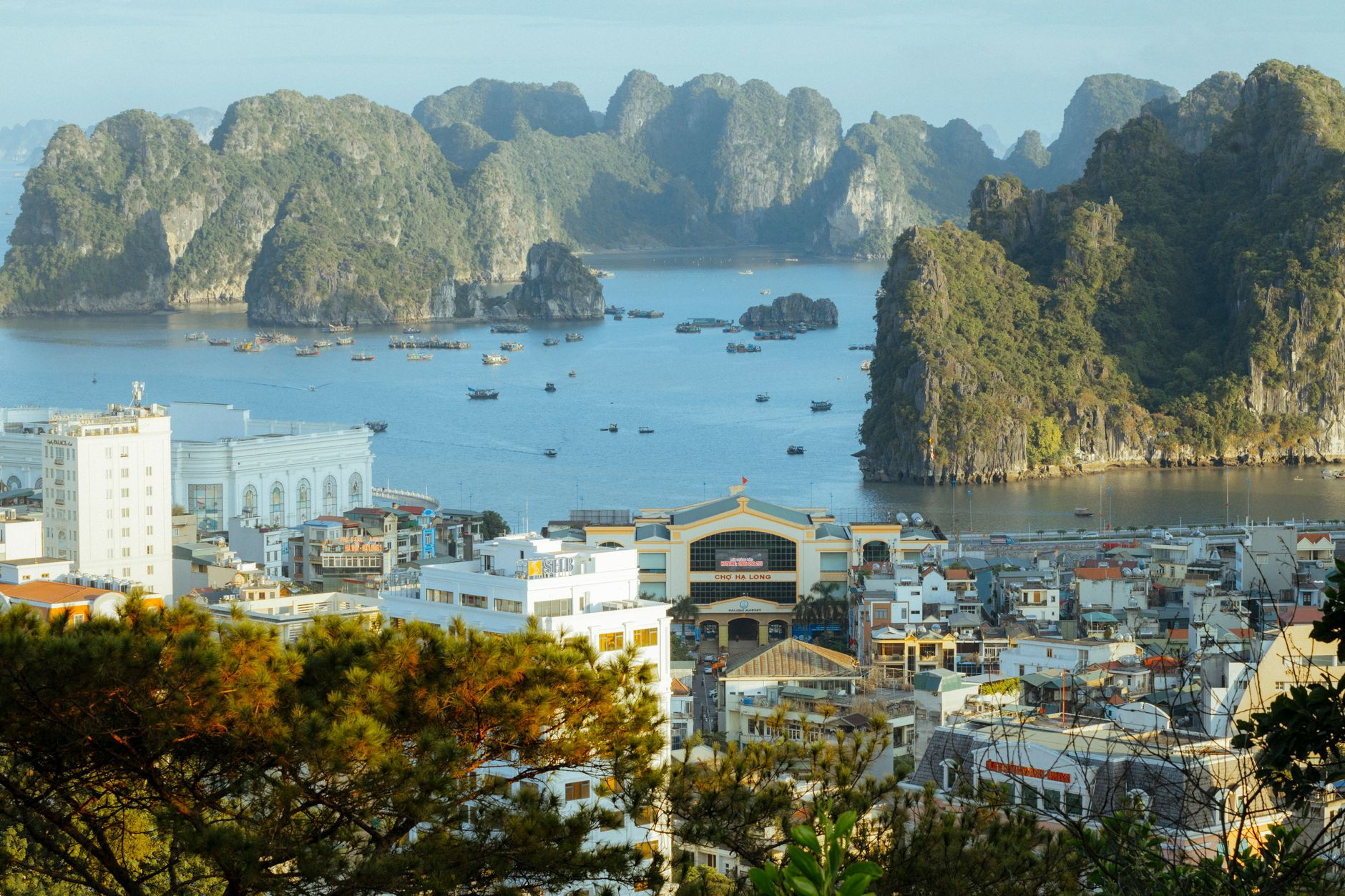
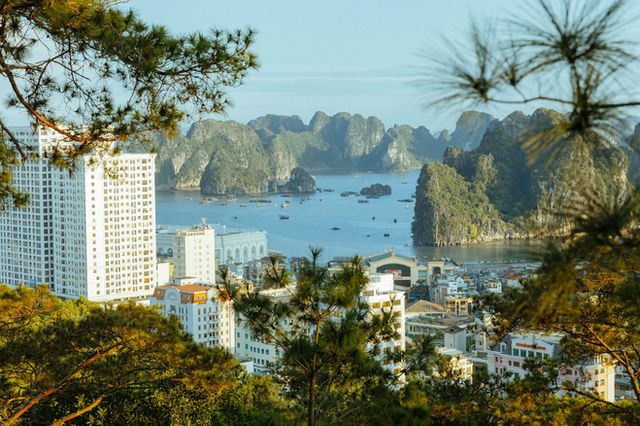
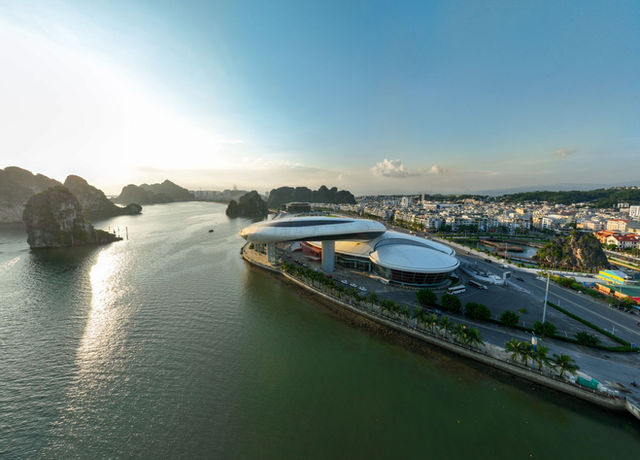
Ha Long, Vietnam
Photo by HONG SON on Pexels

Highlights

A few frames from the route.

Photos provided by Pexels

The route

3 overnight bases, numbered in order. Tap a pin to jump to that day.

© OpenFreeMap · OSM contributors · straight-line route (not turn-by-turn)

7 days, day by day. Open any day for the morning-to-evening plan, where to eat, and where you sleep that night.

  1. Day 1 Fri 31 Jul Arrive Hanoi Base day

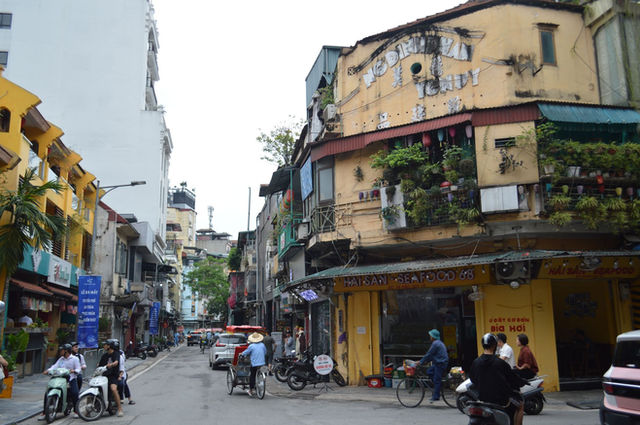
    Arrival and the Old Quarter

    Morning. Land at Noi Bai and transfer in, about forty-five minutes; drop bags and let the jet lag settle.

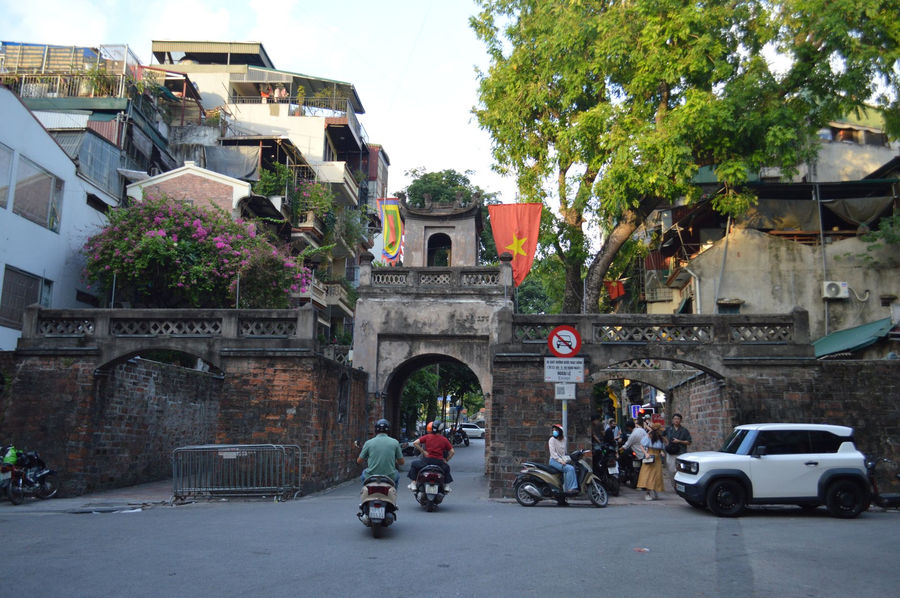
    Afternoon. Walk the Old Quarter's guild streets, each historically dedicated to one trade, and learn the road-crossing rule: walk slowly, steadily, and never stop — the motorbikes flow around you.

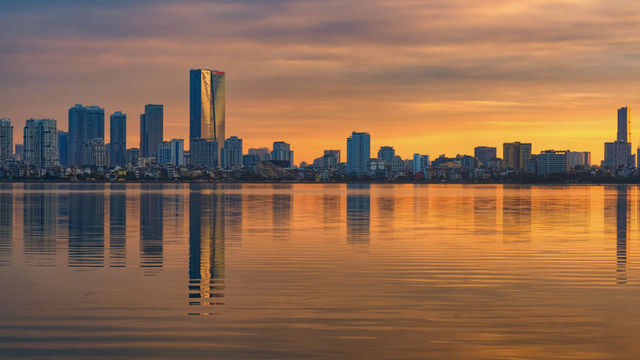
    Evening. Hoan Kiem lake at dusk and the Ngoc Son temple on its island, then a water-puppet show, which is a genuinely odd thousand-year-old art form performed in a pool.

    Eat. Pho bo at a plastic-stool pavement place, then egg coffee — coffee under a whipped egg-yolk custard, invented here.

    Where to stay. The Old Quarter for noise and proximity, or the French Quarter near the Opera House for calm — the Old Quarter is genuinely loud until late.

    Optional / swaps. The Train Street, where a train passes inches from the cafés, has been repeatedly closed by authorities for safety; check whether it is open before making a plan around it.

    Practical. Hanoi traffic is the thing that startles people most; crossing is a skill and it works. Use Grab for taxis to avoid meter disputes. The weekend night market closes several Old Quarter streets to traffic entirely.

    🛏 Hanoi · 2 nights · 2 guests

  2. Day 2 Sat 1 Aug Hanoi Base day

    Hanoi

    Morning. The Temple of Literature, Vietnam's first university, founded in 1070 — five walled courtyards with stelae of doctoral graduates carried on stone tortoises.

    Afternoon. The Ho Chi Minh mausoleum complex and the One Pillar Pagoda, then the Vietnamese Women's Museum, which is far better than it sounds and air-conditioned.

    Evening. A street-food crawl through the Old Quarter — bun cha, the grilled pork and noodle dish Hanoi does best.

    Eat. Bun cha for dinner, banh mi from a cart for later.

    Where to stay. Hanoi (as Day 1).

    Optional / swaps. The Hoa Lo Prison museum is sobering and heavily one-sided; worth it with older teenagers who can hold two perspectives at once.

    Practical. The mausoleum keeps short morning hours, closes on Mondays and Fridays, and closes entirely for a period each autumn; dress modestly and expect airport-style security.

  3. Day 3 Sun 2 Aug Hanoi → Ha Long ~171 km Bus

    Hanoi → the bay

    Morning. Road transfer east — the expressway has cut this to around two and a half hours, a real improvement on the old four.

    Afternoon. Board and sail out among the karsts — thousands of limestone islands rising sheer out of jade water, with floating fishing villages between them.

    Evening. Dinner on deck, squid fishing off the back, and a sky with no light pollution in it.

    Eat. Fresh crab and clams cooked on board.

    Where to stay. On board a junk. Cabins are small, the top deck is the point, and one night is the right length.

    Optional / swaps. Most boats offer a cave visit; Sung Sot is the famous one and the busiest.

    Practical. Book into **Lan Ha Bay** rather than the central Halong route if you can — the same landscape, far fewer boats. Cruises are occasionally cancelled at short notice for storms, especially July to September, and the operators do not sail against a port closure; do not schedule a tight connection the next day. Check the operator's safety record rather than shopping on price alone.

    🛏 Ha Long · 1 night · 2 guests

  4. Day 4 Mon 3 Aug Ha Long → Hoi An ~763 km Fly

    The bay → Hoi An

    Morning. Dawn kayak or a swim off the boat, then brunch as you sail back in.

    Afternoon. Transfer to Hanoi and the short flight to Da Nang, then the drive down the coast to Hoi An.

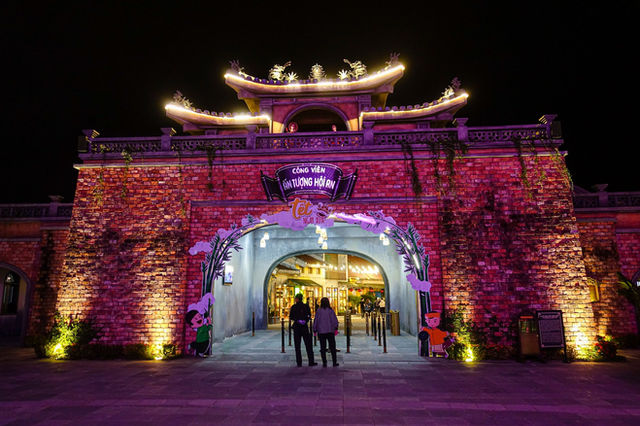
    Evening. First walk through the Ancient Town as the silk lanterns come on and the river fills with candle boats.

    Eat. Cao lau — Hoi An's own noodle dish, made with water from one specific well — and white rose dumplings.

    Where to stay. Just outside the Ancient Town or towards An Bang beach — the Ancient Town itself is pedestrianised and lovely but busy, and a ten-minute bike ride out buys quiet and a pool.

    Optional / swaps. If the flight lands late, the lantern-lit riverfront is at its best around nine anyway.

    Practical. Build slack into this day; it chains a boat, a road transfer and a flight. Domestic Vietnamese flights are cheap and frequent but delay-prone, so take an afternoon departure rather than the last one.

    🛏 Hoi An · 3 nights · 2 guests

  5. Day 5 Tue 4 Aug Hoi An Base day

    Hoi An Ancient Town

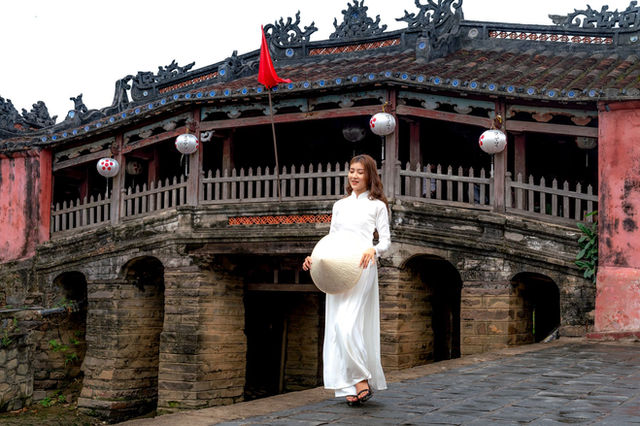
    Morning. The Ancient Town early, before the heat and the tour groups — the Japanese Covered Bridge, the Fujian Assembly Hall, and the old merchant houses that have been lived in by the same families for centuries.

    Afternoon. Get something tailored. Hoi An's tailors will make a garment in a day or two; go to one with a real fitting process rather than the cheapest quote, and allow two fittings.

    Evening. The night market on An Hoi islet, then a boat with a paper lantern on the Thu Bon river.

    Eat. Banh mi from one of the town's two famous carts, and com ga Hoi An — the local chicken rice.

    Where to stay. Hoi An (as Day 4).

    Optional / swaps. A Hoi An cooking class, most of which start at the market and travel by basket boat, is the best-value half-day in town.

    Practical. The Ancient Town uses a ticket system — a booklet of coupons that admits you to a set number of heritage houses and halls — and it is checked at the entrances to the core streets. The town floods in the October–November rainy season, sometimes to knee-deep in the riverside streets; it is atmospheric and genuinely disruptive.

  6. Day 6 Wed 5 Aug Hoi An Base day

    My Son or the beach

    Morning. My Son, the ruined Cham temple complex in a jungle valley an hour inland — red brick towers, bomb craters from the war among them, and far fewer people at eight than at eleven.

    Afternoon. Back for An Bang beach, or cycle out through the rice paddies to Tra Que herb village.

    Evening. A last dinner on the riverfront.

    Eat. Grilled seafood at An Bang, or a herb-garden lunch at Tra Que.

    Where to stay. Hoi An (as Day 4).

    Optional / swaps. The Hai Van Pass and Marble Mountains on the way towards Da Nang, if you would rather have a road day than ruins.

    Practical. My Son is exposed and unshaded — the early slot is the comfortable one. Cycling around Hoi An is flat and easy, and most hotels lend bikes free; the roads out to the beach have a shoulder but the traffic is Vietnamese, so keep children on the inside.

  7. Day 7 Thu 6 Aug Hoi An Base day

    Last morning and home

    Morning. A last coffee on the river, and collect the tailoring.

    Afternoon. Road transfer to Da Nang airport, about forty-five minutes up the coast past My Khe beach.

    Evening. Home.

    Eat. A final banh mi for the journey.

    Where to stay.

    Optional / swaps. The Marble Mountains sit directly on the road to the airport and take an hour with lifts.

    Practical. Da Nang is a large, modern airport and the drive is straightforward; the main risk is a long domestic connection back through Hanoi or Saigon, so check the routing on your homeward ticket.

Flights

An open-jaw trip — fly into HAN, home from DAD. Each search opens pre-filled with your travel dates and party.

Powered by the Travelpayouts flight search on /flights.

Budget

A realistic planning budget for the whole trip — beds, food, fuel, the hire car and the extras. Change your party size, dates or comfort level and it updates to match.

€1,009≈ £862
  • Per person€505
  • Per day€144
  • SeasonPeak
  • TierMid

Estimate settings editable

Party2 travellers
CategoryHow it’s estimatedEstimate
Accommodationper-person/night (3–4★, min 2 sharing, £75 floor) × people × nights × season × tier€684
Meals & drinksper-country food/person/day × party × days × tier€72
Activities & admissionsper-country activities/person/day × party × days€60
Local transportper-country trains, buses & ferries/person/day × party × days€36
eSIM / ATMfixed one-off€65
Subtotal€917
Contingency (10%)€92
Grand total ≈ £862 · €505 pp · €144/day€1,009

How we estimate

  • Accommodation — per-person nightly by destination, minimum two sharing, × season × tier.
  • Standard (Mid) = 3–4★+ — estimates assume our audience’s baseline: 3–4★ or better, never below a ~£75/night room floor. Premium higher; Budget lower.
  • Meals — per person, per day, by country. Fuel — from the route distance. Season — from your dates.

These are planning estimates, not quotes. Premium properties and popular tourist hubs run above the country average, especially in peak season. Where live cost data isn’t available yet, some countries use representative figures.

Eat your way across

A taste of every country you travel through — the food culture worth going out of your way for, and the signature dishes to seek out.

Vietnam

Herbs by the fistful, broth simmered overnight, and a country that eats best on a plastic kerbside stool.

Dawn in Hanoi and the phở stall is already busy — a vat of beef broth that has simmered all night, ladled over rice noodles, brightened with a fistful of herbs, a wedge of lime and a slick of chilli you tear and add yourself. You eat it hunched on a plastic stool barely off the pavement, and it may be the best thing you eat all trip.

Vietnamese food runs on balance — salty fish sauce, sour lime, sweet, hot, and the green freshness of herbs, all held in tension on every plate. Travel the length of the country and it shifts under you: fierce, imperial cooking in Huế; the sweeter, coconut-rich south; and everywhere the legacy of France reworked into something better, the bánh mì — a crackling baguette packed with pâté, pickles and coriander. Grab a stool, point at whatever smells good, and let the kerb feed you.

  • phở (beef noodle soup)
  • bánh mì (filled baguette)
  • bún chả (grilled pork & noodles)
  • gỏi cuốn (fresh spring rolls)
  • bún bò Huế (spicy beef noodles)
  • cà phê sữa đá (iced coffee)

A little history

To understand what you see today, it helps to know the past — the civilisations and empires that shaped the culture, food and architecture of the places on this route.

Vietnam
  • A thousand years resisting and absorbing China left the chopsticks, the noodle soups and a Confucian streak
  • a century of French Indochina gave the baguettes, the coffee and the faded colonial towns
  • the imperial citadel at Huế and the lantern-lit port of Hội An preserve the old order
  • the war and 1975 reunification are recent memory, now overtaken by fast, open growth

Family activities

The stops, games and moments that land best with kids and teens on this trip.

Waking up on a junk anchored between limestone islands and kayaking before breakfast while the bay is still flat.

Releasing a paper lantern onto the Thu Bon river in Hoi An after dark, from a rowing boat.

Learning to cross a Hanoi street — walk slowly and never stop — which becomes a running family joke by day two.

A Hoi An cooking class that starts at the market and travels by round basket boat, which spins on purpose.

Spot-it in the Old Quarter: count how many things one motorbike can carry, and find the street named after each guild trade.

Packing

What to bring for this trip — the easy-to-forget essentials.

clothing (for the full climate range + layers)

Light quick-dry clothing plus a rain layer — central Vietnam is genuinely wet in October and November. Modest cover for the mausoleum, temples and My Son. A warm layer for the boat deck at night.

footwear (terrain)

Sandals and one pair of walking shoes; My Son is uneven brick and Hoi An is cobbles and bicycle pedals.

activity gear

Dry bag for the kayak, swimwear, strong insect repellent, and a sun hat.

luggage & transport strategy

Soft bags — the junk's cabins are small and you transfer by tender. Leave room for tailoring on the way home.

documents / money / connectivity & adapters

Passport plus printed e-visa, eSIM, cash in dong for street food and markets (cards are patchy outside hotels), Type A/C sockets.

health / first-aid

DEET repellent, rehydration salts, motion-sickness remedies, plasters, and any prescriptions. Check current vaccination advice; drink bottled or filtered water throughout.

destination-specific extras

A foldable bag for the tailoring, and a torch for the boat deck.

Drone rules (sub-250g)

Where you can and can’t fly a small drone along the way — the rules change sharply from one country to the next, so check before you launch.

  • Vietnam
    Effectively unflyable for casual visitors. Vietnam treats a camera drone as a surveillance device under Ministry of Defence control: flying one needs an MoD permit applied for around 14 days ahead through a Vietnamese sponsor (roughly US$350–700 a day), the sub-250g exemption covers only camera-free flight, and drones must be declared at customs and may be impounded on arrival. ⚠ Military zones, government buildings, airports and border regions are off-limits, and the density of Hanoi, Ho Chi Minh City and Ha Long Bay puts them out of bounds without a specific permit. Rules checked: Jul 2026

National parks, protected sites and religious/heritage venues often have their own rules and permits — always check the specific site before you fly.